
Most dog owners feel like they know their dog well enough to sense when something’s off. You catch the droopy ears, notice the tail drop, maybe the absent stare at the wall. But here’s the thing: dogs are far more expressive than we give them credit for, and the signals they’re sending go much deeper than the obvious ones.
Dog body language encompasses a wide range of unique behaviors that convey emotions and intentions, and it can be quite different from how humans communicate with one another. That gap is where misunderstandings happen, and sometimes where real problems go unnoticed for too long. Learning to read the full picture, not just the obvious wagging tail or the playful spin, can genuinely change how you care for your dog.
1. The Direction of the Tail Wag Tells a Whole Story
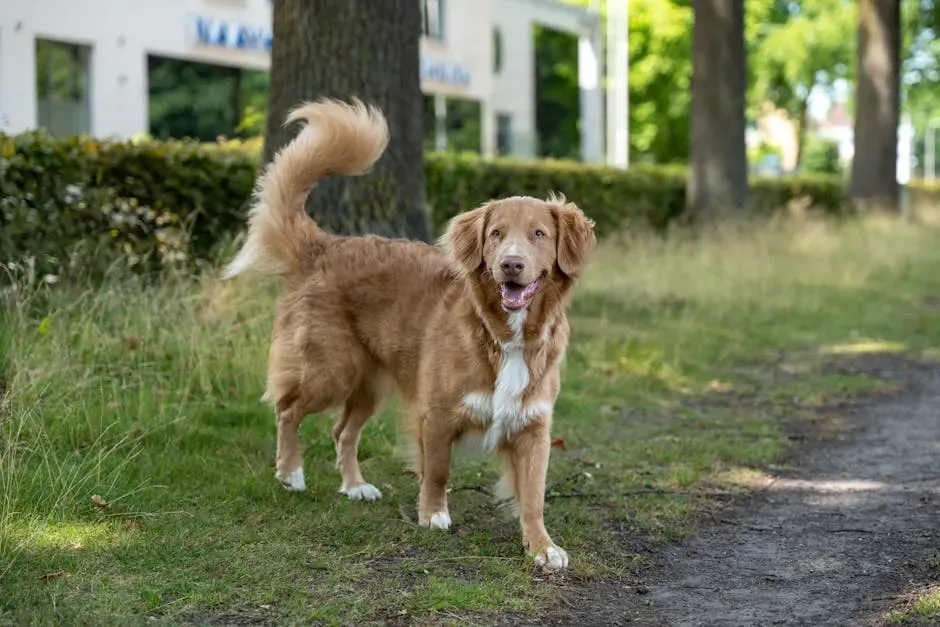
You’ve known since childhood that a wagging tail means a happy dog. Except it doesn’t, not always. Most dog parents assume a wagging tail means a happy dog, but this motion is more ambiguous than people think. At its most basic, a wagging tail signals an intent to interact, which could mean a happy, fun interaction or a stressful one.
The direction of the wag carries its own information. Research has shown that dogs tend to wag their tails more to the right when they’re feeling positive, such as when interacting with their owner, while tails wagged more to the left when dogs faced something negative. That’s a remarkably specific detail most owners never notice.
There’s also the helicopter tail wag, where the dog’s tail spins in a full circle. Without question, that’s a happy wag, and you’ll usually see it when a dog is greeting a beloved person. Learning to spot these differences takes a little practice, but it’s genuinely worth the effort. Your dog’s tail is one of its most honest communicators.
2. Yawning Is Not Always About Being Tired
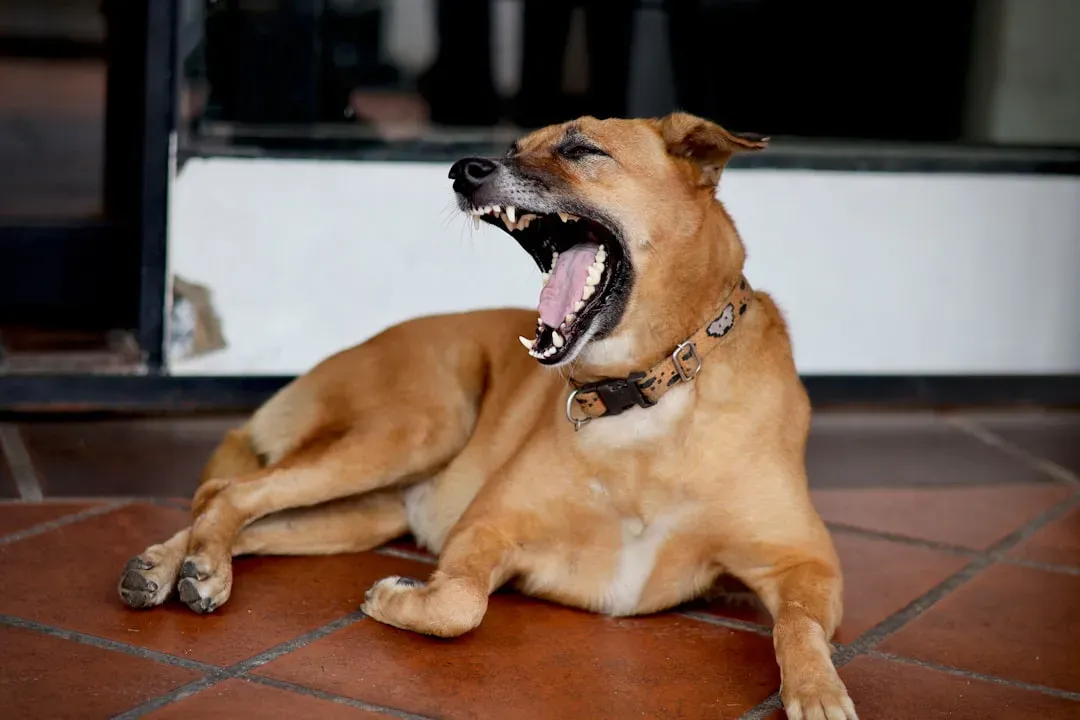
Catch your dog yawning in the middle of the day and you might chalk it up to a lazy afternoon nap cycle. Most of the time, though, it means something else entirely. People yawn when they’re tired or bored, but dogs yawn when they’re stressed. Dogs use yawning to calm themselves in tense situations and to calm others, including their owners.
A distressed dog might perform exaggerated yawns, sneeze, or lick their lips frequently. These are what behaviorists call calming signals, quiet attempts by your dog to diffuse tension or self-soothe. Think about situations like vet visits, loud gatherings, or meeting unfamiliar dogs. If you see that yawn there, your dog isn’t bored. They’re managing themselves.
Some experts suggest yawning at your dog during stressful moments, like a vet visit, to provide comfort. Don’t be surprised if your dog yawns back, since just as yawning is contagious in people, dogs can “catch” yawns too. It’s one of the most subtle ways you can communicate calm to your dog without saying a word.
3. Lip Licking Is a Quiet Cry for Help
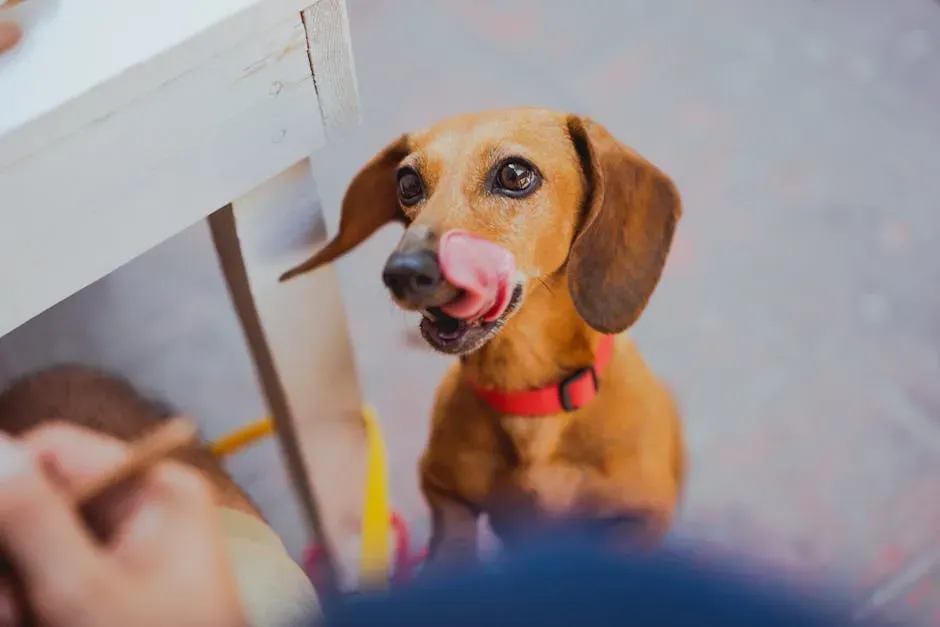
Lip licking is a piece of dog body language that people often misinterpret. Just like people, dogs will lick their lips after a delicious meal, but they’ll also do it when they feel anxious, and sometimes the tongue flick is so quick it’s tricky to notice. It happens in a split second, a tiny dart of the tongue that most owners miss completely.
Your dog isn’t signaling a desire to lick your face. Rather, it’s a sign of discomfort with a given situation. You might see it when someone approaches too quickly, when your dog is cornered during a hug, or when you ask them to do something they find confusing or uncomfortable. It’s a polite way of saying “I’m not okay right now.”
If you notice the lip lick happening repeatedly in specific situations, it’s worth taking that seriously. Adjust the environment, give your dog more space, or simply slow down the interaction. Withdrawal, excessive lip licking, changes in appetite, or avoidance may be signs of emotional distress. Don’t ignore these signs.
4. Raising a Single Paw Means Uncertainty, Not a High-Five
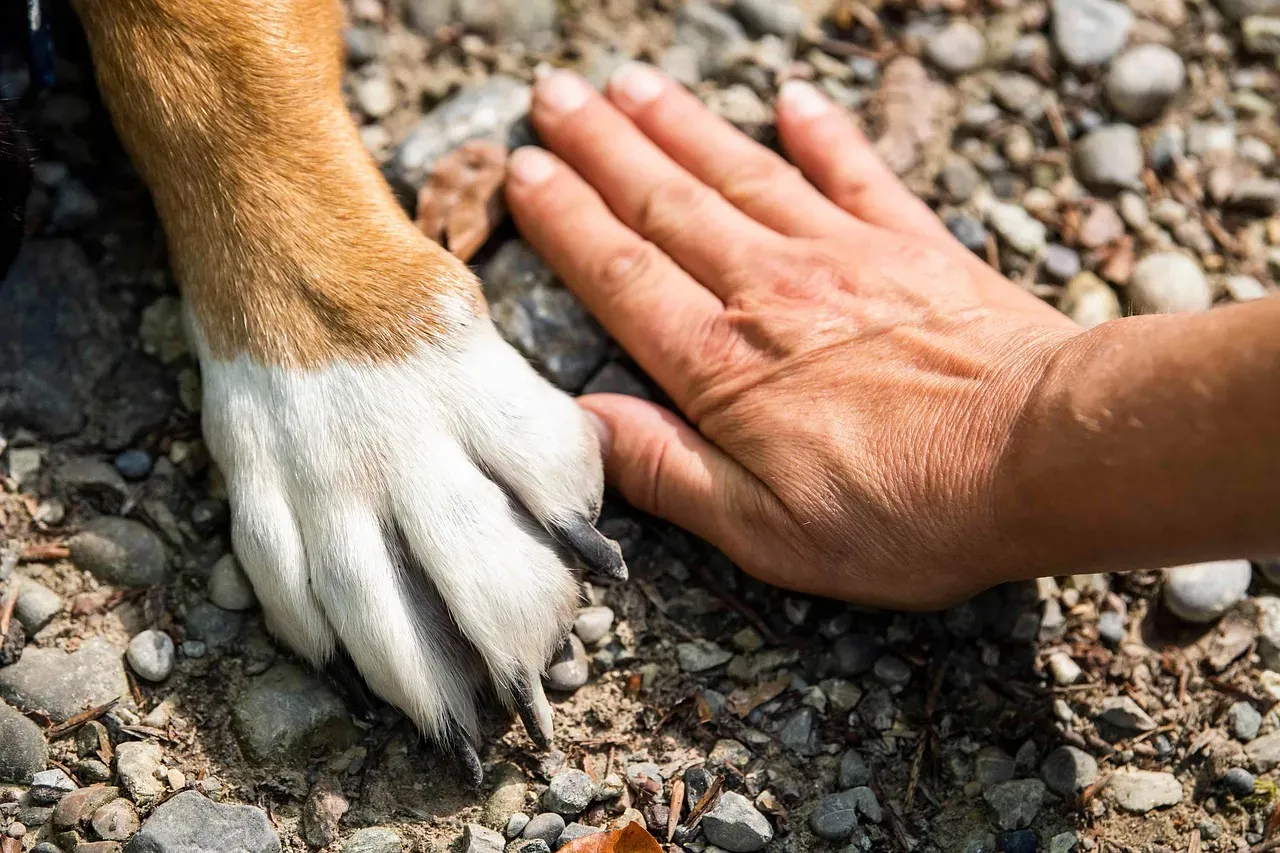
Dogs who lift one front paw while standing still often look adorable, maybe even like they’re about to perform a trick. The actual meaning is more nuanced. The paw raise is a less easily understood signal. In pointing breeds like the English Setter, the paw raise is part of pointing behavior where the dog indicates nearby prey. Outside of this context, however, a raised paw often indicates that a dog is uncertain about a situation or feels a bit insecure.
Picture your dog pausing mid-stride with one paw suspended when encountering a stranger on a walk. That’s not a greeting pose. It’s hesitation made visible. Your dog is processing the situation before deciding how to respond, which is actually a healthy behavior rather than a problem.
The best response is to give your dog time to assess rather than pulling them forward or pushing an interaction. Watch their body language and allow them to choose when to engage. That small act of trust does more for your dog’s confidence than almost anything else you can do in that moment.
5. Whale Eye: When the Whites of the Eyes Appear
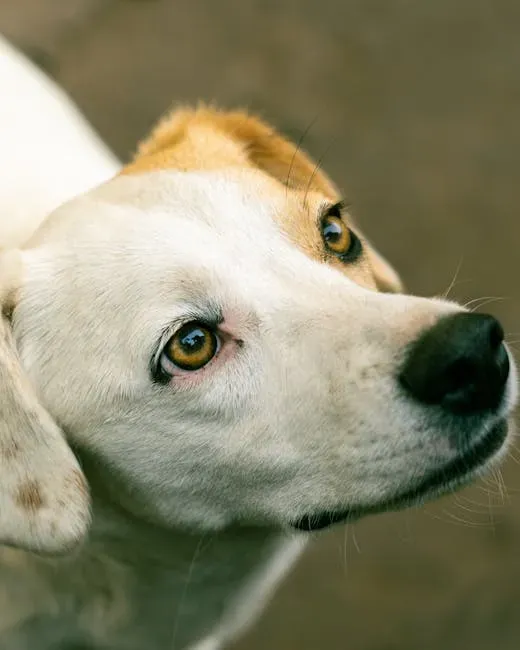
This one stops most people in their tracks the first time they recognize it. Known as “whale eye,” when a dog shows the whites of the eyes, it’s a signal that they’re feeling anxious or stressed. You might see it when you make your dog uncomfortable, such as patting them on the head, or when they’re afraid someone will steal a bone or toy.
The dog might turn their head away from a stressor but angle their eyes toward it, causing the whites of their eyes to show. It’s the canine equivalent of someone giving you a sideways glance while slowly backing toward the door. The body turns away, but the eyes stay on the perceived threat.
Whale eye often appears before a growl or snap, so recognizing it early is genuinely important for safety, especially around children. Stress and fear signals often appear before growling or biting, and recognizing early signs of discomfort can prevent escalation. If you see whale eye, the most helpful thing you can do is remove the stressor or give your dog space immediately.
6. Hackles Raised Don’t Always Mean Aggression
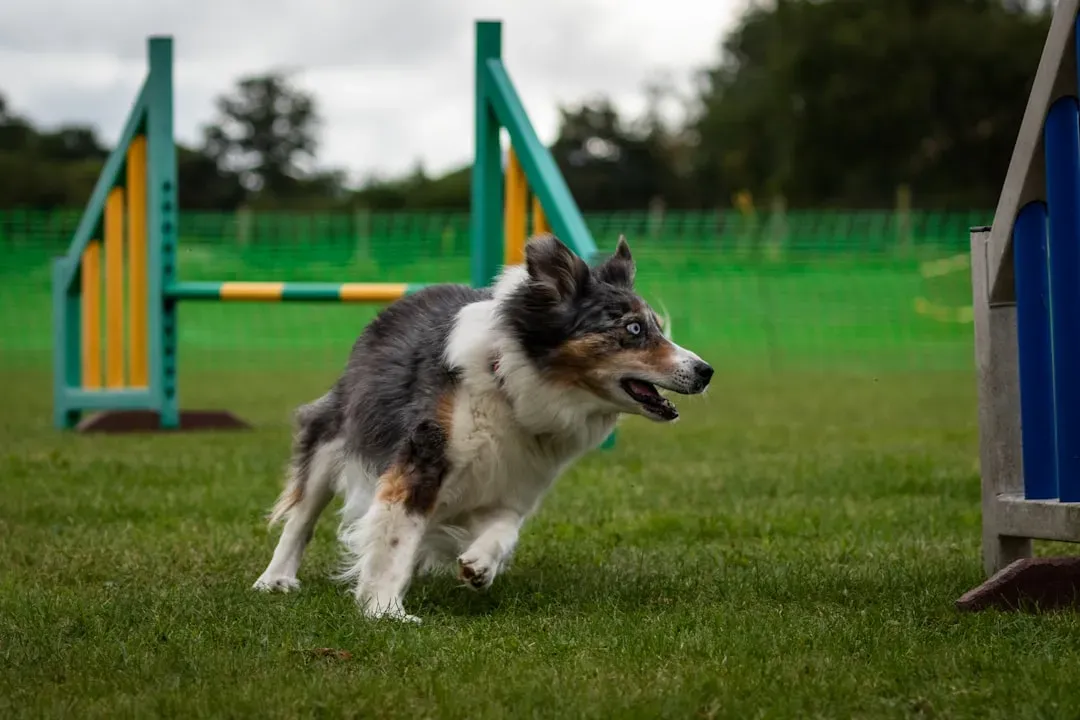
Most people see a dog’s hackles rise and take a nervous step back, assuming the dog is about to attack. That reaction is understandable but often inaccurate. The hairs that run along the back of a dog’s shoulders and spine are called hackles. When a dog is feeling excited or scared, their hackles rise through a reflex called piloerection. The same reflex causes goosebumps in humans when we’re feeling nervous or scared.
Raised hackles signal heightened arousal, which can come from excitement, fear, or uncertainty. A dog meeting a new dog at the park might raise their hackles simply because the encounter is stimulating, not because they’re dangerous. Context is everything here.
When the hair on your dog’s shoulders and spine becomes raised, they are usually experiencing feelings of fear, stress, or anxiety. Pay attention to the rest of the body. A dog with raised hackles who is also stiff, silent, and unblinking is sending a very different message than a dog with raised hackles who is also loose-bodied and curious. Reading both together gives you the real story.
7. The Belly Roll Isn’t Always an Invitation
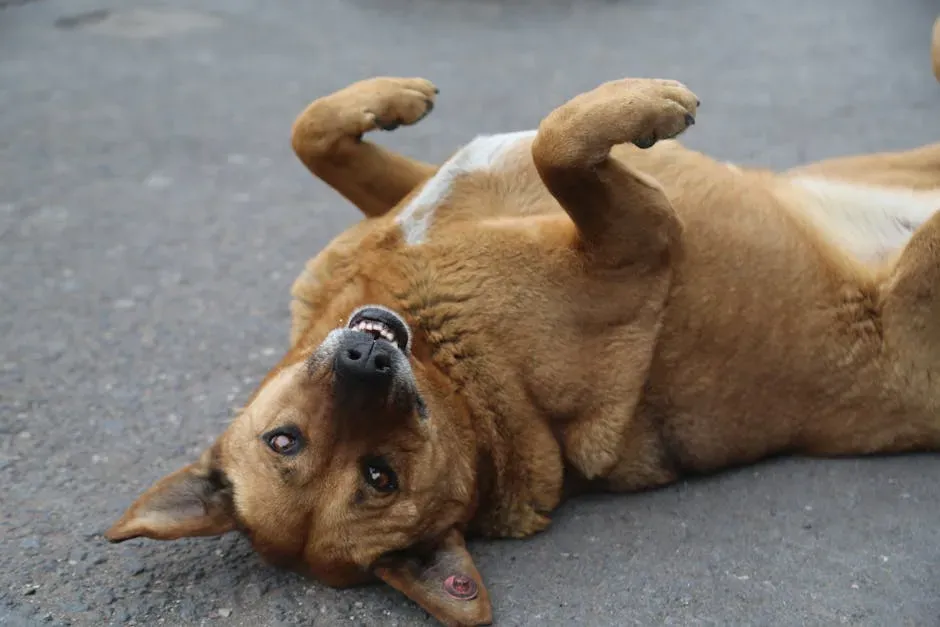
Rolling over and exposing the belly feels like an unmistakable invitation for a rub, and sometimes that’s exactly what it is. Other times, it means something quite different. This is also called a “tap out.” The dog flips over quickly, exposing their stomach, with ears back and tail tucked between their legs or hugging their body. The dog is not asking for a belly rub but is signaling that they are withdrawing from and nervous about interaction.
The difference between a relaxed belly roll and a stress-driven one is mostly in the body. Your dog might roll over onto their back but stay stiff and still once there rather than doing it in a relaxed way. A happy belly-up dog looks loose and wiggly. A stressed one holds the position rigidly, often with a tucked tail and flattened ears.
If you reach down for that belly rub and your dog flinches, freezes, or quickly rolls away, respect that response. They weren’t actually asking. Learning to tell the difference means you’ll respond to what your dog actually needs rather than what you hope they mean, and that shift matters more than most owners realize.
8. A Sudden Full-Body Shake Can Signal a Mood Reset
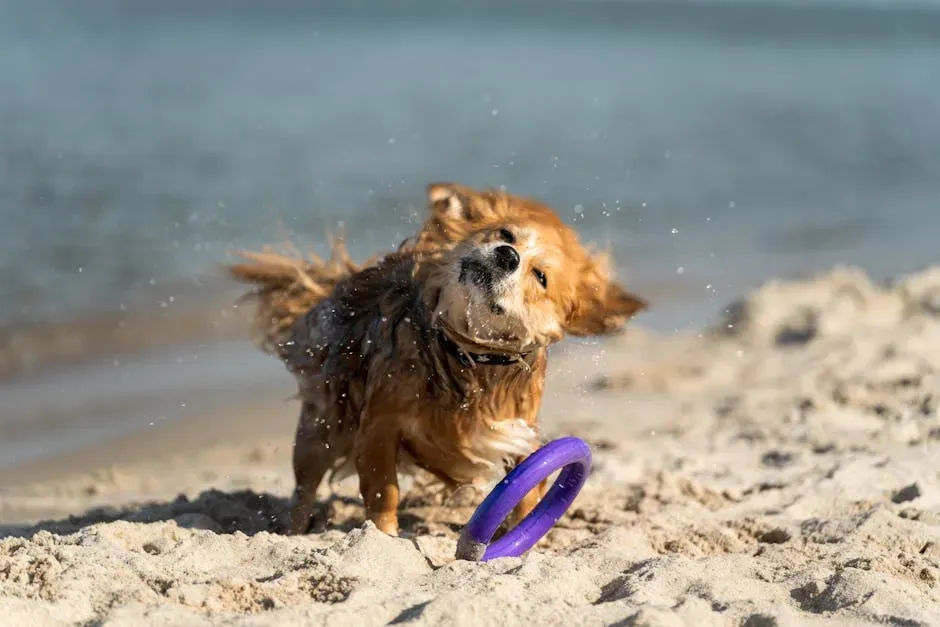
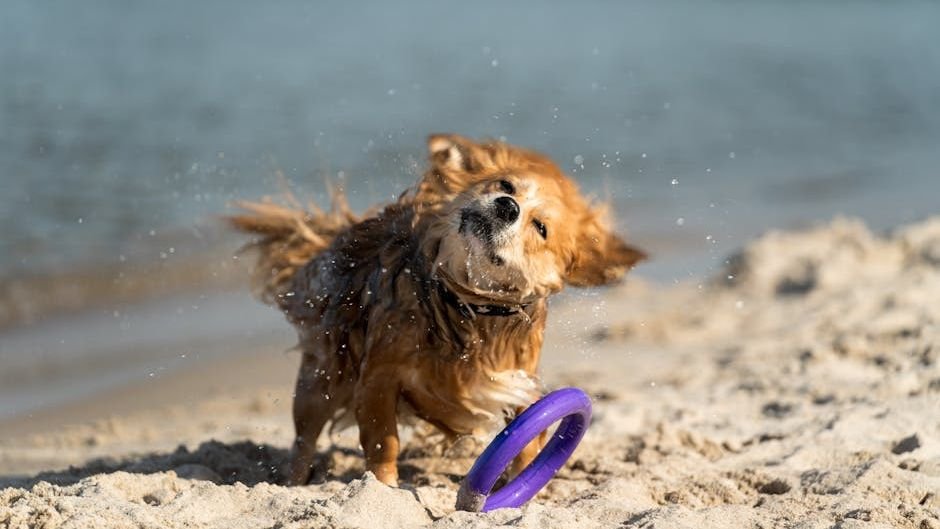
You probably associate the full-body shake with a dog stepping out of a bath or shaking off after a swim. But dogs also do this in completely dry, indoor situations, and that version means something different. When a dog is stressed, they might show displacement behaviors, also known as calming signals. These can be a variety of activities that might seem inappropriate in the situation. For example, a dog might start self-grooming to calm down when they’re afraid.
The shake-off after a tense moment is the canine version of taking a deep breath and rolling your shoulders back. You’ll often see it right after an uncomfortable greeting, a visit to the vet, or a brief scuffle at the dog park. It’s the body’s way of physically releasing what just happened.
Your dog might do a full body shake-off after a lovely relaxing bath or a swim to rid themselves of excess water. When the shake happens without water involved, though, it’s almost always emotional. Watch for it in the seconds after a stressful interaction, it tells you your dog is transitioning back to baseline and doing so on their own terms.
9. Refusing Food Can Be an Emotional Signal
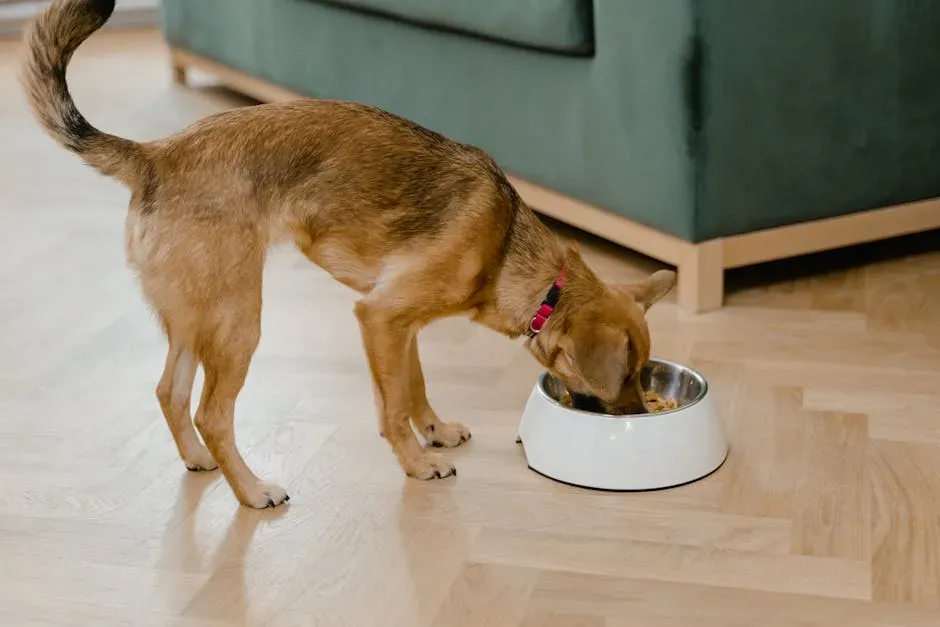
A dog turning down food is something most owners notice immediately, and rightly so, since appetite changes often signal illness. What’s less obvious is that emotional distress can produce the very same response. Withdrawal, changes in appetite, or avoidance may be signs of emotional distress or even pain. These two causes can look identical from the outside.
A dog who is anxious, grieving the loss of a companion animal, or adjusting to a significant life change like a move or a new baby in the home may simply stop eating normally for a period. This isn’t stubbornness. It’s a real emotional response in a creature that has the emotional capacity of a 2- to 2.5-year-old child and can experience emotions like joy, fear, and anger.
If you notice ongoing signs of anxiety, fear, or behavioral issues including appetite changes, talk to your vet. Emotional health problems can sometimes be linked to physical illness or require professional behavioral support. Don’t wait to see if it resolves on its own. A quick check-in with your veterinarian can help rule out physical causes and point you toward the right support.
10. Brief Body Freezing Is a Loud Warning in Silence
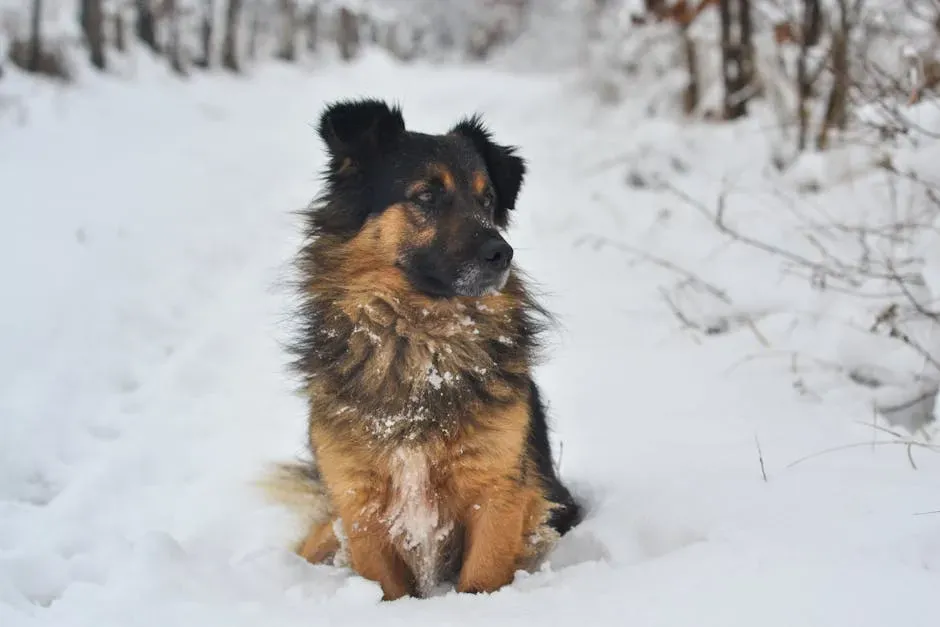
A dog going completely still, even for just one or two seconds, is one of the most commonly missed signals in canine communication. It’s easy to overlook because it looks like nothing. In reality, it’s a significant moment. Brief body freezing occurs when the dog is still for one or two seconds before reacting or moving. That pause is rarely random. It’s your dog making a decision.
A worried dog will look tense rather than relaxed in the way they hold themselves. They might shrink away, hold their head low, and avoid eye contact by looking away. If your dog goes very still, like a statue, that usually means they’re getting really uncomfortable.
Freezing is often the last quiet warning before a dog escalates. Think of it as a period at the end of a sentence. Everything your dog tried to communicate before that moment, the whale eye, the lip lick, the turned head, has now built up to this. Giving your dog immediate space when you see a full-body freeze is one of the most important things you can do. It prevents escalation and reinforces trust between you.
11. Leaning In or Pulling Away During Petting Speaks Volumes
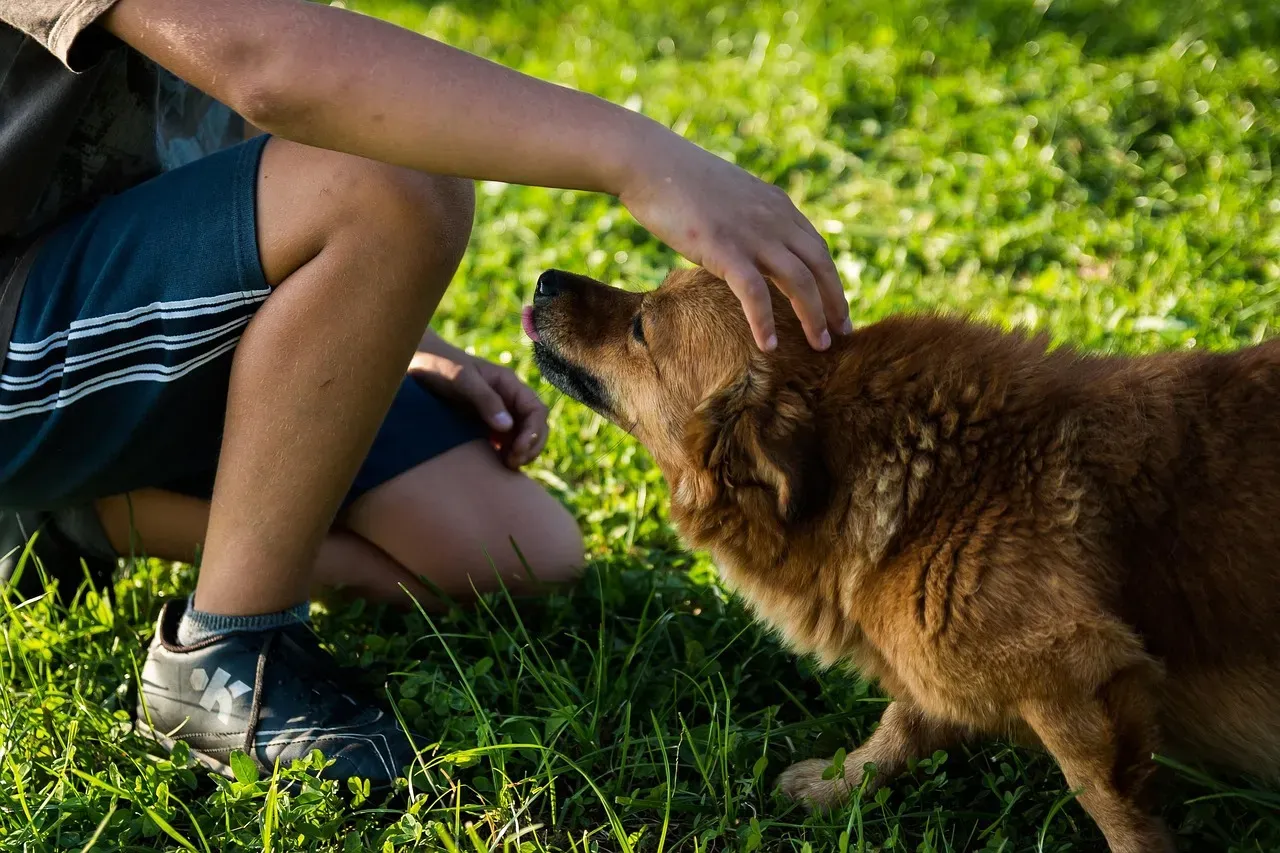
Dogs are remarkably clear about physical contact when you pay attention. Happy dogs make a lot of body contact. If your dog reacts, stays close, or even leans in toward your hand during petting, they’re enjoying the contact. Staying just out of reach or walking away could be a sign they need more space.
A dog who leans their body weight into you during a pet is not just being clingy. They’re expressing trust and contentment in one of the most direct ways they can manage. It’s a full-body yes. On the other side, a dog who tolerates petting with a stiff body, a frozen expression, and no reciprocal lean is not having a great time, even if they’re not growling or moving away.
Research has shown that dogs produced significantly more facial movements when humans gave more attention to them, and a dog’s facial expressions are usually viewed as spontaneous, automatic reactions tied closely to emotions. In other words, your dog’s responses during physical contact are genuine and informative. Learning to read that lean, that subtle sidestep, or that soft push into your palm gives you a real-time window into how your dog actually feels.
Understanding the Full Picture
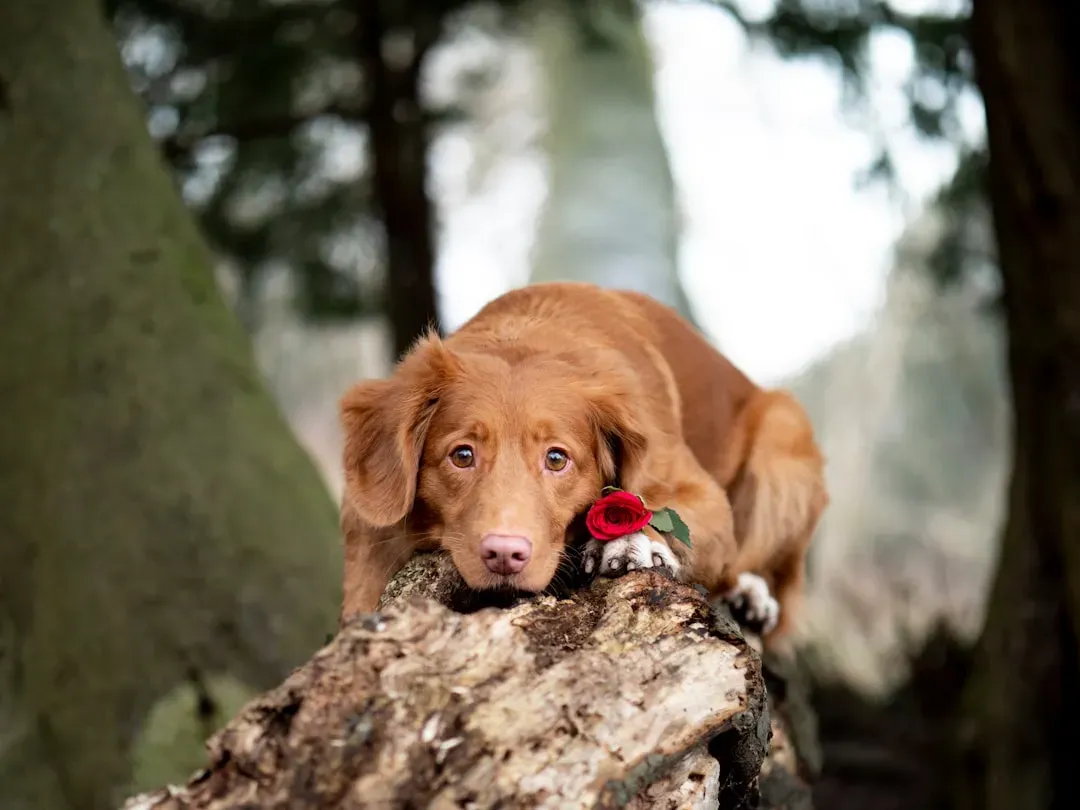
No single signal tells the whole story on its own. No dog body language signals act alone. They’re all part of a package. So, when you read a dog’s communication, look at every signal the dog is using, from the tail height to the eye shape. The more you practice reading them together, the more naturally it comes.
Dog body signals should be read in the context of whatever other body or vocal language the dog is communicating. Similar signals have different meanings in different situations, so the position of the body and other vocal signals will help you understand a dog’s intent and emotional state. That context is everything.
What makes this knowledge genuinely valuable isn’t just the ability to label what your dog is feeling. It’s what you do with it. A dog who feels heard, whose signals are respected and responded to with consistency and care, is a more confident, calmer, and happier animal. The relationship deepens on both sides. You stop guessing and they stop repeating themselves. That kind of connection is what loving a dog is actually about.


