
You’ve just touched down in a new city or country. You’re groggy, a little disoriented, and quietly counting the hours since you last slept properly. Now look down at your dog. They’re sniffing the unfamiliar floor of your rental apartment, pacing in circles at 2 a.m., or refusing the meal you’ve carefully portioned into their travel bowl. Sound familiar?
Crossing time zones doesn’t just throw off your internal clock. Your dog has one too, and it’s just as confused as yours. The good news is that dogs are resilient, adaptable creatures. With a little preparation and patience, you can help them settle into a new rhythm far more comfortably than you might expect.
Why Dogs Experience Time Zone Disruption in the First Place
While dogs don’t have a cognitive understanding of time zones, their daily routines, including feeding, sleeping, and activity, are regulated by an internal rhythm. This isn’t just a loose preference for consistency. It’s deeply biological.
Dogs, like many other animals, are attuned to a circadian rhythm that acts as an internal clock. These are physical, mental, and behavioral changes that follow a 24-hour cycle, affecting most living beings, including our dogs, plants, and even microbes. When you fly across several time zones, that clock doesn’t reset automatically.
Even though pets nap quite a bit, they still follow a daily circadian rhythm, a sleep and wake cycle influenced by the alternation between day and night. When it’s dark, they tend to have a deeper sleep pattern than when they nap during the day. Disrupting that cycle is genuinely disorienting for them.
The effects of circadian rhythm disruption in animals have been studied most recently on mice, observing many of the same unpleasant side effects that humans experience when hopping time zones. Since plants, animals, and even bacteria all operate via a circadian rhythm, it should be no surprise that dogs can struggle to resynchronize their body clocks after traveling long distances.
Recognizing the Signs That Your Dog Is Off-Balance
Just like humans, dogs can experience symptoms of jet lag, including fatigue, disorientation, and anxiety. The tricky part is that dogs can’t tell you they feel off. You have to read their behavior instead.
After you arrive at your destination, you may notice your dog experiencing more accidents than usual, showing signs of separation anxiety, or getting hungry at unusual times. If your dog is waking you up at random hours of the night expecting a tasty meal, it’s likely a sign of jet lag.
You may observe your dog getting lethargic, needing rest and time to recover before you can take them out to explore your destination. Some dogs also pace, whine, or seem unusually clingy. When their daily schedule shifts without explanation, even by an hour, some dogs may become anxious or confused, leading to pacing, whining, or attention-seeking behavior.
Jet lag symptoms should not last more than a day or two. If your dog appears disoriented or lethargic for a longer period, consider taking them to a vet. Most of the time, a little patience and structure will see them through it. Still, it’s worth paying close attention in those first 48 hours.
The Smart Move: Start Adjusting Before You Even Leave Home
One of the most practical things you can do for your dog costs nothing and starts well before the flight. One of the most proactive ways you can help prepare your dog for a successful plane ride is to slowly adjust their schedule, including feeding, walking, and sleeping, a few days before departure to move it closer to the destination time zone. This will make the transition much less abrupt.
Feed your dog a bit earlier or later than usual to get closer to what feeding time will be in their new location. Make sure the changes are gradual, around 30 minutes to an hour off schedule at first and so on over a few days or even weeks if you can manage. Do the same when settling them for bed, adjusting that time too if you usually put your pup in a crate.
Ensure that your dog gets plenty of exercise in the days leading up to the trip, as physical activity can help regulate their sleep patterns and reduce anxiety. A well-exercised dog simply settles more easily, whether at home or in an unfamiliar destination.
What to Do Immediately After Arrival
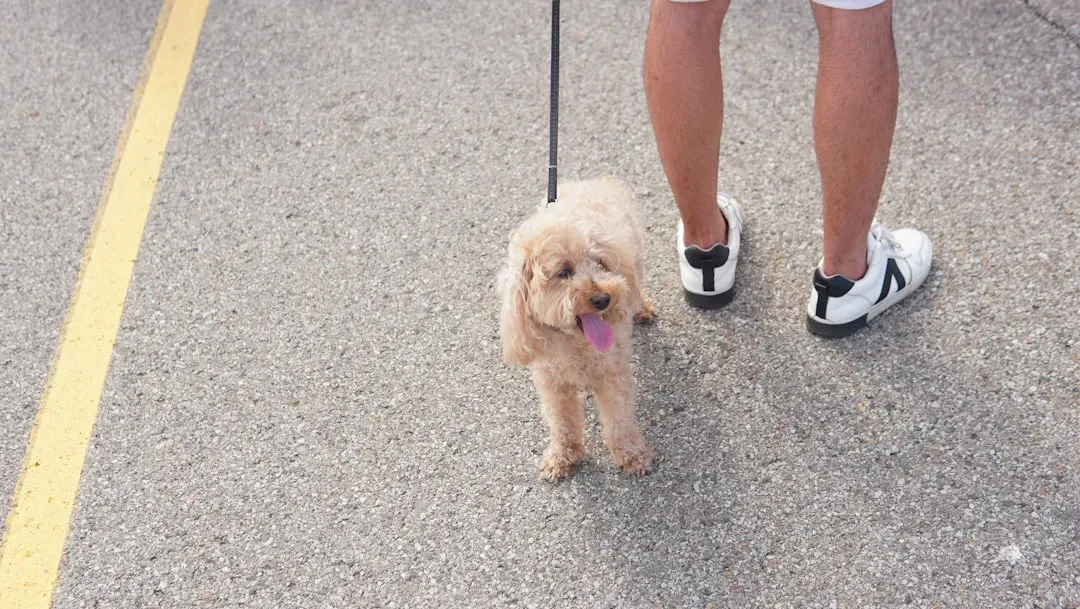
The first few hours after landing matter more than most people realize. Your dog is taking in a flood of new scents, sounds, and environmental cues, all while running on a disrupted clock. How you handle this window sets the tone for their adjustment.
Taking your dog for a walk shortly after arrival can help them burn off energy and reset their body clock. Keep it calm and unhurried. This isn’t the time for a high-energy adventure. It’s about grounding them in the new environment and letting natural light do its work.
Natural light exposure is a powerful regulator of circadian rhythms and can significantly expedite the adjustment process for you and your dog. A short outdoor walk in daylight is honestly one of the simplest and most effective tools available to you.
Dehydration is common during travel. Offer bottled water to keep them hydrated and avoid unfamiliar water sources that may upset their stomach. On the food front, avoid giving them a large meal or too much water right away, as you don’t want to upset the already delicate state of their stomach. Give them a light meal instead.
Rebuilding Routine: The Key to Faster Recovery
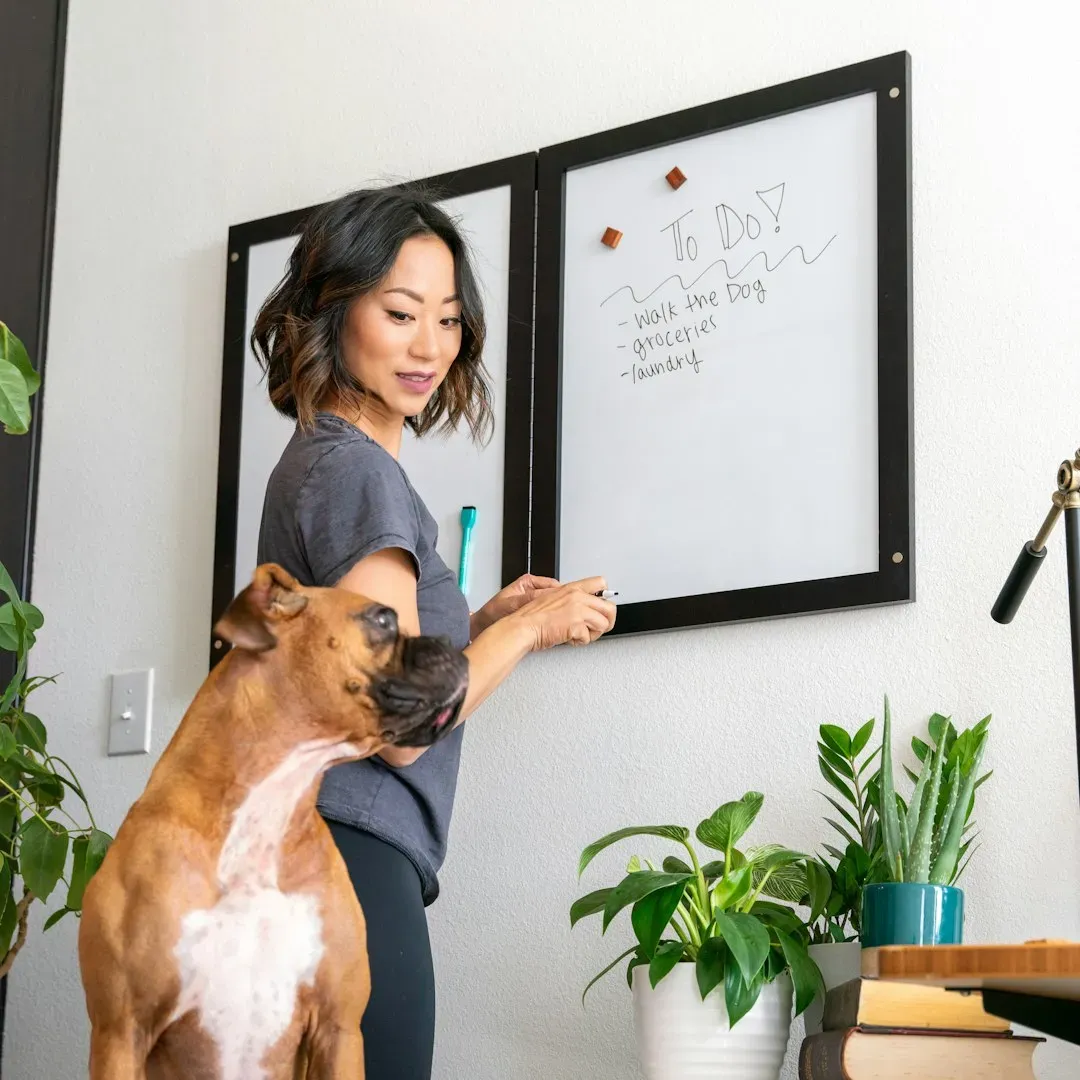
Once the initial landing chaos settles, the most powerful thing you can offer your dog is structure. Reestablishing normalcy after travel is crucial for minimizing the impact of jet lag and anxiety in dogs. Consistency, routine, and familiar surroundings are key to helping your dog readjust and feel comfortable in their new environment.
Ease into feeding adjustments by shifting your dog’s feeding schedule by 15 to 30 minutes each day until it aligns with your destination’s time zone. Don’t try to force an overnight reset. Gradual is always better than sudden when it comes to a dog’s biological rhythm.
Bring your dog’s favorite blanket or toy to provide a sense of security during and after the flight. Familiar smells are remarkably calming for dogs in unfamiliar spaces. Purchase your dog’s regular brand of food, or bring some from home, to avoid any digestion issues that may arise from an unfamiliar diet.
It’s common for pets to wake up at odd hours after traveling across time zones. If your pet wakes up in the middle of the night, try to keep interactions calm and quiet. Avoid feeding or playing with them during these times, as this can reinforce the behavior. Instead, encourage them to settle back down until it’s time to wake up according to the new schedule.
A Note on Sensitive Dogs, Senior Dogs, and When to Call the Vet
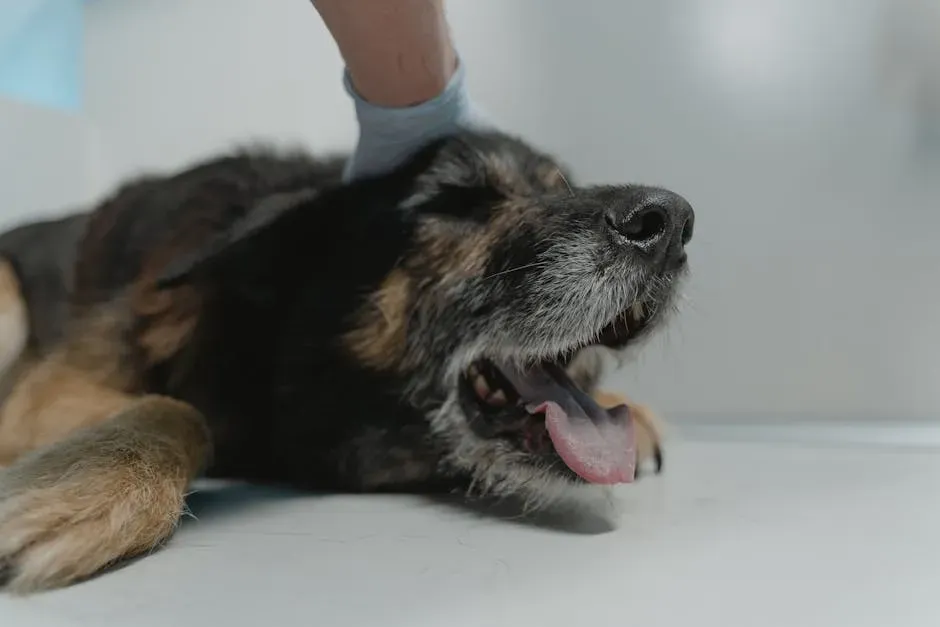
Not every dog adjusts at the same pace. Some bounce back within a day. Others, particularly older dogs and more anxious breeds, need a little extra consideration. Older dogs tend to lose their circadian rhythm as they age, which can lead to sleep disruptions. This could mean they have a harder time with even an hour of lost sleep as time shifts occur.
While all dogs are individuals, some breeds may adapt more easily to changes. High-energy breeds like Border Collies or Labradors may recover quicker due to their active nature, while more sensitive breeds like Greyhounds might need extra support. Knowing your own dog’s temperament before you travel helps you plan for what’s realistic.
If your pet is having a particularly difficult time adjusting, you might consider natural sleep aids, such as melatonin supplements, to help them rest. Always consult with your veterinarian before giving your pet any supplements or medications to ensure they are safe and appropriate for your pet’s needs.
Jet lag symptoms should resolve within 24 to 72 hours. However, you should consult your vet if your pet has underlying health issues or is older, as they may take longer to recover. A post-travel health check is a good idea if you have any concerns.
Conclusion: Your Dog Is Counting on Your Calm
Travel is one of life’s genuine pleasures, and there’s no reason your dog can’t be part of it. The adjustment period after crossing time zones is real, but it’s manageable. A few thoughtful steps before, during, and after your journey can make an enormous difference to how quickly your dog finds their footing in a new place.
The most important thing you can offer isn’t a supplement or a perfect schedule. It’s your steady, reassuring presence. Light is an important factor in canine circadian rhythm, but social interactions and feeding times can also affect it. Dogs are very, very influenced by their human companions. When you stay calm and consistent, your dog takes their cue from you.
Give them time, give them routine, and give them a familiar sniff of home in an unfamiliar place. That combination tends to work better than anything else. After all, for your dog, home isn’t really a location. It’s wherever you are.


