

You come home after a long day to find your favorite throw pillow in shreds, the trash tipped over, and your dog looking up at you with absolutely zero remorse. Sound familiar? Before you chalk it up to bad behavior, consider this: your dog might just be bored out of their mind.
Just like humans, dogs need both mental and physical stimulation to stay happy and healthy. Boredom in dogs isn’t just about a lack of fun – it can actually lead to behavioral issues, anxiety, and even health problems. The tricky part is that dogs can’t tell you they’re understimulated. They show you instead. Once you know what to look for, the signals become surprisingly clear.
1. They’re Destroying Everything in Sight

One of the most obvious signs of boredom in dogs is destructive behavior. If your dog is chewing on furniture, shoes, or other household items, it’s a sign they’re seeking out something to do. It feels personal when you come home to a destroyed couch cushion, but it’s rarely malicious.
A bored dog will make their own fun, most likely in ways that don’t work for you. When left to their own devices, bored dogs will chew furniture and shoes, shred pillows, or even unroll your toilet paper, doing whatever they can find to pass the time. To redirect this, give them appropriate chew toys and rotate them regularly. According to the ASPCA, chewing is normal behavior for all dogs, young and old. Puppies chew to relieve pain caused by teething, while adult dogs chew to relieve boredom and anxiety. Chewing is a self-soothing action that should be encouraged, so make sure your dog has appropriate chew toys and treats.
2. They Won’t Stop Barking or Whining

Vocal behavior often increases when dogs are bored or lonely. Barking at passing cars, delivery drivers, or even nothing at all can be a sign your dog needs more engagement during the day. If your neighbors are filing noise complaints, take it as a clue worth investigating.
If your dog is barking at shadows or whining over nothing in particular, it may be boredom disguised as noise. Vocalizing can become a default outlet when they’re under-stimulated, especially if it gets your attention or breaks the monotony. Dogs are social animals. Without interaction, they may vocalize to release frustration or seek connection. Try giving them an interactive toy before you sit down to work – something that occupies their brain long enough to settle them down.
3. They Pace or Can’t Seem to Settle

A bored dog often struggles to settle. You might notice them pacing from room to room, constantly shifting positions, or lying down only to pop back up moments later. This aimless movement is a sign they’re craving stimulation and don’t know what to do with themselves.
A bored dog may become restless, pacing back and forth or wandering aimlessly around the house. This behavior is often a sign that they don’t know how to expend their energy. Adding structure helps enormously. Adding structure to their routine with predictable activities – short, focused play sessions, slow sniff-led walks, or puzzle-style games that engage their brain – can make a real difference. Even a five-minute training refresher between naps can help them relax.
4. They Follow You Absolutely Everywhere

Does your dog follow you from room to room, refusing to leave your side? This clingy behavior can be a sign that they’re bored and are relying on you to entertain them. It’s flattering for about ten minutes, and then it becomes a little concerning.
If your dog insists on being your shadow, trailing behind you from room to room, or panicking when you’re briefly out of sight, it could be boredom mixed with attachment behaviors. Dogs crave stimulation and connection, and if they’re not getting enough engagement, they may cling to you as their sole source of interest. The fix isn’t to push them away – it’s to give them independent activities. Provide independent activities for your dog, such as a stuffed Kong or a treat puzzle, that they can work on while you’re busy. Schedule regular play sessions where you actively engage with your dog to fulfill their social needs. Teach your dog a new command or trick to challenge their mind and give them something productive to focus on.
5. They’re Sleeping Way More Than Usual

While dogs do sleep a lot, excessive sleeping can sometimes indicate boredom. If your dog is snoozing more than normal, especially during the day, it could be because they’re not getting enough stimulation to stay alert and engaged. It’s one of those signs that’s easy to miss because it looks so harmless.
Dogs sleep a lot naturally, but boredom sleep is different. If your dog naps most of the day and then becomes hyperactive in the evening, they may be lacking stimulation when it matters most. Adult dogs may sleep for 12 to 14 hours a day, but doing nothing is not healthy. If your dog sleeps too much or is restless, destructive, or hyperactive, see a vet. If there’s no underlying health issue, they might just be bored. Breaking up the day with short bursts of play or training can completely shift this pattern.
6. They Demand Your Attention Constantly
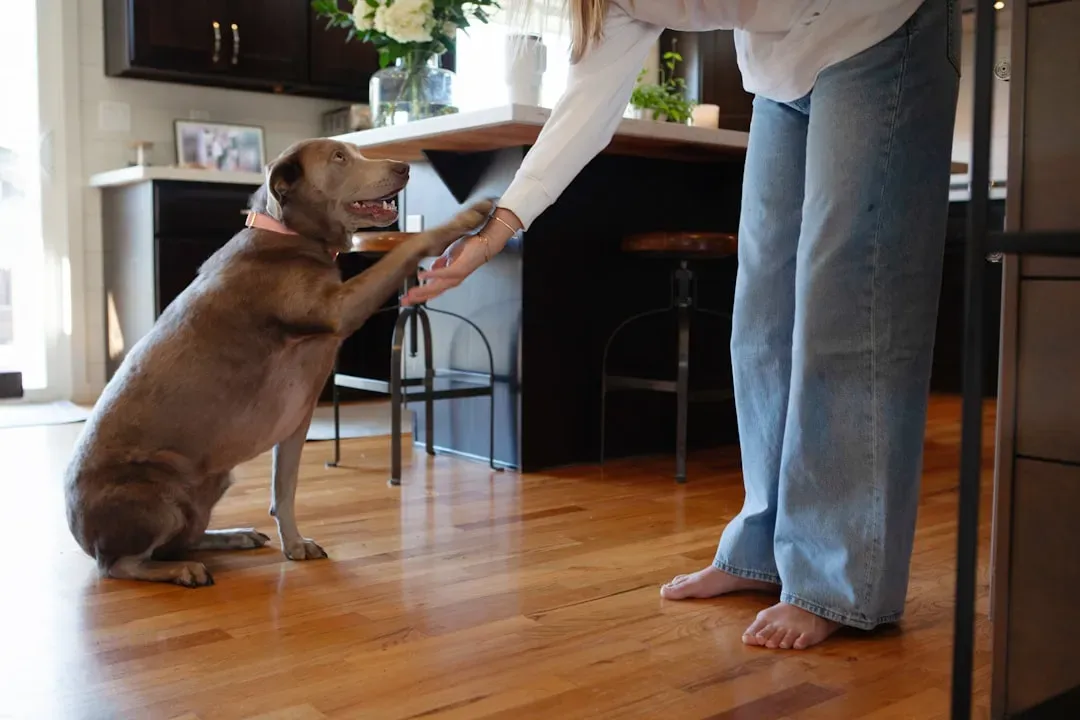
Jumping on you, pawing at your legs, nudging you while you’re trying to work – these behaviors may be cute at first, but they’re often your dog’s way of saying, “I’m bored over here!” While affection is always welcome, constant attention-seeking might mean it’s time to mix things up in their routine.
Most dogs appreciate everyday affection, but if your pup is following you constantly or trying to get your attention, it might be a sign of boredom. When your fur baby is whining, nudging, and begging for your attention around the clock, you might continually tell them to stop the behavior, but they’re communicating a different message to you. They’re most likely bored and need some form of engagement. Rather than simply telling them “no,” swap the unwanted behavior with something better, like a puzzle feeder or a short training session.
7. They Dig, Dig, and Dig Some More

Digging is one of those behaviors that can look like a quirk but is often something more. Boredom in dogs can lead to various unwanted behaviors, such as excessive barking, chewing, digging, and even trying to escape the yard. If your backyard is starting to resemble a construction site, pay attention.
As a species, dogs dig, chew, and shred, and many dogs crave outlets for these activities in our modern homes. You can minimize destruction and meet your dog’s needs by noticing what he likes to do and providing opportunities to do so on “legal” items. A sandbox designated for digging, or a yard zone where digging is permitted, can redirect this urge productively. This is particularly an issue for dogs like German Shepherds, Border Collies, and Labrador Retrievers, for whom working, herding, and sporting is part of their DNA.
8. They Engage in Repetitive or Compulsive Behaviors

Repetitive behaviors like spinning, excessive licking, or tail chasing aren’t just quirky habits – they can be signs of boredom tipping into frustration. High-energy and working breeds are particularly prone to this when their mental needs go unmet.
If your dog is licking or chewing their paws, legs, or other parts of their body excessively, boredom could be the reason. Dogs may develop repetitive behaviors when they don’t have enough to do. What starts as one small behavior – chewing on a shoe from boredom – can turn into a more serious condition, like compulsive licking or chewing, that requires medical or behavioral help. These conditions often eventually involve your dog swallowing something they shouldn’t, which can lead to GI issues or obstructions. If you notice repetitive behaviors becoming intense or hard to interrupt, consult your vet to rule out any medical or anxiety-related causes.
9. They Steal Objects Just to Get a Reaction

If your dog keeps running off with forbidden objects, it may be less about mischief and more about creating drama to get your attention. Dogs are quick to learn that stealing things prompts a reaction – even if it’s a chase or a scolding. Every time you scramble after them, they’ve just won the most exciting game in the house.
This is boredom operating as a very clever strategy. Many dogs respond to understimulation by seeking their own outlets, which can include digging, chewing, shredding objects, or barking for attention. These behaviors are often an attempt to create activity or stimulation when their needs aren’t being met. If boredom persists over time, frustration can build and the behaviors may intensify, sometimes becoming more difficult to manage. Swapping stolen-item games for structured chase or fetch sessions gives them the thrill of the chase in a way that works for both of you.
10. They Show a Sudden Drop in Enthusiasm

Boredom won’t look the same in every dog. A bored dog might sleep more than usual, have diminished enthusiasm for toys or food, or do naughty things like chew the baseboards. A dog who used to sprint to the door at the word “walk” but now barely lifts their head is worth paying attention to.
Dogs may become so frustrated that they become hyperactive or even aggressive and reactive. In other cases, dogs may become depressed, choosing to sleep all day and showing little interest in anything. Owners can sometimes confuse a depressed dog with a lazy one, although some dogs certainly love to sleep all day, it can be a warning sign in active breeds. Mental stimulation helps keep aging brains sharp. A lack of enrichment can speed up cognitive decline, especially in senior pups. If the low enthusiasm is combined with other behavioral changes, a vet check-in is the smart first move.
11. They React with Over-the-Top Energy at the Smallest Triggers

Does your dog leap into chaos mode at the sound of your keys, the doorbell, or a bird flapping past the window? Sudden outbursts over minor triggers often stem from built-up boredom and under-stimulation, especially in smart, energetic breeds. That explosive reaction is pent-up energy with nowhere to go.
If a dog is not getting enough engagement, you’re heightening its arousal level, and it might display behavior like jumping, overexcitement, and grabbing you with its mouth, which can be mistaken for aggression. Channel that pent-up energy with regular walks, varied play sessions, and mental tasks like scent work or training games. At home, practice calm routines – reward your dog for staying grounded during everyday moments like someone knocking or picking up your bag. Calm responses are teachable.
What to Do: A Few Grounded Starting Points

Giving your dog’s brain a workout is as important as exercising their body, and it’s equally exhausting. Before you head to work, try interactive games to challenge your dog’s mind. Mental stimulation can take many forms, and the best options depend on your dog’s age, personality, and energy level. Activities such as food-puzzle toys, snuffle mats, scent or nose-work games, and short positive-reinforcement training sessions are excellent ways to engage your dog’s mind.
Discovering different places helps your dog’s mind stay active. Switch up your regular route and head to new places like the beach or your local town center. If you’re constantly asking your dog to stop sniffing on walks, go for a sniff walk instead. Let your dog set the pace and allow them to smell the spots they want to explore. While it may be shorter than normal, it’ll be more mentally rewarding for your dog.
Socialization isn’t just for puppies. Even adult dogs benefit from being exposed to new people and places. It’s mentally stimulating and a great way to combat doggy boredom. And if you notice that behavioral changes persist even after adding enrichment, dogs who are bored often improve with increased enrichment and structured activity; dogs with anxiety may continue destructive or repetitive behaviors even in a stimulating environment. If you’re unsure, it’s best to speak with a veterinarian. They can help determine whether boredom, anxiety, a medical issue, or a combination of factors is contributing to the behavior.
Conclusion

Your dog isn’t trying to make your life harder. They’re trying to tell you something. A bored dog isn’t a “bad” dog. It doesn’t mean you’re a bad pet parent either. They’re simply under-stimulated, under-socialized, or missing the structure they need to feel fulfilled.
Beating boredom doesn’t require a full-time schedule of activities – just the right mix of mental and physical enrichment. A new walking route, a puzzle feeder at dinnertime, a ten-minute training session before you leave for work – small, consistent changes add up faster than you’d expect. The dog that was chewing your baseboards last week can be the dog curled up, satisfied and settled, by the end of this one. You just have to tune in to what they’re asking for.


