
Picture this: a neighbor’s dog howling at 6 a.m. on a Tuesday in a quiet Montclair cul-de-sac. A Border Collie pacing the perimeter of a modest fenced yard for the fifth time that morning. A Siberian Husky who has decided the flower bed is an acceptable substitute for a snow-covered tundra. If you live in suburban New Jersey, you probably know someone living exactly this scenario.
New Jersey’s suburbs are a wonderful patchwork of tight-knit neighborhoods, modest yards, shared driveways, and HOA rules that take noise complaints very seriously. The Garden State is dense, lively, and full of dog lovers. But not every dog is designed for this particular kind of life. When considering bringing a dog into your home, it’s essential to choose a breed that fits well with your living environment and lifestyle, because the needs and behaviors of various dog breeds differ significantly, making some better suited for certain environments than others.
So before you fall in love with a breed just because it looks gorgeous in a photo, let’s talk honestly about which dogs will genuinely thrive on your quarter-acre lot in Cherry Hill and which ones will slowly drive everyone on the block a little bit crazy.
1. Border Collie: The Genius That Needs a Farm, Not a Fenced Yard

The Border Collie is the kind of dog that makes you feel slightly less intelligent by comparison. They’re brilliant, sensitive, and wired for complex, purposeful work from morning to night. Border Collies are brilliance on legs, which cuts both ways: they crave complex training, purposeful work, and hours of movement, and without those outlets, they invent jobs like herding kids, chasing cars, and stalking shadows. In a typical NJ suburb, that backyard simply doesn’t cut it.
Breeds developed for intense work like Border Collies struggle without extensive exercise and mental stimulation that’s difficult to provide in suburban or urban settings. If your dog starts herding your children at birthday parties or obsessively chasing the lawnmower, it’s not bad behavior. It’s a dog doing exactly what its genes tell it to do. The real problem is the mismatch between breed and environment, and it’s the dog who suffers most.
2. Siberian Husky: Built for the Arctic, Miserable in Suburbia
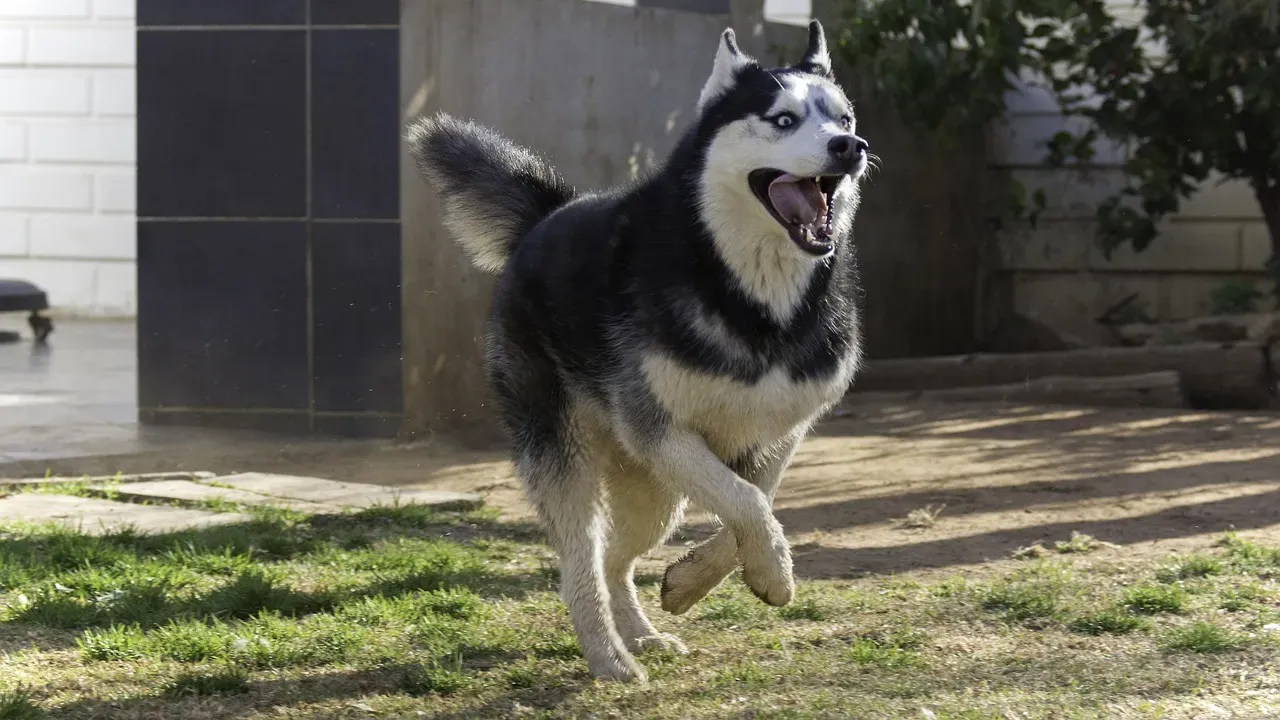
Huskies are stunningly beautiful dogs, and that beauty draws a lot of well-meaning families in New Jersey who don’t fully understand what they’re signing up for. Siberian Huskies were bred to pull sledges across arctic terrain for hours at a time, and their biology is unique in how they use their energy stores, allowing them to run constantly with little recovery time needed. Prospective Husky owners need to be able to offer these high-energy dogs at least 80 minutes of exercise each day. That’s on a calm day.
The Siberian Husky is beautiful, but novice owners typically looking for a pretty dog find themselves way in over their heads. These dogs were bred for endurance running and without a lot of exercise and proper training, they are very difficult dogs to live with. Add in the fact that Huskies are famously vocal, prone to howling, and notorious escape artists, and you have a recipe for noise complaints, fence-jumping incidents, and a very frustrated neighborhood.
3. Belgian Malinois: A Working Dog Wearing a Family Pet Costume
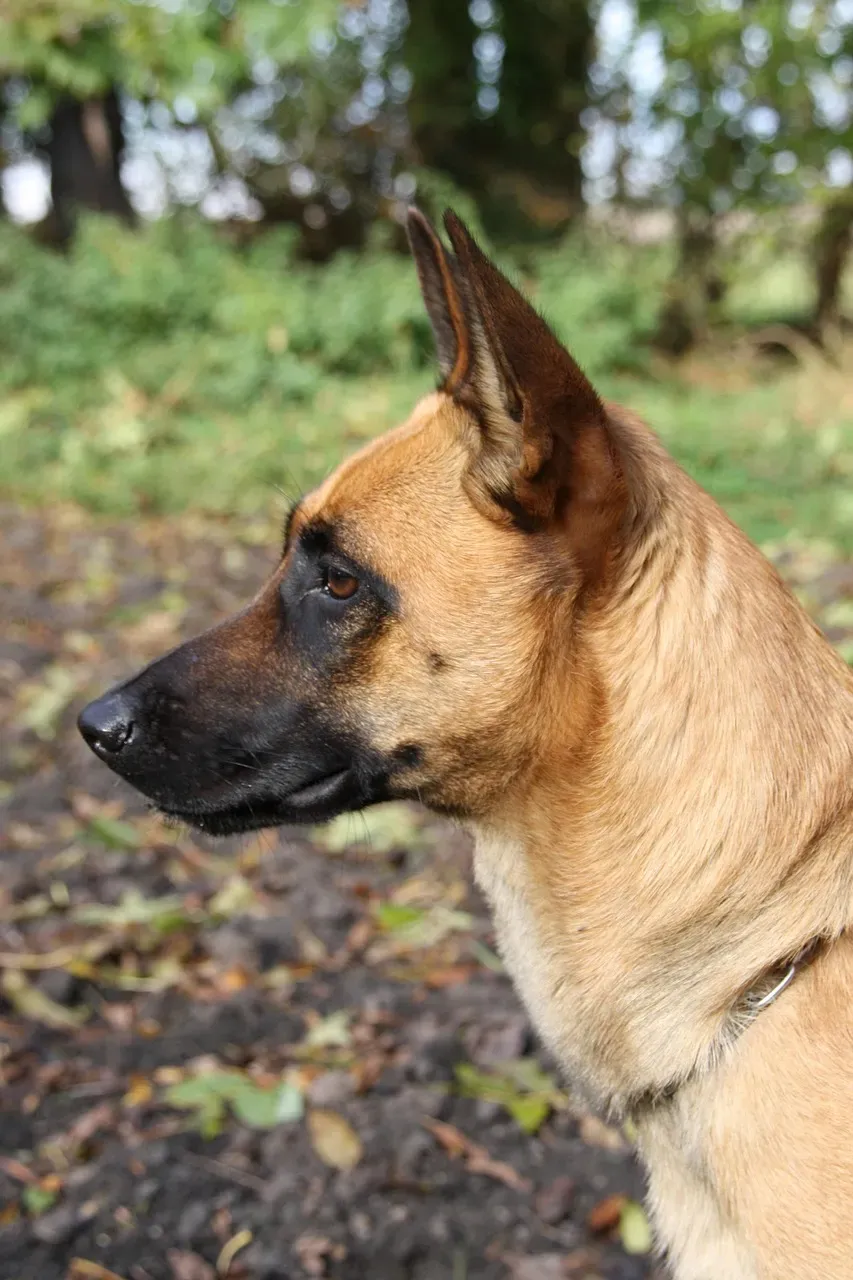
The Belgian Malinois has surged in popularity thanks to social media videos of police and military dogs performing incredible feats. What those videos don’t show is what happens when you bring one home to a three-bedroom Colonial in Voorhees. The Belgian Malinois is a working dog often used in police and military roles, and this breed requires two to three hours of intense exercise daily, including running, obedience training, or protection work. Two to three hours. Every single day.
They are highly intelligent and need consistent mental challenges to prevent boredom or destructive behaviors. Without that structure, a Malinois in a bored state is a genuinely formidable force. Give them a job, and they become one of the most impressive animals you’ll ever meet. The issue in suburban NJ isn’t that Malinois are bad dogs. They’re exceptional dogs built for exceptional demands that most suburban households simply cannot meet. Signs of a struggling Malinois include destructive chewing, relentless pacing, and redirected aggression.
4. Weimaraner: The Silver Ghost Who Will Ghost Your Sofa
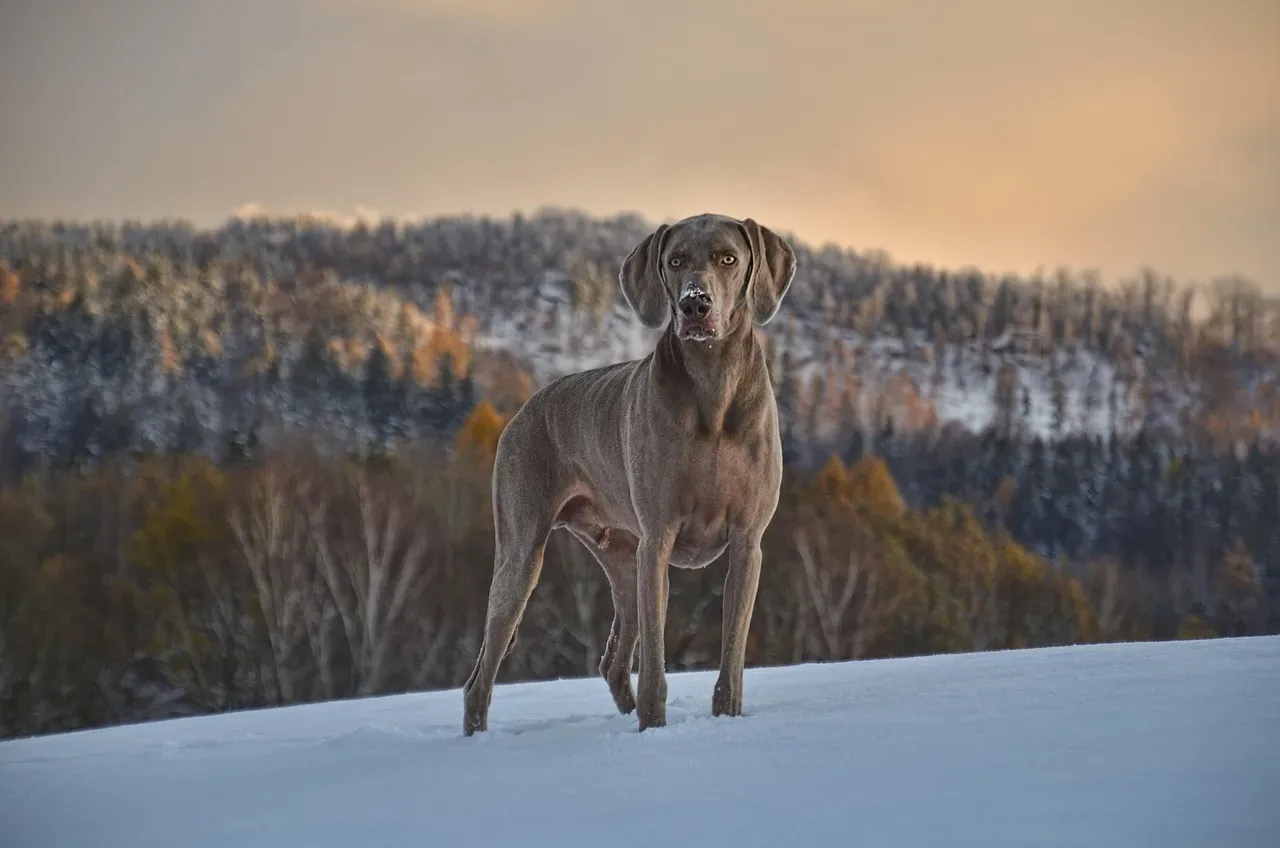
Weimaraners are sleek, elegant, and absolutely relentless. Known as the “Silver Ghost” for their striking gray coat, they were bred as hunting dogs with extraordinary stamina. Bred for hunting, Weimaraners are not only fast but also have a strong drive to run and explore. They are elegant sporting dogs with powerful stamina and a strong desire for activity, developed to track, chase, and retrieve across long distances. A suburban yard offers none of that.
The Weimaraner is a very active German hunting dog whose power and activity level often isn’t realized by the owner until it’s too late. Weimaraners need a substantial amount of exercise and training to keep them stimulated and easy to live with, and they are often too robust to be around young children. Separation anxiety is also common in this breed. Left alone in a suburban home for a standard workday, a Weimaraner may redecorate your kitchen in ways you won’t appreciate.
5. Akita: The Regal Breed That Prefers Its Own Rules
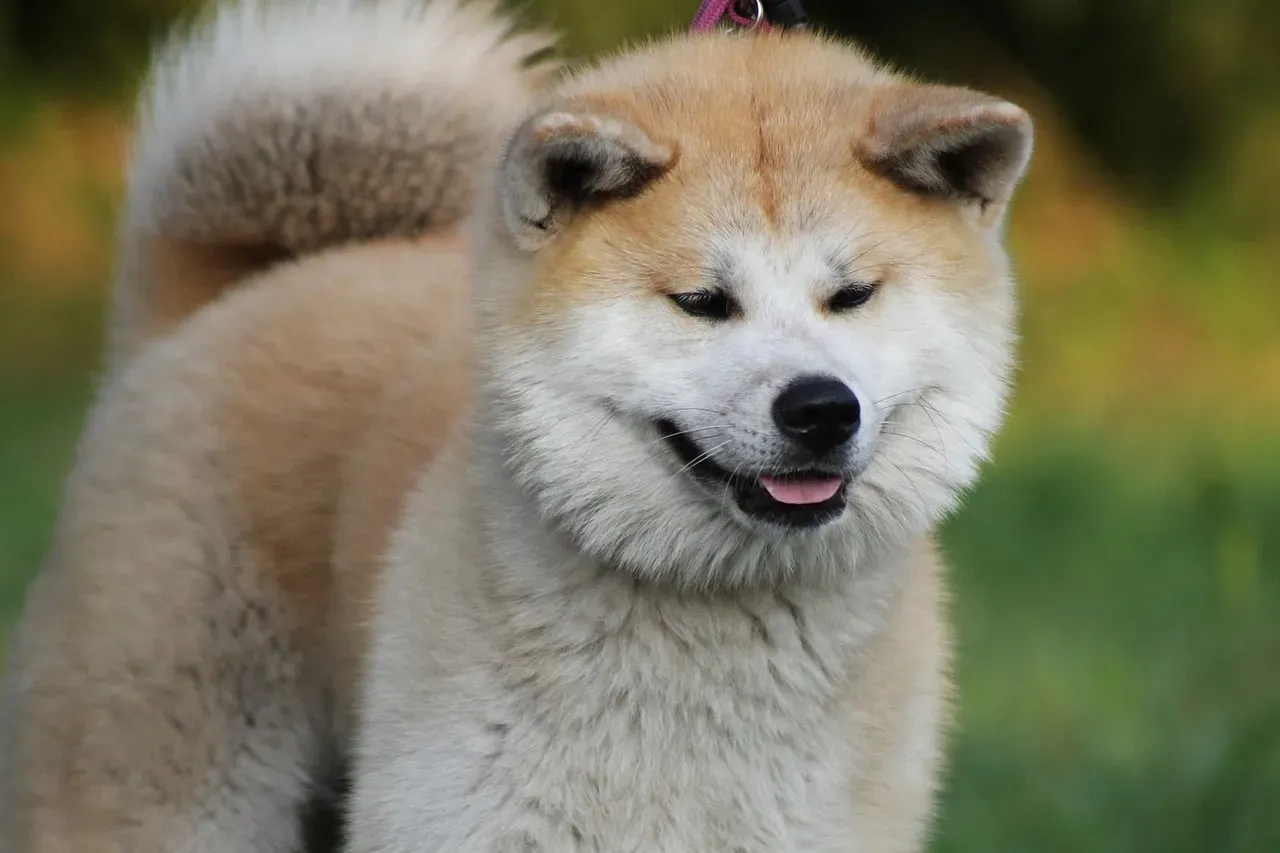
There’s something deeply majestic about an Akita, and many NJ dog lovers are understandably drawn to that dignified presence. The reality of daily life with one in a busy suburb is a different story entirely. The Akita is a large Japanese dog with a striking appearance and a temperament most owners aren’t prepared to live with. They are very aloof and wary of strangers, loyal to their owners, and protective of their property. The breed is very independent and does not tolerate too much attention, so caution should be taken with children.
In a neighborhood where kids are constantly running through yards, neighbors stop by unannounced, and delivery drivers arrive daily, an Akita’s natural wariness becomes a genuine management challenge. They are not aggressive by nature when properly raised, but their instinct to guard and their low tolerance for unfamiliar people requires experienced, consistent handling that most casual pet owners aren’t equipped to provide. Early socialization is absolutely critical and must be sustained throughout the dog’s life.
6. Australian Shepherd: Herding Energy With Nowhere to Go
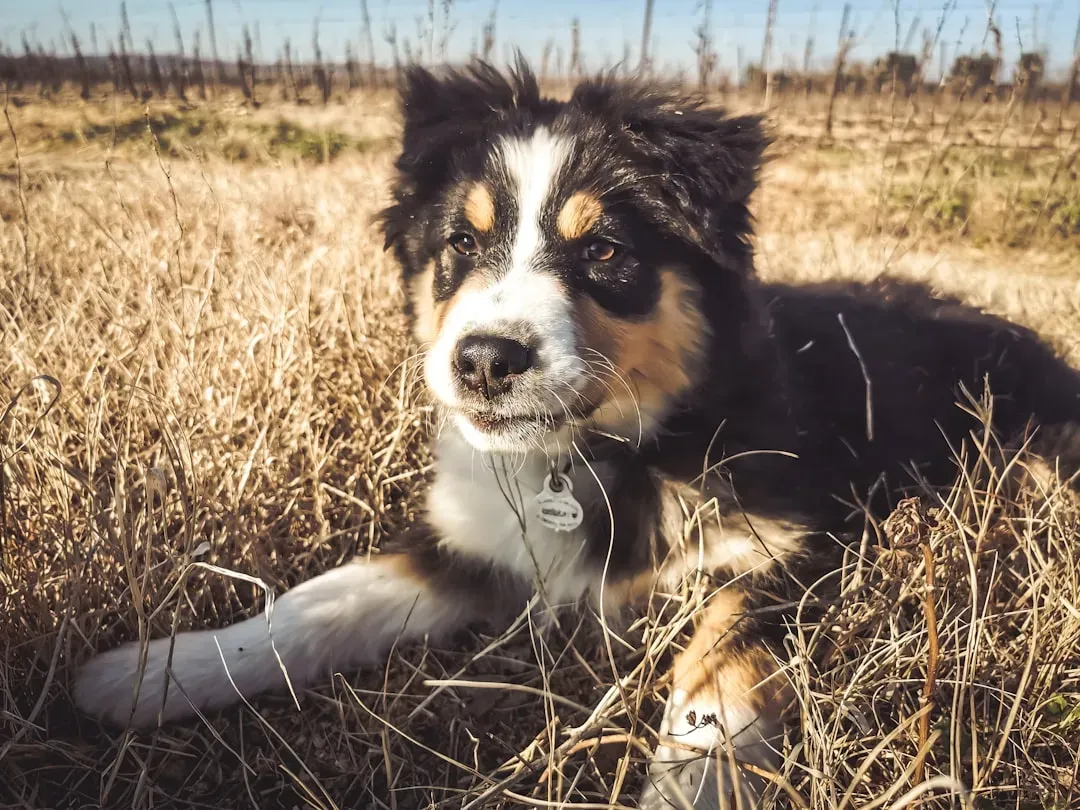
Australian Shepherds are breathtakingly agile, incredibly smart, and deeply devoted dogs. They also need a life that matches their intensity, and suburban New Jersey rarely offers that. Australian Shepherds are highly energetic and require regular exercise, and they are intelligent, trainable dogs with a natural protective instinct. That protective instinct, combined with their herding drive, can show up as excessive barking at passersby, bicycle chasers, and boundary patrolling.
A herding type breed that moves from the country into a more restricted environment can find the stimulus overwhelming, and combined with the change in outdoor space, it can make life even harder for the dog. Watch for signs of a frustrated Aussie: nipping at heels, obsessive ball-chasing that never feels satisfied, and anxiety-driven barking. These aren’t personality flaws. They’re honest signals from a dog who needs more than a standard suburban setup can offer.
7. Jack Russell Terrier: Small Dog, Enormous Chaos Potential
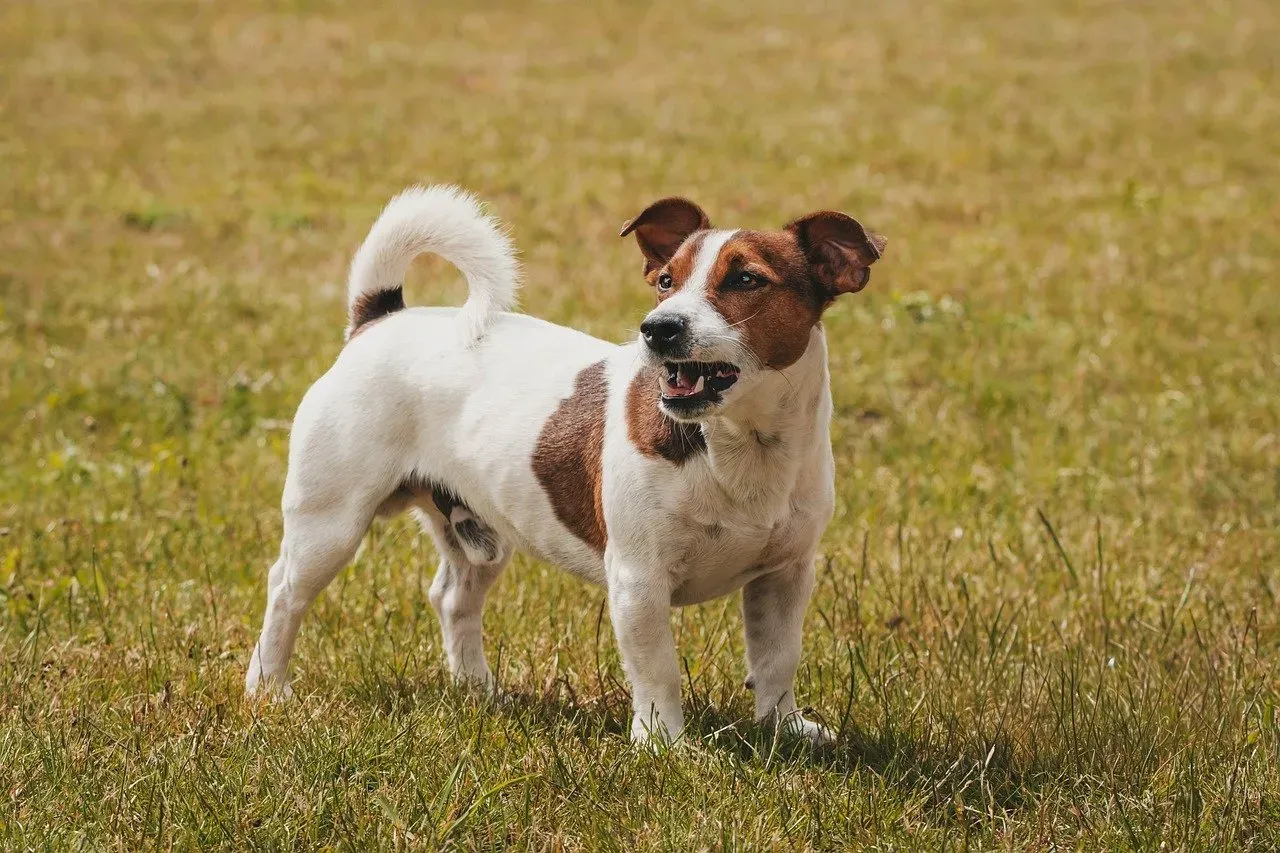
Jack Russells are often underestimated because of their size. People see a compact little dog and think, “Easy.” Then the Jack Russell moves in. Jack Russell Terriers are dynamite in a pocket-sized package, bred for fox work, and they explode with chase drive and endless energy. Without tasks, they shred toys, pursue squirrels, and practice fence running like it’s a sport. Barking can be nonstop.
Apartment walls and patient neighbors are strongly recommended, along with daily outlets that tax the brain. Training must channel that spark into scent games and controlled fetch, and off-leash reliability is iffy while yard digging is practically guaranteed. In a suburban NJ neighborhood with shared fences, noise-sensitive neighbors, and small play areas, a Jack Russell without proper enrichment will test everyone’s patience, including yours.
8. German Shorthaired Pointer: A Marathon Runner in a Sprint World
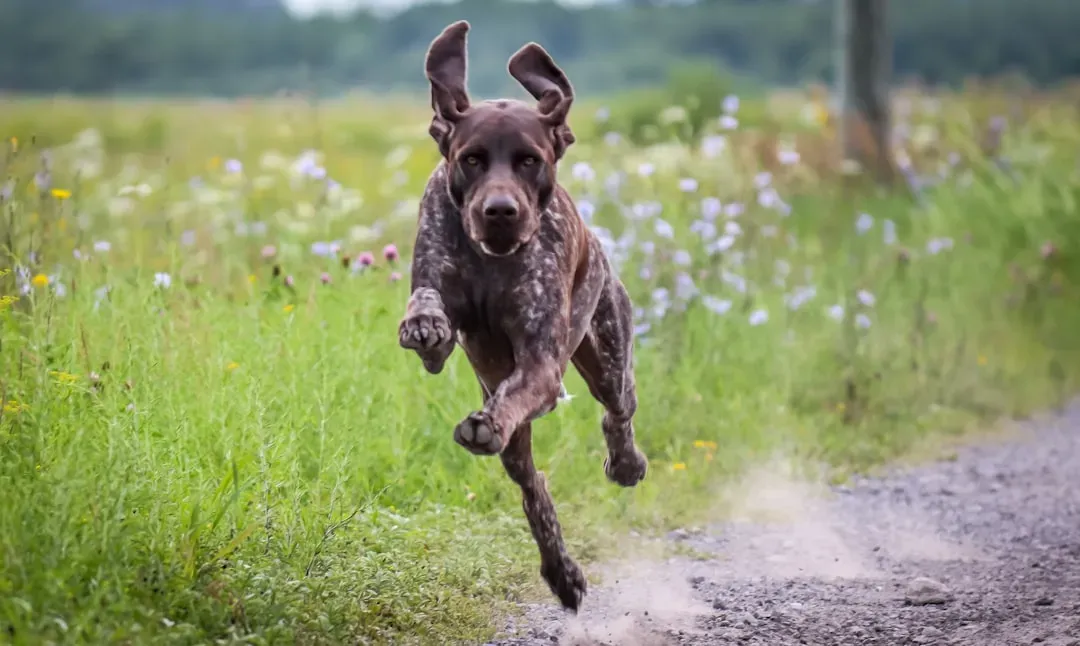
German Shorthaired Pointers are endlessly enthusiastic dogs bred for full days of fieldwork. They are affectionate, athletic, and genuinely wonderful with active families, but the key word there is active. German Shorthaired Pointers are versatile hunting dogs built for endurance and speed. They thrive when given opportunities to run, track scents, and explore wide open spaces. Their energy levels are remarkably high, and the breed needs a full two hours of varied exercise every day.
In suburban New Jersey, where most fenced yards are modest and dog parks can get crowded, this is a breed that will quickly become bored and destructive without intentional daily outlets. Dogs do benefit from aerobic exercise, but when this exercise is limited to walks on streets and dog parks that are often too small and overcrowded, that aerobic exercise can become stressful and negatively impact mental health. A frustrated GSP often shows up as relentless counter-surfing, hyperactivity indoors, or excessive jumping on guests.
9. Dalmatian: More Than Spots, Far More Than Most Expect
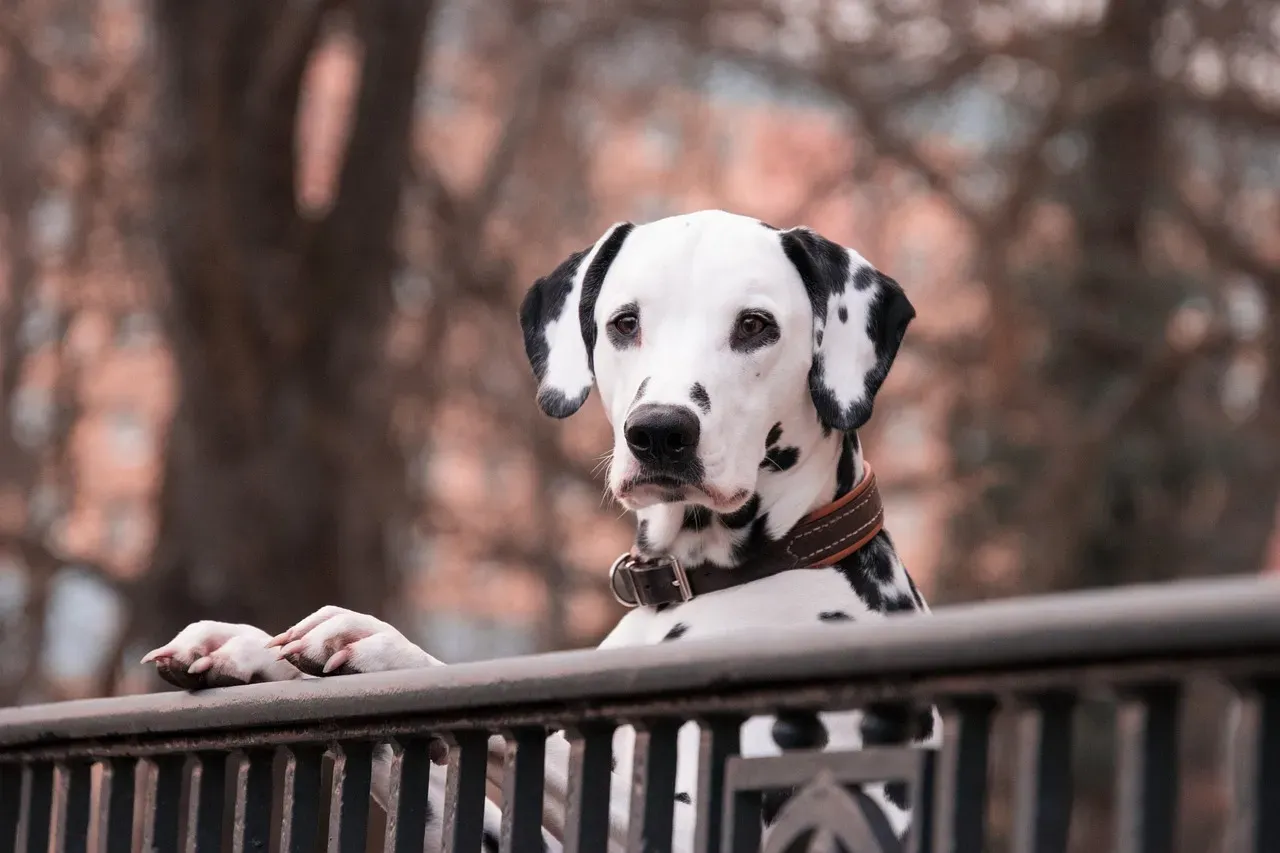
Dalmatians are iconic dogs, but their real-world temperament surprises many first-time owners. They’re high-energy, sensitive to noise, and deeply social animals with strong exercise requirements. Border terriers, springer spaniels, and Dalmatians can be particularly noise-sensitive breeds. In a suburban NJ setting full of traffic sounds, lawn equipment, and neighborhood commotion, a noise-sensitive Dalmatian can develop anxiety fairly quickly.
Dalmatians were originally bred as carriage dogs and could run alongside horses for miles. That endurance doesn’t disappear simply because the carriage is gone. They need consistent, vigorous exercise and a calm home environment. Without both, they become destructive, vocal, and genuinely hard to manage. This breed is best matched with very experienced dog owners who have both the time and the physical stamina to meet their needs every single day.
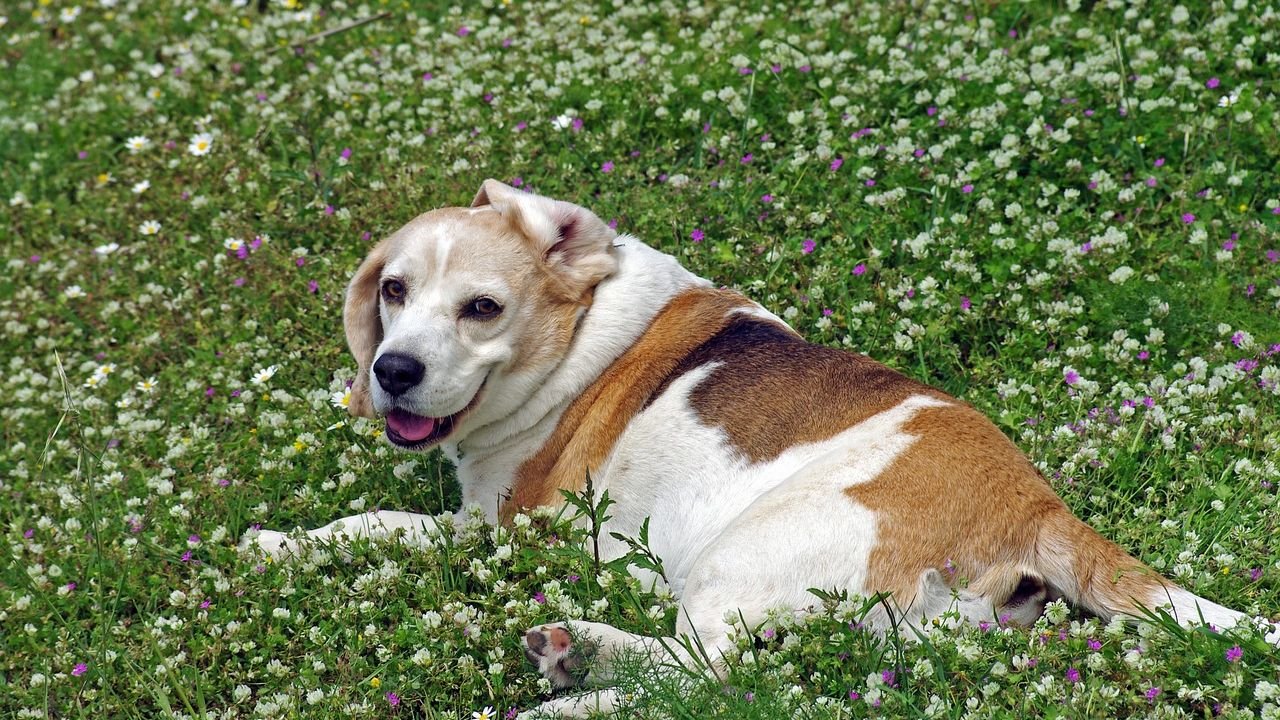
10. Beagle: The Nose That Knows No Boundaries
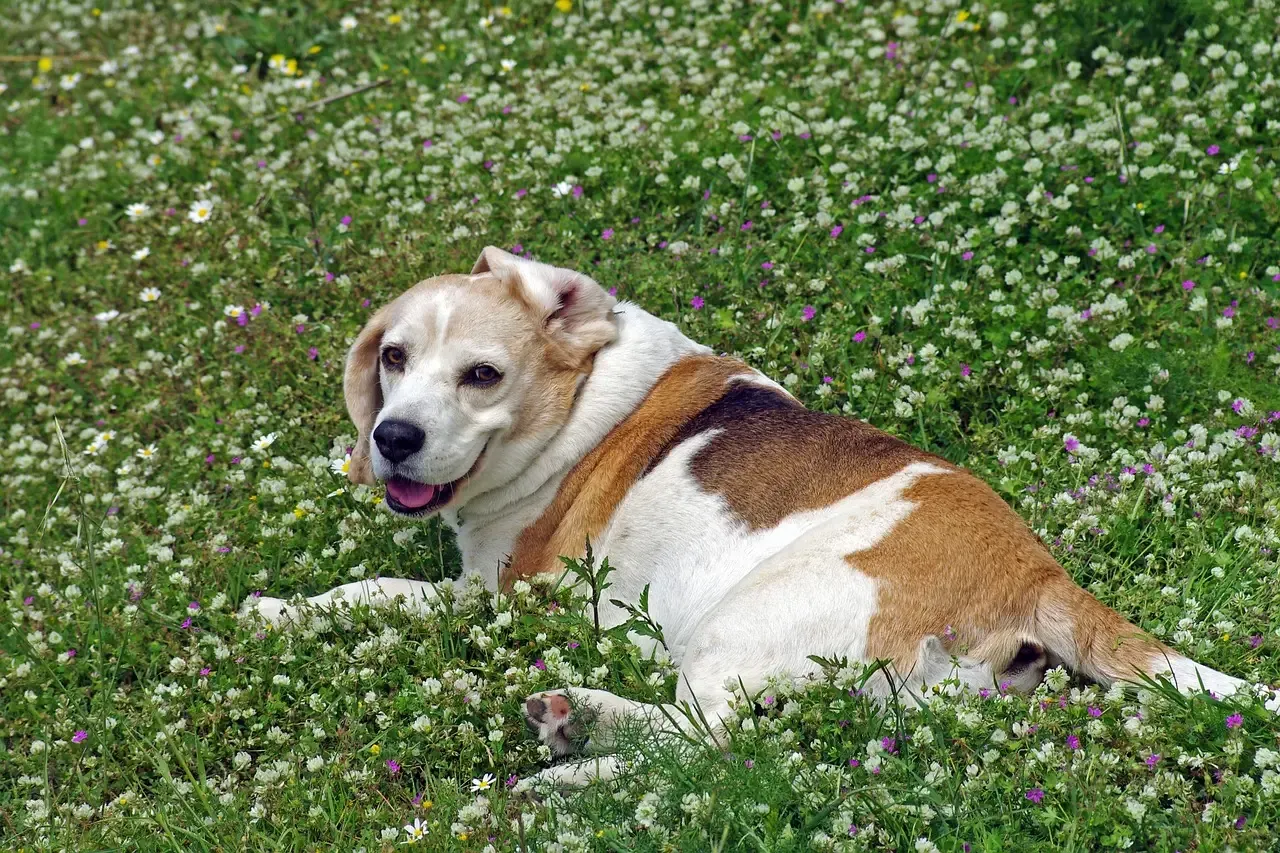
Beagles are charming, friendly, and endlessly likable dogs. They’re also scent hounds with a nose so powerful it essentially overrides their brain once they catch an interesting trail. Vocal breeds present real challenges in neighborhoods with shared spaces. Beagles are naturally vocal and their baying can easily cause neighbor complaints. That iconic Beagle howl is not a trainable quirk. It’s a deeply embedded vocalization that the breed uses when following a scent.
In a typical NJ suburb where the yard borders a neighbor’s flower garden and the street sees regular foot traffic from other dogs, a Beagle’s nose is constantly working overtime. The result is a dog that bays loudly, escapes through the smallest fence gap, and follows trails with zero regard for traffic safety. Their curiosity demands secure fencing. If your fence has any weak spots at all, assume the Beagle will find them on day one.
11. French Bulldog: The Perfect Suburban Companion
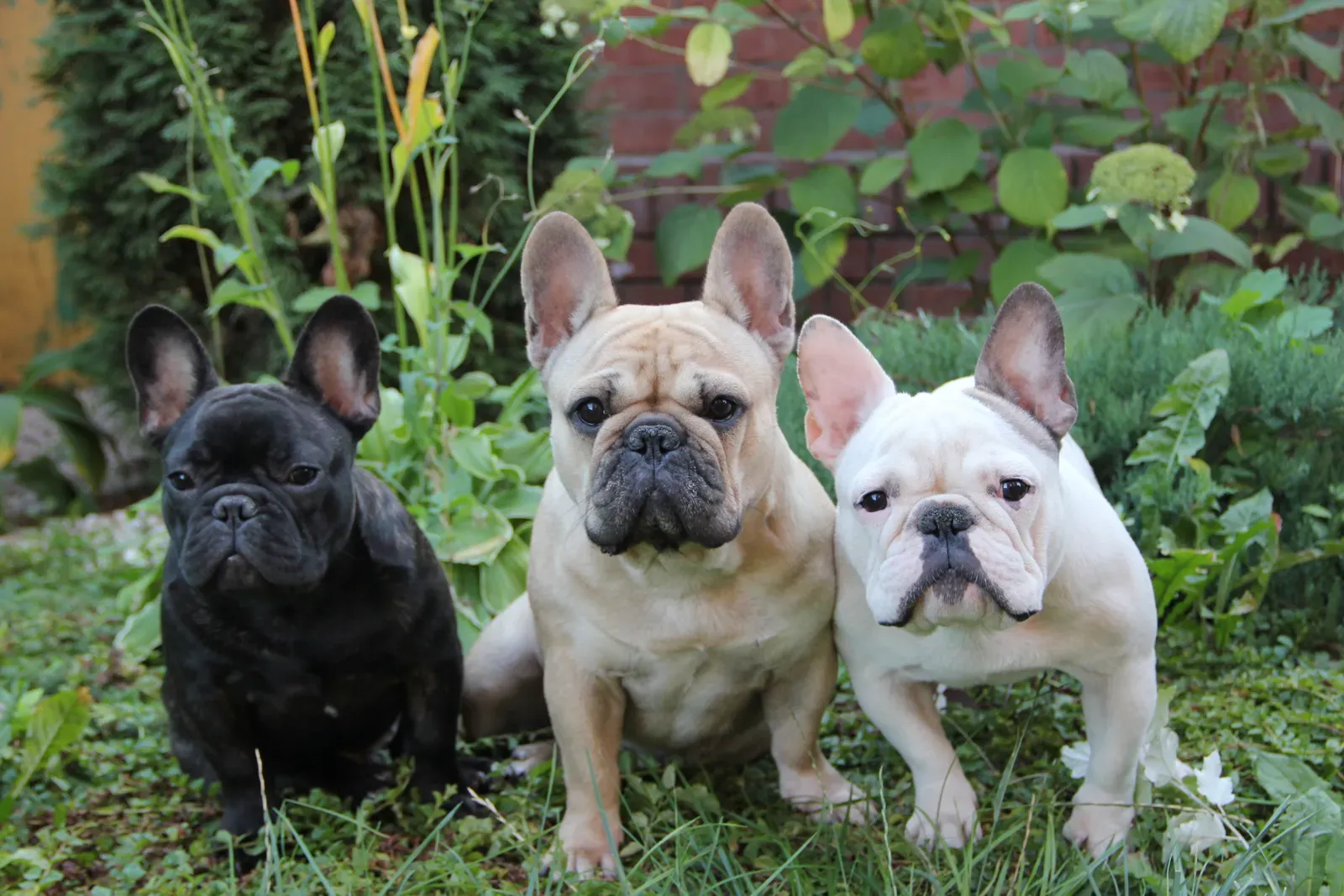
Now for the good news. French Bulldogs are, perhaps unsurprisingly, the most popular dog breed in New Jersey right now, and it’s genuinely earned. The French Bulldog is the most popular breed in New Jersey due to their compact size, friendly nature, and suitability for urban living, with an affectionate and adaptable personality that makes them a great companion for families and individuals. They slot into suburban life with remarkable ease.
Despite their sturdy build and expressive faces, French Bulldogs are surprisingly low-maintenance when it comes to activity. A few short walks and a little playtime each day are enough to keep them happy, and their compact size and quiet nature make them a popular choice for homes with tiny yards or no yards at all. One honest caveat: their short muzzle requires care, especially in warm or humid weather, and because of their brachycephalic anatomy, French Bulldogs are prone to overheating and shouldn’t be pushed to exercise in the heat. Keep summer walks to early mornings or evenings.
12. Cavalier King Charles Spaniel: Gentle, Quiet, Suburb-Ready
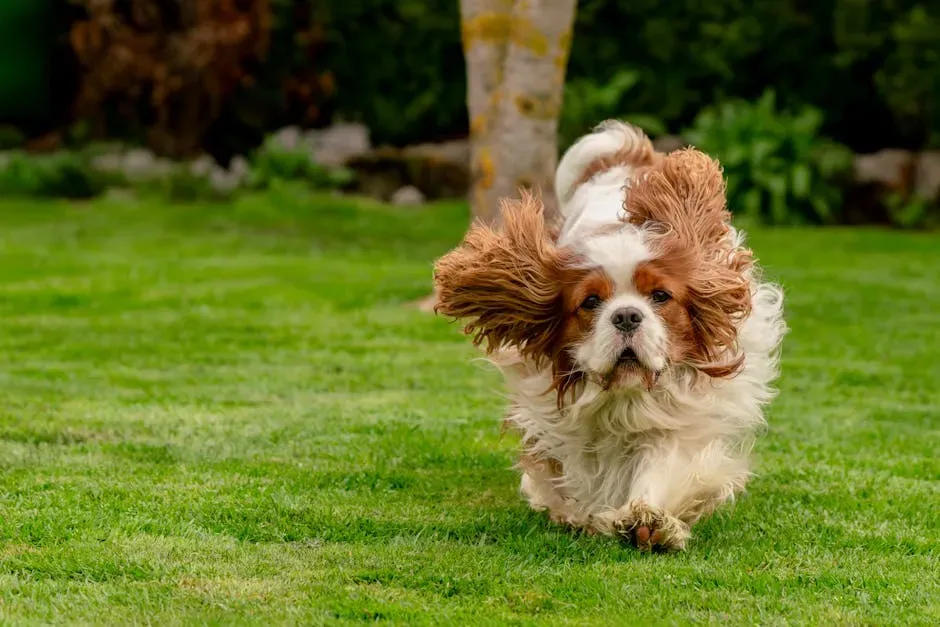
If you want a dog that fits naturally into the rhythm of a New Jersey suburb without demanding constant activity or triggering noise complaints, the Cavalier King Charles Spaniel is worth serious consideration. These dogs adapt well to small yards or compact homes as long as they get daily walks and attention. They love lounging near their people and following them from room to room, and their energy levels are moderate, so short play sessions and strolls are usually enough to keep them content.
Cavaliers do best with consistent routines and human company. While they can manage alone time in short periods, they’re sensitive and prone to separation anxiety if left alone too often. This is an important consideration for working families. Regular checkups are equally essential for this breed, as Cavaliers have known predispositions to heart conditions. Regular checkups are essential, especially for heart health and joint monitoring. With attentive care, they’re wonderful long-term companions.
13. Boston Terrier: The American Gentleman of the Suburbs
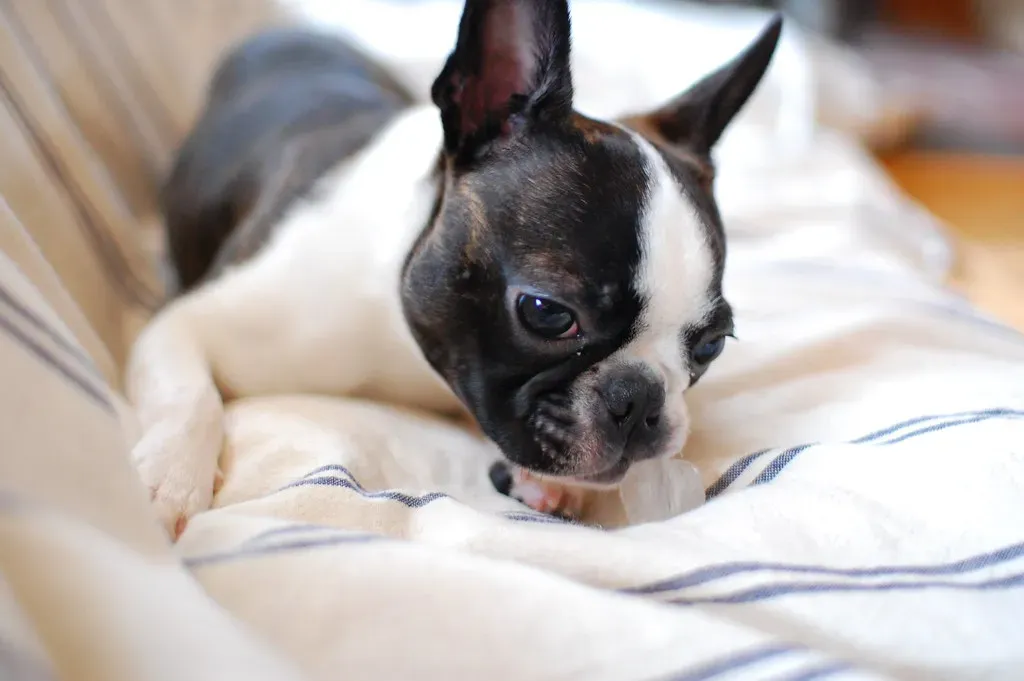
The Boston Terrier was literally developed in the United States, and it shows in their temperament. They’re adaptable, people-focused, and genuinely at ease in compact suburban settings. Boston Terriers are one of the most adaptable small breeds around. With their tuxedo-like markings and cheerful expression, they bring charm to every room and yard, and they’re highly adaptable and can live happily in compact homes with minimal outdoor space.
These dogs are moderately energetic and do well with structured playtime. A daily walk and a few games of tug or fetch indoors are usually enough to keep them stimulated, and they’re quick learners who benefit from interactive toys and gentle training. Like French Bulldogs, they have a brachycephalic build, so heat management matters. Their short coats require little grooming, but their prominent eyes and snub noses need occasional attention, and as with other brachycephalic breeds, they can overheat easily and may snore or snort during activity or sleep.
14. Pug: Low-Key, Social, and Perfectly Sized for Suburban NJ
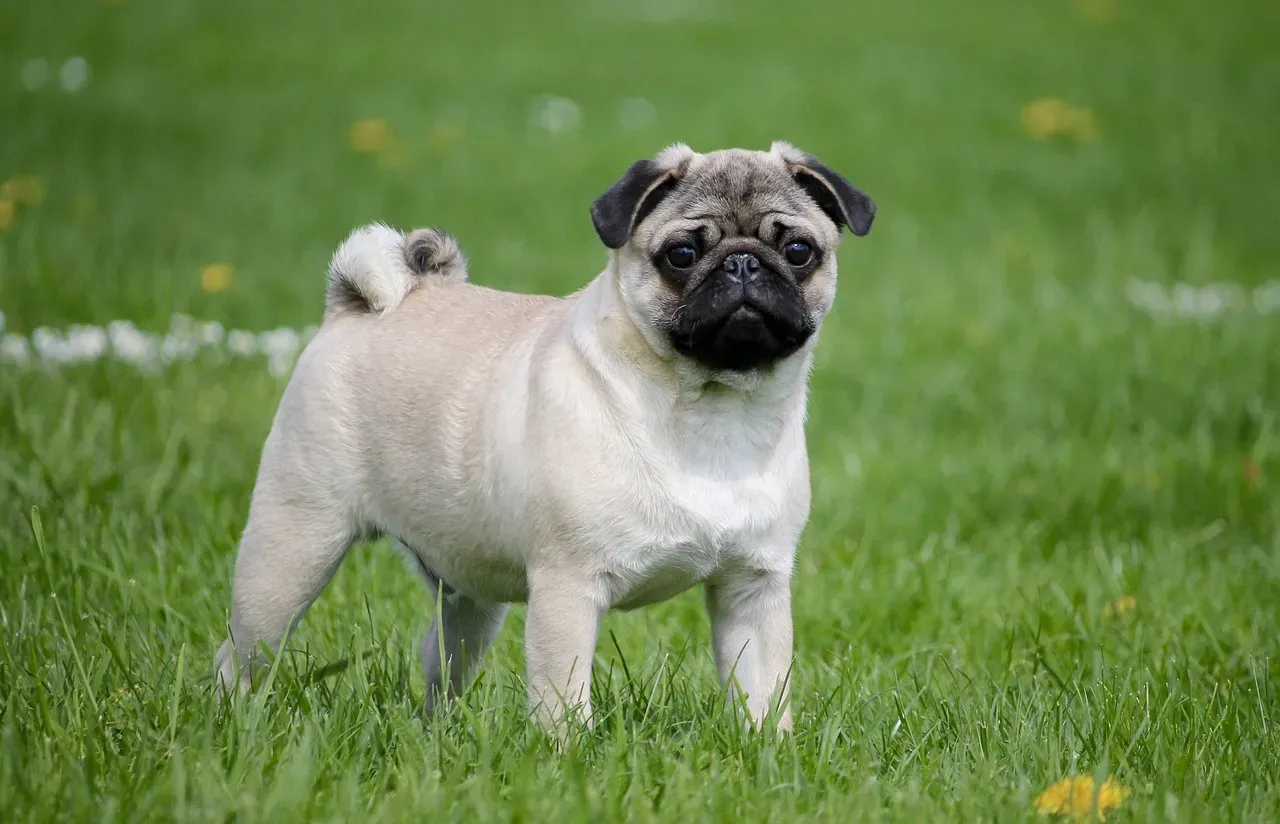
Pugs have a reputation as easygoing, slightly goofy companions, and in this case the reputation is fully deserved. Affectionate and sociable, Pugs thrive on human company and rarely enjoy being left alone. Known for their playful personalities and subtle sense of humor, they get along well with children, other pets, and apartment dwellers seeking a loyal lapdog. In a suburban NJ neighborhood full of kids and foot traffic, a Pug is in its element.
Pugs need minimal grooming and they adapt really well to smaller living spaces. They handle noise, crowds, and the general chaos of suburban environments without getting stressed. The main health consideration is their flat face, which requires the same precautions as other brachycephalic breeds: avoid overexertion in heat, monitor their breathing, and keep vet visits regular. Pugs will happily spend much of the day lounging around the house, but this means the breed is at risk of obesity. These dogs do need daily walks and play to stay healthy.
15. Labrador Retriever: The Suburban Classic That Actually Earns the Title
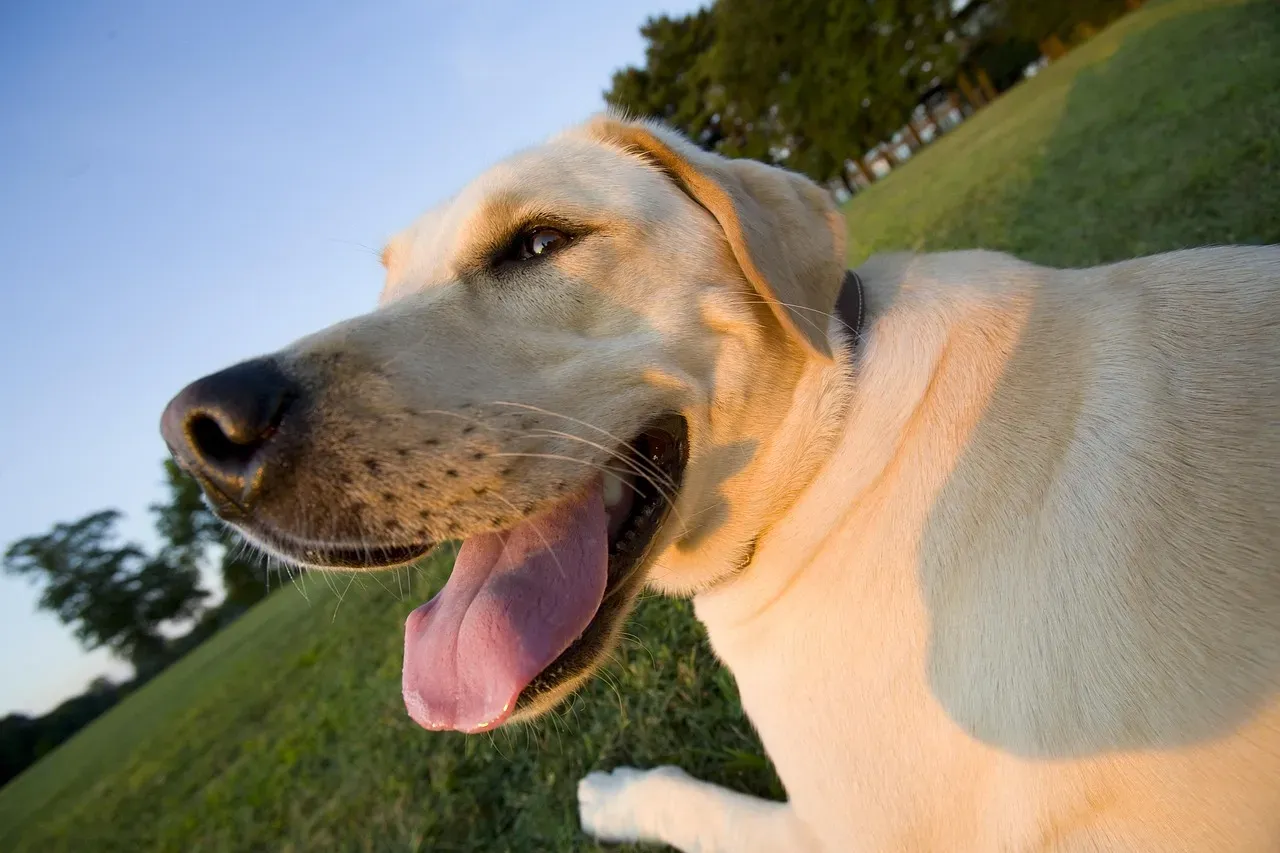
The Labrador Retriever is arguably the most genuinely suburban-friendly dog on this entire list. They’re enthusiastic, trainable, patient with children, and social with strangers, which is essentially a checklist of virtues for NJ neighborhood life. Labrador Retrievers are renowned for their friendly and outgoing nature. Perfect for suburban families, they adapt well to various home sizes and are excellent with children. Labs require regular exercise, making them ideal companions for active families, and their intelligence and eagerness to please make them highly trainable for busy suburban lifestyles.
Labradors thrive in suburban settings where they have more space to play and explore. They are friendly, energetic, and great with families, making them the quintessential family pet. That said, Labs do need consistent daily exercise and mental stimulation. Labs require a significant amount of exercise and mental stimulation daily, which can be challenging if you have a busy lifestyle. A bored Labrador will chew, dig, and generally redecorate your home. But a well-exercised, mentally engaged Lab is one of the most rewarding dogs any suburban family can have.
Conclusion: Know the Breed Before You Fall for the Look
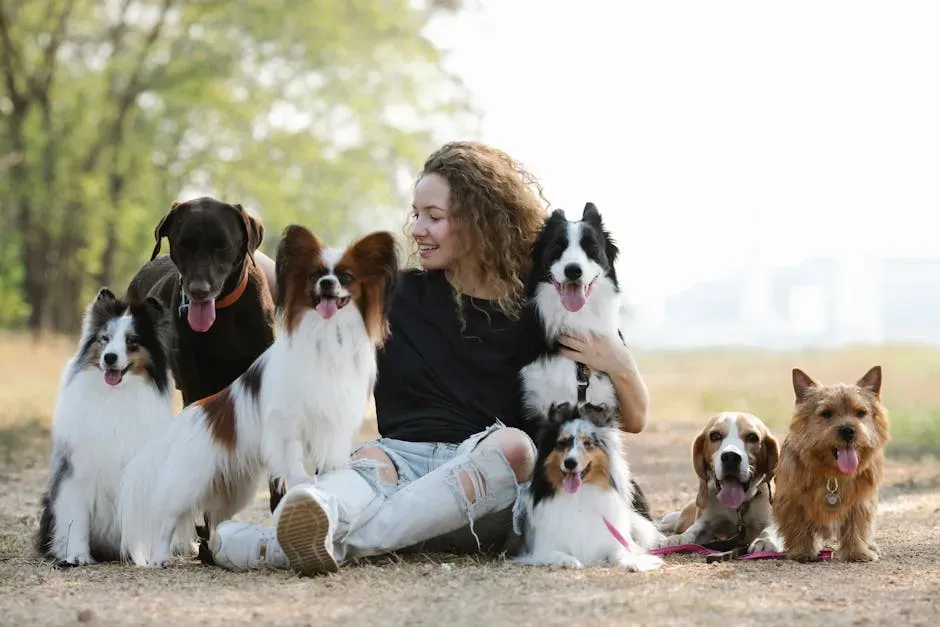
Choosing a dog for suburban New Jersey life is about far more than how a breed looks or how much you love dogs in general. The challenge for many breeds is that the things they were bred to do are mostly not possible in a constrained environment, which can lead to frustration and anxiety. That frustration doesn’t just affect the dog. It affects your neighbors, your family, and ultimately the relationship you hoped to build.
The best thing you can do before bringing any dog home is to research not just the breed’s appearance, but its history, working purpose, noise profile, exercise requirements, and temperament. The key isn’t simply choosing the smallest dog breed. Energy level, temperament, and trainability matter far more than size alone. A well-matched dog enriches every single day of suburban life.
Every dog on this list, whether suited to NJ suburbs or not, deserves a home that genuinely fits who they are. The most loving thing you can do for any dog is to choose them thoughtfully, understanding that the right match isn’t just good for your household. It’s the foundation of a happy, healthy life for the dog you’re committing to care for.


