
Picture this: You’re on the fourth floor of a downtown apartment building, the city humming outside your window, and a pair of big hopeful eyes staring up at you from a very tiny dog bed. You love dogs. You always have. The question isn’t whether you want one – it’s whether your dog will actually be happy sharing 700 square feet with you, your coffee maker, and a fire escape.
Here’s the honest truth: the size of your living space isn’t the only consideration, because many large breed dogs have lower activity levels and are more than happy to lounge on the sofa. The real factors are temperament, noise level, energy, and how well a breed can adapt to shared walls, busy streets, and elevator rides. You’ll want a pet that doesn’t bark incessantly and is polite when meeting other people, in the elevator, on the stairs, or in the lobby. This guide breaks it all down so you can make the right call for both you and your future dog.
1. French Bulldog: The Compact City Charmer
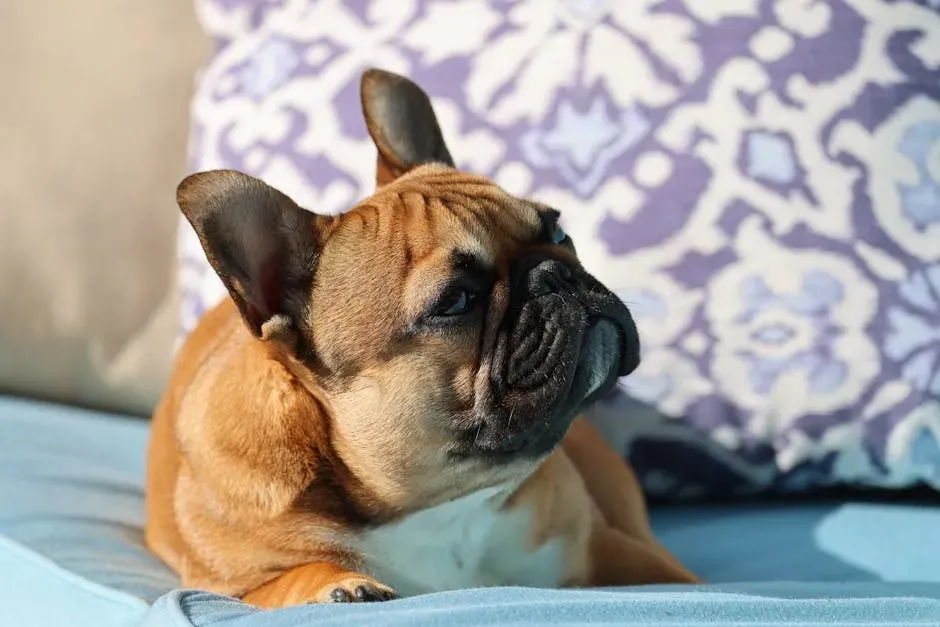
Compact, calm, and irresistibly charming, the French Bulldog is one of the best apartment companions. They require minimal exercise and are perfectly content lounging on the couch after a short walk. Their quiet nature also makes them ideal for shared buildings with noise restrictions. If you’ve ever seen a Frenchie waddling down a city sidewalk like they own it, that tracks – because they pretty much do.
French Bulldogs are a popular medium dog breed known for their charming and adaptable nature. They are medium-sized, with a sturdy build and a friendly, playful demeanor. Frenchies are relatively low-energy dogs, making them well-suited for apartment living. One health note worth keeping in mind: because of their short snouts, Frenchies are prone to breathing issues in extreme heat, so air conditioning in summer isn’t optional – it’s essential.
2. Shih Tzu: Palace Dog, City Dog
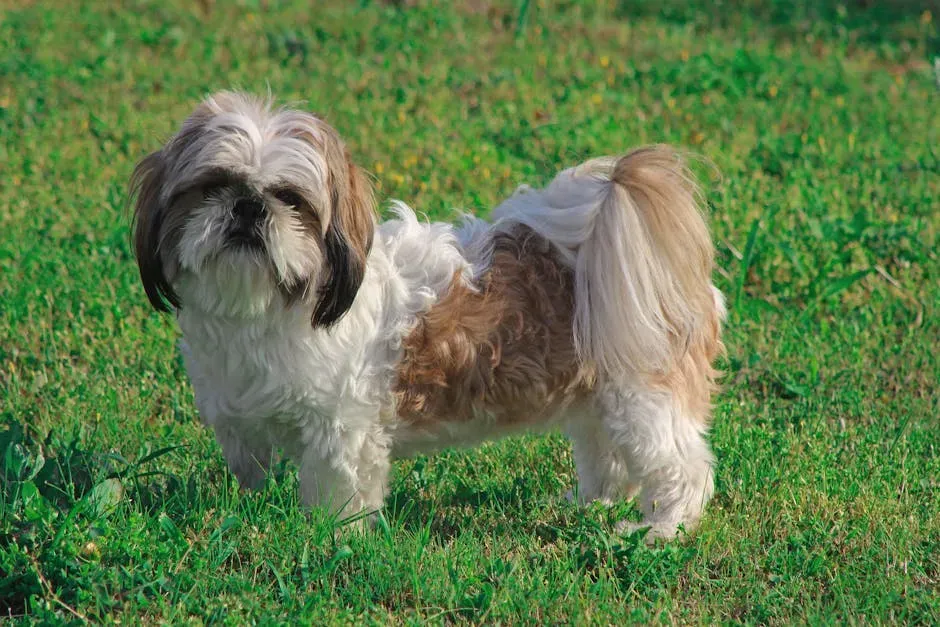
Originally bred to live in royal palaces, the Shih Tzu was made for apartment life. They require regular grooming but have a calm temperament and moderate energy level, making them ideal for smaller homes. They don’t need a sprawling yard to feel fulfilled – a few good walks and a warm lap are genuinely enough for this breed.
Translated literally from Mandarin as “little lion,” the Shih Tzu is a lively toy dog breed with an easygoing and affectionate temperament. Their small size means they don’t need a large space to meet their exercise needs. Chasing after a toy in your apartment a few times per day is usually enough to keep them physically healthy. These tiny dogs weigh less than 15 pounds and are 9 to 12 inches tall. Just commit to a consistent grooming routine – their silky coat needs attention every few weeks.
3. Bichon Frise: The Low-Shedding Social Butterfly
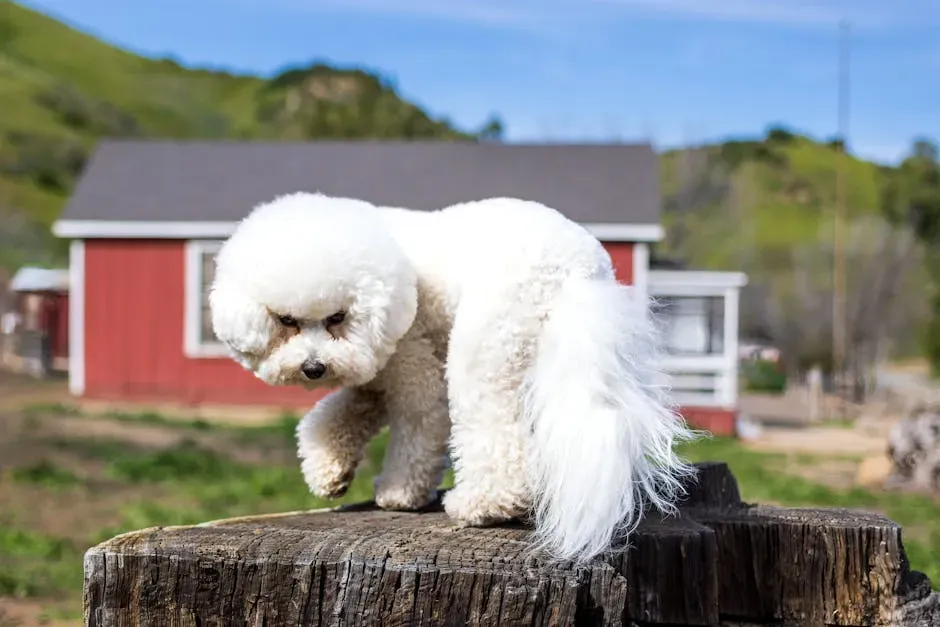
The Bichon Frise is cheerful, hypoallergenic, and full of personality. Despite their fluffy coats, they’re easy to manage indoors and don’t shed much, making them ideal for allergy-prone households. In a city apartment where every square inch matters, a dog that doesn’t leave fur on every surface is a genuine quality-of-life upgrade.
Bichon Frise dogs are not known for barking, which is great for apartments and city living – you won’t receive any noise complaints here! That said, they don’t like being left alone for more than a few hours, something that needs to be taken into consideration if you’re away from home for long stretches. If you work from home or have a flexible schedule, the Bichon is a near-perfect urban companion.
4. Cavalier King Charles Spaniel: The Gentle Lap Dog
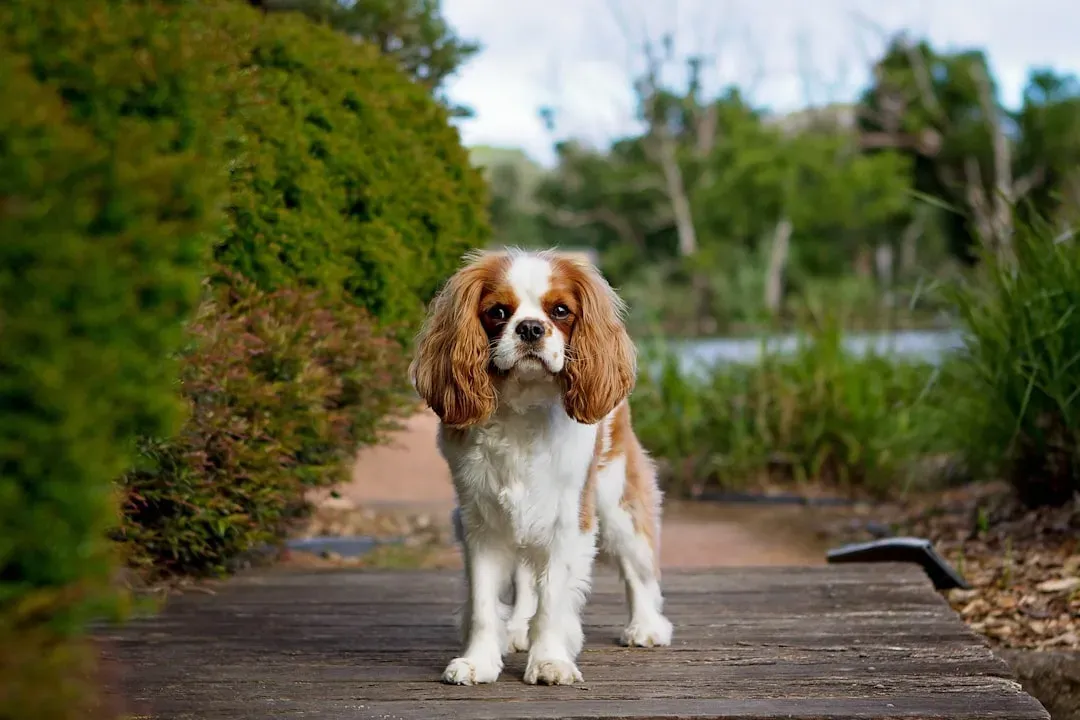
Cavalier King Charles Spaniels are a fantastic small breed for apartment living. These dogs are known for their sweet, gentle, and affectionate nature. They get along well with other pets and are great with children, making them a versatile choice for many households. Whether you’re a solo renter or a growing family squeezed into a city flat, a Cavalier slots in with remarkable ease.
Even a small flat is fine for a cute and cuddly Cavalier King Charles Spaniel – with a couple of walks around the block, they’ll be happy to spend the rest of their day curled up on your lap. Cavaliers enjoy moderate exercise, such as daily walks and playtime, which is easy to manage in an apartment setting. Watch their weight carefully as they get older – this breed can be prone to heart conditions, so regular vet checkups matter.
5. Pug: The Certified Couch Potato
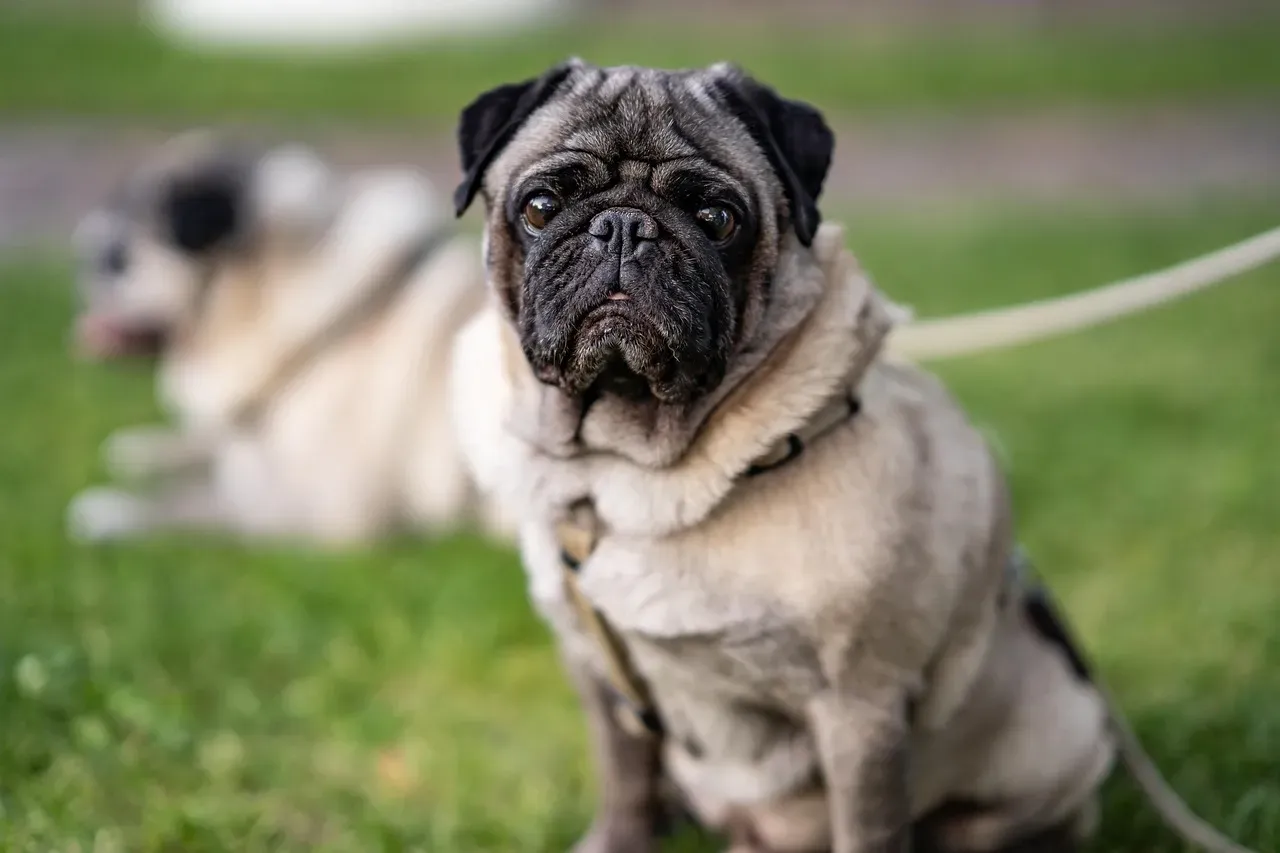
If your ideal dog is a certified couch potato, get a pug. These small but mighty dogs are considered “ideal house dogs” by their owners thanks to their easygoing nature. Keep in mind that pugs tend to gain weight easily, so daily walks around the block are essential. Think of it as a built-in reason to get outside each morning – good for both of you.
Pugs are not frequent barkers, and if regularly cleaning up the fur they shed isn’t a problem for you, the pug can be the perfect dog breed to live alongside in an apartment with their calm and affectionate temperament. Like Frenchies, pugs are brachycephalic dogs with flat faces, so keep them cool in warm weather and avoid overexertion on hot days. Airway health and healthy weight are the two things to stay on top of with this breed.
6. Boston Terrier: The Friendly City Gentleman
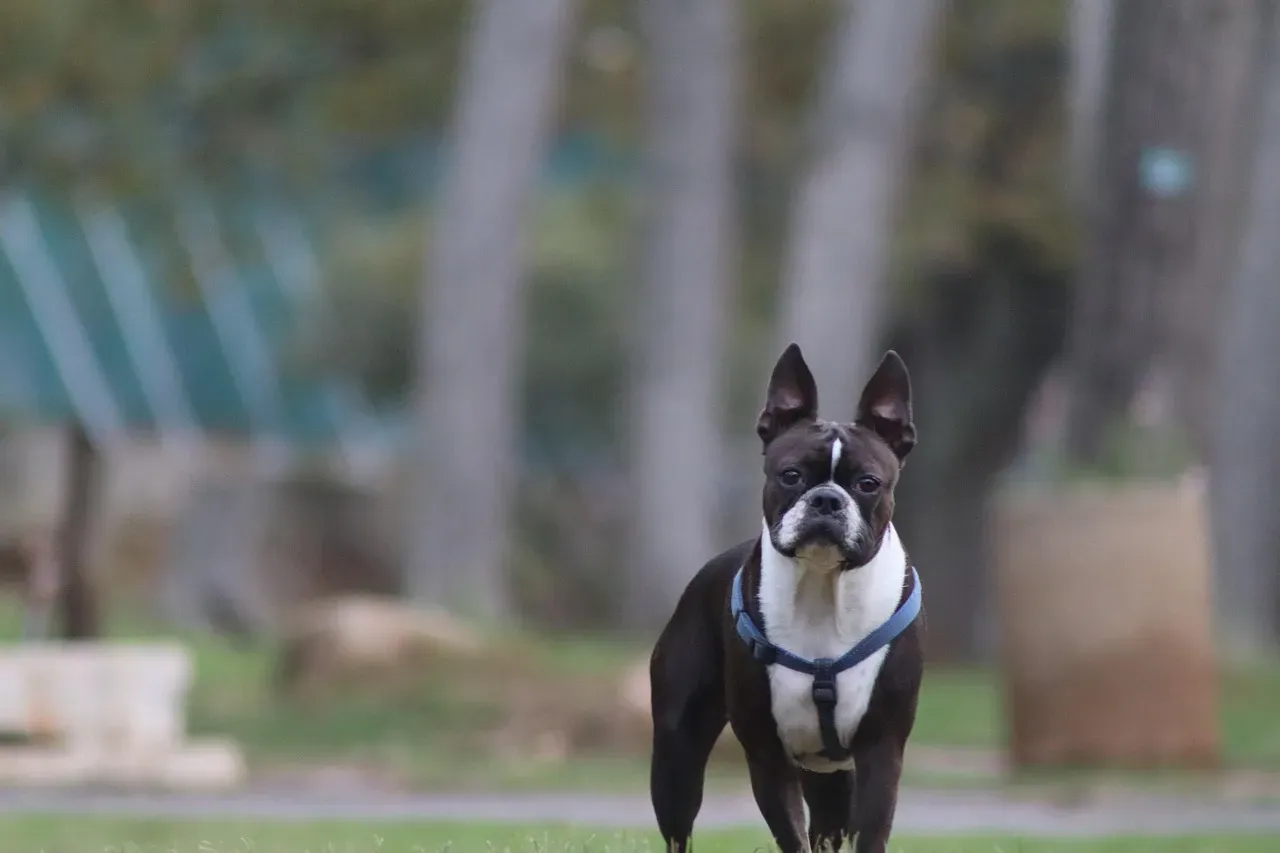
Boston Terriers are an excellent medium-sized breed for apartment life. They are intelligent, friendly, and relatively low-maintenance. Boston Terriers are known for their moderate energy levels – they enjoy daily walks and playtime but are also happy to relax at home. They are also known for being relatively quiet, which is beneficial in an apartment setting.
Their friendly and adaptable nature makes them great companions for individuals and families. Boston Terriers are often described as “the American Gentleman” because of their tuxedo-like markings and well-mannered temperament. They’re smart enough to learn commands quickly, which makes elevator manners and leash training a realistic goal even for first-time dog owners. Compact, polite, and easy to love.
7. Miniature Poodle: The Clever Apartment Athlete
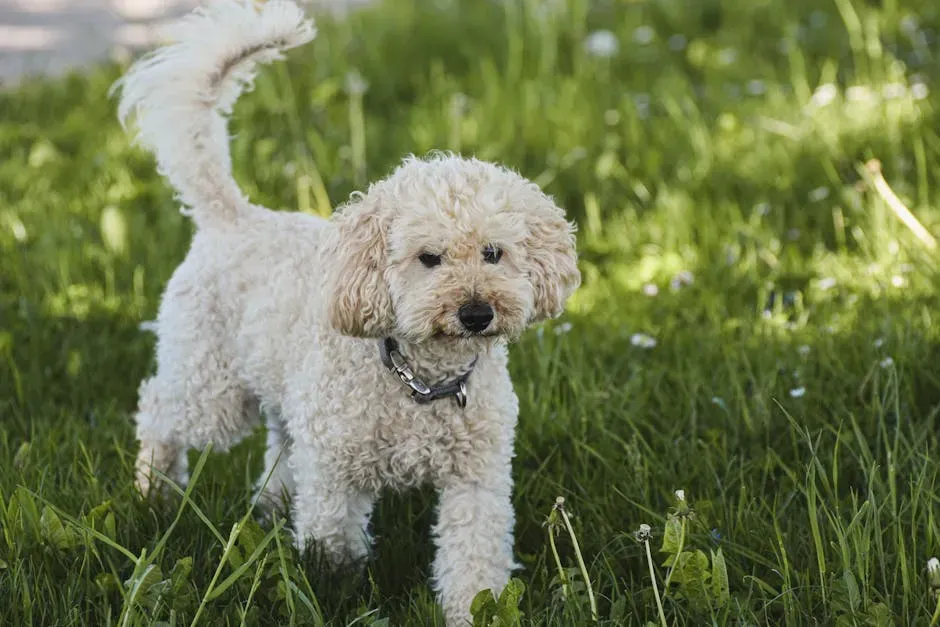
The Miniature Poodle is much smaller than the Standard Poodle, standing 11 to 15 inches tall with an average weight of 15 to 18 pounds. The Miniature Poodle is the perfect dog breed for those who live in an apartment but have an active lifestyle. They are intelligent, social, and playful dogs who love spending time with their owners both indoors and outdoors. The Miniature Poodle’s intelligence, size, and hypoallergenic coat make them an ideal candidate for apartment living.
As with any variety of Poodle, it is important to engage the breed in activities which will offer physical and mental stimulation. This is a breed that genuinely thrives on learning – puzzle toys, training games, and short agility sessions in the park all help a Mini Poodle stay balanced. Their low-shedding coat is a city dweller’s dream, and their adaptability means they can keep up with a brisk pace or slow down for a quiet weekend without complaint.
8. Yorkshire Terrier: The Small Dog With a Big Personality
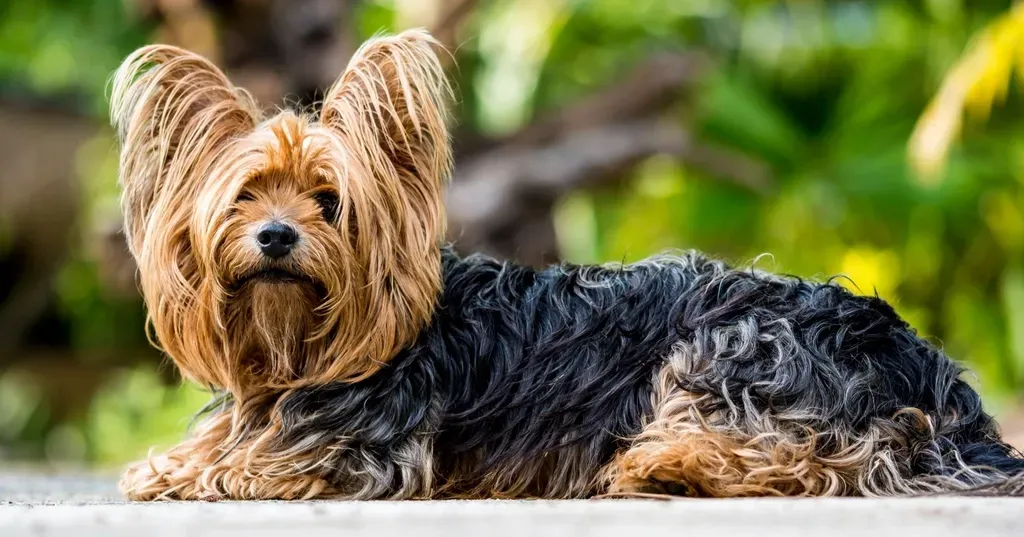
Yorkshire Terriers, or Yorkies, are one of the smallest dog breeds, making them ideal for apartment living. Because they are so small, Yorkshire Terriers do not need a lot of room to exercise. They can be paper trained, which is another reason they make great small-space dogs. However, they also enjoy walks outdoors. A Yorkie is the kind of dog that will happily trot beside you through a crowded city market without missing a beat.
The Yorkshire Terrier sheds very little, but their coat requires regular care to keep it in good shape and looking nice. Thanks to their single coat of hair and their fine, silky coat texture, they are a very low-shedding dog breed. One honest heads-up: Yorkies can be vocal if not trained early. Start bark-management training as a puppy and stay consistent – your neighbors will notice the difference, and so will you.
9. Italian Greyhound: The Quiet Minimalist
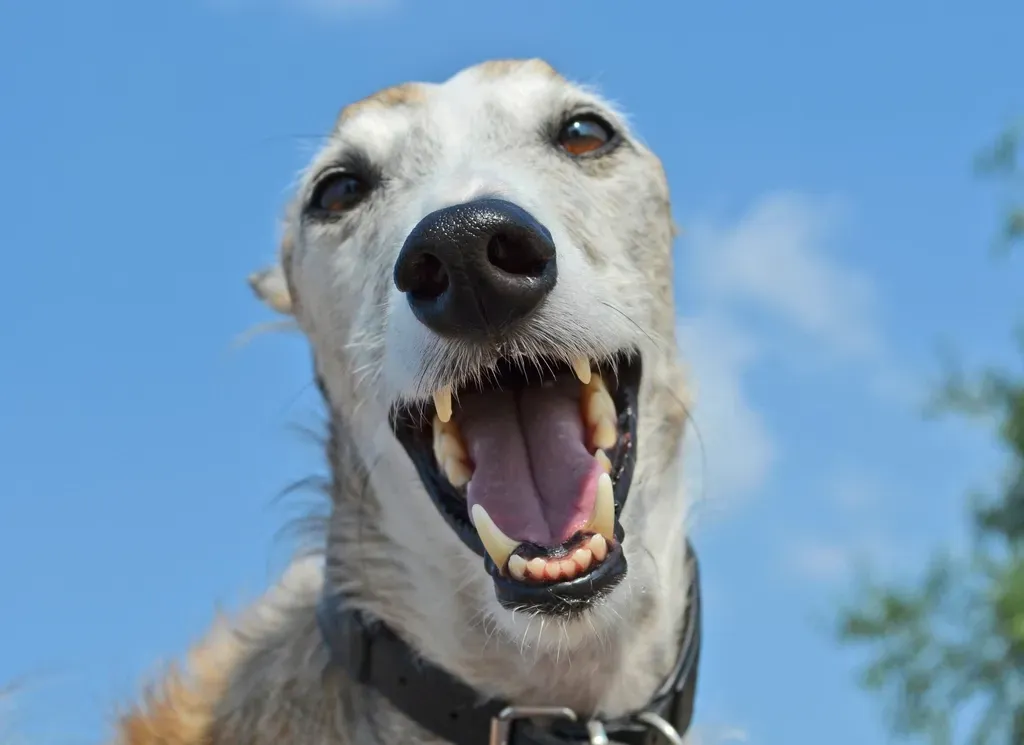
The Italian Greyhound is the miniature version of the statuesque Greyhound – loving, intelligent, and a quiet furry friend. Italian Greyhounds don’t shed, which makes sharing an apartment with them much more comfortable. They’re adaptable dogs and do well spending most of their time indoors, with a bit of daily exercise.
One thing to note about Italian Greyhounds is that they are sensitive dogs who don’t do well in noisy or chaotic environments. If they live with just their owner, they will bond for life and thrive in an apartment of any size. They’re naturally clean, minimal shedders, and about as low-drama as dogs come. If you want a sleek, serene companion that curls up next to you like a small elegant statue, this is your match.
10. Greyhound: The Surprisingly Great Apartment Dog
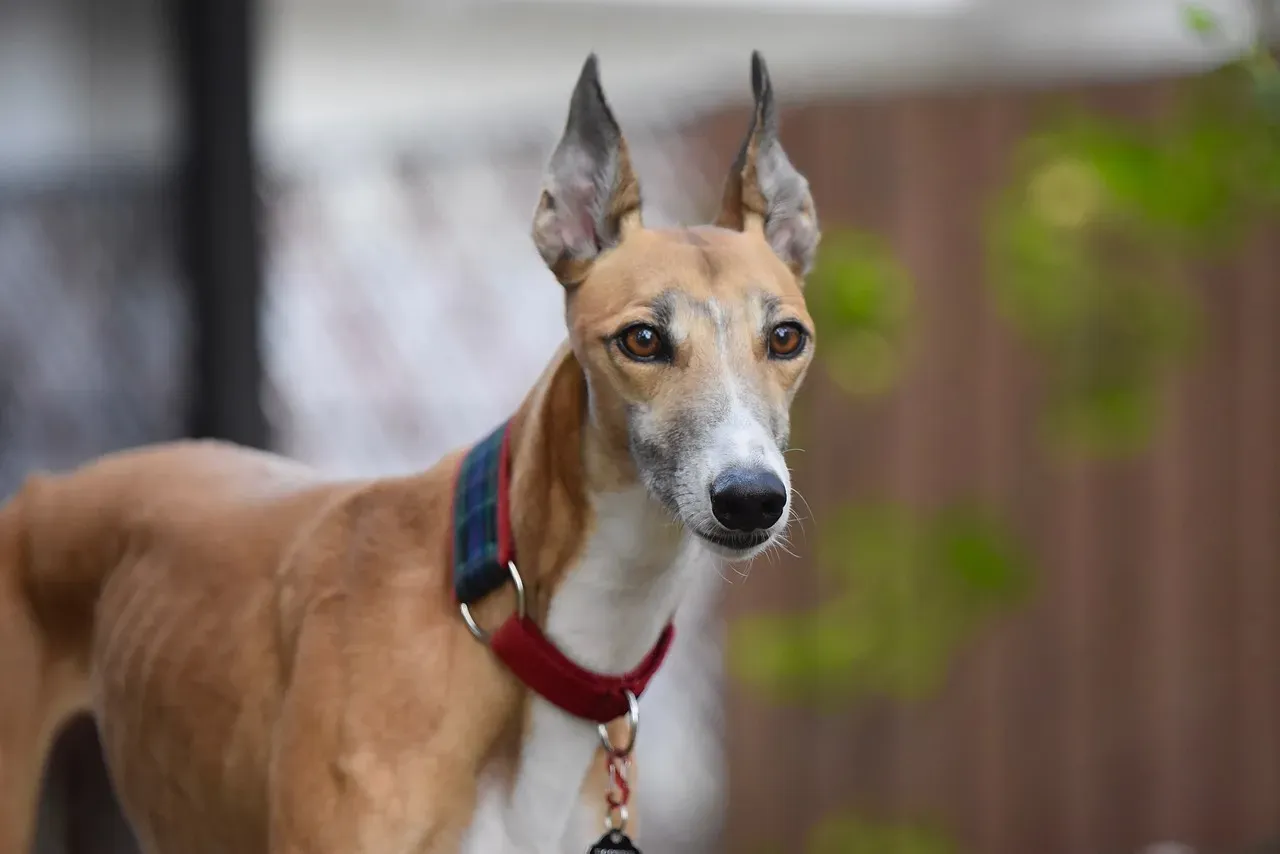
Though known for their racing history, Greyhounds are remarkably calm indoors. They love a daily walk or sprint but spend most of their time lounging. Their gentle nature and low-maintenance grooming make them one of the best-kept secrets in apartment-friendly breeds. Yes, a full-size Greyhound in an apartment sounds wild – but ask any Greyhound owner and they’ll tell you the same thing.
Greyhounds do need short bursts of activity, but other than that, they would love to curl up with you on your couch. If you’re near a dog park or have even a small green area nearby, a Greyhound’s exercise needs are easily met. Adopting a retired racing Greyhound is also a deeply rewarding route – these dogs often come with excellent manners and are grateful for the quiet life. Don’t let their size fool you. Inside, they’re one of the calmest breeds you’ll find.
11. Border Collie: Built For Open Fields, Not Studio Flats
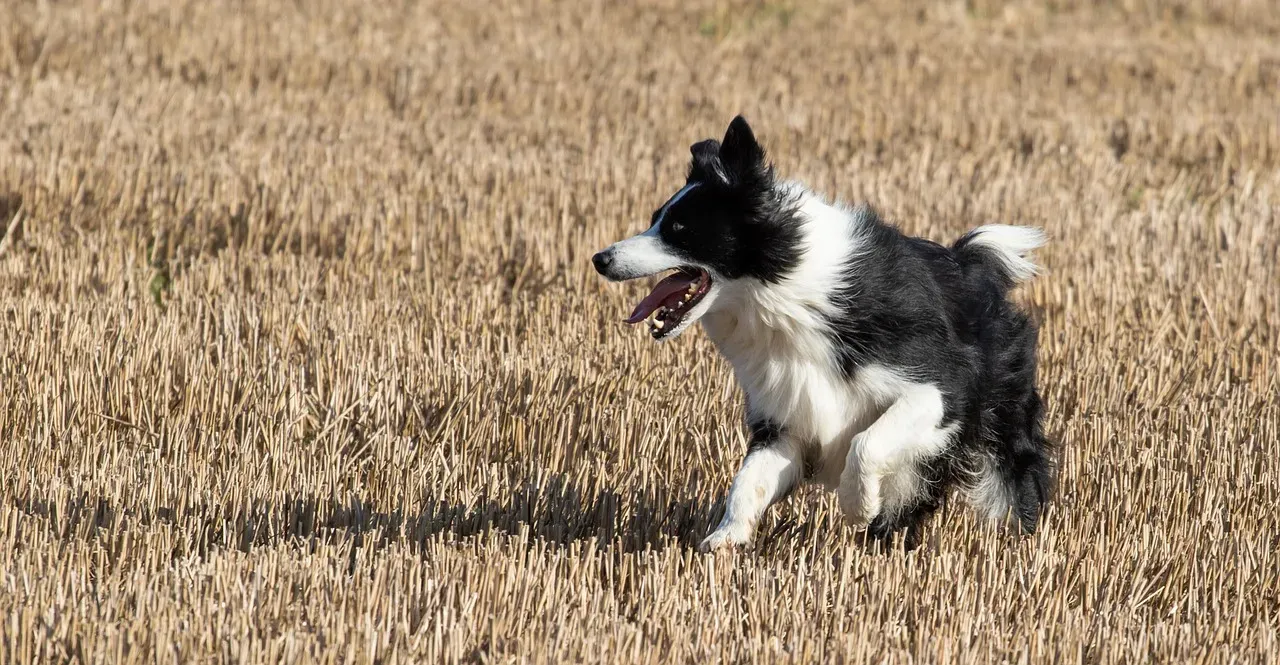
Herding breeds like Border Collies often do badly in apartments due to lack of space. Without the mental and physical stimulation of outdoor space to run and explore, hyper-intelligent and high-energy breeds can become bored, and their mental health can suffer. This isn’t a breed you can tire out with a 20-minute walk – they’ll barely be warmed up.
Border Collies need lots of space to run, toys and puzzles to exercise their minds, and an owner with an active lifestyle that can offer at least a couple of hours of solid daily exercise. A farm or other working scenario is a natural fit. Border Collies can be a little skittish of new people, busy environments, and odd sounds, so city life in general may not be right for this breed. They’re extraordinary dogs – just extraordinary in a very different setting.
12. Siberian Husky: A Born Adventurer Who Needs Real Space
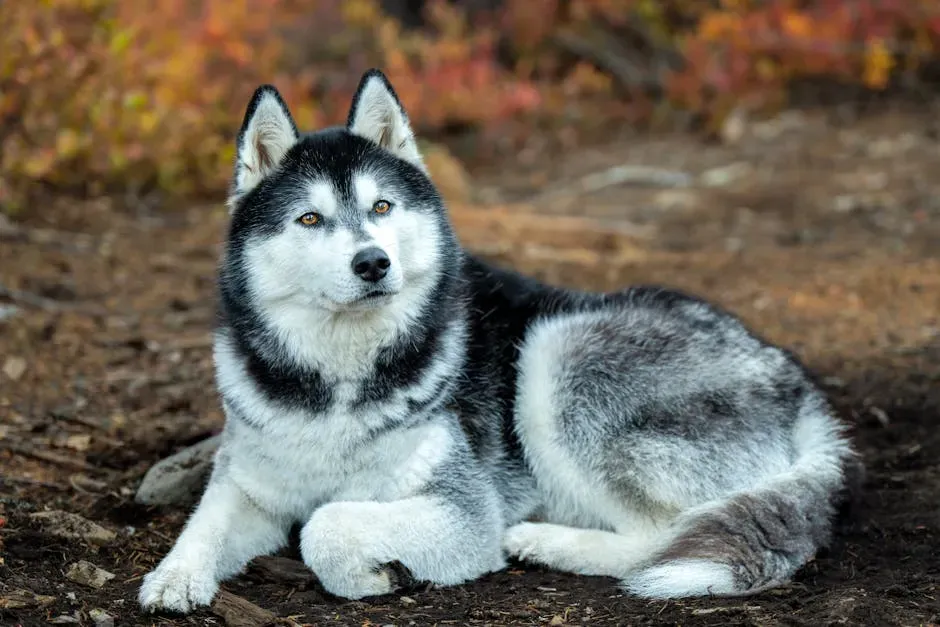
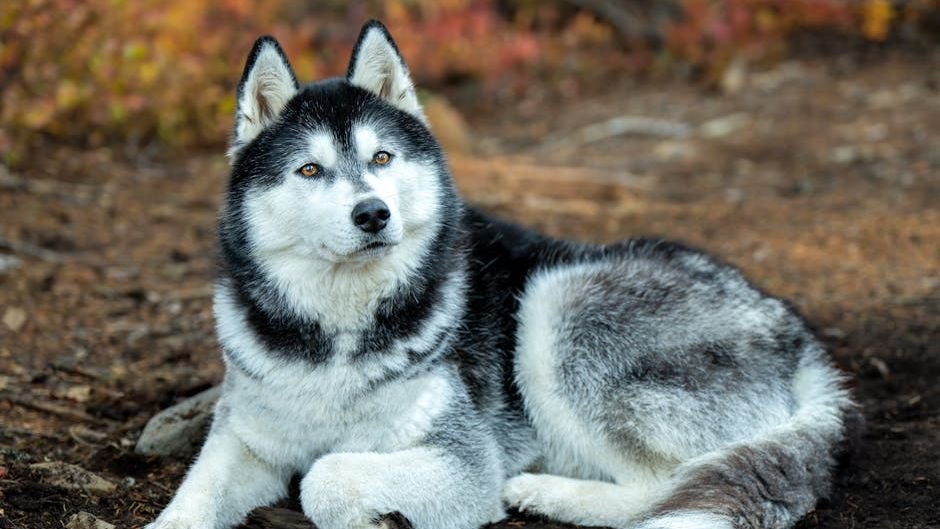
Siberian Huskies aren’t huge fans of being inside. Most Huskies would prefer to be outdoors at all times if possible, and many apartments don’t have any accessible outdoor space. Their thick double coat and boundless energy mean they’re constantly seeking ways to expend that pent-up power, often through destructive behaviors when confined.
Huskies are not quiet neighbors. They howl, sing, chatter, and hold full conversations – loudly. If you live in an apartment with thin walls, beware the Siberian opera! Huskies also shed a lot, which can be a huge pain in a small space. In a farmstead, rural property, or anywhere with acres of open land, a Husky becomes a completely different dog – joyful, purposeful, and at peace.
13. Australian Shepherd: A Working Dog Through and Through
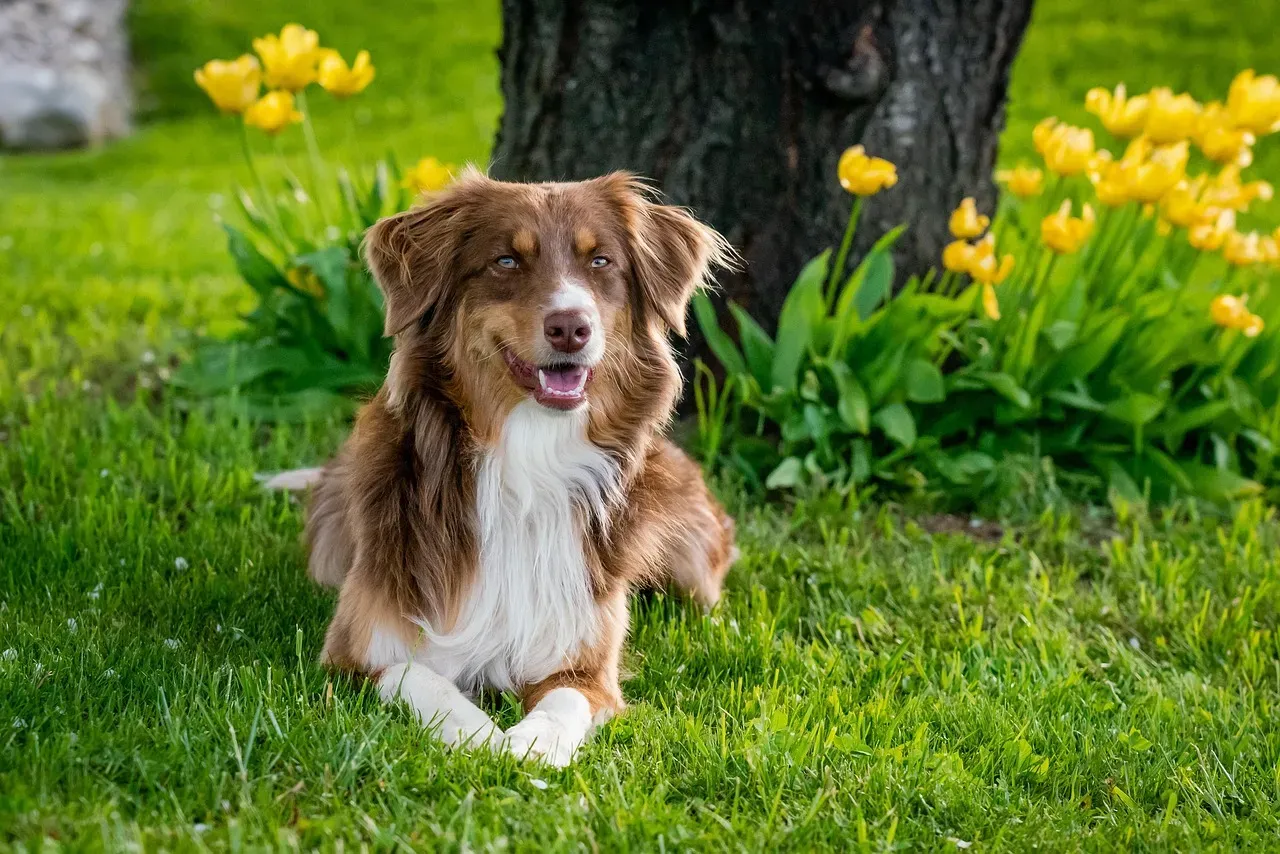
Despite the name, the Australian Shepherd was actually first bred in America to herd animals in vast ranches in the middle of nowhere. Highly intelligent, trainable, and energetic, these breeds thrive when given a job to do. Because of their need to be kept busy and their high energy levels, these pups are best suited for dog owners who are willing to keep them well-stimulated and provide them with plenty of opportunities to get enough exercise.
These breeds do best in suburban or rural households with access to outdoor space and time for active bonding. They’re not great for apartments unless the owner is very active and takes them out daily for exercise and training. Without enough exercise and mental engagement, Australian Shepherds can become bored and develop behavioral issues. Give an Aussie a ranch, a flock to manage, or at minimum a very large yard – and watch them absolutely thrive.
14. Beagle: Sweet Soul, Wrong Soundtrack for City Living
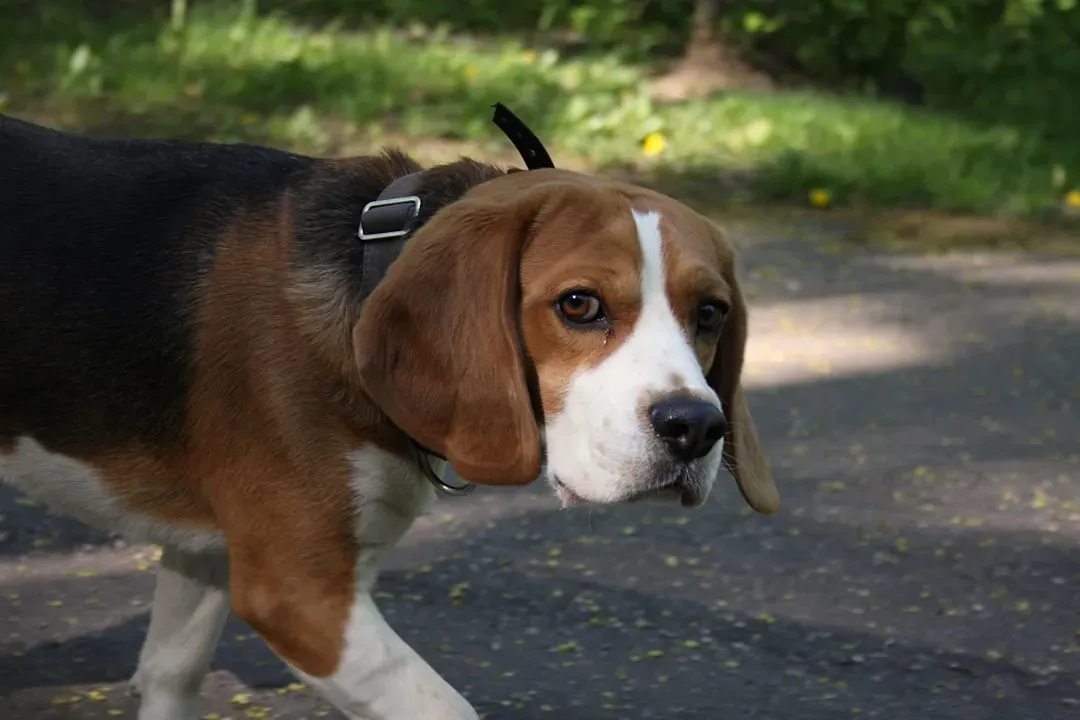
If you’ve ever met a Beagle, you’ll know instantly why they shouldn’t be apartment dogs. Extremely vocal dogs with a high prey drive and a quick alert reflex, Beagles don’t care if quiet hours start at 10 pm in your building. Though some might say the Beagle’s gentle spirit and sweet nature make it a good dog for urban living, this breed needs more space to run and play than an apartment can usually provide.
The Beagle needs regular outdoor time throughout the day, otherwise this easily bored breed has a tendency to bark, howl, and become destructive. Your neighbours will thank you for not welcoming a Beagle into your flat. In a home with a large yard, or better yet on a farm where their nose can follow scent trails all day, Beagles are charming, warm, and endlessly entertaining. The city, with its noise restrictions and close quarters, just isn’t their element.
15. Jack Russell Terrier: Tiny Dog, Enormous Demands
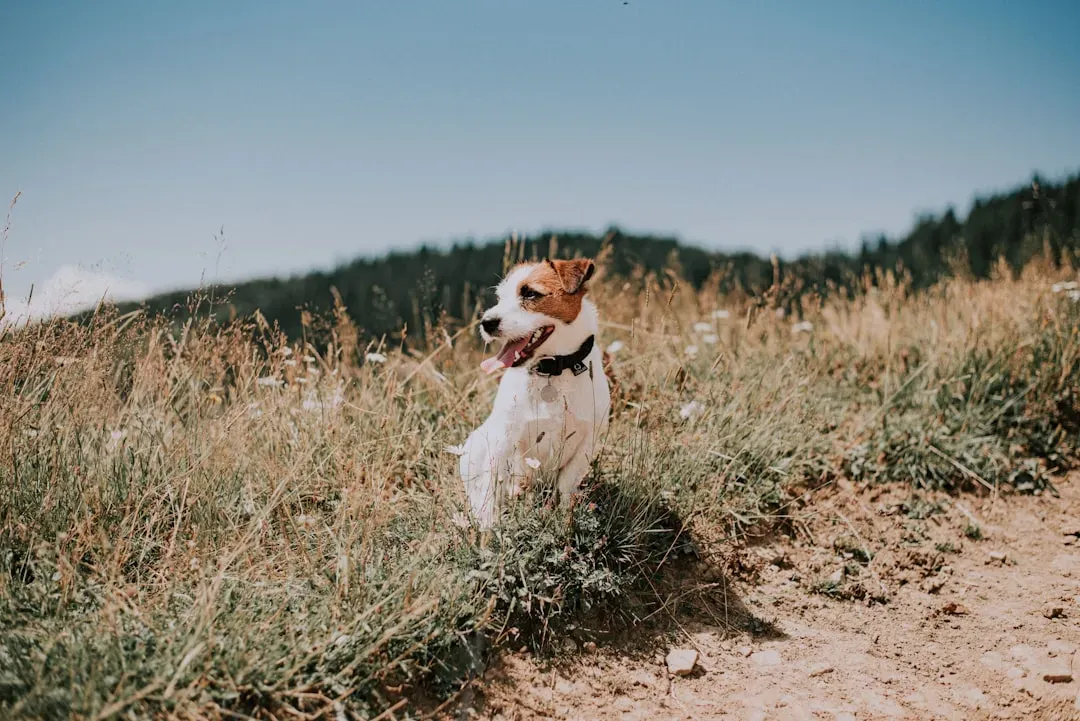
Sometimes nicknamed “Jack Russell Terrors,” the Jack Russell Terrier is a breed designed for the fast life. High-energy, extremely vocal, and not particularly friendly with strangers or other dogs, the Jack Russell Terrier does not thrive in large apartment buildings or urban settings without space to run and play. These compact bundles of energy might seem apartment-appropriate due to their size, yet they’re anything but. Originally bred to hunt foxes, they retain an intense prey drive and fearless attitude that translates into non-stop motion and frequent barking fits.
They’ll chase shadows, bark at ceiling noises, and turn your peaceful evening into a high-energy obstacle course. Their intelligence works against apartment living too, as bored Jack Russells become destructive masterminds, capable of redesigning your furniture arrangement in ways you never imagined possible. Small space plus big personality often equals big problems for urban dwellers. On a farm with fields to explore, however, a Jack Russell is in absolute heaven – curious, tireless, and doing exactly what generations of breeding designed them to do.
The Bottom Line: Match the Dog to the Life, Not Just the Love
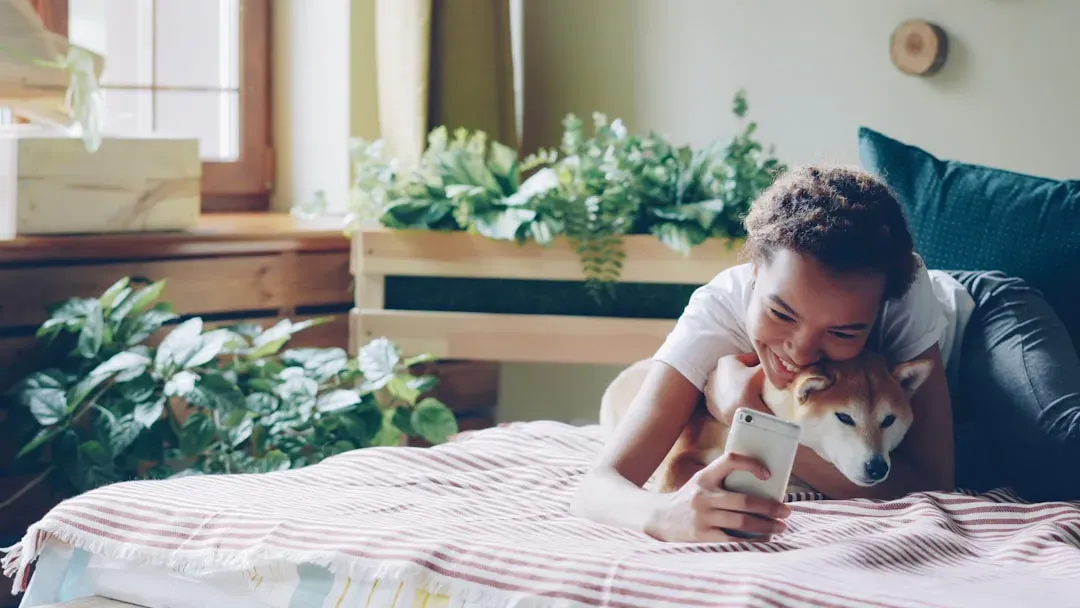
Every single breed mentioned in this guide – city-friendly or farm-bound – is worthy of devoted, lifelong love. The point isn’t that some breeds are better than others. Dogs that receive an appropriate amount of exercise, stimulation, and nutrition will be just as happy in an apartment as a house, including large dogs. As long as you walk and play with your dog enough to satisfy its energy levels, dogs do not mind living in smaller spaces. The real question is whether you can honestly meet those needs where you live right now.
Living in a confined space can amplify health challenges such as obesity, stress, or breed-specific medical conditions. Regular checkups, vaccinations, and preventive care play a crucial role in ensuring your pet’s long-term health and happiness. A trusted veterinarian helps you stay ahead of potential issues while offering guidance on nutrition, exercise, and behavior. The best dog for city living isn’t a specific breed – it’s the breed that fits your schedule, your space, and the honest version of your daily life. Get that right, and your dog won’t just survive city living. They’ll absolutely love it.


