
10 Dog Breeds That Struggle With Beach Living in California (And 5 That Thrive)
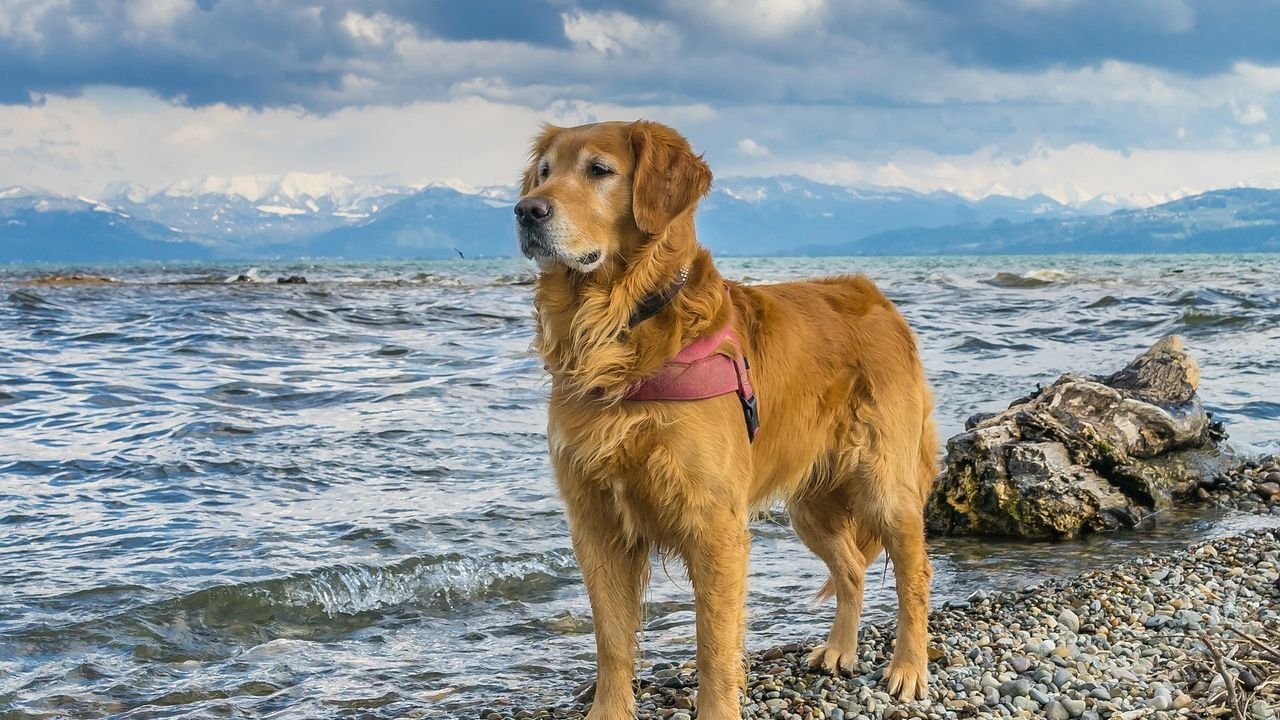
California’s beaches are stunning. The kind of places where you’d want your dog trotting alongside you through the surf, nose full of ocean air, tail a blur. The problem? Not every dog is built for that picture. Some breeds, even the ones you see regularly strutting around Venice Beach or Ocean Beach, are quietly suffering under the sun while their owners assume all is well.
The truth is that California’s coastal environment is a unique combination of intense reflected heat off the sand, salt water, humidity, and long sun-drenched days. For dogs whose bodies weren’t designed for that kind of exposure, a fun beach outing can tip quickly into a health emergency. Knowing which breeds struggle, and which ones genuinely flourish, is one of the most practical things you can do as a dog parent who loves coastal living.
1. French Bulldog: The Beloved Beachgoer Who Shouldn’t Be There
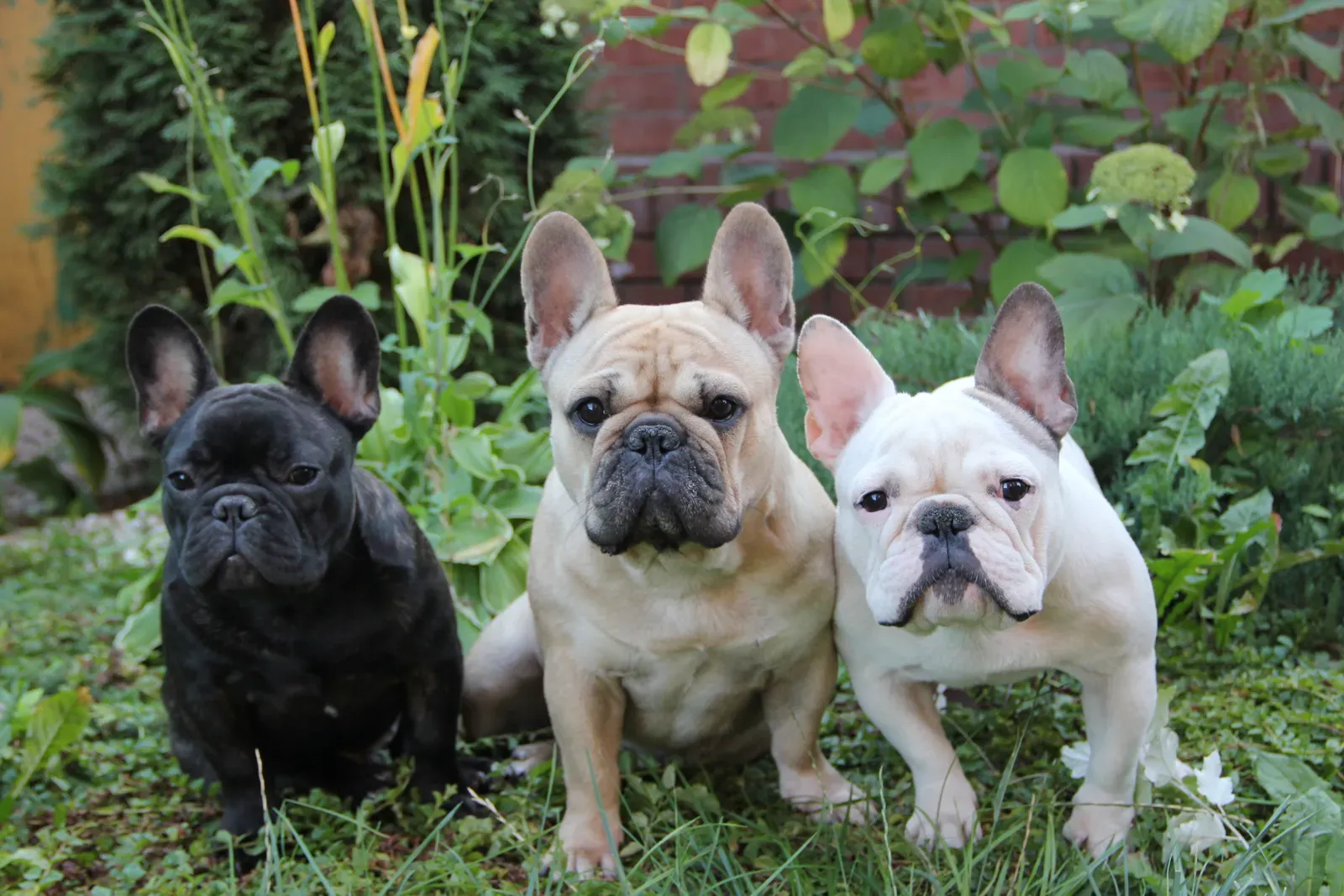
French Bulldogs are everywhere in California, from LA lofts to San Diego sidewalk cafés. Their compact size and charming personality make them irresistible companions. Frenchies are compact and charismatic, ruling LA’s downtown lofts and San Francisco’s trendy apartments, with minimal exercise needs that make them perfect for city living. The beach, though, is a different story entirely.
French Bulldogs cannot effectively cool down through panting, and because dogs don’t sweat like humans do, this can be dangerous. These anatomical features are each a factor of brachycephalic airway syndrome, a condition that makes breathing hard for many flat-faced dogs, and when a brachy dog gets hot, this condition can be especially dangerous.
Watch for excessive drooling, open-mouth breathing, and sudden lethargy on warm beach days. These are early red flags. Exercise for brachycephalic dogs must be limited to cooler times of the day, such as early morning or late evening. If you’re set on bringing your Frenchie to the coast, go before 9 a.m., bring shade, and keep water close at hand.
2. English Bulldog: Lovable But Dangerously Heat-Prone
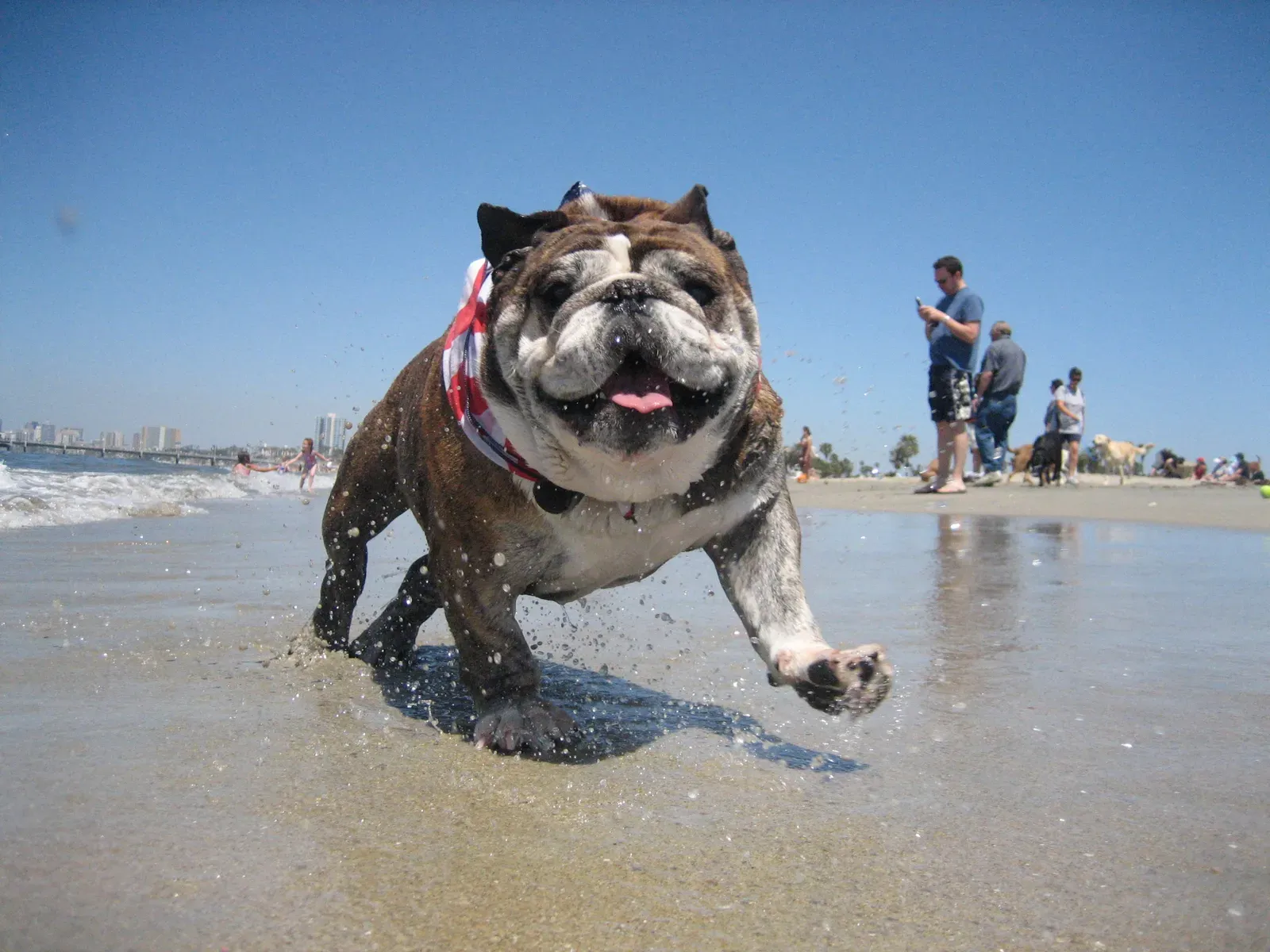
English Bulldogs are among the most heat-sensitive dogs you’ll encounter at a California beach. The flat face of an English Bulldog makes this breed prone to overheating, and it’s vital that pet parents restrict this dog’s outdoor activity during the heat of the day, though this shouldn’t be too difficult as English Bulldogs have a reputation for being lazy and calm dogs.
While many dogs enjoy the water, not all are strong or natural swimmers, and breeds with short legs, flat faces, or dense bodies such as bulldogs often struggle with buoyancy and tire quickly in the water, putting them at risk of drowning. That double danger, overheating and poor swimming ability, makes the beach a genuinely risky environment for Bulldogs.
If you’re a Bulldog parent who lives near the coast, limit beach trips to shaded, early morning visits. A life jacket with a handle helps your dog stay afloat and allows you to assist them if they accidentally wade too deep. Keep sessions very short, watch their breathing constantly, and always have cool water and a shaded mat ready.
3. Chow Chow: A Winter Dog in a Summer State
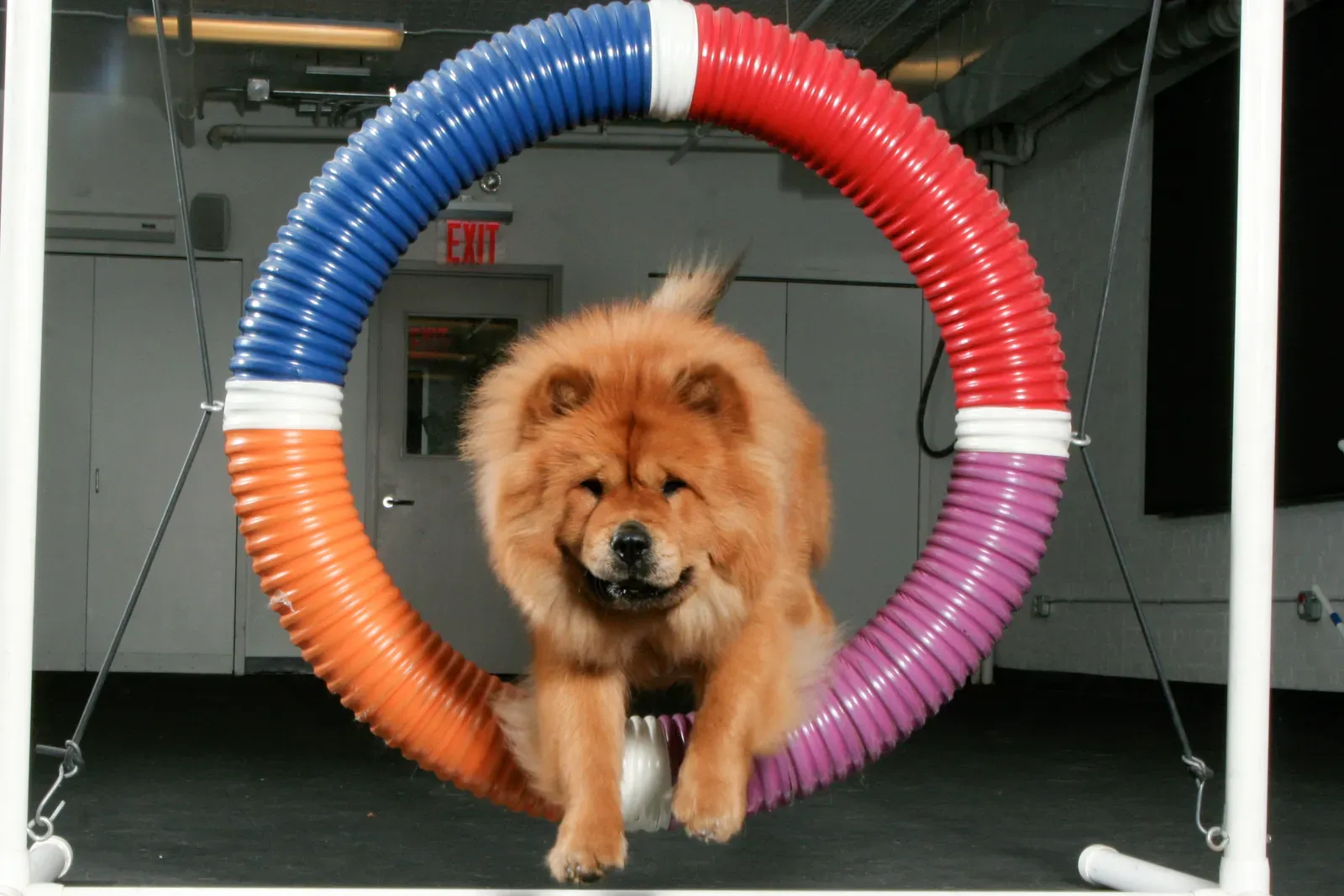
The Chow Chow’s magnificently fluffy coat and dignified bear-like appearance make them one of the most striking dogs you’ll see. Unfortunately, that same coat makes them one of the worst candidates for a California beach day. Chow Chows are not well suited for hot weather due to their thick double coat and heavy build, and when not properly cared for, they can easily overheat.
Chow Chows have increased risk of heatstroke because of their thick double coats, as a thick coat acts as insulation, trapping hot air and limiting heat loss if the dog overheats. It would be like having to wear a thermal jacket during a heatwave. One large study found that Chow Chows were among the breeds with significantly elevated heatstroke risk compared to other breeds.
Although their double coat allows them to regulate temperature, it can become damaged and matted if not properly maintained, and Chow Chows require consistent grooming and maintenance of their coat for cool air to reach their skin. Chow Chow owners may be tempted to shave their pup’s thick coats during the summer months, but this is not recommended as it could contribute to skin problems and sunburns, so you’ll want to limit the amount of time they spend outside during peak temperatures.
4. Pomeranian: Fluffy, Feisty, and Prone to Overheating
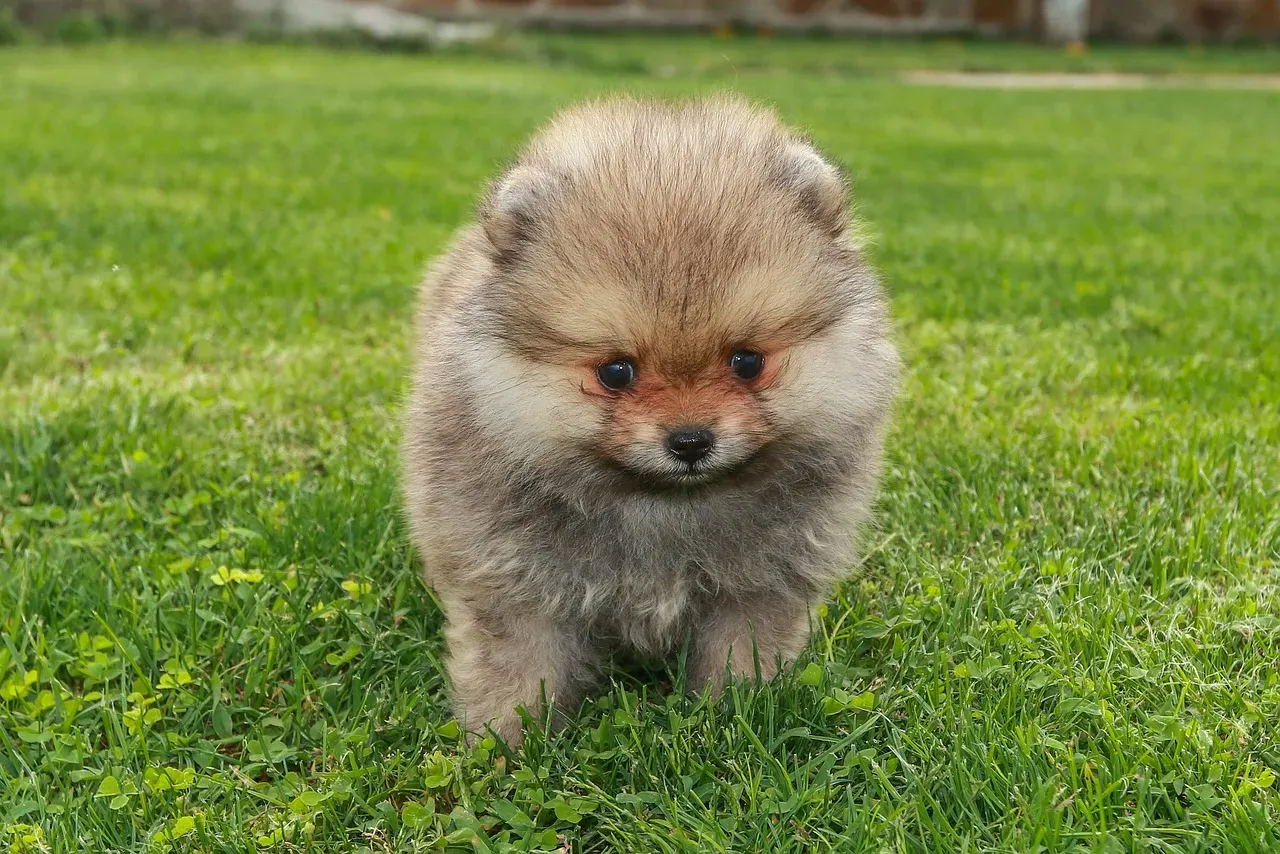
Pomeranians are hugely popular in California, and their small size creates a misleading sense of safety. People assume tiny dogs handle heat better. They often don’t. Like the Chow Chow, Pomeranians have a double coat which gives them some protection from colder weather, but also makes warmer weather somewhat unbearable.
On hot sand, a Pomeranian faces a unique problem: their small body is closer to the ground, meaning they absorb more reflected heat off the surface. Sand heats up quickly and can burn your dog’s paw pads, and you should walk on the sand alongside your pet because if it’s too hot for your bare feet, it’s too hot for theirs. For a dog only a few inches off the ground, this is an especially serious concern.
If you have a Pomeranian, make sure that you’re limiting time spent outdoors, providing plenty of water, and always providing shade to help them cool down. Walks earlier in the morning or later in the afternoon or evening will help you avoid the highest temperatures of the day. The beach can still be part of their world, just a carefully managed version of it.
5. Pug: Breathing Problems Magnified by the Heat
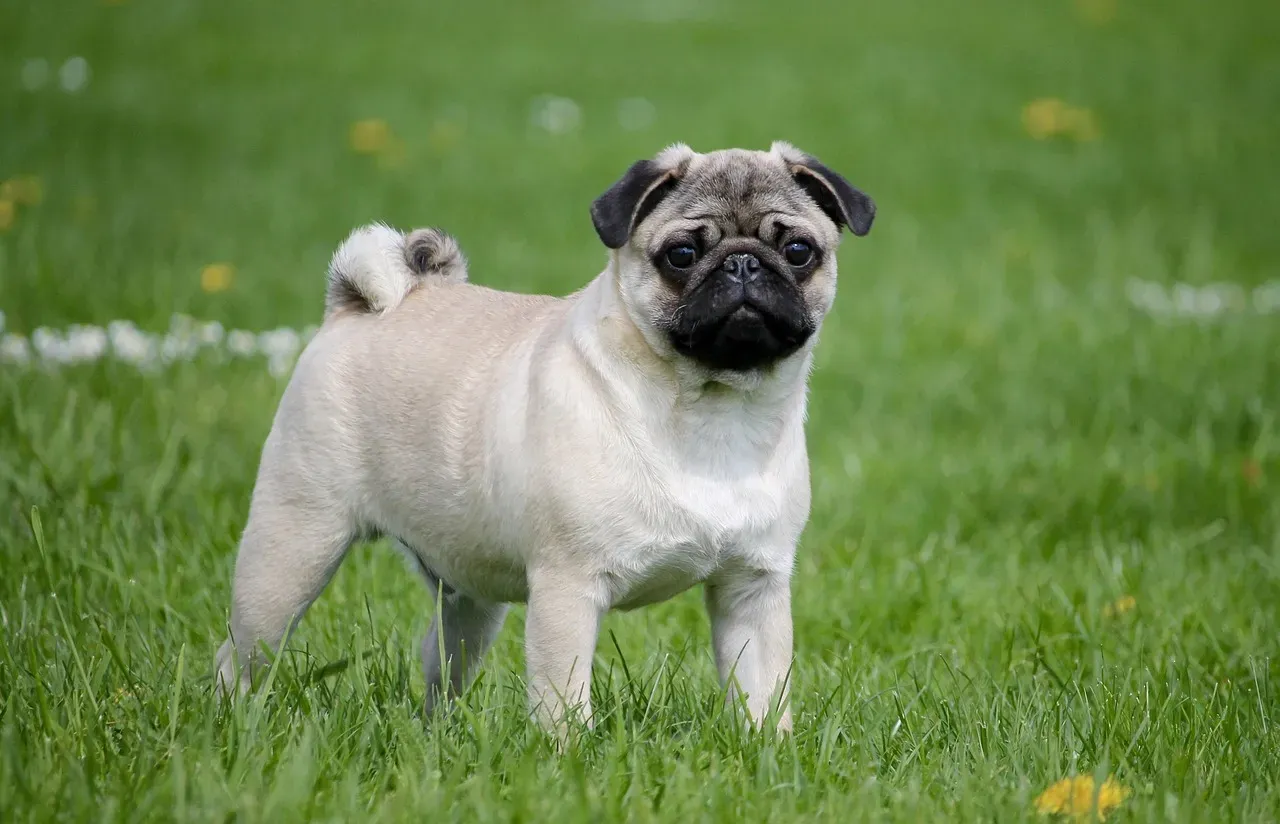
Pugs are one of the most charming and comically expressive dogs alive. They’re also one of the most vulnerable to heat-related illness, especially in a beach setting. Flat-faced dogs are especially at risk because their shortened snouts and narrowed airways make panting less effective, meaning they can’t cool themselves as efficiently.
Unlike humans, dogs only have sweat glands on their paws and must rely on panting to cool down. For a Pug, that cooling system is severely limited by their compressed airway. A Pug at the beach under the California afternoon sun is working extraordinarily hard just to keep their temperature stable. Heatstroke is a fatal condition in dogs that occurs when they cannot reduce their body temperature, and it is particularly dangerous for overweight, young, elderly, flat-faced, giant-bred, and thick-coated dogs.
Watch for sticky or thick drool, gums that appear bright red or pale, and sudden disorientation. These are signs that demand immediate action. Move your Pug to shade or an air-conditioned car, offer water slowly, and get to a vet without delay. For beach outings, early morning is non-negotiable with this breed, and even then, keep visits brief.
6. Siberian Husky: Built for Siberia, Not Santa Monica
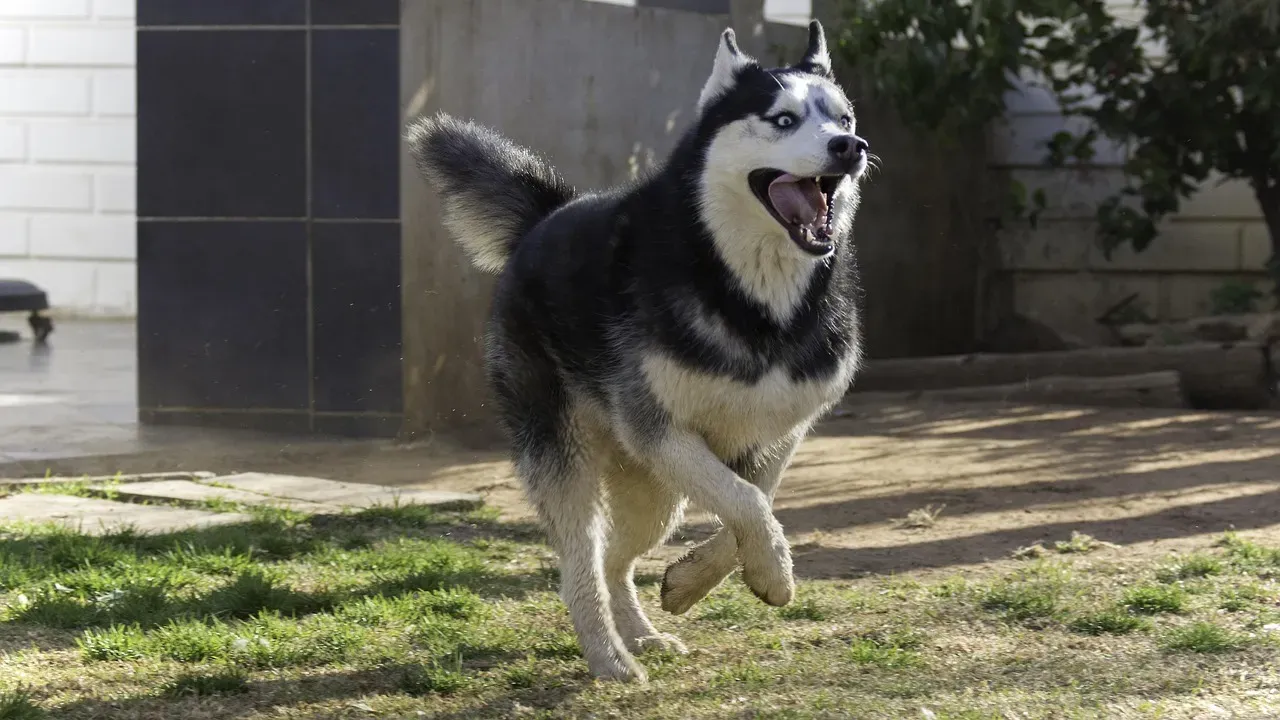
There’s something almost poetic about a Husky at the beach. That striking coat, those ice-blue eyes against a backdrop of Pacific surf. The reality, though, is more complicated than the photo opportunity suggests. Siberian Huskies are known for their thick double coats that kept their ancestors cozy on Siberian tundras, and while this fur provides insulation in cold weather, it also means they’re built to retain heat rather than shed it efficiently in warm weather.
Their heavy coat can trap heat and make it harder for their bodies to cool down quickly when the mercury rises, meaning that without proper care, Huskies may struggle more than some other breeds in hot climates. California beach days, particularly from June through September, can push temperatures well past the point of comfort for this breed.
Pet parents should watch closely for the early signs of heat stress, which can include excessive panting, drooling, and lethargy. If your dog appears unusually tired, unenthusiastic about play, or is constantly seeking shade and water, these can all be signs that your Husky is too warm and needs a cool break. Never shave a Husky’s coat in summer, as that double layer actually helps regulate temperature and protects the skin from sunburn.
7. Alaskan Malamute: Too Much Coat for California Summers
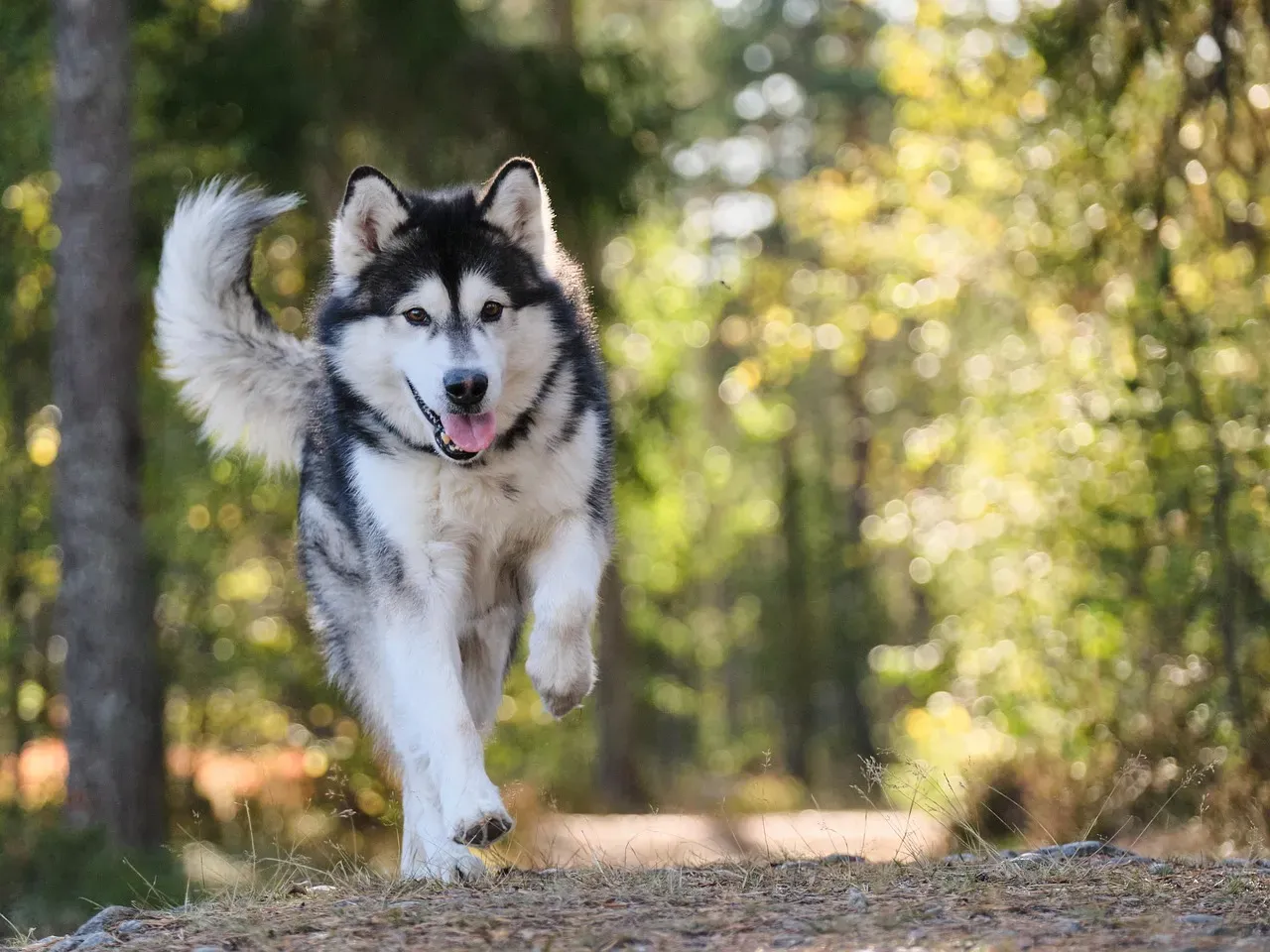
Alaskan Malamutes are powerful, loyal, and built for one of the harshest climates on Earth. That resilience is exactly what makes them poorly suited to California beach living. One of the oldest sled dogs known to mankind, Alaskan Malamutes have a thick double coat which serves well as insulation and allows the breed to thrive in colder temperatures. Southern California is about as far from their native environment as a dog can get.
Anything over 70 degrees Fahrenheit usually spells discomfort for a Malamute. A typical summer day in Malibu or Huntington Beach regularly exceeds that by a wide margin. While Alaskan Malamutes are adaptable to warmer climates, it’s still important to take special care of them during the warmer months of the year, and if you’re spending an extended period outdoors, make sure you provide plenty of water and shade, as Alaskan Malamutes can become overheated very quickly and will need regular breaks during exercise.
If you have a Malamute in California, the beach can still be a seasonal option in cooler months. Early winter mornings near the water, when temperatures are mild and the sand is cool, can be a wonderful experience for this breed. During summer, opt for air-conditioned indoor enrichment and early morning outings instead.
8. Boxer: High Energy Meets Poor Heat Tolerance
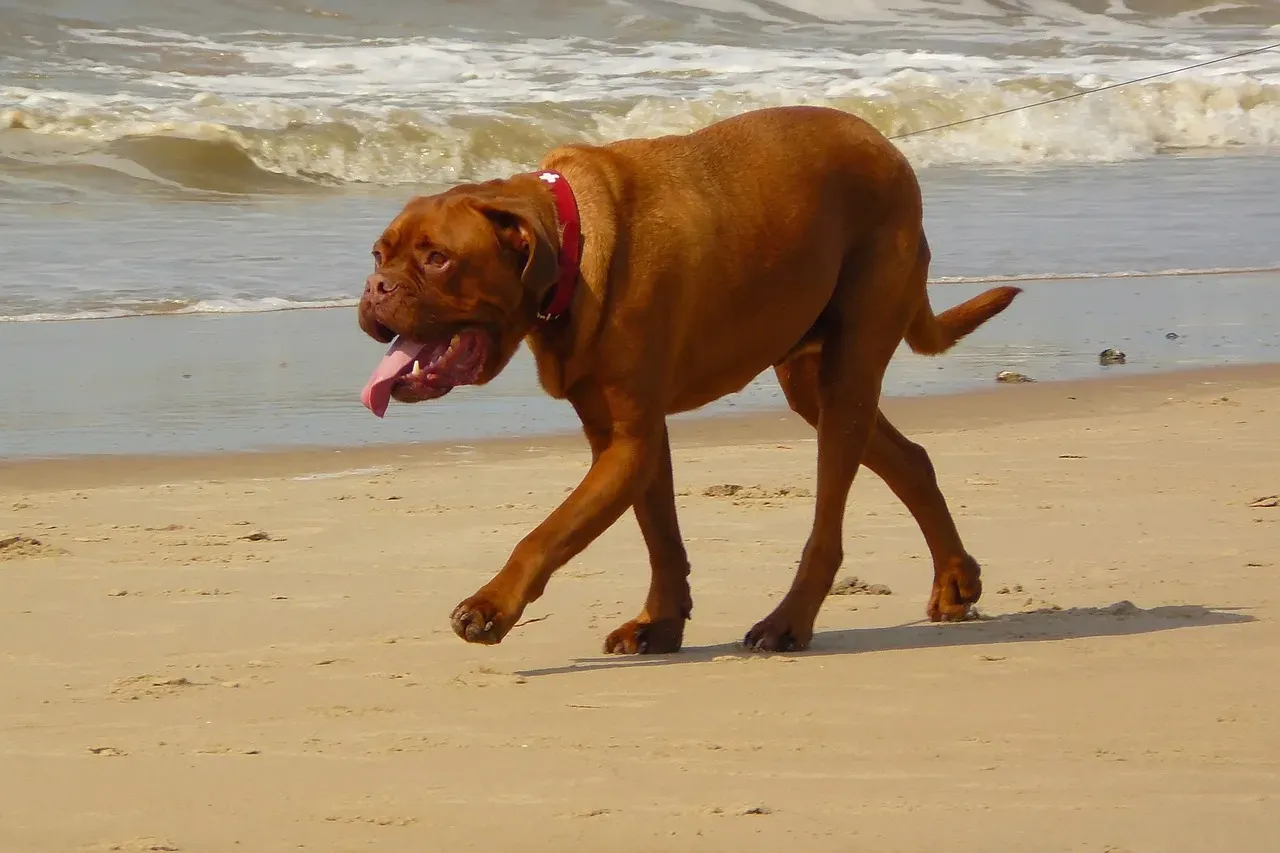
Boxers are athletic, enthusiastic, and genuinely fun at the beach. They love to run, they love people, and their exuberance is contagious. The issue is that their brachycephalic anatomy creates real cooling limitations that their energy levels can easily override. Because Boxers are brachycephalic and have high energy levels, they tend to overheat easily, and their daily walks should be restricted to cooler parts of the day with a cool, shaded place to rest during the afternoon heat.
Sand reflects the sun, intensifying the heat, and dogs can overheat rapidly, especially since they cool down by panting, which is harder to do in humid, salty air. For a Boxer who’s already sprinting after frisbees and wrestling with waves, the cumulative heat load can escalate quickly into dangerous territory.
The behavioral cue to watch for with Boxers specifically is that they often don’t self-regulate. Some dogs will keep walking or playing past their limits, especially high-energy breeds or pets who don’t show discomfort easily. You’ll need to be the one who calls time. Fifteen minutes of supervised, low-intensity beach time in the early morning is a reasonable limit for this breed on a hot day.
9. Shih Tzu: Glamorous but Vulnerable
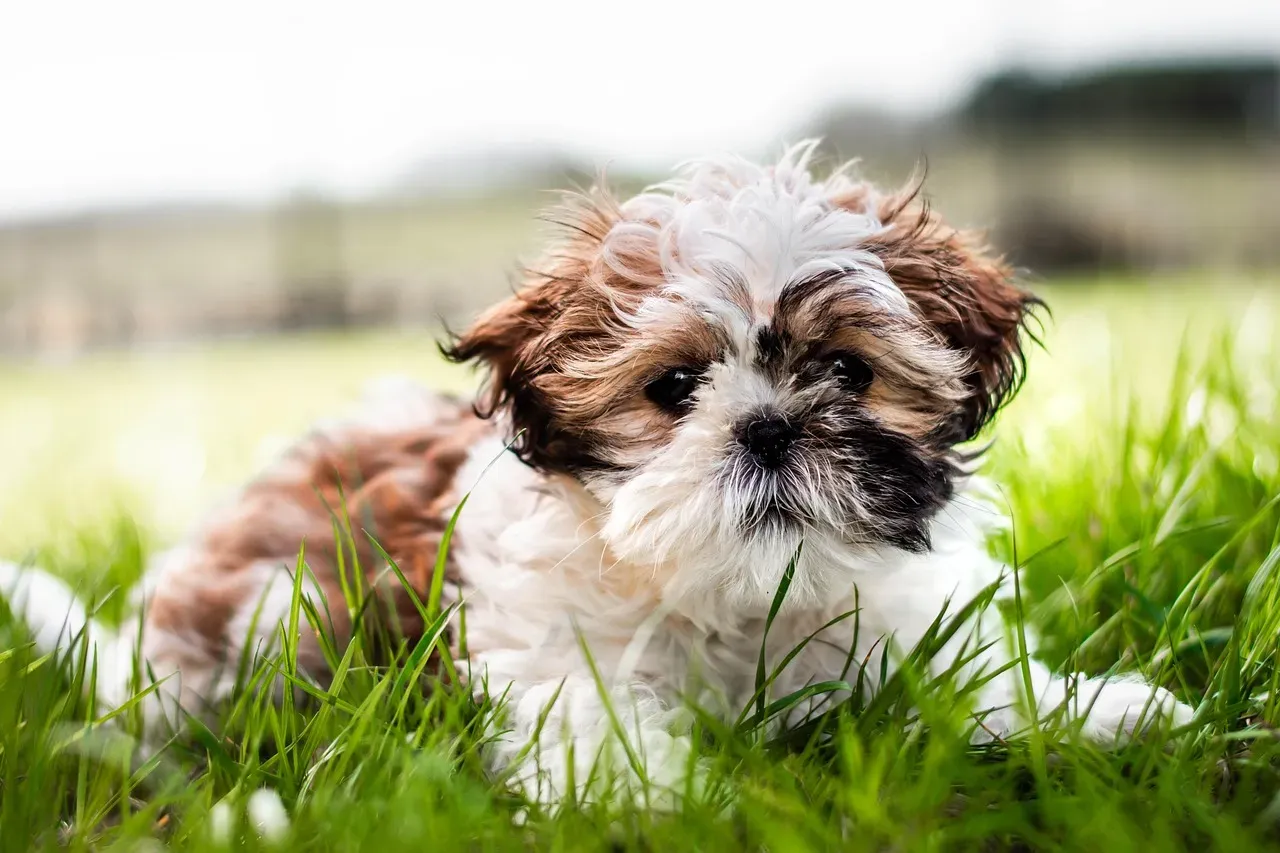
The Shih Tzu’s long, flowing coat and flat face combine two separate heat-risk factors into one compact package. They’re affectionate and highly sought after as companion dogs in California’s coastal communities, but the beach environment is not their natural habitat. Their short muzzle makes efficient panting very difficult, and their coat holds warmth rather than releasing it.
Heatstroke is particularly dangerous for flat-faced and thick-coated dogs. On hot sand, a Shih Tzu deals with ground-level heat radiating upward, reduced airflow through their compressed airway, and a coat that traps warmth. Salt can irritate and dry out skin, and sand stuck between paw pads can lead to abrasions or infections. For a small, low-slung dog, that discomfort compounds quickly.
If you take your Shih Tzu to the beach, keep their coat trimmed short during summer months, always bring a portable shade canopy, and limit the outing to fewer than thirty minutes during the coolest part of the day. Carry them across hot stretches of dry sand and rinse their paws with fresh water immediately after every visit.
10. Samoyed: All That Beautiful Fur Has a Cost
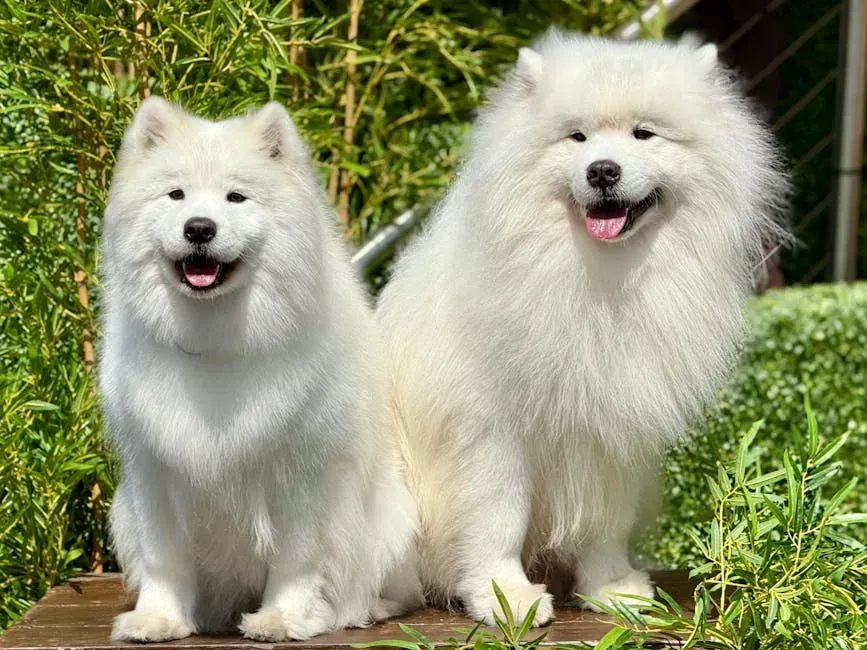
With their thick white cloud of fur and perpetual smile, Samoyeds look like they were designed by someone who wanted to make the happiest-looking dog possible. They are genuinely joyful dogs. They’re also far better suited to snowy mountain trails than sun-baked California beaches. Their dense double coat, built for Arctic temperatures, turns into a serious thermal challenge in warm coastal weather.
Double coats can make a dog more vulnerable to overheating, and although a dog’s coat can provide insulation from both heat and cold, this same insulation can trap warmth against the body in high temperatures. A Samoyed romping on a hot beach is essentially wearing a very thick winter jacket in midsummer. Their happy demeanor can mask early signs of heat distress, which makes vigilance all the more important.
Behavioral cues to watch include sudden slowing, seeking shade, panting that becomes progressively louder, or lying flat on cooler wet sand. Signs of heatstroke include heavy panting, drooling, vomiting, diarrhea, weakness, and collapse, and treatment involves safely and immediately cooling the pet and seeking intensive care at a veterinary hospital. Beach visits with a Samoyed in California should be reserved for overcast days, early mornings, or the cooler winter months.
11. Labrador Retriever: California’s Beach Dog of Choice
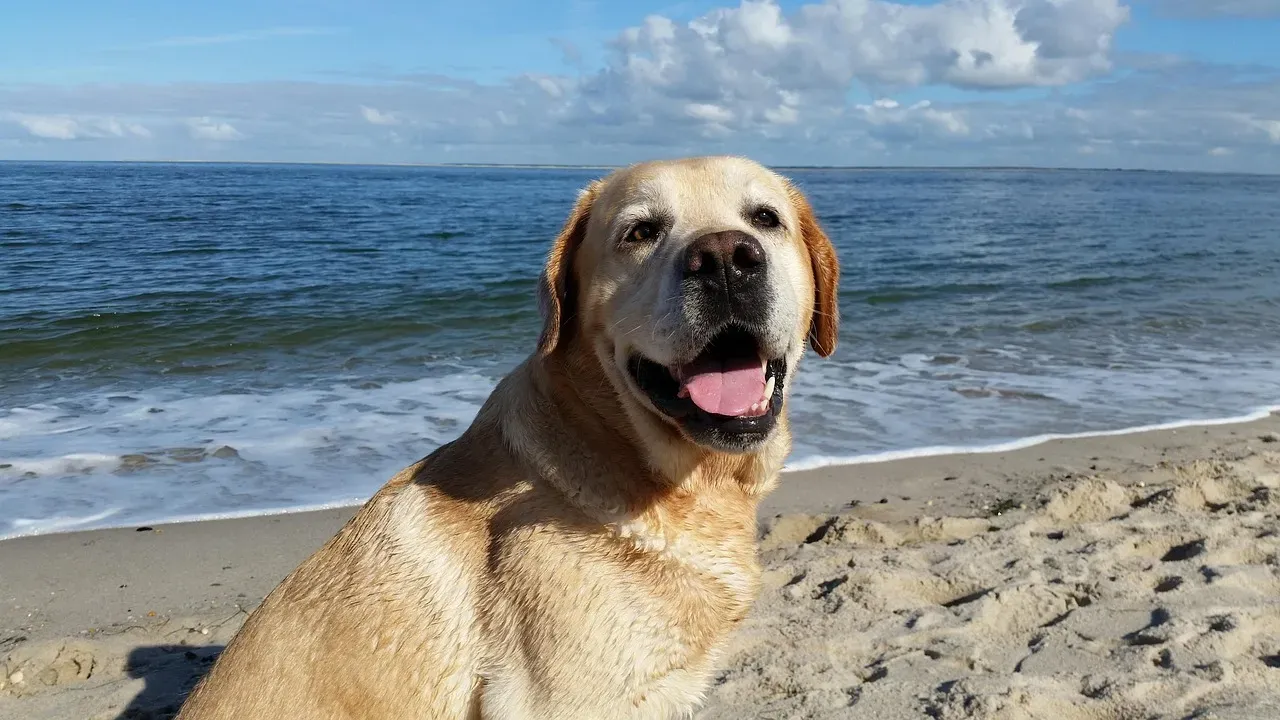
Now for the good news. Some breeds don’t just tolerate the California beach, they were practically made for it. The Labrador Retriever sits comfortably at the top of that list. The Lab is America’s favorite pet, and that certainly holds true out West; they’re the most owned breed in California, Oregon, and Washington. There’s a reason you see them everywhere along the coast.
Labradors are naturally drawn to water from puppyhood due to selective breeding for water work, their webbed feet provide exceptional swimming propulsion, and their double-layered coat repels water and provides insulation, allowing them to swim steadily for extended periods while responding well to safety commands even in noisy beach environments.
A Lab is a very popular breed throughout the United States, and they are friendly and loyal as well as great in the water. They love being around people, so a crowded beach is no issue, and they can handle both cold and hot temperatures, being happy to roll in snow or sand. Their versatility, temperament, and physical resilience make them the gold standard for California coastal living.
12. Golden Retriever: Born to Run Through Surf
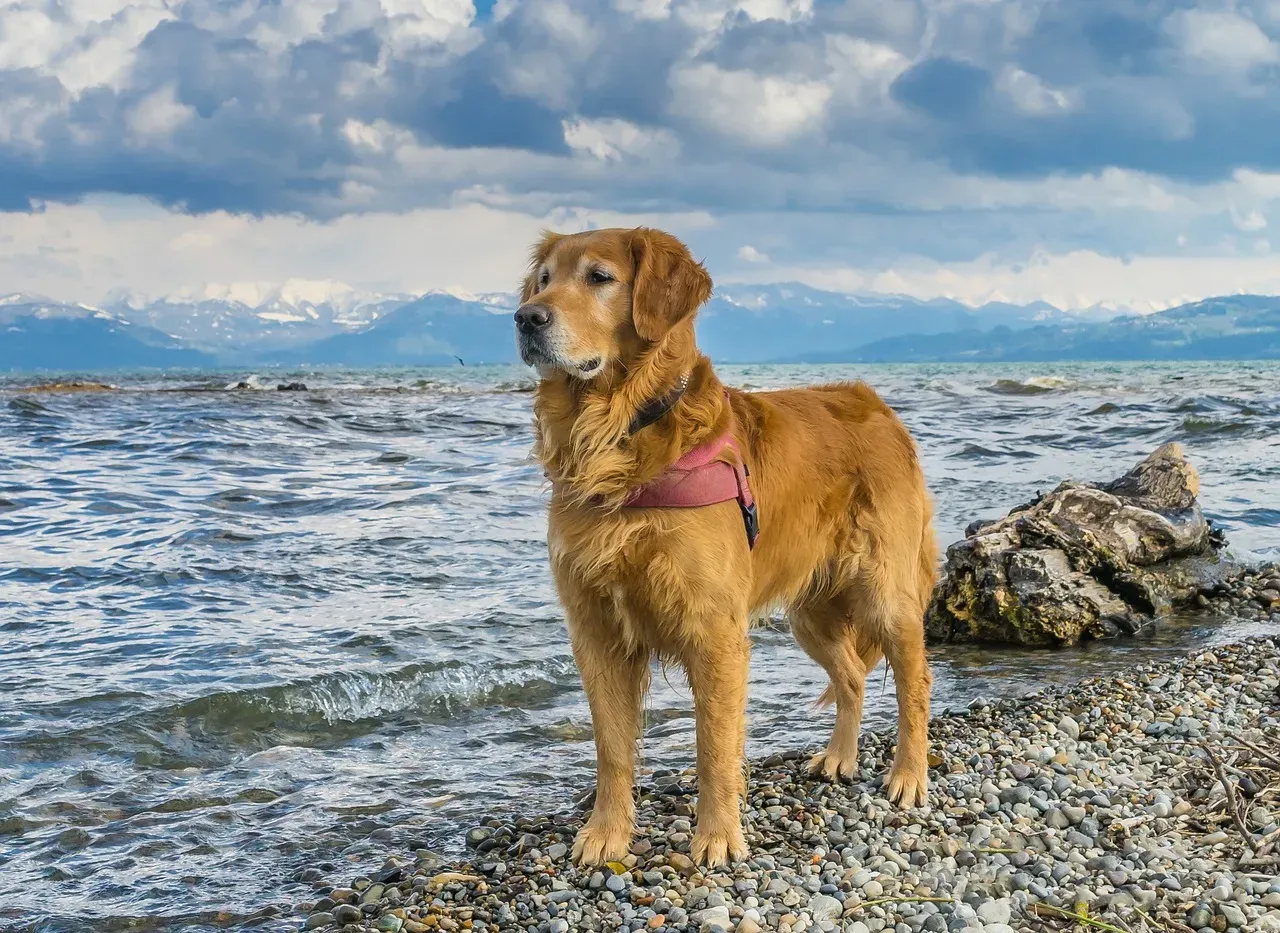
If Labs are California’s most popular beach dog, Golden Retrievers are arguably its most beloved. Golden Retrievers thrive in California’s beach culture with their waterproof coats and swimming prowess, and they’ll happily chase frisbees across Santa Monica or trot alongside you during sunset walks in La Jolla. They carry that signature Golden enthusiasm into every ocean wave and sandy dune.
Golden Retrievers possess webbed feet and water-repellent double coats that make them exceptional swimmers from puppyhood, and their breeding history as waterfowl hunting companions means they’ll instinctively retrieve items from water without extensive training, naturally paddling through waves and bringing back thrown toys with remarkable grace.
One important note for Golden owners: during peak summer heat, even this breed needs monitoring. Golden retrievers can overheat because of their thick fur if pushed too hard in intense afternoon sun. Schedule beach outings for the morning, keep fresh water available at all times, and rinse their coat thoroughly with fresh water after every swim to remove salt buildup.
13. Portuguese Water Dog: The Ocean Was Always Home
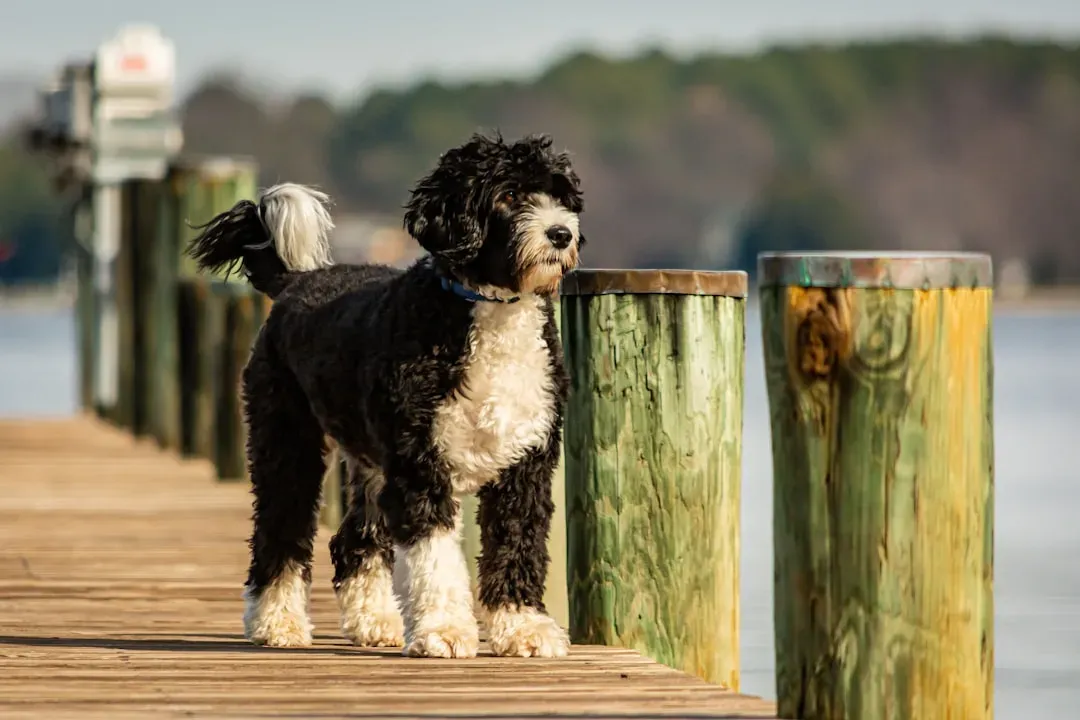
Few breeds have as genuine a claim to coastal life as the Portuguese Water Dog. The Portuguese Water Dogs were originally bred to work alongside fishermen when fishing, and this wasn’t a difficult task because they are natural swimmers whose webbed feet and strong swimming skills make them ideal for seaside living, known for their agility and intelligence.
Portuguese Water Dogs were originally bred for maritime labor along Portugal’s coastline, excelling at swimming and diving, and can retrieve objects underwater, navigate strong currents easily, with a low-shedding curly coat that minimizes sand accumulation, making post-beach cleanup much easier for owners. That last point alone is a genuine lifestyle benefit for anyone who’s ever tried to de-sand a thick-coated dog’s fur.
Their manageable size, trainable nature, and genuine love of water makes them a practical choice for California beach families. The Portuguese Water Dog has a history of sitting quietly in boats before leaping into action, and these water dogs, while extremely active, are surprisingly self-controlled and very trainable. They’re equally comfortable on a surfboard leash, in a kayak, or charging through the shallows.
14. Labrador Mix / Vizsla: The Athletic Coastal Companion
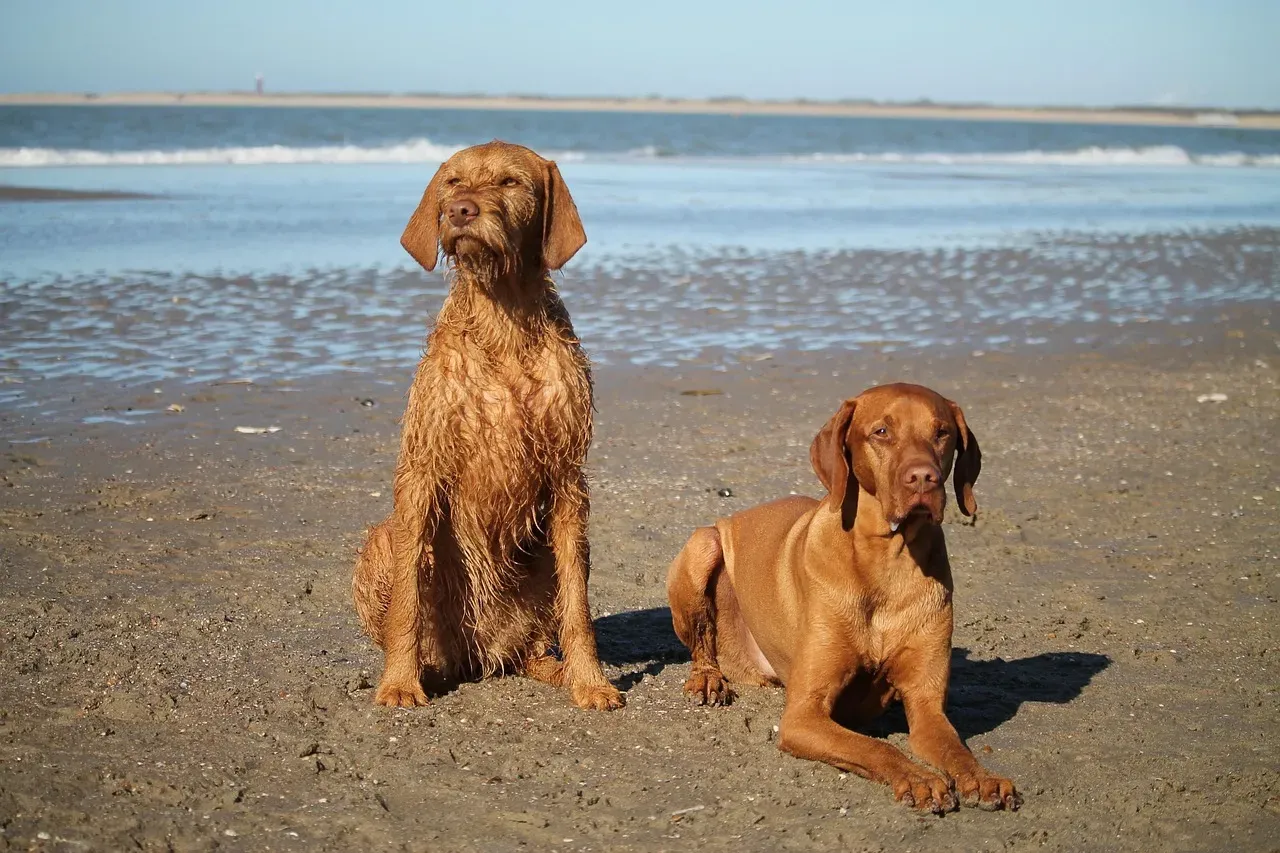
The Vizsla deserves more recognition as a California beach dog. Lean, rust-colored, and built for endurance, they combine a heat-tolerant body type with a genuine love of water activities. The German Shorthaired Pointer and breeds of similar build are friendly, fun-loving family dogs with short hair and medium size, making them ideal for hot weather, requiring constant exercise, and adapting well to all climates due to their lean build, long snouts, and short coats.
Weimaraners are athletic and love water activities, enjoy swimming, and are ideal for families who spend time at the beach, with this multi-talented gundog being an ideal companion for coastal excursions and excelling in diverse coastal climates thanks to its remarkable adaptability. The same qualities that make these lean sporting breeds excellent hunters translate directly to confident, capable beach dogs.
Breeds like the Ibizan Hound and Basenji thrive in warm climates due to their origins in Mediterranean or African environments, and their short, thin coats help prevent overheating, making them ideal for long hours under the sun, with reflective sand and intense sunlight less of a concern for breeds adapted to heat. The lesson here is clear: if a breed’s ancestry includes warm, open terrain, California’s beaches are likely a natural fit.
15. Border Collie: The Smart, Sand-Loving Overachiever
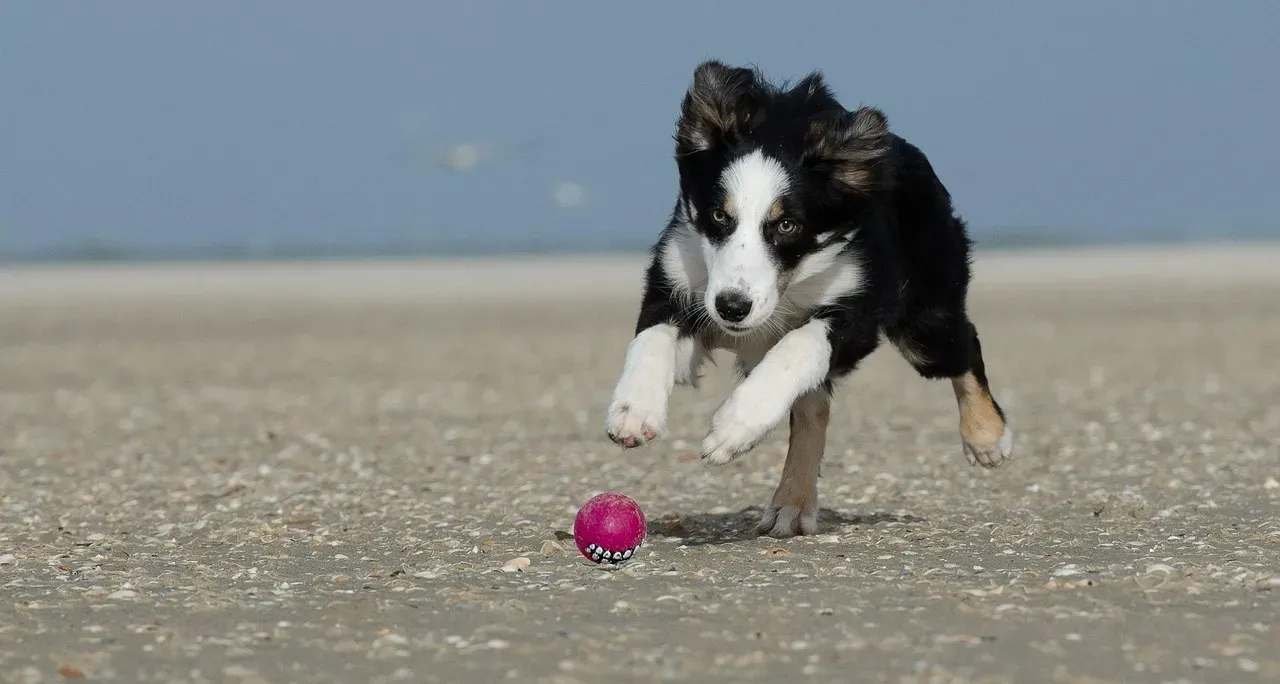
Border Collies may be the most intellectually demanding dog you’ll ever own, but at the California beach, all of that intensity finds a perfect outlet. Border Collies are highly energetic and thrive in outdoor settings like beaches, are excellent swimmers and enjoy playing fetch and other games on the sand, and their high intelligence makes them easy to train for various beach activities and ensures they stay safe around water.
These dogs navigate shifting sand and uneven rocky terrain with remarkable balance and coordination, and their compact muscular build provides exceptional stability when scrambling over tide pools or chasing waves across loose sand, treating challenging beach obstacles like the natural herding terrain they were bred to master. Watching a Border Collie work the shoreline at full speed is genuinely impressive.
Australian Cattle Dogs and breeds of similar moderate coat handle extended beach sessions better than many breeds thanks to efficient cooling systems, with short dense fur that doesn’t trap excessive heat while still protecting against sun exposure, allowing full beach days without constant overheating concerns that plague thicker-coated breeds. Border Collies carry similar advantages. Provide fresh water constantly, keep their recall training sharp, and a Border Collie will be one of the most joyful presences on any California beach.
Conclusion: Know Your Dog Before You Hit the Sand
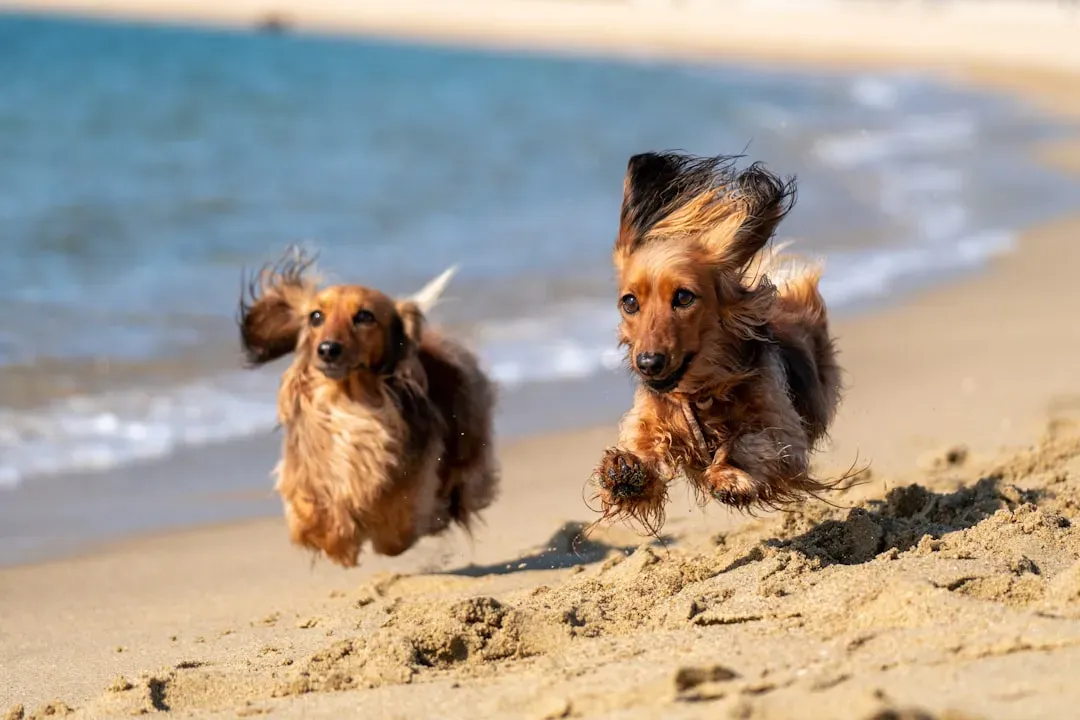
The California coast is one of the most spectacular places in the world to spend time with your dog. Long stretches of beach, salt air, the sound of waves, year-round mild weather in many areas. It’s genuinely a paradise, but only for the right dog, managed by an informed owner.
The breeds that struggle aren’t lesser dogs. They’re simply dogs whose bodies weren’t built for reflected sun, humid salty air, and hot sand. A French Bulldog is still an extraordinary companion. A Chow Chow is still magnificent. They just need their owner to make smart decisions on their behalf, including knowing when to leave them home with the air conditioning running.
A day at the beach can turn dangerous quickly if you aren’t aware of the risks, and keeping your beach dog safe involves monitoring three main things: water, heat, and what they eat. Try walking during cooler times of the day, use protective dog booties, and always check your dog’s paws after the beach to remove any debris or irritants. The most loving thing you can do for your dog is understand them deeply enough to know both what they can enjoy and what they genuinely need you to protect them from.