
15 Gentle Ways to Say Goodbye Every Dog Owner Wishes They’d Known

There’s a particular kind of grief that dog owners carry long before any goodbye is spoken. It starts in small moments. A slower walk around the block. A bowl of food left half-eaten. Eyes that still hold love, but a body that’s quietly letting go. The farewell you give your dog isn’t a single moment. It’s a series of small, intentional acts that together form the most profound expression of care you’ll ever offer.
Saying goodbye to your dog before euthanasia is one of the most challenging experiences a pet owner can face. Yet within that difficulty lives something quieter and more beautiful than most people expect. These fifteen ways won’t make it painless. Nothing can. What they can do is help you make those final days, hours, and moments count in ways you’ll carry with you for the rest of your life.
Spend Unhurried, Purposeful Time Together
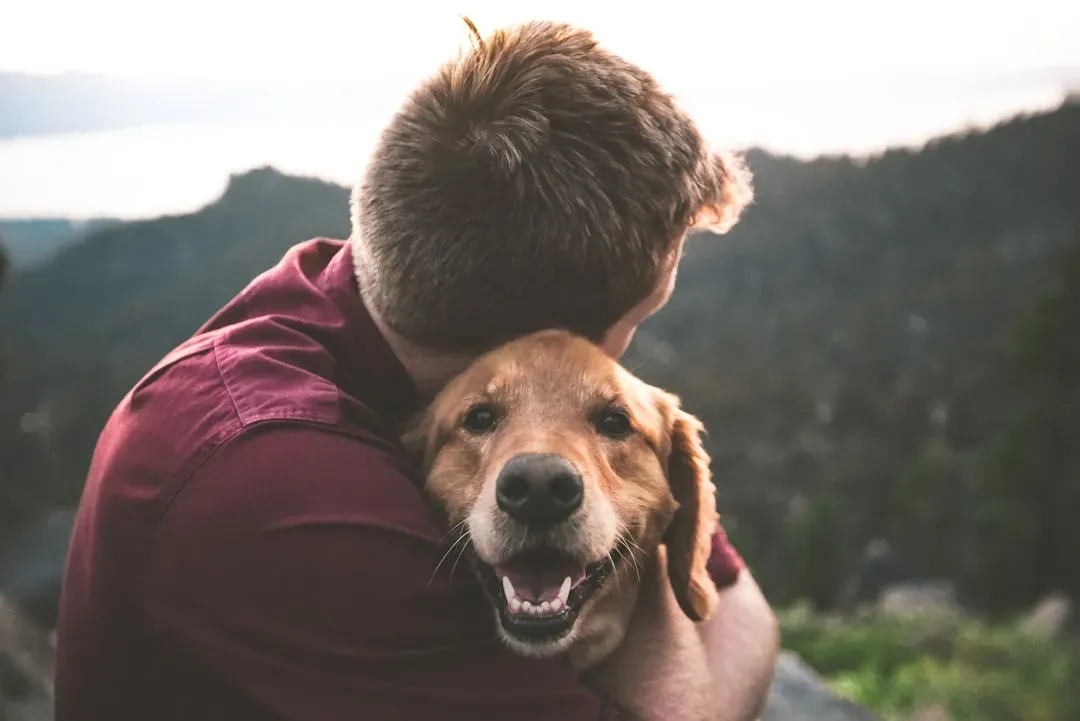
Being present with your dog during their final days is likely the most important thing you can do. Cuddle together on the couch or their favorite bed in the house, give them plenty of loving pets, talk to them, and let them know they are forever loved. That kind of presence doesn’t require words or grand gestures.
Prepare for this time by spending as much quality time with your dog as possible, showering them with affection through petting, brushing, massaging, or just sitting near them. Sometimes just being in the same room, breathing the same air, is enough.
Let Them Eat Their Favorite Things
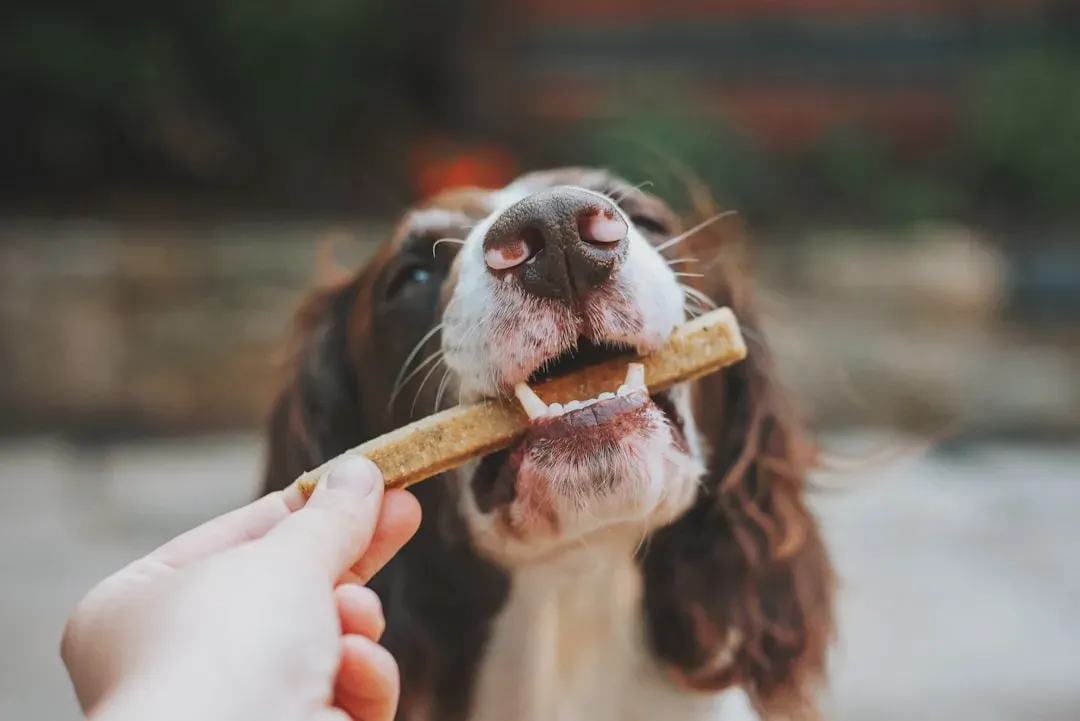
Offer favorite treats and food, and give them safe, unique toys that bring them comfort. The goal is to make them feel happy, settled, and cared for. This isn’t indulgence. It’s dignity.
Feed your dog their favorite meal the day before any appointment. A dog who can no longer run or play can still experience joy through taste and smell. That last bite of roast chicken, the lick of peanut butter from a spoon, means more than you might think.
Keep Familiar Routines Intact
As much as possible, stick to familiar routines to provide a sense of stability and comfort. You may find that you need to provide more frequent opportunities to eat, drink, and eliminate, but maintaining the same rituals and routines surrounding these activities can signal to your dog what is coming next and alleviate additional anxiety or confusion.
Gentle playtime with favorite toys or laying outdoors in a familiar spot can bring joy and comfort, even if it looks nothing like it did before. Routine is a form of reassurance, and your dog still needs that from you now, perhaps more than ever.
Create a Peaceful, Comforting Environment
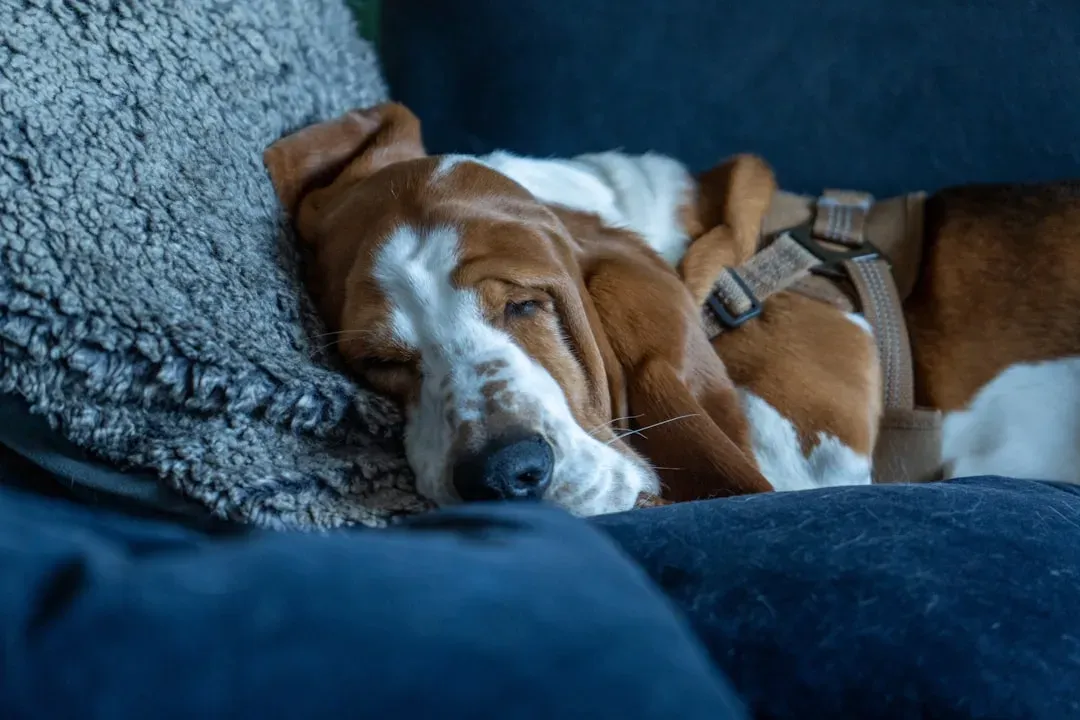
You may consider an in-home end-of-life experience for your dog, so your final hours together are at home where your pet is most comfortable and surrounded by familiar sights, sounds, and smells. You can curate the environment that will best suit your family through soft lighting, gentle music, and a comfortable place for yourself near where your dog chooses to lay. Your presence can help keep your dog calm and comforted, even if it’s just sitting near them where they can hear your voice and catch your scent.
Create a cozy and quiet space for your dog, ensuring their bedding is soft and easily accessible, and keep their resting area clean and dry. The small physical details matter deeply. A warm blanket. A window with familiar light. Their own smell around them.
Invite the People Who Loved Them
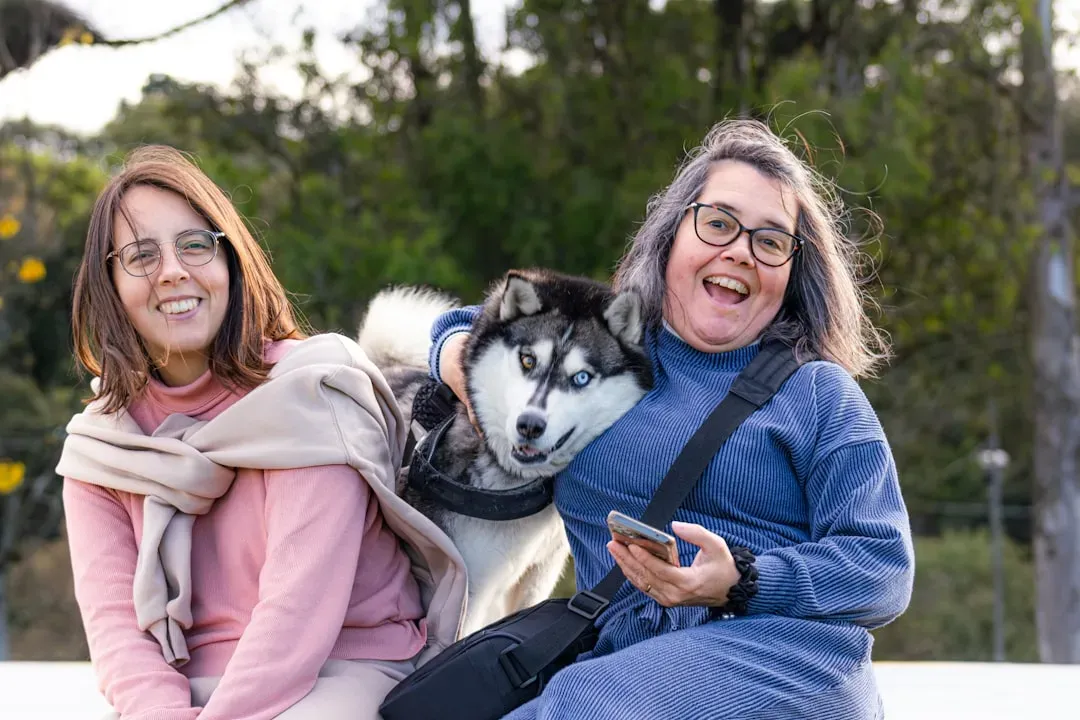
Your dog’s world is filled with people they love. If your dog is social and enjoys company, consider inviting their favorite people over to say their goodbyes. This gives everyone who loved them a chance to offer some final pets, treats, and gentle words. It’s a way to surround your dog with love and affection in their final hours, and it also allows your human loved ones to process their own grief and share in the celebration of a life well-lived.
Consider allowing family and close friends to say goodbye, especially if they were also close to your dog. However, limit visitors to avoid overwhelming your pet. There’s a balance between community and calm, and you know your dog well enough to find it.
Understand the Quality of Life Conversation
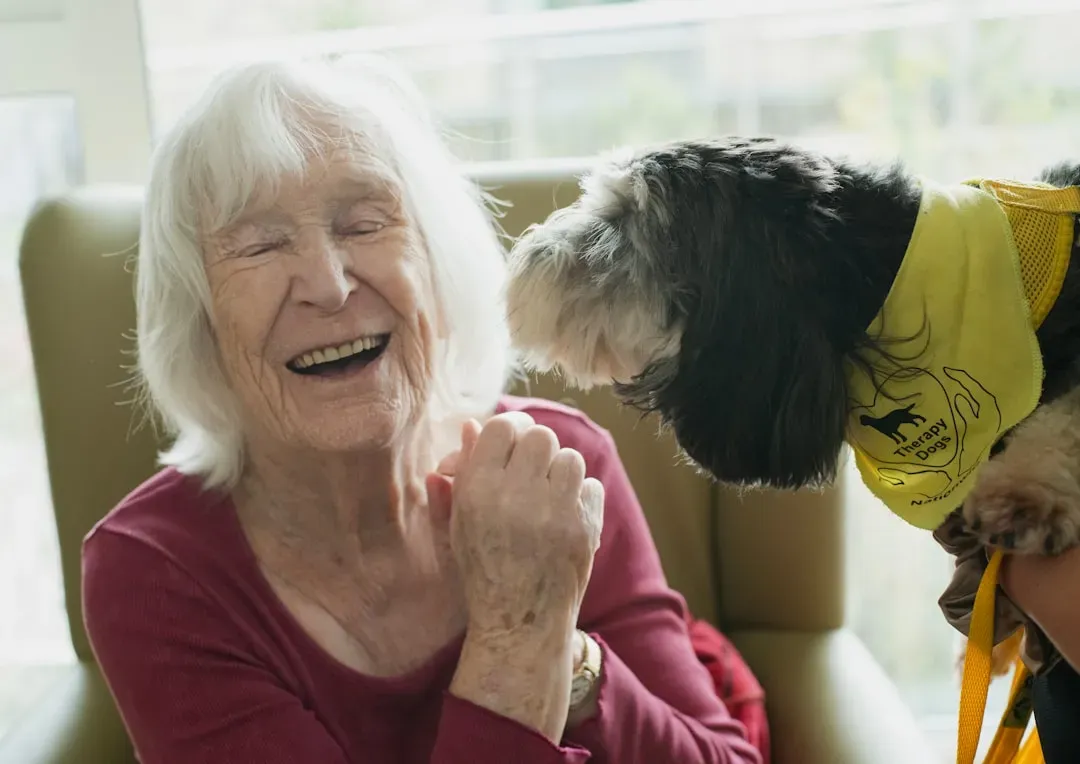
A pet’s quality of life is the most important factor for pet parents to consider when making end-of-life decisions. Their pet should have more good days than bad days, and when this reverses, it’s time to start thinking about how to provide your pet with a peaceful passing. That shift from more good to more bad doesn’t always arrive with a dramatic announcement. Often it creeps in quietly.
You and your family know your dog better than anyone else, and often it’s a case of them having more bad days than good. If medication is prescribed to tackle pain, it’s sensible to set a time limit with your vet for improvements to your pet’s quality of life. Using a formal quality of life scale, available through many veterinary resources, can help you assess objectively when emotions make clear thinking hard.
Consider an At-Home Goodbye
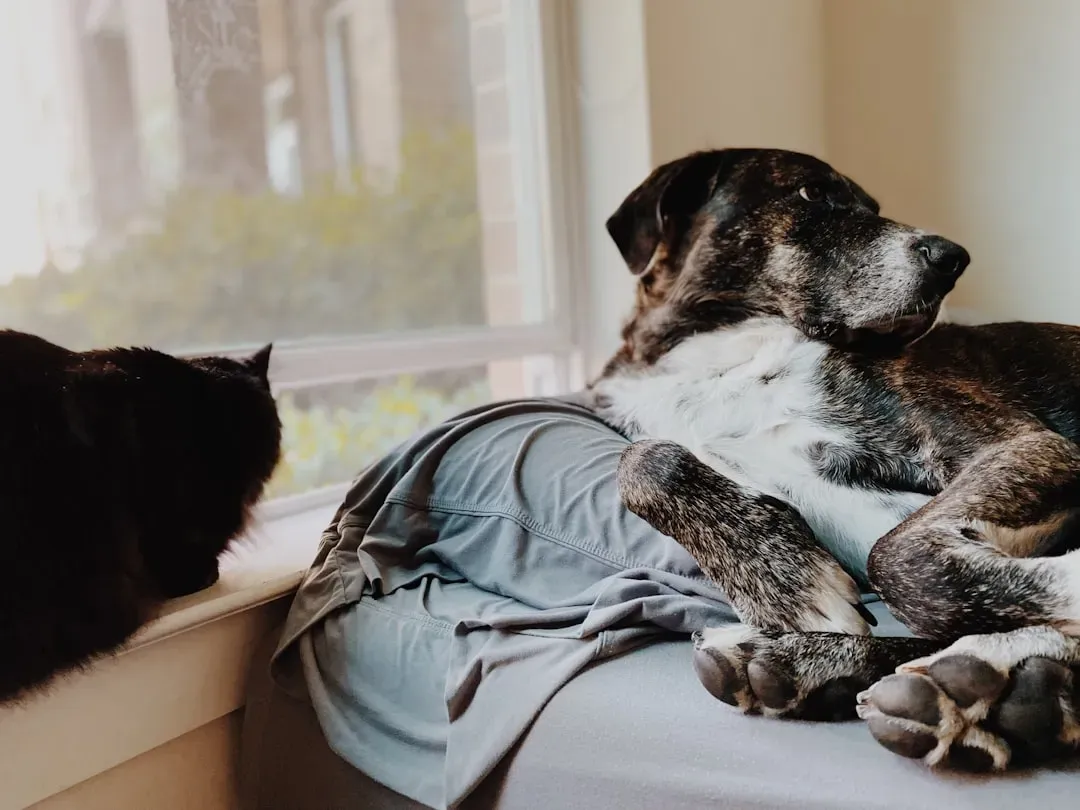
The final goodbye can take place wherever the pet and the family are the most comfortable in the home and should never be rushed. From the pet’s perspective, they are drifting off to sleep in their home, surrounded by the people who love them the most. That image alone is worth sitting with.
Many families find comfort in allowing their pets to pass peacefully in their own homes, surrounded by loved ones. Services offering gentle, dignified transitions in a familiar and loving environment are increasingly available in most regions. There are several organizations that offer at-home euthanasia for pets, and sometimes your local veterinarian will offer this service as well. These appointments offer a more relaxed, comfortable setting for your pet, compared to visiting a veterinary clinic, and they can reduce some of the stress involved in the process.
Stay Present During the Final Moments If You Can
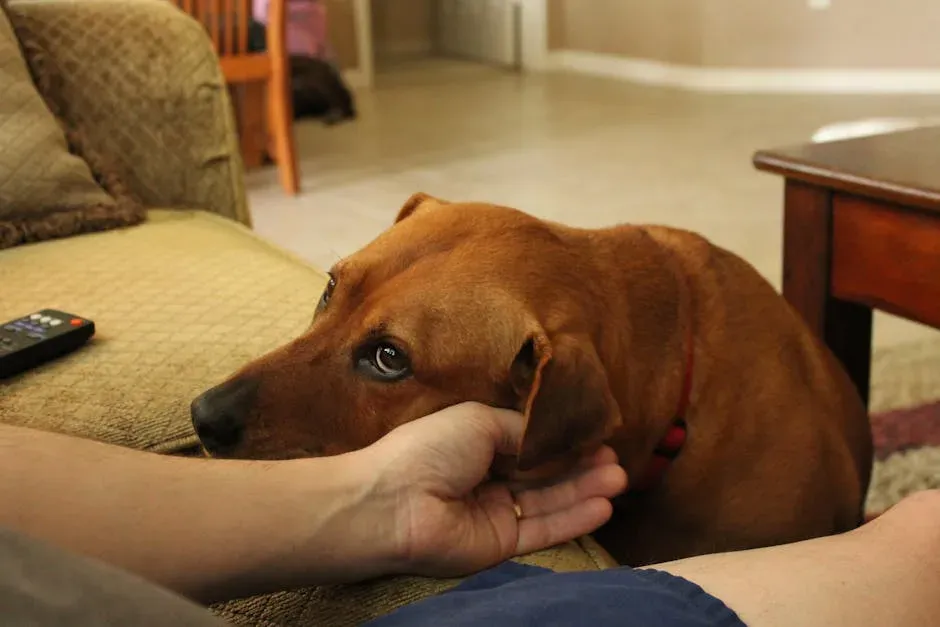
Saying goodbye to your dog with love and grace means staying with your dog during these final hours, and reassuring them with gentle stroking and a soft voice. Take time off work, or from whatever else is going on. Your dog doesn’t need anything elaborate from you. They need you.
Some pet owners choose to be present during their pet’s euthanasia, but others choose to say goodbye beforehand and avoid the procedure. This is a very personal decision, and you are encouraged to do what feels right for you. Try not to feel guilty if you feel unable to watch. If you are upset or panicking, this may upset your dog. Do what you can honestly offer, and trust that it’s enough.
Talk to Your Dog Out Loud
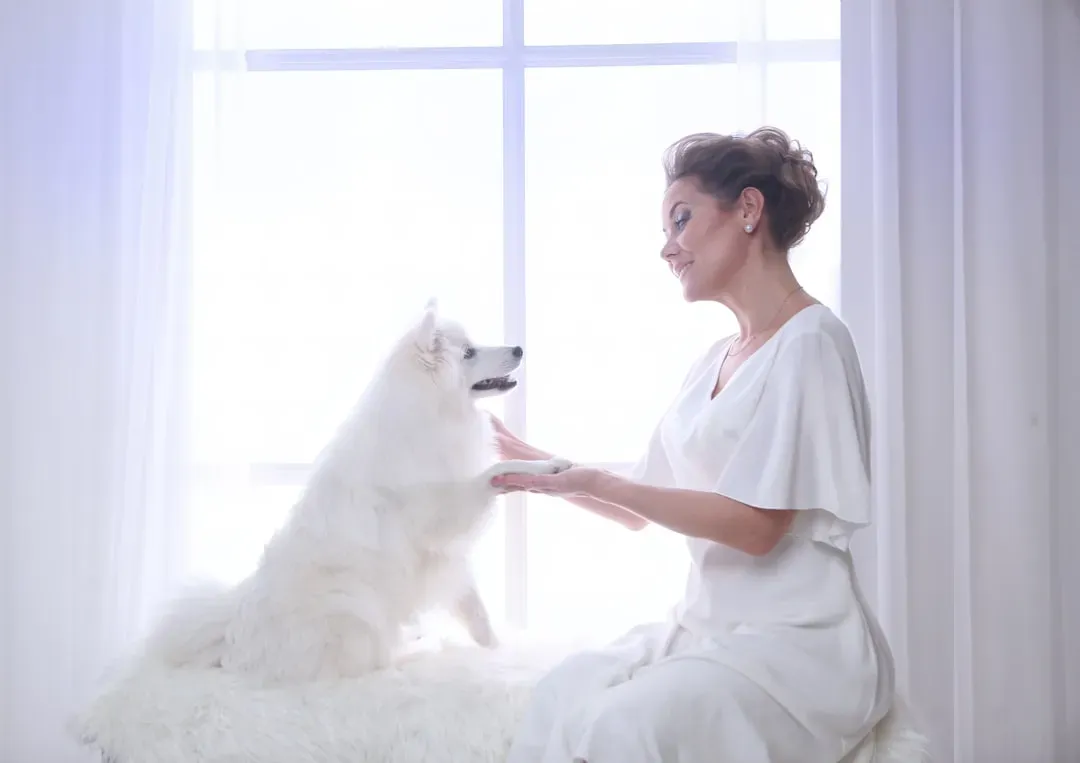
Talk gently and reassuringly. Reminisce out loud about your favorite memories and the special bond you shared. This brings you both comfort. It might feel strange, speaking words your dog can’t understand in the human sense. Yet dogs can sense and recognize love, and through their keen observation and the bond they develop with their owners, dogs can perceive and respond to affection, care, and compassion, understanding that they are loved.
Your voice has been their anchor through every thunderstorm, every vet visit, every uncertain moment across their life. Use it now. Tell them what they meant. Say it plainly and say it slowly. They’ve been listening all along.
Create Keepsakes Before It’s Too Late

Create memorial items or keepsakes, like imprints of their paw print. Compile a memory book with photos spanning your dog’s life. These mementos will be treasured. Gathering their collar, leash, bowls, and toys to keep can provide solace.
Many veterinary clinics provide owners with keepsakes created after euthanasia to help them hold their pet’s memories close. For example, they may make an impression of the pet’s paw print in a piece of clay or using ink on paper, or they may clip a lock of the pet’s hair. These small physical objects carry more weight than you’d expect once they’re all you have left.
Let Your Emotions Show
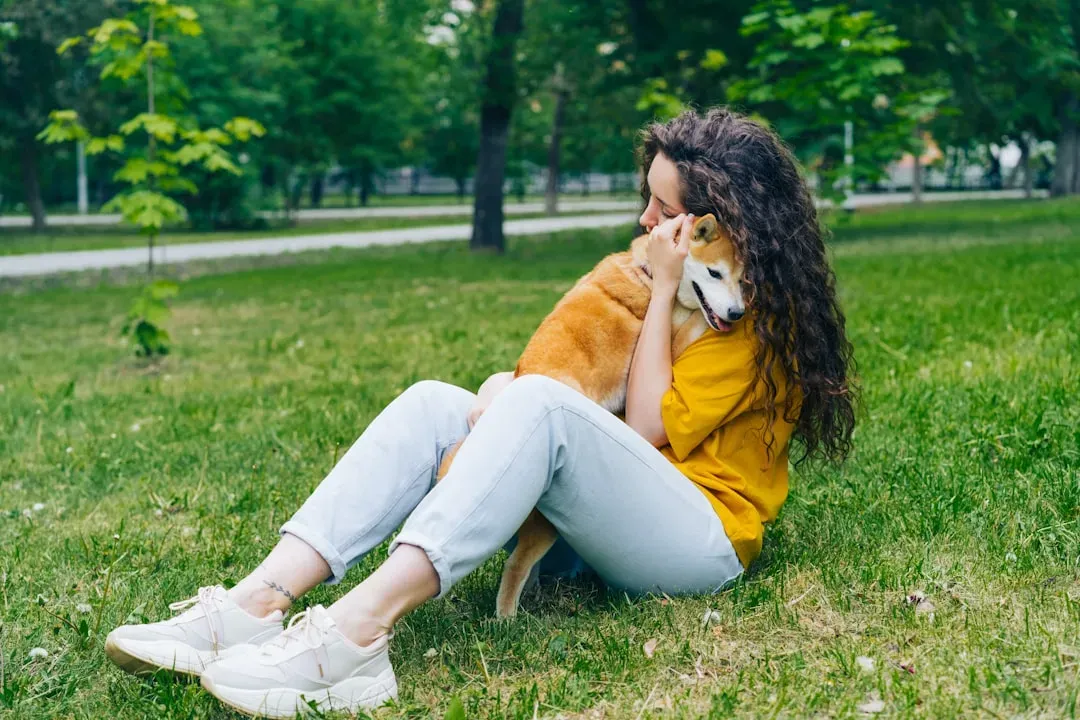
Let your pain show through tears. Your dog knows how much you love them. There is no need to hide emotions. There’s a misguided instinct to hold it together in those final moments, as though your composure protects your dog. It doesn’t. Grief shared openly is grief held gently.
The bond we form with animals can be deep and fulfilling. When a beloved pet dies, the loss can bring grief and intense sorrow. Mourning this loss is important. While some people may not understand the depth of feeling you had for your pet, you should never feel guilty or ashamed about grieving for an animal friend.
Release the Guilt You’re Carrying
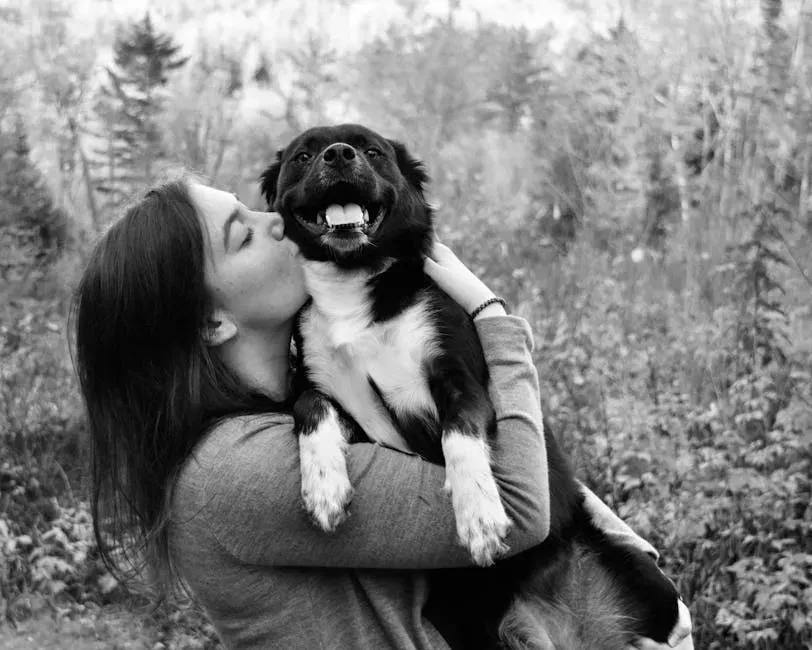
Feeling guilty after euthanizing your dog is common and stems from the love and responsibility you have for them. Remember that you decided out of compassion, and focus on the love and care you provided during their life. Be patient with yourself as you navigate through the grieving process.
We often feel guilty about whether we put our pets to sleep too soon, or too late, but these are normal reactions when we grieve and you’re not alone in those feelings. Euthanasia is a gift that, when used appropriately at the right time, prevents further physical suffering for the pet and emotional suffering for the family. You chose their comfort over your own. That is love in its truest form.
Honor Their Memory with a Ritual That Fits You
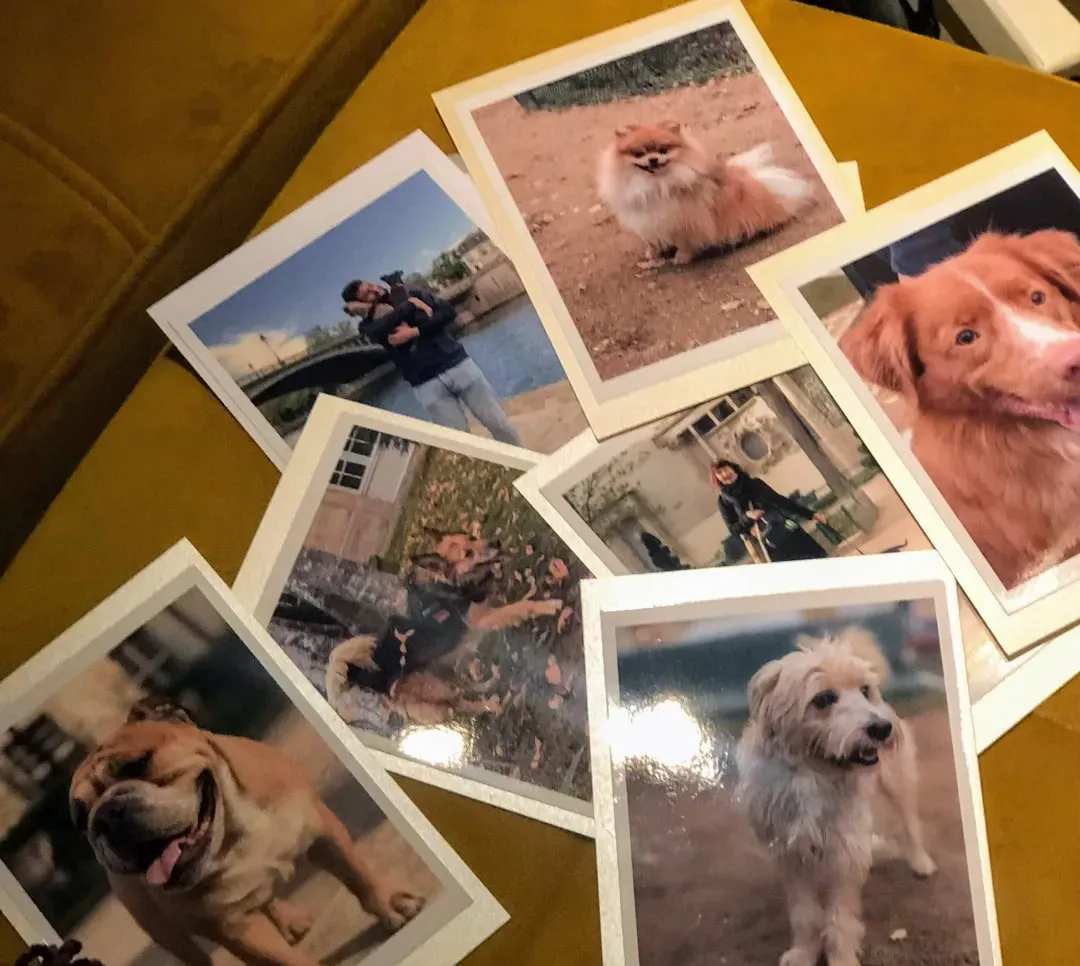
There are constructive ways to process your grief: create a memorial space featuring your dog’s photo, collar, or paw print keepsakes. Plant a tree in your dog’s memory, as the living reminder can be healing. Write about your feelings, favorite memories, or a letter to your dog expressing what they meant to you. Have a ceremony with your family to celebrate your dog’s life.
It can be healing to be mindful of special days you celebrated with your pets. Whether it’s a birthday, gotcha day, holiday, or any day of celebration, taking the time to acknowledge the bonds shared with your pets by continuing traditions can help you cope with your loss. There’s no official script for this. Do what feels true to who they were.
Reach Out for Support
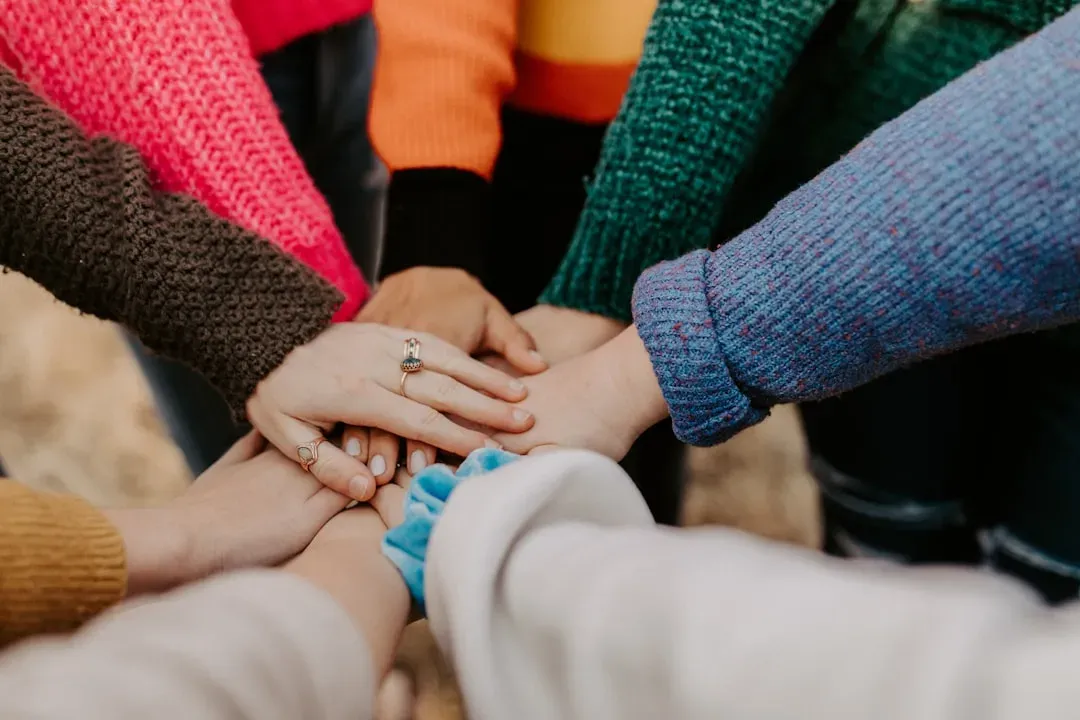
Reach out to friends, family, or to support groups who have experienced similar struggles and losses. Sharing your feelings and experiences can be validating and therapeutic. Pet loss is sometimes dismissed by people who haven’t experienced that particular bond. Find the ones who understand, and lean on them without apology.
If you are having an especially difficult time coping with the loss of your pet, consider meeting with a grief counselor or attending a pet loss support group. Some veterinary medical centers run pet loss support groups that include regular meetings, which can be accessed virtually via phone or computer. These spaces exist precisely because this grief is real, and it deserves real support.
Understand That Grief Takes Its Own Time
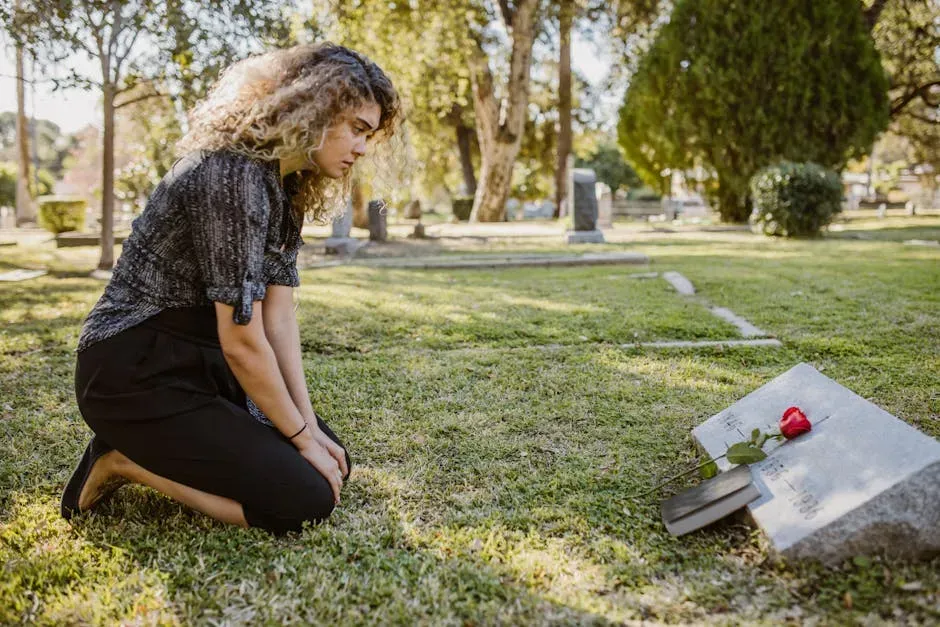
Some people find grief following the loss of a pet comes in stages, where they experience different feelings such as denial, anger, guilt, depression, and eventually acceptance and resolution. Others find that their grief is more cyclical, coming in waves, or a series of highs and lows. The lows are likely to be deeper and longer at the beginning and then gradually become shorter and less intense as time goes by. Still, even years after a loss, a sight, a sound, or a special anniversary can spark memories that trigger a strong sense of grief.
Grief is a gradual journey which rarely follows a simple, straight path. It is perfectly normal to have a journey with grief that is more of a winding road with setbacks along the way. Your emotions may fluctuate from day to day, or even moment to moment. Be kind with yourself as your body and mind navigate this loss.
A Final Thought
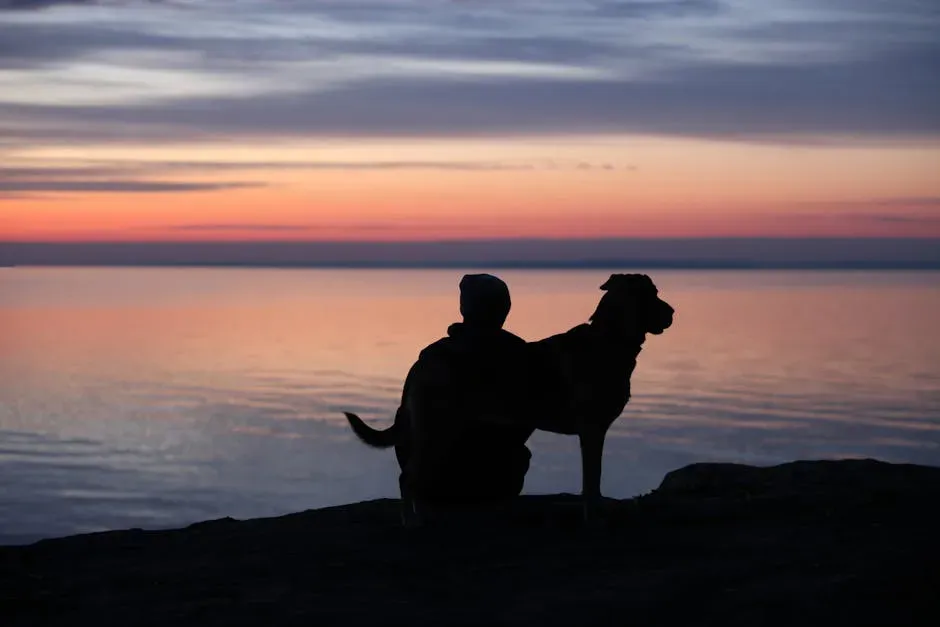
Let your dog enjoy simple pleasures as long as they are not in significant pain or distress. Saying goodbye is eased when you know they lived their last days feeling safe, comfortable, and loved because of the care you provided.
The goodbye you give your dog is not a single act. It’s every patient hour, every whispered word, every gentle stroke across a tired head. When we accept that death is coming, we can turn it into a celebration of life. That’s the quiet truth most dog owners only discover on the other side of loss. You don’t have to wait. You can begin celebrating the life you’ve shared right now, while there’s still time to let them feel it.