
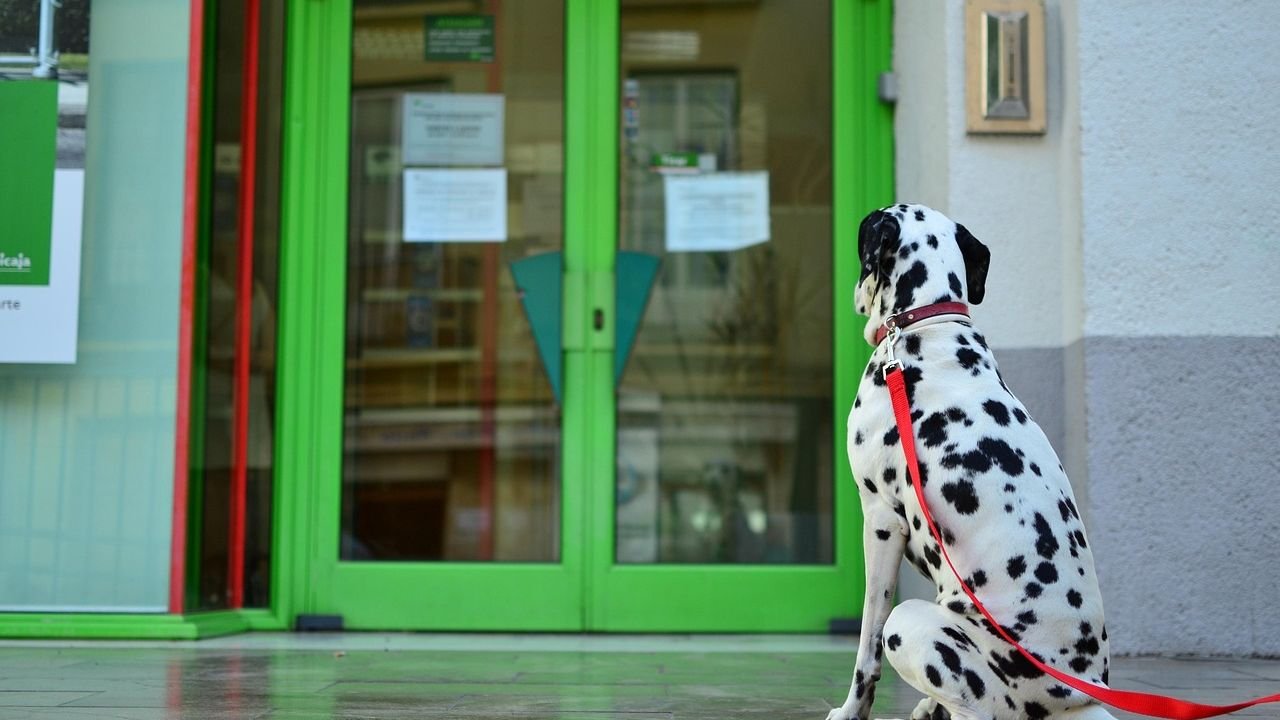
You walk in thirty minutes past your usual time, a little tired, maybe a little guilty, and there they are. Right at the door. Tail going, eyes bright, the whole body barely containing itself. Your dog didn’t get a text. They didn’t check the clock. They just waited.
It’s one of the most quietly touching things a dog does. And it turns out, there’s a lot happening beneath that devoted little face – instinct, attachment science, sensory intelligence, and something that looks a lot like love. Understanding why your dog does this won’t make the moment less sweet. It’ll make it mean even more.
Your Dog Has a Built-In Sense of Time (Just Not the Kind You’d Expect)
Dogs can’t read a clock, but that doesn’t mean they’re guessing. Like most mammals, dogs have a circadian rhythm, an internal 24-hour clock that helps regulate sleep-wake cycles and other physiological processes. This biological clock doesn’t just track when to sleep or eat – it also shapes when your dog starts to expect you back.
Studies suggest that dogs perceive time through changes in their bodies, environment, and routines. For example, they may anticipate mealtimes based on feelings of hunger, or predict your return home by monitoring changes in scent intensity. Think of it less like reading a watch and more like feeling the rhythm of the day shift beneath their paws.
A dog’s concept of time revolves around routine, daily patterns, and associative learning. Dogs can’t understand time in the abstract sense of hours and minutes, but they do have an internal awareness of time intervals, relying on heightened senses like smell and hearing to detect changes in their environment and anticipate routine events. So when you’re late, your dog isn’t confused so much as they’re just holding the signal a little longer than usual.
The Door Is the Last Place They Saw You Go
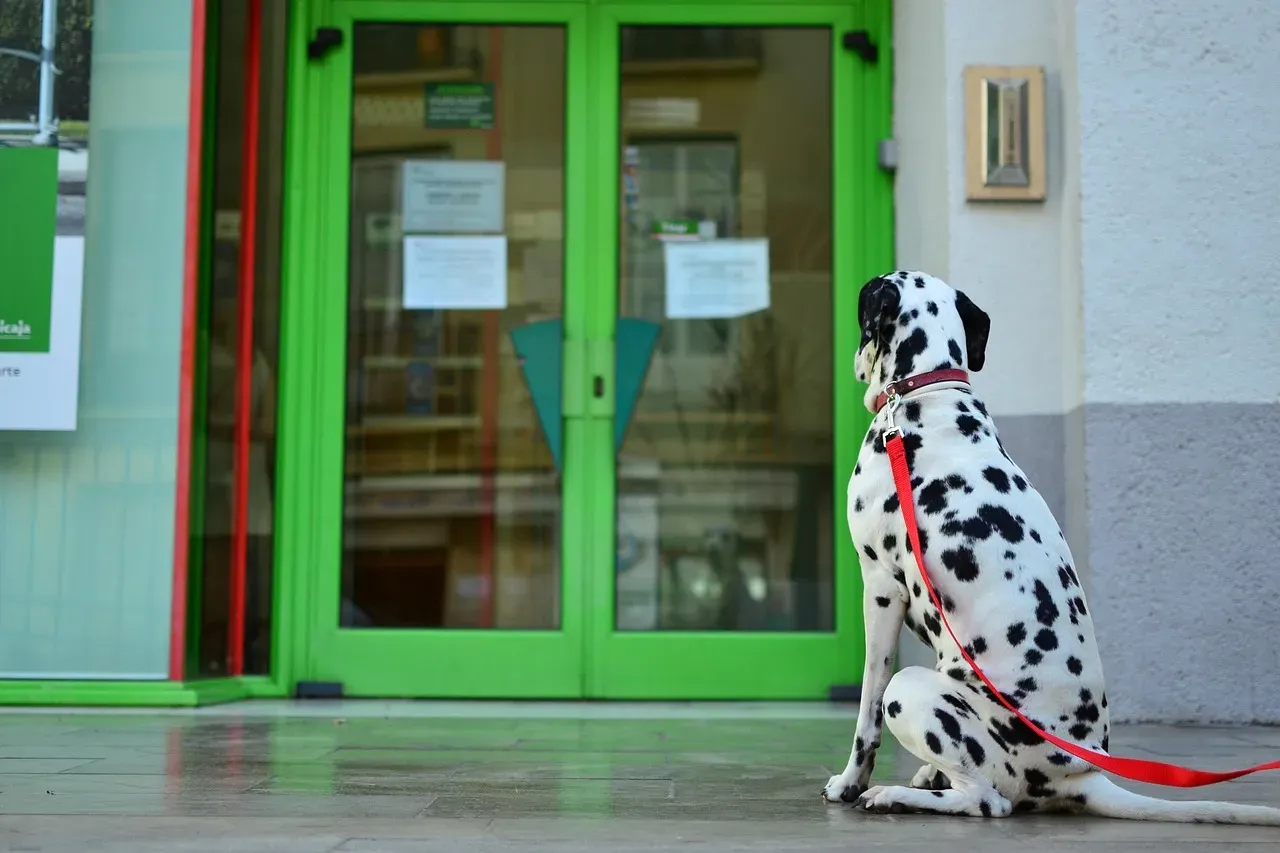
There’s a quietly logical reason your dog plants themselves specifically at the door and not in the middle of the living room floor. A dog that is sitting by the door waiting for you to come home may be dealing with the emotional weight of your absence. The last place they saw you was that door, so they wait there for your return. It’s a form of spatial memory – that threshold carries the scent of your departure and the anticipation of your arrival.
Dogs are exceptional at picking up patterns. Even if they can’t read the clock, they learn your schedule through a blend of environmental cues – daylight changes, neighborhood noises, energy shifts in the home, and their internal rhythm. If you arrive home around the same time most days, they learn it, anticipate it, and position themselves at the door right on cue. The door isn’t just a door to them. It’s a portal through which you always return.
Some experts think dogs can gauge time by how much a scent has faded, essentially knowing when you are about to come home from work because of how much of your scent is still lingering. That’s a level of sensory awareness most of us will never fully appreciate. While you’re stuck in traffic, your dog is already tracking your return through the air.
It’s About Attachment, Not Just Habit
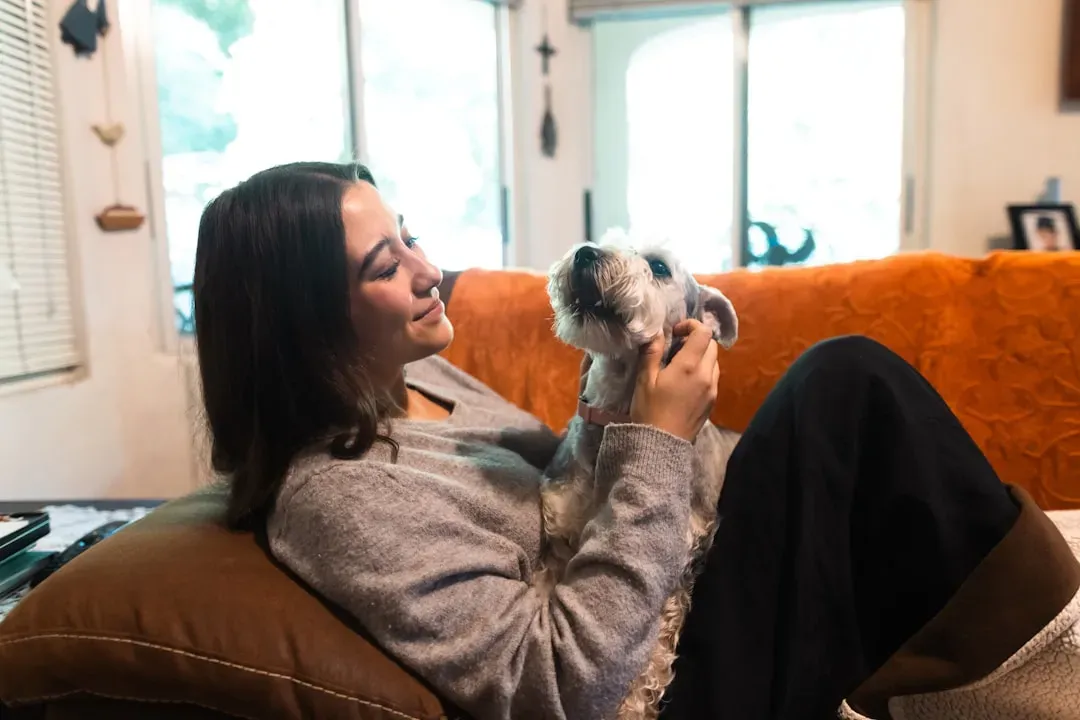
It would be easy to write off the door-waiting as simple conditioning – do it once, keep doing it. The reality is considerably more meaningful. Dogs see their humans as family, not metaphorically but biologically. Research shows that dogs form attachment bonds similar to those between children and caregivers. Waiting at the door is one of the clearest signs your dog misses you, trusts you, and feels secure when you’re near.
Neuroscientist Gregory Berns studied dogs’ brains to determine how dogs perceive humans. He discovered that dogs’ brains clearly differentiate dogs from humans. Familiar human scents, like that of their owner, elicited a “reward response” in the dogs’ brains – indicating that dogs love their humans not only for supplying food but also for the social interaction. You are, in the truest neurological sense, a reward to your dog.
In a study conducted by Swedish researchers Rehn and Keeling, dogs were video recorded during their owners’ absences. The duration of absence had a direct impact on the dogs’ reactions. In every case, the dogs mostly continued to lay around while their owners were away. However, after an absence of two to four hours, the dogs displayed more excited responses at their owners’ return, including lip-licking, tail wagging, and body-shaking. The longer you’re gone, the bigger the welcome. That’s not drama – that’s devotion.
When Waiting Becomes Worry: Recognizing True Separation Anxiety
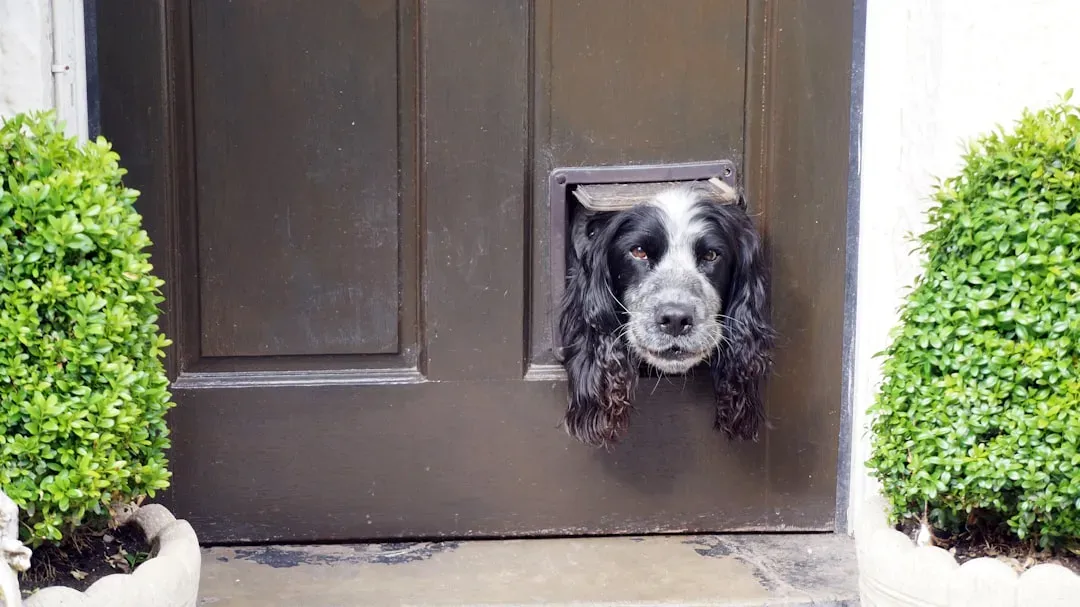
Most dogs waiting at the door are simply being loyal. Some, though, are quietly struggling. There’s an important difference between the two, and knowing how to read the signs matters. Many dogs wait at the door out of routine or affection. True separation anxiety usually includes signs like vocalizing, pacing, destruction, or stress while you’re gone. One behavior is a greeting ritual; the other is a genuine emotional crisis.
Separation anxiety describes dogs that are usually overly attached or dependent on family members. They become extremely anxious and show distress behaviors such as vocalization, destruction, or house soiling when separated from their owners. Most dogs with separation anxiety try to remain close to their owners, follow them from room to room, and rarely spend time outdoors alone. They often begin to display anxiety as soon as the owners prepare to leave.
The dog gets sad when the owner picks up keys or puts on their shoes, as those are signs they know their favorite human is about to leave. After seeing their owner leave, they may sit close to where they last saw them. Some dogs even carry an item like a sock or T-shirt to comfort themselves with the scent – small ways they hold on to their human’s presence. If your dog shows these signs consistently, and especially if destructive behavior or excessive vocalizing accompanies the waiting, it’s worth a conversation with your vet or a certified canine behaviorist.
What You Can Do to Help Your Dog Cope Better
Whether your dog is an enthusiastic door-greeter or showing signs of deeper distress, there are practical things you can do every day to support their emotional wellbeing. Providing lots of physical and mental stimulation is a vital part of treating many behavior problems, especially those involving anxiety. Exercising your dog’s mind and body can greatly enrich their life, decrease stress, and provide appropriate outlets for normal dog behaviors. A physically and mentally tired dog doesn’t have much excess energy to expend when left alone.
When you need to leave your dog alone, make sure to provide them with interesting and stimulating toys as well as food-release toys to keep them occupied. Many dog owners report that leaving music on while away helps to soothe their dog. Hiring a dog walker to come visit and break up the loneliness of the day can also be helpful in alleviating separation anxiety. Small environmental adjustments can make a real difference in how your dog experiences your absence.
For dogs with more noticeable anxiety, desensitization training can help reset their emotional response to your departure. Eventually, your dog will no longer respond to departure cues because they are no longer predictive of you leaving. Then, your dog will be less anxious when you do leave. The most important aspect of retraining is to teach your dog to be independent and relaxed in your presence. Patience with this process pays off. After working with a certified dog trainer and implementing their recommendations, you will usually begin to see improvement in a few weeks to months.
Conclusion
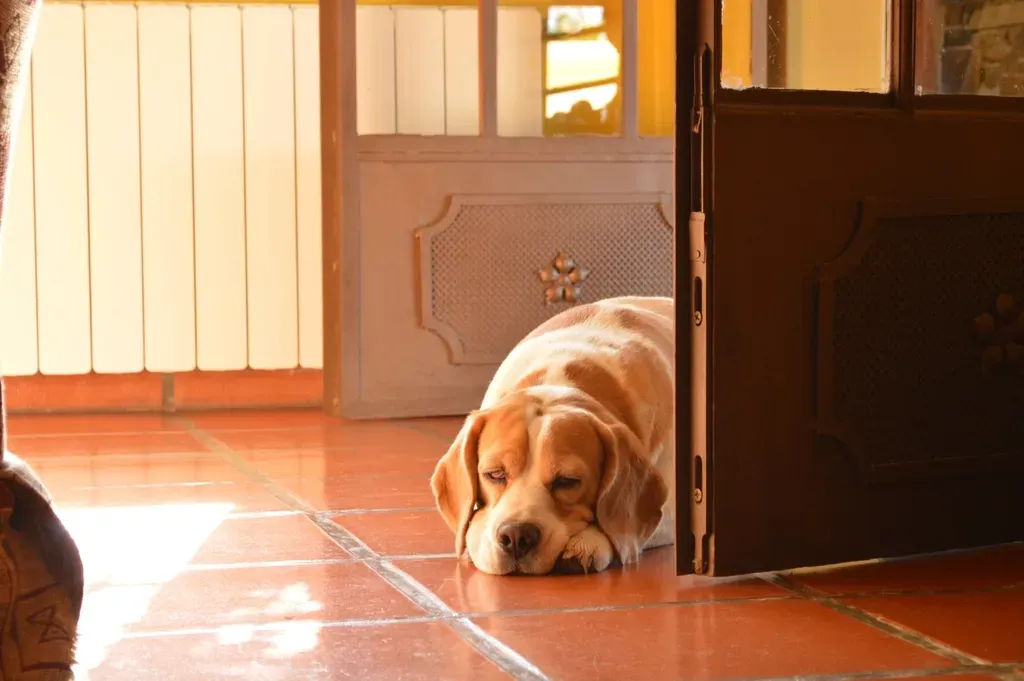
That dog at the door is doing something remarkable, every single time. They’re tracking scent gradients through the air, running their internal biological clock against environmental cues, and holding a space for you – a space that stays warm no matter how late you are. It’s not just behavior. It’s relationship.
Understanding what drives your dog to that door helps you meet their needs more thoughtfully, catch early signs of distress before they escalate, and appreciate the greeting for what it genuinely is. Not just a habit, not just excitement. A form of loyalty that doesn’t need words, doesn’t ask for explanations, and doesn’t care at all that you’re half an hour late.
Some relationships in life come with conditions. Theirs, remarkably, never does.


