
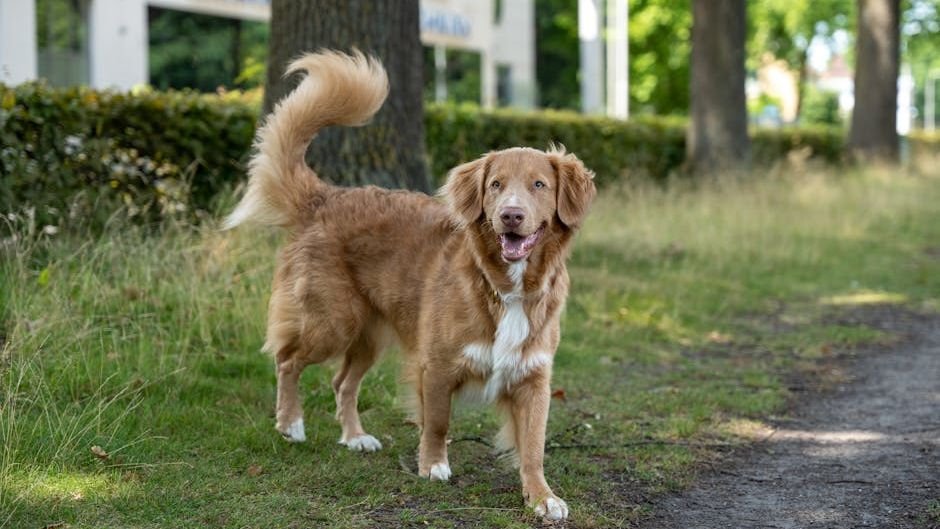
Your dog looked at you this morning. Not the big, dramatic eye contact that says “I want breakfast.” Something quieter. A slow blink. A quick yawn. A brief turning away. You probably didn’t think twice about it.
Because dogs don’t speak human language, the only way to truly understand and communicate with them is to learn what they’re telling us through their body and vocal language. Dogs communicate using a complex language of body signals that reflect what they’re thinking and feeling. The trouble is, most of us were never taught to read it. We’ve spent years learning to interpret human cues, human expressions, human tone. Our dogs, meanwhile, have been speaking their own language right in front of us the whole time.
New insights and research are revealing how dogs read our subtle cues, emotions, and intentions, suggesting that our canine best friends really understand us far better than we understand them. That gap matters. Closing it isn’t just good for your dog’s wellbeing. It changes the entire relationship.
The Yawn, the Lip Lick, and Other “Calming Signals” You’ve Been Misreading
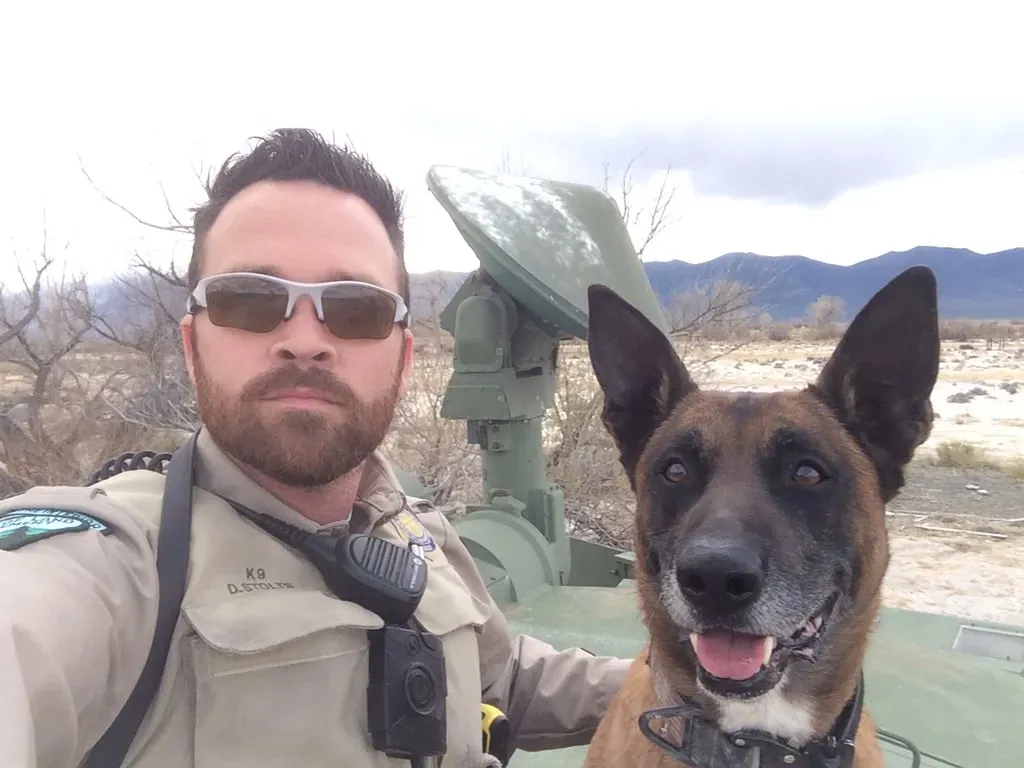
There are entire books written on dog body language and “calming signals,” a term developed by Norwegian dog trainer Turid Rugaas. Rugaas realized that dogs have more than 30 ways to avoid stressful situations and try to calm themselves. When dogs exhibit these behaviors, they’re trying to diffuse the situation or tell you or another dog that they aren’t a threat.
People yawn when they’re tired or bored, but dogs yawn when they’re stressed. Dogs use yawning to calm themselves in tense situations and to calm others, including their owners. So when your dog yawns during a training session, or while you’re hugging them on the couch, that’s not contentment. That’s a polite request for a little more space.
Lip-licking is another bit of dog body language that people often misinterpret. Just like people, dogs will lick their lips after a delicious meal, but they’ll also do it when they feel anxious. Sometimes the tongue flick is so quick it’s tricky to notice. Context is everything here. To differentiate stress signs from normal behavior, you must be familiar with your dog’s regular demeanor and pay attention to the context. That way, you can tell if they are licking their lips because they are anxious or because they want a treat.
What Your Dog’s Eyes Are Actually Saying
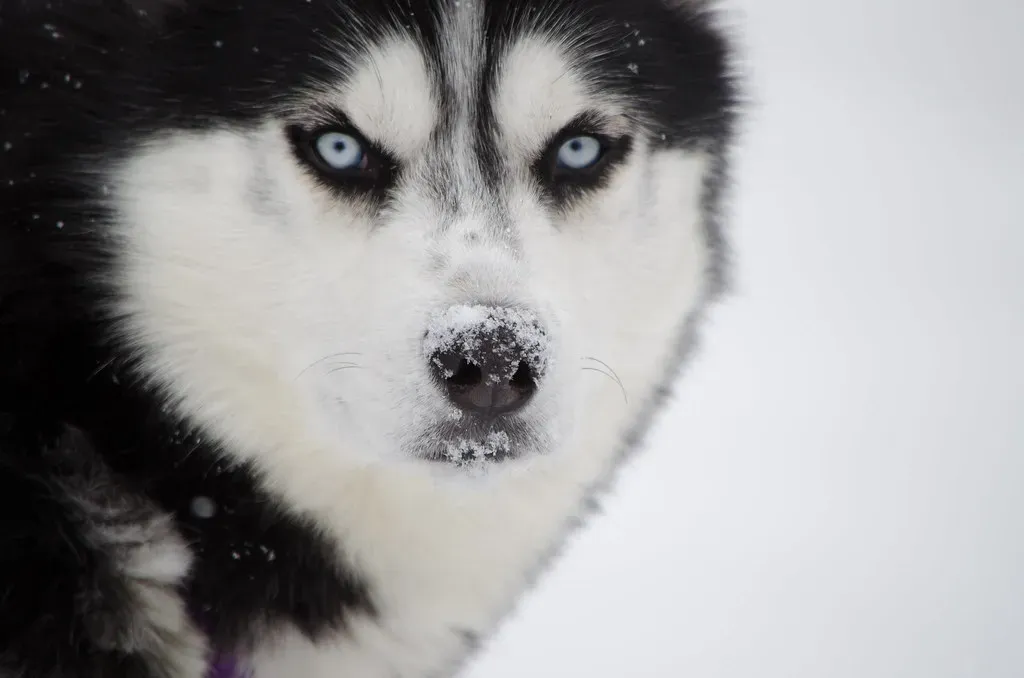
You can learn a lot about your dog’s internal state by looking at their eyes. A dog’s eyes can be soft or hard. Soft eyes have relaxed lids and can sometimes look like the dog is squinting. They indicate the dog is calm or happy. The opposite is hard eyes, where the eyes seem to go cold. These indicate a negative state of mind.
Looking away is meant to calm a situation. When dogs feel stressed, they’ll pointedly look away and avoid eye contact. People often interpret this as their dog ignoring them or being stubborn, but the dog is expressing discomfort. It’s one of the most commonly misread signals between dogs and their owners.
Whale eye, or the dog’s head turned away but the eye staying fixed, causes you to see the white of their eye. This one deserves special attention. If you’re at the dog park and another dog shows you whale eye while their body freezes, that’s not a dog being shy. That’s a dog telling you in plain terms that it’s feeling cornered. If your dog avoids eye contact or shows the whites of their eyes, known as whale eye, they may be uncomfortable.
The Tail Tells More Than You Think
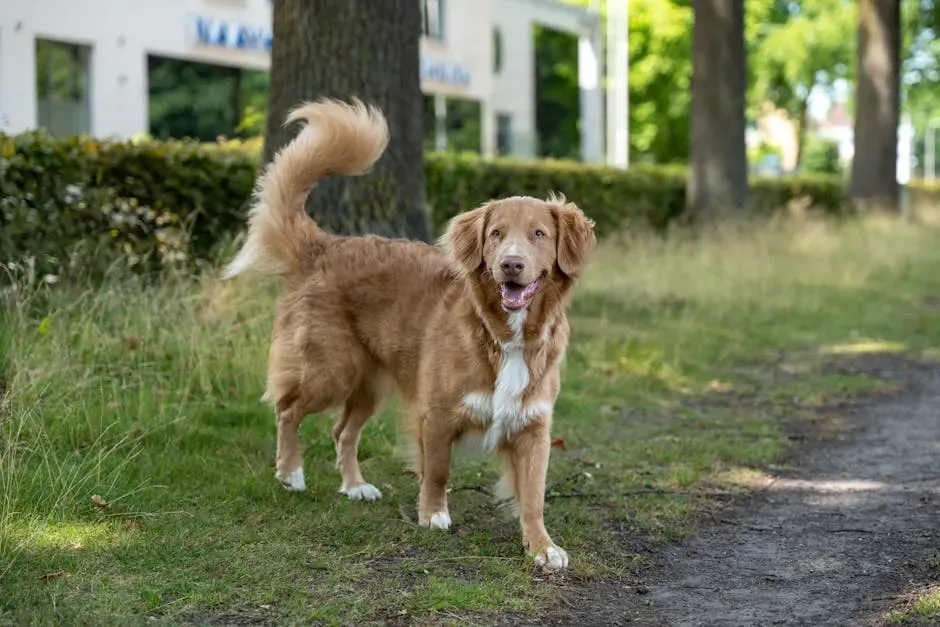
Most people treat a wagging tail as a universal good sign. It’s the most common misreading there is, and it can actually put people in dangerous situations. A common misconception is that a wagging tail is a sign of a happy dog. This is not always the case. A wagging tail simply signals arousal, and that can be good arousal, such as being excited and happy, or bad arousal, such as being alert or even aggressive.
A high, stiff tail, even if it is wagging, can indicate that the dog feels angry. A tail that is low and wagging combined with a lowered body, lip licking, or any other of the stress signs tells you that the dog is extremely nervous. The speed, direction, and height of the wag all matter.
Some research has shown that when a dog sees someone they like, her tail wags more to the right. When she sees an unfamiliar person, her tail wags more to the left. Subtle body language like this is easy to miss. You probably won’t catch the direction of a tail wag in real time, but it’s a reminder of how layered and precise canine communication really is. A slow wag might indicate uncertainty, and a tight, swishing tail wag can be a sign of stress. A stiff wag usually means the dog is agitated, and if a dog tucks their tail between their legs, it usually reflects fear or submission.
When Behavior Changes Are Actually a Health Signal
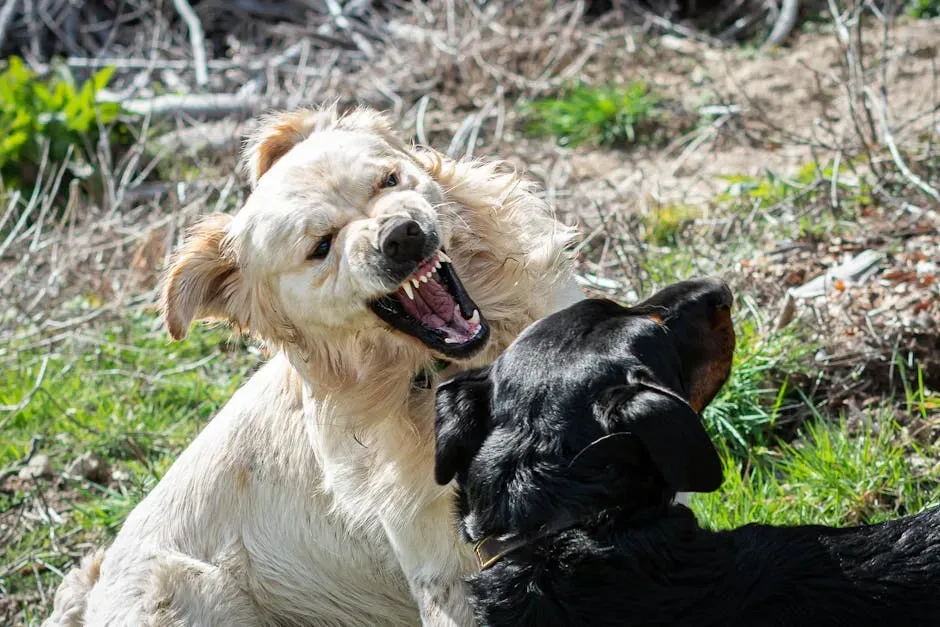
Not every shift in your dog’s behavior is emotional. Sometimes the body is sending the message. Sometimes what your dog is trying to tell you is medical, not behavioral. Pain, thyroid disorders, arthritis, and neurological conditions can alter behavior significantly. A dog that suddenly snaps at being touched in a certain area may not be “acting out.” They may be hurting.
Sudden changes in barking patterns may signal pain or cognitive changes, especially in senior dogs. An older dog who begins barking at nothing, pacing at night, or seems disoriented deserves a veterinary conversation, not a behavioral correction. Pain is a multidimensional process that elicits behavioral changes aimed at preventing further damage and promoting healing. These changes include restrictions on movement and activity, as well as adopting body postures to relieve pain. Changes in ear and tail position have also been associated with pain perception.
Dogs pant when hot, excited, or stressed. If your dog is panting even though they have not exercised, they may be experiencing stress or pain. Similarly, dogs normally bear weight evenly on all four legs. If a healthy dog with no orthopedic problems shifts their weight to the rear legs or cowers, they may be exhibiting stress. When scared, dogs may also tuck their tails or become rigid. These physical cues, when they appear without obvious cause, are worth a vet visit.
How Your Own Stress Is Being Felt by Your Dog
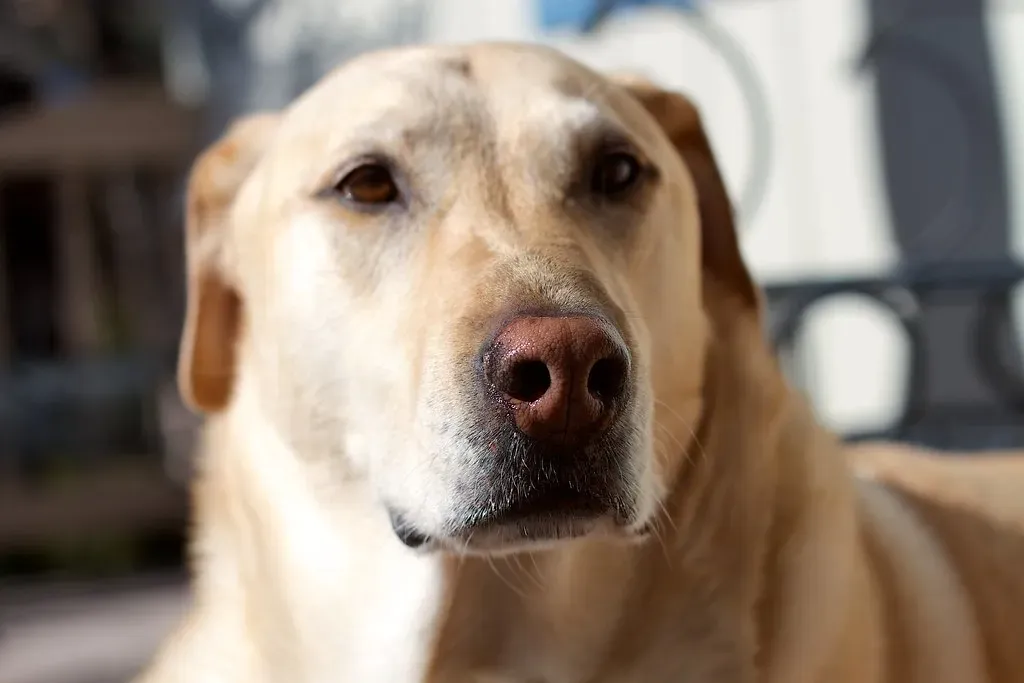
Here’s something most dog owners don’t expect: the conversation goes both ways. Your dog reads you too, often more accurately than you realize. Dogs can sense stress based on a combination of cues and the context of the situation. They can observe your facial expressions and body language and listen to the tone of your voice. Dogs also have powerful noses that can detect changes in how we smell.
In a study published in 2019, researchers analyzed the level of cortisol in the hair of 58 dogs and their owners. This test allowed them to track the level of stress hormones each experienced over time. In both breeds studied, the level of cortisol found in the dog’s hair mirrored that in the human’s. In other words, the way dogs feel over time tracks with the way their humans feel. That’s not a metaphor. That’s measurable biology.
Dog owners should also reflect on their own behavior to see how they might be contributing to the stress. Some ways owners might make their dogs stressed include not giving clear commands, staring directly at them, or punishing them unnecessarily. The good news is that there’s more reason than ever to bond closely with your dog. Even better news: doing so will probably improve your own stress levels, too.
Conclusion: Learning to Listen Without Words
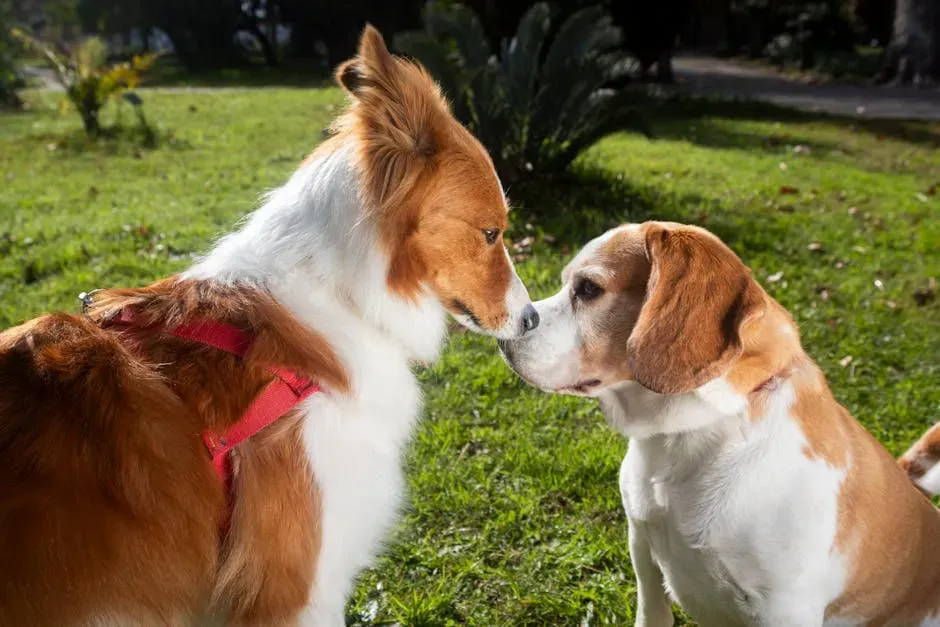
Living with a dog means living alongside a constant, quiet conversation. They’re telling you when they’re scared, when they’re hurting, when they need space, and when they feel safe. Reading, understanding, and responding to your dog’s body language is a key part of the companion-to-owner relationship. By understanding their cues and appropriately advocating for your dog, owners can continue to ensure their dogs remain happy, comfortable, and safe.
Spotting the early signs of stress in your dog isn’t just about preventing health issues and behavioral problems. By learning to read the subtle cues your dog gives, you can step in to ease their anxiety any time they’re feeling stressed. This will strengthen the bond and trust between you and help them feel calmer and more confident all around.
The signals have been there all along. A yawn during a hug. A look away. A stiff tail at the dog park. None of it was random. Your dog was simply waiting, patiently and faithfully, for you to start listening.


