
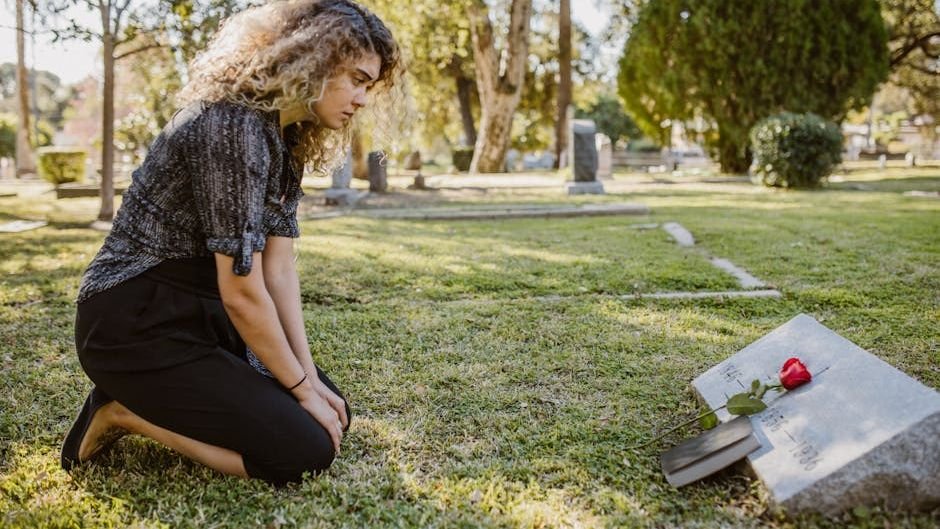
There’s a particular kind of grief that hits you when the dog you raised from a tiny, stumbling, sharp-toothed puppy is suddenly gone. Not just any dog. Your dog. The one who was there for your worst mornings and your best evenings, who knew your moods before you did, and who never once asked anything of you except to be fed on time and loved without conditions.
People who haven’t been through it will try to understand. They’ll say the right things. Most of them, gently and unknowingly, will miss the mark. Because losing a dog you raised from puppyhood isn’t simply losing a pet. It’s losing a decade or more of shared life, daily rhythm, and a bond that science has now confirmed is biologically wired into both of you. Here are thirteen things only you will truly know.
1. The Science Behind the Bond Was Real, Not Just Sentimental
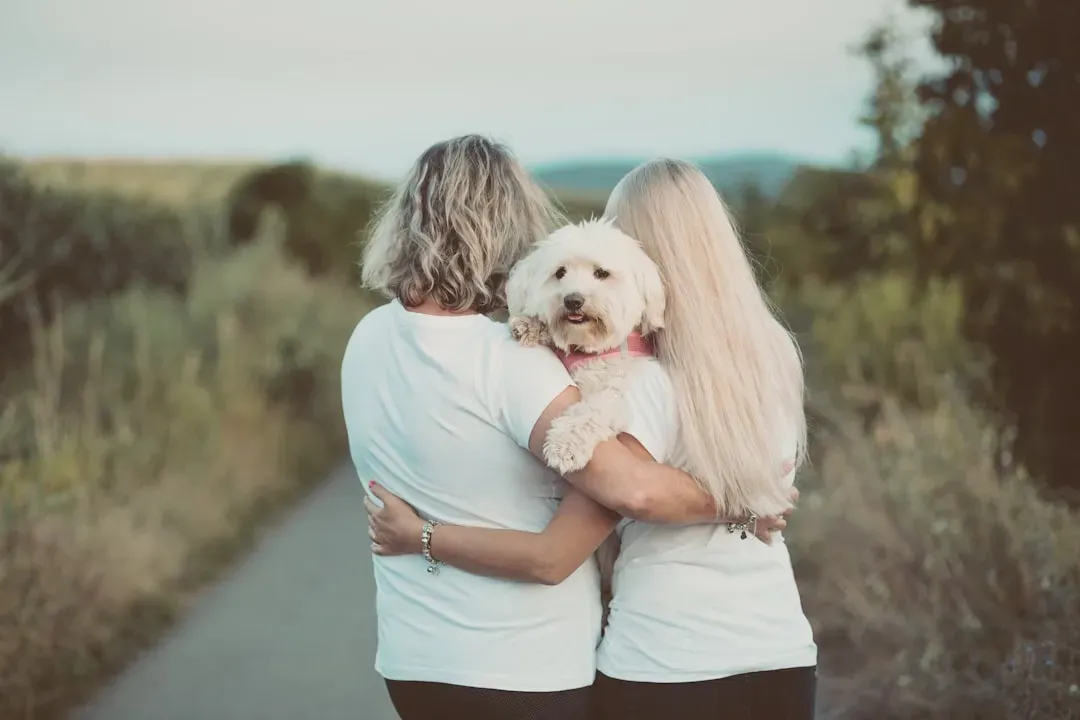
Before you can fully understand the loss, it helps to understand what you actually had. Research has shown that human-dog interactions elicit the same type of oxytocin positive feedback loop as seen between mothers and their infants, which may explain why we feel so close to our dogs, and vice versa. That’s not poetic license. That’s biology.
A study published in Advanced Science used EEG to study brain activity between humans and their dogs over a five-day period, and the researchers found that when dogs and their owners engage in mutual eye contact, especially when combined with petting, their brain activity synchronizes. Not metaphorically, but literally: the neural oscillations of both human and dog begin to align.
When a dog is part of your daily emotional regulation system, they become a co-regulator of brain activity, including the production of hormones such as oxytocin. When a pet passes, the synchronized rhythms of affection, comfort, and shared presence are suddenly severed. Your brain, your body, and your emotional self must recalibrate without the living presence of that bond. That recalibration is grief. And it is entirely real.
2. The Grief Hits Like Losing a Family Member, Because It Is
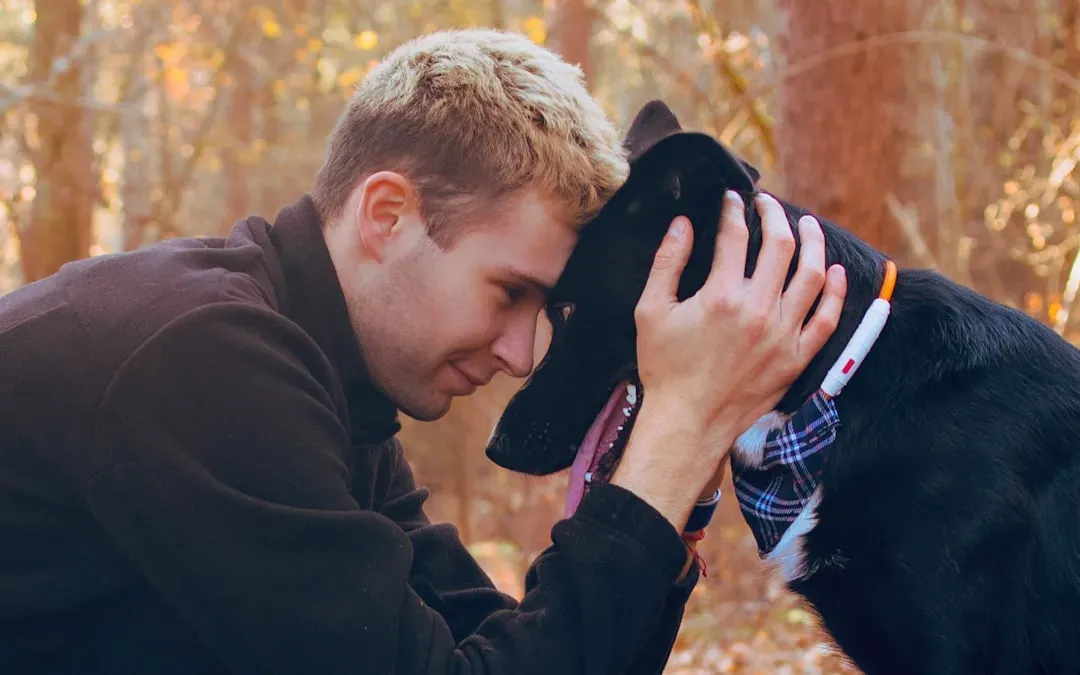
Research suggests that the grief following the loss of a pet should be treated just as seriously as that following the loss of a family member or loved one. If you’ve been trying to talk yourself out of how much it hurts, stop. You’re not overreacting. You’re responding normally to an enormous loss.
The depth of grief when a pet dies can be astonishing. The stronger the attachment to pets, the more severe the separation pain caused by pet loss. When you raised that dog from puppyhood, you didn’t just adopt an animal. You built a living relationship that shaped your routines, your moods, and your sense of home, for years.
The relationship you shared with your pet is a special and unique bond, and some people might find it difficult to understand. You may have well-meaning friends and relatives who think you shouldn’t mourn for your pet, or tell you that you shouldn’t be grieving so much because “it’s just a dog.” Your grief is normal, and the relationship you shared with your special friend needs to be mourned.
3. You’ll Hear the Silence in a Way That Is Almost Physical

Nothing prepares you for how loud a quiet house can be. The silence in your home after the death of a pet may seem excruciatingly loud. While your animal companion occupies physical space in your life and your home, many times their presence is felt more with your senses. When your pet is no longer there, the lack of their presence, the silence, can become piercing.
One of the most surprising parts of grief is not just the absence of a beloved pet, but the absence of their energy. It’s the sound of paws on the floor, the rustle of a food dish, the barking at dinnertime, even the sense of movement and presence that filled the air. When all of that stops, silence itself can feel overwhelming.
The house doesn’t just feel empty. It feels wrong. Every room will carry the memory of where they slept, where they sat, where they waited. That sensory absence is one of the most disorienting parts of this particular kind of grief, and it catches you off guard again and again in the first weeks.
4. Your Daily Routine Will Collapse Overnight
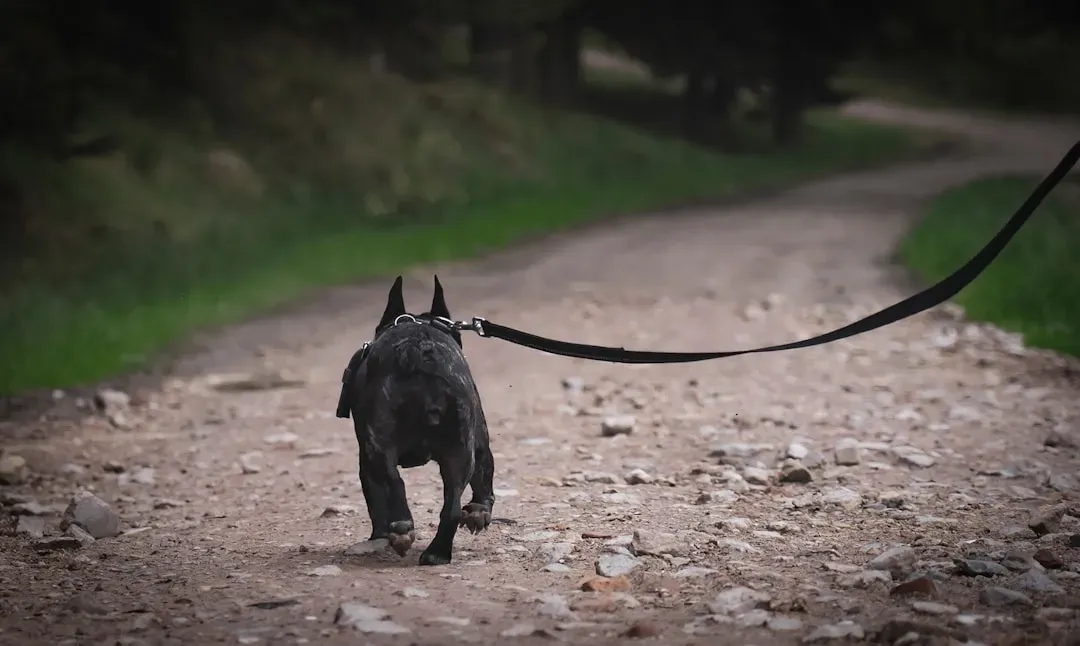
When our daily routines include pets, the loss can be profoundly disruptive to our sense of home, sense of safety, sense of purpose, and sense of identity. Think about what your day actually looked like. Morning walks, feeding times, the ritual of coming home to an enthusiastic greeting. All of it, gone.
Typically, you spend more time with your pet than anyone else. When that presence is gone from your life, it completely disrupts your routine and makes you feel like you have no reason to get up in the morning. This isn’t weakness. It’s the natural consequence of losing something that structured your entire day.
Rebuilding those rhythms matters more than most people realize. All creatures, whether human or animal, find comfort in the daily routines that give our days form and focus. Maintaining the normal daily schedule for meals, bedtime, and playtime is an important part of coping with a life-changing loss. Start small. A morning walk without them, just to keep moving. Routine is one of the first things grief dismantles, and one of the first things that can help you heal.
5. You’ll Question Who You Are Without Them

This one surprises people. You expect sadness. You don’t expect an identity crisis. When a pet has been central to your identity, when you were “the dog person,” the caretaker who scheduled life around meds, walks, grooming, and vet visits, grief can arrive with a disorienting second layer: Now that they’re gone, who am I? It can feel like the floor dropped out, not only emotionally but structurally.
Part of your self-identity might come from being a pet owner. Others may also think of you in relation to your pet. You may be “the person who always walked the big black dog around the neighborhood.” Adjusting to this change is a central need of mourning.
Even simple things like changes to your daily routine can affect how you see yourself, especially as a provider. Who are you if your day isn’t punctuated by walks, feeds, cleaning out, grooming, playing, and spending time with your pet? Give yourself permission to sit with that question. The answer will come. Your dog shaped you, and that doesn’t disappear just because they have.
6. Guilt Will Show Up Uninvited and Stay Too Long
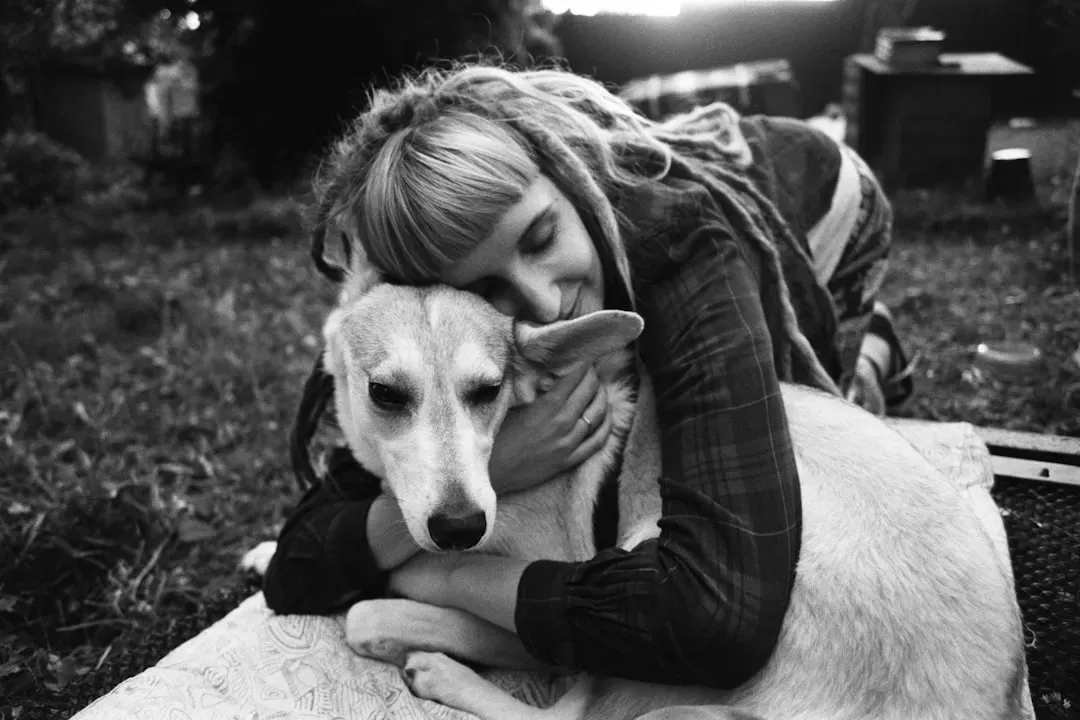
One of the more unique stages of grief for someone who has lost a pet is guilt. Oftentimes as a pet owner, you have to be the one who decides when it is time to say goodbye. When you have to choose euthanasia to end your pet’s suffering, it can leave you feeling ridden with guilt, even when you know it’s the best option.
Guilt can also show up in moments when you notice you are feeling happy again, or forget about your pet for a few hours, or get through the day without crying. This doesn’t mean that you are over the loss, or don’t love your pet. It just means that you’re human, and doing the best you can to get through your grief.
Guilt after pet loss is nearly universal among dog owners. You’ll replay the final months, second-guess every decision. The truth is this: the fact that you are haunted by it proves how seriously you took your responsibility as their caretaker. A person who didn’t care wouldn’t feel any of this. Treat yourself with the same gentleness you always gave your dog.
7. You’ll Keep Expecting Them to Be There
Denial might be better understood as a feeling of shock and disbelief. It’s a sense of unreality as your brain and emotions attempt to comprehend the loss. You may feel numb or bewildered. Even after you’ve accepted the loss on an intellectual level, your emotions may still need time to catch up, and you may subconsciously still expect to see or hear signs of your pet’s presence for days or even weeks after they’ve passed.
If your pet was always by your side, you may automatically turn to talk to them, forgetting that they are gone. You are constantly reminded of the loss, from the time you wake up until you fall asleep. You’ll move your foot to avoid stepping on them. You’ll buy their food by habit. You’ll open the door expecting that familiar burst of energy.
People will often find themselves acutely missing the pet that is gone. Individuals in this phase can be preoccupied with thoughts of the deceased; they may have dreams about the pet who is gone. Reactions may also include sensing that one sees or hears the pet outside their home. This is a known, documented part of grief. It doesn’t mean you’re losing your mind. It means your brain loved them deeply and hasn’t finished processing the loss.
8. Other People Will Unintentionally Make It Worse
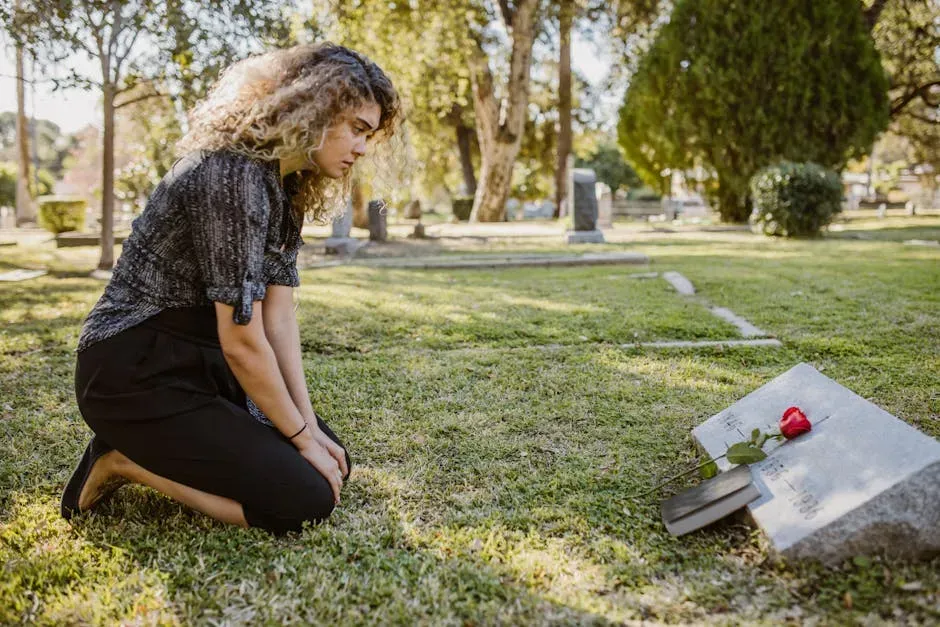
Despite the reality of your changes, many grieving pet parents hear messages like “At least it was just a dog,” “You can always get another one,” or “They lived a good life, be grateful.” These responses, even when well-intentioned, can compound grief rather than soothe it.
When grief is not validated, people often begin to question themselves. They may wonder “Why am I this upset?” or “Shouldn’t I be over this by now?” or “What’s wrong with me that this hurts so much?” As a result, many pet parents may grieve in isolation. This is called disenfranchised grief, and it’s one of the most painful dimensions of pet loss.
Seek out people who get it. The best support for your grief may come from outside your usual circle of friends and family members. Seek out others who have lost pets, those who can appreciate the magnitude of your loss, and may be able to suggest ways of getting through the grieving process. Online communities, pet loss support groups, and grief counselors who specialize in this area all exist for exactly this reason.
9. Grief Won’t Follow a Neat Timeline or Predictable Pattern
Contrary to popular belief, grief does not unfold in clean, linear stages, nor does it have a timeline. Grief is a full body experience that includes physical, emotional, cognitive, social, and spiritual responses. You might feel fine for a week and then collapse at the sound of a dog barking outside. That’s normal.
Grieving is a highly individual experience. Some people find grief following the loss of a pet comes in stages, where they experience different feelings such as denial, anger, guilt, depression, and eventually acceptance and resolution. Others find that their grief is more cyclical, coming in waves, or a series of highs and lows. The lows are likely to be deeper and longer at the beginning and then gradually become shorter and less intense as time goes by.
Even years after a loss, a sight, a sound, or a special anniversary can spark memories that trigger a strong sense of grief. Be patient with yourself. Healing isn’t linear, and the goal was never to stop loving them. It’s to learn how to carry that love forward without it paralyzing you.
10. Your Anger Is a Valid Part of What You’re Feeling

Grief often wears the face of anger, and most people don’t expect it. When anger bubbles up after loss, you might direct it towards anyone: yourself, your vet, your loved ones, even your pet for leaving you. None of that means you’re unraveling. It means the love was big enough to generate real fury at its absence.
Unlike other emotions experienced during bereavement, those grieving may find that being in a state of anger somehow makes their loss easier to cope with, even if their behavior is completely out of character. Accepting that anger is a feeling often associated with grief allows the pet owner to accept why they feel that way, but finding ways to express it in a constructive and not a destructive manner is important.
Lean into your pain and anger instead of fighting it. Your feelings are natural, and suppressing them will only make things worse. Journaling, talking to a trusted friend, or even just going for a hard run can help move that energy through your body rather than letting it turn inward.
11. You’ll Wonder If They Knew They Were Loved
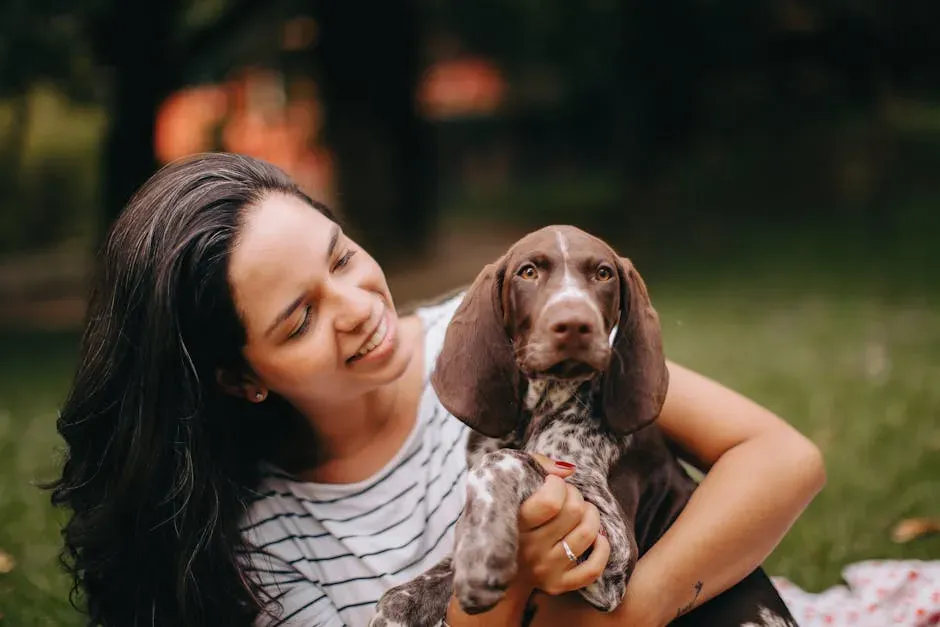
This thought will visit you quietly, usually at 2 a.m. Did they know? Every dog lover who has ever faced this loss asks it. The science offers a reassuring answer. When we gaze into each other’s eyes, both humans and dogs experience a surge in oxytocin, similar to that between humans and infants. Every look, every cuddle, every walk you ever shared registered in your dog’s brain as warmth and safety.
Every shared walk, every cuddle on the couch, every training session or gaze across the room wasn’t just time spent – it was a neurological duet, strengthening your bond day by day. They felt it. They lived inside it every single day of their life with you.
Dogs don’t carry doubt. They don’t wonder if they deserve love or if they’re doing enough. Unlike many human relationships, the bond with a pet is built on consistency, caregiving, and mutual reliance. Pets are there in quiet moments, in hard moments, and in spaces where words aren’t needed. They spent their whole lives knowing exactly how loved they were, because you showed them every day. That is a gift you gave them, and nothing about death takes it back.
12. Getting Another Dog Doesn’t Mean Replacing Them
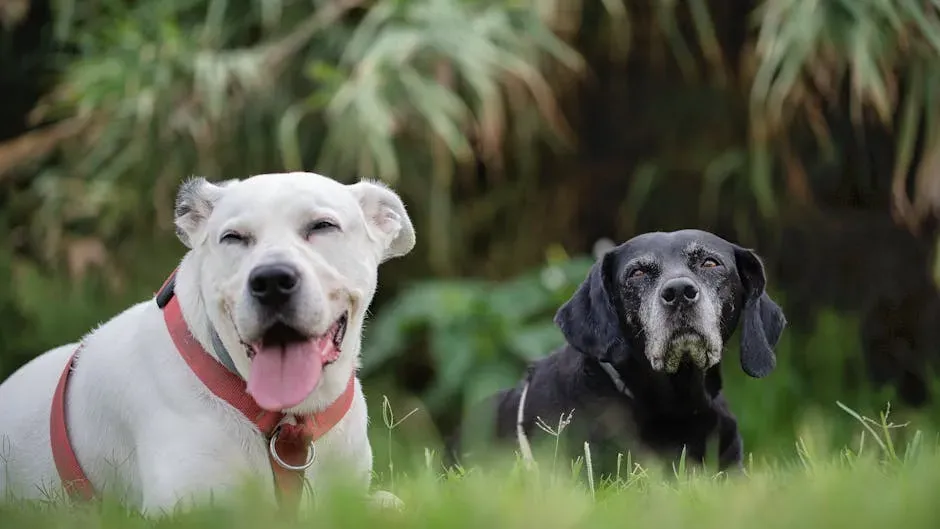
At some point, people will suggest it. Maybe you’ll even think about it yourself, and then feel an immediate wave of guilt, as though even considering it is a betrayal. It isn’t. While it may feel disloyal to even think of moving on in such a way, many people find healing from loss in the love and joy that a new pet can bring. A new pet doesn’t replace the one you lost; it marks the start of a new and unique bond. Each pet has its own personality and love to share.
There’s also no rush. If you’re unsure whether you’re ready for this commitment, consider fostering a pet from a local rescue. Fostering allows you to experience pet companionship without a long-term obligation, helping you gauge your emotions and readiness. It also provides a temporary home for an animal in need, making a meaningful difference while giving you time to heal.
Only you will know when or if the time is right. There is no correct answer and no deadline. Some people wait years. Some people find that welcoming a new dog is the thing that finally starts to soften the edges of their grief. Trust yourself on this one, not anyone else’s timeline.
13. They Changed You in Ways You’ll Carry Forever
Many owners find themselves thinking about what their dog taught them through everyday moments: patience learned during long walks, the joy found in simple routines, and the unconditional love that never needed words. These aren’t just nice memories. They’re actual changes to who you are as a person.
A healthier grief journey may come from taking your time to work through your feelings rather than trying to push them away or ignoring them. Your memories allow your pets to live on in you. Every piece of patience you developed, every morning you woke up with purpose because a small creature needed you, every time you chose a walk over sitting inside – that was them, shaping you.
Acceptance does not mean moving on. It means learning how to live while carrying love forward. The dog you raised from a puppy is still part of your story. They always will be. The goal isn’t to get over them. It’s to let who they were continue to live in the kind of person you choose to be.
Conclusion
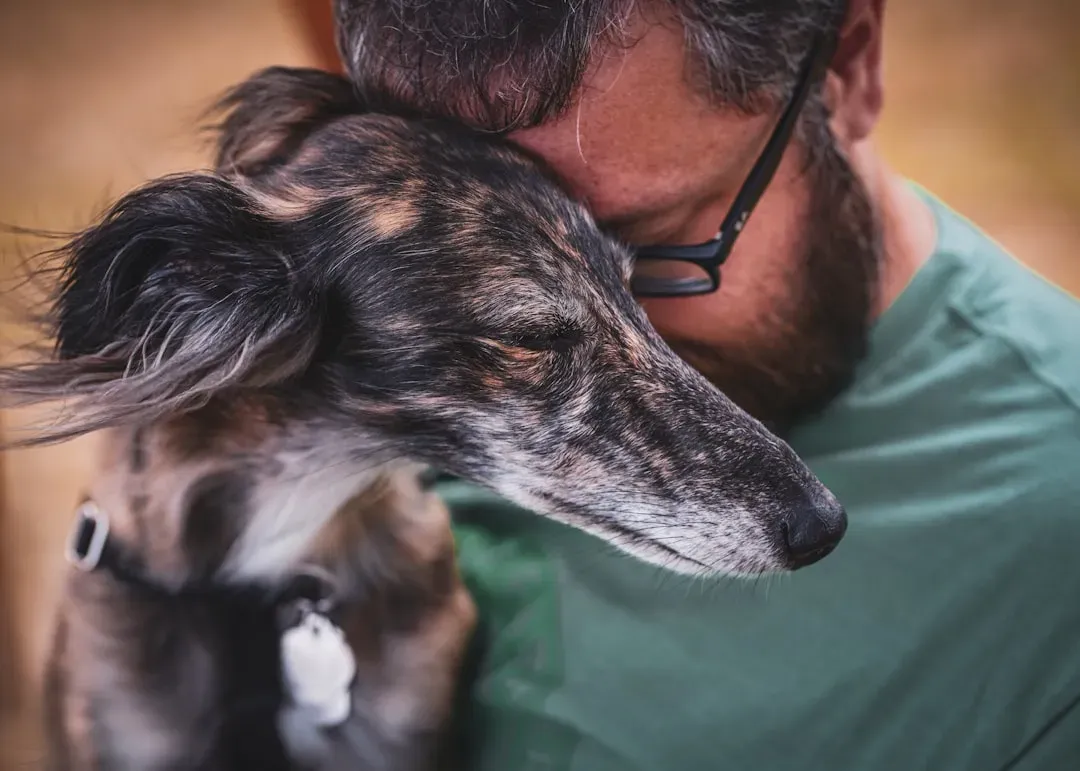
Losing a dog you raised from puppyhood is one of the most quietly devastating experiences a person can go through. The grief is real, the science confirms it, and the depth of it reflects the depth of the bond you built over years of shared daily life.
If you’re in the thick of it right now, know this: you are not alone, you are not overreacting, and there is no rush. Experiencing your emotions following the death of a pet is difficult, but important. A healthier grief journey may come from taking your time to work through your feelings rather than trying to push them away or ignoring them.
The love you gave that dog, from those first chaotic puppy weeks through every gray muzzle morning at the end, was real. And real love doesn’t disappear. It just changes shape. Give yourself the grace to find out what shape it takes next.


