
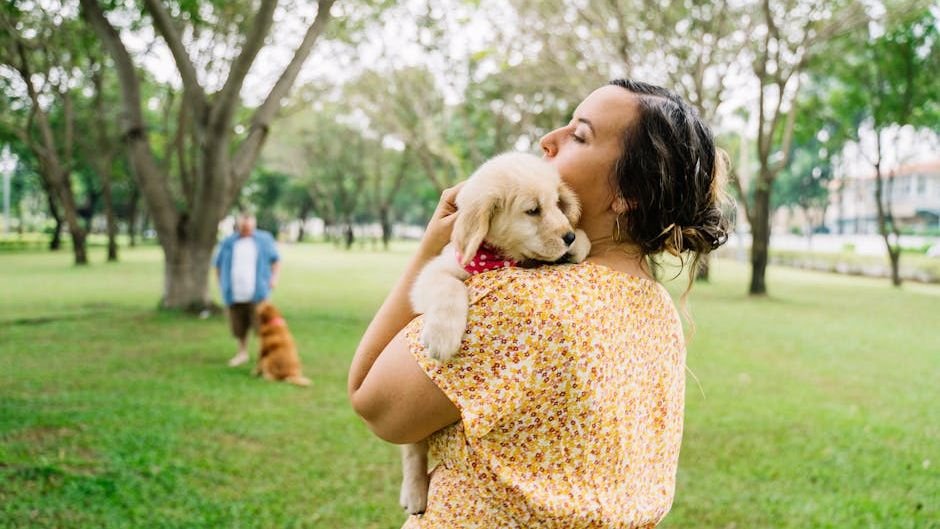
There’s a particular kind of quiet joy that comes with bringing a dog home for the first time. The hopeful eyes at the shelter. The excited tail on the car ride. Then the moment you realize you have absolutely no idea what you’re doing. It’s a universal first-timer experience, and it’s completely okay.
The truth is, choosing the right breed makes an enormous difference in how that first year feels. Some dogs are forgiving, adaptable, and almost instinctively patient with owners who are still figuring things out. Others demand a level of experience and consistency that can leave newcomers overwhelmed before the second week is even over.
Choosing the right breed plays a major role in how smooth and joyful your pet parenting journey will be. That’s not a small thing. It can be the difference between a bond that grows stronger every day and a situation where both of you end up stressed. The seven breeds below all share qualities that make them genuinely wonderful starting points: warmth, trainability, and a natural ability to meet you where you are.
1. Labrador Retriever: The Gold Standard of First Dogs

If there’s one breed that consistently earns its place at the top of every beginner-friendly list, it’s the Labrador Retriever. Labs are known for their friendly and outgoing nature, making them one of the most popular breeds for families and first-time owners. They’re incredibly social, easy to train, and get along well with other pets and children. That’s a rare combination, and it’s why so many new dog owners never look back after choosing one.
Their gentle yet fun-loving personalities make them perfect playmates for children and for adults, too. They are highly intelligent and eager to please, which makes training easy, even for inexperienced owners. The downside worth knowing: Labradors are high-energy dogs and need a lot of exercise, at least one hour a day, and mental stimulation. They also have a high food drive, and obesity is a common problem, particularly later in life. Keep meal portions in check, stay consistent with daily walks, and you’ll have one of the most devoted companions imaginable.
2. Golden Retriever: Patience in Dog Form
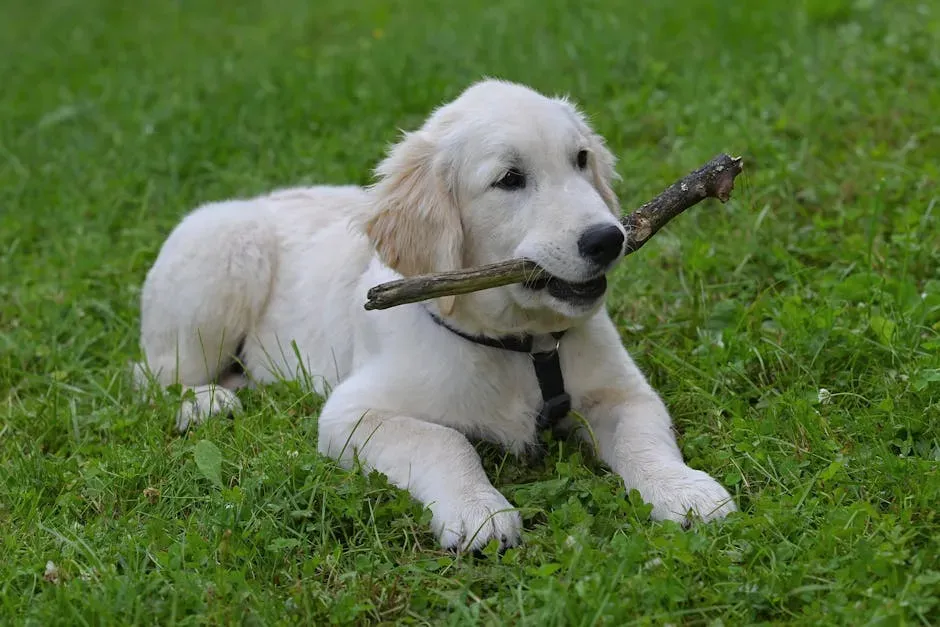
Golden Retrievers are extremely popular with first-time owners, and it’s easy to see why. They have gentle, playful natures and an uncomplicated, natural sense of loyalty that makes them reliable and trustworthy. Add to this an intelligence and willingness to please that makes them amenable to training, and you’ve got yourself a terrific new companion. It’s that last part that matters most for beginners: Goldens are forgiving. Make a training mistake, and they’ll stick with you anyway.
Known for their patience and gentle temperament, Goldens get along well with children, other dogs, and even cats when properly socialized. They’re active dogs that need regular exercise and mental stimulation, but their eagerness to learn and affectionate personalities make them one of the best breeds for novice pet parents. One practical note: Golden Retrievers need a lot of exercise, up to two hours a day, and all that time running around outside means their long coats also require a lot of brushing and grooming to stay in tip-top condition. If you can commit to that, the return on investment is extraordinary.
3. Cavalier King Charles Spaniel: Big Heart, Small Package
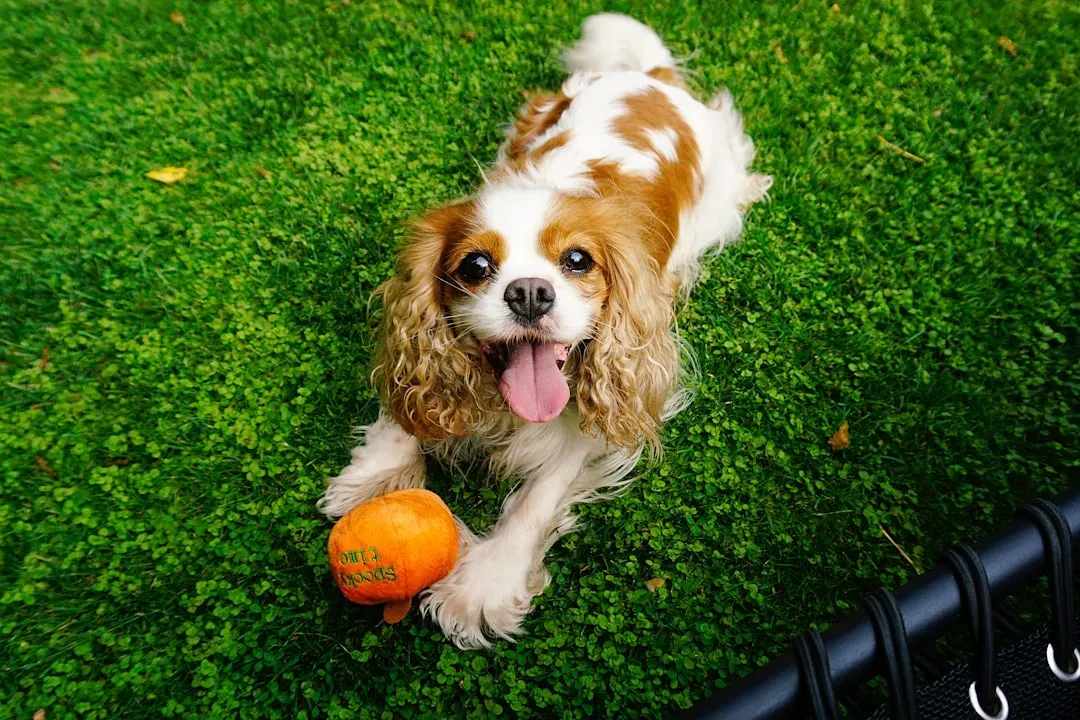
The Cavalier King Charles Spaniel is a small dog with a big heart. This breed is affectionate, gentle, and loves being close to people, making them an excellent choice for new owners who want a loving lap dog. While Cavaliers do need regular grooming, their easygoing personalities and adaptability to apartments or larger homes make them a top pick among small dog breeds for first-time owners. For someone living in a city apartment, this adaptability is genuinely significant.
Friendly and affectionate in nature, Cavalier King Charles Spaniels are a small breed that enjoy cuddling and playing with their owners, making for great companion pets. They are also relatively easy to train, which is a plus for those new to dog ownership. Cavalier King Charles Spaniels are generally healthy and super adaptable, and can be content living in a small apartment or a larger home. Do keep an eye on their health: potential health concerns include heart disease and ear infections. Regular veterinary checkups and proper care can help prevent these issues, and early detection is important for managing any potential health problems.
4. Poodle: The Smartest Dog You’ll Ever Own
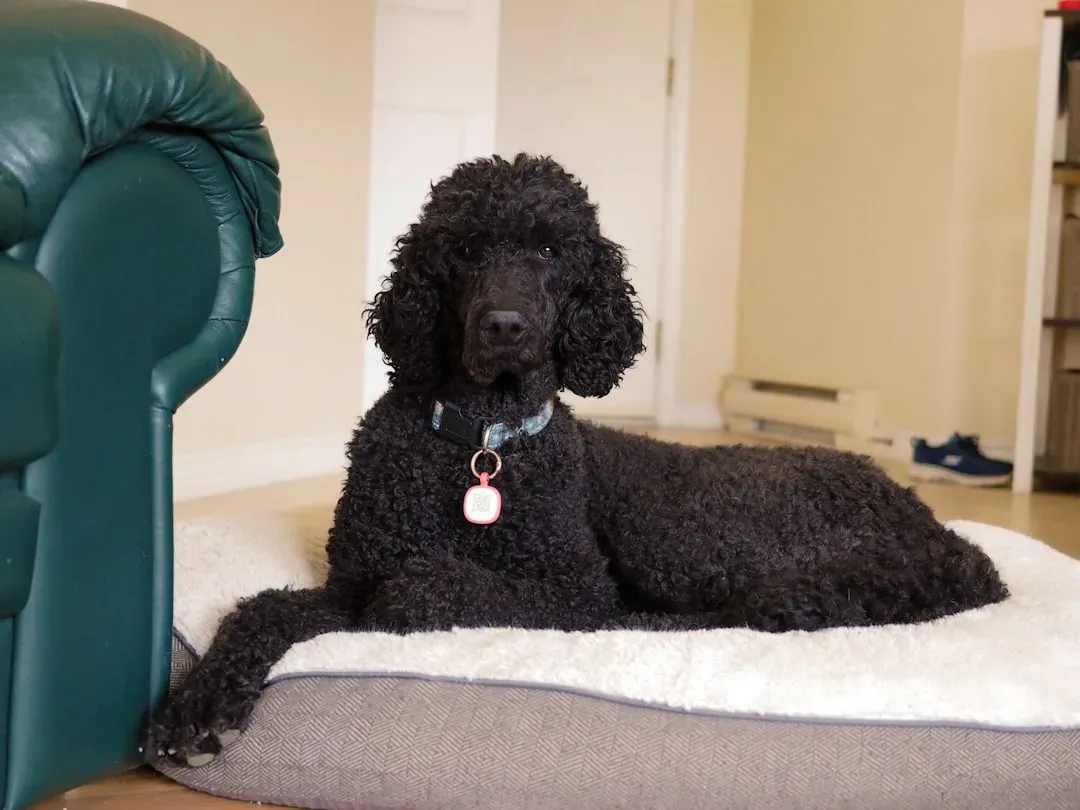
Poodles are among the easiest dogs to train. Ranked second in canine intelligence, they learn new commands in as few as five repetitions and respond exceptionally well to positive reinforcement. Their eagerness to please makes them ideal for obedience, agility, and advanced trick training. What makes Poodles especially appealing for first-timers is the variety: Poodles come in three sizes, Toy, Miniature, and Standard, offering flexibility depending on your living space. Known for their remarkable intelligence, Poodles are quick learners and love mental stimulation. Another major plus is their hypoallergenic coat, which sheds very little. This makes them an excellent choice for households with allergy concerns.
The trade-off is grooming. Poodles need professional grooming every six to eight weeks and daily at-home brushing to prevent matting. The frequency depends on the length of the coat style you choose, as longer styles require more upkeep. Don’t let that put you off. Training a Poodle can be a joy due to their intelligence and eagerness to learn. Start training as soon as you bring your puppy home, because consistency is key to successful training for Poodles. Budget for a groomer, stay consistent with brushing, and this breed will genuinely surprise you with how much they’re capable of learning.
5. Bichon Frise: The Cheerful Little Apartment Dog
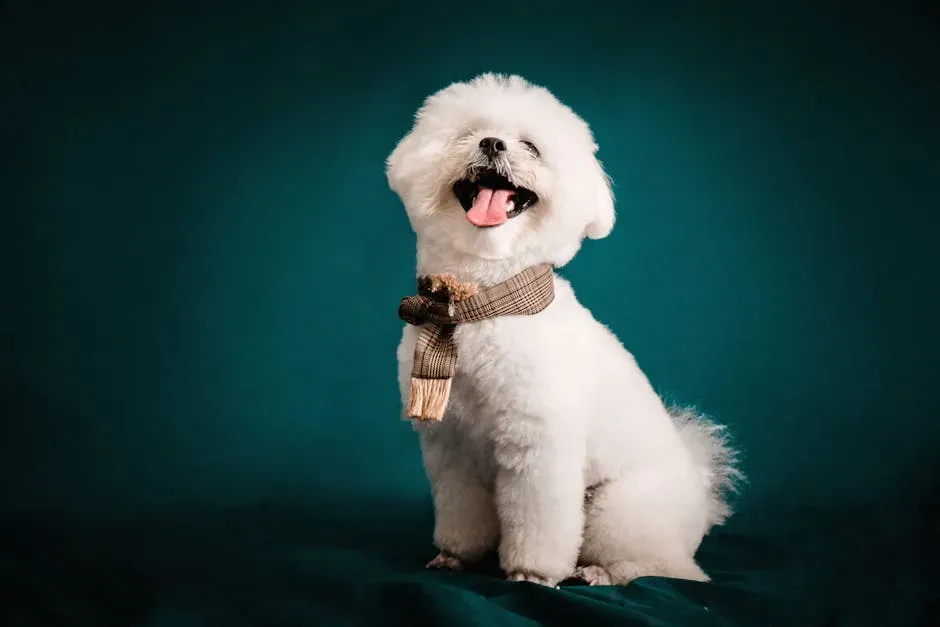
Known for its loving and playful personality, the Bichon Frise is an intelligent and charming lapdog who befriends just about everyone they meet. They are one of the best dogs for first-time parents because they’re typically easier to train and are great with kids. Another perk is that their fluffy white coat is considered hypoallergenic and they don’t shed much. For renters, allergy sufferers, or anyone in a smaller home, those qualities alone make the Bichon worth serious consideration.
Bichons are also highly intelligent, which makes training a relatively easy proposition, and they are easygoing enough to adapt to life in a big house in the country or a small city apartment. They are moderately active, so it is best for them to get at least twenty to thirty minutes of exercise a day. One thing to plan for: Bichons find being alone stressful and they suffer badly from separation anxiety, meaning they are best suited to households where one person is always at home. Bichons are also quite high maintenance when it comes to grooming. While it’s true that they look incredibly cute and don’t shed, they will need to visit a groomer at least every couple of months, which can add significantly to the cost of keeping them.
6. Shih Tzu: The Loyal Companion for Calm Households
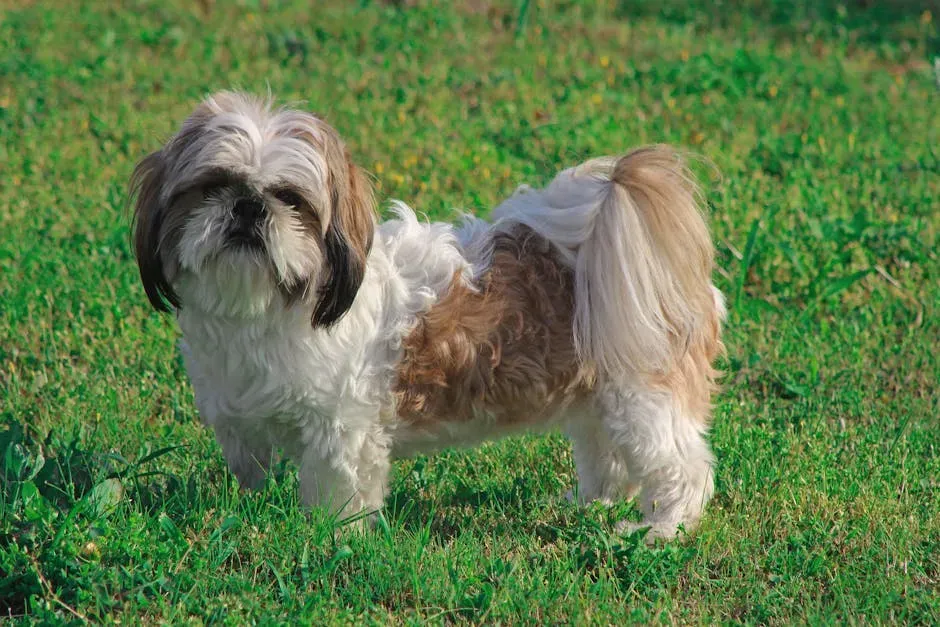
The Shih Tzu stands out as a devoted, graceful breed that values human companionship above all else. Ideal for first-time owners seeking calm loyalty, these little dogs were bred to sit beside royalty and still carry that regal presence. Their affectionate nature makes them soothing housemates. If you picture yourself on the couch with a dog tucked beside you more than hiking trails on weekends, the Shih Tzu may be your perfect match.
Shih Tzus may look royal, but they are affectionate lap dogs at heart. They thrive on companionship and are happiest when spending time with their owners. These small, sturdy dogs don’t require much outdoor exercise, making them a great fit for apartment dwellers. Their sweet temperament and manageable size make them one of the best breeds for beginners. Their coat does need attention: this breed is not prone to massive amounts of barking, but you will need to brush that beautiful silky coat numerous times every week to prevent tangles. That daily grooming routine, while real, quickly becomes a bonding ritual rather than a chore.
7. Beagle: The Curious, Friendly Scent Hound
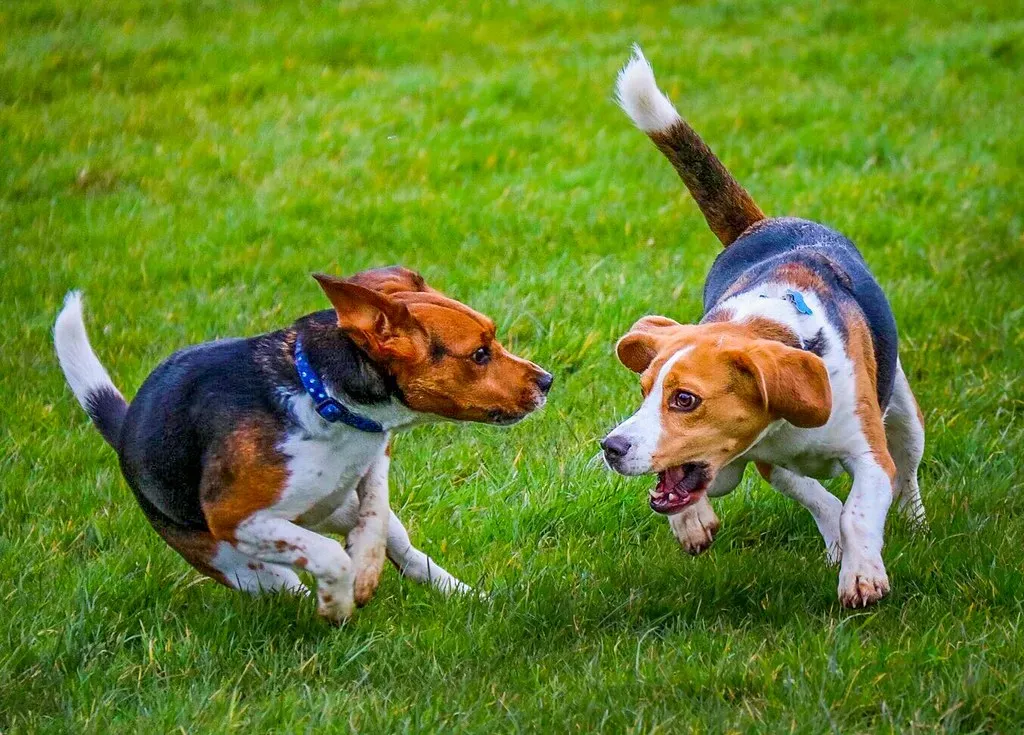
The temperament of a Beagle is notoriously friendly and gentle. They are even-tempered dogs, neither too aggressive nor too timid. They have medium energy and are of a smaller build. Other Beagle traits include being happy-go-lucky and loyal. They’re excellent with kids and generally fit well into family life, making them a natural pick for households with younger children who want an active playmate that won’t overwhelm the room.
A few honest caveats are worth mentioning. On one hand, Beagles are known to be intelligent and eager to please. On the other hand, they are extremely independent and easily distracted by scents. This means they can be difficult to train, especially for first-time dog owners. The key is starting early and keeping things consistent: using positive reinforcement methods such as treats and praise works best. It’s important to start training early, as Beagle puppies respond better when introduced to routines and commands at a young age. Be patient and consistent, and keep training sessions short and engaging. Also, always keep your Beagle on a leash outdoors. With a nose close to the ground and an instinct to track, Beagles are known for becoming completely focused on interesting smells, which is why every Beagle owner needs to keep an eye on them during walks as they may wander off chasing an interesting trail.
What Every First-Time Owner Should Know Before Deciding
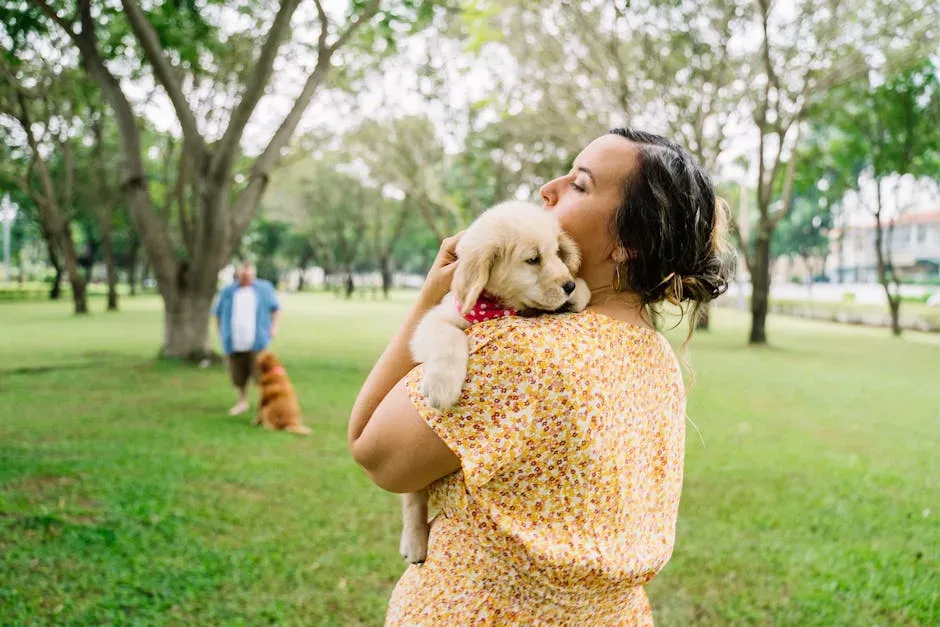
Choose a breed that’s known for being calm, laid-back, and with an overall easygoing nature. Dogs that tend to be more dominant or prone to issues like separation anxiety and aggression could be a bit much for new owners to handle. Beyond temperament, energy levels and your lifestyle need to align. Aim for daily walks and short play sessions when it comes to exercise needs for your first dog. A dog with a moderate energy level will enjoy playtime and having fun, but will then be content to relax. A dog who doesn’t get proper exercise tends to get into mischief because they’re understimulated and have too much pent-up energy.
Schedule a vet appointment within the first week for a checkup and vaccinations. Begin establishing a consistent feeding and bathroom routine right away, and gradually introduce your dog to household members and other pets. And think realistically about your daily schedule before you commit. Imagine your average day with a dog, not just an occasional weekend when you’d go on a long walk and spend all day with your dog. Ask yourself how much exercise you could realistically provide daily, how often you would need to leave your dog alone, and how much time and effort you want to invest in dog training.
Conclusion: The Right Dog Is Waiting for You
Choosing your first dog is one of those decisions that quietly shapes the next decade of your life. The good news is that the breeds above are genuinely built to meet beginners halfway. They don’t require perfect technique. They don’t expect you to have all the answers on day one. What they do ask for is consistency, time, and the willingness to learn alongside them.
Every dog on this list has its own quirks, its own version of love to offer, and its own set of needs worth understanding before you commit. The Labrador that needs long walks. The Cavalier that wants nothing more than your lap. The Poodle that will outsmart you before breakfast. None of them are without effort, but all of them are worth it.
The relationship you build with your first dog tends to stay with you longer than you’d expect. Choose thoughtfully, prepare genuinely, and then let yourself enjoy the whole messy, wonderful experience of being someone’s favorite person in the world.


