
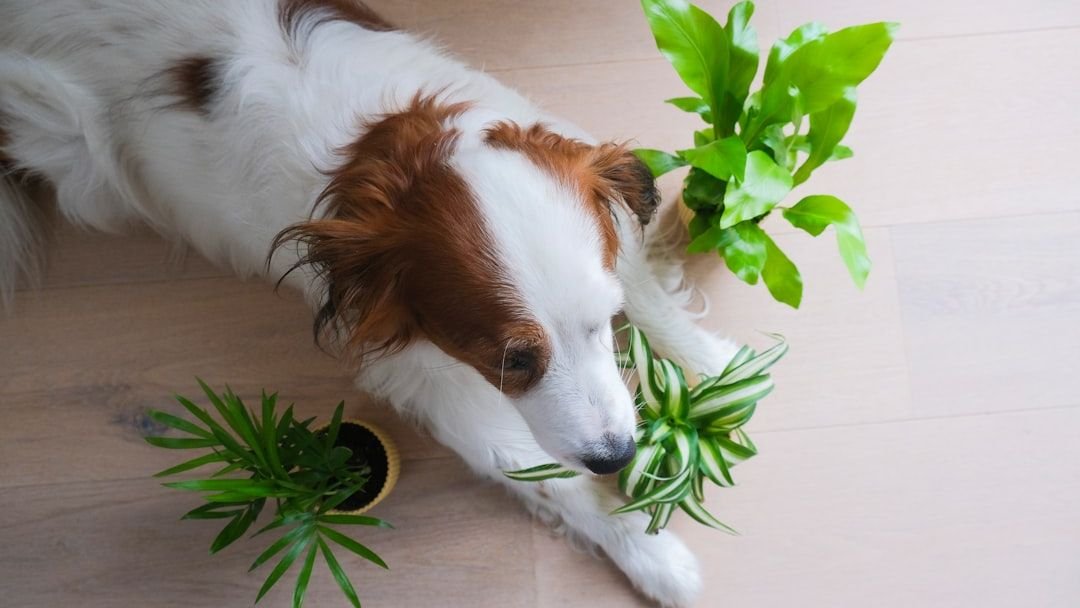
Your dog has spent the last five minutes sniffing suspiciously at your new trailing pothos plant. You smile. Typical dog behavior, right? Maybe. But what if that curious sniff turns into a chew, and that chew turns into a frantic late-night drive to the emergency vet?
Houseplants bring life, color, and fresh air into our homes – but if you share your space with a dog, some of your leafy decor could pose a serious risk. Many popular indoor plants are toxic to dogs if ingested, and even a nibble can lead to troubling symptoms or a trip to the vet. What makes this especially unsettling is that many of the offenders are among the most beloved, most recommended, and most gifted plants out there. They sit on bookshelves, hang from ceiling hooks, and line windowsills in millions of homes.
The ASPCA Animal Poison Control Center fields more than 400,000 calls a year, and plants consistently rank among the top five exposure categories for dogs. What makes the list alarming is not the presence of exotic or rare species – it is the ordinary ones. The good news? Awareness is a powerful protection. Here are ten plants you should know about before your dog does.
1. Sago Palm: Stunning but Potentially Fatal
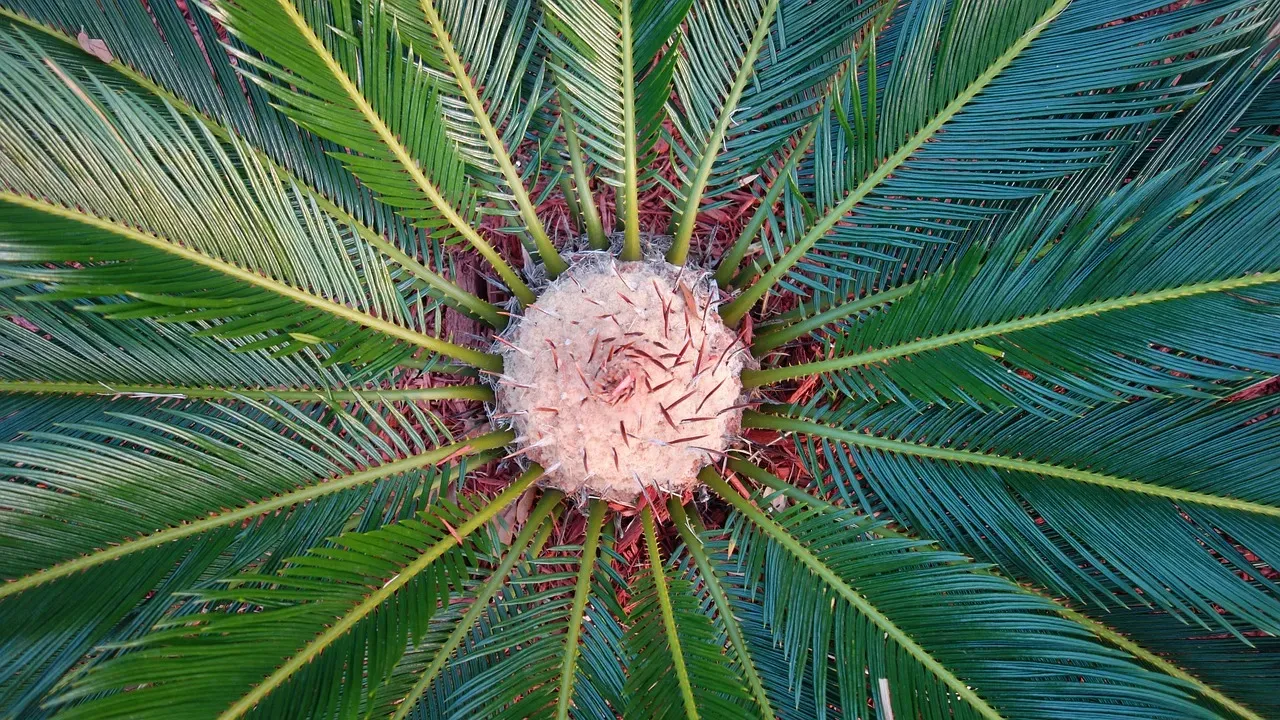
Of all the plants on this list, the sago palm demands the most urgent attention. The sago palm is a stunning ornamental plant, but it harbors one of the most potent plant toxins for dogs. Its compact, tropical look makes it a popular choice for both indoor pots and outdoor garden borders, which is exactly why so many dog owners remain unaware of the risk until it’s too late.
All parts of sago palm are considered poisonous, with the seeds (nuts) being the most toxic part of the plant. Even a single seed can be fatal: published veterinary case series report mortality rates between 50 and 75 percent in dogs that ingest sago palm seeds. Symptoms begin within 15 minutes as vomiting and diarrhea; liver failure symptoms – jaundice, bleeding disorders, ascites – appear 2 to 3 days later.
If you witness your pet playing with or ingesting part of a sago palm, it is essential to get to the vet quickly for induction of vomiting. The goal is to remove as much of the toxic material from the body as possible before it has a chance to be fully absorbed. The safest prevention tip here is simple: do not keep this plant in or around your home if you have a dog.
2. Pothos (Devil’s Ivy): The Trailing Temptation
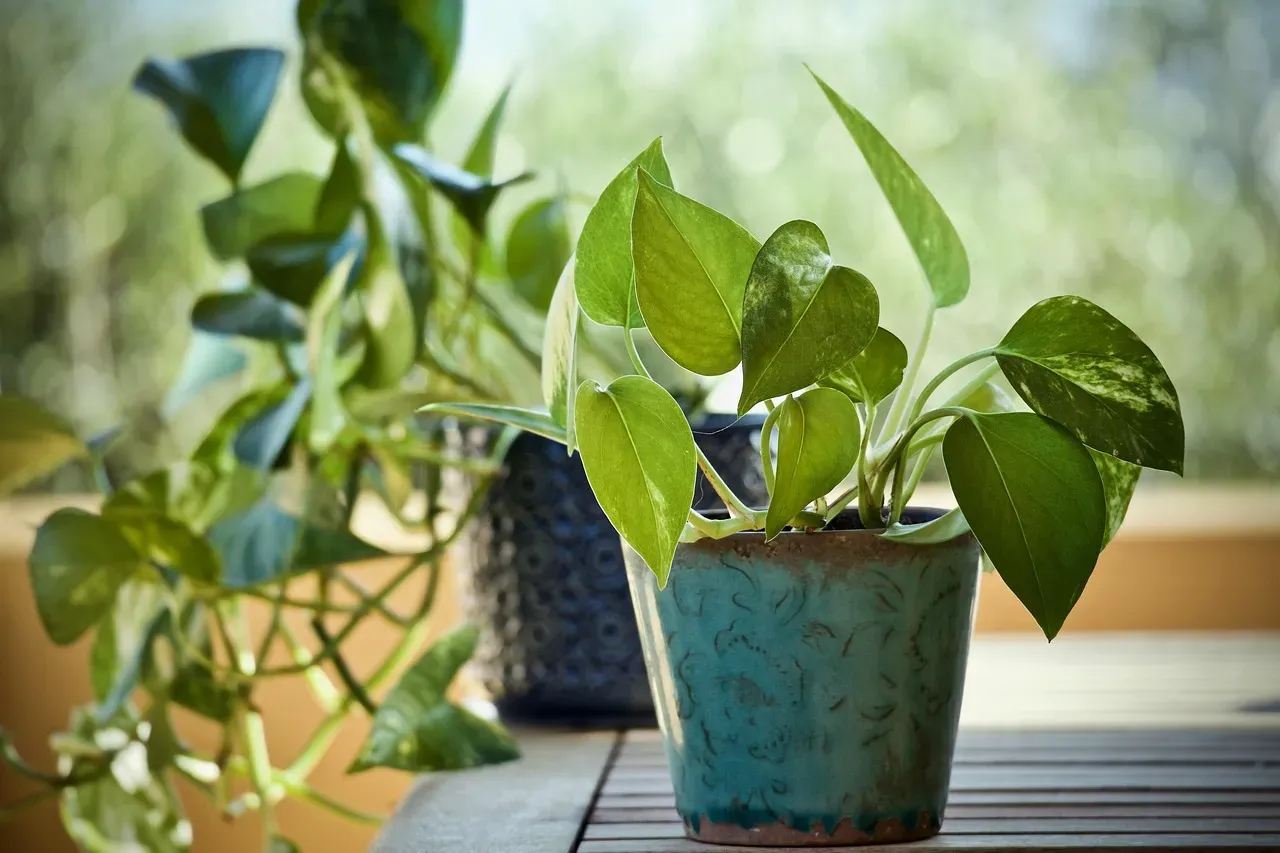
Pothos plants, also known as Devil’s Ivy, are houseplants that are frequently spotted within trendy interiors, beloved for their bright green hue and trailing vines. But you’ll want to keep them away from your pets. They thrive in low light, require minimal watering, and look gorgeous cascading from shelves – which is precisely the problem.
Pothos and heartleaf philodendron are two of the most forgiving and widely grown houseplants, and both contain insoluble calcium oxalate crystals that cause the same immediate oral burning response. The trailing habit of both plants means they are often draped over shelves and bookshelves at nose or paw height, making them particularly accessible to dogs.
Pothos plants contain insoluble calcium oxalate crystals and can cause symptoms in both dogs and cats. These irritating crystals are found in all parts of the plant, and symptoms result immediately when chewed. Watch for pawing at the mouth, excessive drooling, and sudden reluctance to eat. Place them in hanging baskets or on high shelves where pets genuinely cannot reach, or consider replacing them with spider plants, Boston ferns, or orchids, which are non-toxic to dogs according to ASPCA guidelines.
3. Philodendron: The Beloved Leafy Vine with a Sting
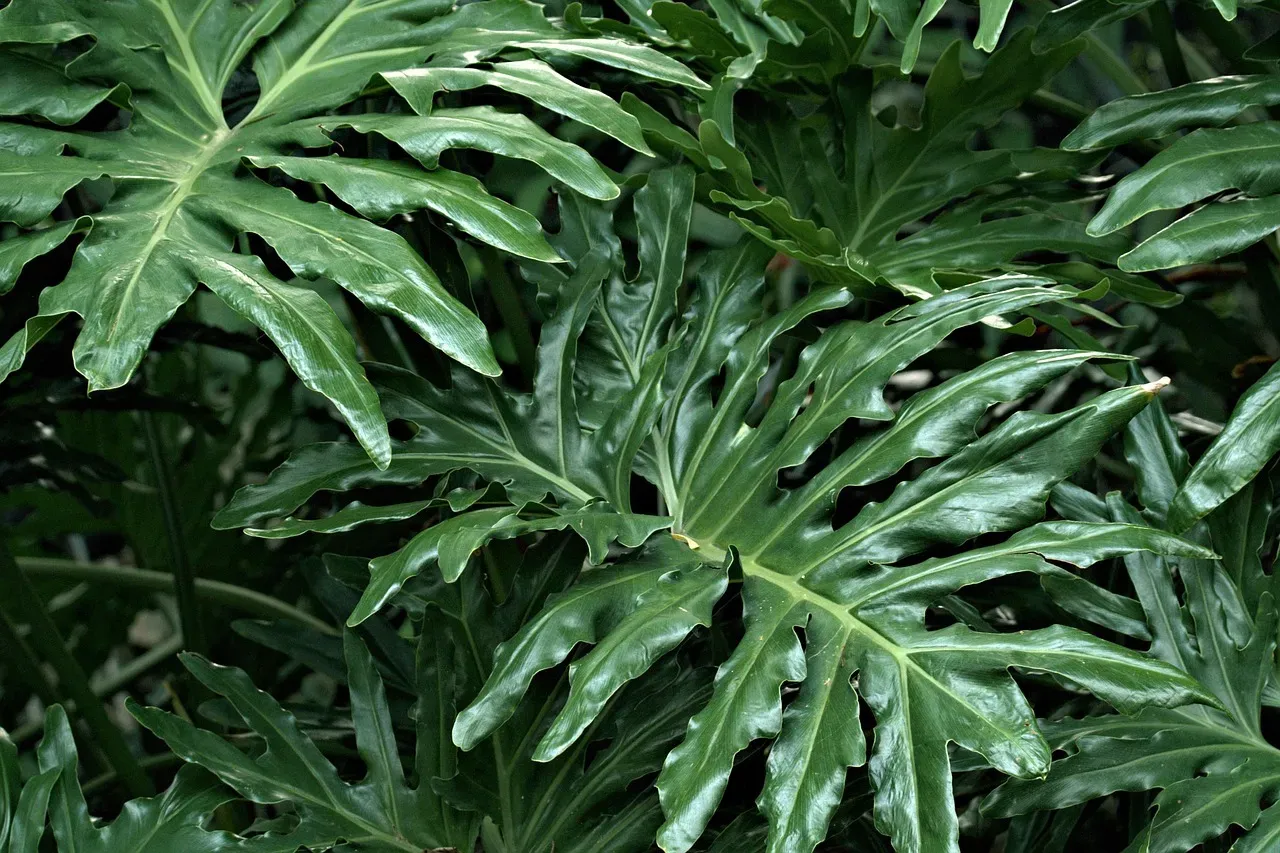
Philodendrons are common house plants and also a very common part of tropical landscaping in the southern US. All parts of all types of philodendrons are toxic to most animals, and even people. Their heart-shaped leaves and easy-going nature have made them a staple in homes and offices for decades – and they come in hundreds of varieties, so you may own one without even realizing what you have.
The insoluble calcium oxalate crystals are present in all parts of the philodendron, and these crystals can cause extreme irritation and pain when the plant material is chewed or swallowed. The discomfort caused by the sharp crystals ordinarily prevents animals from doing more than tasting the plant. Still, some dogs push through the initial pain, especially puppies or dogs with strong chewing habits.
Dogs who consume any part of a philodendron may experience burning and stinging in the mouth. This sensation may lead to excessive drooling, panting, and some mild vomiting. Do NOT induce vomiting at home, as the toxic substance will cause further inflammation and swelling along the stomach, esophagus, and mouth if your pet is forced to vomit the material back up. Head straight to the vet instead.
4. Dieffenbachia (Dumb Cane): A Deceivingly Pretty Danger
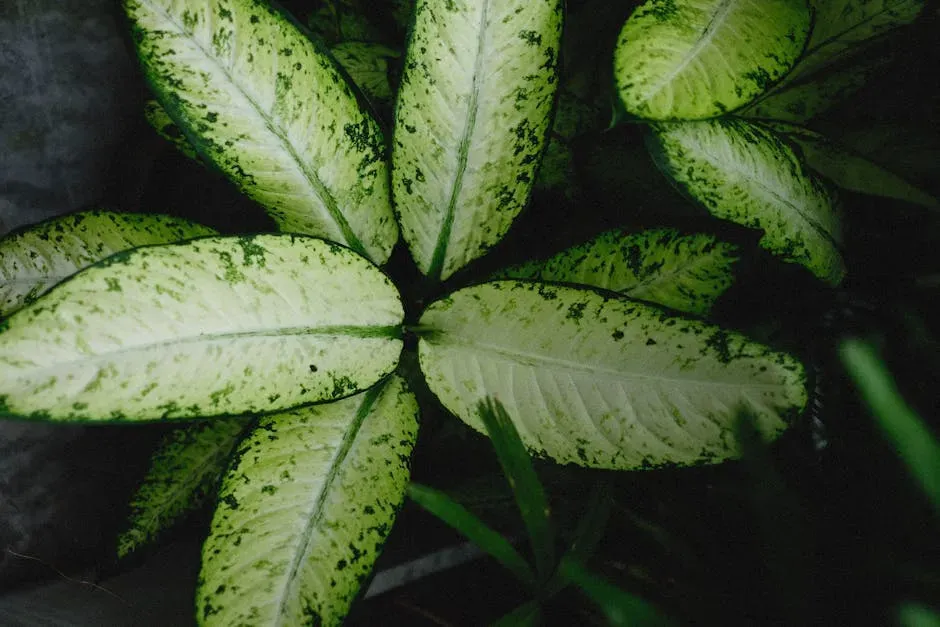
Dieffenbachia, known as “Dumb Cane” due to its numbing effect on the tongue when chewed, is a popular ornamental plant. Its attractive foliage contains calcium oxalate crystals, which, when in contact with a dog’s mouth, can lead to severe oral irritation. In some cases, this can manifest as difficulty in speaking and swallowing. That numbing effect is not a quirk – it is the plant protecting itself, and it works the same way in your dog.
Dieffenbachia, also called dumb cane, is a large-leafed tropical houseplant that contains both calcium oxalate crystals and proteolytic enzymes. The combination produces more severe oral symptoms than calcium oxalates alone: intense burning, significant swelling of the mouth and tongue, and occasionally enough throat swelling to cause difficulty breathing.
All parts of the Dieffenbachia plant contain raphides. The raphides in Dieffenbachia plants also release proteolytic enzymes which increase the severity of symptoms, causing swelling and respiratory distress. If your dog is pawing at its face, drooling heavily, or refusing to swallow, treat it as an emergency. Keep this plant on high shelves or, better still, out of the home entirely.
5. Aloe Vera: The Healing Plant That Can Hurt Your Dog
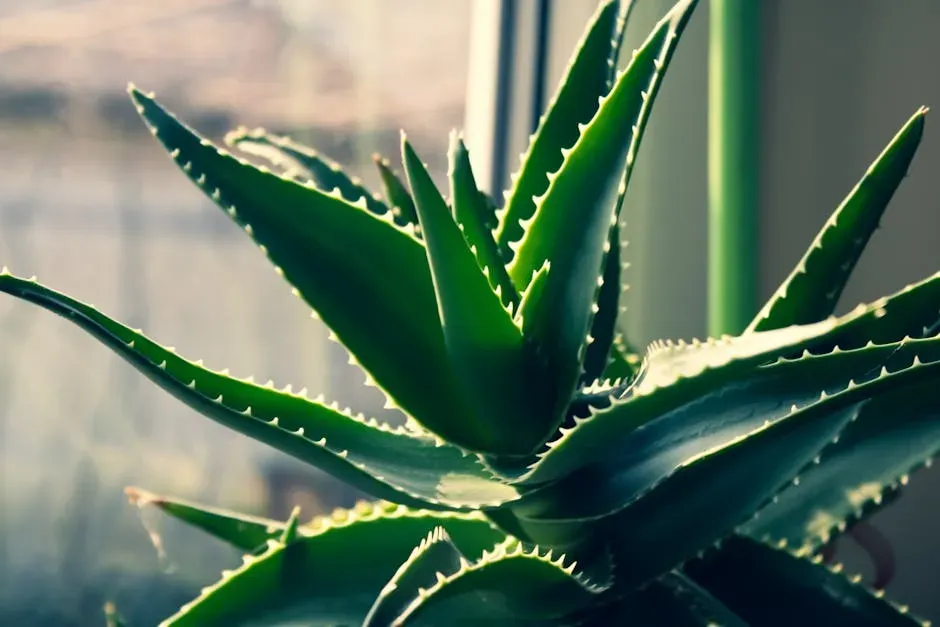
Aloe vera is practically a household staple. People keep it on kitchen windowsills, in bathrooms, and by first aid kits for its well-known skin-soothing properties. Although aloe vera contains saponins (specifically anthraquinone glycosides), this compound when ingested can be mild to moderately toxic to dogs. Anthraquinone glycosides act in a similar manner to laxatives in people. When eaten, particularly in large amounts, it may result in diarrhea as well as vomiting and abdominal discomfort.
Symptoms of aloe vera poisoning in dogs may include vomiting, diarrhea, lethargy, tremors, and changes in urine color. The urine color change is one of the more distinctive signals worth watching for. Signs usually occur within a few hours of ingestion after the gastrointestinal system has had time to metabolize the toxin.
Aloe is not the most dangerous plant on this list by any means, but its near-universal presence in homes makes it a common culprit. Keep it on high ledges that your dog physically cannot reach, and remember that topical aloe products designed for humans should also be kept away – never put aloe on your canine’s skin as it can cause irritation.
6. Snake Plant (Mother-in-Law’s Tongue): The Air Purifier with a Catch
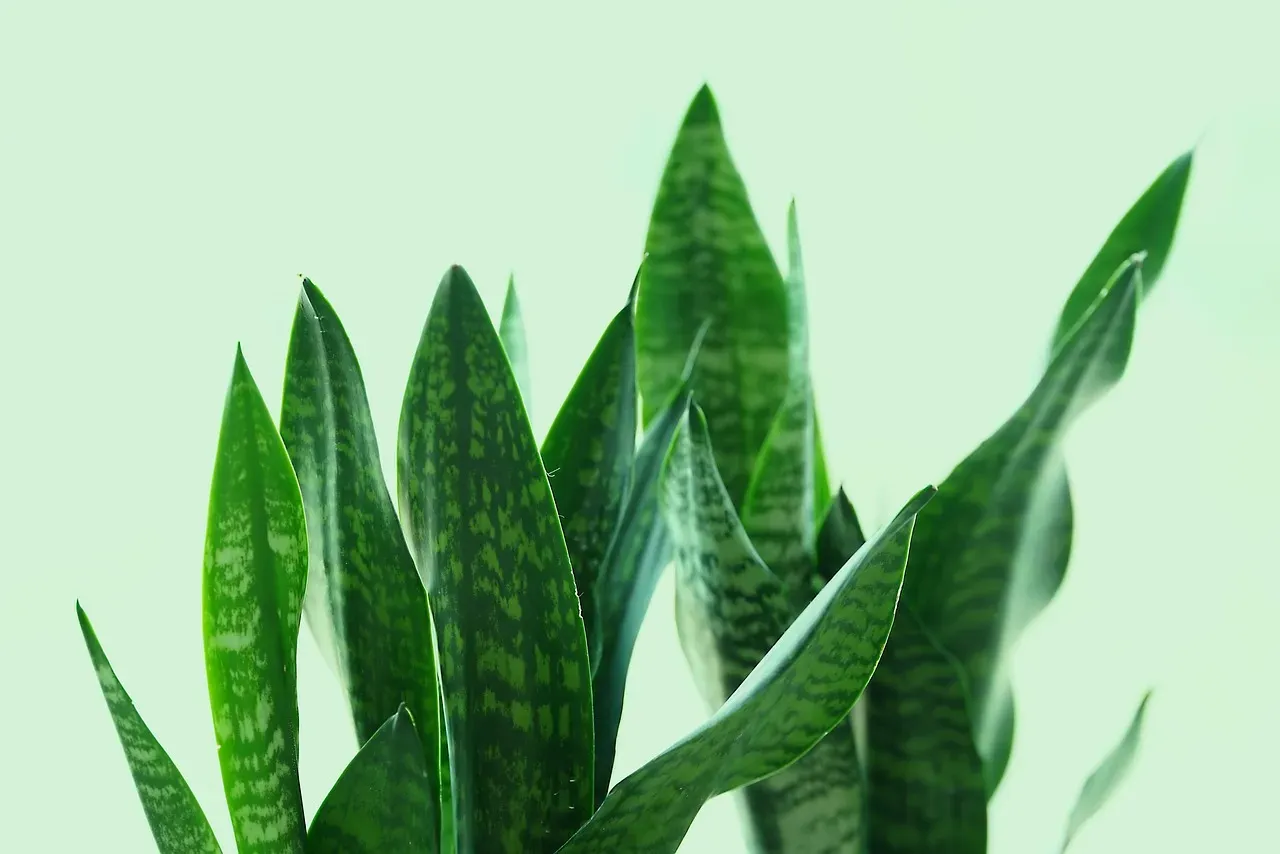
Snake plants, also known as mother-in-law’s tongue, are popular indoor plants valued for their air-purifying properties. However, these plants contain saponins that can cause gastrointestinal upset and oral irritation in dogs. Symptoms of snake plant poisoning may include vomiting, diarrhea, drooling, and oral irritation. The cruel irony is that snake plants are often recommended specifically for dog owners because of their low maintenance and toughness.
Snake plants are extremely popular household and office plants thanks to their hardiness and will to survive. These striking plants, however, can cause gastrointestinal signs like nausea, vomiting, and diarrhea if ingested. Most snake plant toxicity cases in dogs are considered mild to moderate – but “mild” still means a distressed, uncomfortable dog and possibly a vet visit.
The best behavioral cue to watch for is a dog that suddenly starts licking its lips excessively, seems restless after being near the plant, or shows reduced appetite. Teaching your dog the “leave it” cue helps prevent them from interacting with off-limits items, including plants. Use positive reinforcement when they respond correctly. Pair that training with strategic placement and you’ll have a much safer home.
7. Azalea and Rhododendron: Garden Favorites with a Dark Side

Azaleas and rhododendrons are among the most widely planted flowering shrubs in American gardens, and they contain grayanotoxins throughout every part of the plant – leaves, flowers, nectar, and stems. Grayanotoxins bind to sodium channels in nerve and muscle cells, preventing them from returning to their resting state. The result in dogs is a cascade of neurological and cardiac effects: excessive drooling, vomiting, weakness, loss of coordination, slow heart rate, and in severe cases complete cardiovascular collapse.
It only takes an extremely small amount to be ingested to result in toxicity – only 0.2% of a dog’s body weight to cause serious issues. Symptoms include excessive drooling, weakness, vomiting, diarrhea, decreased appetite, lethargy, abnormal heart rate or rhythm, tremors or seizures, coma, and even death. These signs are typically seen within 4 hours of ingestion, depending on the amount eaten.
Many dog owners don’t realize that azaleas often grow right along walkways, driveways, and garden beds where dogs roam freely every day. If removal isn’t possible, you can put a barrier up, use a dog playpen for outside time, keep your dog on a leash when they’re in the yard, or use a plant stand to prevent your dog from getting to these plants. Given the severity of the toxin, barriers aren’t ideal – removal is the only truly safe option.
8. Jade Plant: The Money Plant That Could Cost You a Vet Bill
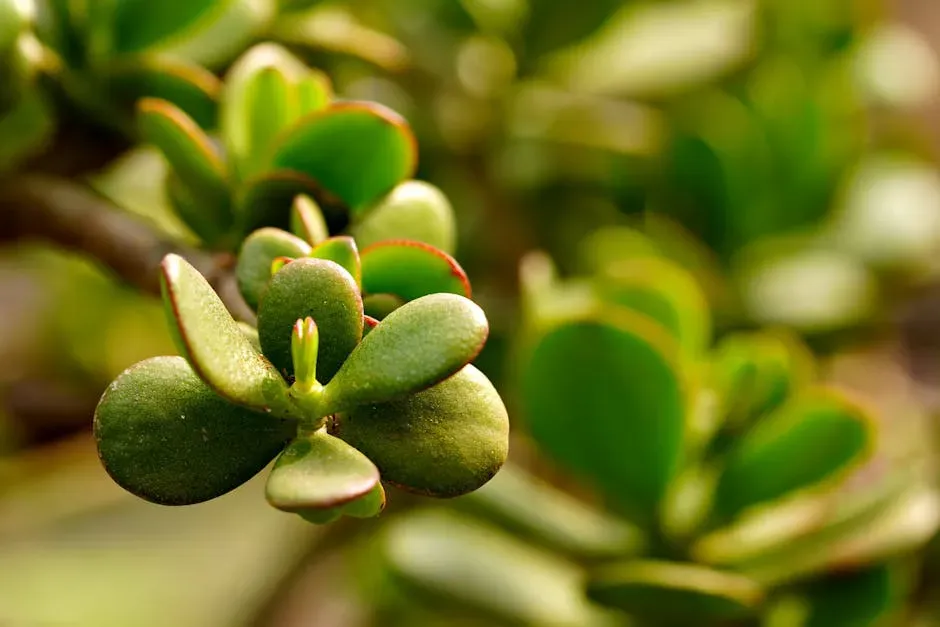
The jade plant, also known as Crassula ovata or the money plant, is a popular succulent commonly found in homes and offices. While jade plants are easy to care for, they can be toxic to dogs if ingested. Symptoms of jade plant poisoning in dogs may include vomiting, diarrhea, depression, and loss of coordination. That stumbling, uncoordinated movement is particularly alarming to witness and warrants immediate attention.
Jade is only mildly toxic to dogs. If ingested, the symptoms are typically gastrointestinal related. Vomiting, lethargy, and decreased appetite will usually resolve without any treatment. You may also see your dog experience an uncoordinated gait, which can be concerning when witnessed. “Mild” doesn’t mean “harmless,” though, especially if your dog eats a significant amount.
Jade plants tend to be placed on low coffee tables or window ledges at dog height – precisely because they love sunlight and look decorative. That makes them surprisingly accessible to a curious snout. Signs may not be evident due to the mild toxicity, but if noticed, they may develop within 1 to 4 hours of ingestion. If you suspect your dog chewed on jade, contact your vet to assess whether a visit is needed based on the amount consumed and your dog’s size.
9. Lily of the Valley: Small Flower, Serious Heart Risk
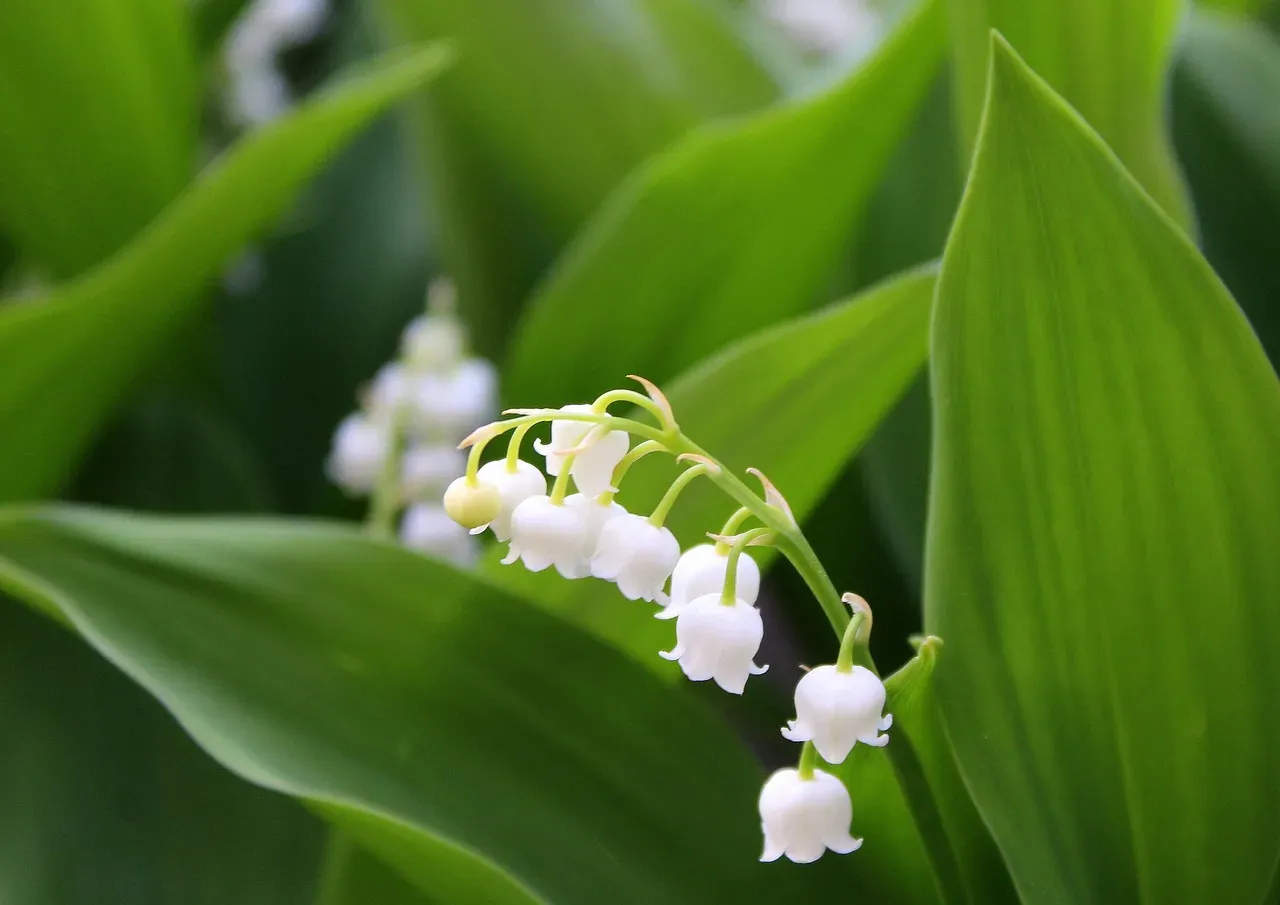
Lily of the Valley is a fragrant flowering plant that contains cardiac glycosides, compounds that can affect the heart’s rhythm and function. Ingestion of lily of the valley leaves or flowers can result in symptoms such as vomiting, diarrhea, drooling, weakness, and potentially life-threatening cardiac arrhythmias. It is one of those plants where the seriousness of the risk feels disproportionate to how delicate and innocent the plant looks.
Cardiac glycosides are the most dangerous class of plant toxin. Plants including foxglove, lily of the valley, oleander, and rhododendron all contain compounds that interfere with the sodium-potassium pump in heart muscle cells. Disruption of this pump causes abnormal electrical conduction in the heart, leading to arrhythmias that can be rapid, irregular, or both. Even small quantities of these plants can produce life-threatening cardiac effects in dogs, and treatment requires aggressive veterinary management including cardiac monitoring.
Lily of the Valley is commonly used in spring bouquets and as a delicate garden ground cover. Its low-growing habit means it sits right at a dog’s nose level. If you grow it or receive it as a cut flower arrangement, treat it with the same seriousness as any other cardiac toxin. Time matters – prompt action and professional veterinary care are crucial in managing potential poisoning cases effectively.
10. English Ivy: The Climbing Classic That Climbs Into Danger

English ivy causes abdominal pain, vomiting, and diarrhea in dogs. It is one of the most popular plants for trailing over shelves and decorating garden fences, and its hardiness and fast growth make it a go-to for interior styling. That widespread appeal, combined with relatively low awareness about its toxicity, is what earns it a place on this list.
English ivy is an evergreen perennial that makes a great ground cover, building crawler, or houseplant. It is very hardy and attractive, but somewhat toxic to dogs. Symptoms include mouth pain, swelling in the mouth or throat region, vomiting, oral pain, skin irritation, and coughing. Ingestion of ivy leaves or berries may also result in symptoms such as drooling, vomiting, diarrhea, abdominal pain, and difficulty swallowing.
One helpful behavioral cue: dogs that have chewed ivy may suddenly start rubbing their face against furniture or pawing at their mouth, which signals oral irritation. Use hanging baskets, tall plant stands, or closed rooms to limit access. Even if a plant is considered non-toxic, it is safest to treat all plants as off-limits for dogs. That general rule of thumb will serve you well across every room in your home.
What to Do If Your Dog Ingests a Toxic Plant
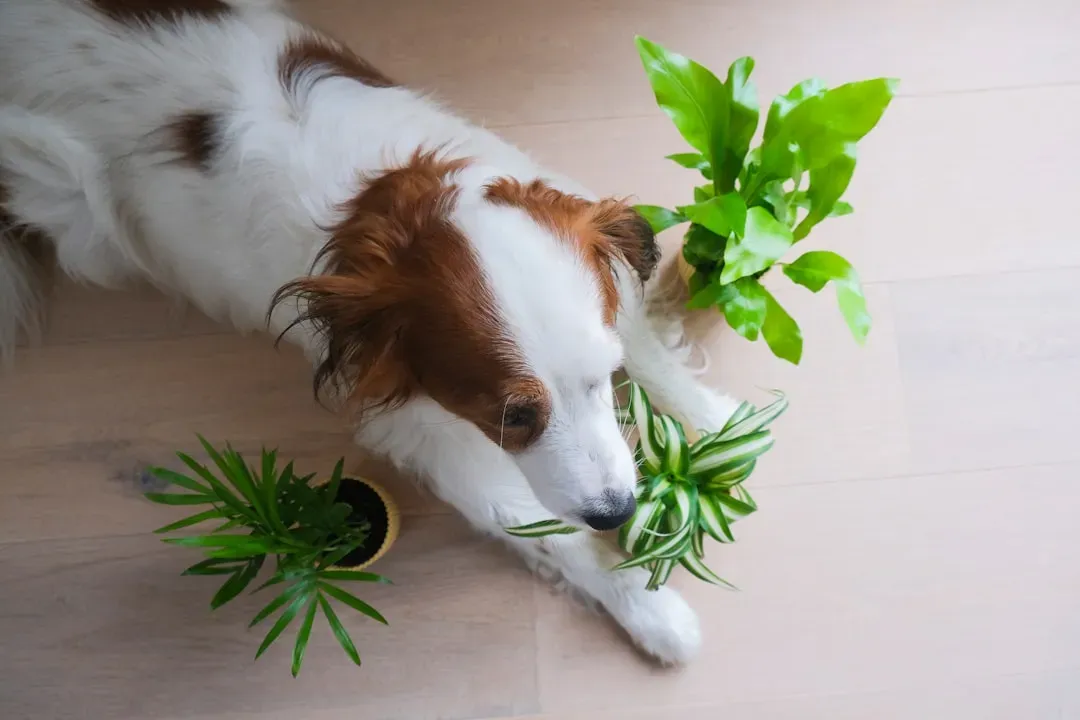
Acting quickly is everything. Remove your dog from the source of the toxin immediately. Then call your veterinarian, Pet Poison Helpline (855-764-7661), or ASPCA Animal Poison Control (888-426-4435). These lines are staffed around the clock and can advise you on whether immediate emergency care is necessary based on the plant and the amount ingested.
Do not induce vomiting unless specifically instructed by a professional, as it can sometimes cause more harm. This is especially true for plants like philodendron and dieffenbachia, where vomiting can worsen throat irritation. It is ideal if you are able to tell the vet what type of plant your dog ate and the approximate amount, so they can advise the best course of treatment. If possible, take a photo or bring a cutting of the plant with you to the clinic.
Dogs don’t instinctively know which plants are dangerous, and because every dog reacts differently, even small exposures can have big consequences. Prevention, supervision, and education are your best defenses. Protecting your dog starts with knowing what’s in your home and yard – and making smart choices to keep your companion safe.
Conclusion: A Greener Home Can Still Be a Safe Home
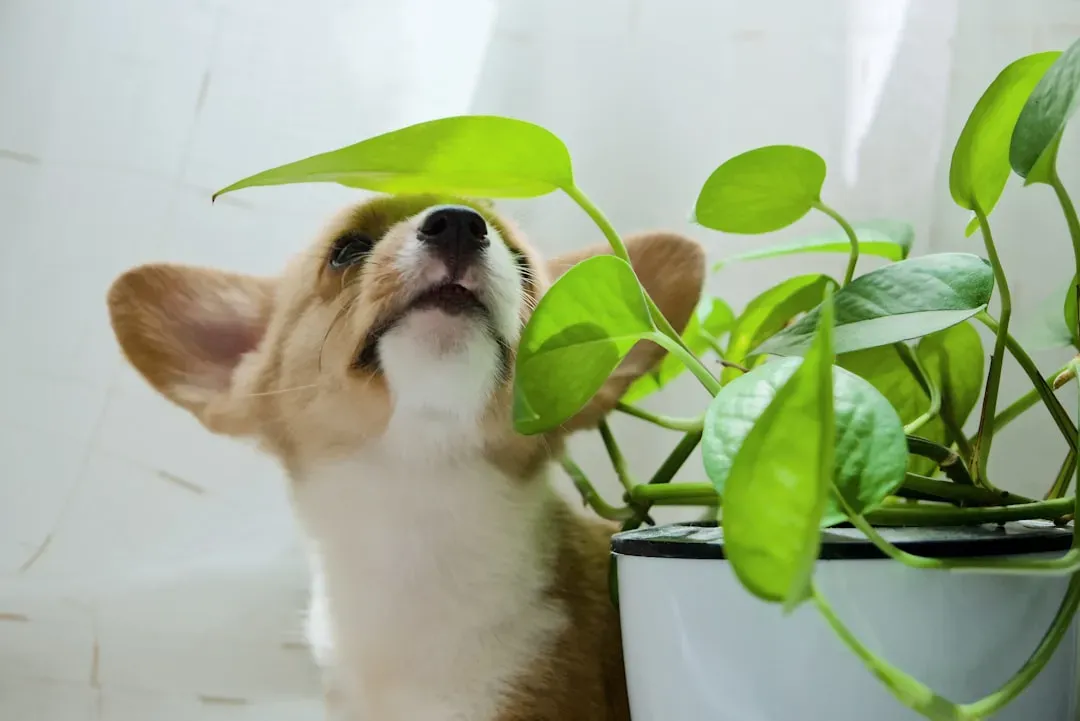
None of this means you have to choose between plants and your dog. It simply means being intentional. Walk through your home today, check every plant you own, and cross-reference with a reliable source like the ASPCA toxic plant database. If a plant is on the danger list, either rehome it or move it somewhere permanently inaccessible.
There are a wide variety of pet-safe houseplants that dog parents may want to consider in place of toxic ones for peace of mind. If you love the look of tulips and daffodils, consider flowers like marigolds, roses, sunflowers, and zinnias, which make for equally lovely alternatives that don’t pose a health risk to dogs. Spider plants are a great-looking and non-toxic alternative to many hanging plants, as are Boston ferns and ponytail palms.
Your dog trusts you with every corner of their world – the food bowl, the walk route, the backyard, and yes, the living room décor. That trust is worth a few minutes of research and maybe one phone call to your vet. A safer home doesn’t have to be a bare one. It just has to be a thoughtful one.


