
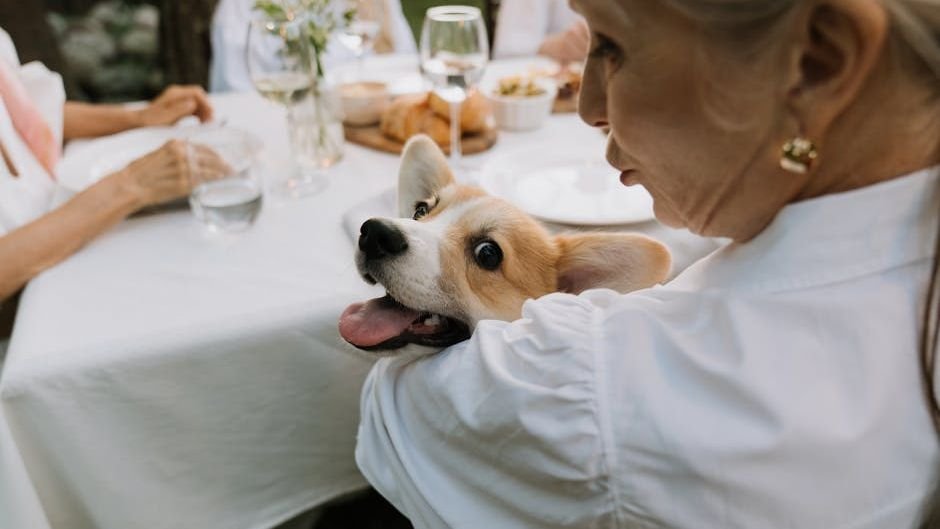
There’s a quiet shift that happens when your dog gets older. The fetch sessions get shorter. The stairs take a little longer. They sleep a bit more, greet you with a little less fanfare. It’s easy to chalk it all up to “just getting old” and leave it there. Most of us do, at least for a while.
The truth is, many behaviors that look like normal aging are your senior dog’s only way of saying something’s wrong. Dogs are remarkably good at hiding pain and discomfort, which means the signals they do give us often look like habit changes rather than health alarms. Don’t assume your dog is “just getting old” and that nothing can be done. Many changes in behavior can be signs of treatable medical disorders, and there are a variety of therapies that can comfort your dog and manage symptoms, including any pain they might be experiencing.
This guide walks through 18 of those hidden signals, one by one, with the clarity and care your dog deserves.
1. Sleeping Far More Than Usual

All senior dogs sleep more. That part is normal. What’s less normal is when your dog starts sleeping through activities they used to love, like mealtime excitement, the jingle of the leash, or the arrival of a favorite person. General lethargy, possibly paired with listlessness and depression, may signal that your senior dog is more than just sleepy: they might be ill.
Metabolic health, how the body manages blood sugar, weight, organ function, and energy, can change as a dog ages. Organs such as the thyroid gland, kidneys, and liver play an important role in regulating metabolism. As dogs get older, these organs may be affected by age-related disease. Pet parents might notice these changes as shifts in appetite, unexplained weight gain or loss, lower energy levels, or a general sense that your dog just doesn’t seem quite like themselves. If the sleep feels heavy and disconnected rather than just restful, it’s worth a vet call.
2. Wandering the House at Night
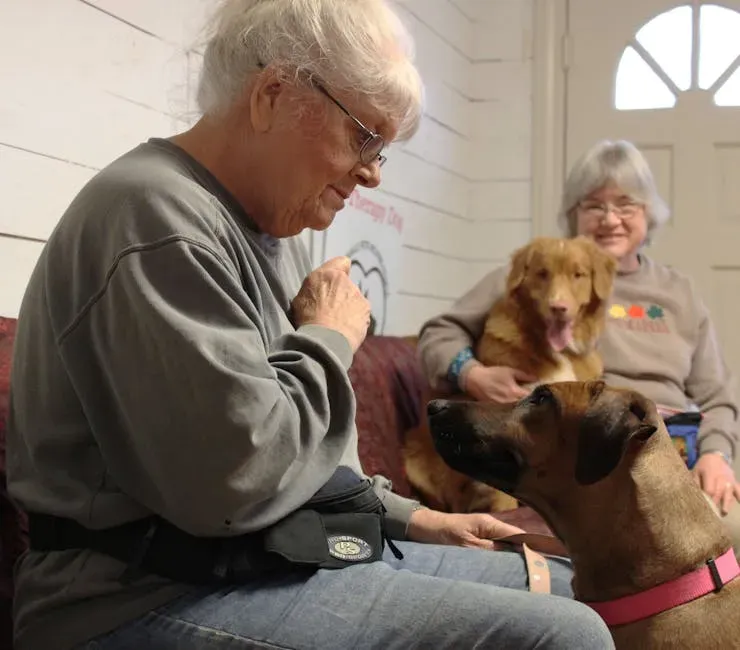
Many aging dogs develop a habit called the “midnight walks” that causes them to roam throughout the house at night. If you’re waking up to the sound of paws clicking on the floor at 2 a.m., this isn’t your dog being quirky. It’s often one of the earliest signs of cognitive decline.
Senior dogs can suffer from cognitive decline or senility, known as canine cognitive dysfunction (CCD), similar to Alzheimer’s. Often symptoms are first noticed as confusion, agitation, restlessness, and vocalization during the evening hours, known as “Sundowners Syndrome.” Practical steps can help. Add nightlights so they can see clearly and are less likely to get stuck. For some dogs, going for an extra walk right before bedtime can wear them out, leading to longer, deeper sleep.
3. Having Indoor Accidents After Years of Good Habits
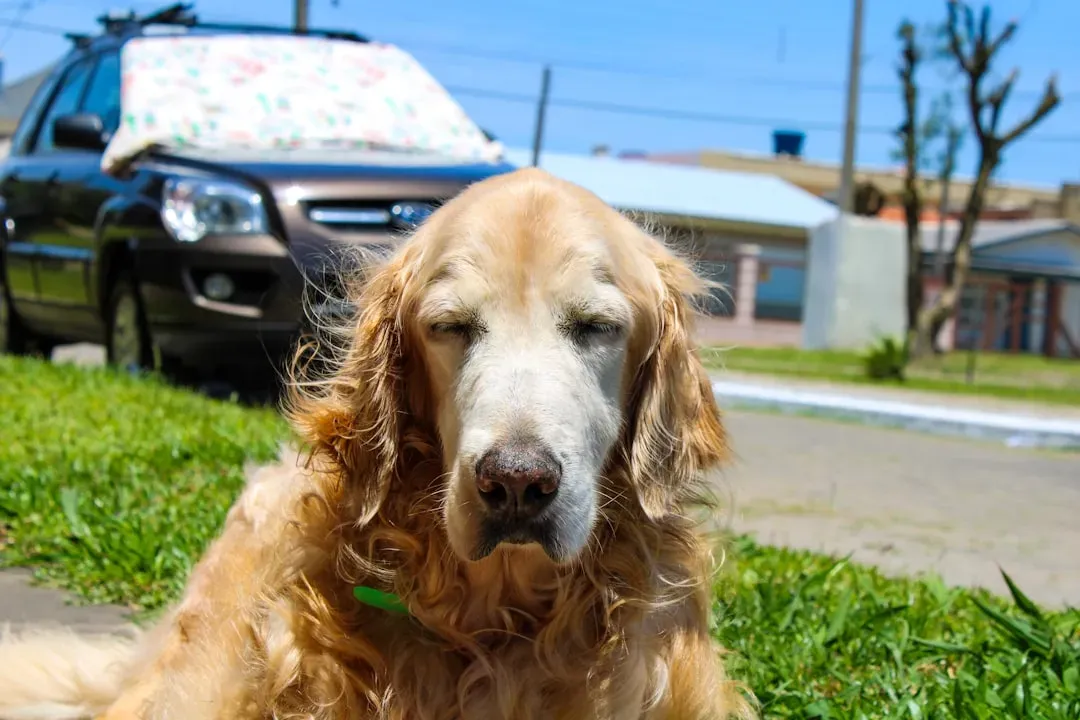
House soiling, including urinary and fecal incontinence, could be due to difficulty finding the door or trouble remembering their potty training from cognitive dysfunction, trouble with physically getting up or walking outside from arthritis, age-related incontinence especially in females, or a health problem such as a UTI or kidney disease. In other words, a puddle on the floor is rarely about attitude.
Medical conditions such as diabetes and kidney disease trigger an increase in thirst, which can contribute to house soiling. Increased water consumption creates a need to urinate more often. Never scold a senior dog for an indoor accident. Instead, schedule a vet visit promptly to rule out the underlying cause. House soiling due to dementia may be tricky to control, so start by taking your dog to the veterinarian to rule out bladder infections.
4. Sudden Clinginess or Overdependence

Some senior dogs need constant contact and become overdependent and clingy. If your once-independent dog now follows you from room to room, sits pressed against your leg, or panics when you leave, this shift in attachment is worth paying attention to. It often points to growing anxiety rooted in physical or cognitive changes.
Increased anxiety is also common in seniors, often secondary to mental or physical changes that leave them feeling like less than their best selves. Some older dogs even develop separation anxiety at night, when you’re asleep and not responsive to them. Keeping a consistent daily routine can reduce anxiety significantly, and your vet can help identify if there’s a medical reason driving the behavior.
5. Withdrawing from Family Interactions

The flip side of clinginess is equally concerning. Some senior dogs become less interested in petting, interactions, greeting people, or other dogs. When a dog who used to race to the door now barely lifts their head when you arrive home, something has changed beneath the surface. Social withdrawal is one of the quieter distress signals dogs send.
Behavioral changes may be one of the first signs of aging you notice. Dogs may become more irritable or reluctant to engage in their old favorite activities if they’re struggling with pain or discomfort due to arthritis or another condition. Withdrawal paired with a change in appetite or mobility is a combination that really does need professional attention rather than a wait-and-see approach.
6. Unexplained Weight Loss or Gain
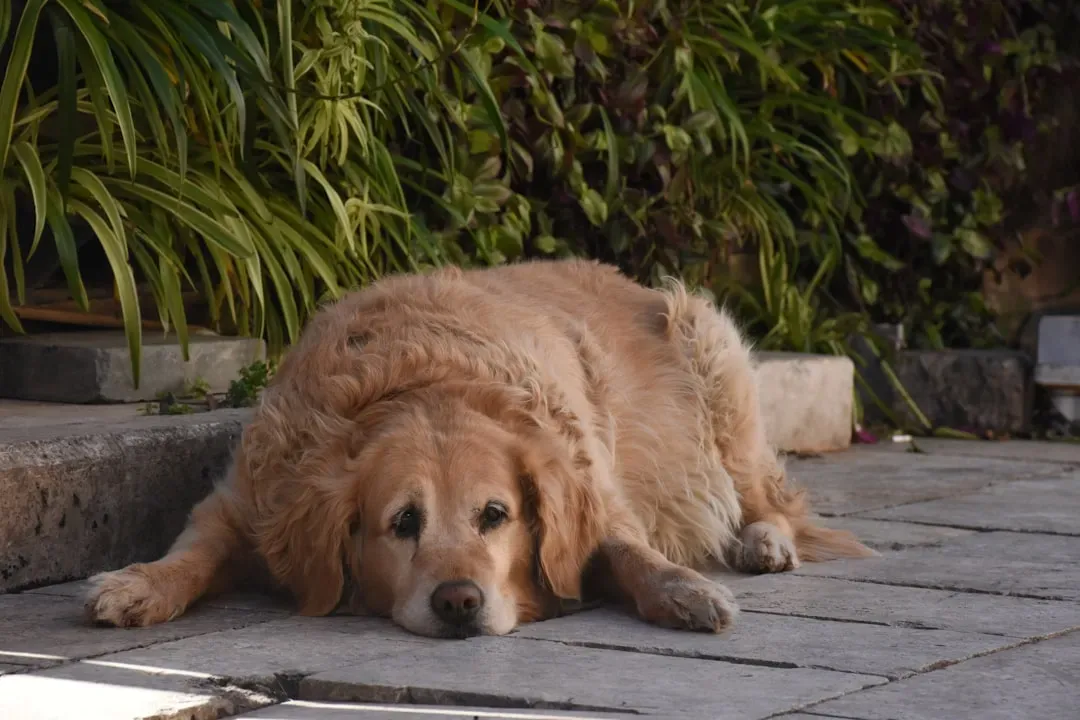
Some older dogs gain weight due to slower metabolism, while others lose weight due to muscle loss or health problems. Neither extreme should be brushed aside as inevitable. Weight changes in senior dogs are among the clearest windows into what’s happening inside their bodies, even when everything else seems fine.
Weight loss could be the result of reduced muscle mass, which is common in older dogs, or it might be caused by reduced appetite, poor absorption of nutrients, or a digestive illness. If your dog loses more than 10% of their body weight in a few months, or even in a year, consult your vet. Weight changes can also signal medical issues such as hypothyroidism, kidney disease, diabetes, or dental pain, so a checkup is recommended before altering your dog’s diet.
7. Increased Vocalization: Whining, Crying, or Barking
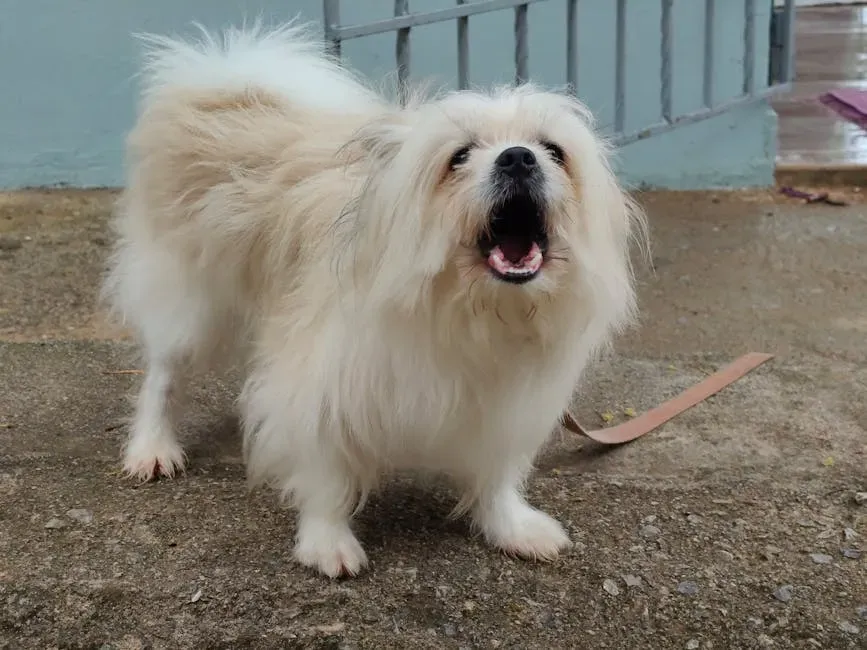
Increased whining, crying, or barking could be a sign of cognitive dysfunction, loss of hearing (they can’t hear how much noise they’re making), pain, or anxiety. A senior dog that starts vocalizing more, especially at night or seemingly without reason, is communicating something they have no other language to express.
It can feel frustrating, especially when sleep is disrupted. Try to reframe it as your dog reaching out. Senior dog anxiety may be a sign that your dog is ill and in pain, or it might be a sign of canine cognitive dysfunction, very commonly called “dog dementia.” If your dog appears disoriented or confused, seems increasingly anxious and is more socially withdrawn, they may be suffering from this condition. Always report new or worsening vocalization to your vet at the next visit.
8. Stiffness and Hesitation to Move
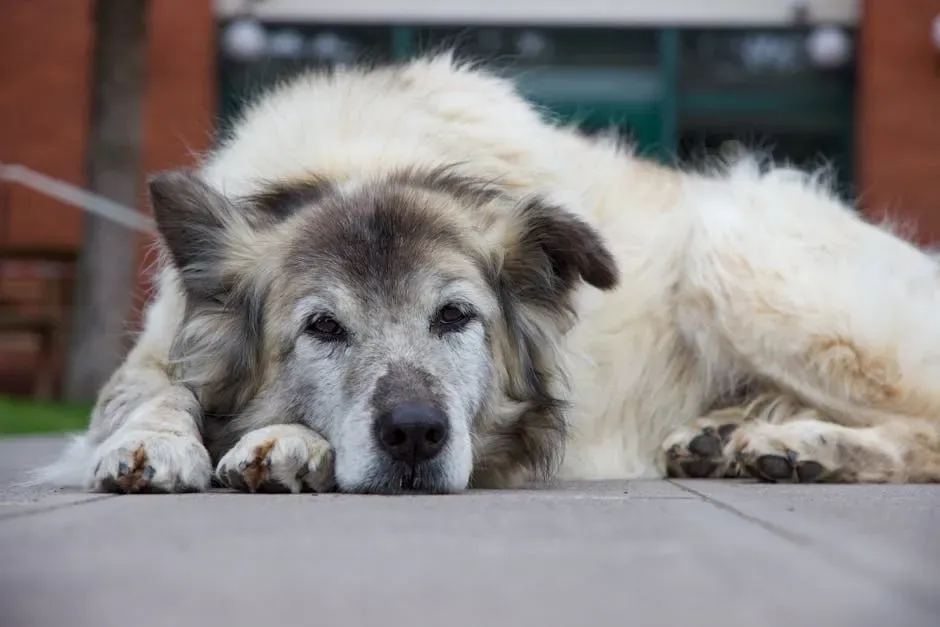
Arthritis is a significant concern. As dogs age, cartilage between their joints can become inflamed or damaged, causing swelling, pain, and stiffness. You might notice them limping, walking stiffly, having trouble standing, exhibiting aggression, or even licking their joints. That morning stiffness after a long nap isn’t just age. It’s often pain.
Giant breeds might start developing senior health issues, especially arthritis, at 5 to 7 years old. This is earlier than many owners expect. Medicines, diet changes, exercise, and assistive devices like ramps or orthopedic bedding are options to relieve arthritis. Don’t wait until your dog stops moving well before addressing it. Earlier intervention means more comfort, sooner.
9. Disorientation and Getting “Stuck” in Corners
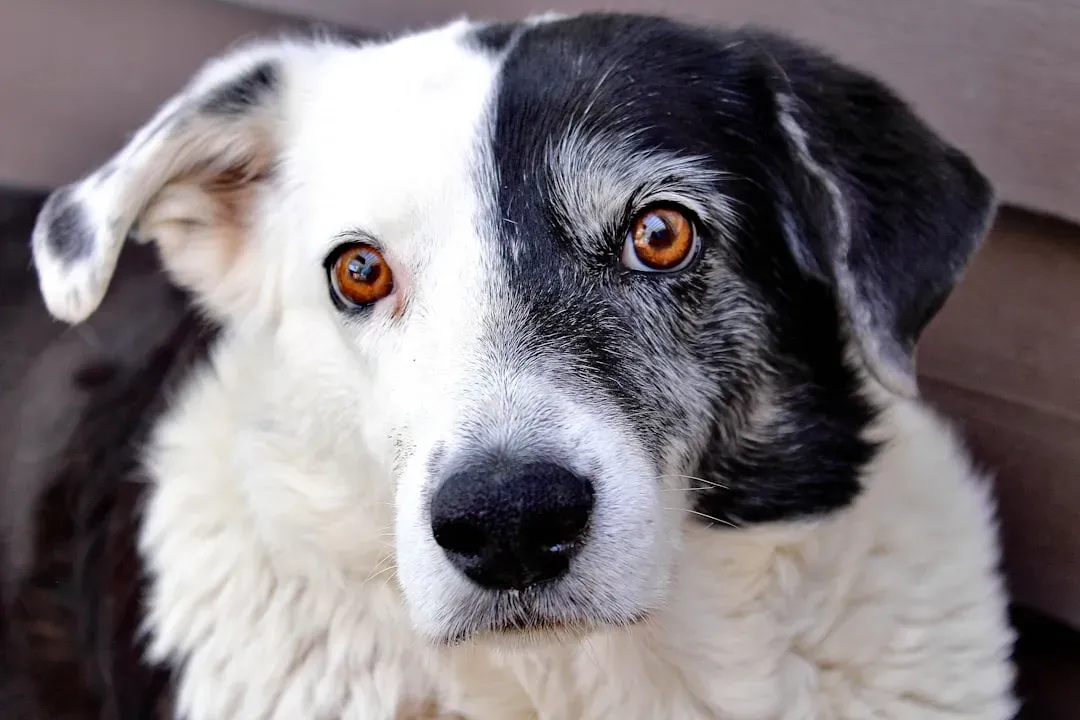
A common senior dog behavior problem is disorientation and confusion. Your dog may start to experience disorientation while navigating their surroundings or become confused about where they are going. Other signs of confusion to watch for include your dog suddenly forgetting tricks they used to know well.
Dog dementia, or Canine Cognitive Dysfunction (CCD), is a progressive brain condition that affects senior dogs. Much like Alzheimer’s disease in humans, it causes physical and chemical changes in the brain that impact memory, awareness, and learning. Research shows that over 60% of dogs older than 11 years show at least one sign of cognitive decline. Yet many families assume these symptoms are just “old age,” when recognizing them early can help your dog stay comfortable longer.
10. Changes in Sleep-Wake Cycles

One sign of age-related behavioral health problems may be senior dogs’ behavior changes in the sleep-wake cycle. These problems may also indicate various physical problems or cognitive decline. It’s essential to monitor changes like this and contact your veterinarian when you suspect your dog isn’t sleeping like they used to.
Restless sleep or a reversed day-night schedule, meaning your dog is more active at night and more lethargic during the day, is among the most frequent behavior changes pet parents report in senior dogs. A reversed schedule is particularly disorienting for the whole household. It often responds well to structured daytime activity and, in some cases, veterinary-guided interventions designed to restore a healthier rhythm.
11. Bad Breath That Seems Worse Than Usual

While bad breath in dogs can be common at any age, if your dog seems to suddenly have awful breath, it could indicate gum disease, tooth decay, or oral infection. Senior dogs are especially prone to dental disease, and the pain associated with it can quietly affect eating behavior, mood, and overall quality of life.
Bad breath, or halitosis, is common with dental disease. It can also be a sign of an internal problem, like kidney disease. Just like humans, dogs also need preventative dental cleanings and dental X-rays. Dental disease and pain can be very subtle and difficult to determine without routine visits to your veterinarian. A breath check is a surprisingly useful health check.
12. Loss of Interest in Food or Changes in Eating Habits
As dogs age, the number of taste buds they have decreases. That decrease coupled with a decreased ability to smell may affect your dog’s desire to eat. Food simply becomes less tasty. This is a physiological reality of aging, but it’s also a reason to stay watchful. A dog that stops eating reliably is a dog that needs attention.
Pet parents might notice these changes as shifts in appetite, unexplained weight gain or loss, lower energy levels, or a general sense that your dog just doesn’t seem quite like themselves. Any of these signs are worth discussing with a veterinarian, since metabolic changes can sometimes be managed more effectively when caught early. Warming up food slightly can help entice a dog with reduced smell sensitivity, but always pair that with a vet check.
13. Increased Aggression or Sudden Irritability
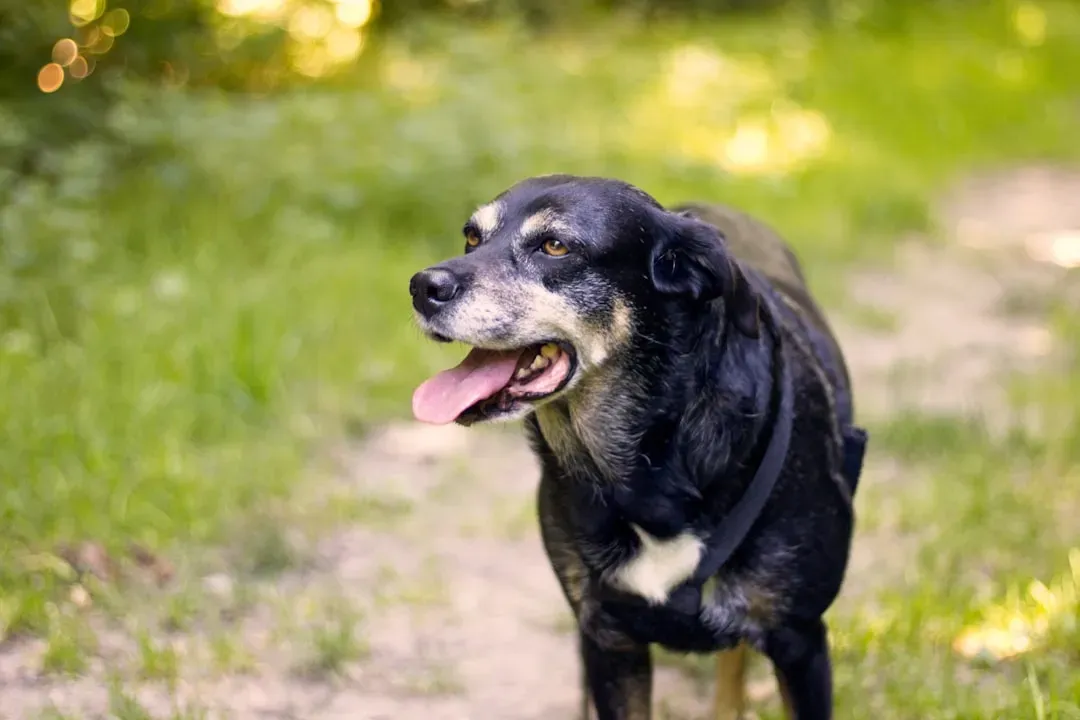
Aggression in older dogs can be a sign of physical or cognitive concerns. If your older dog is aggressive, they might be in pain, which is causing them to act aggressively contrary to their usual nature. A dog that snaps when touched near their hips, neck, or legs is almost certainly hurting. That growl is not defiance. It’s a distress signal.
Medical conditions that affect your dog’s appetite, mobility, cognition, senses, or hormones can lead to increased aggression, as can conditions that cause pain or irritability. Never punish a senior dog for aggression without first ruling out a pain-based cause. Aggression can’t be effectively treated until a diagnosis has been made and the cause has been determined. Work with your vet before assuming it’s behavioral.
14. Cloudy or Glazed-Looking Eyes
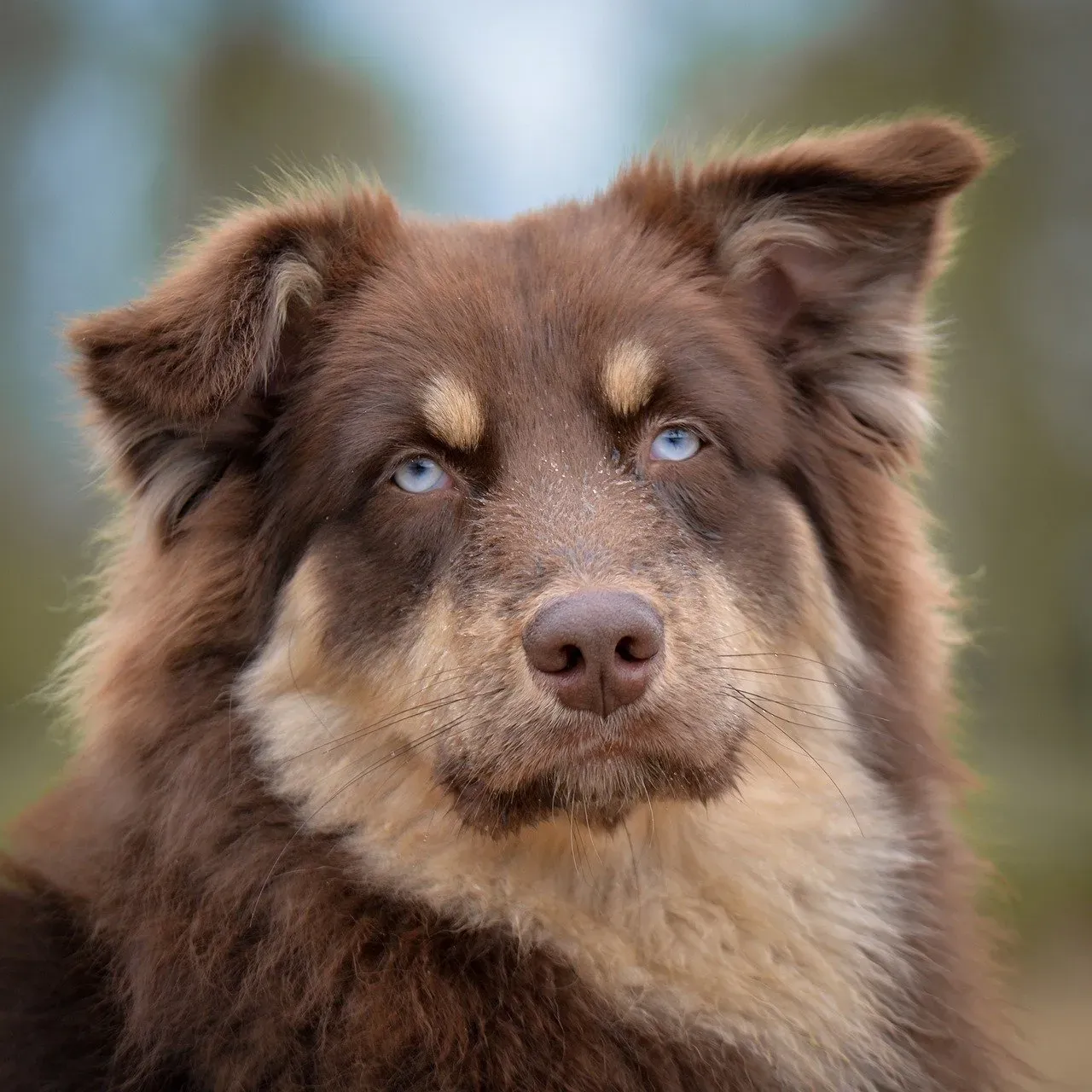
Eye cloudiness can happen so gradually that you might not notice it right away. While it’s a fairly common occurrence in senior dogs and doesn’t always affect vision, it may also be a sign of canine cataracts or other eye diseases, most of which are easily treatable. The key word there is “treatable,” which is why not ignoring it matters.
Your dog may start bumping into things or have trouble locating familiar objects on the floor, which could signal vision loss. Minimizing rearranging or adding furniture to the areas your dog has access to will keep their environment familiar and make it easier for them to get around if their eyesight is failing. Small environmental adjustments can make a meaningful difference while you seek a veterinary evaluation.
15. Excessive Licking of Paws or Joints

Altered activity levels can include a dog losing interest in toys or developing repetitive behaviors like pacing or licking. Repetitive licking of the paws, legs, or joints is rarely random. In senior dogs, it often points directly to a localized source of pain or discomfort, particularly in the case of arthritis or skin changes associated with aging.
We might notice older dogs limping, walking stiffly, having trouble standing, exhibiting aggression, or even licking their joints as signs of arthritis. If the licking is focused on one area and consistent over days or weeks, that specific spot deserves veterinary attention. It may also indicate allergies or a developing skin condition that responds well to early treatment.
16. Reduced Responsiveness to Commands or Their Name
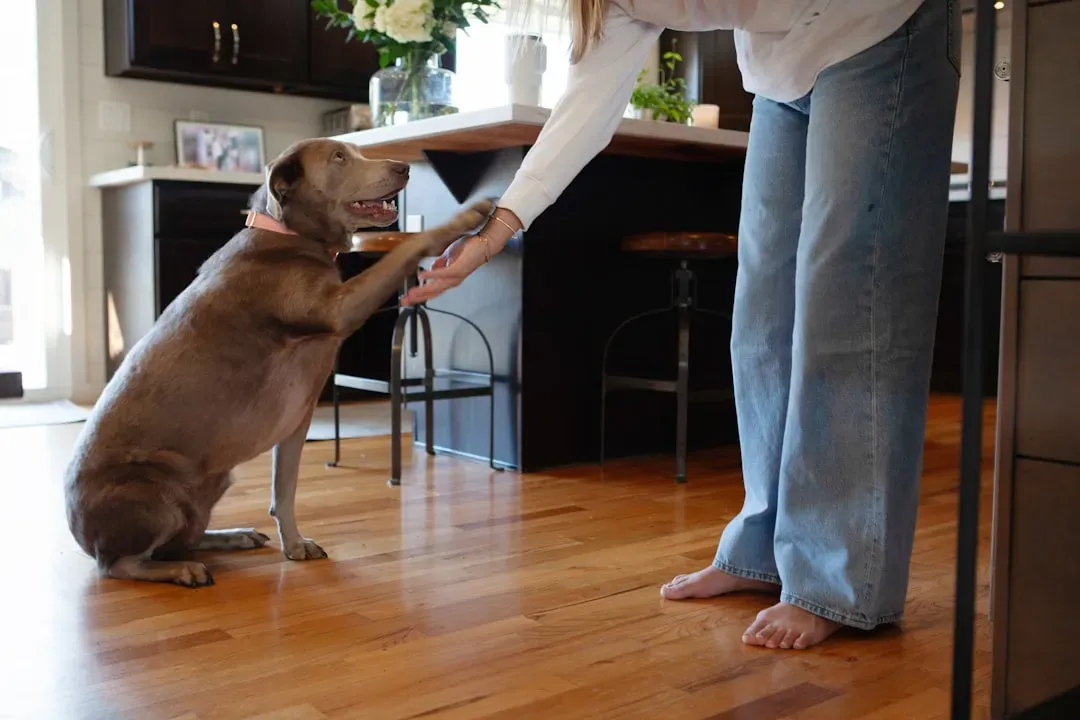
If your dog is less responsive or stops responding to commands altogether, they are either experiencing a gradual loss of hearing or vision, or they’re experiencing cognitive changes and don’t know how to respond, meaning they don’t fully understand you anymore. It can look like stubbornness. It rarely is.
Your dog may also be less responsive to voice commands if they have some hearing loss. It may be beneficial to teach them hand signals before this occurs, as this allows you to continue communicating with your dog regardless of their ability to hear you. Starting hand signal training early, while your dog still hears well, is one of the most practical things you can do to prepare for this transition.
17. Pacing, Circling, or Repetitive Movements

Repetitive actions such as pacing, circling, staring, or excessive licking are among the behavior changes that warrant veterinary attention in senior dogs. Pacing that happens without purpose, especially when it occurs at the same time each day or ramps up in the evening, is a hallmark sign of cognitive dysfunction and sometimes of pain-related restlessness.
Behavioral changes like restlessness, panting, or house soiling can be caused by dog dementia or by other medical conditions such as infections, arthritis, kidney or liver disease, or Cushing’s disease. Because these symptoms overlap, it’s important to speak with your veterinarian for proper diagnosis. Keeping a simple behavior log at home, noting when pacing occurs and for how long, gives your vet genuinely useful information to work with.
18. Drinking Dramatically More Water Than Usual
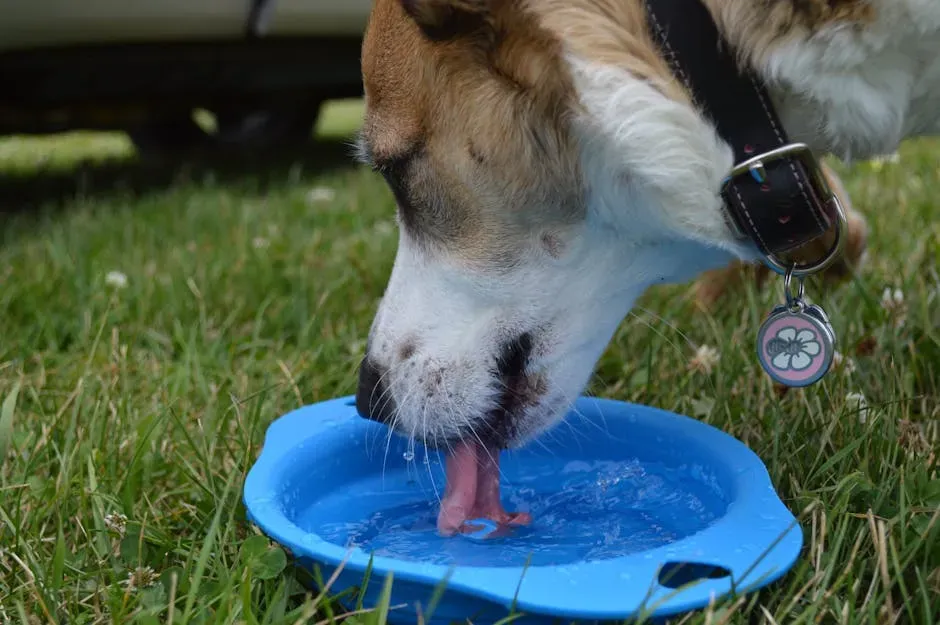
This one is easy to miss because it doesn’t look like a behavior problem. It looks like a thirsty dog. Medical conditions such as diabetes and kidney disease trigger an increase in thirst, which can contribute to house soiling. Increased water consumption creates a need to urinate more often. Increased thirst almost always signals that something systemic is happening inside your dog’s body.
Kidney disease is a frequent issue in senior dogs, affecting waste removal from the body. Symptoms include increased thirst and urination, weight loss, and fatigue. Regular blood and urine tests can help your vet monitor your dog’s kidney function. If you notice you’re refilling the water bowl far more than normal, track it over a few days and bring that information to your vet. It’s the kind of detail that can lead to an early diagnosis.
What Every Senior Dog Owner Should Do Next
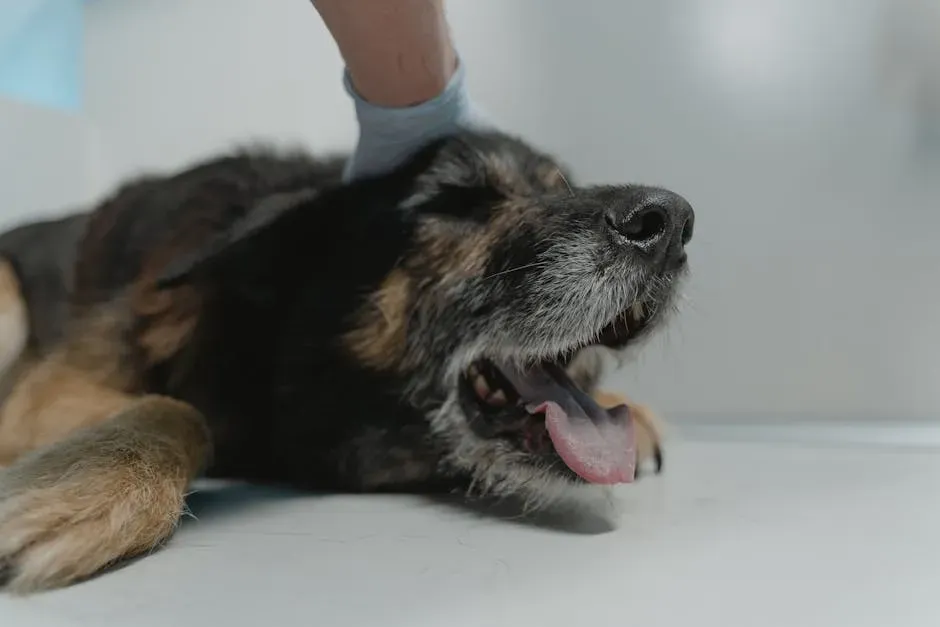
Pursue regular veterinary care as a core part of your senior dog’s routine. Since dogs age faster than people, your vet might recommend checkups at least twice a year. This can help uncover diseases in the early stages, possibly before symptoms show, and when treatment is much more likely to be successful.
Supporting your senior dog is a team effort. In addition to your family and veterinary team, consider involving your groomer, dog walker, or boarding professionals. Multiple sets of eyes can catch subtle behavior changes early, giving you the opportunity to address concerns with your veterinarian and support your senior dog’s comfort and quality of life as they age.
Medication, behavior modification, and changes in the environment can all be used to improve behavior in pets of any age. Small home adjustments, such as orthopedic bedding, traction, and mental enrichment, can greatly improve comfort and quality of life. You don’t have to overhaul everything at once. Small, thoughtful changes compound over time into a meaningfully better quality of life for your dog.
Conclusion: Listen to the Quiet Things

Dogs don’t write us letters. They can’t call us over and explain that their joints hurt or that they’re confused by their own house. What they do instead is change their habits, slowly and sometimes so subtly that we almost miss it. That’s why knowing what to look for matters so much.
As they age, our dogs often suffer a decline in functioning. Their memory, their ability to learn, their awareness, and their senses of sight and hearing can all deteriorate. Aging can also change their social relationships with us and other pets in the home. Understanding the changes your dog is undergoing can help you compassionately and effectively respond to behavior problems that may arise in their senior years.
Your senior dog has given you years of loyalty, warmth, and presence. They ask very little in return. Paying attention to the quiet signals they send, the hesitations, the changes in routine, the new habits that feel odd, is one of the most meaningful things you can do for them now. The golden years don’t have to be defined by decline. With attention and care, they can still be genuinely good.


