
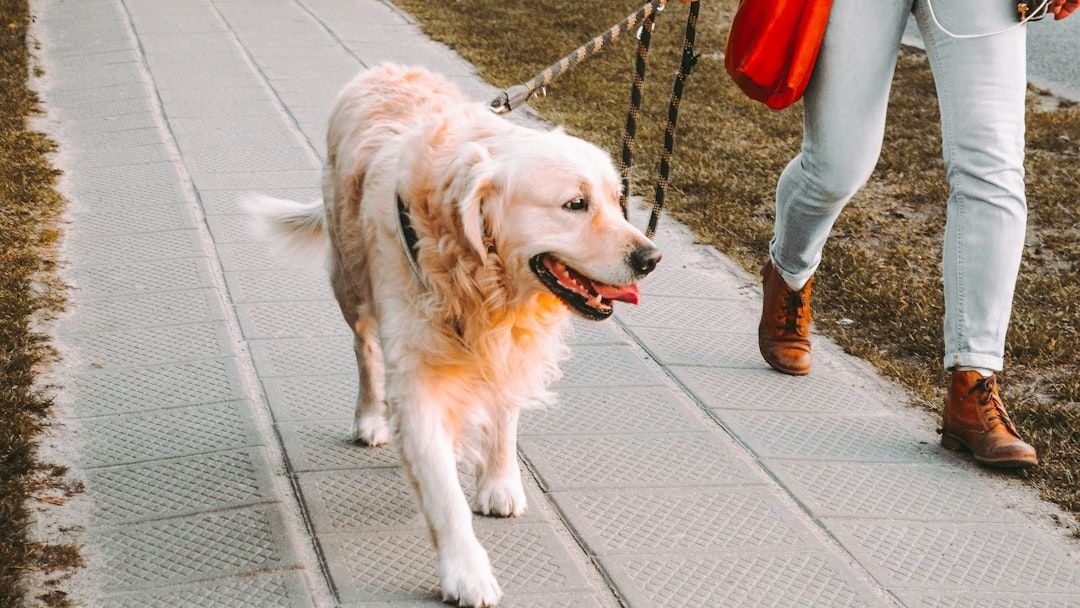
Picture this: your dog is sitting by the front door, leash in mouth, giving you that look. You know the one. It’s unwavering, patient, and just a little dramatic. Most of us laugh it off and grab our shoes, thinking we’re doing our dog a small favor before dinner. The truth is, that daily outing is one of the most powerful things you can do for your dog’s health, and it goes so much deeper than bathroom breaks and a bit of fresh air.
Studies have shown that dogs who are walked regularly live longer, have fewer behavioral issues, and experience better overall well-being. That’s a remarkable return on a 30-minute investment. Whether you have a bouncy Labrador or a dignified senior Beagle, the walk you take together every day is shaping their body, their mind, and their emotional life in ways most owners never fully realize.
The Physical Benefits Go Far Beyond Burning Energy
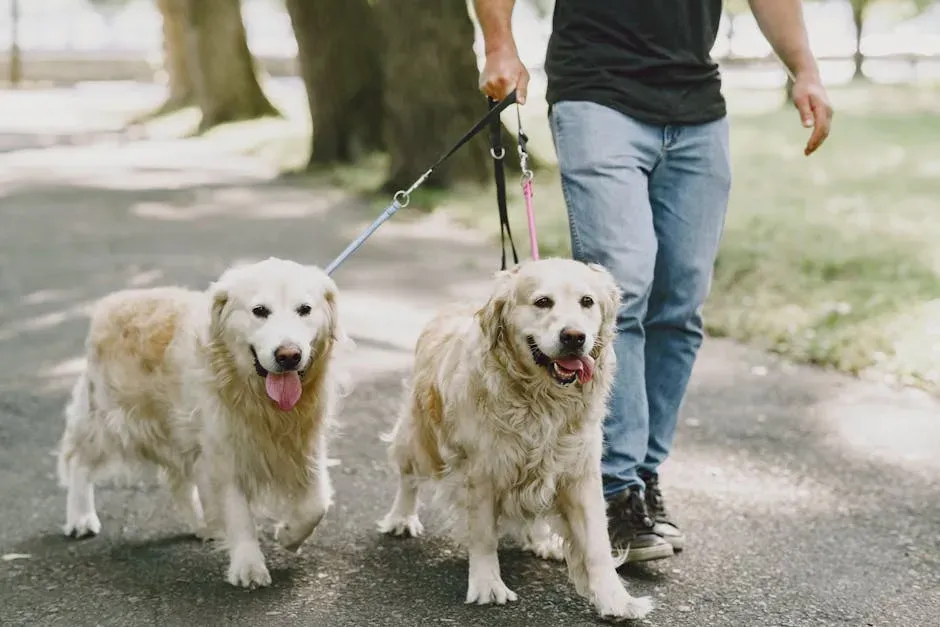
When people think about why dogs need walks, they usually picture a hyper dog that needs to “tire out.” That’s part of it, sure. Walking your dog is a simple task that has a positive impact on many aspects of overall health, including weight control, joint function, heart health, and digestive regularity. It’s a full-body maintenance routine in disguise.
It is estimated that roughly half of dogs in the United States are overweight and a significant portion are obese. Obese dogs do not live as long as lean dogs, and they suffer more heart problems and joint ailments that affect their quality of life. Weight gain in dogs creeps up quietly, especially as they age and metabolism slows. Regular walks help burn calories and keep muscles strong, supporting joint function as dogs age. Dogs who walk at least 30 minutes a day are significantly less likely to develop obesity-related conditions.
Regular walking also helps regulate the digestive tract. Some dogs prefer to follow a schedule, and providing routine trips outdoors prevents constipation. When urine sits in the bladder for long periods, bladder infections are more likely to occur, so regular emptying keeps that part of the anatomy healthy as well. These are the quiet, unglamorous benefits that save real vet bills down the road.
Your Dog’s Brain Needs the Walk Just as Much as Their Body
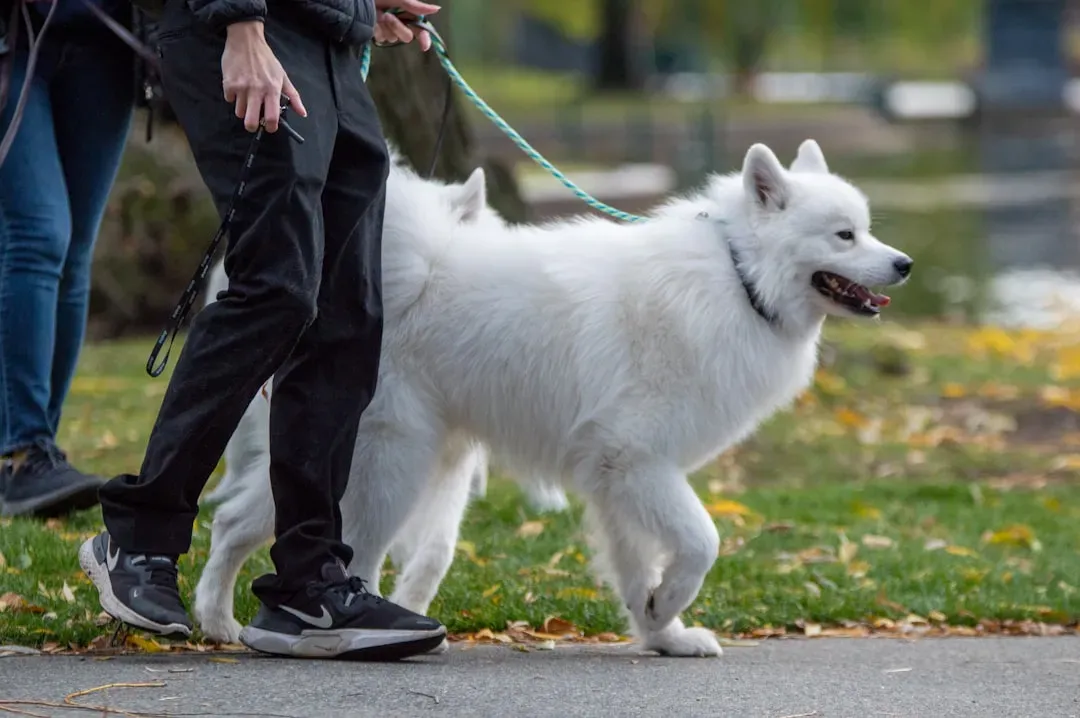
Here’s something most dog owners underestimate: exercise helps to burn off excess energy that, if left unchecked, can lead to anxiety, destructive behavior, and even depression in dogs. During a walk, dogs also get the opportunity to explore their surroundings, which stimulates their minds and keeps boredom at bay. A backyard doesn’t even come close to replacing this.
Walking exercises the mind as well as the body. Watching wildlife, exploring new paths, and seeing other people with their pets are great forms of mental stimulation for your dog that simply cannot be replicated in a fenced yard. Think of every sniff your dog takes on the sidewalk as a news feed – they’re reading the entire neighborhood in a language we can’t access.
Physical exercise also triggers the release of a protein called brain-derived neurotrophic factor (BDNF), which is one of the molecules that results in the growth of new brain cells. That means walks aren’t just keeping your dog fit. They’re literally supporting healthier brain function over time. For senior dogs especially, this kind of regular stimulation can be a meaningful factor in staying sharp longer.
Behavior Problems Are Often Just Unmet Walking Needs
If your dog is chewing furniture, barking relentlessly, or shadowing your every move in a state of obvious anxiety, the walk routine is often the first place to look. Dogs who don’t get enough exercise can become bored, leading to excessive barking, chewing, and digging. Walks provide mental stimulation and an energy outlet to keep them engaged. A well-exercised dog is less likely to act out due to pent-up energy.
Dogs who receive at least 30 minutes of exercise daily exhibit fewer signs of restlessness, anxiety, and depression. Walks help release built-up energy, leading to a calmer, more content pet. Regular walks can even help dogs who suffer from separation anxiety by providing a sense of routine and stability. That’s a significant behavioral shift, driven by something as accessible as lacing up your shoes.
The routine of a daily walk can provide dogs with a sense of security and stability. Dogs thrive on routine, and establishing a consistent walking schedule helps reduce stress and anxiety, making them feel more confident and at ease. When your dog knows the walk is coming, their whole nervous system settles. Predictability is genuinely calming for them, not boring.
The Social World Your Dog Discovers on Every Walk

Dogs are not meant to live in social isolation, and the walk is where much of their social education happens. Socialization is a crucial part of a dog’s development, and regular walks expose them to new experiences. Whether they encounter friendly neighbors, other dogs, or new surroundings, these interactions build confidence and help prevent fear-based aggression. Socialized dogs are generally more well-adjusted and less reactive in unfamiliar situations.
Walking your dog allows them to interact with other dogs they may encounter along the way. This socialization is crucial for their mental well-being and can help them develop proper dog-to-dog communication skills. Meeting and playing with other dogs during walks can reduce the likelihood of fear or aggression towards other animals, making your dog more comfortable and confident in various social settings.
If you have a timid or fearful dog, regular walks can help build confidence and trust. You’ll likely be exposing your pet to other humans and animals, and with you there for comfort, your dog can learn to be comfortable around them. You’re essentially their safety net during every new encounter, and that trust compounds over time into a genuinely more grounded dog.
The Walk Strengthens Your Bond in Ways That Nothing Else Can
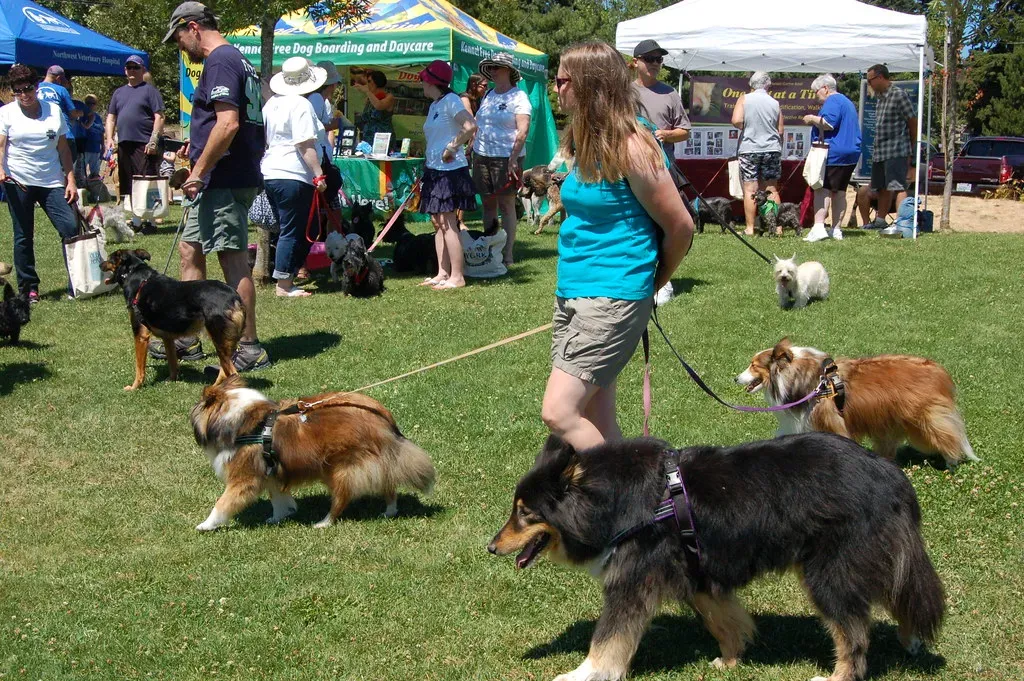
There’s something that happens between a person and a dog on a walk that’s hard to name precisely. It’s not training, exactly, and it’s not play. It’s simply being together in the world, moving at the same pace, paying attention to the same things. Walking your dog strengthens your bond by providing uninterrupted time together. Your dog looks forward to every walk, and this shared joy reinforces feelings of love, trust, and companionship.
Humans have an innate instinct to experience physical connection with others, and dogs share this pattern of behavior, allowing a physical bond between humans and animals. This physical bond can strengthen the emotional relationship between dogs and their human companions. Walking side by side is one of the simplest and most consistent expressions of that bond you can offer your dog every single day.
Research has found that dog walking was associated with lower BMI, fewer chronic health conditions, and fewer doctor visits, as well as more frequent moderate and vigorous exercise. The walk gives back to you too. It keeps both of you healthier, calmer, and more connected, which is a rare thing to get from a single 30-minute habit.
Conclusion

The daily walk is many things at once. It’s physical therapy, mental enrichment, social development, emotional regulation, and a shared ritual that quietly deepens the relationship between you and your dog. A good rule of thumb is to spend at least 30 minutes every day on an activity with your dog, adjusted for their age, breed, and health. That’s not a huge ask for what it gives back.
Dogs can’t tell us when they’re anxious, bored, or lonely. But they show us, every time they sit by that door with their leash. The good news is that responding to that signal is simple, free, and one of the most genuinely caring things you can do as a pet owner. Some of the best things in life really do come with four paws and a wagging tail.


