

Your dog hears the world very differently than you do. While you may roll your eyes at the sound of a garbage truck rumbling by or a smoke detector chirping a low-battery warning, your dog might be in a full-blown panic. It’s not drama – it’s biology. Dogs can hear frequencies up to 65,000 Hz, compared to humans who can only hear up to 20,000 Hz, and their heightened hearing ability makes them far more sensitive to sounds, allowing them to detect noises at much lower volumes than we can.
Canine noise aversion or phobia is a serious medical condition affecting approximately between a quarter and half of dogs in the United States, and dogs with this condition experience extreme fear and anxiety triggered by specific loud noises. The tricky part? Studies have found that owners often underestimate their dogs’ fearfulness, with the majority of people in online videos responding with amusement rather than concern over their dog’s welfare. If any of the sounds below make your dog suddenly bolt for the bathroom, tremble behind your legs, or refuse to eat, this article is for you.
1. Thunderstorms

Thunder is one of the most recognized triggers for canine fear, but the storm itself is just part of the problem. Besides the loud booms caused by thunderstorms, changes in barometric pressure, the smell of rain, and the appearance of storm clouds may all be involved in causing fear during a storm. That means your dog may start spiraling with anxiety well before you even hear a single rumble.
Many dogs can sense an approaching storm long before humans can, leading to anticipatory anxiety. You might notice your dog pacing, panting, hiding, or pressing close to you even when the sky still looks clear. To help, for a fear of outside sounds such as thunder, use an interior room, away from windows, and close blinds to block out visual cues like lightning. If you know a storm is coming, give your dog plenty of exercise beforehand – this can help burn off the nervous energy that would otherwise go toward anxious behaviors.
2. Fireworks

Few sounds hit a dog’s nervous system quite like fireworks. The unpredictable nature and intense volume of fireworks make them especially terrifying for dogs – and unlike thunderstorms, fireworks can occur unexpectedly and create more erratic patterns of noise, making it difficult for dogs to adjust or prepare. The randomness is actually a big part of the problem. There’s no warning, no pattern, no end in sight.
Noise anxiety in dogs is a phobia or strong feeling of fear around loud noises, and it can result in many anxious behaviors or even cause dogs to bolt out of fear and get lost. During firework events, keep your dog indoors with doors and windows closed. Studies suggest that masking sounds should be similar to the noise being masked – repetitive drum beats, for example, could help mask fireworks. Planning ahead matters enormously here. Pay attention to weather forecasts and schedules of holiday fireworks displays so you can prepare your dog before the ruckus starts.
3. Vacuum Cleaners
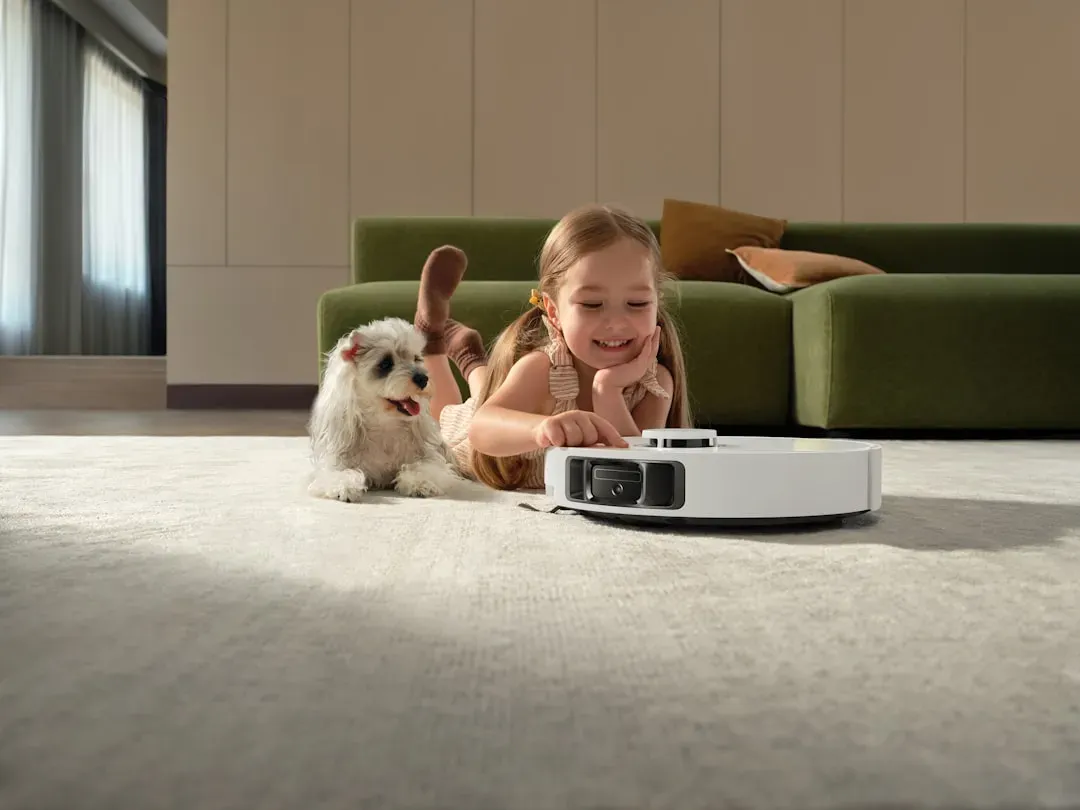
The vacuum cleaner is practically a household villain in the dog world. Dogs can hear different frequencies than humans, so what sounds normal to us can sound sharper and louder to canine ears – and when a dog is used to the regular sounds of the house, it can be a big surprise when a very loud vacuum cleaner that isn’t an everyday sound springs into action. On top of the noise, vacuums also move unpredictably around the room, which adds a second layer of threat.
Vacuums also shake floors and furniture as they roll around, and dogs feel that through their paws and even their whiskers – it’s almost like an earthquake signal, something animals naturally treat as danger. To help your dog cope, before you start vacuuming, give your dog a safe place to retreat to, and introduce your pet to the vacuum cleaner without turning it on first. Gradually, with treats and patience, you can help your dog understand that the noisy machine is not a threat. Unfortunately, this fear can worsen over time if you don’t take action to help your dog adjust.
4. Smoke Detectors and Alarm Beeps
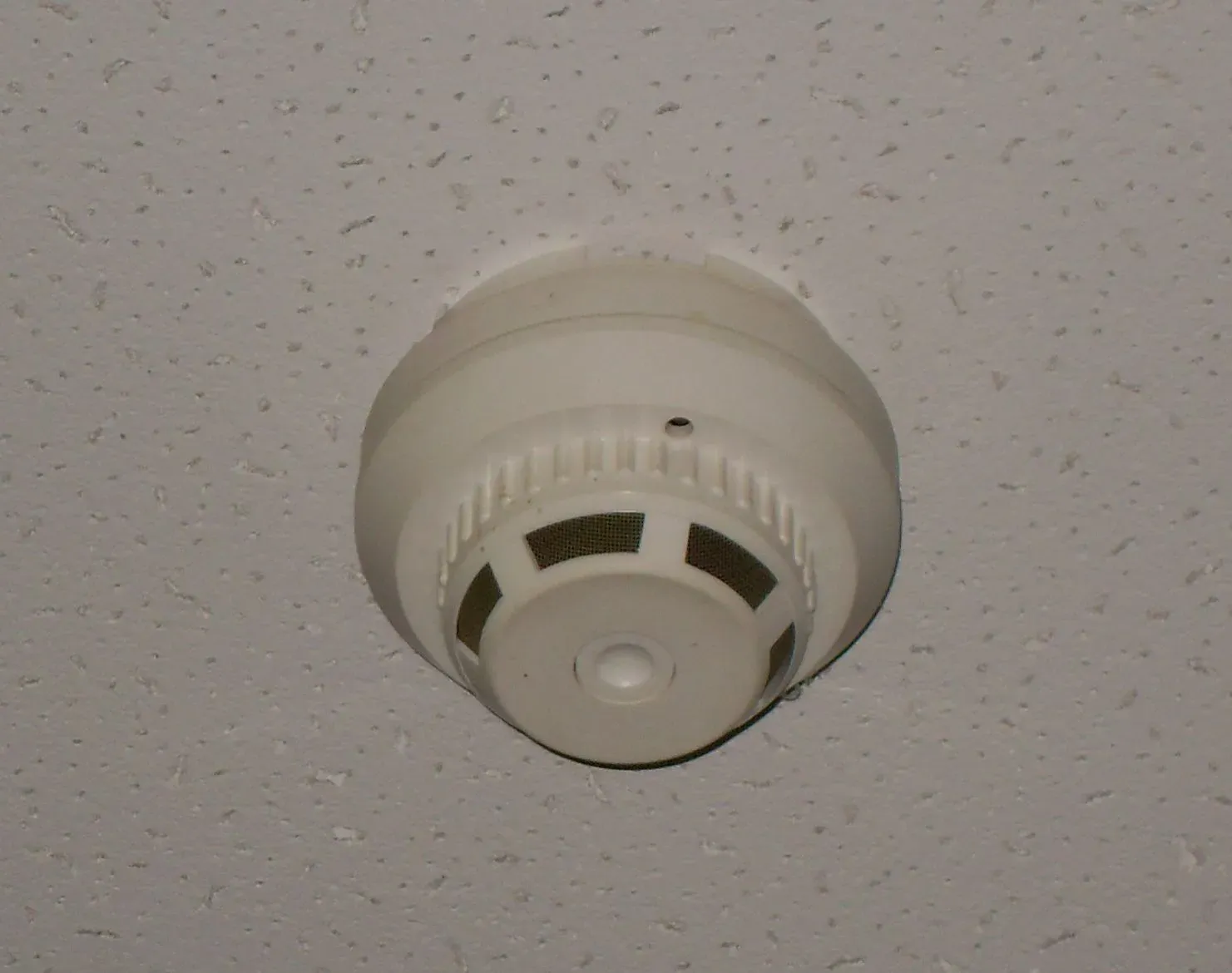
This one surprises a lot of pet parents. That faint, intermittent chirp from a low-battery smoke detector? It can send some dogs into a multi-day panic. More intense signs of fear, such as trembling, were significantly more likely to be seen in the presence of sounds characterized as high frequency intermittent, such as smoke detector beeps. The irregular nature of the beep – you never know when it’s coming – makes it especially unsettling for dogs.
A low-battery warning chirp from a smoke detector was found to be the reason for stress behaviors lasting several days in a dog in at least one documented case. Research has found that high-frequency, intermittent noises such as the battery warning of a smoke detector are more likely to cause a dog anxiety than low-frequency, continuous noise. A simple prevention tip: change the batteries in smoke detectors and carbon monoxide detectors regularly and well before you get the low-battery beep. It’s a small habit that can protect your dog’s peace of mind.
5. Garbage Trucks and Loud Vehicles

That grinding, rumbling noise of a garbage truck making its rounds through the neighborhood might barely register to you. For your dog, it can be a terrifying intrusion. The most common sounds that frighten dogs include thunderstorms, fireworks, gunshots, emergency sirens, construction noise, and loud household appliances – and loud vehicles rank right among them. The combination of deep engine sounds, hydraulic hissing, and sudden clattering creates an unpredictable acoustic storm.
Watch for these subtle stress signals when a truck rolls by: some common signs of anxiety include cringing, trembling, or retreating, but owners may be less able to identify signs of fear when behaviors are more subtle – such as panting, lip licking, turning the head away, or stiffening the body, with ears turning back and the head lowering below the shoulders. If your dog reacts strongly to passing vehicles, try playing calming music or white noise at a low volume during high-traffic times. Over time, the goal is to reduce how much your dog perceives those outside sounds as something to fear.
6. Emergency Sirens

The wail of an ambulance or police siren is one of those sounds that can stop a dog mid-biscuit. Alarms and sirens are sudden, unexpected, and loud sounds that can be very distressing for dogs – whether it’s a car alarm, an ambulance siren, or a smoke detector beeping to tell you it’s time to change its batteries. Some dogs will howl in response, almost as if trying to “answer” the siren, while others will tremble and try to hide.
The high pitch and unpredictable timing are the main culprits. Being afraid of loud noises helps dogs stay safe in potentially dangerous situations, but sometimes their fear is out of proportion to the true level of danger – and this is what sets noise phobia apart from a simple dislike of loud noises. If sirens are common in your neighborhood, consider using a white noise machine indoors to take the edge off. Staying calm yourself matters too – pets often pick up on their owner’s emotional state, and if you remain calm and composed, your pet is more likely to feel secure.
7. Construction Noise

Renovation season, road work, or a neighbor’s building project can create weeks or even months of acoustic stress for a sensitive dog. Construction noise can trigger intense fear or anxiety in dogs – and unlike a thunderstorm that passes in an hour, construction can drag on all day, day after day, with no predictable pattern. Jackhammers, nail guns, and power saws all hit frequencies that are far more acute to a dog than to a human bystander.
If you know construction is coming, plan proactively. Taking your dog to doggie daycare while you have a construction project going on at home is a practical and effective solution. Alternatively, providing your dog with a dark, quiet place to escape, or soothing music and background noise to help block out loud sounds, can reduce the cumulative stress. The key word is cumulative – repeated exposure without support tends to worsen fear, not improve it.
8. Washing Machines and Dishwashers

It’s easy to forget that appliances running in the background can be quietly miserable for certain dogs. Researchers discovered that high-frequency beeping and low-frequency continuous sounds such as alarm clocks, plumbing, smoke detectors, cell phone noises, washing machines, dishwashers, vacuum cleaners, and fans can stress dogs out. These aren’t exciting, dramatic events – they’re the hum and rattle of daily life, which makes the fear easy to overlook.
Behaviors associated with arousal, agitation, and excitement such as barking and lunging were more commonly seen in the presence of low-frequency constant sound sources such as vacuum cleaners, although behavioral signs of fear like lip licking and tucked ears were also observed. If your dog seems agitated or restless when the washer is running, try setting them up in a room on the opposite end of the house with a long-lasting chew or food puzzle. Offering your dog treats or a long-lasting food toy during stressful noises can create a slow but meaningful positive association over time.
9. Doorbells and Knocking
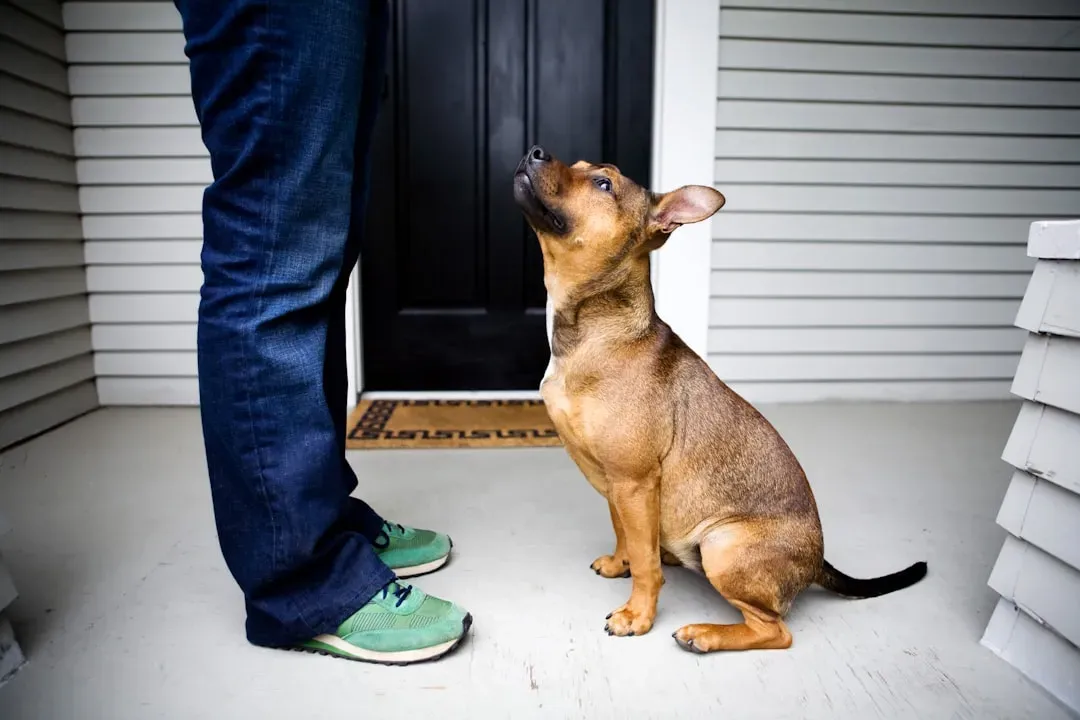
The doorbell might be just a notification to you, but to your dog it can trigger a full-scale emotional event. Some dogs bark furiously, others panic and flee, and a handful do both in rapid succession. The sound itself is sudden and often followed by a stranger entering the home – which compounds the stress for dogs with any degree of social anxiety. This layered trigger makes it one of the trickier sounds to address.
Gradually introducing your dog to sounds like doorbells and rewarding them for remaining calm can help form positive associations with those sounds and build confidence in new situations. Counter-conditioning works well here. Providing rewards such as food or play to create positive associations with noises is one of the most effective training methods and may actually change dogs’ emotional responses to a sound over time. Practice ringing your own doorbell at low volume while tossing high-value treats, and build up slowly. It takes patience, but progress is very achievable.
10. Gunshots and Backfiring Cars

A sudden, sharp crack – whether from a distant gunshot or a car engine backfiring on the street – is one of the sounds most likely to send a dog into immediate panic. The problem isn’t just the volume. It’s the total unpredictability. There’s no sensory build-up, no warning, no chance to brace. When a dog reacts intensely – often with full-blown panic – and may be unable to calm down even after the noise stops, that crosses into noise phobia territory.
Fears intensify the more times a dog hears a scary noise, and eventually fear can turn into a true phobia – once a dog has a phobia to one noise, a phobia to other similar noises will likely occur if the issue is not addressed promptly. If your dog lives near hunting grounds, busy roads, or areas where vehicles frequently backfire, this is worth discussing with your vet sooner rather than later. Successful treatment of noise phobia in dogs often involves supplements or medication prescribed by a vet, particularly when management strategies alone aren’t providing enough relief.
11. Phone and Appliance Alert Sounds

Emergency alerts blasting from multiple phones at once, the microwave’s insistent beeping, or the oven timer going off – these everyday digital sounds are increasingly being recognized as legitimate stress triggers for dogs. Researchers discovered that high-frequency beeping sounds such as alarm clocks, smoke detectors, and cell phone noises can stress dogs out. The sharp, synthetic quality of these sounds sits in a frequency range that dogs find particularly grating.
High-pitched repeated sounds cause more distress in dogs than low-frequency continuous ones. Practical steps include switching phone alert sounds to gentler tones where possible, turning off appliance beeps when those options exist on your device, and – crucially – staying calm yourself when an alert does go off. If your dog is reacting to loud noises, make sure you stay calm and follow your normal routine, because if you behave differently from usual, it can make your dog feel more anxious and distressed. Your composure is genuinely one of the most effective tools you have.
12. Crowds and Loud Social Gatherings
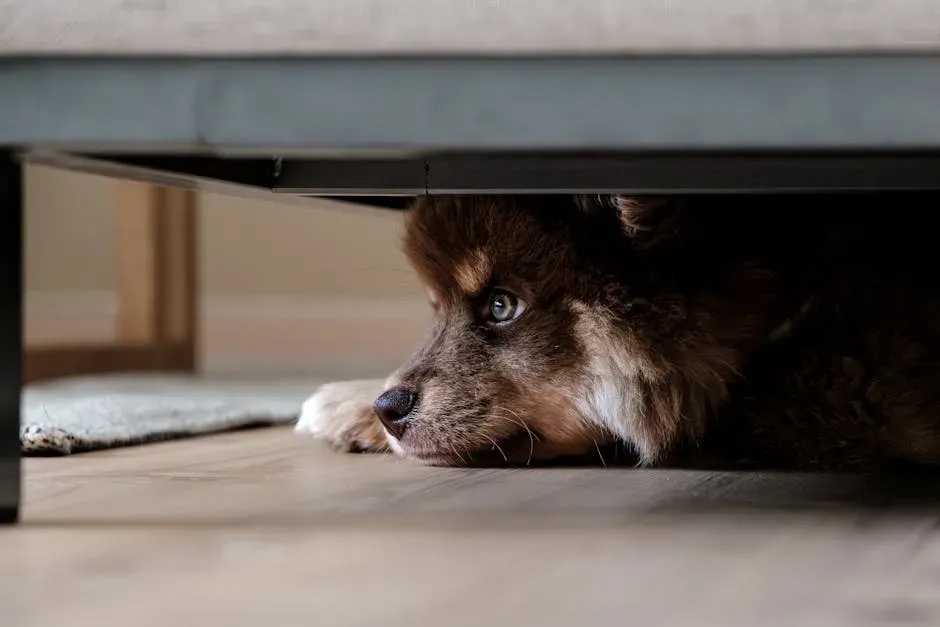
Parties, holiday gatherings, sports viewing events at home – these can be overwhelming for noise-sensitive dogs in ways we rarely anticipate. The combination of many voices talking at once, laughter, music, clinking glasses, and sudden bursts of cheering creates a chaotic soundscape that dogs can’t contextualize the way humans can. It’s similar to a person undergoing a panic attack, and the crippling fear and anxiety that comes with these conditions is the same type of fear and anxiety your dog may experience during overwhelming events.
Behavioral signs during a gathering can be easy to misread. A dog retreating to the bedroom isn’t being antisocial – they’re protecting themselves. Creating a haven where your dog can go when afraid, and giving treats in that location when they are not frightened, helps foster a positive association with their safe area. Set up their safe space before guests arrive, stock it with familiar items and a long-lasting treat, and let them self-regulate. Pet parents should try to avoid exposing their dog to the sounds that scare them as much as possible – and sometimes that simply means giving them an out.
What You Can Do: A Practical Foundation

Regardless of which sound is the culprit, a few core strategies apply broadly. Gradual desensitization to loud sounds can be effective in reducing noise aversion – this behavioral modification technique involves exposing your pet to recordings of frightening sounds at a low volume and gradually increasing the volume over time while rewarding calm behavior. Done correctly and patiently, it can produce meaningful, lasting change.
Anti-anxiety vests like Thundershirts work well for some dogs – the effect is similar to swaddling an infant or using a weighted blanket as an adult. Meanwhile, studies show that exposure to certain types of music can help calm anxious dogs – research found that kenneled dogs’ heart rate variability was higher, indicating decreased stress, when they were listening to soft rock or reggae music. Never punish a dog for fear-based behavior. Fear is a behavior, not an obedience issue – your dog isn’t doing anything wrong by being afraid, even if the noise seems harmless to you.
Most dogs don’t simply grow out of true noise phobia – but with early intervention, behavior modification, environmental changes, and sometimes medication, many dogs can greatly improve. If your dog’s fear seems severe or is getting worse, don’t wait. Delaying a conversation with your vet only increases the time that your dog is suffering from their fear of everyday noises and can increase the frequency and severity of their symptoms.
Conclusion: Your Dog Is Counting on You to Listen

Living with a noise-sensitive dog takes awareness, empathy, and consistency. The sounds listed in this article aren’t exotic or rare – they’re the ordinary soundtrack of modern life, which is exactly what makes them so easy to miss as sources of real suffering. Your dog can’t tell you that the dryer cycle is sending them over the edge or that the neighbor’s construction work has been quietly ruining their day for weeks.
Scientists make a compelling case that behaviors indicating fearfulness and anxiety are frequently seen in response to ordinary household noises, not just thunder and fireworks – and a major takeaway from the research is that pet parents often underestimate their dogs’ negative emotional responses to upsetting sounds. The good news is that awareness itself is a powerful first step.
Pay attention to the small things. A dog who suddenly leaves the room when the washer starts, or who flattens their ears every time your phone buzzes, is communicating something real and important. Respond with calm, create safe spaces, and seek professional guidance when needed. Research shows that the preventative training of both puppies and adult dogs appears to prevent the development of noise fears, probably by enabling animals to create positive associations with sounds. You don’t have to fix everything at once – you just have to start paying closer attention to what your dog is already trying to tell you.


