
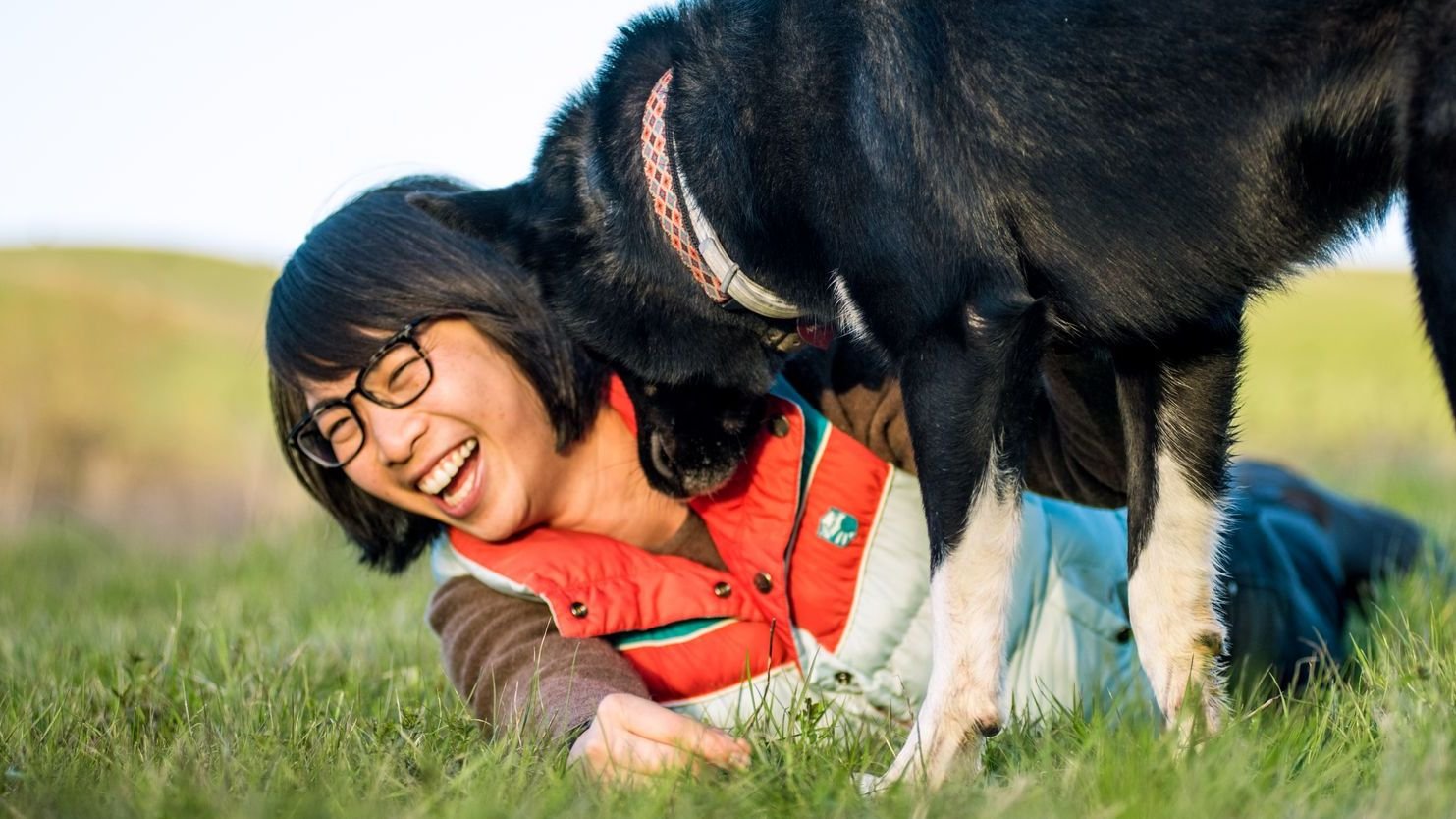
Most pet owners believe that a dog’s love is measured by the intensity of their greeting at the front door, but if you’re waiting for a senior dog to do backflips, you’re looking at the wrong data points. While puppies offer a chaotic, high-energy brand of affection that’s hard to miss, senior dogs communicate through a sophisticated, silent language of “micro-gestures” that many owners completely overlook. In fact, research into canine cognitive aging suggests that as a dog’s physical drive decreases, ihre emotional bond with their primary human actually deepens into something far more complex. It isn’t that they love you less as they age; it’s that they’ve stopped performing for your attention and started simply sharing your space. Here’s what veteran owners and canine behaviorists actually say about the evolution of senior dog love.
#17 — The “Lean” of Total Confidence
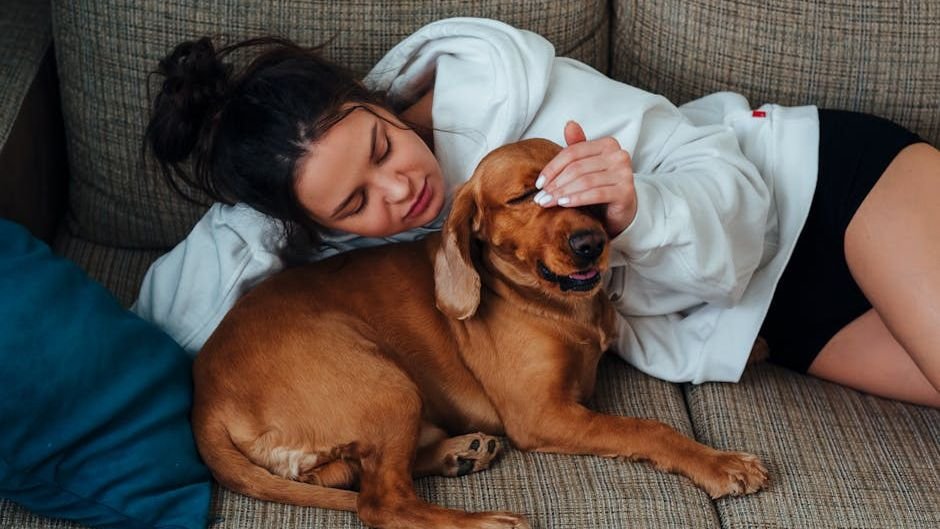
A senior dog doesn’t need to jump on your chest to show they’re glad you’re home. Instead, they perform the “Senior Lean,” where they walk up and firmly press their entire body weight against your legs while you’re standing still.
This isn’t just a request for scratches; it’s a profound sign of physical vulnerability and emotional trust. By leaning into you, they are using your body for support while signaling that they feel safest when their physical space merges with yours. It is a grounded, deliberate act of intimacy that younger dogs are often too distracted to perform.
While a puppy might accidentally bump into you while chasing a ball, an old dog makes a conscious choice to anchor themselves to your side. Behaviorists note that this “grounding” behavior often increases as a dog’s eyesight or hearing begins to fade, making you their primary sensory North Star.
But while the lean is a physical anchor, wait until you see the subtle way they use their eyes at #16…
#16 — The Intensive “Soft Gaze”
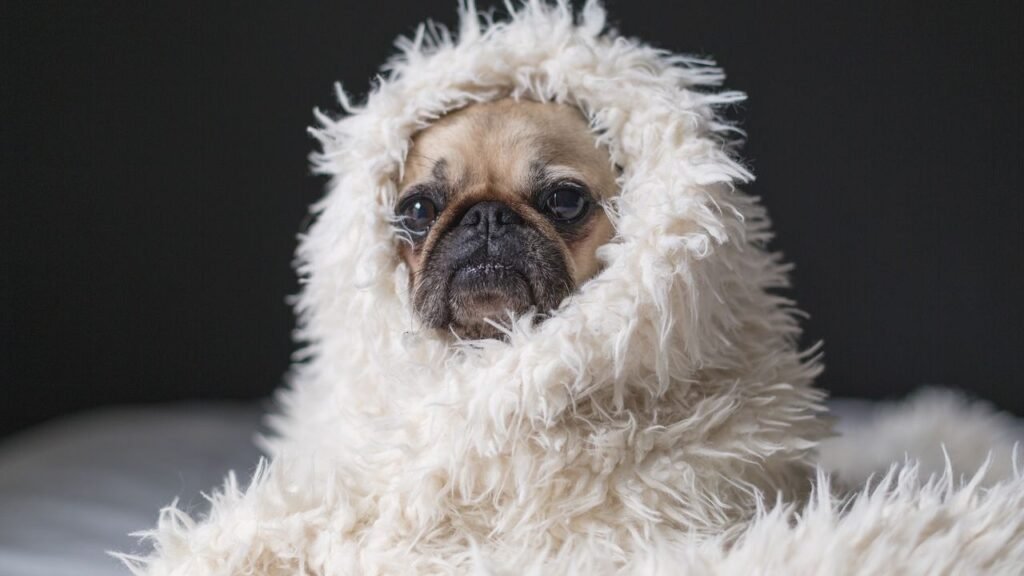
Young dogs use eye contact as a tool for negotiation—usually to see if you’re about to throw a toy or drop a piece of cheese. Senior dogs, however, have mastered the “Soft Gaze,” a long, blinking stare that releases oxytocin in both species.
Science has confirmed that long-term eye contact between dogs and humans mimics the hormonal bonding seen between mothers and infants. An older dog will often lay across the room and simply watch you work or read, with their eyes half-lidded and relaxed. They aren’t waiting for a command; they are literally “drinking you in” visually.
This behavior shows a shift from “What can you do for me?” to “I am content just knowing you are there.” It’s a quiet form of adoration that requires no action. Interestingly, senior dogs who have been with an owner for over seven years are significantly more likely to synchronize their blinking with their human’s.
The eyes tell a story, but at #15, we look at how they change their physical sleeping habits just to be closer to you…
#15 — The “Guardian Shift” in Sleeping Positions
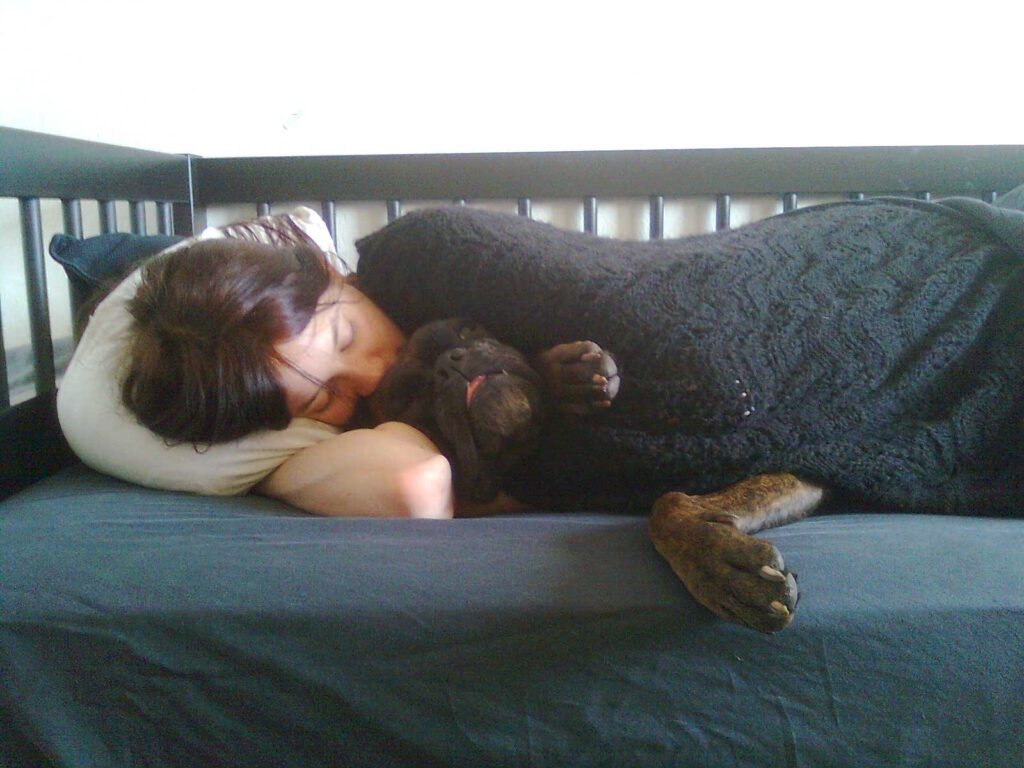
You’ll notice that as a dog ages, they stop sleeping in the most comfortable spot in the house and start sleeping in the most strategic one. An old dog will often choose a hard floor over a plush bed if it means they can keep their chin on your foot or block the door to your room.
For a senior dog, love is often expressed through passive protection and “sentinel” behavior. Even if their joints ache, they will reposition themselves every time you move rooms. They aren’t being “clingy”—they are fulfilling a self-appointed role as your constant companion.
Owners often mistake this for separation anxiety, but experts suggest it’s actually a sign of deep-seated loyalty and a desire for tactile reassurance. They don’t need a walk; they just need to feel the heat from your ankles to know the world is right.
This physical closeness is sweet, but #14 reveals a surprising way they show love by actually doing less…
#14 — The “Silent Understanding” of Your Moods
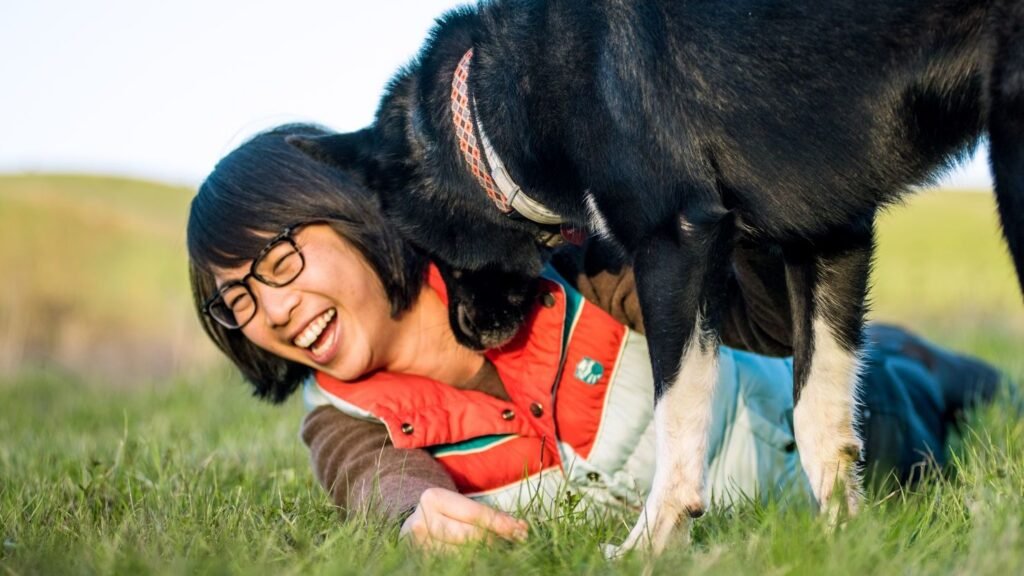
A puppy will try to play with you even when you’re crying or stressed, mostly because they lack the emotional intelligence to read the room. An old dog, however, acts like a mirror to your emotional state, offering a “quiet presence” rather than a distraction.
If you’re having a bad day, a senior dog won’t bring you a ball; they will simply come over and lay their head on your lap. This emotional synchronization is one of the highest forms of canine intelligence. They have spent years studying your micro-expressions and tone of voice.
They recognize that sometimes love isn’t about “cheering you up” with antics, but about validating your feelings by just being there. It’s a sophisticated form of empathy that only comes with a decade of observation.
Wait until you hear how they handle your departure at #13—it’s the exact opposite of what you’d expect…
#13 — The “Calm Goodbye” Confidence
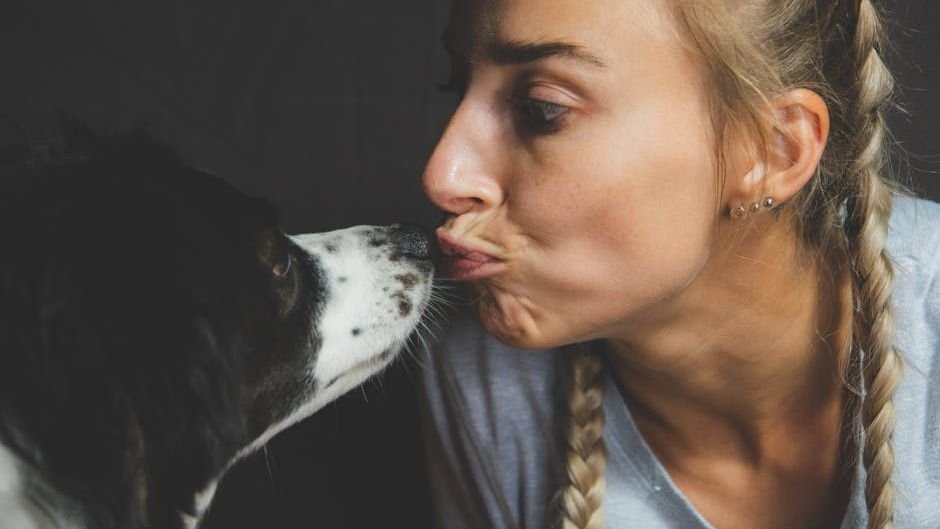
Most people think a dog loves them more if the dog howls and scratches the door when they leave. Actually, the mark of a deeply bonded senior dog is a calm, sleepy “goodbye.”
When you pick up your keys and your old dog just looks up, sighs, and goes back to sleep, they are giving you the ultimate compliment: Total Security. They have zero doubt that you are coming back. This lack of anxiety is a byproduct of years of proven trust.
Young dogs often experience a “fear of the unknown,” but a senior has logged thousands of successful returns, allowing them to rest in the confidence of your bond. It isn’t indifference; it’s the peace of a settled relationship.
Speaking of peace, #12 involves a very specific way they use their toys that differs entirely from puppyhood…
#12 — Presenting “The Trophy” (Without the Game)
A puppy brings you a toy because they want to play tug-of-war for the next twenty minutes. A senior dog brings you a toy, drops it at your feet, and then walks away or lays down next to it.
In the senior world, this is known as “Gifting” or “The Trophy” behavior. They aren’t asking for an activity; they are offering you their most prized possession as a token of affection. It’s a gesture of sharing that requires no reciprocation from you.
Behaviorists believe that presenting objects in this way is a remnant of their ancestral “retrieving” instincts, repurposed as a social gift. By giving you the toy, they are saying, “I value you more than this object.”
If you think that’s subtle, #11 explains a “sigh” that isn’t actually about being bored…
#11 — The “Deep Contentment” Sigh
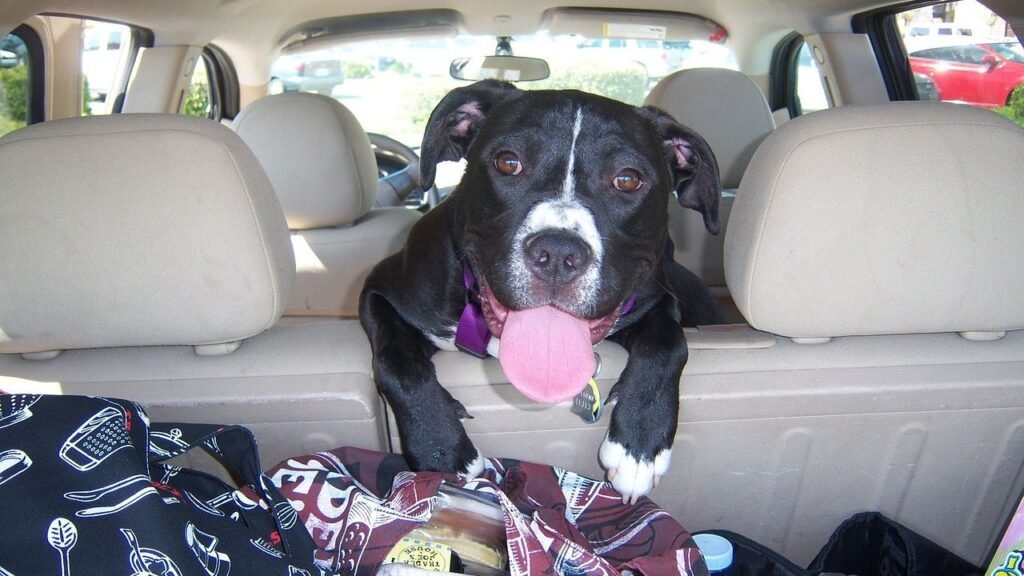
Have you ever sat down next to your old dog, petted them once, and heard a massive, theatrical sigh? Many owners think their dog is bored or annoyed, but in the canine world, that specific sound is a “release valve” for tension.
When a senior dog settles in next to you and lets out a long breath, it’s a sign of parasympathetic nervous system activation. It means they feel so safe in your presence that they can fully power down their “alert” mode and enter a state of total relaxation.
A dog will rarely perform this deep sigh unless they are in the presence of someone they consider part of their “inner circle.” It is a verbal confirmation that you are their “safe harbor.”
But while the sigh is quiet, the way they “check in” at #10 is a constant, rhythmic show of love…
#10 — The “Nose-Bump” Check-In
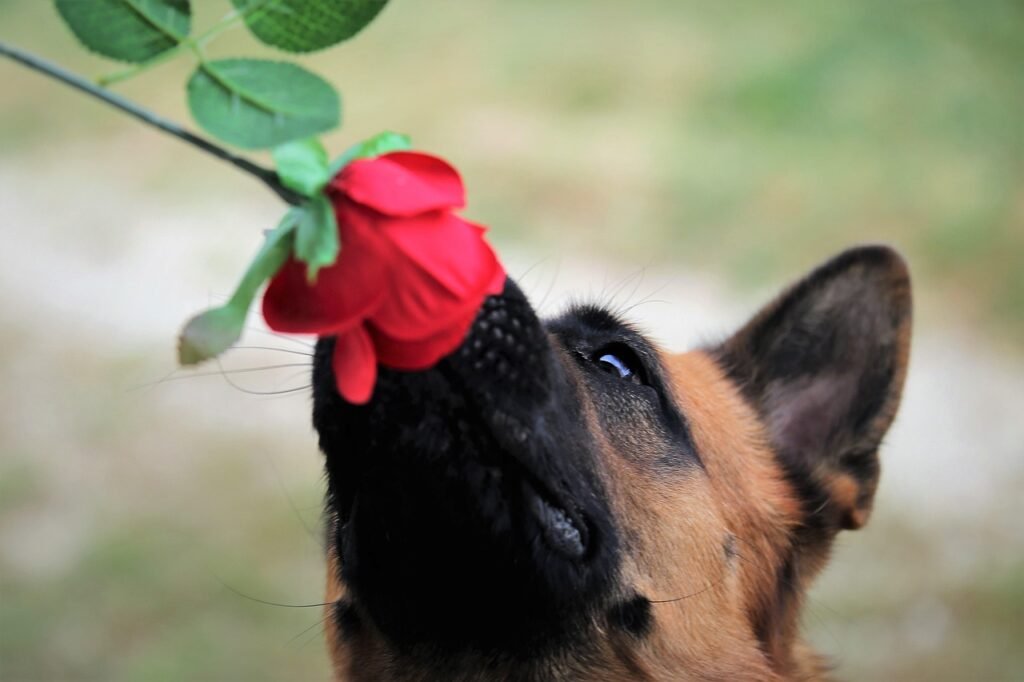
As dogs age and their energy levels drop, they replace long play sessions with small “micro-interactions.” The most common is the “Nose-Bump,” where they walk up, tap your hand or leg with a wet nose, and then immediately continue what they were doing.
This is the canine equivalent of a “Thinking of you” text. They don’t need a treat or a walk; they just need to re-establish physical contact to confirm you’re still there. It’s a brief, meaningful pulse of connection.
A nose-bump often occurs when a dog senses their owner is distracted or stressed, acting as a gentle grounding technique. It’s a way of saying “I’m here, and you’re here, and that’s enough.”
You might find the nose-bump cute, but #9 is a behavior that many owners find annoying—until they realize it’s actually a sign of devotion…
#9 — The “Shadow” Following (Velcro Dog Syndrome)

In their later years, many dogs become “Velcro dogs,” following you from the kitchen to the bathroom and back again. While it can feel like you’re being stalked, this is actually a sign of increasing emotional dependency.
As their senses like hearing and sight decline, you become their primary source of information about the world. By staying within three feet of you, they are outsourcing their security to you. They trust your reactions more than their own failing ears.
Many experts argue that this is the most “vulnerable” stage of a dog’s love. They are no longer the protectors; they are the seekers of protection, and they’ve chosen you to be their guardian.
But check out #8, because it’s a specific “look” they give that only develops in the double-digit years…
#8 — The “Slow Blink” Acknowledgment
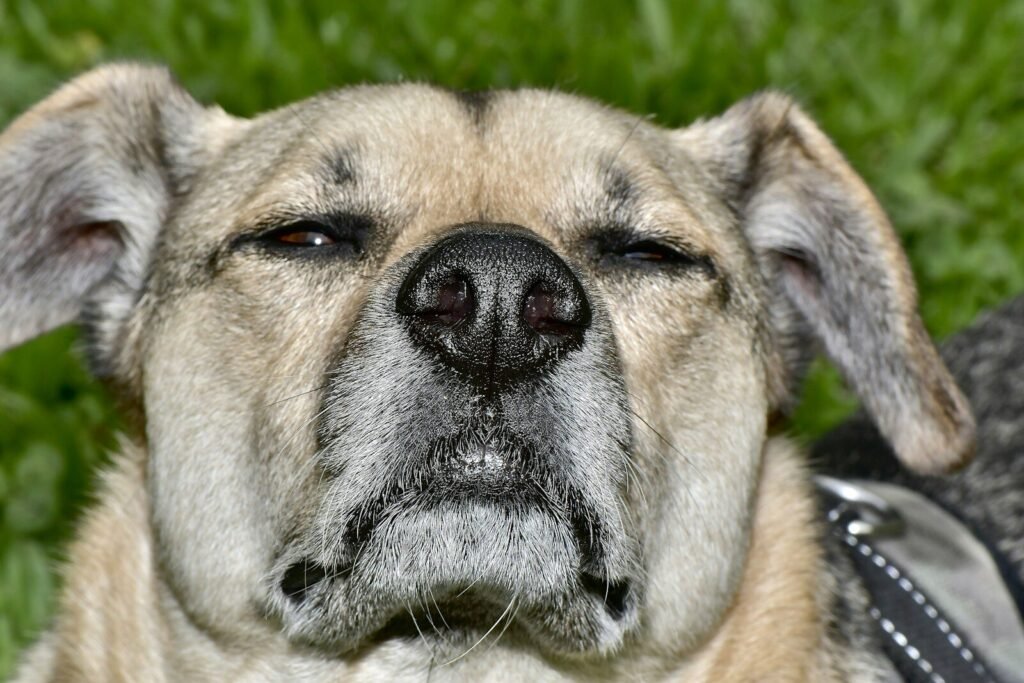
Cats are famous for the “slow blink,” but senior dogs use it just as effectively to communicate peace. If you catch your old dog’s eye from across the room and they slowly close and open their eyes, they are performing a non-threatening signal of total trust.
In the wild, closing one’s eyes in the presence of another predator is a massive risk. By doing this, your dog is signaling that they do not perceive you as a threat and feel zero need to be on guard.
It is a “visual hug” that requires no movement. Younger dogs are often too hyper-vigilant to slow their heart rate down enough for this kind of communication, but for a senior, it’s a daily ritual.
At #7, we look at the “Nuzzle,” which is a refined version of the puppy lick…
#7 — The “Head-Under-Hand” Nuzzle

Puppies lick your face because they are looking for food or trying to get a reaction. An old dog will instead take their head and shove it directly under your hand, forcing you to pet them.
This is a demand for intimacy, not just attention. By placing the most sensitive part of their head (the crown) directly under your palm, they are seeking a physical connection that releases “feel-good” hormones in their brain.
A study from 2018 showed that senior dogs’ heart rates significantly drop when they receive these “manual” head pets compared to when they are just being spoken to. They aren’t just being “pushy”; they are practicing self-soothing through your touch.
The nuzzle is sweet, but #6 is a “love language” that involves a surprising amount of drool…
#6 — Choosing Your Scents Over Everything
Have you noticed that your senior dog is more likely to sleep on your dirty laundry than their own bed? While it might be frustrating to find dog hair on your favorite sweater, this is a deeply sentimental behavior.
Your specific scent is the most comforting thing in the world to an aging dog. As their cognitive functions change, the olfactory bulb remains a powerhouse of memory and emotion. Smelling you provides them with a “scent-based safety net” when you aren’t home.
They aren’t “raiding” your clothes; they are seeking your essence to stay calm. It’s a sign that your presence has become their primary source of environmental comfort.
Wait until you see #5, which is a subtle change in how they respond to your voice…
#5 — The “Listen Without Looking” Tactic
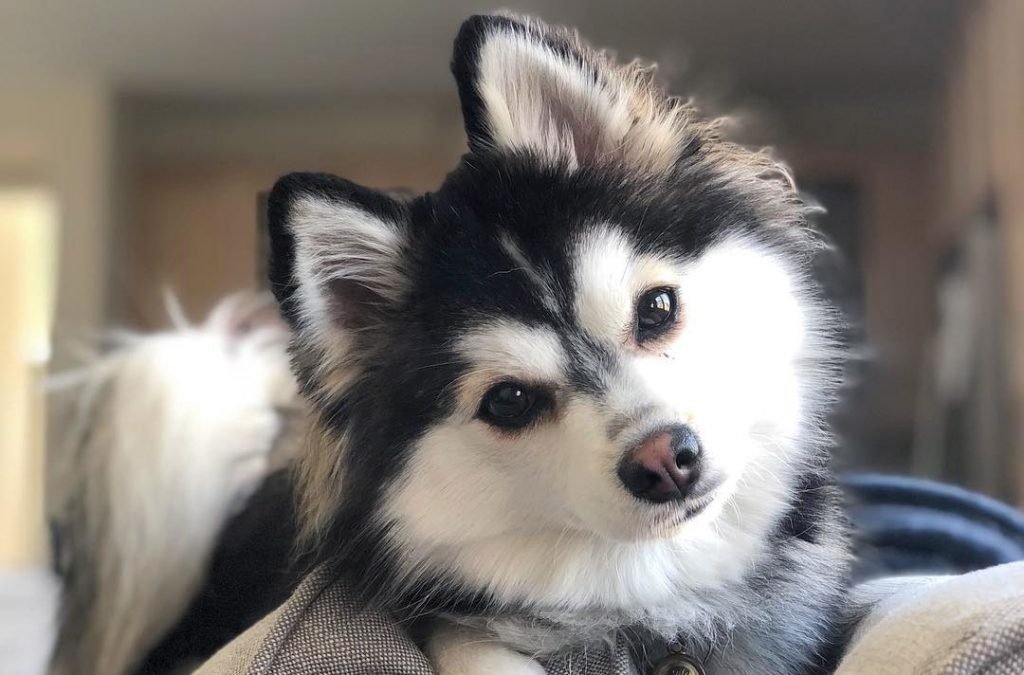
A young dog will tilt their head and perk up their ears at every word you say. A senior dog might not even move their head, but watch their ears—they’ll twitch and rotate toward you like satellite dishes.
This is “Efficient Love.” They don’t need to perform the big “head tilt” to prove they are listening; they are processing your presence through auditory cues while resting their joints. It shows a level of comfort where they don’t feel the need to “act” for your benefit.
The fact that they stay relaxed while listening to you proves they find your voice soothing, not demanding. It’s a sign of a relationship that has moved past “training” and into “companionship.”
However, #4 is a bit more active and involves a specific “walk” they do only for you…
#4 — The “Check-Back” on Walks
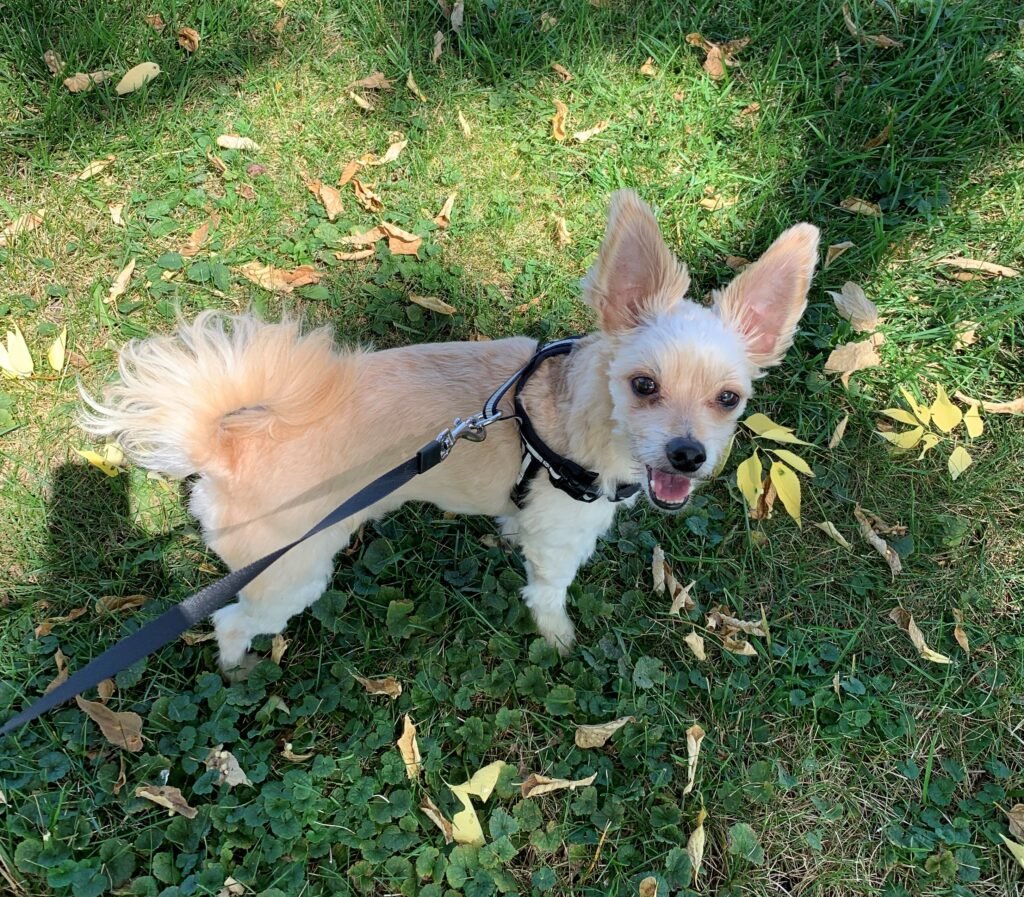
When you take an old dog for a walk, they don’t pull on the leash to see the squirrel across the street. Instead, every few yards, they will stop and look back at you to make sure you’re still there and “okay” with the pace.
This “Check-Back” behavior is a transition from independent exploration to shared experience. They aren’t interested in the world as much as they are interested in the world with you.
They are prioritizing the bond over the environment. For a senior dog, the walk isn’t about exercise; it’s about a “patrol” with their favorite person.
At #3, we cover a behavior that many mistake for “forgetfulness,” but it’s actually about seeking comfort…
#3 — The “Waiting Beside the Bed” Ritual
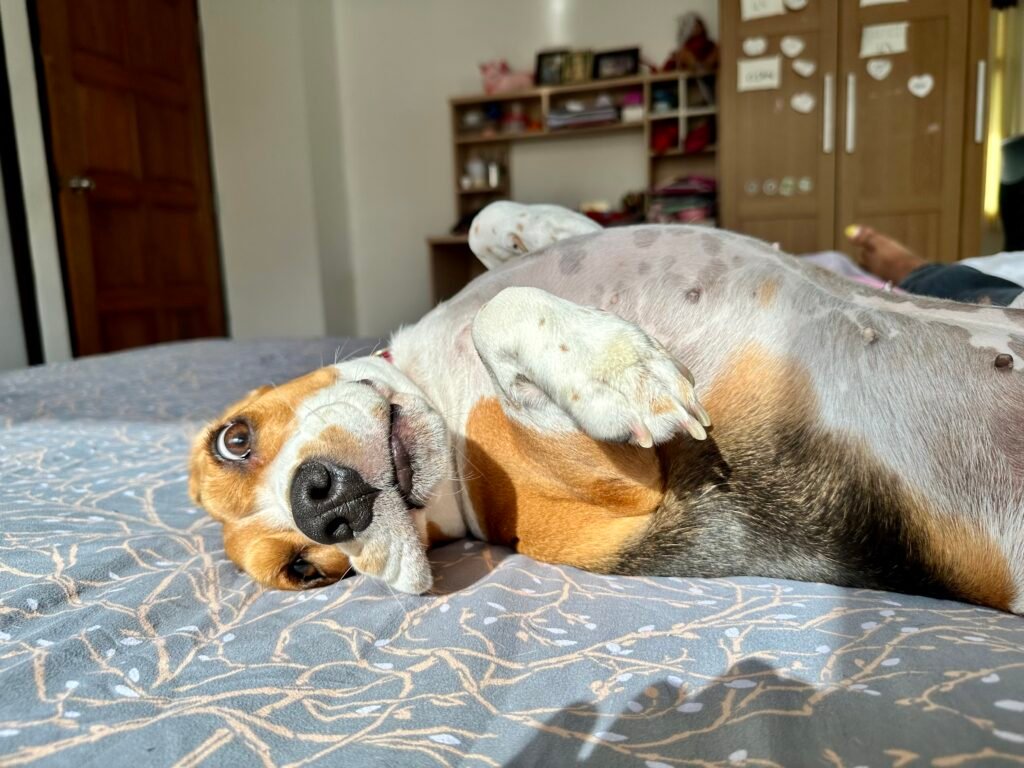
Many senior dogs start a ritual of waiting by your bed or your chair until you are fully settled before they go to their own spot. They aren’t waiting for a command; they are “tucking you in.”
This is a protective behavior rooted in their pack instincts. By ensuring you are “safe” and stationary first, they can finally allow themselves to rest. It’s a role reversal where they act as the guardian of your rest.
This ritualistic behavior becomes more pronounced as they realize their own time is limited. They want to be the last thing you see before you sleep and the first thing you see when you wake.
But #2 is the most heartbreakingly beautiful way they show they trust you…
#2 — Physical Vulnerability in Public
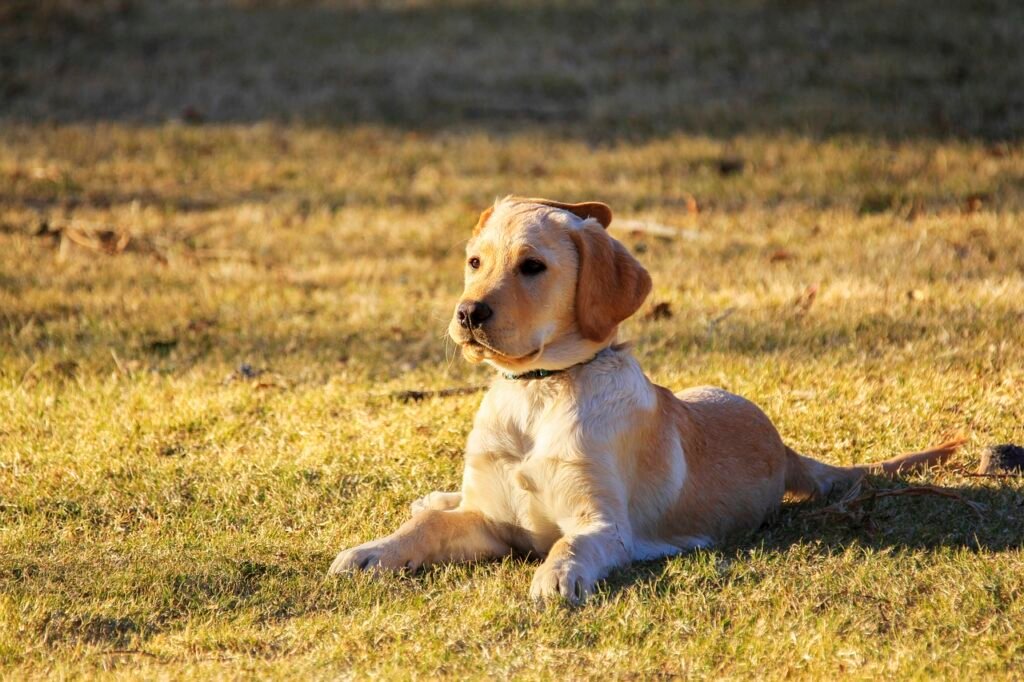
A young dog is always “on,” ready to react to any dog or person that passes by. A senior dog will often lay down and expose their belly or fall into a deep sleep even in “busy” environments, as long as you are the one holding the leash.
This is the ultimate “Trust Fall.” They are delegating 100% of their safety to you. They believe that as long as they are with you, nothing bad can happen, allowing them to let their guard down completely.
In the animal kingdom, this level of vulnerability is rare, and it’s a testament to the years of protection you’ve provided. They are essentially saying, “I trust your eyes and ears more than my own.”
And finally, #1 is the simplest but most profound sign of all…
#1 — The “Quiet Proximity” Choice
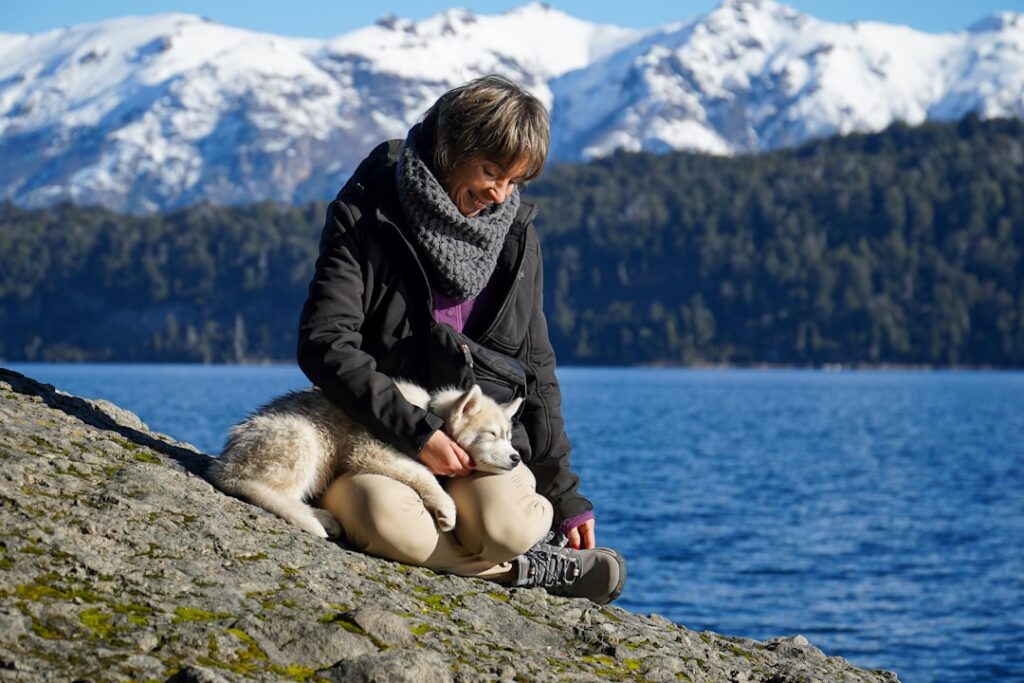
The #1 way a senior dog shows love is simply by choosing to be in the same room as you, even when they get nothing for it. No treats, no walks, no scratches—just “Existing Together.”
Younger dogs are driven by stimuli, but a senior dog is driven by affinity. If they choose to leave a comfortable, sunlit rug in another room just to lay on the floor near your desk, that is a pure, unadulterated expression of love.
They aren’t there for what you do; they are there for who you are. This “Parallel Play” is the highest stage of canine-human bonding. It is the 50-year marriage version of the dog world—it doesn’t need fireworks to be deep.
The Bottom Line
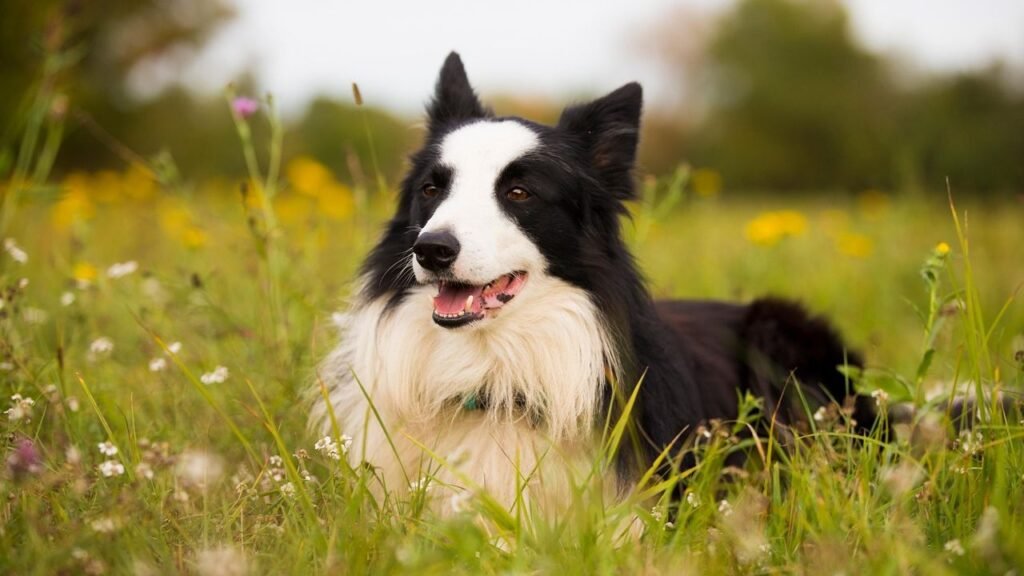
The way an old dog loves isn’t about the “flash” of a wagging tail or a frantic greeting; it’s about the consistent, quiet presence that fills the gaps in your day. From the “Senior Lean” to the “Quiet Proximity” of just being in the same room, these signals are more profound precisely because they are so subtle. They have moved past the need for “performance” and into a state of total, trusting companionship. If your old dog is following you around like a shadow or sighing deeply when they lay by your feet, congratulations—you have reached the “inner circle” of canine devotion. Does your senior dog have a “weird” way of showing they care? Drop a comment and tell us your story!


