
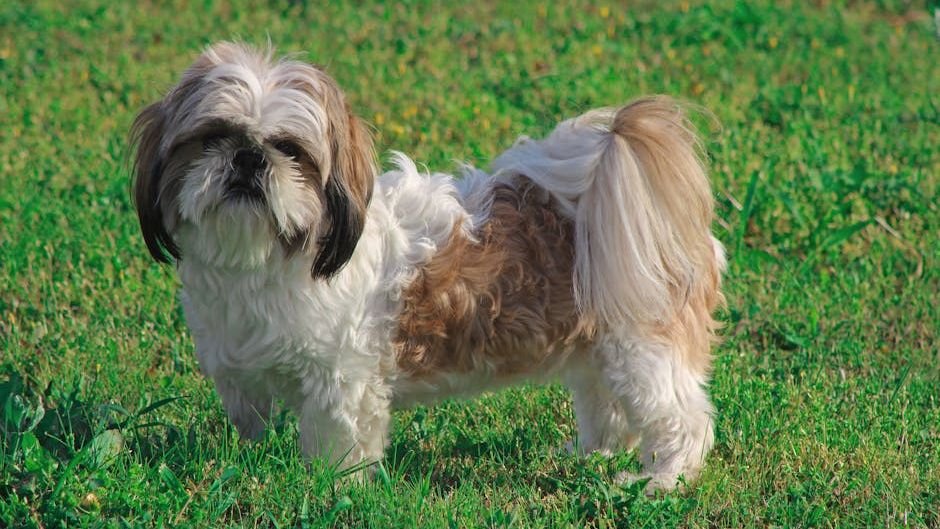
There’s a particular kind of morning that feels almost perfect: sunlight through the curtains, a warm cup of tea, and a small, content dog quietly settled at your feet. For many seniors, that image isn’t just a wish. It’s a daily reality with the right breed. The bond between an older adult and a well-matched dog can be one of the most quietly transformative relationships imaginable.
Dogs are affectionate, loyal, and nurturing companions. They don’t just provide comfort and friendship. They also help keep seniors healthy and encourage sociability. More than roughly two in five seniors report experiencing loneliness, and a calm, devoted dog can change that picture entirely. The challenge, of course, is choosing the right one.
Not every breed suits every lifestyle, and not every “calm” dog is as manageable as it looks. This ranked guide cuts through the noise to spotlight the purest, most reliably serene breeds that fit naturally into a slower, richer pace of life.
1. Cavalier King Charles Spaniel – The Gold Standard of Gentle
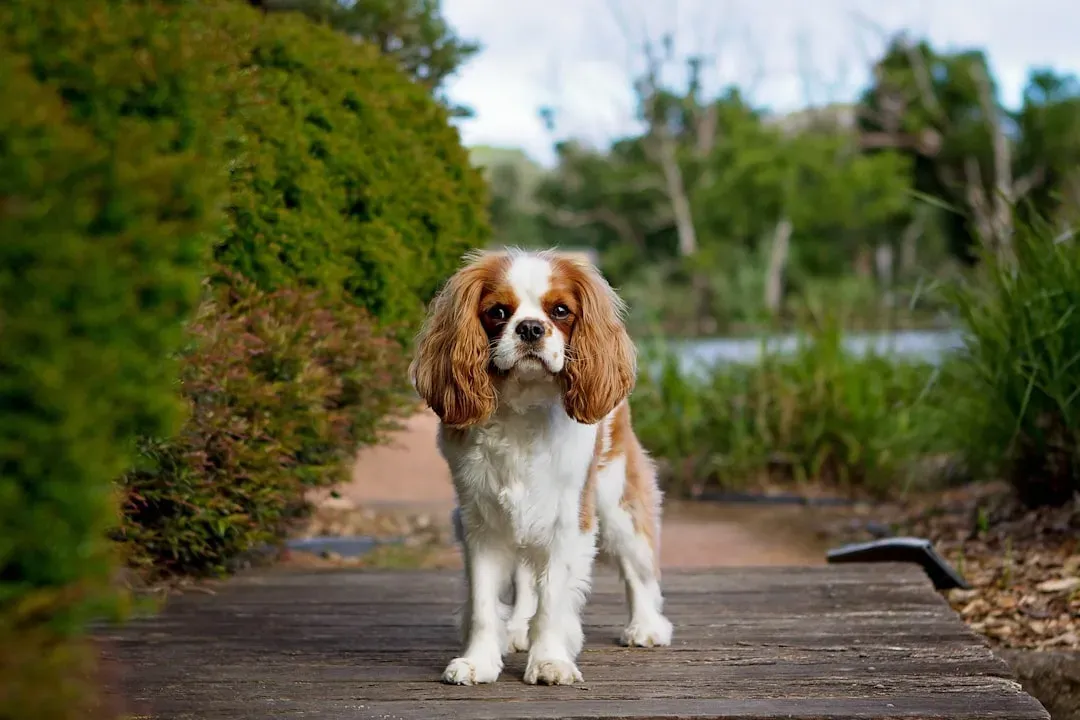
The Cavalier King Charles Spaniel is beloved for its gentle temperament, affectionate nature, and ease of training. This breed is highly adaptable and thrives on companionship, often content to relax beside its owner. If a dog could understand the concept of “a quiet afternoon,” a Cavalier would be its biggest advocate.
Cavaliers appreciate short daily walks and gentle play, offering a balanced mix of calm and light activity. Their moderate grooming needs and small size make them easy to manage, while their friendly personality and ability to adapt to apartment living make them an ideal choice for seniors. Watch for signs of heart murmurs as they age, since the breed has a known predisposition to mitral valve disease, making regular vet check-ups especially important.
2. Shih Tzu – A Lapdog Born for Royalty (and Retirement)
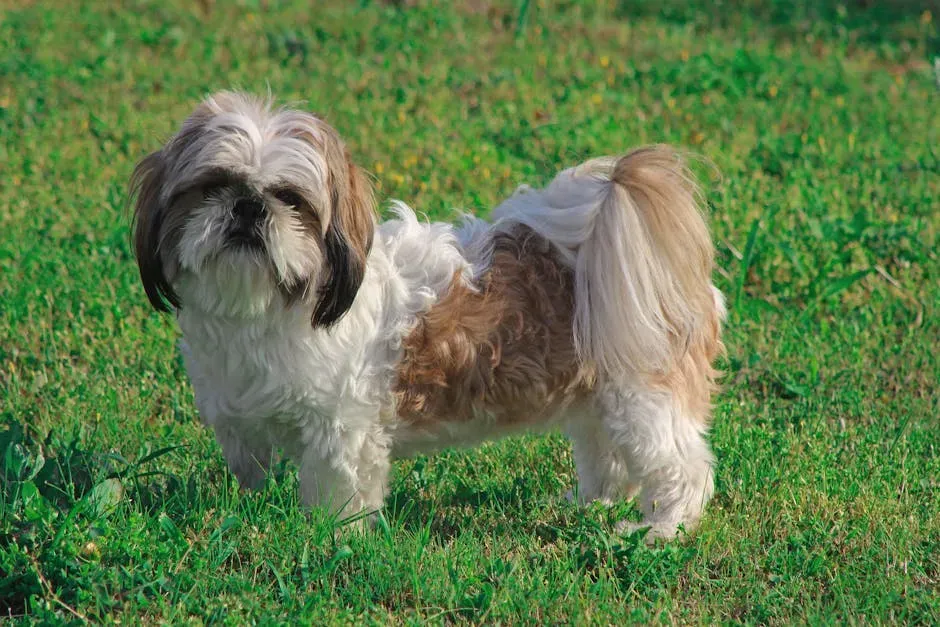
Shih Tzus have a long history of charming their way through royal palaces, particularly in China. They are known for their affectionate temperament and low exercise needs, making them ideal companions for retirees who prefer leisurely walks. Their entire purpose, bred into them over centuries, is simply to be near the person they love.
Known for their friendly personalities, Shih Tzus were originally bred to be companions, and they excel in this role. Their affectionate and relaxed demeanor makes them particularly suitable for seniors looking for a comforting and non-demanding companion. They do well with short walks, which can help keep their owner more active. Shih Tzus do have high-maintenance coats that need to be brushed frequently if kept long, though many owners opt for a shorter “puppy cut” to simplify grooming.
3. Bichon Frise – Cheerful, Hypoallergenic, and Effortlessly Sweet
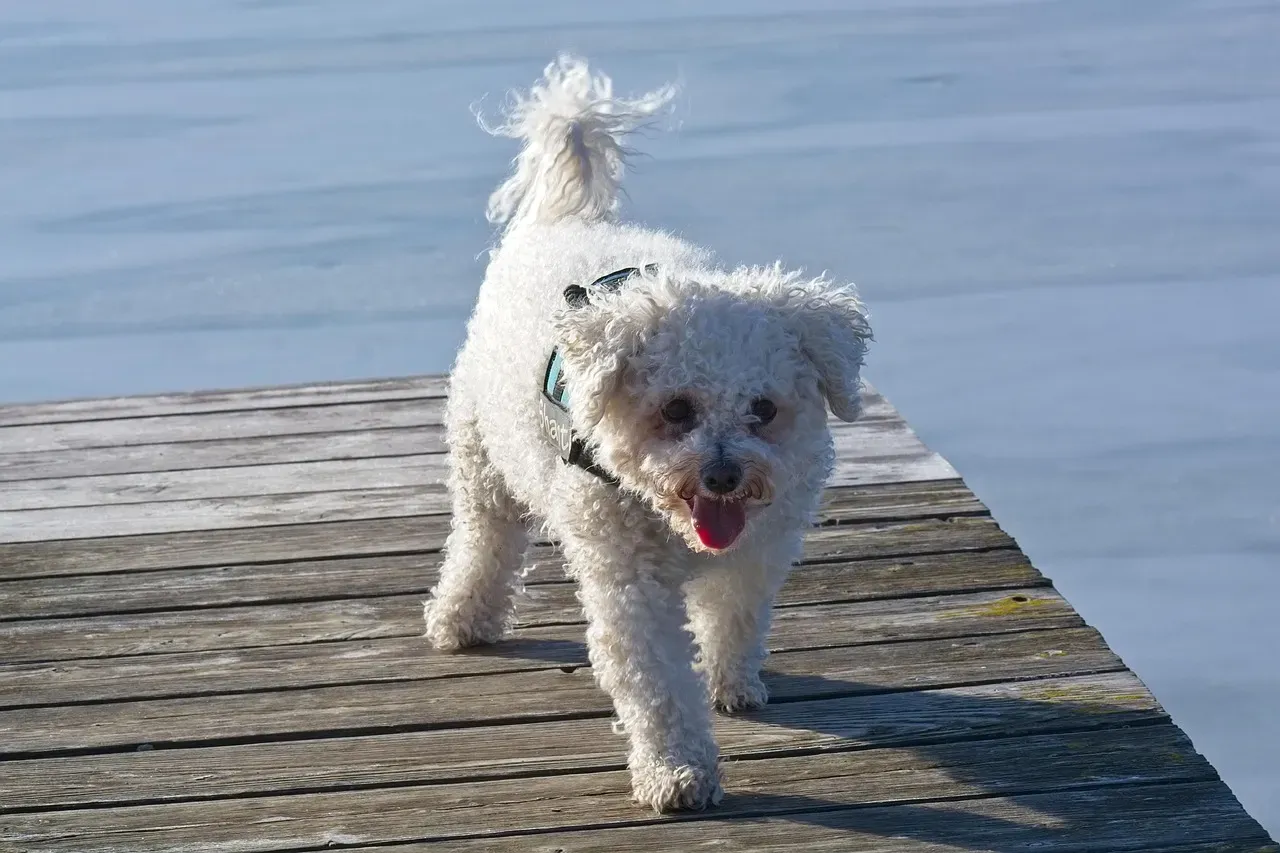
The Bichon Frise is a well-balanced breed known for being gentle, social, and an easy-to-manage companion compared to many high-maintenance dogs. Alert and curious, Bichons make good watchdogs, as noted by the American Kennel Club. They alert you without turning every sound into a drama, which is exactly what most seniors need.
These white powder puffs are known for their sweet and friendly nature and are perfect for seniors seeking easy companionship. These low-maintenance pups aren’t difficult to potty train and don’t shed much. To keep their snow-white hair looking fluffy, they do require grooming every five or so weeks. Bichons are gentle and playful and they get along well with other pets and children, so you don’t need to put them in another room if the grandkids stop by.
4. Pug – The Original Couch Companion
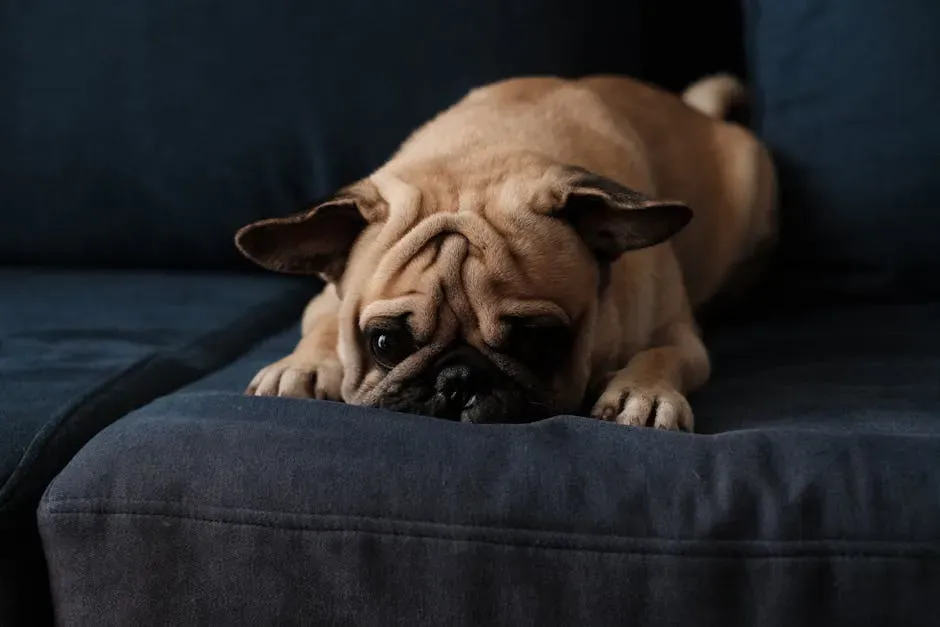
Pugs are the best dogs for seniors who prefer to curl up on the sofa with their beloved furry friend by their side. Most of this breed’s time consists of lounging and playing indoors. They’re also impressively expressive, capable of communicating everything from mild hunger to profound satisfaction without making a sound.
Small in size, pugs average between 14 and 18 pounds and are easy to manage and handle. Their expressive faces and amiable dispositions make them great companions for seniors and one of the most gentle dog breeds. Pugs adore their owners and are known for following them around. Because of their flat face and small nostrils, the Pug’s breathing can be affected by extremely hot or cold weather conditions, so climate-controlled living is genuinely beneficial for this breed.
5. French Bulldog – Small Body, Big Personality, Zero Drama
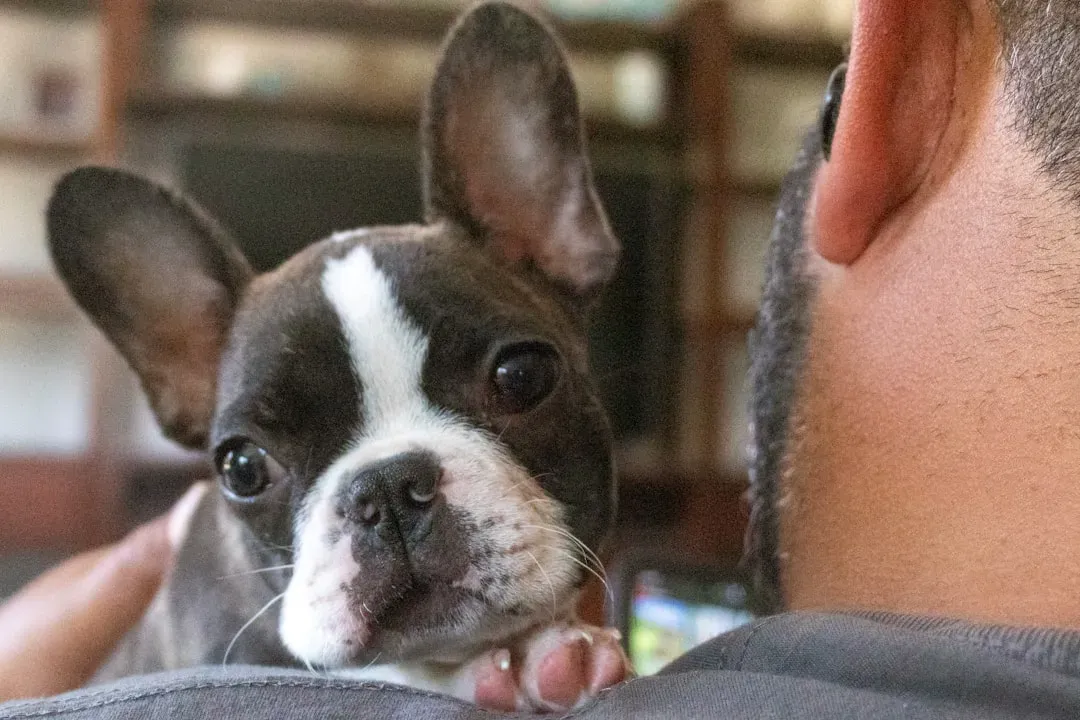
French Bulldogs are small dogs that make great companions for senior owners. Their compact size makes them easy to handle, even in apartments or smaller homes, and their calm demeanor fits perfectly with a relaxed lifestyle. These dogs have a friendly, affectionate nature, which helps create strong bonds without demanding constant activity.
They are easy to train, rarely bark excessively, and enjoy spending quiet moments alongside their owners. They are one of the top breeds for seniors wanting companionship without the high-energy demands of larger breeds. Their short coat is low maintenance, needing only occasional grooming. Like Pugs, French Bulldogs are brachycephalic, meaning owners should monitor for breathing difficulties, especially in warm weather or during exertion.
6. Maltese – Ancient, Devoted, and Wonderfully Portable
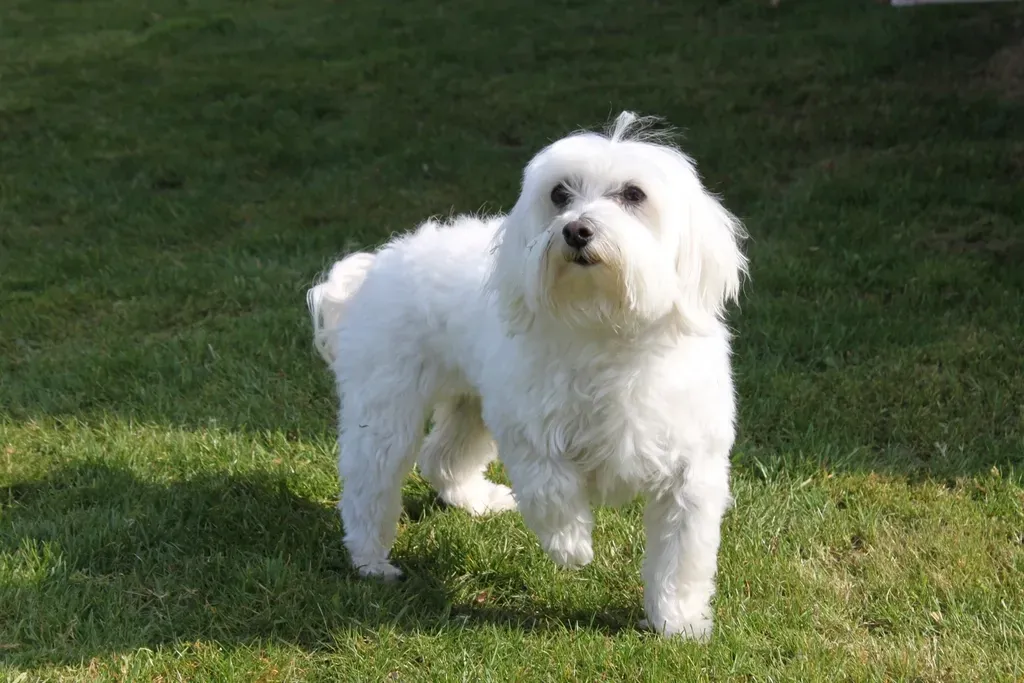
The Maltese is a small, affectionate dog that thrives on attention. Their compact size makes them easy to carry and manage. Despite their long, silky coats, they are relatively easy to groom with routine care. They’ve been companion dogs for thousands of years, and their people-pleasing instincts run remarkably deep.
One of the best small dogs for seniors is the Maltese. These adorable white toy dogs were specifically bred to be companions. They are one of the calmest small dog breeds and do very well in apartments. Friendly and affectionate with their owners, these dogs are very protective but don’t bark without cause. They are more independent than many other breeds and can be left alone. That independence is a genuine practical bonus for seniors with appointments or social commitments.
7. Pekingese – Dignified, Devoted, and Delightfully Low-Key
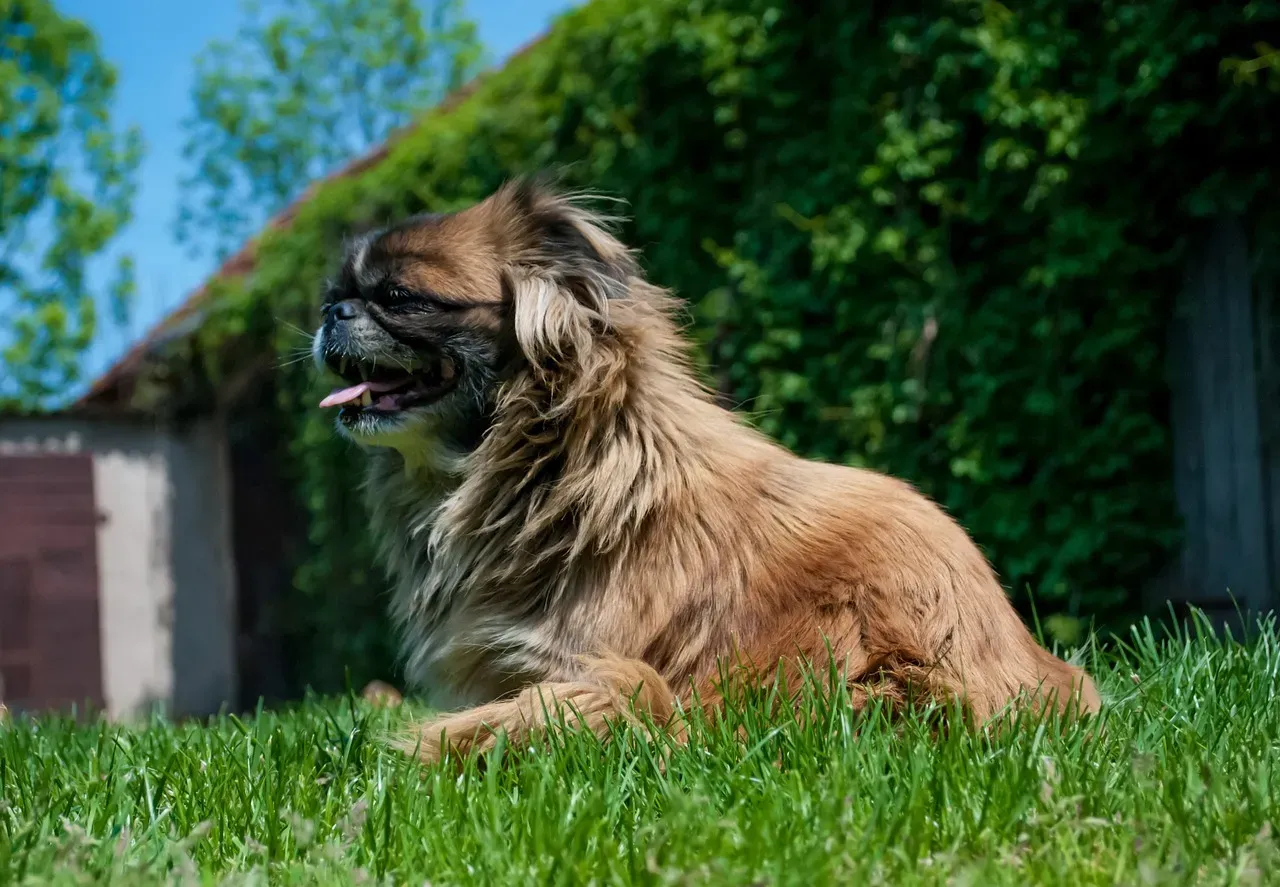
Pekingese dogs were once a fixture at the imperial Chinese court. Regal and mostly calm, these small companions thrive in quiet environments and enjoy close, devoted relationships with their owners. While they can be somewhat challenging to train, their overall temperament is easygoing and cooperative.
The ultimate lapdog, the regal Pekingese is a true charmer. Because this breed isn’t too fond of rough play, it seems to be the best dog for older people who are more likely to live in a calm atmosphere. Due to their thick, luxurious coats, Pekingese require regular daily grooming to stay comfortable and tidy. Keep their facial folds clean and dry daily to prevent skin infections, a small but important health habit with this breed.
8. Bolognese – The Quiet Soul Most People Don’t Know About
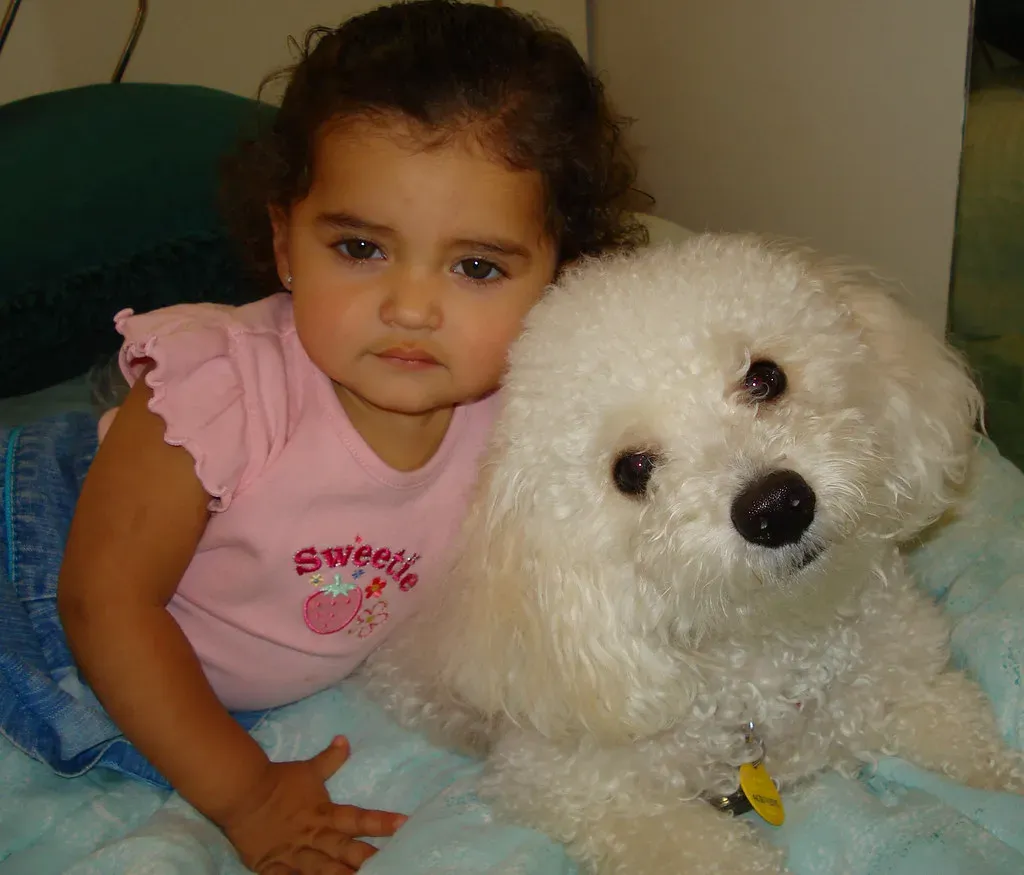
The Bolognese is playful, smart, and easy to train. These animals worship their owners and shadow them everywhere. They are not super active and don’t need much exercise, and are perfectly willing to be couch potatoes as long as they can stay near you. Their devotion is quiet and steady, the canine equivalent of a trusted friend.
They are calm and quiet and adapt well to all types of living spaces. They must be bathed and groomed regularly to keep their curly locks in good condition. The Bolognese is still a relatively rare breed in the United States, which means working with a reputable breeder is important. Their low-noise, low-demand temperament makes them one of the best-kept secrets in the senior dog world.
9. Miniature Schnauzer – Alert Without Being Anxious
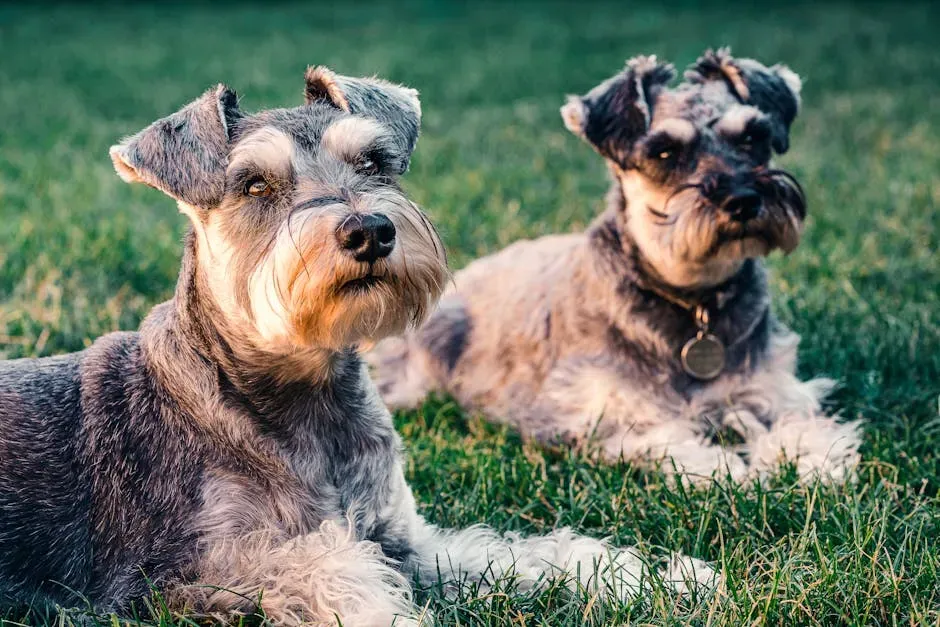
For older adults who want a dog with a little spark, the Miniature Schnauzer offers personality in a compact, manageable size. They’re known to be alert, easily trained, and extremely loyal. Their coat sheds minimally, although they do require regular grooming to maintain their iconic bearded look.
Miniature Schnauzers are great companions for those who enjoy a little more interaction and mental stimulation, as these dogs thrive with tasks and games. Compared to high-energy breeds, they strike a great balance between enthusiasm and manageability. Breeds such as the Schnauzer have hair that produces less dander, a common allergen, making them a solid choice for seniors who also deal with mild allergies.
10. Toy Poodle – Brilliant, Bonded, and Barely a Handful

Toy Poodles are known for being highly intelligent, easily trainable, and hypoallergenic. They form close bonds with their owners and enjoy mental engagement. Their intelligence means they pick up routines fast, which suits seniors who thrive on predictability and gentle structure.
Poodles are an excellent option for older adults with allergies. Both the miniature and toy varieties of Poodles are hypoallergenic, which means they are less likely to trigger allergic reactions. Toy Poodles also tend to be remarkably long-lived for their size, often reaching their mid-teens in good health with proper care. Regular professional grooming every six to eight weeks keeps their coat manageable and comfortable.
11. Japanese Chin – Graceful, Quiet, and Soulfully Attentive
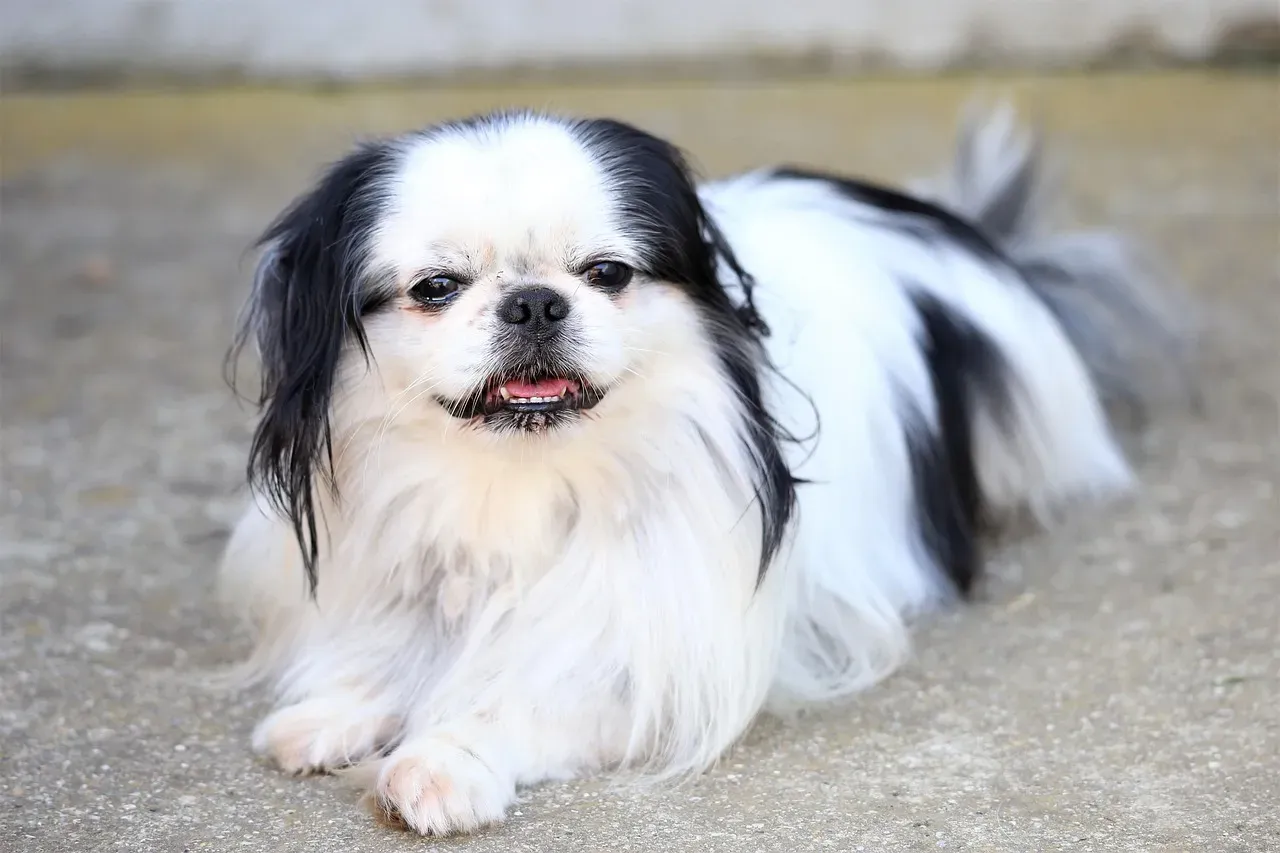
The Japanese Chin is a lovely companion for older adults who want a small dog with a calm temperament. These dogs are gentle, quiet, and well-suited to indoor living. They don’t demand long or strenuous walks, just a few short strolls each day. Their moderate exercise needs make them ideal for people who prefer a relaxed routine.
Beyond their graceful looks, Japanese Chins are incredibly affectionate. They bond deeply with their owners and enjoy being close, whether it’s snuggling during reading time or watching the world go by from a window. Because they’re alert yet not overly excitable, they’re one of the best dog breeds for seniors wanting a peaceful yet loving companion. They’re also remarkably cat-like in their tidiness and self-grooming habits, which many seniors find endearing.
12. Lhasa Apso – A Monastery Guardian Who Now Guards Your Heart
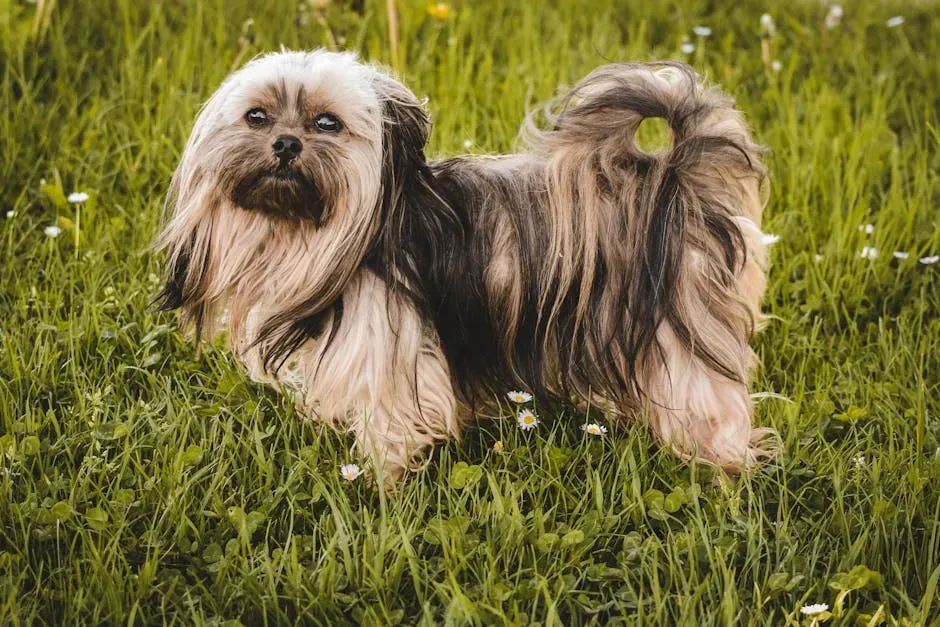
The Lhasa Apso is an ancient breed, thought to have been around for at least 2,000 years. Their story begins way up in the Himalayan mountains in Tibet, where they were bred by monks and nobility to guard Buddhist monasteries and palaces. Named after the holy city of Lhasa, these dogs were more than just effective watchdogs. They were spiritual protectors that held sacred meaning.
Lhasa Apsos are considered hypoallergenic dogs. They do not shed or drool very much, making them a good option for some people with pet allergies. No dog is 100% hypoallergenic, though. Lhasas are known for their strong-minded nature and guarding instincts, reflecting their original purpose. Their temperament is more akin to that of a terrier. Patient, consistent training from day one will bring out their very best.
13. Whippet – The Surprising Couch Potato in an Athlete’s Body
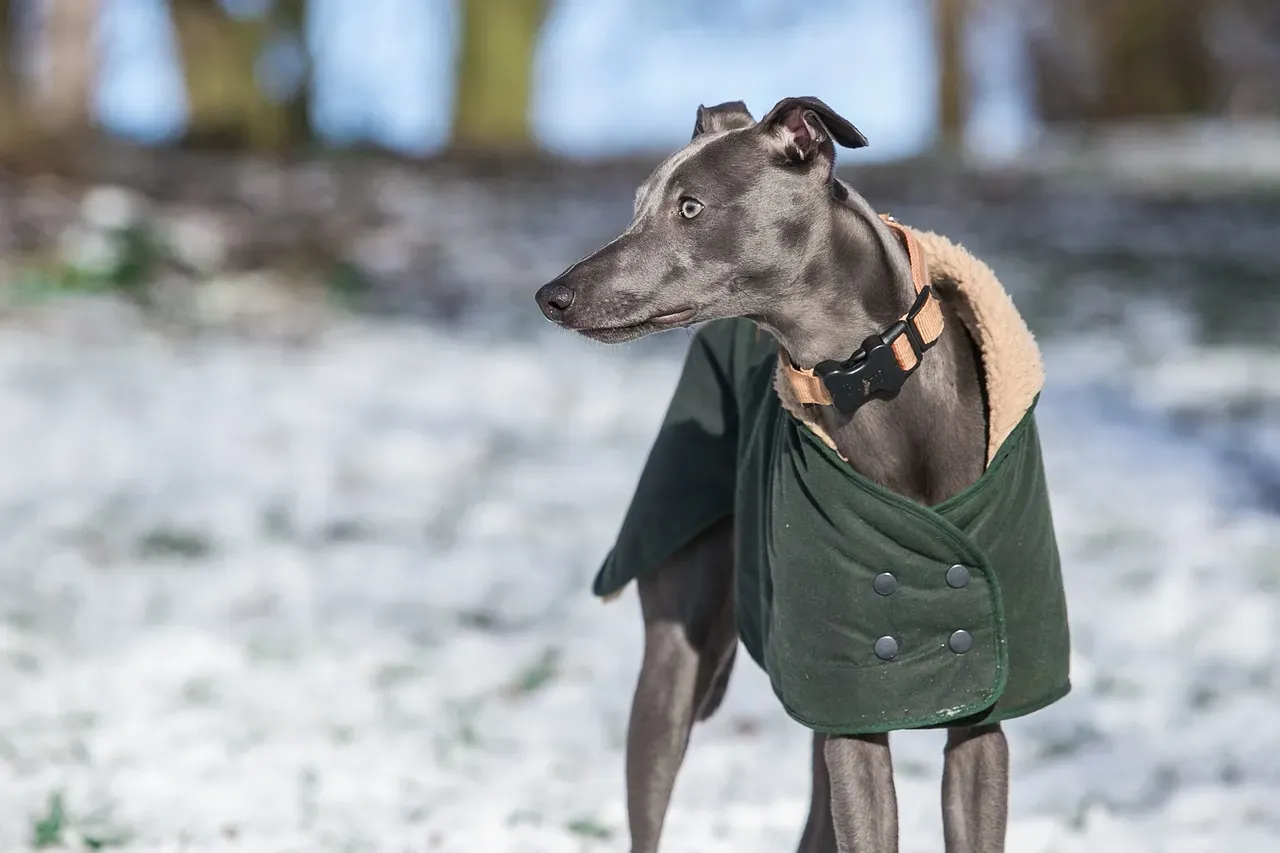
Whippets are ideal for seniors who want a dog with an affectionate nature but don’t want to deal with high-energy demands. Despite their athletic build, Whippets are surprisingly laid-back and content to rest in their owners’ laps after a brief burst of play or exercise. Their calm temperament makes them well-suited for quieter environments.
These natural athletes display spurts of energy followed by a lazy stretch: think a few spirited sessions of fetch per week and then watching a movie with you. Whippets require minimal grooming, just occasional brushing. Short, daily walks are usually enough to keep them active. They enjoy a calm environment, so no excessive exercise is necessary. Their thin skin and low body fat mean they feel the cold easily, so a dog sweater in winter is a practical necessity, not just a fashion statement.
14. Basset Hound – Soulful, Slow, and Seriously Lovable
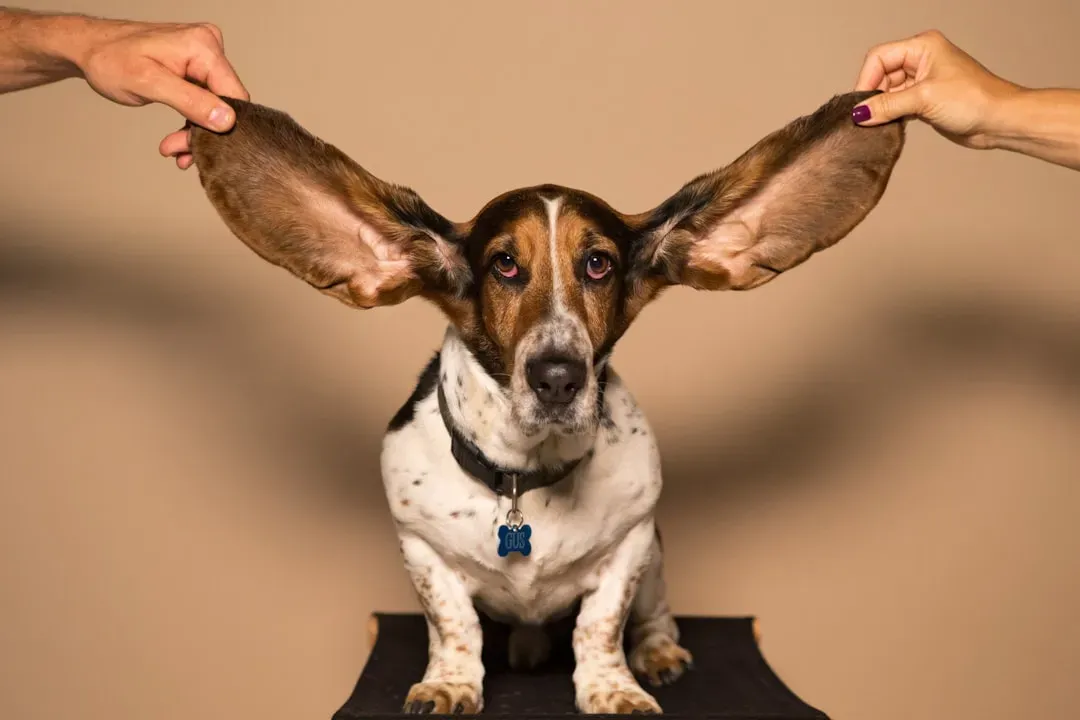
Basset Hounds are sassy, goofy little teddy bears known for their low energy levels and moderate exercise needs. While they can be a bit stubborn, they respond well to early, consistent training and socialization. Loyal and affectionate, Bassets may not be constant cuddlers, but they form strong bonds and rarely stray far from their owners.
They are prone to mild separation anxiety if left alone for extended periods, making them a wonderful fit for retired seniors who spend most of their time at home. Their long, velvety ears are adorable but require weekly cleaning to prevent moisture buildup and ear infections. A Basset who feels loved and unhurried is one of the most companionable dogs you’ll ever meet.
15. Cocker Spaniel – Warm, Willing, and Wonderfully Even-Tempered
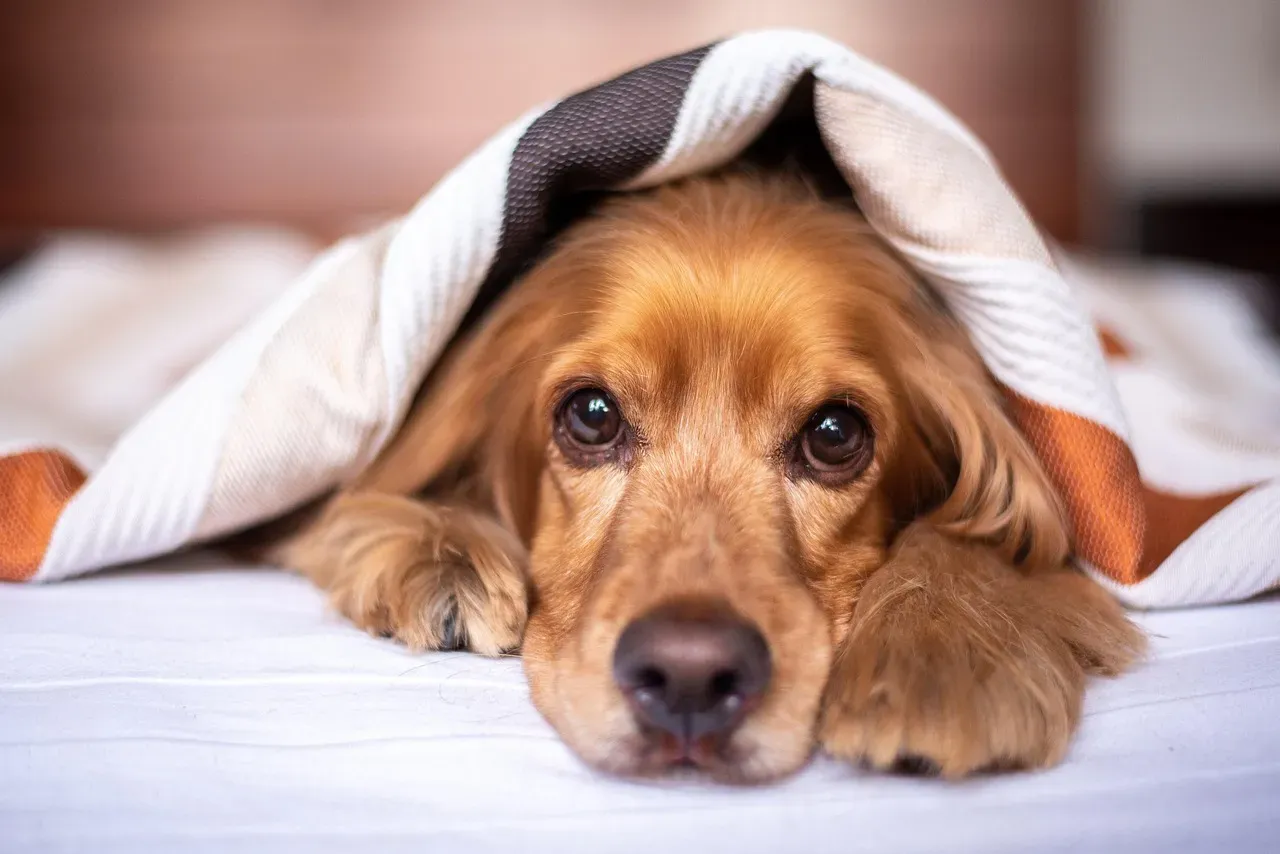
A Cocker Spaniel’s good-natured temperament can bring immeasurable warmth to everyday life. A Cocker Spaniel is a great breed for seniors who enjoy having a slightly larger dog with an affectionate presence. Their friendly demeanor and eagerness to please make them well suited to older adults who want a loyal and trainable companion.
Cocker Spaniels thrive on routine and respond beautifully to positive reinforcement. They’re gentle enough for quiet households yet curious enough to make walks genuinely engaging. Cocker spaniels are known for having frequent ear infections, so checking and gently cleaning those famous floppy ears every week is one of the most important preventative care habits an owner can adopt.
16. Greyhound – The Gentle Giant Nobody Expects
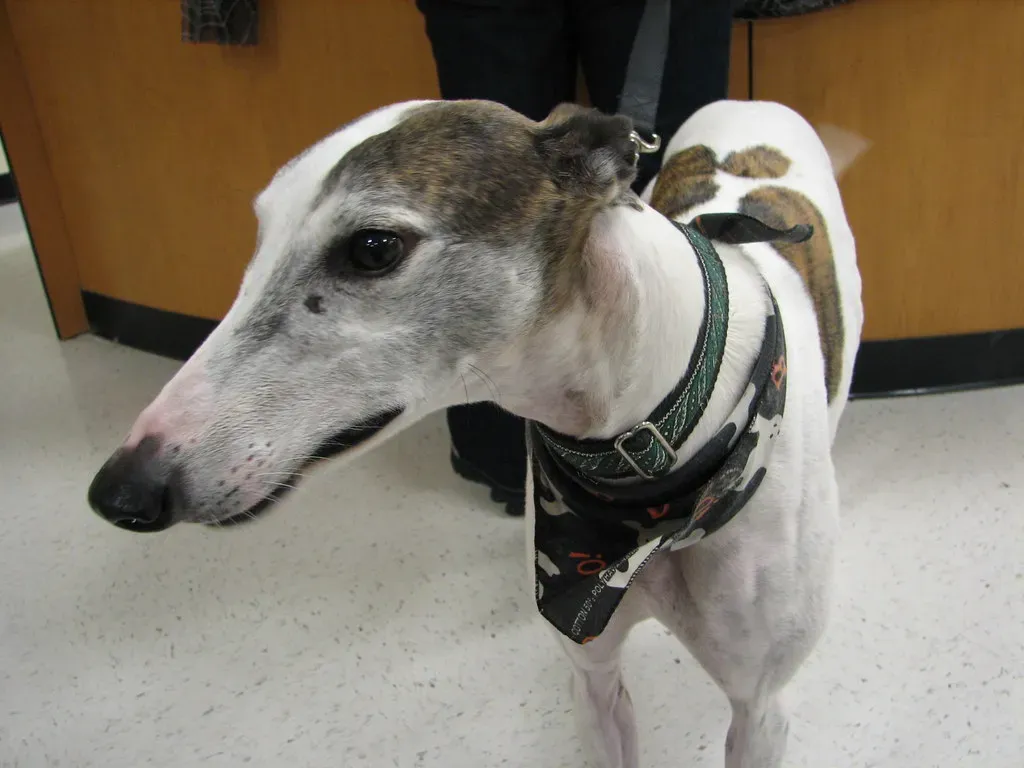
Surprisingly, Greyhounds are among the most low-maintenance large breeds. Known as “couch potatoes,” they enjoy lounging indoors but appreciate a daily walk. Their calm nature makes them wonderful for retirees seeking a peaceful companion. Their reputation as racing dogs makes this seem counterintuitive, but retired Greyhounds are remarkably relaxed housemates.
They are tall but lean and easy to handle. They’re best for seniors who want a gentle, quiet, and elegant dog. Greyhounds are sensitive souls who respond poorly to harsh tones. Speak gently, keep the environment predictable, and you’ll have one of the most serene large dogs imaginable. Their short, smooth coat is one of the easiest to maintain of any breed on this list.
17. Clumber Spaniel – The Thoughtful Plodder Who Never Rushes
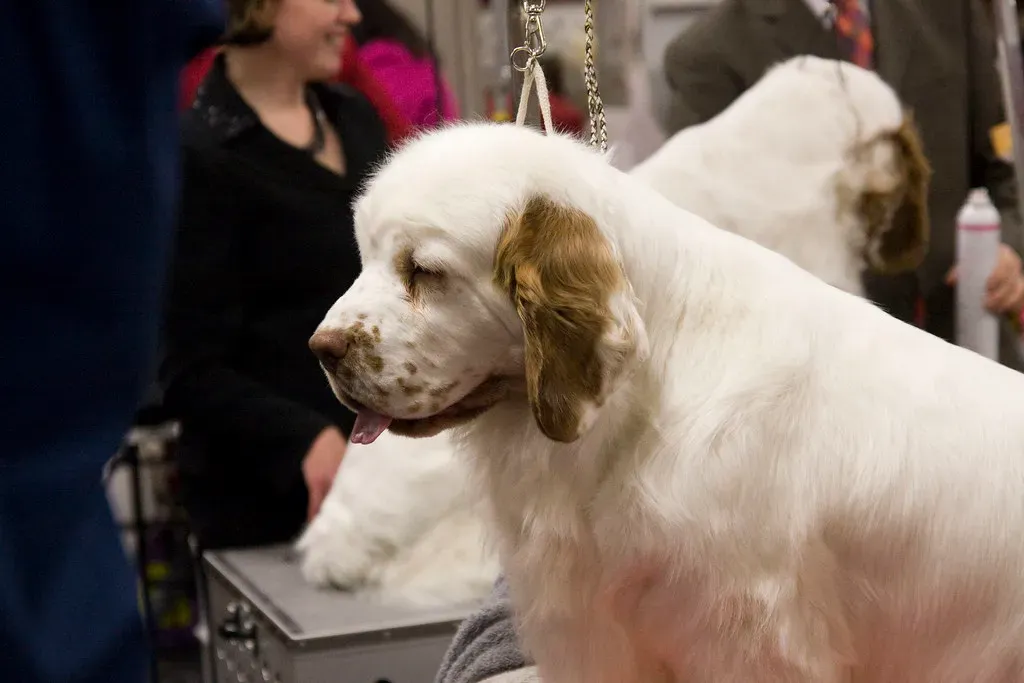
The Clumber Spaniel is a wonderful breed for seniors who love a laid-back dog with a calm temperament. They may have the build of a working dog, but their relaxed nature makes them perfect for owners who prefer a dog that enjoys slow walks and lounging around. Their gentle personality and easy-to-manage care routine make them a suitable choice for seniors who appreciate a good-natured companion.
The Clumber Spaniel is a medium-sized breed with a sturdy build, long ears, and a calm demeanor. Known for their excellent scenting abilities, they’re historically used for hunting, but they’ve adapted well to life as a gentle companion. Despite their hunting background, they tend to be relaxed and enjoy a more sedentary lifestyle, which is ideal for seniors. Like all Spaniels, regular ear checks are a must.
18. Boston Terrier – The Adaptable, Low-Fuss City Dog
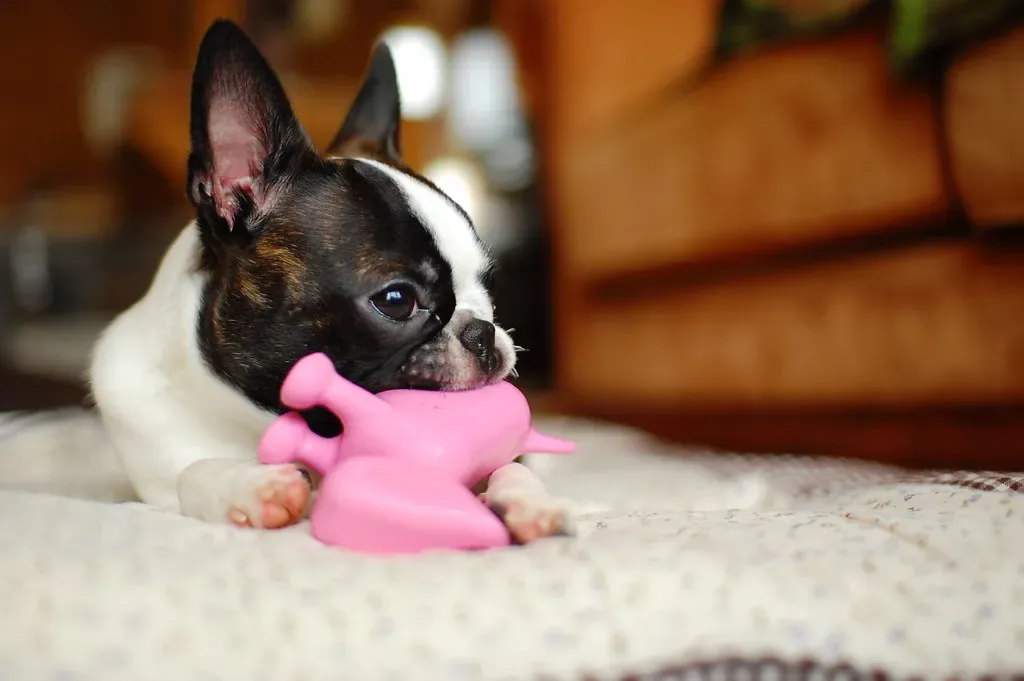
Boston Terriers are friendly and adaptable with a short coat and minimal grooming needs. Their moderate energy makes them a great companion for middle-aged or older adults. They’re genuinely versatile dogs, equally at home in a small apartment or a house with a garden, and they don’t ask for much in return for their steady affection.
Among dogs that bark the least are smaller breeds like the Boston terrier, which is no small advantage in shared living spaces or retirement communities. They’re alert and spirited without being hyperactive, meaning a short morning walk and some indoor play usually keeps them content. Their tuxedo-like markings and expressive eyes give them a personality that’s hard not to love.
19. Havanese – Sociable, Sunny, and Made for Close Company
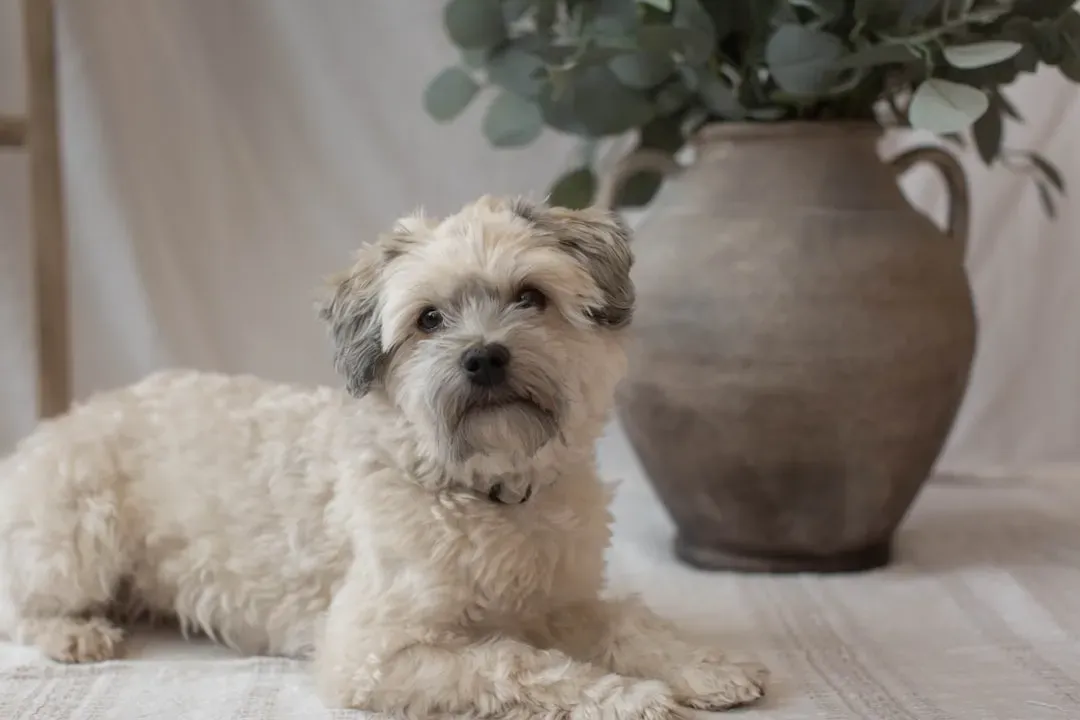
Havanese are outgoing and intelligent dogs with low-to-medium energy and are a great dog breed for seniors. They are social, trainable dogs that adapt well to most situations. Their one downside is that they can be prone to separation anxiety and don’t like to be left alone. However, this often works out well for seniors who spend most of their time at home.
While their energy requirements are low, they do have higher grooming needs similar to Shih Tzus. While they do need to be brushed and groomed, they do not shed excessively, which is great if allergies are a concern. Havanese are known for being exceptionally sensitive to their owner’s moods, often providing comfort instinctively during difficult days. That emotional attunement is one of their most quietly remarkable qualities.
20. West Highland White Terrier – The Terrier That Actually Settles Down
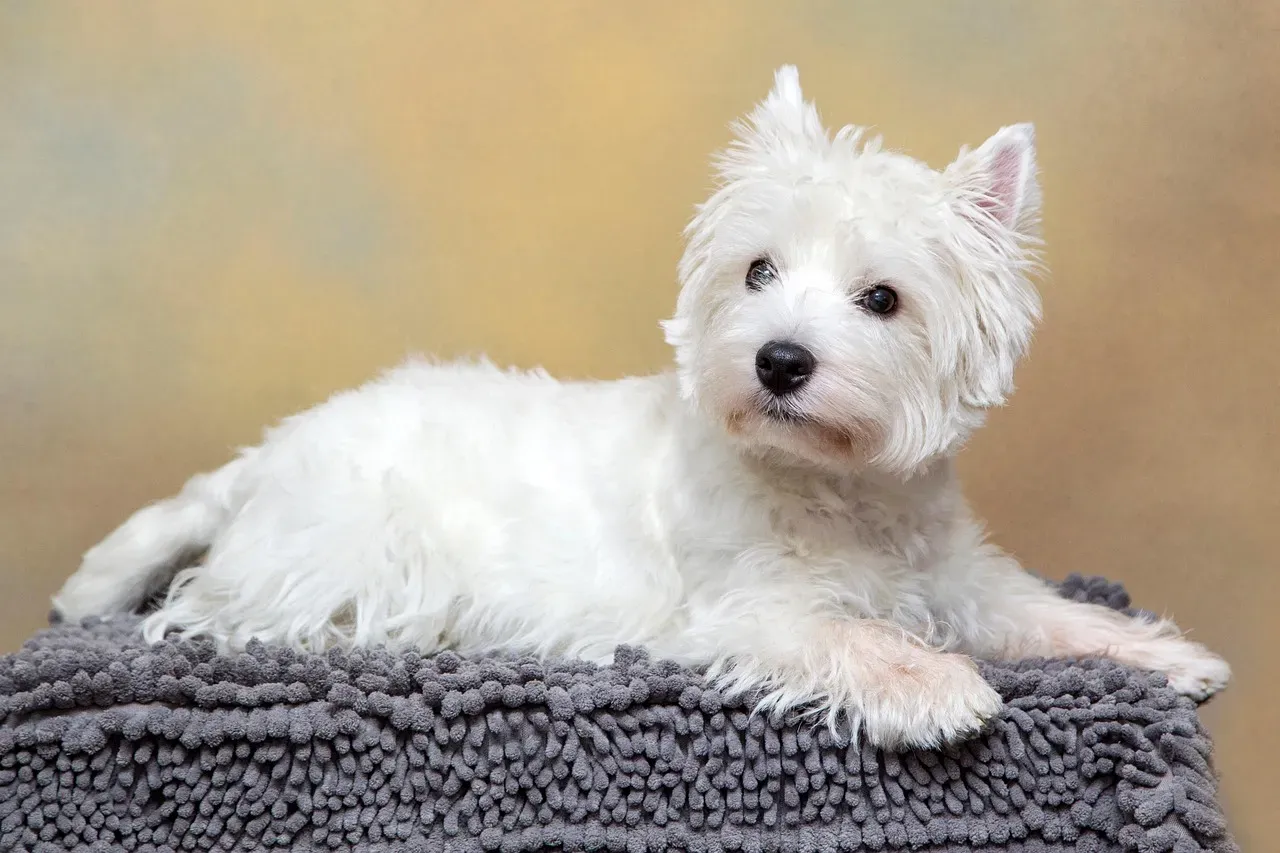
West Highland White Terriers are small, bold, and surprisingly calm. They’re a good fit for seniors who want a companion with personality but still easy to manage. They bring just enough spirit to keep things interesting without ever becoming overwhelming. Think of them as the dog equivalent of a lively conversation partner who also knows when to sit quietly.
Westies are sturdy for their size and generally healthy, with a lifespan that often reaches the mid-teens. Their double coat requires regular brushing and professional grooming every few months, but they’re otherwise tidy and manageable. A dog can gently add structure to life, encourage light activity, and offer emotional support. Even something as simple as petting a dog can boost endorphins and reduce stress and anxiety. With a Westie beside you, that kind of quiet joy is a daily given.
What to Consider Before Choosing Your Companion
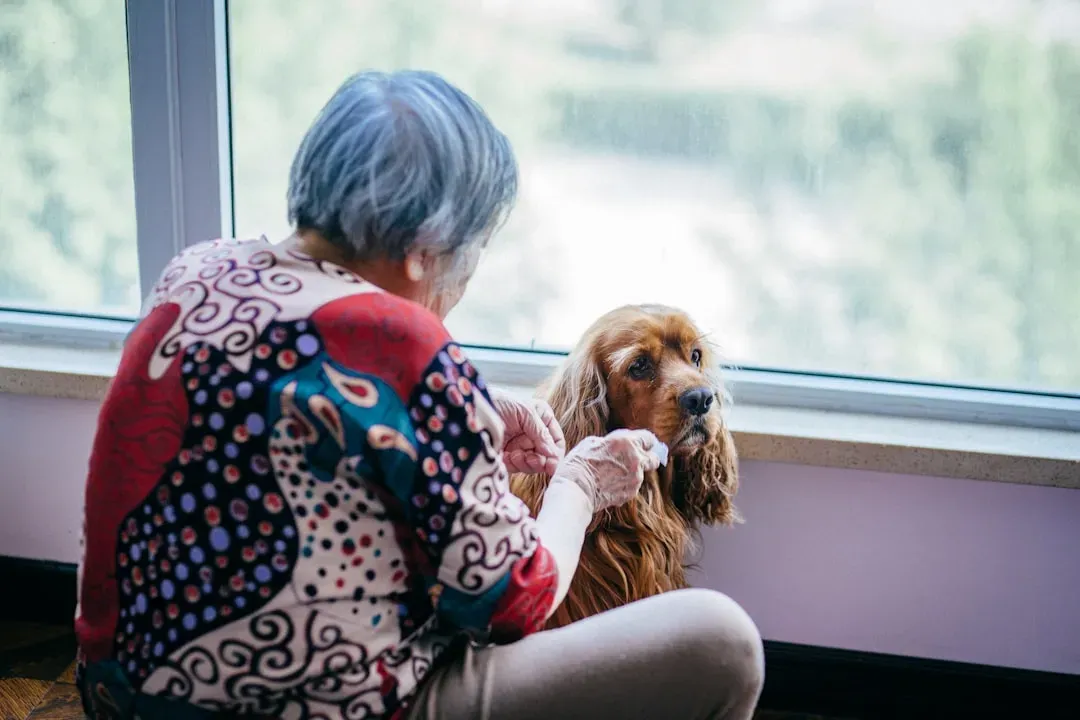
Some important points to think about when searching for the best dogs for seniors are energy levels, the size of your home, the size of the dog, the breed’s sociability, and a dog’s age and temperament. Health and grooming demands matter too. A breed that looks low-maintenance on paper might have hidden costs in time, money, or physical effort that only become apparent after you’ve brought them home.
Older dogs are better for seniors to adopt than super active puppies who tend to chew and nip. Most dogs are considered “seniors” when they reach age seven. Adult dogs are typically already housetrained and well-socialized with people. Mature dogs also tend to be the calmest dogs, with more predictable behavior patterns. Several breeds, including the Pug, French Bulldog, and Cavalier, have health trade-offs that increase veterinary monitoring over time. No dog is truly zero-maintenance – all dogs need consistent feeding, veterinary care, and social interaction.
Conclusion: The Right Dog Changes Everything
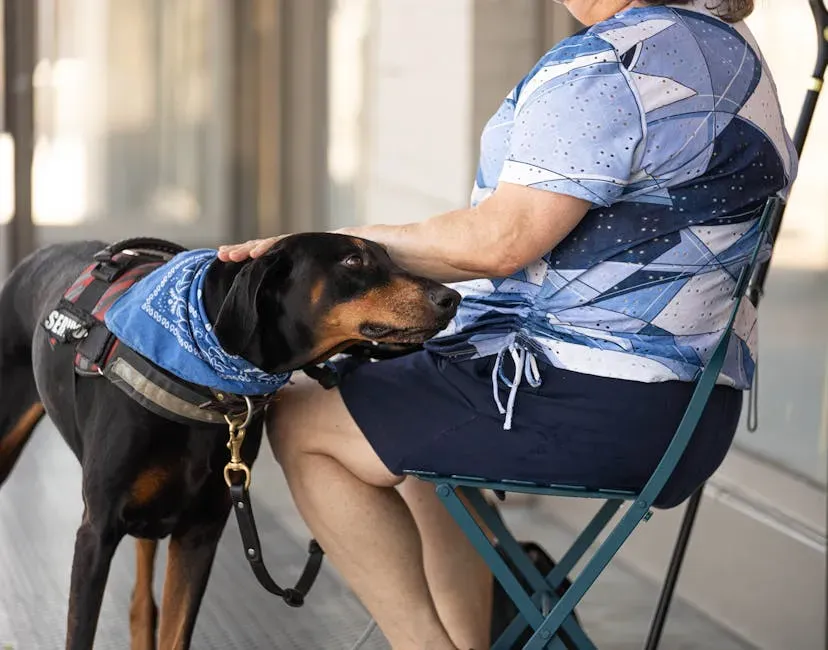
The right dogs for seniors can help an elderly loved one stay lightly active, ease loneliness, and uplift mood and cognitive health. Studies have shown that dog ownership can improve mental well-being, promote heart health, and contribute to a longer, more fulfilling life. None of that requires a high-energy breed or a complicated routine. It just requires the right match.
Every breed on this list has something genuine to offer. The question is simply which one fits the rhythm of your life. A Cavalier for the person who craves quiet warmth. A Westie for the one who still has a little spark. A Greyhound for the senior who wants something unexpectedly elegant and wonderfully unhurried. The beauty of this list is that “calm” doesn’t mean boring. It means the dog meets you where you are, every single day.
When the match is right, you won’t just gain a pet. You’ll gain a reason to get up in the morning, a warm weight beside you in the afternoon, and a quiet reminder that simple presence is, in fact, everything.


