
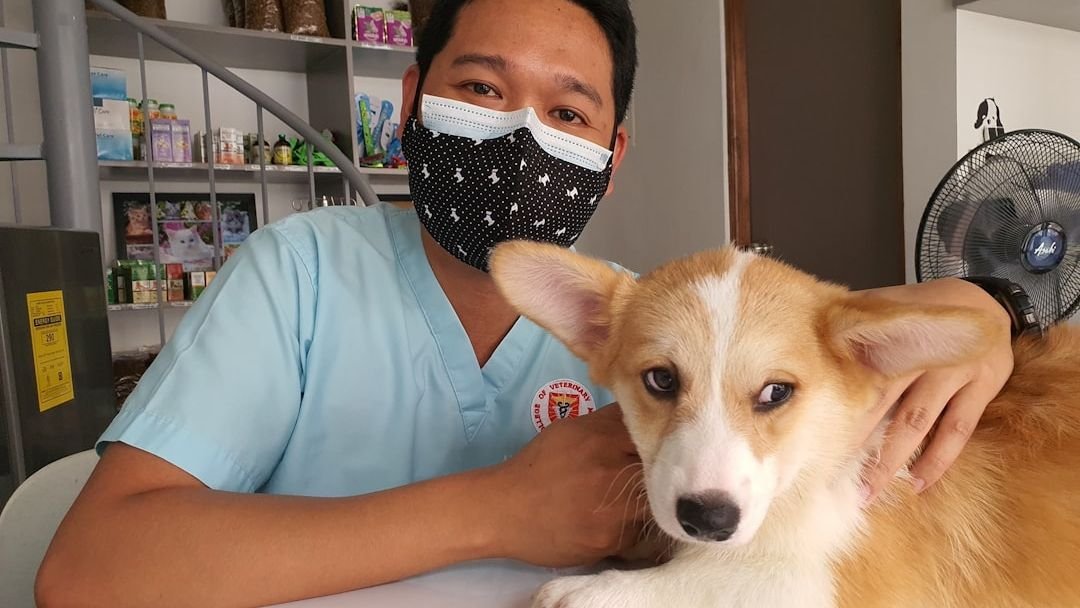
Picture this: it’s time for your dog’s annual checkup. You grab the leash and suddenly your normally fearless pup is trembling, pulling toward the door, or hiding under the bed. Sound familiar? You’re not alone, and neither is your dog.
Research involving tens of thousands of dogs found that over half of all dogs showed fear in some capacity in a veterinary context, with a large portion exhibiting mild to moderate fearful behavior and a notable minority showing severe or extreme fear during examination. That’s a staggering number, and it says something important: vet anxiety isn’t a “bad dog” problem. It’s a completely normal response to an unfamiliar, often uncomfortable situation.
The good news is that with the right preparation and a little patience, you can genuinely change how your dog feels about the vet. These eight steps are practical, grounded in real canine behavior, and designed to make a difference, whether your dog is a nervous newcomer or a seasoned patient who still can’t stand the exam table.
Step 1: Understand Why Your Dog Is Stressed in the First Place

Before you can fix the problem, it helps to understand what’s actually happening inside your dog’s head. For many dogs, a visit to the veterinary hospital is a stressful and overwhelming experience, largely because of the unfamiliar sounds and smells, new people, other dogs, and the physical handling that comes with exams. Your dog isn’t being dramatic. They genuinely don’t understand why they’re being touched by strangers in a strange place.
Pets don’t understand that poking them with needles, checking their temperature, touching their toes, or sticking instruments in their ears is beneficial to their health, and they can become stressed. In response to a stressful scenario, a pet’s brain enters fight-or-flight mode, and remembering previous visits can trigger repeated and worsening anxiety during future veterinary visits. That cycle is the real problem, because each bad visit can make the next one harder.
Vet anxiety often stems from a combination of unfamiliar surroundings, strange smells, and past negative experiences. Dogs are creatures of habit, and a vet clinic is full of unfamiliar stimuli such as other animals, unusual sounds, and people in uniforms, which can cause fear or uncertainty. Simply recognizing this goes a long way toward approaching the situation with empathy rather than frustration.
Step 2: Learn to Read Your Dog’s Stress Signals Early

One of the most powerful things you can do as a dog parent is learn to spot anxiety before it escalates. The signs of anxiety in dogs are often subtle and can easily be misinterpreted unless the full context is understood. What looks like a dog “being silly” is often a dog quietly asking for help.
That whole-body shake can be amusing and is quite normal, unless it occurs as the result of a stressful situation. The “shake off” that dogs often do after they descend from the veterinarian’s exam table is likely triggered by stress. Some dogs pace when they are agitated or frightened, and some dogs walk a repeated path around the exam room while waiting for the veterinarian. Panting without physical exertion is another common red flag worth watching.
Learn to observe your dog closely for subtle signs of anxiety like yawning, licking, raising a front paw, or looking away. If your dog stops eating or refuses treats, it often indicates their stress levels are too high, and you and your veterinary care team may need to make adjustments in their experience. A dog who turns down their favorite snack in a normally food-motivated moment is sending a clear message.
Step 3: Practice Handling at Home Before You Go
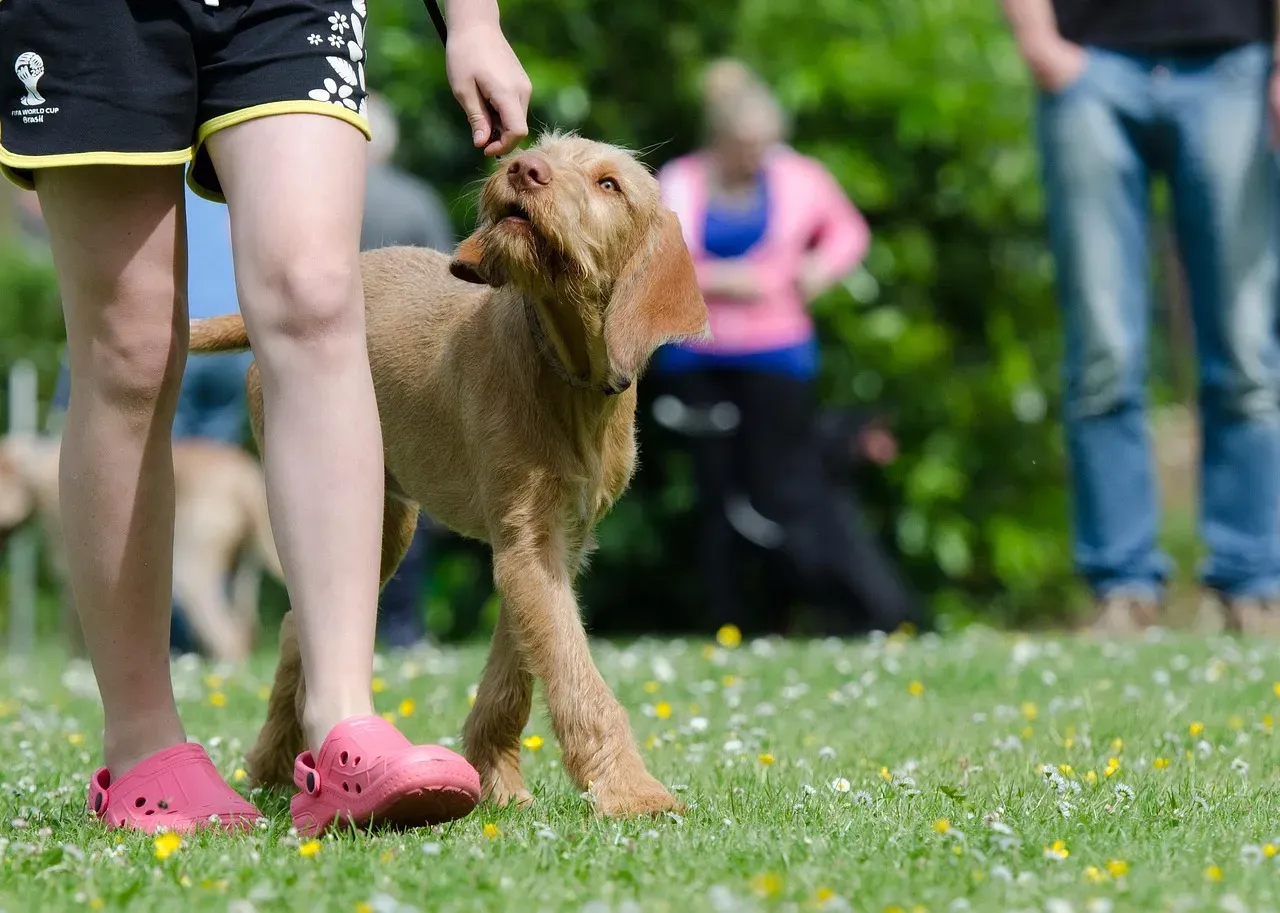
This step is one of the most underused tools available, and it’s completely free. Desensitization and counterconditioning are training techniques used to help pets associate potentially unpleasant handling with tasty treats or other positive rewards such as praise, petting, or a favorite toy. By practicing these strategies with your pet, you teach them to replace their negative reaction with a new, positive response.
Feet, nails, and ears are common spots that pets dislike having touched, but you can work on any sensitive body area by lightly touching it while offering your pet a reward. Gradually lengthen the time you hold a body part until your pet no longer resists having it handled. Think of this as building a vocabulary of trust between you and your dog, one gentle touch at a time.
No matter how old your dog is, an important first step is to train them to accept restraint and examination, which will greatly reduce their anxiety when they get to the vet. Start with simple handling exercises. For a dog who is comfortable with touch, add massage into your daily interactions, preferably when your dog is tired. Tired dogs are more relaxed dogs, and relaxed dogs are far more receptive to new sensations.
Step 4: Make the Car Ride Part of the Solution, Not the Problem
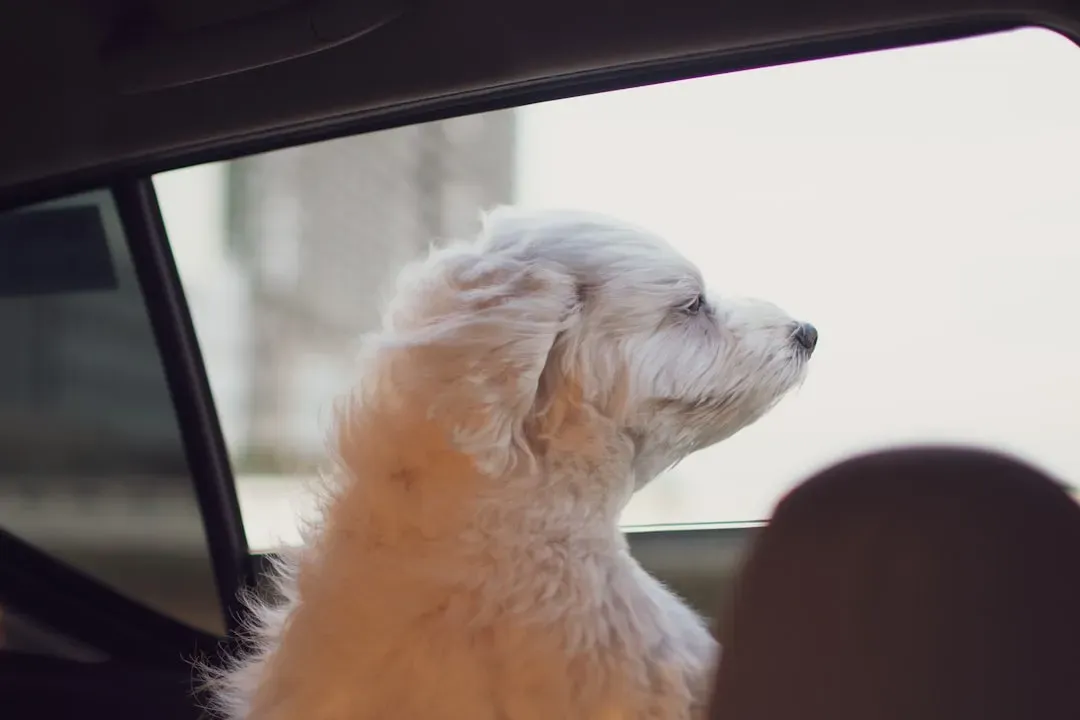
For many dogs, the anxiety doesn’t start in the waiting room. It starts the moment they step into the car. If your pet gets in the carrier or car only when they go to the veterinarian and have had previous stressful visits, they will soon learn that transport equals a frightening event. When your pet sees the carrier or you ask them to get into the car, their anxiety kicks in long before they arrive at the veterinary hospital.
It’s important that car rides don’t predict a trip to the vet, otherwise your dog’s stress will begin as soon as you enter the car. Make sure you take your dog out to other places such as the dog park or even just for a drive. Then, when you are heading to the vet, it will seem like just another fun outing. Variety in destinations truly does break the negative pattern.
For dogs with car anxiety, take quick trips around the block or to nearby places they enjoy, offering treats during the ride, and then return home for more goodies. As your dog becomes more comfortable with car rides, gradually increase your trip length. Small wins build into lasting confidence over time.
Step 5: Try the “Happy Visit” Strategy
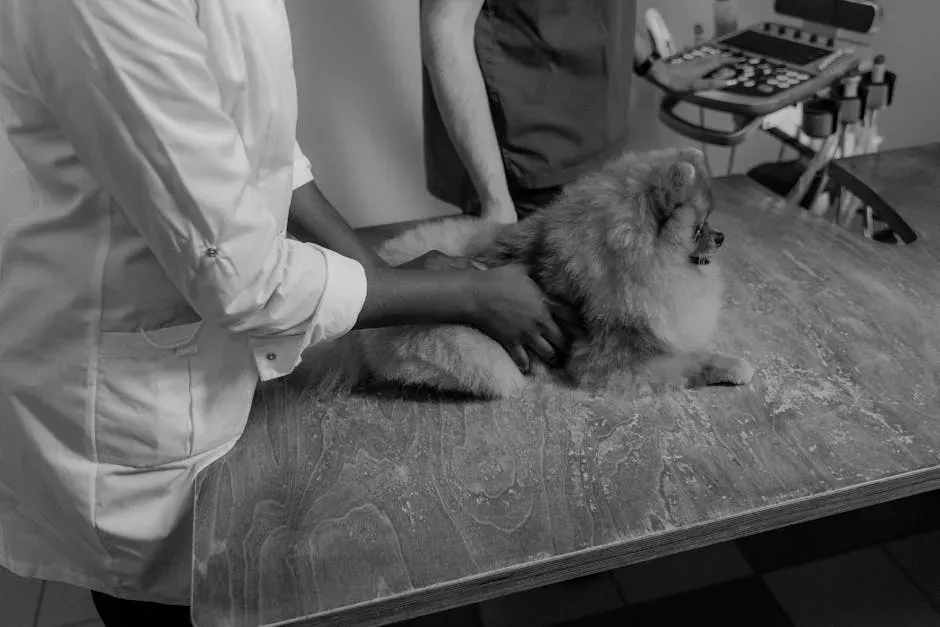
This is one of the most effective and least-known techniques available to dog owners, and it costs nothing more than a little time. A “happy visit” refers to taking your dog to the vet on a day when they do not need medical treatment, just a visit to the building to create positive associations before or between scheduled appointments. The best time to start this process is during puppyhood, but it is equally beneficial for adult dogs.
Happy visits to your veterinarian’s office focus on helping your pet replace past negative memories with positive associations. During a happy visit, your pet will greet team members, receive lots of attention, and explore the hospital while receiving high-value treats, with no poking, prodding, or needles. Your pet will eventually get excited to see their favorite people when you pull into the veterinary hospital parking lot.
Start with small steps, such as giving your dog treats in the car or parking lot outside the veterinary hospital. Call ahead to ensure the clinic isn’t too busy, and ask if a staff member can greet your dog with treats outside. Gradually, work toward bringing your dog inside the building to continue rewarding them with treats. Moving at your dog’s pace helps reinforce that positive experiences occur when they visit the veterinary clinic.
Step 6: Pack the Right Supplies and Arrive Prepared
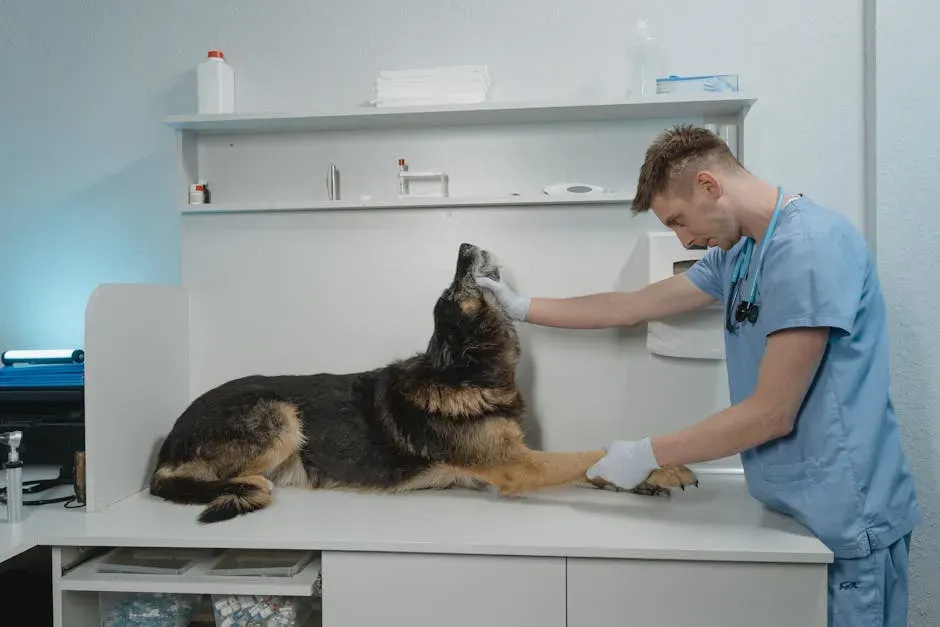
What you bring to the appointment matters more than most people realize. On the day of your veterinary visit, bring your dog’s favorite treats from home. Opt for small, soft treats that can be broken into smaller pieces and given throughout the appointment. You might also consider bringing a frozen rubber, hollow treat dispenser or a flat rubber textured mat filled with your dog’s favorite spreadable snacks for extra distraction.
High-value treats are treats that your dog loves and finds extra special. Unlike low-value treats, high-value treats are special enough to your dog that they’ll peak his interest even in an environment where there is distraction, like stressful triggers. Think small pieces of boiled chicken, cheese, or whatever makes your dog’s tail wag with zero hesitation.
Bringing your pet’s favorite toy, blanket, or bed can help them feel more comfortable by giving a sense of familiarity. Having something familiar from home can make your pet feel safer and help reduce stress during the visit. Before your visit, try to stick to your pet’s normal daily routine, including regular feeding, walks, and playtime. Maintaining consistency can help your pet feel more secure and reduce confusion or anxiety at vet visits.
Step 7: Manage the Waiting Room and Stay Calm Yourself
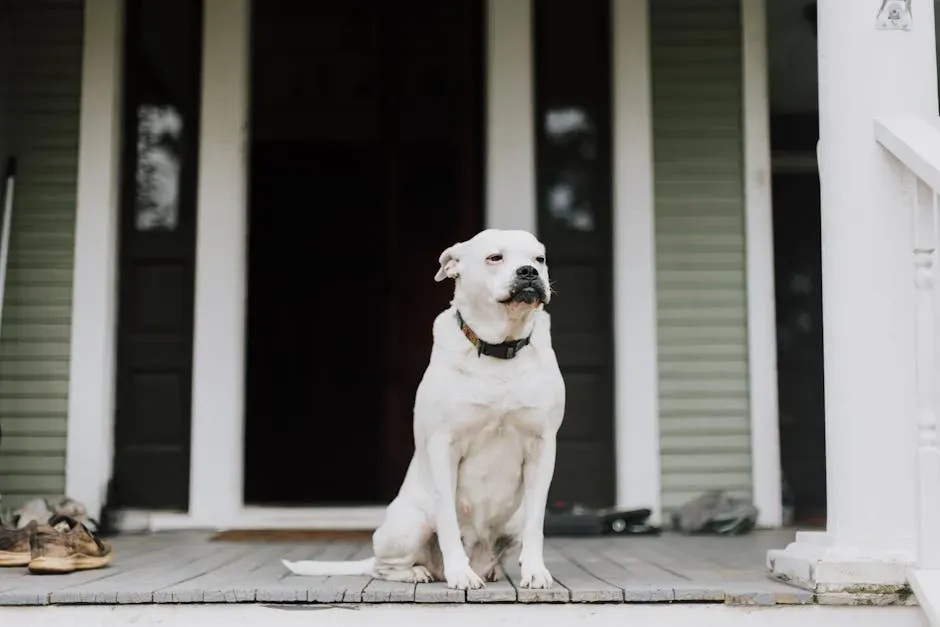
Waiting rooms can be an unexpected anxiety minefield. Waiting rooms can increase stress due to the array of sounds, sights and smells. While you may not have control over the wait time, especially during emergency visits, you can minimize your dog’s anxiety by waiting in a quieter area, such as outside or in the car, if this is a less stressful environment for them.
Waiting for a long time at the clinic can raise your pet’s stress levels. To help keep your pet relaxed, consider scheduling appointments during less busy times when the waiting area is calmer. This reduces the risk that your pet will be exposed to stressful external stimuli. Early morning slots or mid-week appointments often mean shorter waits and a quieter environment.
Your own energy matters enormously here. Pets are incredibly tuned into their owners’ emotions and look to them when feeling uncertain about a particular situation. If you’re worried about your pet’s behavior at the veterinary hospital or concerned about how they’re feeling, you might put off an anxious, unsure vibe that your pet will notice. It is also important for the owner to feel calm, relaxed and in control. Any anxiety the owner feels is transmitted to the dog. Your steady presence is one of the most powerful calming tools you have.
Step 8: Explore Calming Aids and Talk to Your Vet About Medication if Needed
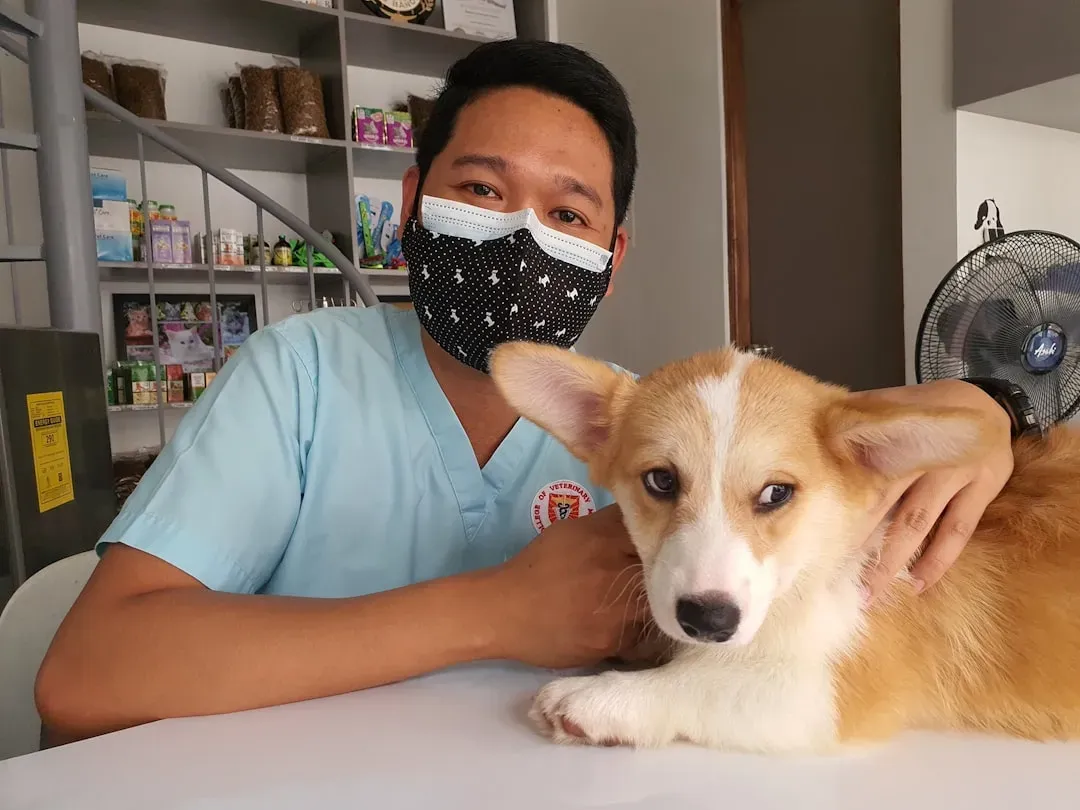
Sometimes preparation and training aren’t quite enough on their own, and that’s completely okay. There are several calming products available that can help ease your pet’s anxiety. Items such as pheromone diffusers, calming sprays, and pet-friendly anxiety vests can help soothe your pet before they enter the clinic. These products can help reduce stress and make your pet feel safe.
A gentle massage is an effective way to help both people and animals relax. Rather than hugging, holding, or stroking your dog, which can sometimes increase their fear, try giving a calming massage. Start behind the ears and slowly work your way down the spine. Massaging under the chin and chest can also help your dog feel more at ease.
For dogs with persistent, severe anxiety, a conversation with your veterinarian about medication is absolutely worth having. For many dogs with pre-existing fear or anxiety, anti-anxiety medications can be beneficial when given at home a few hours before a veterinary visit. Not only can high levels of fear and stress in your dog negatively affect their overall health, but it often hinders your veterinarian’s ability to conduct a proper examination and provide medical care. A dog’s welfare and behavior can significantly improve by giving anti-anxiety medications before stressful events. There’s no shame in using every tool available for your dog’s wellbeing.
Conclusion: One Calm Visit at a Time
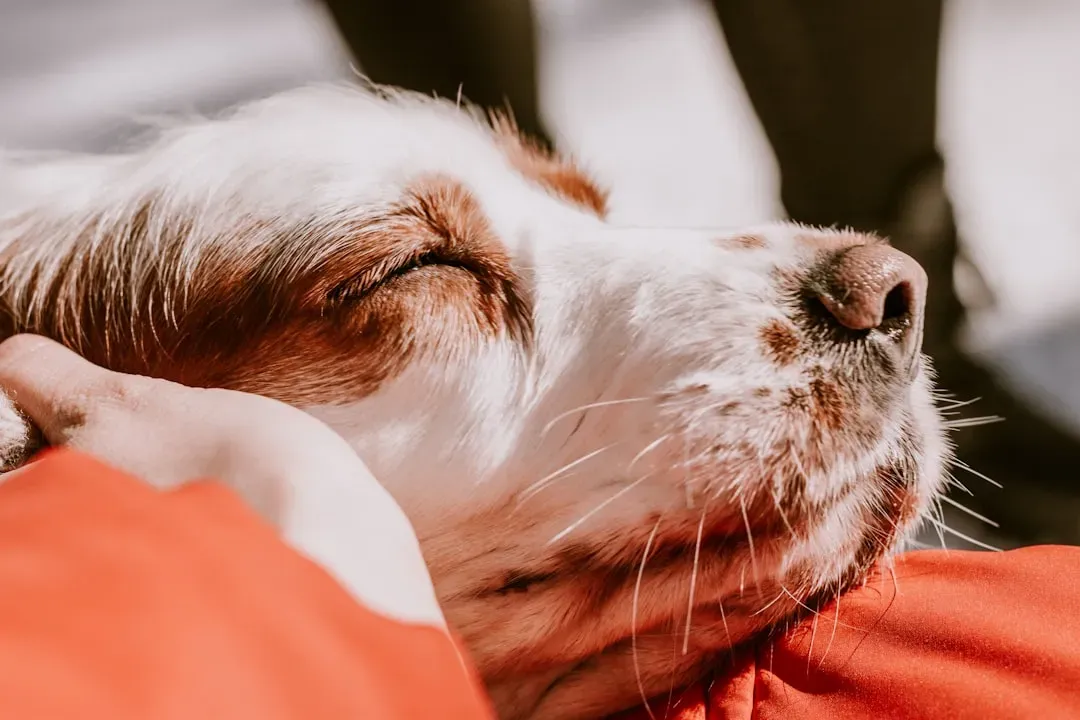
Transforming your dog’s vet experience won’t happen overnight, and there will likely be setbacks along the way. That’s not failure. That’s just how behavior change works, in dogs and in all of us. The key is consistency, patience, and the willingness to meet your dog where they are rather than where you wish they were.
Every happy visit, every treat handed to a smiling vet tech, every calm car ride to somewhere your dog loves, is a small deposit into a bank account of trust. Over time, those deposits add up. The more your pet learns that the clinic is a place where good things happen, the less likely they are to get anxious when they’re tipped off about an upcoming visit. Regular, low-stress experiences combined with the right preparation at home can make future visits smoother for everyone.
Your dog looks to you for every cue about whether the world is safe. When you walk into that clinic relaxed, prepared, and armed with a pocket full of their favorite treats, you’re telling them, in the clearest possible language: I’ve got you. That message, more than anything else, is what makes all the difference.


