
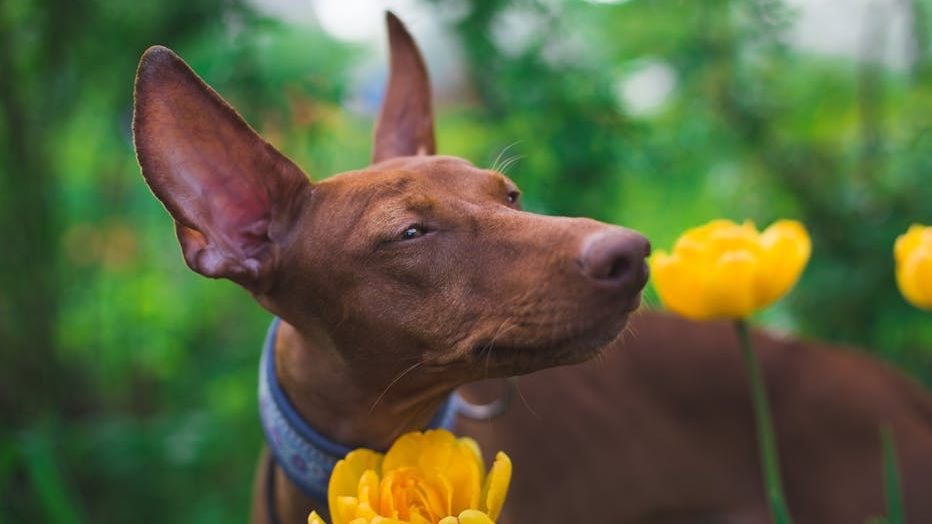
Picture this: your French Bulldog snorts through another restless night, your vet’s number is already saved under “Favorites,” and a surgery quote is sitting open on your laptop. You love that dog with everything you have, but the financial weight of keeping a structurally compromised breed healthy is something nobody warned you about at the pet shop.
Here’s the thing most dog buyers don’t realize until it’s too late. Monthly insurance premiums can vary significantly depending on the breed, mainly due to the breed’s risk profile for injuries and hereditary health issues. Rottweilers top the charts with some of the highest average insurance claim amounts, followed closely by Bernese Mountain Dogs, Great Danes, English Bulldogs, and French Bulldogs. Meanwhile, there’s a whole world of remarkable, largely overlooked breeds quietly living long, healthy lives on a fraction of the budget. These 16 rare gems deserve far more attention than they get.
1. Basenji: Africa’s Barkless Wonder
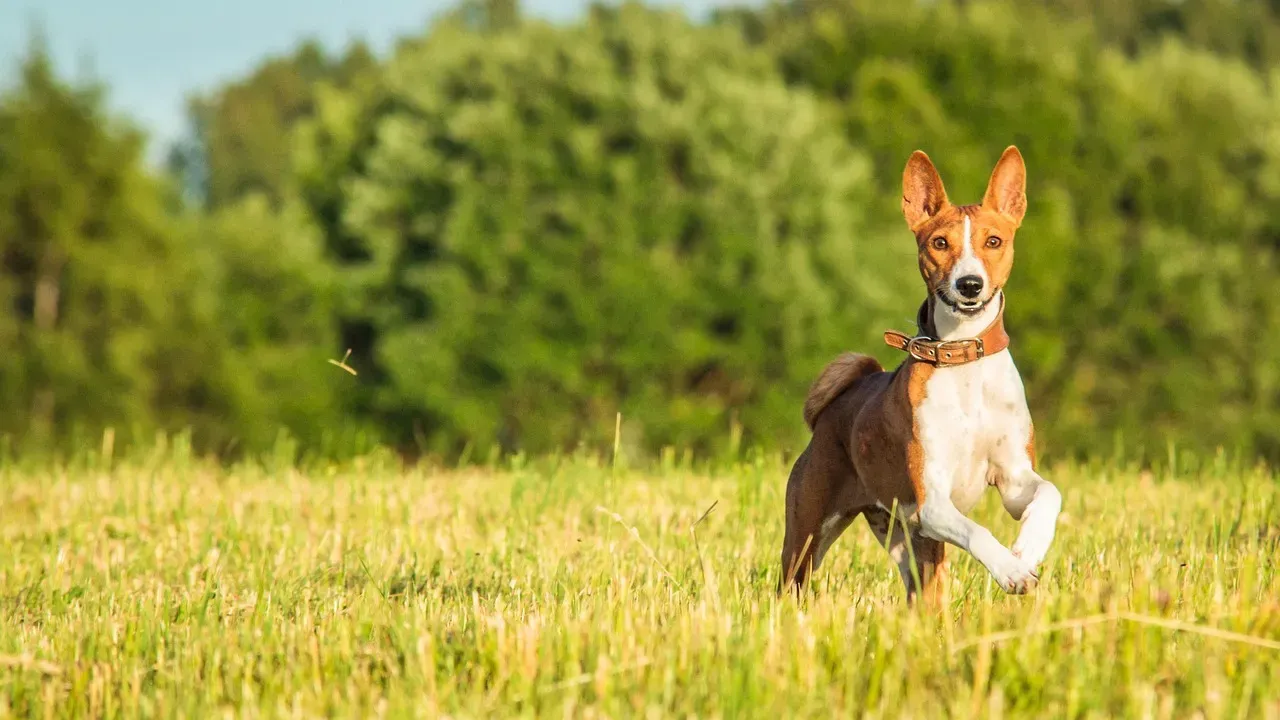
The Basenji is a unique breed known for its independence and cat-like grooming habits. These dogs are often called the “barkless dogs” due to their inability to produce a typical bark, instead making a distinctive yodeling sound. Basenjis are also known for their strong health and longevity. Originating from Central Africa, this ancient breed was shaped by survival and natural selection, not by human-engineered breeding standards that prioritize looks over function.
They have few genetic health issues, with Fanconi syndrome being the most notable, though responsible breeding practices have reduced its prevalence. Basenjis are generally low-maintenance in terms of health care, and their active lifestyle keeps them fit and healthy. Their long lifespan, often 13 to 14 years, and minimal health problems make them a great choice for those seeking a healthy breed. If you want a dog that grooms itself like a cat, rarely smells, and keeps vet visits to routine checkups, the Basenji is a revelation.
2. Greyhound: The Couch Athlete
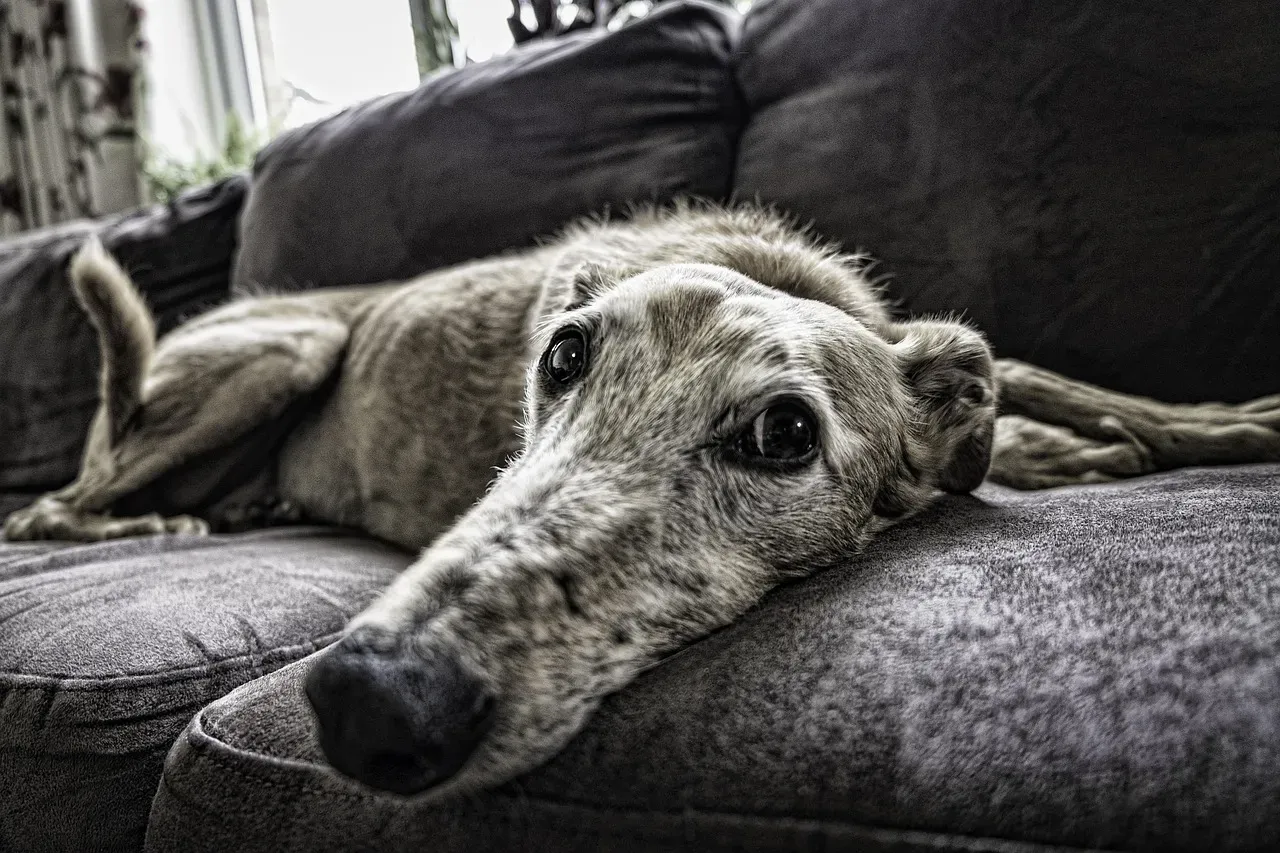
Greyhounds are known for their sleek build and incredible speed, but they are also recognized as a very healthy dog breed. They tend to have fewer genetic issues compared to other breeds, and their lean body helps them avoid joint and muscle problems that larger dogs often face. Greyhounds are relatively low-maintenance in terms of health, making them a solid option for owners. It’s one of the more surprising contradictions in dogdom: a former racing dog that turns into a contented sofa companion.
Their lean build helps prevent obesity, and their calm demeanor reduces the stress-related issues seen in more anxious breeds. Their lean physique helps minimize the risk of hip dysplasia, and they generally have good heart health. However, they can be sensitive to anesthesia and prone to bloat, so it’s important for their owners to be aware of these issues. Keep portion sizes consistent, avoid vigorous exercise right after meals, and you’re largely in the clear health-wise.
3. Whippet: The Gentle Speed Machine

Whippets, originally bred for racing and hunting, are known for their sleek, athletic build and minimal genetic health issues. They’re both fast and resilient. Thanks to their gentle demeanor and affectionate nature, they’re excellent companions for families with children, as well as individuals who appreciate their low-maintenance grooming needs and their love of lounging around the house. They genuinely are a two-mode dog: full sprint, then full nap.
Whippets have no major health issues of note other than a propensity to become obese. The Whippet’s frame is built for speed and is very lean. Many people think their Whippets are skinny or underweight and overfeed them until they become obese, which can cause all sorts of health problems as the dog ages. Whippets that escape obesity should have little issue living to be 15 or even 16 years old. That’s a notably long life with a very light vet bill history behind it.
4. Shiba Inu: The Spirited Japanese Fox

Amongst the oldest breeds in the world, Shiba Inus were originally bred as hunting dogs, and as such tend to be very healthy and strong. The Shiba Inu is a small, agile breed known for its spirited personality and robust health. Shiba Inus are known for their longevity, often living 12 to 15 years, and their overall good health makes them a low-maintenance breed in terms of veterinary care. Their ancient lineage means centuries of natural resilience baked right into their DNA.
The most common health condition within the Shiba Inu breed is allergies. The national breed group recommends breeders test for hip dysplasia, eye disorders, and patella luxation. Those are manageable concerns rather than catastrophic ones. Shiba Inus are known for their strong-willed nature and can be challenging to train. They require consistent training and socialization from a young age. Regular vet visits can help you monitor their health and catch common conditions like allergies early.
5. Cirneco dell’Etna: Sicily’s Ancient Hound

The Cirneco dell’Etna is a small to medium-sized sighthound whose ancestors arrived to Sicily nearly 3,000 years ago. The quick and nimble breed has hunted rabbits and birds over rocky and hot terrain in the shadow of Mount Etna for thousands of years. Sleek and sinewy, this ancient coursing hound of Sicily is an athletic hunter given to quick bursts of speed. As housedogs, Cirnechi are mild, low-maintenance companions cherished for their loyal and gentle nature.
Overall, they are an extremely healthy breed with a lifespan of 12 to 14 years. They do great with people, including children, and make wonderful house pets. Their glossy, short coat makes it incredibly low maintenance for grooming. This breed makes a great choice for those who wish to avoid heavy shedding. If you’re drawn to elegant, ancient sighthounds but not the steep healthcare costs of more fashionable breeds, the Cirneco is quietly extraordinary.
6. Ibizan Hound: The Pharaoh’s Budget-Friendly Cousin
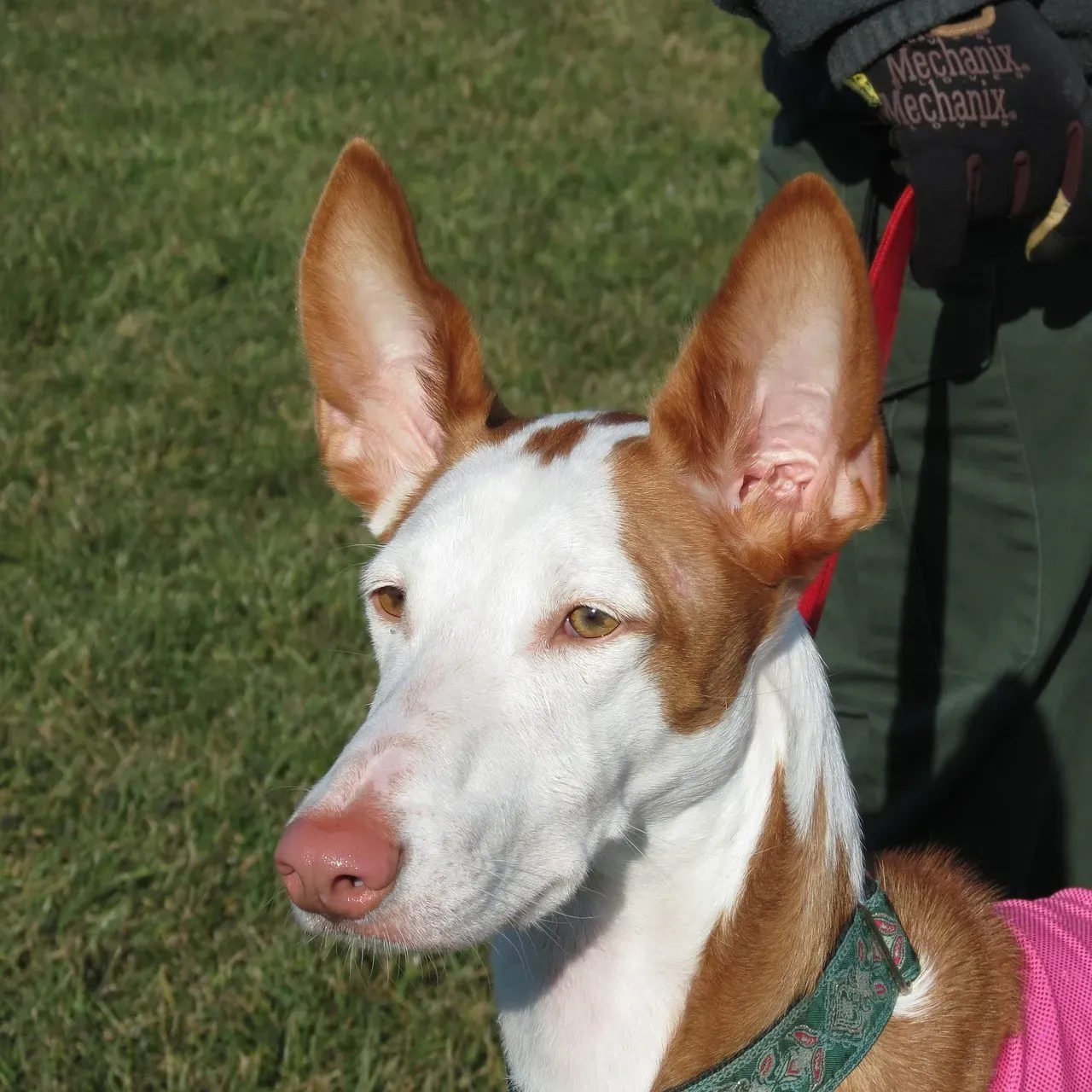
The Ibizan Hound is a rare and ancient breed known for its sleek, athletic build and excellent health. These dogs were originally bred for hunting on the Balearic Islands, and their active lifestyle has contributed to their overall good health. Ibizan Hounds are generally free from major genetic health issues, with only occasional cases of hip dysplasia or hypothyroidism. Their lean, muscular build and active nature keep them in excellent physical condition, and their lifespan typically ranges from 12 to 14 years.
Ibizan Hounds are calm, family-oriented, polite, affectionate, good with other dogs, playful, and tireless. They are an ancient breed whose big-eared and long-necked image is found on relics from ancient Egypt. They thrive with daily exercise and a good fence – their jumping ability is genuinely impressive. Keep them active and mentally engaged, and their health largely takes care of itself.
7. Canaan Dog: The Desert Survivor
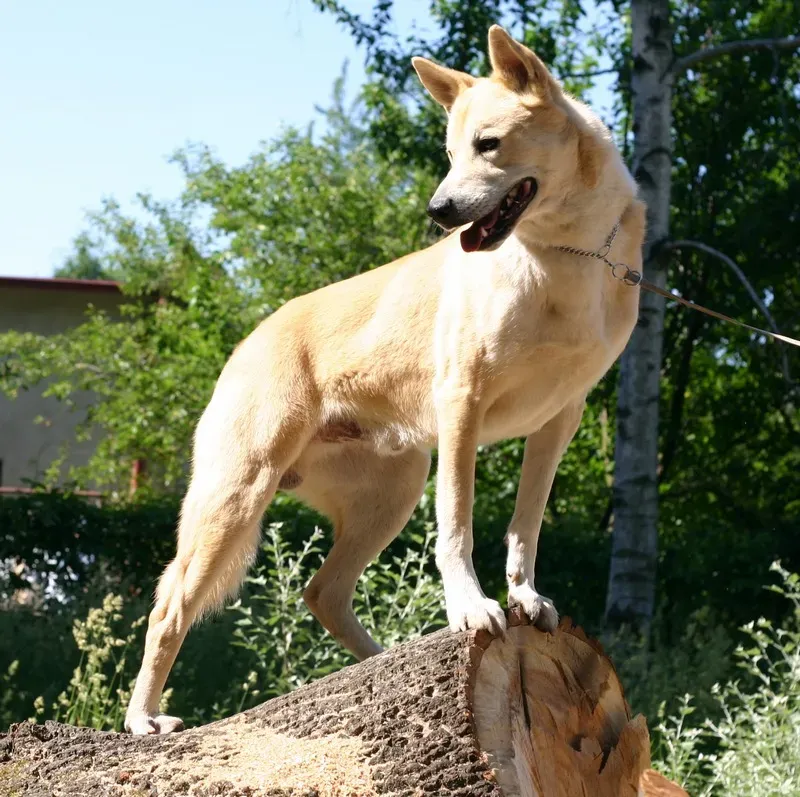
The Canaan Dog is one of the few truly ancient breeds that still exist in nearly original form. Indigenous to the Middle East, they were once wild desert scavengers before being domesticated by Bedouins. Today, they’re loyal, alert, and incredibly adaptable. Their survival instincts are strong, which means they’re wary of strangers but devoted to their families.
Canaan Dogs are known for their intelligence and independence, and this rare dog breed does best with experienced pet parents who dedicate themselves to training. Socialization is also a must, as Canaan Dogs can be reserved around strangers at first. While training and socialization are a lifelong commitment to this rare dog, their grooming needs are minimal thanks to their dense but short coat. Thousands of years of natural selection without human interference produced a dog with remarkably sound genetics and very few breed-specific health crises.
8. Azawakh: The West African Sighthound

The Azawakh doesn’t walk, it glides. Slim, statuesque, and born to run, this West African sighthound looks like canine royalty. Bred by nomadic tribes to hunt gazelle in scorching deserts, it thrives in tough terrain. It’s also surprisingly affectionate, if you earn its trust. With their lean physique and long legs, they excel in coursing and agility competitions. Their short coat sheds less than many other breeds and doesn’t require much grooming upkeep.
The Azawakh’s constitution was hardened by centuries of living in one of the world’s most demanding environments. Azawakh dogs are calm and happy to hang out around the house with their humans. Originating in West Africa, the Azawakh is a regal breed with a tall and slender body. Fueled by a high prey drive and seemingly endless energy, these dogs transform into calm and fiercely loyal companions with their families. Their heat tolerance, lean frame, and natural resilience translate directly into fewer vet visits over a lifetime.
9. Mudi: Hungary’s Hidden Herding Gem
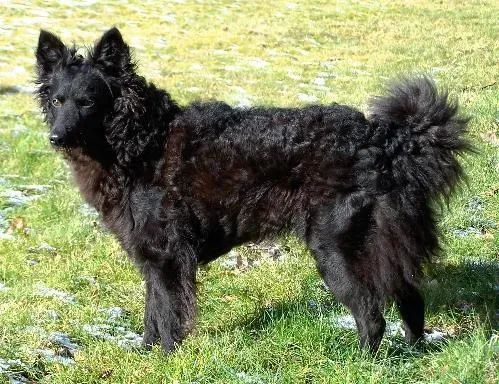
There are only a few hundred Mudi dogs in the United States. Accepted by the AKC in 2022, the Mudi is an all-purpose dog from Hungary. The Mudi is known for herding cattle and sheep, and has even been used for search and rescue efforts. They are incredibly intelligent and athletic, which is why they excel at agility games and competitions. A working dog through and through, built for endurance rather than aesthetics.
Mudis are active, playful, protective, affectionate, intelligent, courageous, energetic, and agile, and need their brains stimulated. They can handle unmanageable and stubborn livestock without being aggressive. They are farm dogs from Hungary that come in multiple color varieties. They are in the herding group and also perform search and rescue in the US and Finland. Function-bred dogs like the Mudi tend to carry a naturally broader gene pool, which often means fewer hereditary diseases and smaller vet bills over the course of their lives.
10. Kooikerhondje: The Dutch Duck Dog
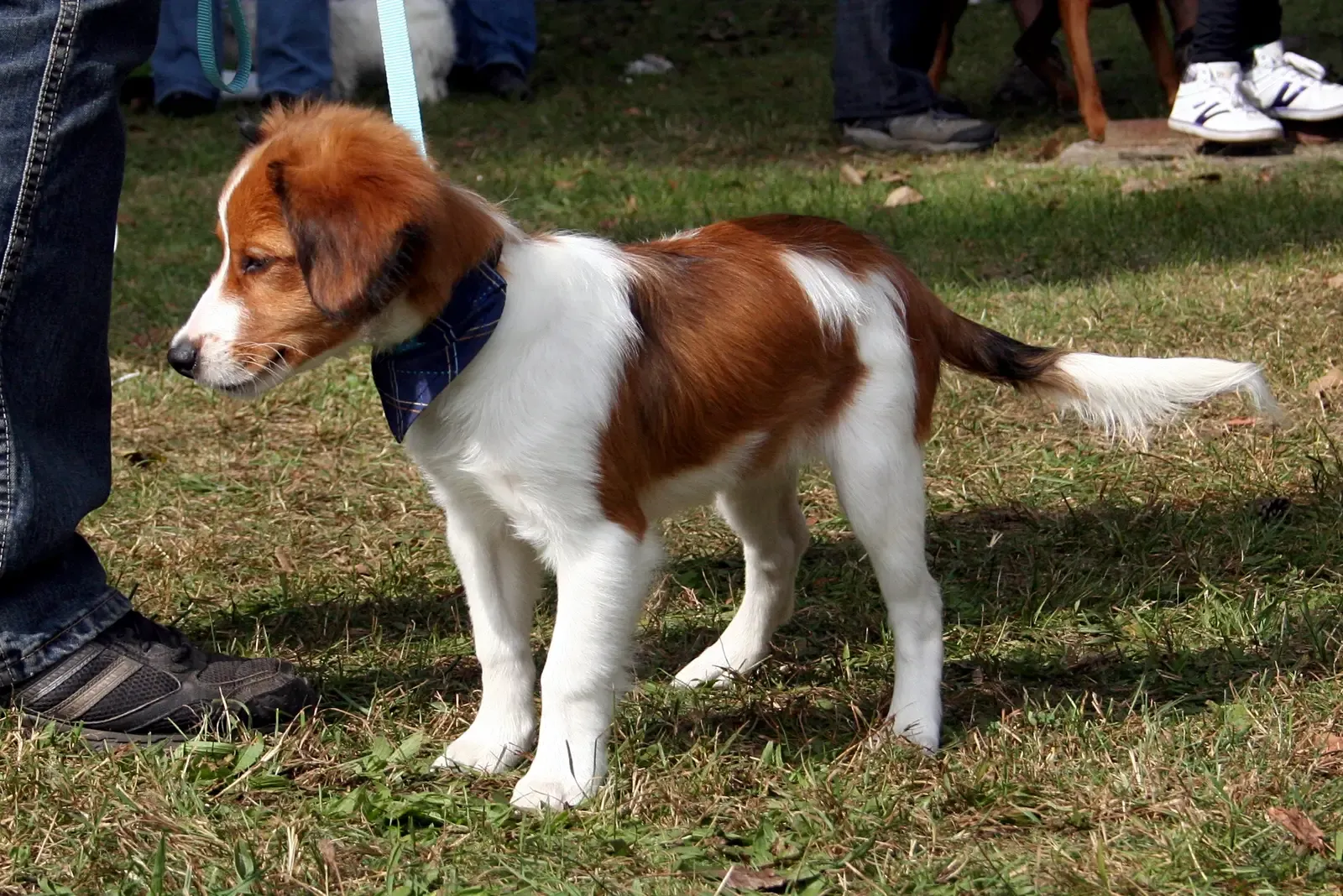
Once used to lure ducks into traps with their flashy tails and playful antics, the Kooikerhondje is a Dutch treasure with a big heart and an even bigger personality. They almost disappeared during World War II, but were rescued by breed enthusiasts who recognized their charm. Friendly, spirited, and easy to train, they’ve earned small but loyal followings in select countries. Their numbers are still modest, making a sighting feel like spotting a rare bird.
Nederlandse Kooikerhondjes love being the center of attention. This small spaniel-type breed from the Netherlands is a beautiful dog with silky white and orange fur. Although originally bred for duck hunting, these dogs are sweet, affectionate, and playful. Their moderate size keeps food and medication costs proportionate, and their sporting heritage means they tend to stay lean and active well into old age. The main health watch to maintain is hereditary necrotising myelopathy, so always ask breeders for health clearances.
11. Finnish Spitz: The Singing Fox Dog
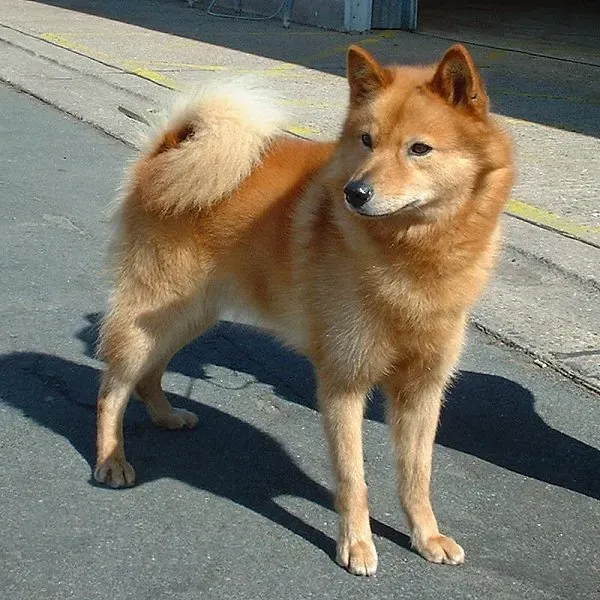
Friendly, alert, and playful, the Finnish Spitz is one of the cutest rare dog breeds, known for having a foxlike appearance, golden-red coat, and distinctive yodel-like bark used in hunting. The Finnish Spitz is the most popular breed in its native country of Finland, where it goes by the name Suomenpystykorva. However, in the United States the “Finkie,” as it’s affectionately known, is very rare.
This is a northern Spitz-type breed shaped by centuries of hunting in demanding Finnish wilderness, which naturally selected for stamina, intelligence, and physical soundness. They are vocal dogs – famously so – which is a behavioral trait to prepare for rather than a health concern. Their double coat handles cold well, sheds seasonally, and requires only routine brushing. For a dog with this much personality, the healthcare footprint is genuinely modest.
12. Lagotto Romagnolo: Italy’s Truffle Hunter
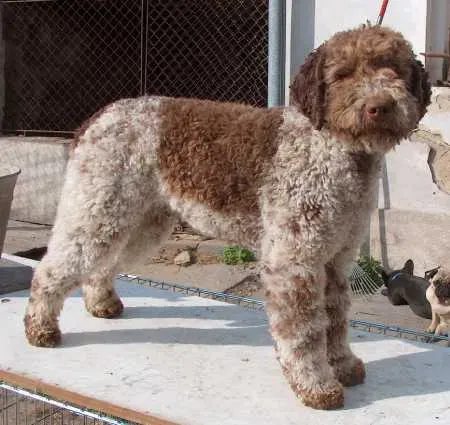
The Lagotto Romagnolo dogs are strong and hardy. This is a sweet Italian breed originally bred as a hunting and water dog. Today, these curly-coated canines are also beloved family members. Some people even use them as highly prized truffle hunters. Their curly, non-shedding coat makes them a reasonable option for owners with mild dog allergies, and that same coat requires regular trimming rather than expensive professional grooming sessions.
The Lagotto is a working dog rooted in centuries of Italian agricultural life, which kept its gene pool diverse and its constitution sturdy. Known health considerations include hip dysplasia and a rare juvenile epilepsy condition that responsible breeders now screen for. Get health clearances from any breeder you consider, and you’re well-positioned to bring home a dog whose vet bills look nothing like those of structurally compromised popular breeds.
13. Australian Cattle Dog: The Outback Athlete
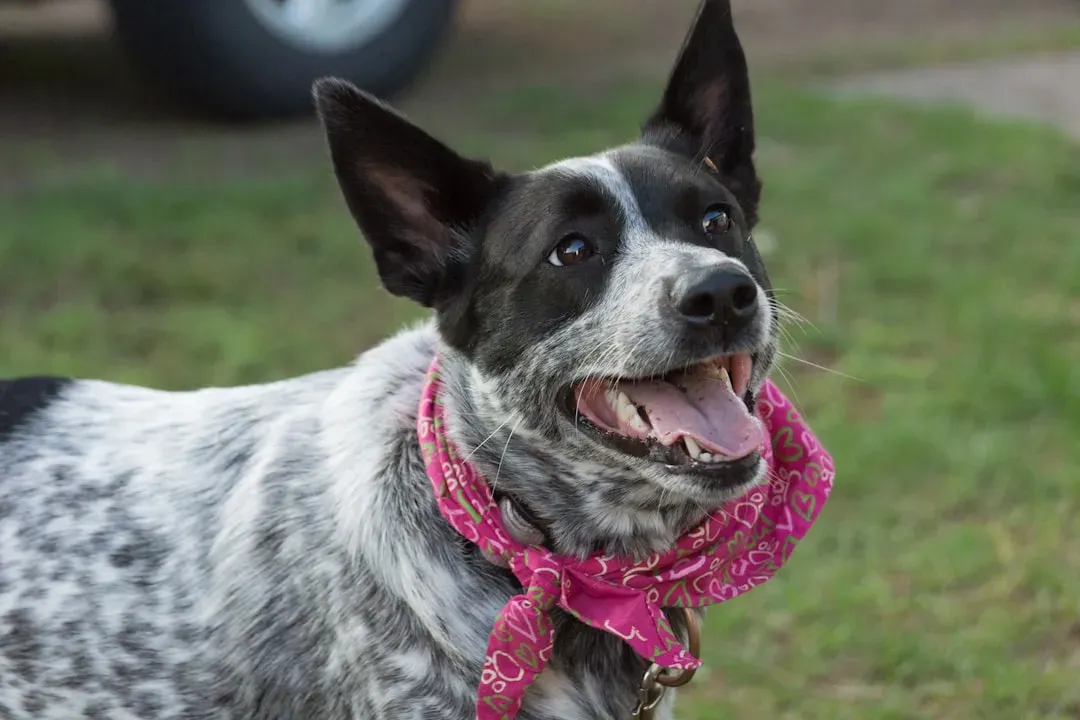
Australian Cattle Dogs are renowned not only for their intelligence and working ability but also for their exceptional health. With a life expectancy of 12 to 16 years, they are among the longest-lived dog breeds. This breed’s genetic pool is relatively diverse, reducing the risk of inherited diseases that plague some other breeds. Australian Cattle Dogs are predisposed to a life of activity, which contributes to their overall physical health.
While no dog is completely free from health issues, the Australian Cattle Dog is often considered one of the healthiest breeds. Known for its strong constitution, high energy, and longevity, this breed is typically resilient and faces minimal health issues. They do need substantial daily exercise and mental stimulation – an idle Cattle Dog will redecorate your house out of boredom. Keep them busy, feed them well, and their health tends to hold steady for well over a decade.
14. Havanese: Cuba’s Cheerful Companion

The only dog breed native to Cuba, the Havanese has a long lifespan of 14 to 16 years. This affectionate small breed loves its pet parents and is easy to train due to exceptional smarts. The Havanese, a small yet sturdy dog, is celebrated for its long, silky hair and minimal health problems. This breed typically enjoys a lifespan of 14 to 16 years. They are primarily at risk for hereditary conditions like hip dysplasia and cataracts, but these are relatively infrequent. Ensuring they maintain a healthy weight and receive regular eye exams can help keep them in top health. The Havanese is an ideal companion for those seeking a long-lived and hearty small breed dog.
Contrast that profile with the typical French Bulldog experience. French Bulldogs require corrective surgeries for brachycephalic syndrome, often costing over a thousand dollars per procedure, with lifetime veterinary costs estimated at around twelve thousand dollars. The Havanese, with its naturally sound structure and long lifespan, is the antithesis of that financial reality. Regular brushing and occasional professional trims keep grooming costs manageable.
15. Stabyhoun: The Dutch Farm Dog Treasure
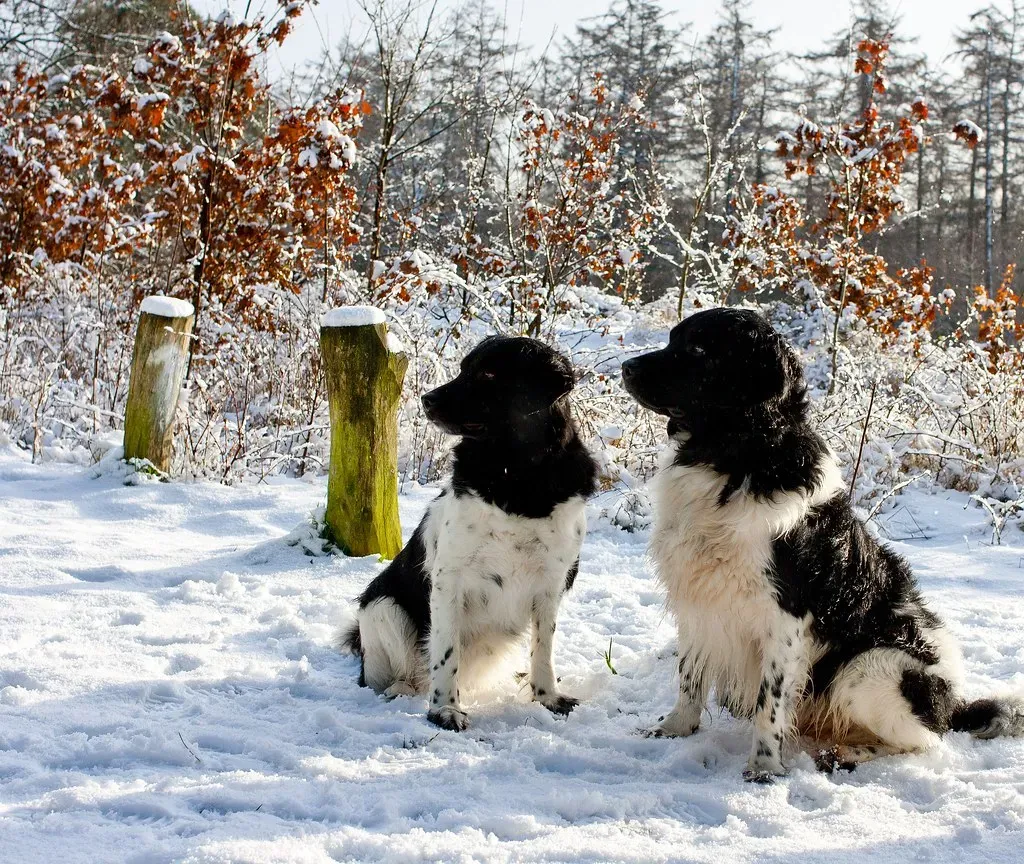
A rare gem even in its native Netherlands, the Stabyhoun is a versatile farm dog with a gentle soul. Bred to hunt, guard, and retrieve, it’s a true jack-of-all-trades. With a soft expression and silky coat, it wins over hearts fast. With only a few thousand in existence, seeing one in person is like stumbling upon a unicorn.
The Stabyhoun is one of the rarest breeds in the world by pure numbers, which means breeders have historically been very deliberate about health screening. Its working background kept it structurally sound and genetically diverse. Hip dysplasia and epilepsy are the known watchpoints, but responsible breeders actively screen for both. If you can locate a reputable Stabyhoun breeder, you’re looking at a dog whose typical lifespan and health profile stack up exceptionally well against far more popular breeds.
16. Canaan-Influenced Pariah Types and the Border Terrier
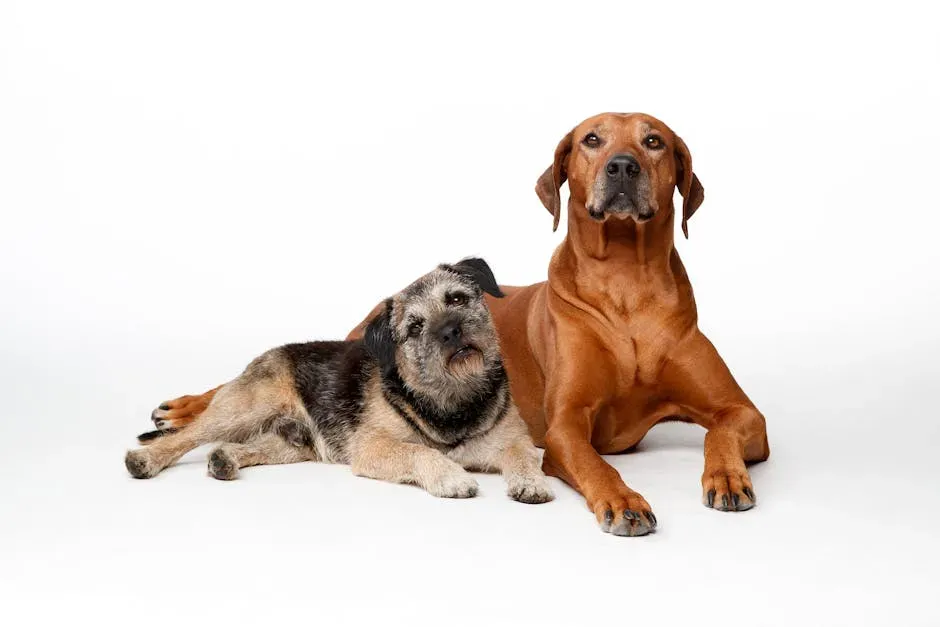
Small breeds like Australian Terriers, Border Terriers, and Cairn Terriers are all considered to be healthy dogs. They’re known for their long lifespans and fewer hereditary health issues, making them an excellent choice of companion. The Border Terrier in particular stands out in this group. With proper care and regular exercise, Border Terriers can live long, healthy lives, often reaching 15 years or more.
Bred to work rugged border country between England and Scotland, the Border Terrier never had the luxury of being bred purely for appearance. That functional legacy means a compact, wiry, energetic dog with a naturally sound body and very few breed-specific emergencies. Choosing the right dog breed can help pet owners keep vet bills low. Certain breeds with fewer genetic health issues need fewer trips to the vet. They stay healthy with a proper diet, regular exercise, and good weight management. These dogs are often low maintenance, with affordable grooming costs. The Border Terrier is a masterclass in exactly that principle.
What Actually Drives Those High Vet Bills in Popular Breeds

Before falling in love with a trend-driven breed, it helps to understand what you’re signing up for. French Bulldogs are among the most popular breeds, yet also one of the most expensive to own. Breeding complications make puppies costly, and health problems follow throughout their lives. Issues include spinal disorders, eye conditions, and respiratory struggles. Many need regular vet visits and specialized care.
Rottweilers are powerful, protective, and loyal dogs, but they come with their share of health problems. They are particularly susceptible to hip and elbow dysplasia, osteosarcoma (bone cancer), and heart conditions such as aortic stenosis. Rottweilers may require advanced medical treatments, including surgery and cancer treatment, which can be prohibitively expensive. Research on pet insurance companies confirms how much a dog’s breed can help predict its medical costs down the road. You’ll pay more for pet insurance coverage for a purebred dog than for a mixed breed, as the former are prone to hereditary and congenital conditions.
Prevention Tips That Apply to Every Breed

Certain breeds are known for their robust health and relatively low vet bills, making them attractive options for those looking to minimize healthcare expenses over their pet’s lifetime. These breeds typically have fewer hereditary health issues and are known for their longevity and vitality. Even so, no breed gets a free pass from basic care. Annual wellness exams, dental cleanings, weight management, and appropriate exercise are the non-negotiable foundation of a long, healthy life for any dog.
One of the smartest checks you can do is to get health clearances from the breeder. Health clearances are reports from certified professionals that show the dog is free of certain genetic diseases, and ensure that the breed you’re considering isn’t prone to any hereditary illnesses. It’s also important to ask for proof of vaccinations, worming treatments, and a veterinarian checkup. These steps, simple as they sound, can save thousands over a dog’s lifetime.
How to Find a Rare Breed Responsibly
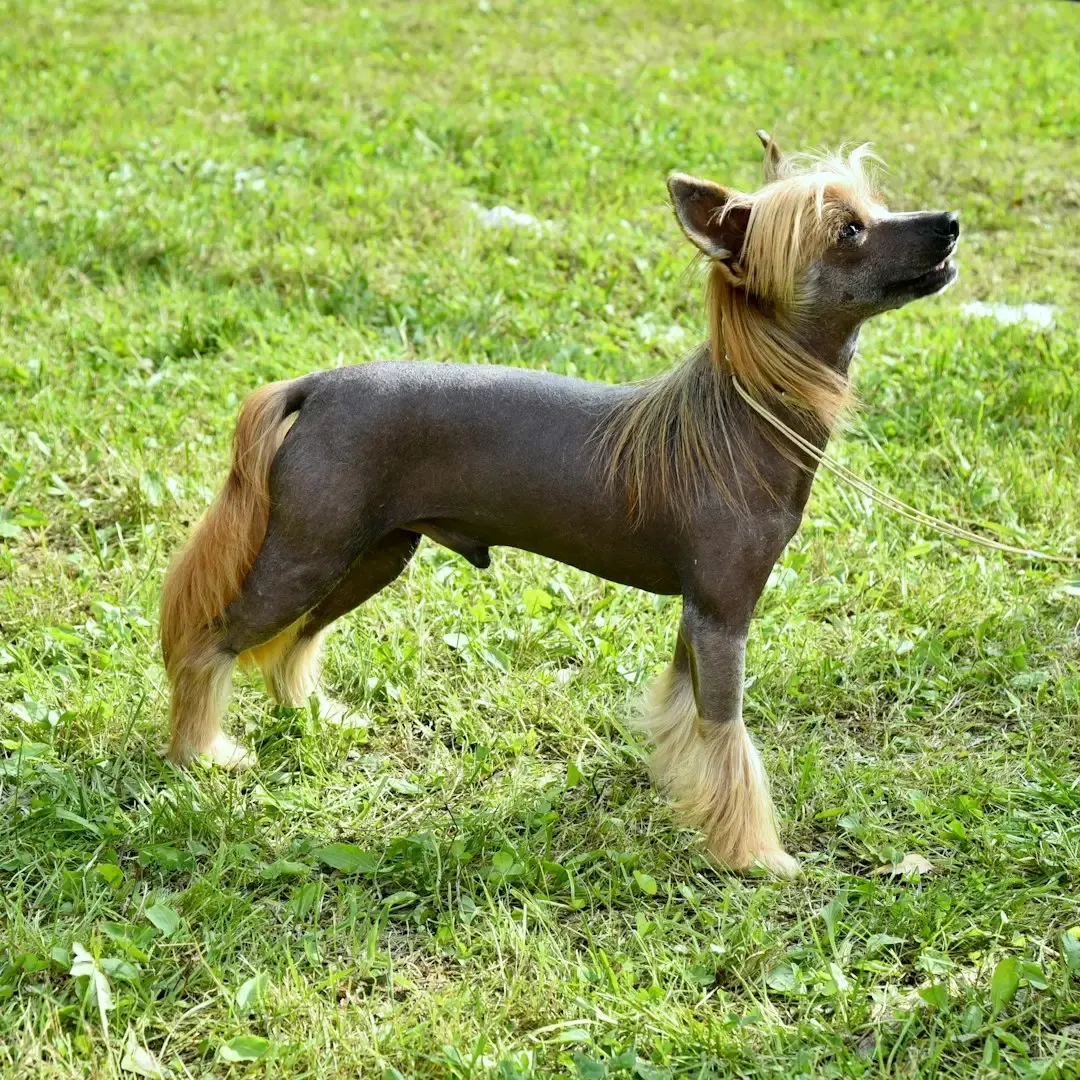
While many genetic diseases are more common in purebreds, any dog, whether purebred, crossbred, or mixed breed, can inherit genetic diseases that disable the dog and require possibly extensive, expensive veterinary care. Maladies associated with a particular breed will typically manifest in only a percentage of the dogs, perhaps with a higher prevalence in some bloodlines. The breeder’s commitment to health testing is therefore everything when it comes to rare breeds.
If you’re interested in a rare dog breed, you can look for a breeder or, better yet, find out if there’s a rescue group that specializes in that breed. Often, the AKC has the names of breeders and rescuers of each breed. Rare breeds are as wonderful as more popular dog breeds. Take your time, ask the hard questions, and resist the impulse to buy on impulse or convenience. A well-sourced rare breed dog can be one of the most rewarding and financially sensible choices a dog lover ever makes.
Conclusion: The Dog That Costs Less Is Often the Dog That Lasts Longer

The most popular dogs in the world get that way through marketing, media, and viral cuteness. Their health profiles, however, often tell a quieter and more expensive story. Breeds that tend to benefit most from sound health and longevity share moderate body size, balanced anatomy, and a history of being bred for function rather than extreme physical traits. Every breed on this list shares those qualities in some form.
Choosing a rare, health-forward breed isn’t a compromise. It’s a decision to spend your dog budget on experiences, nutrition, and joy rather than on specialist referrals and corrective surgeries. Choosing the right dog breed involves many considerations, including temperament, size, and energy levels. However, potential healthcare costs are also an essential factor for many prospective dog owners. Certain breeds are known for their robust health and relatively low vet bills, making them attractive options for those looking to minimize healthcare expenses over their pet’s lifetime. The rarest find in dog ownership isn’t a celebrity breed. It’s a dog who lives well, ages gracefully, and lets you simply love them without the ongoing financial dread.


