
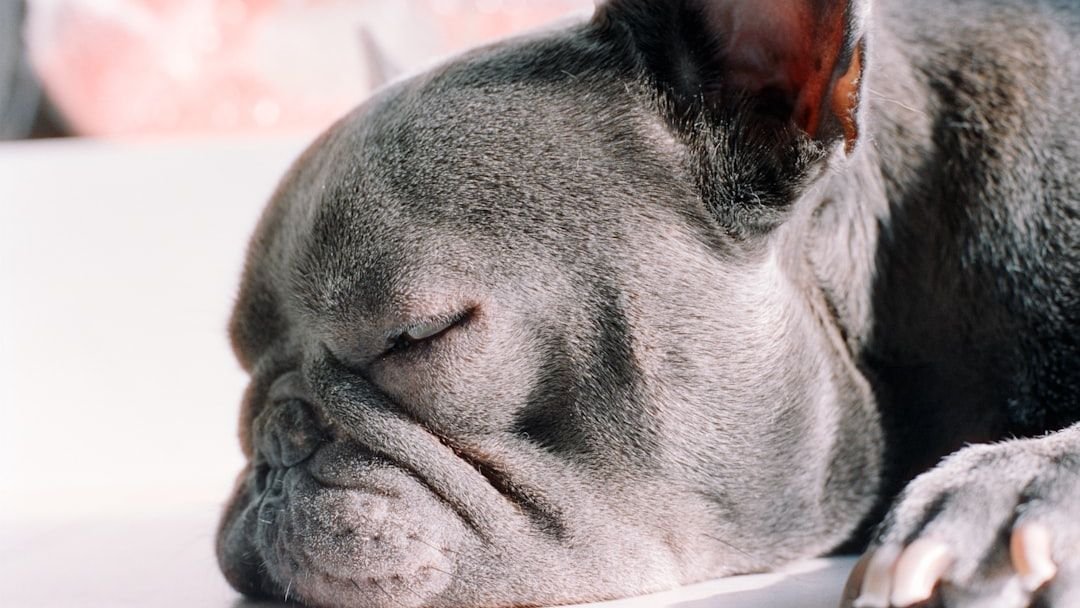
You’re settling in for the night, your dog curled up beside you. Then it starts – that low, rumbling snore. It’s almost charming at first. You smile, maybe even take a quick video. Most dog owners have been there. The thing is, that sound you’re filing under “adorable” could sometimes be your dog’s way of telling you something isn’t quite right.
Snoring in dogs is incredibly common, and the vast majority of the time it’s harmless. Still, knowing the difference between a sleepy snuffle and a genuine health signal matters. Some causes of snoring in dogs are minor, but sometimes snoring is caused by serious health issues. The more you understand what’s happening inside those little airways, the better equipped you are to catch a problem early – and that can make a real difference in your dog’s quality of life.
Why Dogs Snore: The Basic Mechanics
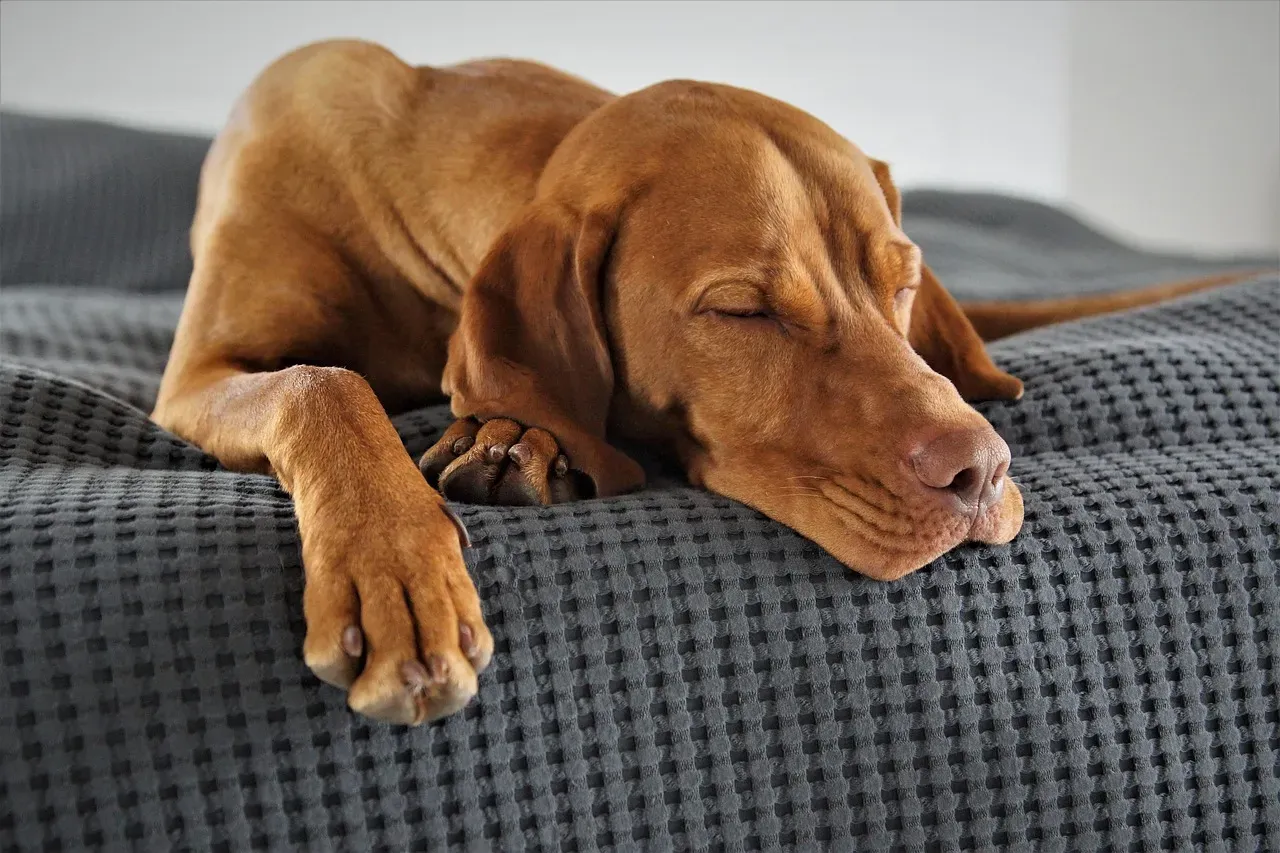
Snoring occurs when airflow through your dog’s nose, mouth, or throat becomes restricted, causing soft tissues to vibrate and create noisy breathing sounds. It sounds simple, but the reasons behind that restriction range from something as innocent as sleep position to something that needs a vet’s attention.
Snoring occurs when something is obstructing or restricting the airflow in a dog’s nose or throat. The medical term for snoring is “stertor,” and there are several possible causes. Think of it less as a quirk and more as a symptom – one that simply needs context to understand.
Sleeping position is a common reason your pet may snore. Generally, this isn’t a cause for concern. If your dog is normally a silent sleeper who rests curled in their bed but has decided to flop on their back for this particular nap, you may notice a little snore. That kind of occasional snoring? Totally fine. It’s the persistent, nightly kind that deserves a closer look.
Flat-Faced Breeds and the Bigger Picture
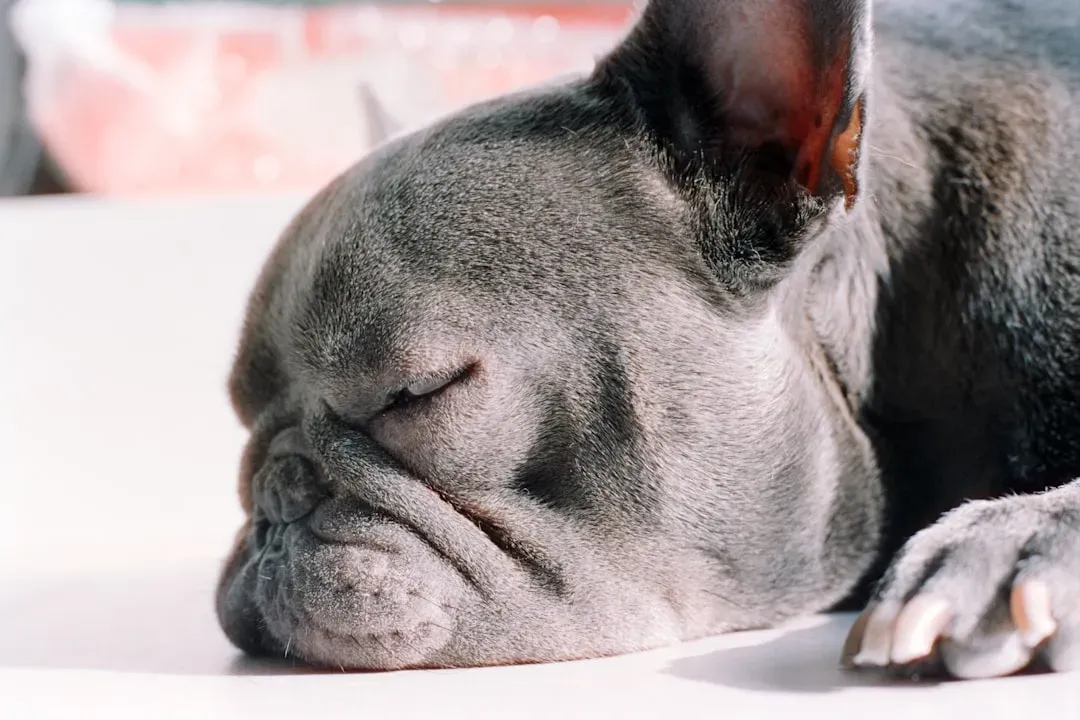
A common cause of snoring in dogs is due to the structure of their airway. Brachycephalic breeds (dogs with short faces) are the most susceptible to anatomical causes of snoring. These dogs – such as French Bulldogs, English Bulldogs, Pugs, Pekingese, and Boston Terriers – can have several structural deformities that enhance breathing difficulties and snoring, including a long soft palate that partially blocks the opening of the windpipe.
Brachycephalic dogs have shortened skulls, smaller nasal openings, and elongated soft tissue within the throat and palate. These features give them their signature round faces and expressive eyes – but also make breathing less efficient. Their looks are endearing, no question. The trade-off, though, is real.
While mild snoring can be normal, excessive noise, gagging, or restless sleep can point to airway restriction. Over time, chronic strain on the respiratory system can lead to more serious issues like heat intolerance, tracheal collapse, or fainting spells. Some dogs even develop secondary changes to their laryngeal structures that make breathing progressively harder. If you own one of these breeds, regular airway monitoring isn’t overprotective – it’s just good ownership.
When Snoring Signals Something More Serious
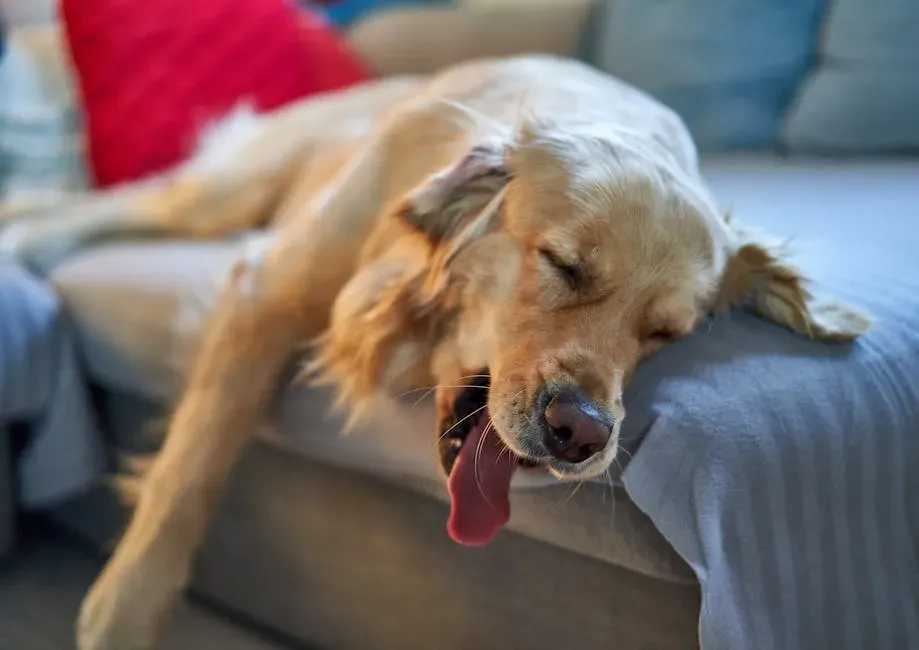
It’s not always easy for a pet parent to know if their dog’s snoring is something to worry about, but one cause for concern is if the snoring is new. This suggests a change worth investigating. Pet parents should also take note if the snoring is accompanied by other clinical signs, such as nasal discharge, sneezing, or changes in energy level.
If your dog’s snoring is loud, continuous, or comes with other concerning symptoms, it may be time to take action. Watch for signs like gasping for air, choking sounds, restlessness, and a decrease in overall energy levels. These aren’t things to brush off with a “he’s just tired.” They’re red flags worth acting on.
Snoring that continues when the dog is awake, or occurs during periods of exercise, excitement, heat, or stress is abnormal and requires veterinary attention. Enlarged lymph nodes in the back of the throat can also cause snoring in both dogs and cats by blocking normal airflow. Enlarged lymph nodes occur with various infections and with cancer. The point here isn’t to cause panic – it’s to encourage awareness.
Could It Be Sleep Apnea?
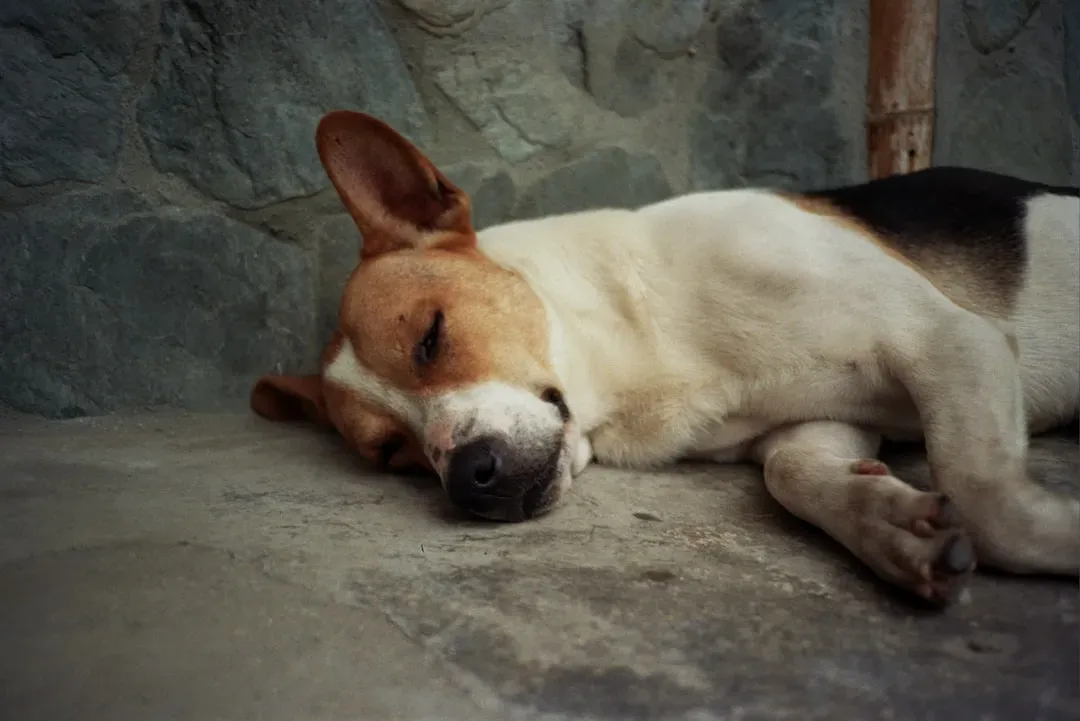
While it is rare, sleep apnea can occur in dogs and may indicate an underlying health issue. If your dog frequently snores loudly, experiences interrupted breathing during sleep, or appears excessively tired during the day, sleep apnea could be a concern. Many owners overlook this possibility simply because they assume it’s a human condition.
Dogs with sleep apnea may snore or sound like they are choking or gasping for air. At times, their breathing may stop or become very shallow. A dog with sleep apnea may show signs that they are not getting enough sleep at night by acting tired when it is usually time for them to play or go for a walk. They may also fall asleep while sitting or standing.
Dogs who have sleep apnea may try to sleep in a way that makes breathing easier, such as sitting with their chin lifted up or propping their mouth open with a toy. That oddly specific sleeping position your dog has been experimenting with? It might actually be self-correction. Worth mentioning to your vet on your next visit.
What You Can Do: Prevention Tips and When to Call the Vet
Maintaining a healthy weight is one of the most effective ways to reduce snoring in dogs. Excess weight increases pressure on the chest and throat, compressing airways and making breathing more laboured. It’s one of those changes that sounds small but can genuinely transform how comfortably your dog breathes every night.
If your dog’s breathing worsens during pollen season or around dust, talk to your vet about allergy testing or medication. A dehumidifier or air purifier can also minimize triggers indoors. Keep your dog’s sleep area quiet, cool, and clean. Wash bedding weekly to remove allergens and use a slightly elevated bed for dogs who snore heavily, especially brachycephalic breeds.
Signs of breathing difficulties include laboured breathing, rapid breathing rate, blue-tinged gums, flared nostrils, extended neck position, or distress. Any suspected breathing problems require immediate veterinary attention. If you’re ever in doubt, trust that instinct. A quick vet call costs very little compared to the peace of mind it delivers.
Conclusion: Listen to What That Snore Is Telling You

Most dog snoring really is harmless – just a soundtrack to a happy, deeply rested pup. Understanding dog snoring involves recognizing it as a symptom rather than a disease in itself. While often benign, it can sometimes signal underlying issues ranging from anatomical peculiarities to allergies or obesity.
The difference between a caring owner and a worried one often comes down to knowing what to watch for. Chronic oxygen loss and fatigue can shorten your dog’s lifespan and significantly reduce their quality of life. Early diagnosis and management make a big difference.
Your dog can’t tell you when something’s wrong. So pay attention to the sounds they make in their sleep, the way they breathe on a warm afternoon walk, the energy they bring to their morning routine. Sometimes the most important health conversation starts not with a symptom you see, but with one you hear in the quiet of the night.


