
It’s a scene countless dog owners know too well. The sky darkens, a distant boom rolls in, and your dog – who was napping peacefully just moments ago – is suddenly trembling behind the toilet. Or maybe it’s the Fourth of July, and your sweet, goofy Lab transforms into a panicked stranger the second the fireworks begin.
Sounds from fireworks, thunderstorms, and other loud noises are among the most common sources of fear and anxiety in dogs. There are several reasons a dog may develop this kind of fear, including a negative experience around a specific noise, a lack of early socialization as a puppy, underlying illness, or worsening anxiety as they age due to changing brain chemistry. The fear is real, it is physical, and it deserves more than a shrug.
Noise sensitivity affects roughly one in three dogs, making it one of the most common behavioral issues veterinarians treat. The encouraging part? There is a lot you can do. These six approaches are grounded in veterinary science and practical experience, and they are a solid place to start.
Recognize the Signs Before They Escalate
The first step to helping your dog is knowing what fear actually looks like on them. Not every frightened dog shakes or hides. Some dogs show subtler signs that are easy to write off as “weird behavior” – at least until things get worse.
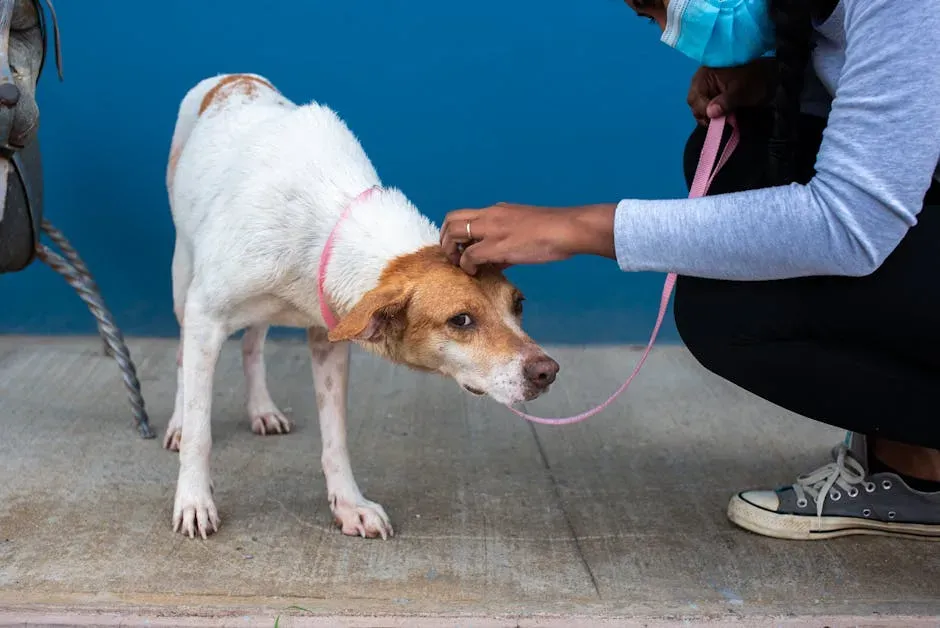
Signs of fear can range from mild to severe, and include trembling, vocalizing, panting, pacing, drooling, hiding, digging at doors, and escape attempts. Mild fear responses may include panting, pacing, and attempts to hide, whereas phobic responses may include panic, extreme agitation, attempts to escape, and destructive behavior.
Your dog’s recovery period from a noise gives an indication of whether the behavior is normal or harmful to their physical health and emotional well-being. Noise aversions frequently worsen when left untreated. So if your dog takes hours to settle after a single clap of thunder, that is important information worth taking seriously.
Medical conditions such as pain, like an ear infection or arthritis, can also contribute to noise sensitivity in dogs. Senior dogs aged eight years and older who develop a fear of noises should be examined by their veterinarian to screen for a medical condition. Senior dogs may also experience partial hearing loss that can change their perception of sounds and contribute to a fear response. When noise sensitivity appears suddenly, always rule out a physical cause first.
Create a Dedicated Safe Space for Your Dog
Think of it as your dog’s personal storm shelter. Every noise-anxious dog benefits from having a designated retreat – a place that signals safety before the anxiety spiral takes hold.
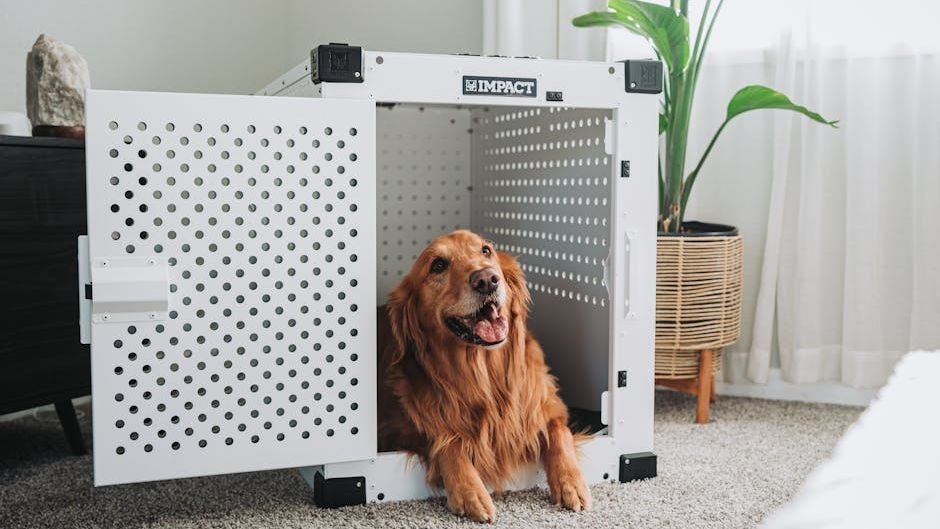
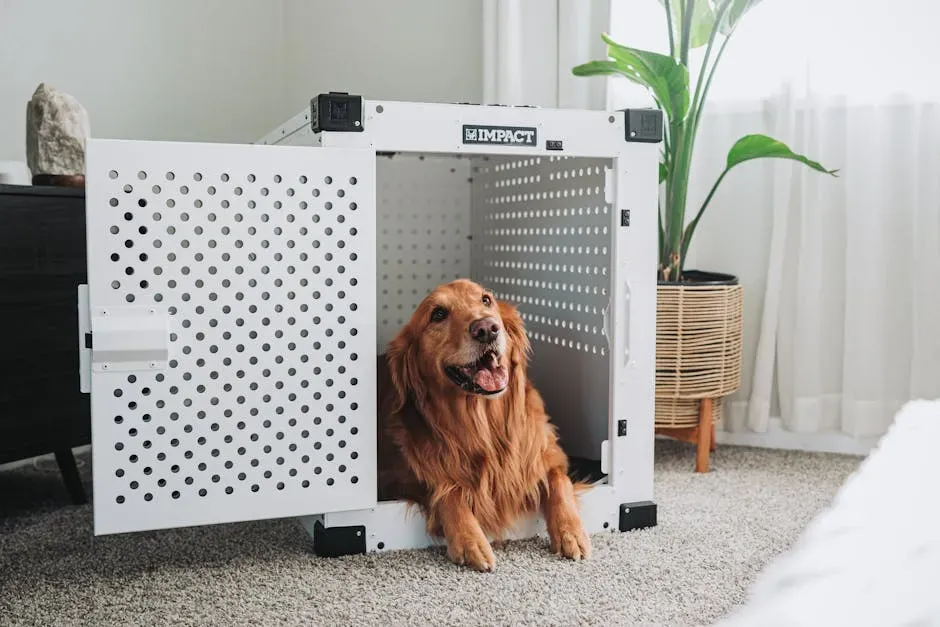
The first step in managing and treating all types of noise phobia in dogs is to give them a safe place to hide. This safe haven can be a windowless basement, closet, crate, or bathroom. Set up a quiet, interior room with your dog’s crate if they find it comforting, a favorite blanket, and a food puzzle or frozen Kong for distraction. Close blinds to block lightning and use draft blockers under doors to dampen sound. Let your dog choose their preferred spot, since many head for bathrooms or closets instinctively.
Preparation is key to managing your pet’s noise aversion. Start implementing these strategies well in advance of anticipated noise events. Familiarizing your pet with their safe space and practicing calming techniques can make a significant positive difference when the fireworks begin.
The key word here is “before.” A dog that already knows and loves their safe corner will go there on their own when the thunder rolls. A dog that’s never been shown one will frantically search for safety instead. Set it up now, during a calm, quiet moment. Let your dog explore it freely and reward them for hanging out there.
Use Sound Desensitization to Rewire the Fear Response
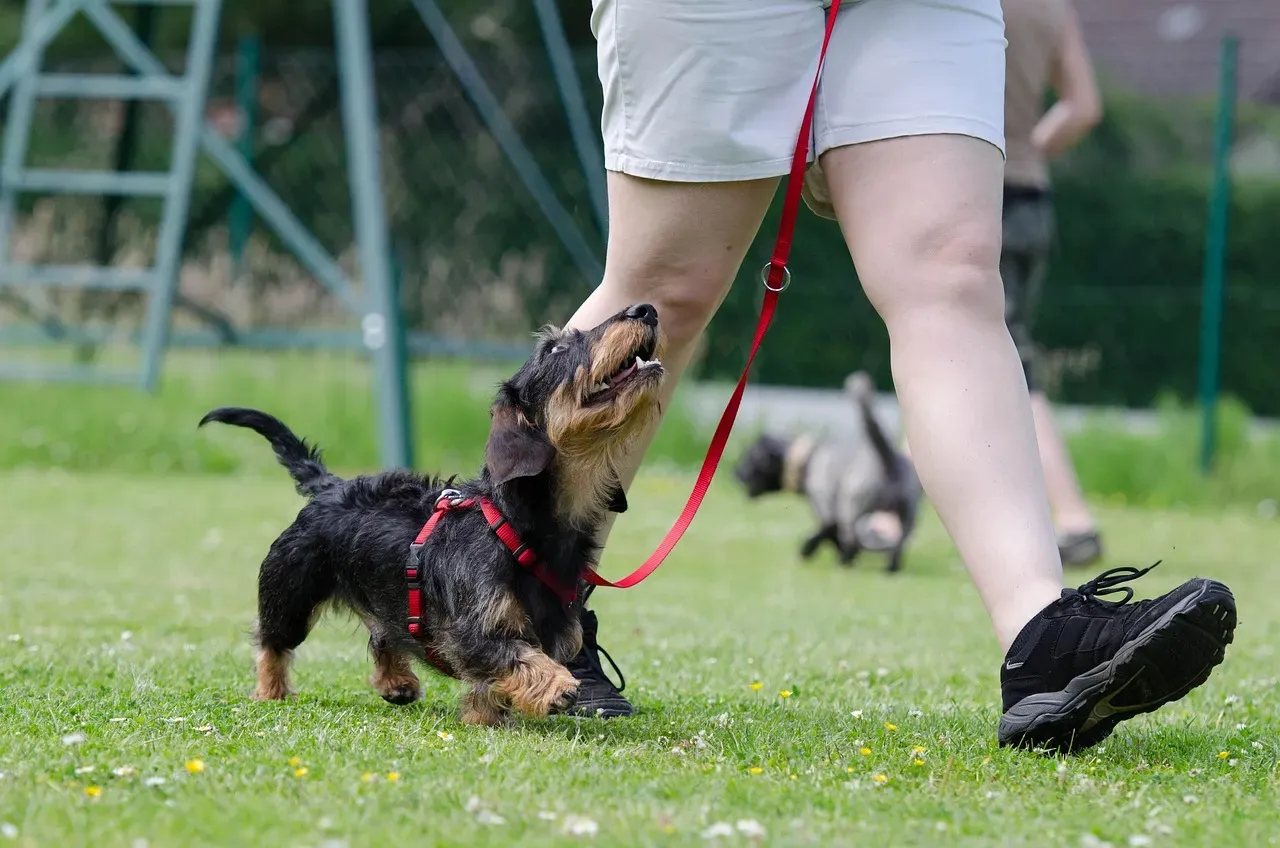
This is the long game, and it works. The best behavior modification technique to reduce fear is called systematic desensitization and counterconditioning. Counterconditioning directs a dog’s emotional response to stimuli from negative to positive.
Ideally, it is best to begin this training at a time of year when fireworks or thunderstorms are not likely to occur. For a desensitization technique to be effective, exposure to full intensity should be avoided until treatment has been completed. Before you begin, download the sound that triggers your dog’s fear response. Introduce the sound at a barely audible level. It is important to start with the noise at a volume that does not elicit any distress.
With classical conditioning, the fear-triggering stimulus is paired with a favorite treat or toy, whether or not the pet is entirely relaxed. This creates a positive association, such as dark sky equals cheese or thunder equals hot dogs. These “storm parties” allow the pet to look forward to something very special when the stimulus develops rather than reacting in fear.
It is important to schedule regular training sessions. Without regular training, your dog can regress. It is helpful to train every day when possible. Progress may be very slow if training is only done once a week. A desensitization program can take several weeks. Patience really is the price of admission here. The results, though, can be genuinely life-changing for both dog and owner.
Muffle the Noise and Calm the Environment
Sometimes the most immediate and practical solution is simply reducing how much of that terrifying sound reaches your dog. You can’t stop the thunder, but you can take the edge off it.
An easy way to manage noise anxiety during an event is to muffle the sounds with something else. Plug in a white noise machine or turn on some calming music loud enough so the fireworks are camouflaged. If your dog’s safe zone is their crate, you can also cover the top, sides, and back with a thick blanket and play music or sounds for them. Just make sure your dog can leave the crate if they want to.
Shutting windows, closing curtains, and turning the TV on during thunderstorms and firework displays all help. Never go for a walk if a storm is forecast or after dark during fireworks season. These small environmental tweaks cost nothing and can meaningfully lower your dog’s overall stress load during a noisy event.
Some dogs are also calmed by wearing a snug-fitting anxiety wrap or vest. After five uses of one such anxiety wrap, nearly nine out of ten owners reported that it was at least partially effective in treating their dogs’ thunderstorm phobias. Since many owners are at work when storms hit, such wraps can be left on during the day indoors without negative effects. It is not a cure, but it can take the sharpest edge off a difficult moment.
Stay Calm and Offer the Right Kind of Comfort
There is a long-standing myth that comforting your scared dog will “reward the fear” and make things worse. Current veterinary thinking is more nuanced than that – and a lot more compassionate.
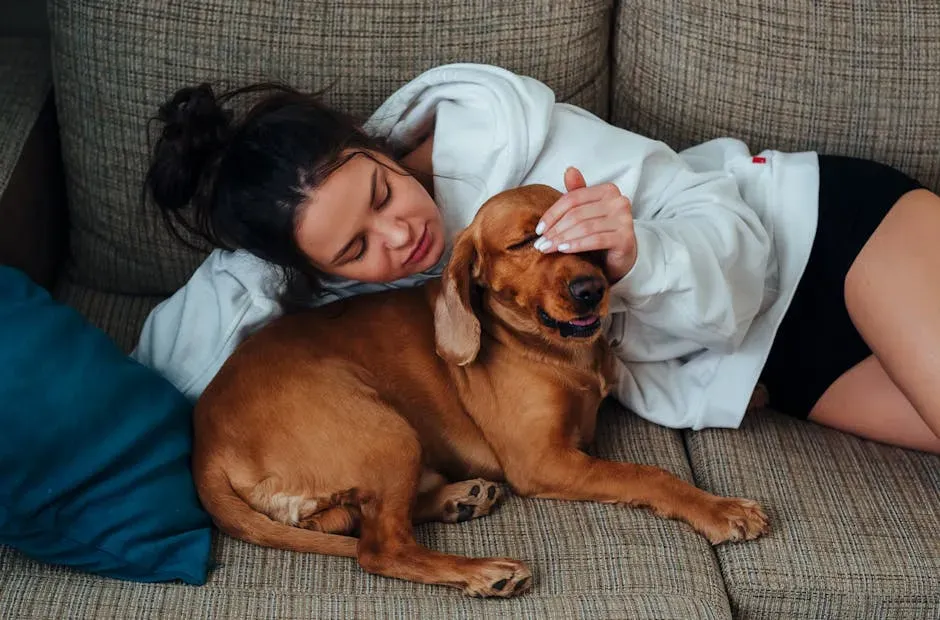
You may have heard that comforting your dog in times of stress can reinforce their fears. However, your dog’s reactions to fireworks are based on a legitimate fear. Sitting close to your dog, petting them gently, and offering quiet words of reassurance during scary events can help to center your dog and might even reduce their fearfulness. Doing so will also help your dog understand that you’re their partner and that they can always turn to you when they’re feeling scared.
Pets often pick up on their owner’s emotional state. If you remain calm and composed, your pet is more likely to feel secure. Offer gentle reassurance with petting, praise, and treats, taking care to avoid high-pitched “baby talk” and fast-paced pats that can trigger anxiety.
Your energy is contagious in the best and worst ways. A calm, steady presence during a storm says “this is not a catastrophe” far more clearly than any treat. On the flip side, punishment must never be used because it will only increase your dog’s distress. Even a frustrated sigh or tense posture can confirm to your dog that something genuinely dangerous is happening.
Talk to Your Vet About Calming Tools and Medication Options
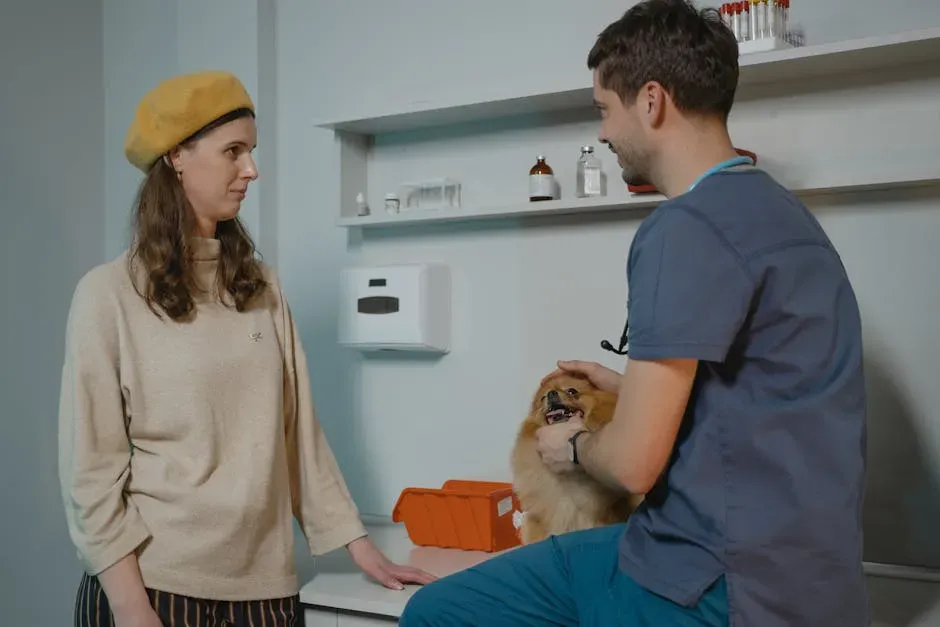
For dogs with moderate to severe noise phobia, behavioral strategies alone are often not enough. That is not a failure of training. It is simply biology. Some dogs’ nervous systems are so activated by loud sounds that they genuinely cannot access the calm state needed for learning or coping.
Sileo, which contains dexmedetomidine, is the only FDA-approved medication specifically for noise aversion in dogs, making it a top veterinary recommendation for thunderstorms. In preparation for storm or firework season, a veterinarian may recommend using medication on a daily basis, such as a serotonin reuptake inhibitor. The ongoing medication may reduce the fear response during an unexpected event and can also help dogs that are not responding appropriately to desensitization and counterconditioning training.
Talk to your veterinarian about anti-anxiety medications well in advance. If medications are prescribed, trial them first on a day without noise to see how your dog tolerates them. Give prescribed anti-anxiety medications early enough before the fireworks or thunderstorms start. It is much easier to prevent a fearful reaction than to reverse one.
Pheromone products can also help dogs with noise and storm anxiety. Products containing a synthetic analogue of dog appeasing pheromone reportedly help provide reassurance and comfort to puppies and dogs of all ages. Never give your dog human medication without veterinary approval. While some human medications are prescribed for dogs, the dosages are very different, and a human dose can cause dangerous sedation, respiratory depression, or liver damage. Always work with your vet, not around them.
Conclusion: Your Dog Doesn’t Have to White-Knuckle Every Storm
Fear of loud noises is not a character flaw in your dog, and it is not a failure on your part as an owner. It is a real, physiological response that deserves a real, thoughtful plan.
Once present in a dog, noise aversion is rarely cured completely. The goal of treatment is to decrease the symptoms and improve the quality of life for the dog. A combination of environmental management, behavior modification, and medication may be recommended to treat noise aversion. In severe cases, all three approaches together are the most effective.
It is never too late to help your dog overcome a noise phobia. An untreated noise phobia is likely to get worse with time, so it is best to seek help as soon as you notice any signs of fear. With patience, the right tools, and a good relationship with your vet, meaningful improvement is within reach for most dogs.
The dog behind the toilet during last summer’s thunderstorm? They deserve a better experience this year. So does the person watching helplessly from the doorway. Start with one strategy from this list, build from there, and remember that every small step toward calm is a win worth celebrating.


