
You bring a puppy home. The eyes are melting, the tail is going a mile a minute, and you’re ready to be the best dog parent imaginable. Then week two hits, and your adorable new companion is ignoring every single word you say with what can only be described as polite contempt. Sound familiar?
Here’s the truth that every dog lover eventually learns: difficulty with training rarely comes down to a dog being “bad” or “dumb.” A lot of training difficulties in a breed come from their “origin stories” – the tasks and traits they were originally bred for. Some dogs just take longer to train. Some are more motivated to please and learn new behaviors, while others can be more apathetic – and genetics and learning history really come into play. Understanding where your dog is coming from, literally and historically, changes everything about how you approach the relationship.
1. Siberian Husky: The Beautiful Free Spirit
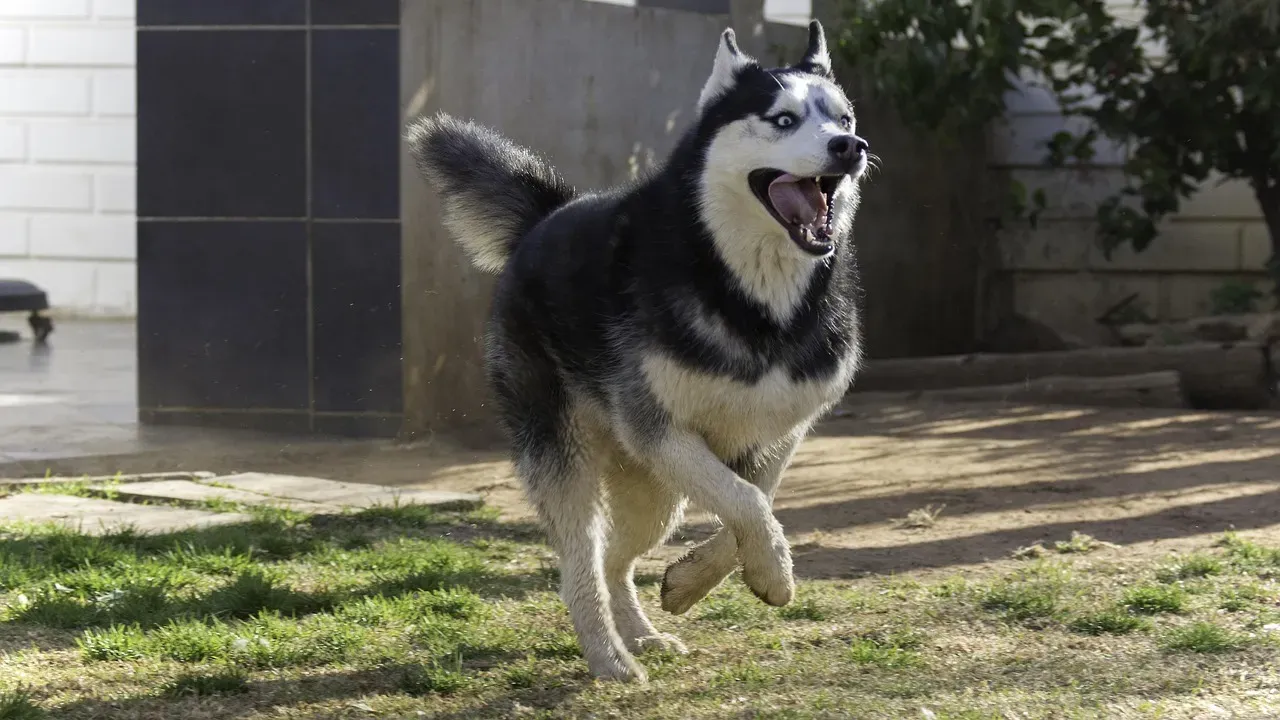
There’s a reason Huskies generate so many viral videos of them “talking back” to their owners. Siberian Huskies can make wonderful pets for the right people, but they’re certainly unique. As sled pullers, these canines were bred for independent thinking, so training them is notoriously difficult. They were never meant to obey a single human on command. They were meant to make split-second decisions across frozen tundra, which is exactly the energy they bring into your living room.
This breed is impulsive, prone to barking and running away, stubborn, and sometimes inattentive. They don’t always respond to typical training methods and can be easily offended. The best approach with a Husky is to keep sessions short, stay consistent, and give them meaningful outlets. Make sure your Husky has enrichment and activities meant for the breed, such as pulling a person on skis or sleds and playing with a flirt pole to help with prey drive – this gives these hard-to-train dogs a necessary outlet for their natural instincts.
2. Basenji: The Cat That Thinks It’s a Dog
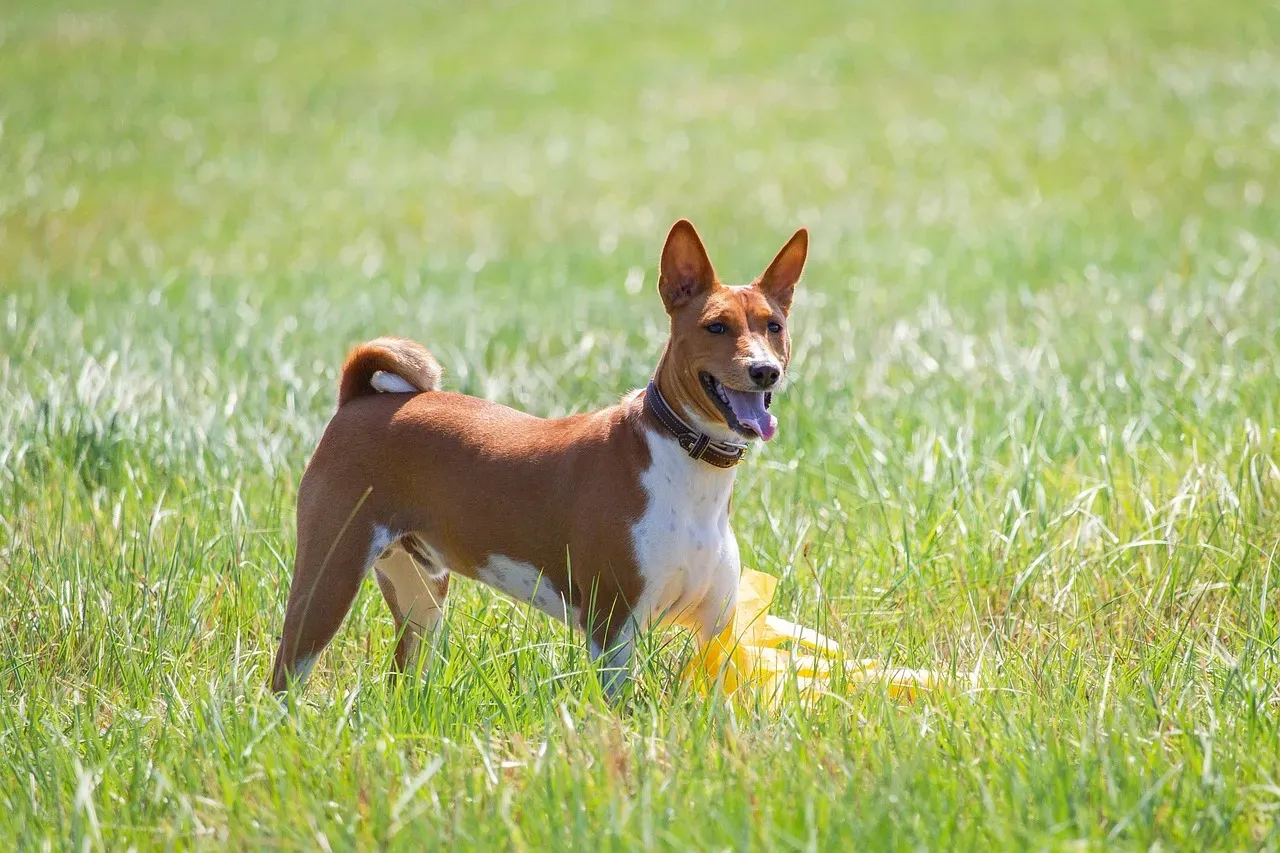
Basenjis are known for their sweet faces, curled tails, and being the “barkless dog,” but they are also known for being hard to train. Basenjis were bred as hunting dogs in Africa, expected to work without human interference. They are independent, cat-like in temperament, and intelligent, but often lack the desire to please their owners, despite being loyal to them. That combination of loyalty without obedience is something Basenji owners know all too well.
Basenjis are highly curious and playful. Like curious toddlers, they can get into trouble if not supervised. They are alert and suspicious, but also stubborn, so they do not obey consistently, though they can be trained. Basenjis also have a short attention span, meaning any training sessions must be brief, or they’ll get bored and disengage. Keep sessions to five or ten minutes, make them feel like a game, and you’ll get much further than you would with repetitive drills.
3. Chow Chow: The Majestic Independent Thinker
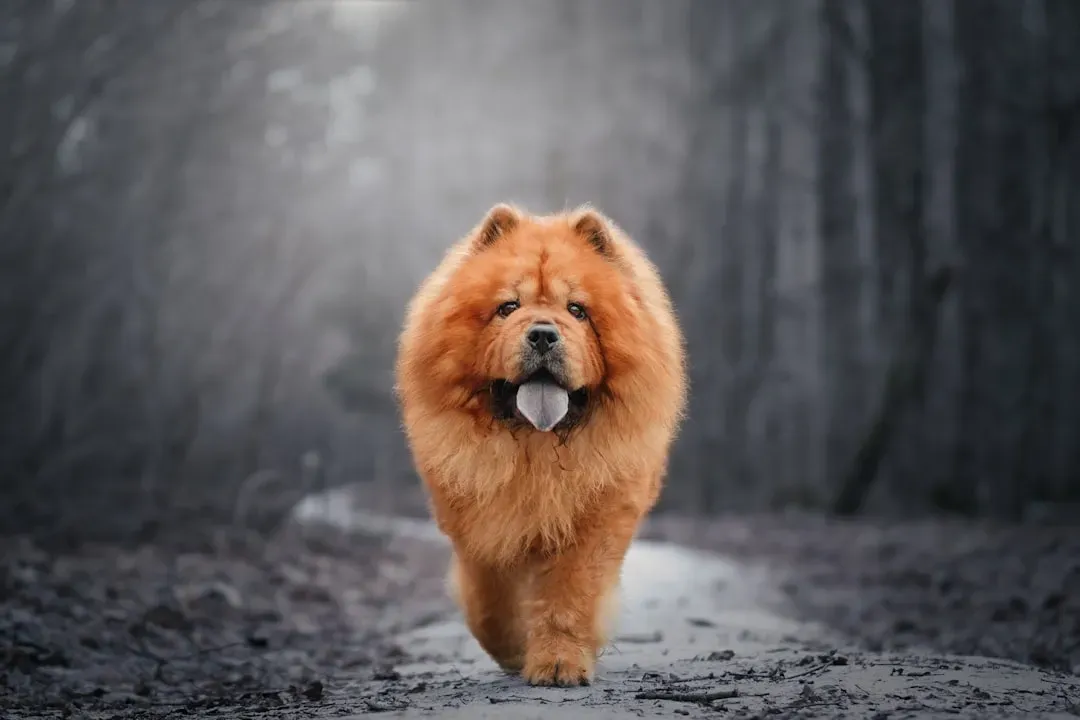
Chow Chows are known for their strong-willed nature. Their aloof attitude means they can be difficult to train, especially for new owners who lack experience with headstrong breeds. They have a regal, almost imperial quality about them – and that’s not entirely accidental. This breed has centuries of history as companions to Chinese nobility, and they carry that sense of entitlement with them into every training session.
A trainer who hasn’t earned the loyalty of a Chow may find them an unwilling pupil, and even their beloved owners may have difficulty convincing them to do something they don’t want to do. They are also prone to misbehaving and even aggression if not properly socialized. The key with a Chow Chow is building trust before expecting compliance. Positive reinforcement, calm energy, and early socialization are non-negotiable with this breed. Force or frustration will get you nowhere fast.
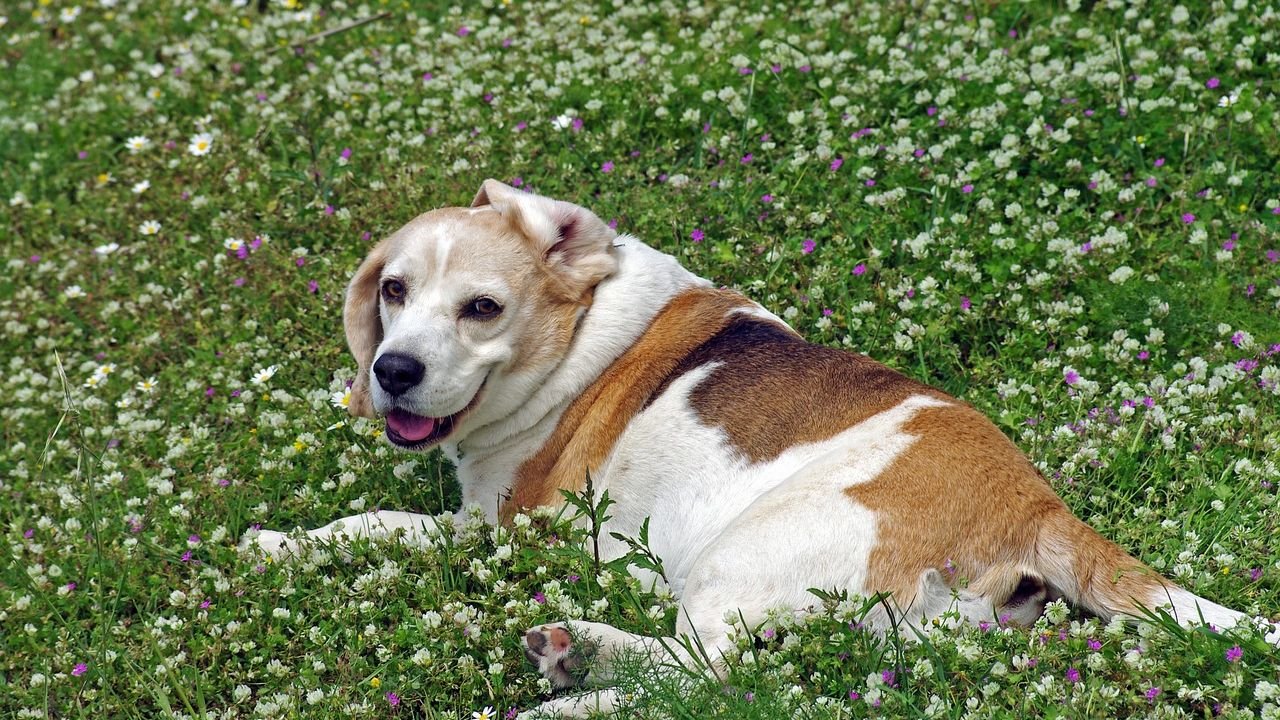
4. Beagle: The Nose That Overrides the Brain
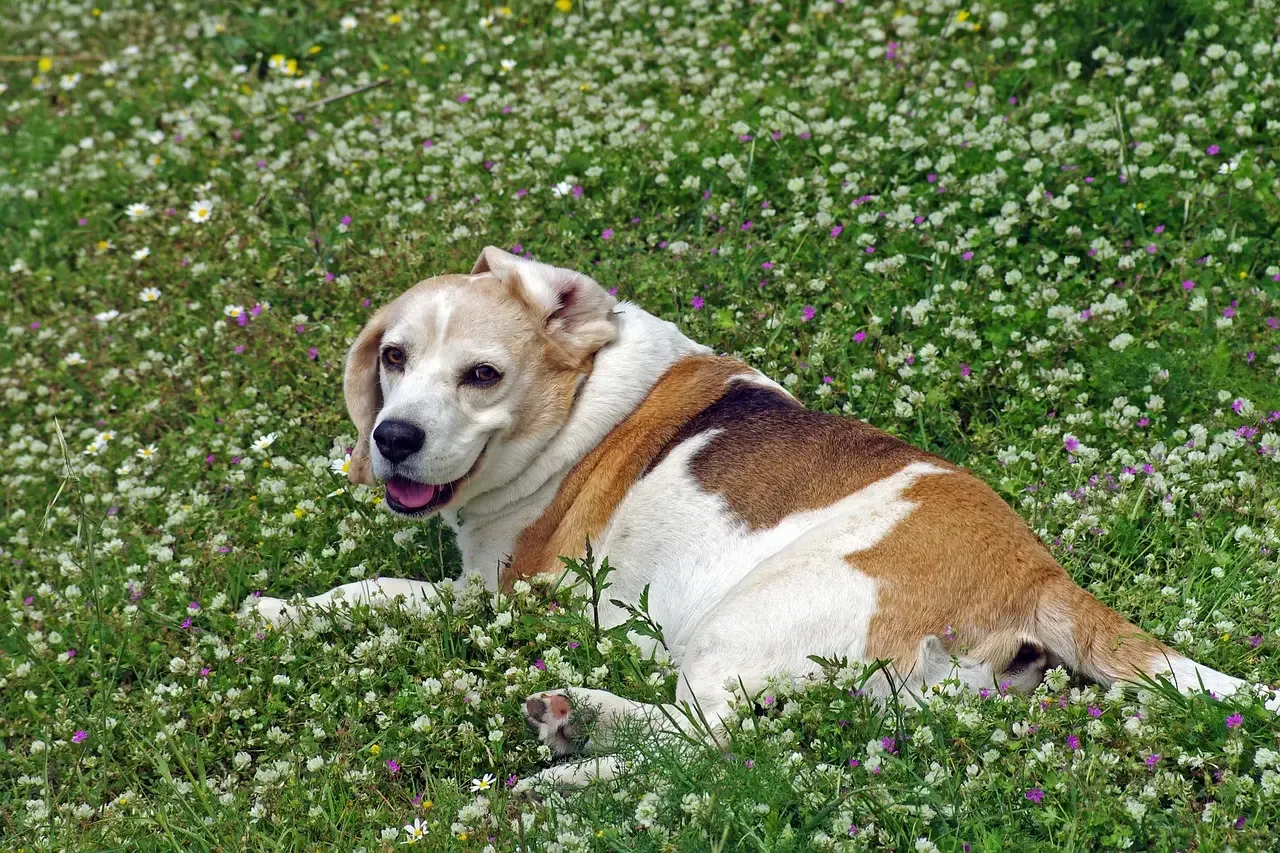
Beagles are intelligent but are often more interested in following their noses than in obeying commands. Their strong scent instincts can make training challenging, especially when they’re distracted by smells. Picture this: you’re working on a solid “stay” command in the backyard, making real progress, and then a squirrel runs past. Your Beagle is gone. Not disobedient, just completely consumed by the most important mission of their life at that moment.
Beagles are undeniably super cute dogs, but can be quite difficult to train. They are a high energy breed, and that very nature often prevents them from listening and learning commands. They love to bark as well, which can be annoying for you and your neighbors. Training a Beagle works best in low-distraction environments first, then gradually adding more stimulation as their focus improves. High-value treats – think real chicken or cheese – tend to compete more effectively with those irresistible outdoor smells.
5. English Bulldog: Lovable, Lazy, and Stubborn
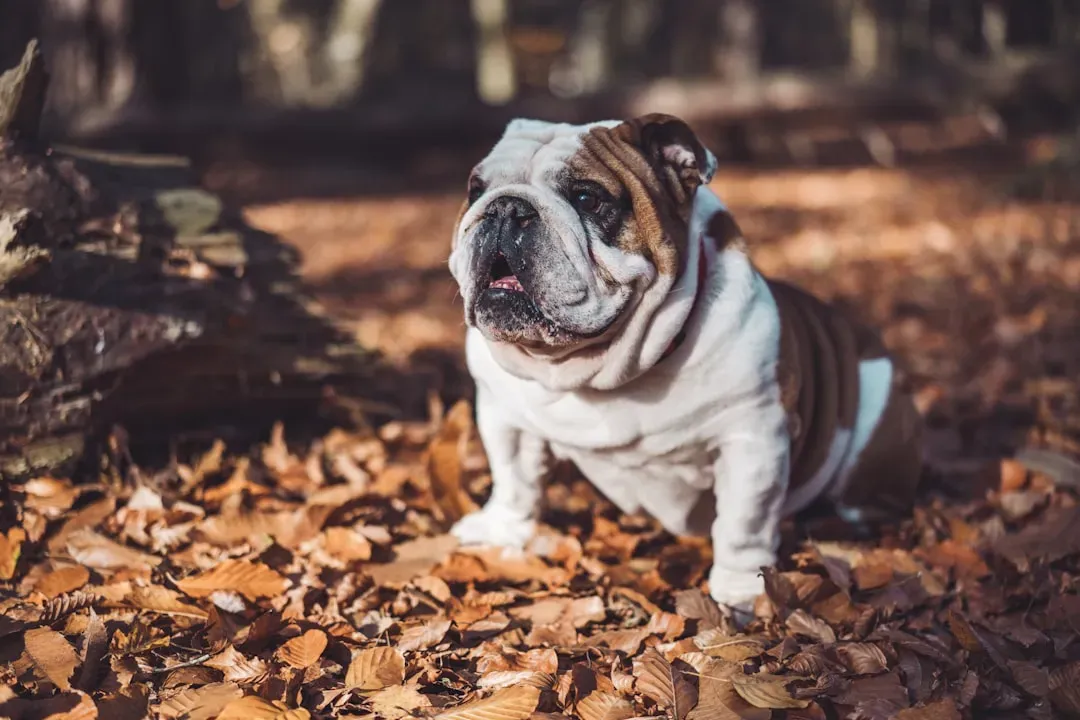
The Bulldog may look a bit intimidating initially, but this breed is affectionate and gentle. Despite their muscular nature, these dogs can also be quite lazy. While they enjoy a bit of activity, they’d much rather curl up in your lap – and this laziness can make training them a lot of work. In addition, the breed’s occasional stubbornness makes training even more difficult.
The bulldog, which scored well below average on obedience tests, can learn quickly – as long as they don’t feel pushed around or punished. That’s actually the most useful insight you can apply when training one. Keeping to short training sessions can make things a bit easier on your pup. Sticking to positive reinforcement and keeping yummy treats on hand will improve how well things go. Think of each session as a brief, cheerful game rather than a structured lesson, and your Bulldog will respond far better.
6. Basset Hound: The Scent Hound on a Mission
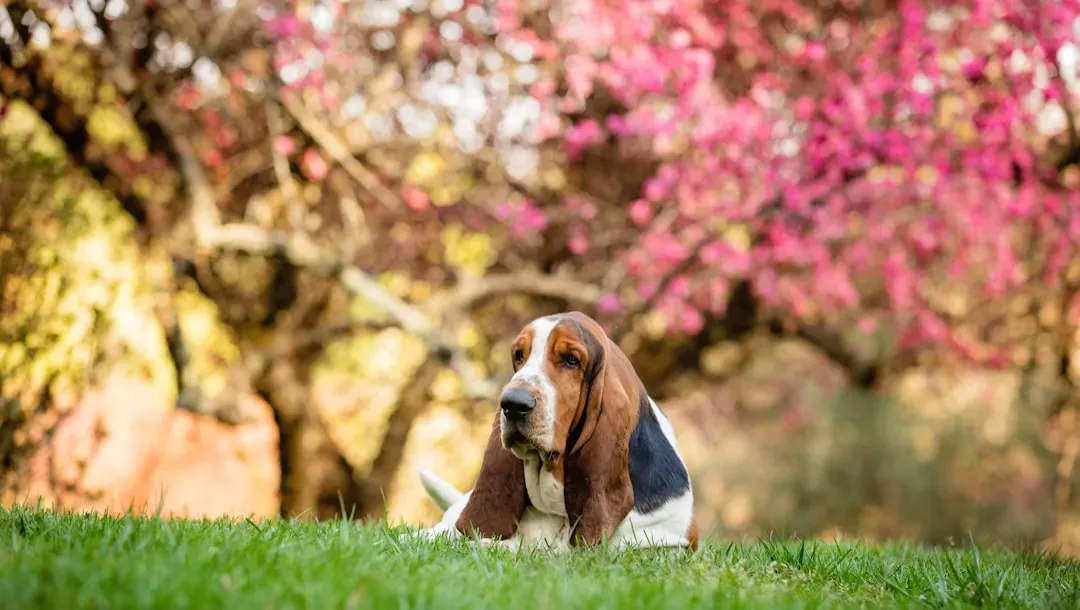
Although mellow, adorable, and charming, the Basset Hound is amongst the hardest breeds to train. They were bred to follow a scent tirelessly without distraction, and are incredibly independent. They can also be stubborn, and their tendency to ignore everything but the scent means it’s difficult to convince them to listen to commands. Those magnificent long ears actually help funnel scent toward their nose – which is both fascinating and deeply inconvenient when you’re trying to get their attention.
Basset Hounds are known for being difficult to housebreak. This process may take longer than usual, which can be very frustrating for you and your household. Patience really is the operative word here. Motivating a Basset Hound to listen and learn might be the trickiest part of their training. However, they love food, so you’ll have the best luck with reward-based, patient, consistent training – and using yummy smelling treats will help keep their attention on you. Scented treats are genuinely your secret weapon with this breed.
7. Jack Russell Terrier: Brilliant, Bouncy, and Borderline Uncontrollable

Jack Russell Terriers are small, powerful dogs that were bred to be used in fox hunting. They have a very high prey drive, which makes them one of the hardest dogs to train. Don’t let the small frame fool you. Jack Russells operate at a frequency that most owners aren’t prepared for, and their intelligence can actually work against you during training because they get bored with repetition very quickly.
They love to learn and play games but can get bored, which could lead to destructive behavior. These small dogs were bred to be fox hunters, so their prey drive is incredibly high. The breed can also be willful and has tons of energy, which can interfere with the training process. The golden rule with a Jack Russell is to keep training sessions short, varied, and genuinely engaging. A bored Jack Russell will invent their own activities, and you probably won’t enjoy whatever they come up with.
8. Afghan Hound: Elegance With Its Own Agenda
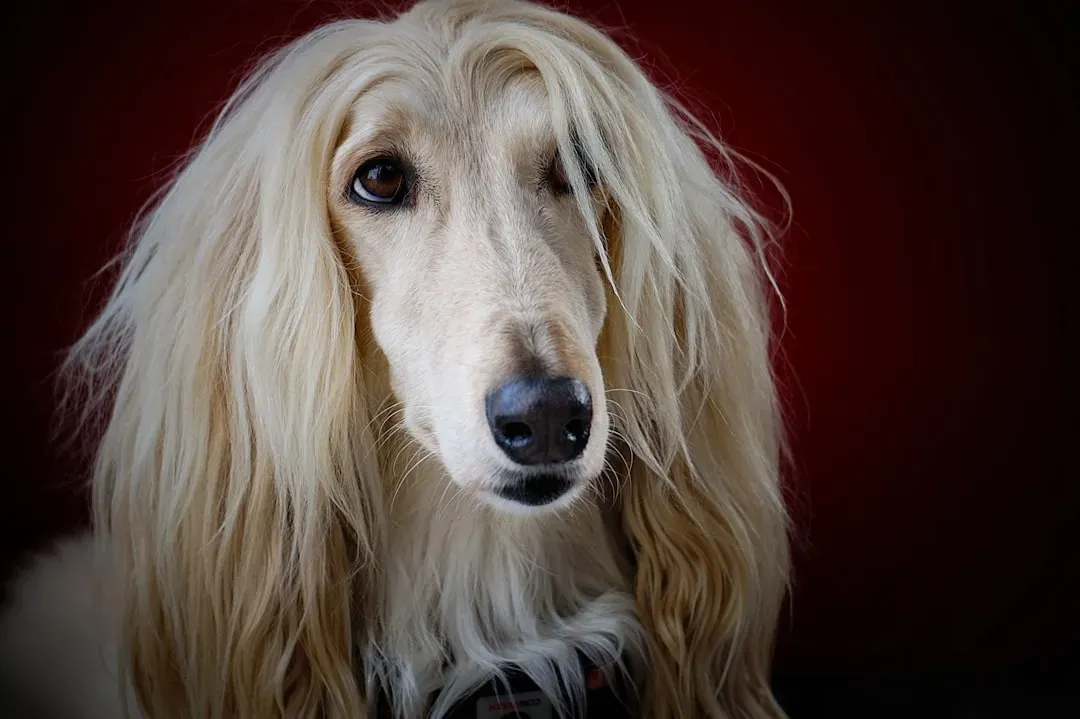
The Afghan Hound’s aloof personality and strong independence make it challenging to train. These dogs tend to be more focused on their own desires than on their owner’s commands. According to the AKC, this breed’s independent nature means they don’t always respond to training in the way other breeds might. Afghan Hounds are breathtakingly beautiful, and they seem to know it. Their aristocratic bearing is matched by an equally aristocratic sense of self-determination.
Coren found substantial agreement in the judges’ rankings of working and obedience intelligence, with Border Collies consistently named in the top ten and Afghan Hounds consistently named in the lowest. That said, low trainability scores don’t reflect a dog’s warmth, loyalty, or capacity for bonding with its family. Afghan Hounds are sensitive creatures who respond to calm, patient handling rather than repetitive commands. Approach them as partners rather than students, and the relationship shifts considerably.
—
Now, the Super Smart Ones: 5 Breeds That Are a Joy to Train
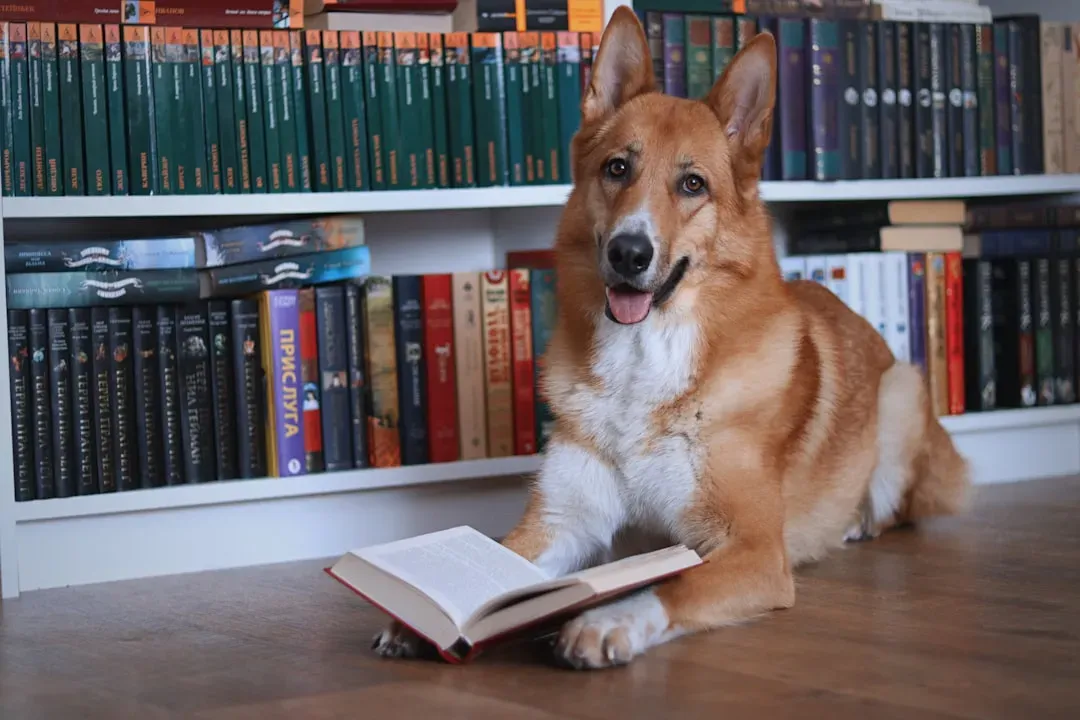
On the flip side of stubbornness sits a group of dogs that seem almost eager to make your life easier. The top dogs absorbed commands in less than five repetitions and obeyed them 95% of the time or better. These are the breeds that genuinely thrive on learning, and understanding why they’re so trainable helps you get even more out of them.
1. Border Collie: The Undisputed Genius of the Dog World
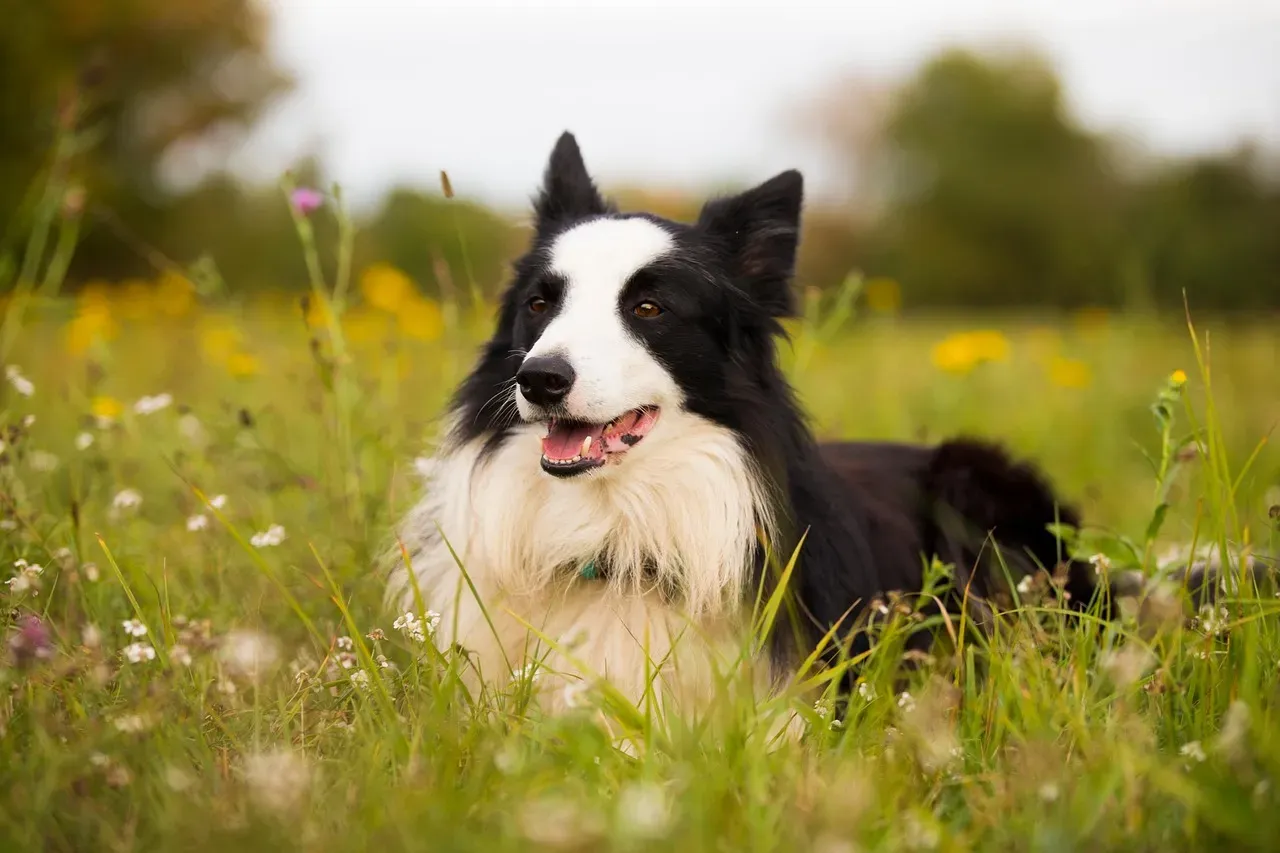
When it comes to intelligence, the Border Collie is in a league of its own. Known as the “Einstein of the dog world,” this breed has unmatched problem-solving abilities. Farmers traditionally used them for herding livestock, and their quick decision-making skills made them indispensable. What sets Border Collies apart is that they don’t just follow commands, they anticipate what you need. That’s a whole different level of canine engagement.
Border Collies are famous for their ability to learn the meaning of human words. This skill makes the breed so easy to train and teach new commands. With that keen brain, Border Collies need a lot of exercise and mental stimulation to work off their energy. When Border Collies get little exercise and mental stimulation, they may develop destructive behaviors. Owning a Border Collie is a full commitment – they’ll give you everything, and they expect the same in return.
2. Poodle: Don’t Let the Haircut Fool You
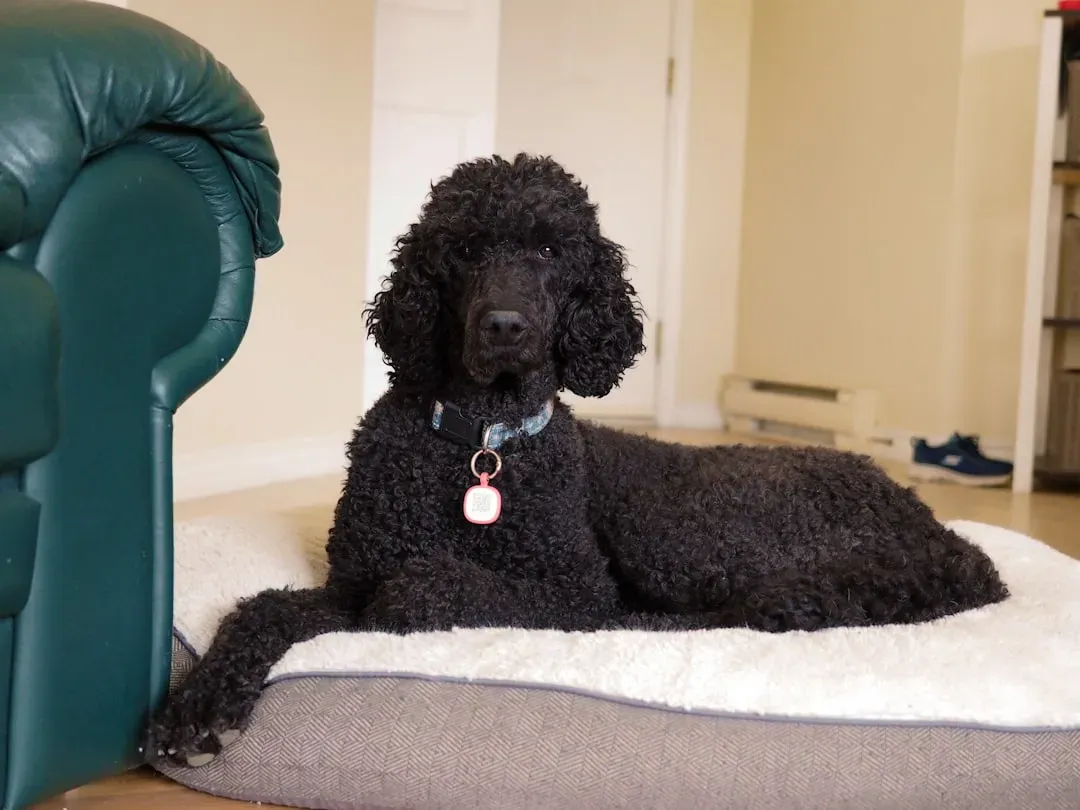
Originally bred as a hunting dog, Poodles have a long history of working alongside their humans. Present-day Poodles might be a more common sight curled up on the couch at home, but these smart pups are still frequently at the top of the winner’s podium at obedience and agility competitions. The strong connection to their people means they’re relatively easy to train with positive reinforcement tools like clickers – they aim to please.
Although the Toy, Miniature, and Standard varieties may look fancy, always pay attention to these whip-smart, curly-coated dogs. When owners give explicit, consistent instruction, Poodles train quickly. Eager to please, this breed excels with stimulation. Without proper training, these bright dogs are sure to assume the alpha role in your house – it’s best to keep them engaged through activities like puzzles, agility training, and word recognition. Give them a job, and they’ll do it beautifully.
3. German Shepherd: Courage, Loyalty, and Raw Intelligence
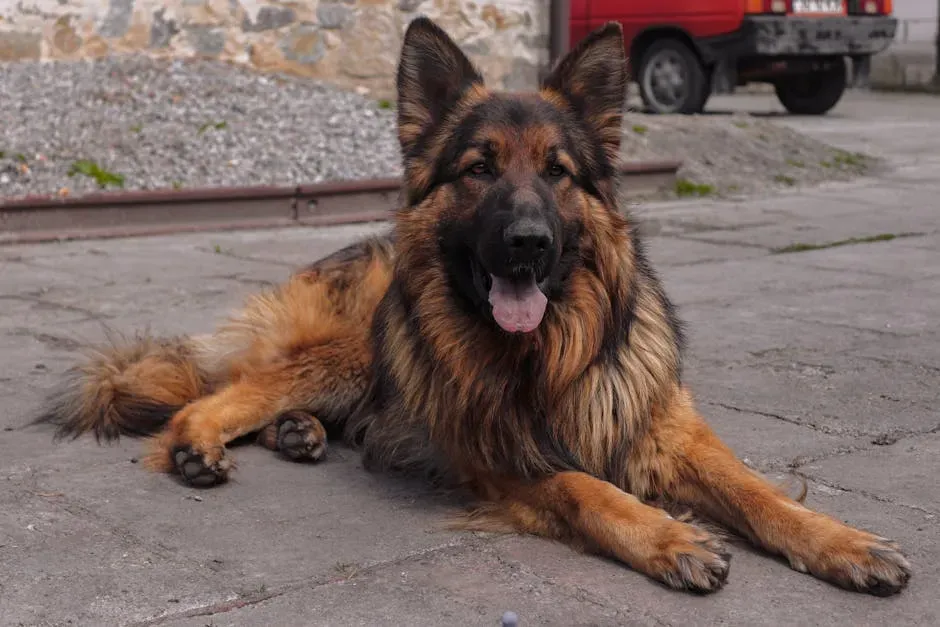
German Shepherds are considered one of the smartest dog breeds due to their exceptional intelligence, trainability, and versatility. Their instincts from hundreds of years protecting flocks are still intact today. Because of years spent problem-solving in the field, the adaptable and hard-working German Shepherd still excels in jobs that many humans would find demanding and stressful, like police and military work or on search and rescue missions.
What sets a German Shepherd apart from other clever dog breeds is their character. GSDs develop deep relationships with humans that push them to work their hardest to earn their love. They thrive in training and can be taught special commands that other breeds can’t begin to comprehend. The flip side, as any GSD owner knows, is that a bored or under-stimulated German Shepherd can become anxious or develop problem behaviors. The GSD requires regular tasks to remain content.
4. Golden Retriever: The Perfect First-Time Dog
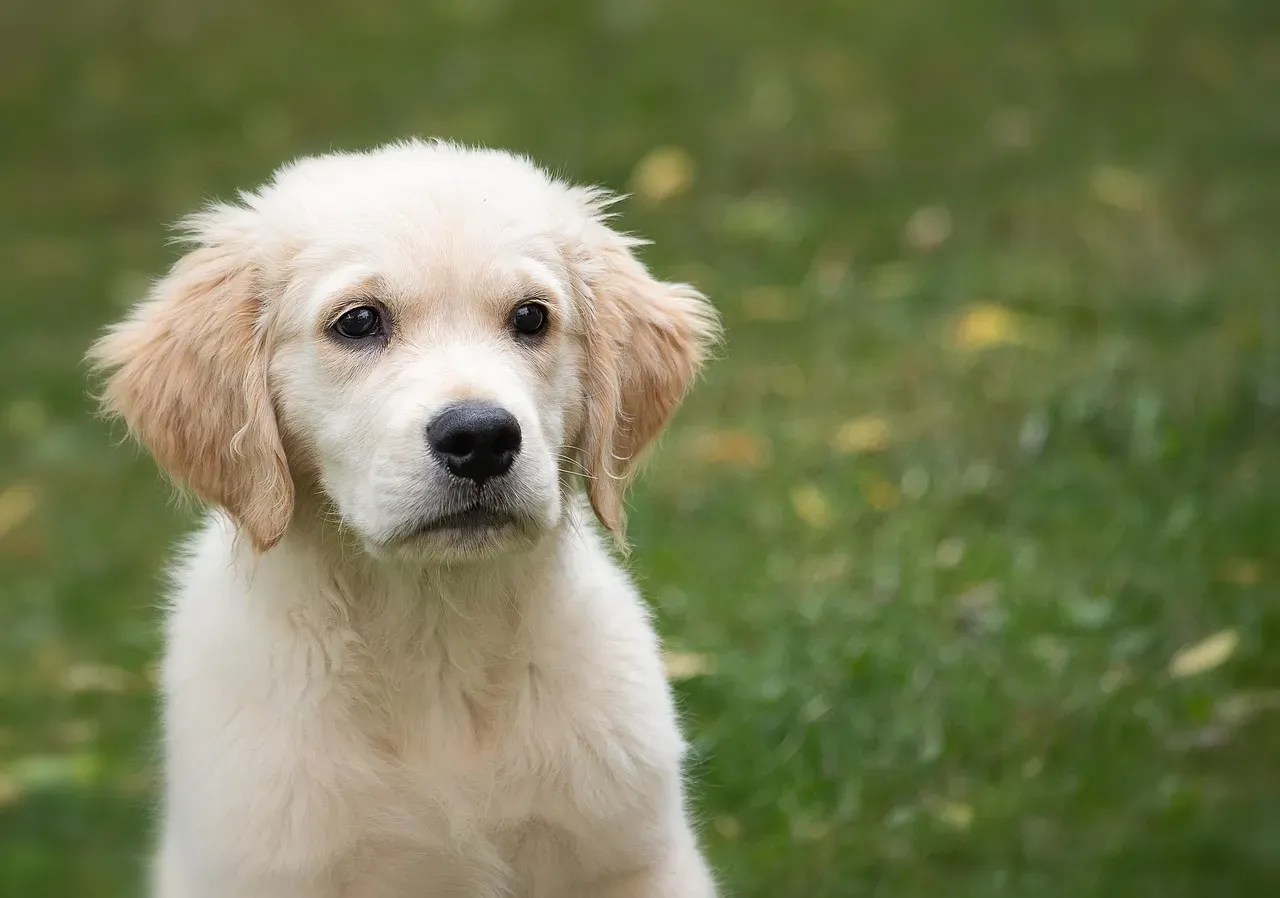
Golden Retrievers are revered for their social intelligence as well as their mental intelligence. This breed can read human emotions and body language like a book. With natural instincts, they know the proper way to respond to certain human emotions like sadness, anxiety, and excitement. That emotional attunement is a huge part of why Goldens are so successful in therapy and service dog roles.
Their ability to learn quickly and respond well to commands means they’re relatively easy to train with a pocket full of dog treats to reward their food-motivated minds. Goldens are known for being very loyal and affectionate family pets, and their gentle demeanor and eager-to-please nature make them an ideal breed for first-time dog parents. If you want a dog that genuinely wants to get things right, a Golden Retriever is one of the most forgiving and rewarding training partners you’ll find.
5. Labrador Retriever: America’s Consistent Favorite

Labrador Retrievers are some of the friendliest dogs you’ll ever meet, but they’re also super smart. Labs have a long history of working alongside their humans to hunt and retrieve, meaning they’re instinctually perceptive and quick to learn. With adequate training, Labs can become champions in retrieving, obedience, and service and therapy work. Their enthusiasm for people makes every training session feel like a shared celebration rather than a chore.
Labrador Retrievers often serve as therapy, service, and emotional support dogs because of their gift for responding to human emotions with empathy and tact. They are also better than other breeds at receiving training. With their sweet disposition, Labs usually take to training quickly and can even learn specialty skills. They are loyal and affectionate family pets, making them a popular choice for households with children. Like Golden Retrievers, Labs have a gentle demeanor and eagerness to please that makes them an ideal breed for first-time pet parents.
What This All Means for You as a Dog Owner
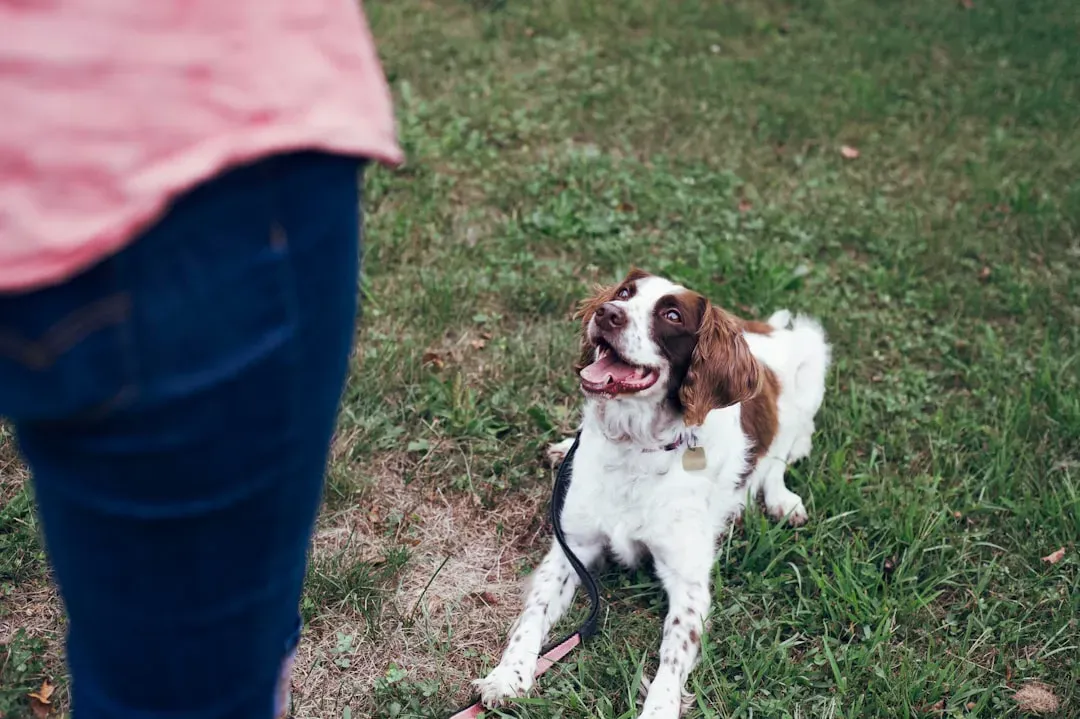
Whether you share your home with a stubborn Basenji or a biddable Border Collie, the underlying principle is the same. While all dogs are trainable with time and patience, factors such as intelligence, independence, and energy level play key roles in their willingness to follow commands. According to the American Kennel Club, some breeds have been bred for independence or tasks that require them to make decisions on their own. This instinct can sometimes interfere with training efforts, especially if the dog doesn’t see the purpose of obedience commands.
The breeds labeled “difficult” aren’t broken – they’re just wired differently. While all dogs are susceptible to training, it has been proven that breed matters in how easy or difficult it will be. The hard-to-train dogs may be a challenge, but that doesn’t mean they cannot be trained. It means you may need to invest extra time into achieving the goal. Meeting your dog where they are, understanding their instincts, and adjusting your methods accordingly isn’t just good training. It’s the foundation of genuine partnership.
Every dog, regardless of breed, is capable of growing, learning, and building a deep bond with the right person. The most important quality you can bring to training isn’t technique or treats. It’s the willingness to truly understand the dog in front of you.


