
Picture this: you’re sitting in your cozy city apartment, scrolling through adorable dog videos, dreaming of a furry companion to share your mornings with. Then that little voice of doubt creeps in. “Is it fair to have a dog here?” It’s one of the most common questions dog lovers in smaller spaces wrestle with, and the answer is far more encouraging than most people expect.
The size of your living space isn’t the only consideration, because many large breed dogs have lower activity levels and are more than happy to lounge on the sofa. What really matters goes deeper than square footage. Choosing the right dog for apartment living involves more than just size. Temperament, energy levels, and grooming needs all play crucial roles. Whether you’re in a studio downtown or a two-bedroom with a balcony, the right match is out there for you. Let’s walk through the breeds that will genuinely thrive in your space, and a few that honestly deserve more room than any apartment can give them.
1. French Bulldog: The Ultimate Urban Companion
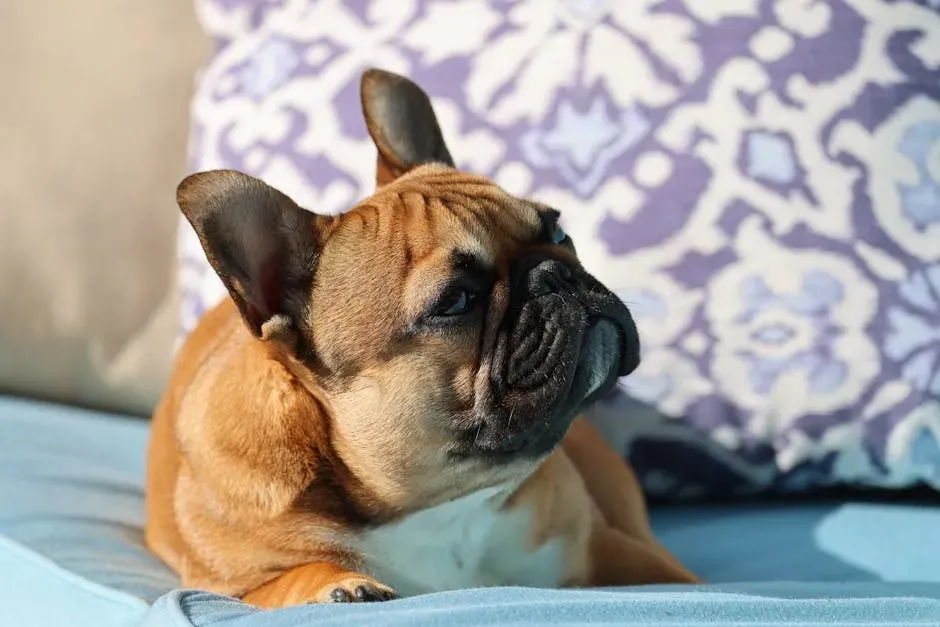
Compact, calm, and irresistibly charming, the French Bulldog is one of the best apartment companions. They require minimal exercise and are perfectly content lounging on the couch after a short walk. Their quiet nature also makes them ideal for shared buildings with noise restrictions. If you’ve ever lived next to a chronically barking dog, you already understand why that last point matters so much.
Brachycephalic, or short-nosed and flat-faced dogs, were bred to have shorter snouts, which do look really cute. But they have a hard time breathing and can easily overheat, collapse, and suffer heat exhaustion and heat stroke. Keep your Frenchie out of direct summer heat, avoid strenuous midday exercise, and watch for labored breathing or heavy snorting as early warning signs. Air conditioning in warmer months isn’t a luxury for this breed; it’s a necessity.
2. Cavalier King Charles Spaniel: Gentle, Adaptable, and Deeply Loving
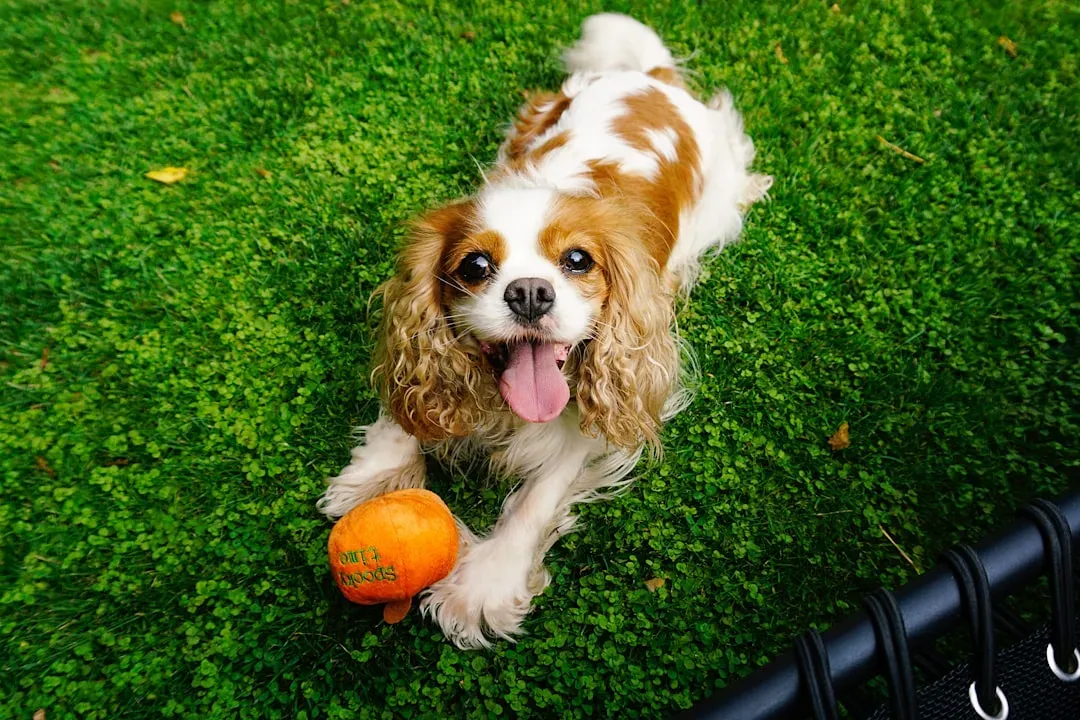
Cavalier King Charles Spaniels are known for their affectionate personalities. They are gentle, adaptable, and thrive in apartment settings. Their moderate size makes them manageable, even in tighter spaces. They’re also wonderful with children and seniors alike, making them one of the most universally versatile breeds on this list.
The King Charles Cavalier Spaniel is well-suited for apartment living. It is an especially suitable dog breed for those living a busier lifestyle who may not spend all day at home. They thrive when provided with either indoor or outdoor activities, and they are easy to train. One thing to be mindful of: Cavaliers can be prone to heart conditions as they age, so regular vet checkups are genuinely important for this breed throughout their lives.
3. Pug: Big Personality Packed Into a Small Frame
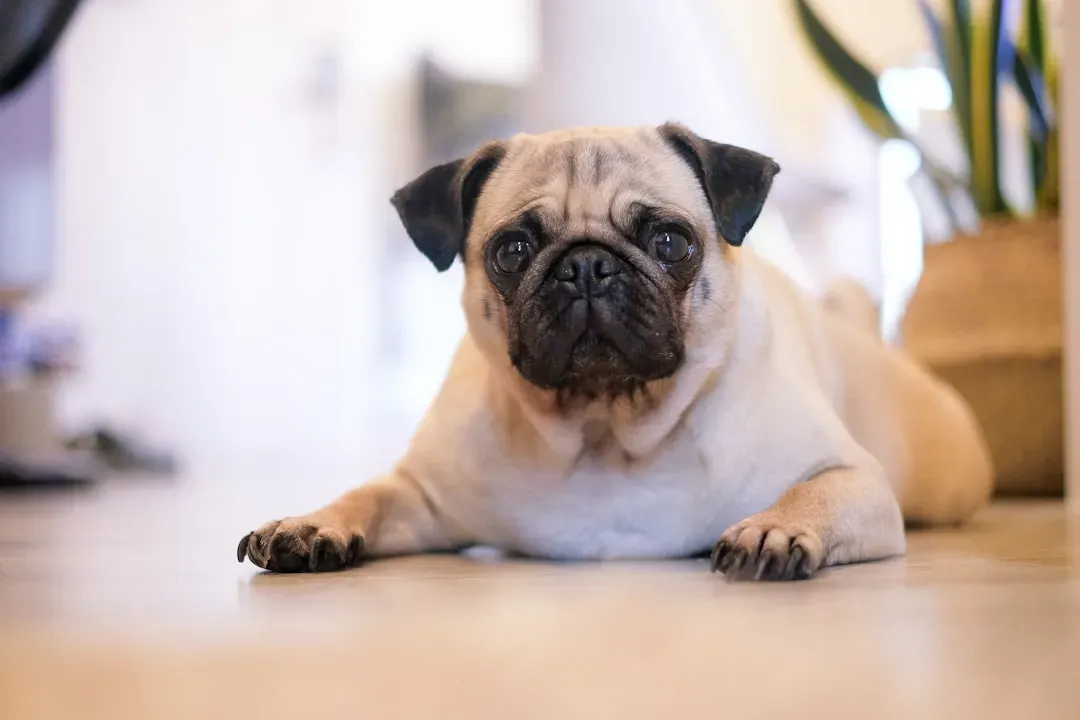
Pugs are famous for their playful and easy-going nature, making them great companions for apartment living. They thrive on human interaction and can adapt well to indoor activities. Pugs are not excessively active, and their small size makes them an ideal choice for apartment dwellers looking for a friendly and sociable pet. Their expressive, wrinkled faces are basically guaranteed to melt your heart on the hardest of days.
They’re low-maintenance dogs who thrive in smaller spaces due to their minimal exercise needs, but they’ll still need some exercise to keep them from becoming overweight. While the breed is unlikely to become a problem-barker, you will need to get used to the snorting and snoring sounds caused by their short airways. Like French Bulldogs, weight management is critical for Pugs. Short daily walks and portion-controlled meals go a long way toward keeping them healthy well into old age.
4. Bichon Frise: The Cheerful, Low-Shedding City Dog
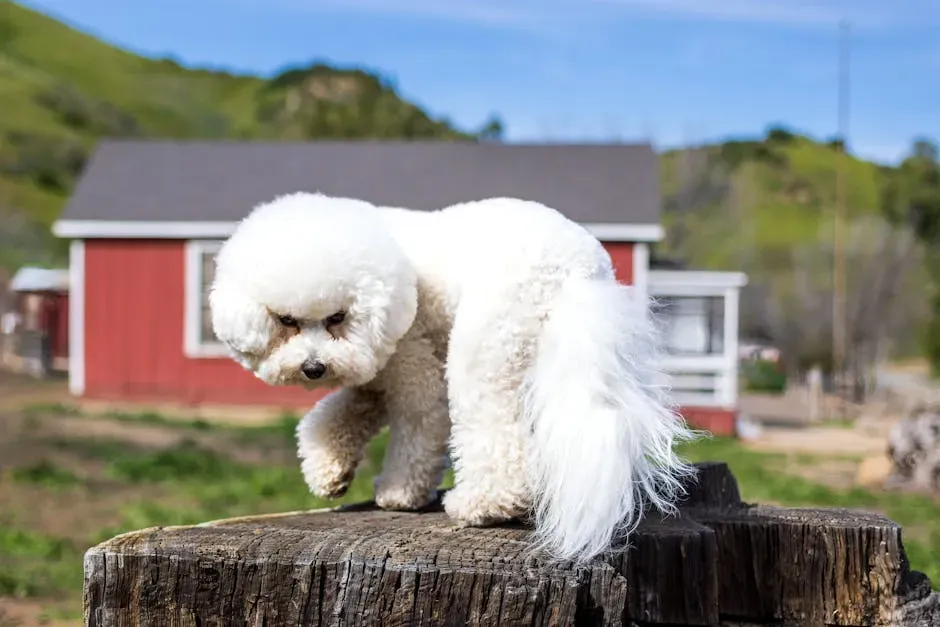
The small but sturdy and resilient Bichon Frise stands among the world’s great “personality dogs.” Beyond the personality, they bring a practical advantage to apartment life: their coat sheds very little, which means fewer tumbleweeds of fur rolling across your hardwood floors. The adaptable Bichon Frise is a breed that genuinely thrives in apartment settings.
Exercise needs for small companion breeds like the Havanese, Pug, and Pomeranian – and equally the Bichon – can often be met with short walks and indoor games. This breed does tend to form very strong bonds with their people, which is wonderful, but it also means separation anxiety can be a real concern. If you work long hours away from home, consider puzzle feeders, calming toys, or even a dog sitter to keep your Bichon mentally engaged and emotionally settled.
5. Boston Terrier: The American Gentleman Who Loves Small Spaces
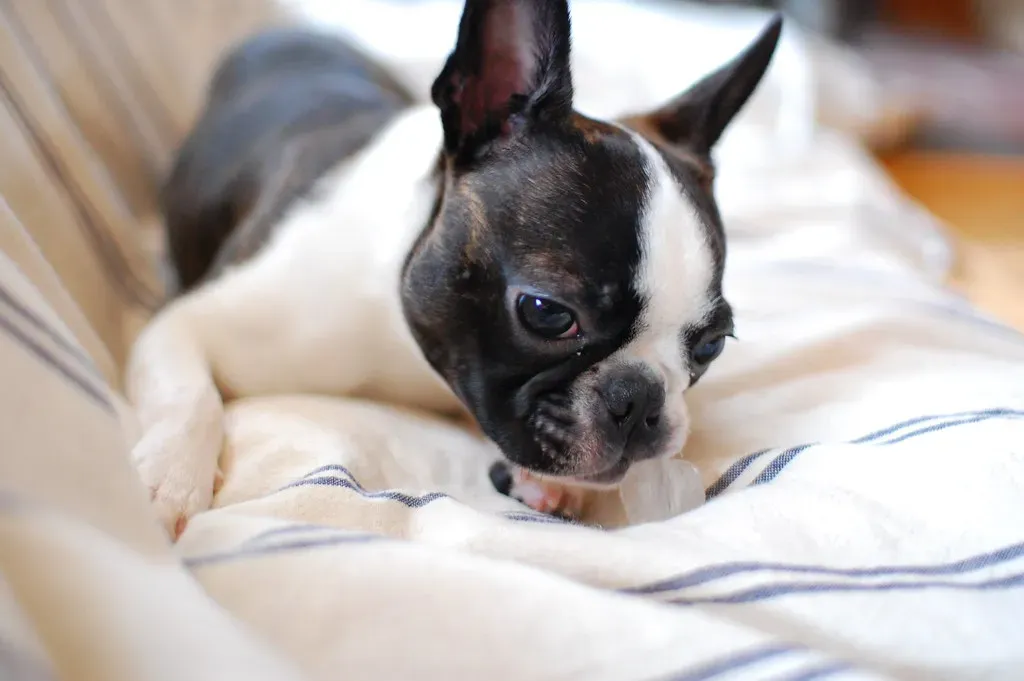
Nicknamed the “American Gentleman,” the Boston Terrier combines a calm temperament with bursts of playful energy. They’re clean, easy to groom, and known for their adaptability – perfect for smaller homes or apartments. Their tuxedo-like black-and-white coat only adds to their dapper reputation.
They are known for their friendly, affectionate, and adaptable nature. Although they enjoy playtime, their moderate energy level means that regular indoor activities can keep them content and happy. Boston Terriers are also relatively easy to train, which is a real bonus in apartment buildings where polite behavior around neighbors and in elevators makes everyone’s life easier. Early socialization, especially with other dogs, helps bring out the best in them.
6. Dachshund: Long on Charm, Short on Space Requirements
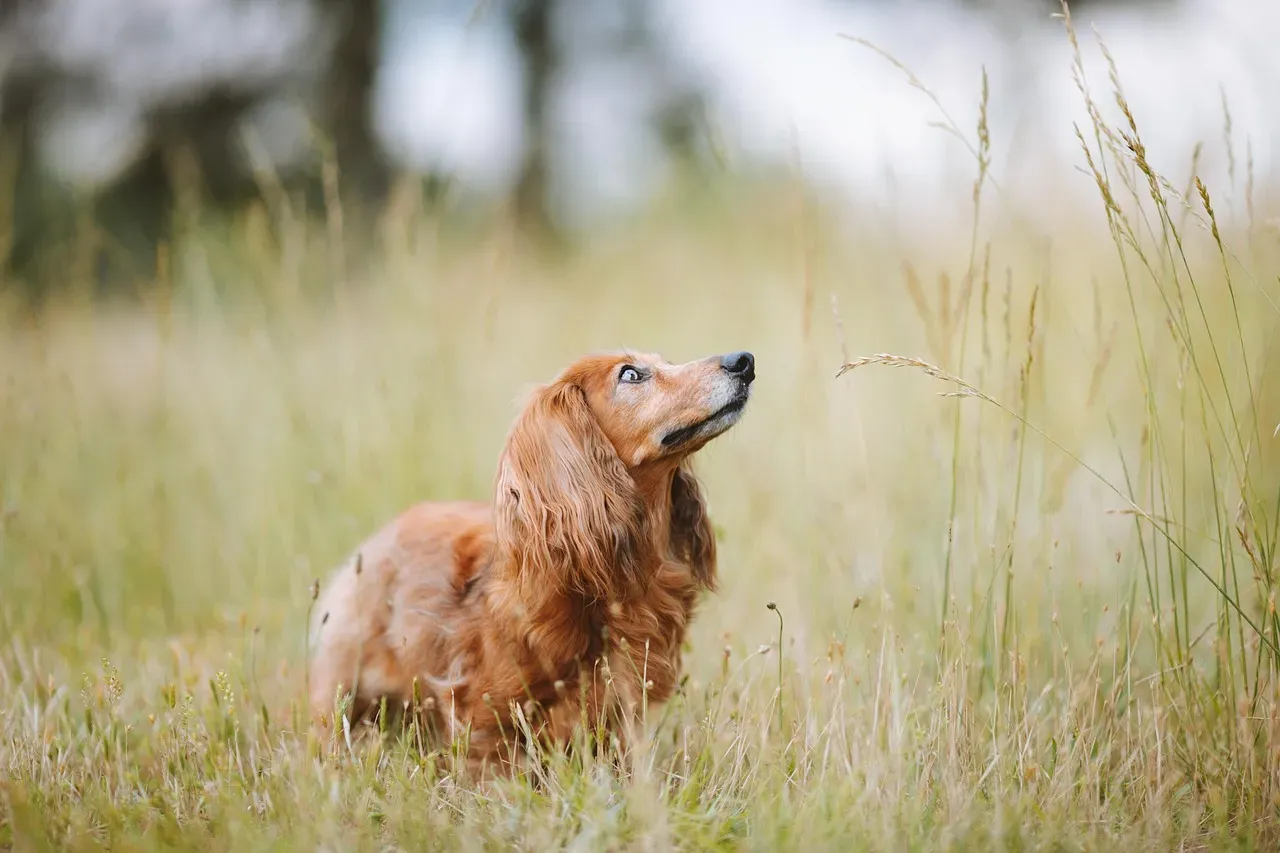
Known for their playful personalities and unmistakable long bodies, Dachshunds are surprisingly good apartment dogs. They’re loyal and entertaining but need regular play sessions to burn off energy. Their compact size means they physically fit almost anywhere, and their curious, bold personalities make them endlessly entertaining companions.
Easily recognized by their short legs and long bodies, dachshunds thrive in apartments and small spaces, especially those without steps. You may need to provide ramps to enable them to reach beds and couches and prevent injuries from jumping down. Though they’re loving companions, dachshunds have a fiery side that can be managed through positive reinforcement training. Protecting their long spine by preventing excessive jumping is one of the most important things a Dachshund owner can do at any living situation.
7. Maltese: Tiny, Devoted, and Perfectly Suited to Indoor Life

The Maltese is one of the most popular small dog breeds for a reason – they are sweet, playful, affectionate, and adaptable dogs which do well in small spaces. The breed is known for its gentle nature and loves being the center of attention. Their low energy levels, trainability, gentle temperament, and hypoallergenic coat make the Maltese a great fit for apartment living.
However, they don’t enjoy spending time alone. If left alone for long periods of time, they can become jealous or resentful of other dogs or humans. This is something to plan around honestly before bringing one home. If you’re someone who’s often out for long stretches, pairing your Maltese with a reliable dog walker or enrichment schedule will make all the difference in their happiness and behavior.
8. Shih Tzu: Regal Looks, Relaxed Soul
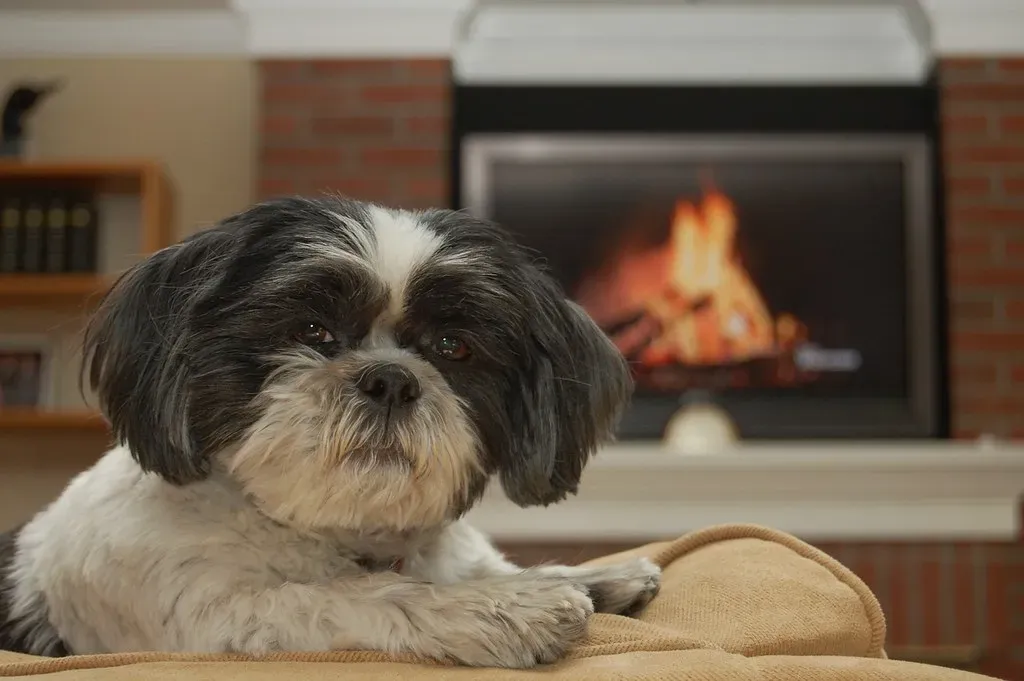
The Shih Tzu’s luxurious long coat and charming personality have made them a favorite among apartment dwellers. Despite their regal appearance, these dogs have a friendly and easygoing personality, making them great companions. They were originally bred as palace dogs in ancient China, so the cozy, warm environment of a modern apartment is practically in their DNA.
Minimal barking is beneficial for apartment life. Loud breeds can disturb neighbors and become a nuisance in apartments. Thus, quieter breeds are preferable. Shih Tzus generally fall on the quieter end of the spectrum, which makes them a genuinely neighborly choice. Their long coats do require consistent grooming, so budget time or money for regular brushing and professional trims to keep them comfortable and healthy.
9. Havanese: Cuba’s Gift to City Dwellers
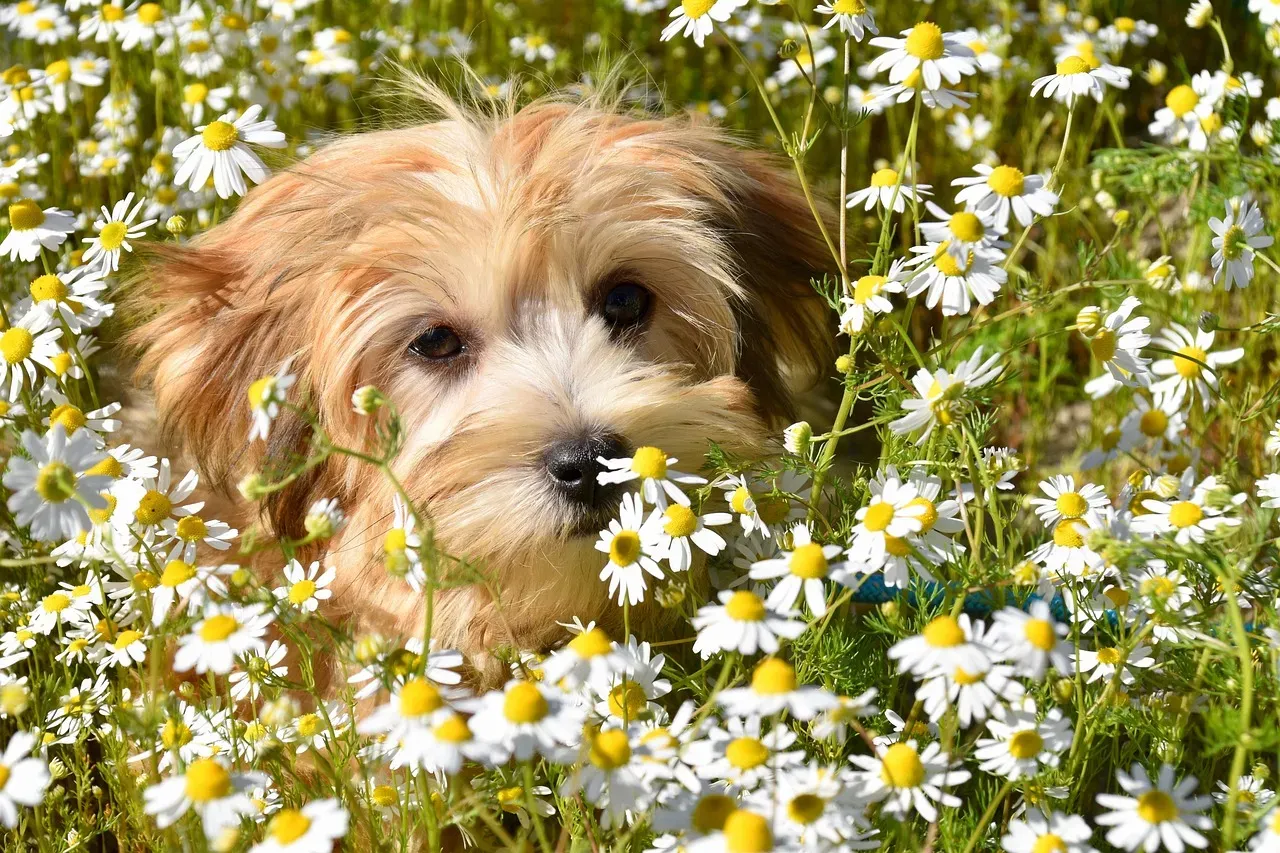
Hailing from Cuba, the Havanese thrives indoors and loves being near people. They’re intelligent, easy to train, and rarely bark excessively – a major plus for apartment living. The combination of trainability and low noise makes this breed a standout option, especially for first-time dog owners navigating apartment rules and shared community spaces.
Exercise needs for small companion breeds like the Havanese can often be met with short walks and indoor games. Still, mental stimulation matters just as much as physical activity for this clever little dog. Puzzle toys, hide-and-seek games with treats, and short training sessions throughout the day keep a Havanese sharp, happy, and thoroughly bonded to their person. They’re the kind of dog that genuinely makes your apartment feel warmer just by being in it.
10. Greyhound: The Couch Potato You Never Expected

Even Greyhounds, known for their speed, can be surprisingly well-suited to apartment life. Their calm disposition and low energy needs are a perfect match. This surprises a lot of people. You’d think a dog capable of hitting 45 miles per hour would be bouncing off the walls indoors, but Greyhounds are famously lazy in the best possible way. Breeds like Greyhounds are known for being relatively low-energy indoors. These breeds are often content with lounging in a smaller living space as long as they get regular outdoor exercise and mental stimulation.
Sighthounds, such as Greyhounds, prefer short, high-speed bursts in fenced areas. So while they don’t need hours of daily cardio, a Greyhound does need access to a securely fenced space for occasional sprints – a dog park will do perfectly. They’re also gentle, sensitive dogs who do best with calm households, making them wonderful apartment companions for adults and quieter families.
11. Border Collie: Brilliant, Beautiful, and Needs More Than You Think
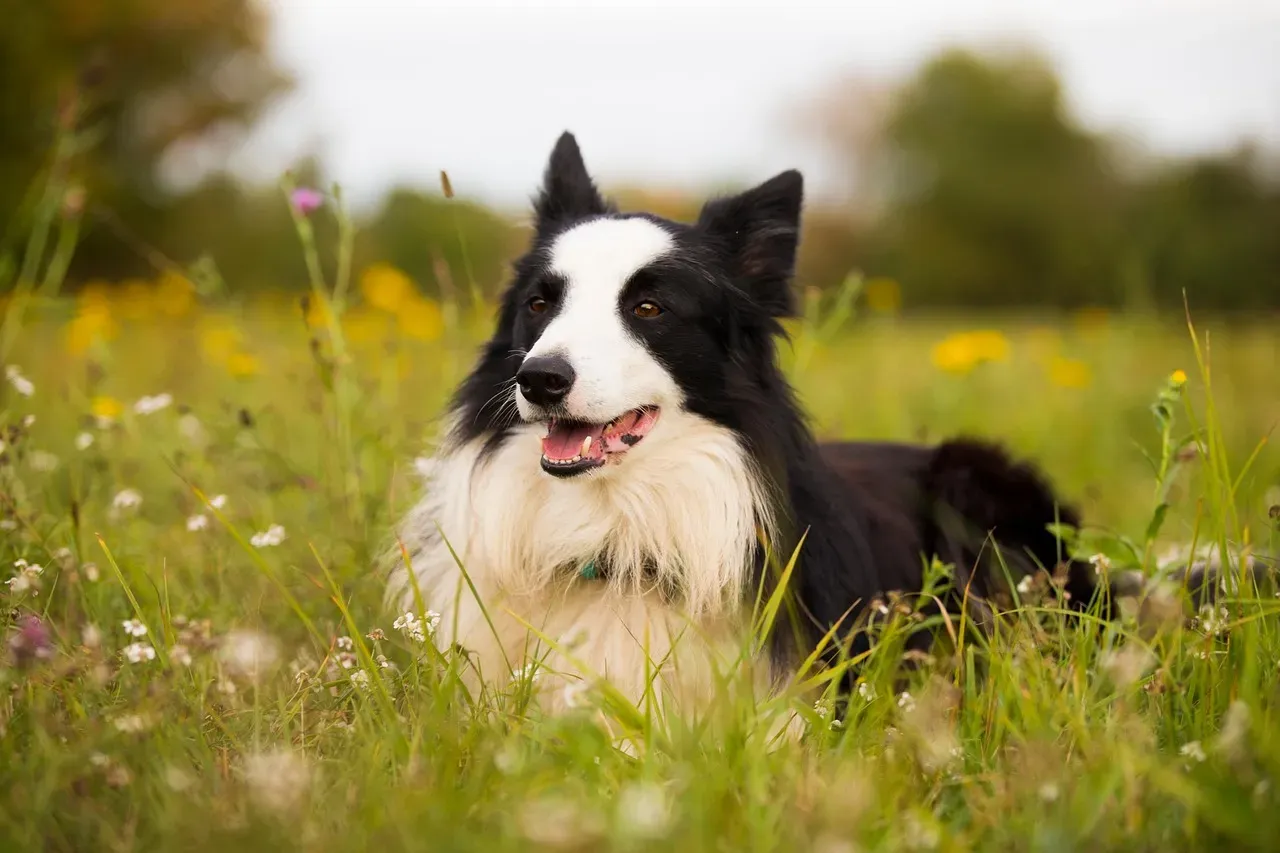
Despite this breed’s beauty, brains, and athleticism, Border Collies are not for everyone. With all of this energy, Border Collies have high exercise needs. This breed is happiest in a rural setting with plenty of space to run. They’re ranked among the most intelligent dog breeds in the world, which sounds wonderful – until that intelligence has nowhere to go.
These breeds have high energy levels and need to feel productive; if they don’t have an outlet, they’ll often get frustrated and unleash their energy in destructive ways. In an apartment, that frustration typically looks like chewing furniture, excessive barking, or obsessive pacing. Border Collies and other herding breeds need a mix of mental and physical stimulation that simply cannot be delivered reliably within the walls of a small apartment. They’re best matched with active owners who have land or at minimum very consistent access to large open spaces.
12. Siberian Husky: A Free Spirit That Needs Room to Roam
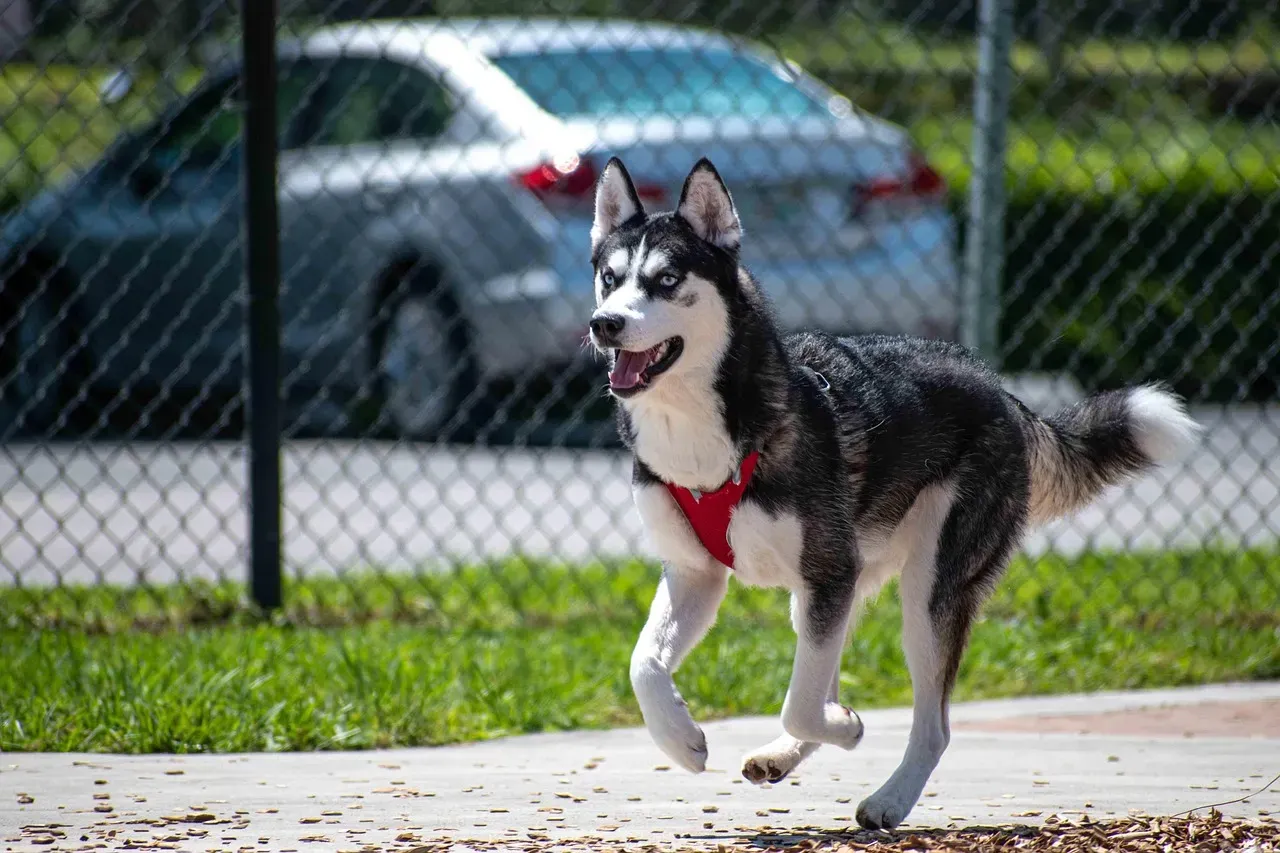
Considering that Huskies were bred to pull sleighs in sub-zero temperatures hundreds of miles a day, it’s no wonder that these beauties need room to run. Their working history is built into every fiber of their being. Large breeds like the Siberian Husky also tend to struggle in apartments. Their need for extensive exercise and mental stimulation can be challenging to meet in a confined space.
Huskies are notorious for escaping their yards. They were bred to pull sleds fifty to sixty miles each day, so they have strong natural urges to roam widely and explore new places. Making matters even more difficult, Huskies also like to dig, and they’re very intelligent. Confining this breed to an apartment without a proper outlet is a recipe for a very vocal, very restless dog. They’re extraordinary companions – just not in a studio on the 12th floor.
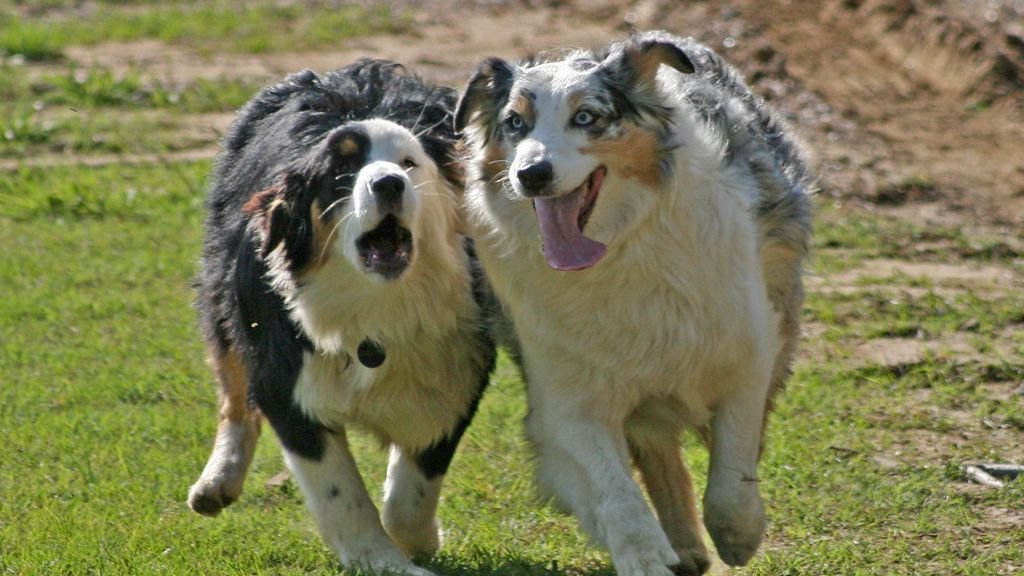
13. Australian Shepherd: The Herder That Can’t Switch Off
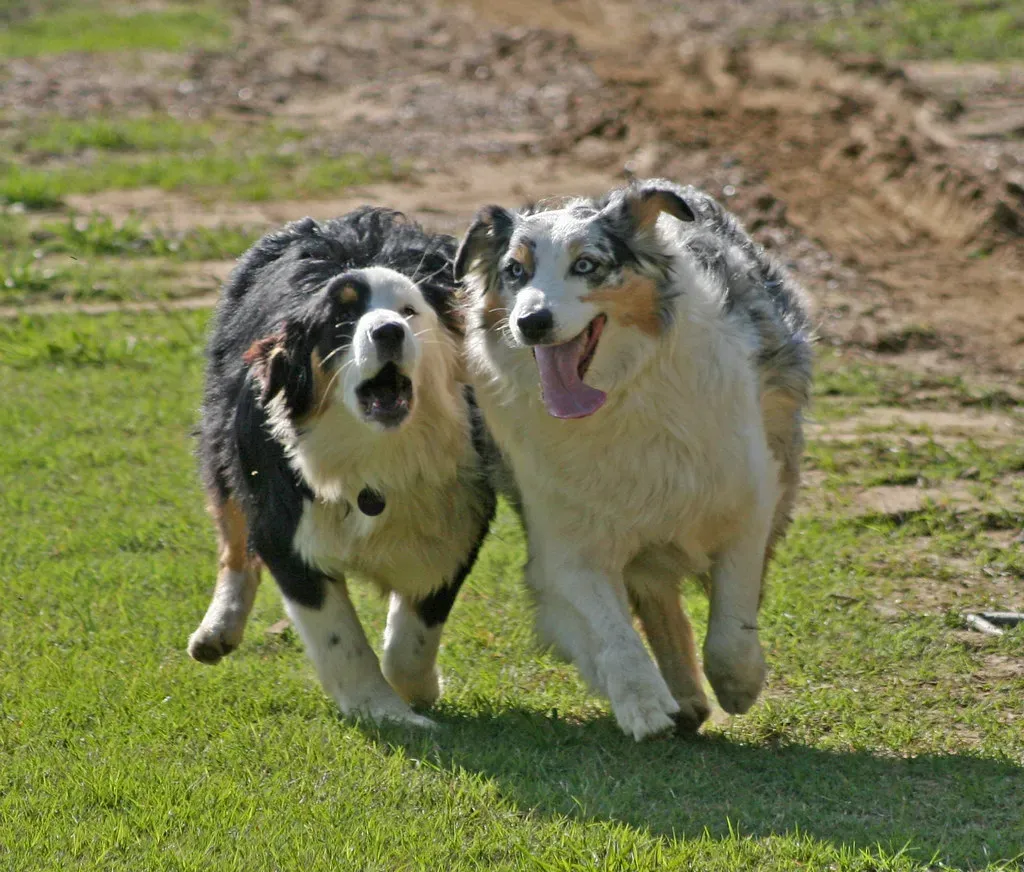
Border Collies, Australian Shepherds, and other working breeds can thrive in cities with owners who provide adequate mental stimulation and exercise. These dogs often need more than two hours of focused activity daily. For most working professionals or casual walkers, that’s a genuinely difficult commitment to sustain consistently, especially in an apartment without a yard.
Large and high-energy breeds need more space to roam and exercise. A large, securely fenced yard where they can run freely is ideal. These breeds often require more vigorous exercise and space to satisfy their physical and mental stimulation needs. Australian Shepherds are also prone to herding behavior that can manifest as nipping or chasing in tight quarters, especially around children. They’re phenomenal dogs for active families with land – not the right fit for compact city living.
14. Boxer: Energetic, Exuberant, and Yard-Dependent
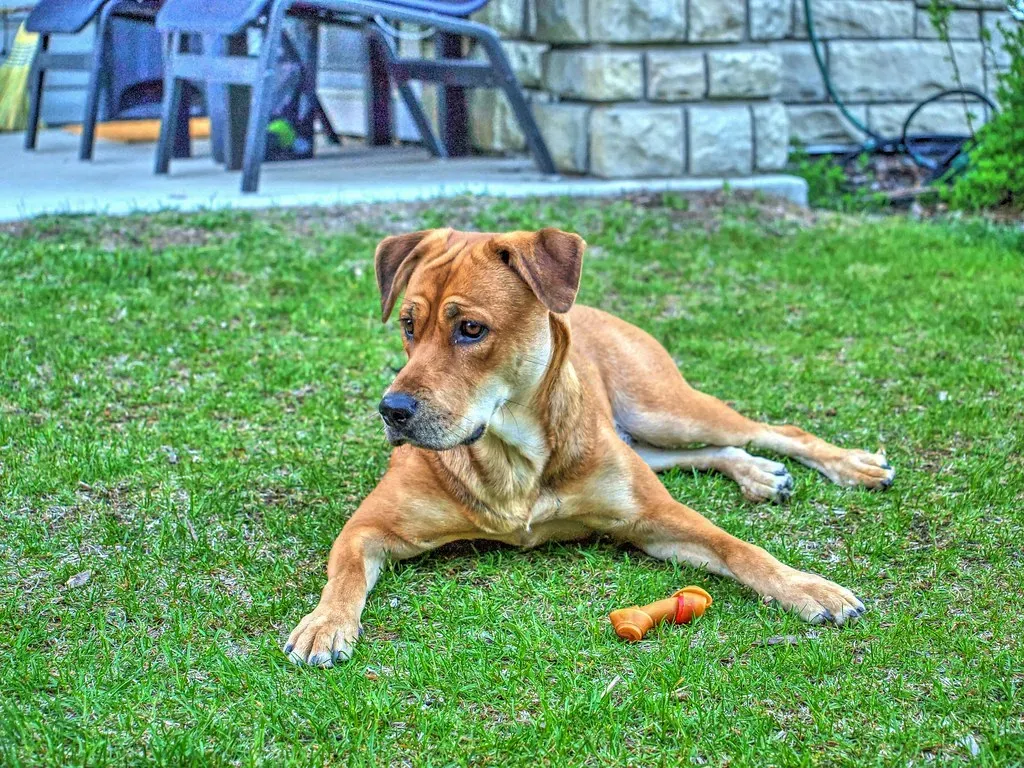
Boxers make excellent family dogs. They love being with their humans, indoors and out. They also have endless energy. They love to chase balls, sticks, and toys. The bigger outdoor space they have, the happier they will be. There’s something wonderfully joyful about a Boxer at full sprint across an open yard. Apartment life, however, rarely gives them that outlet.
The Boxer is one pawsome breed who loves being indoors with their pet parent, but needs a big backyard. Without consistent high-energy release, Boxers can become restless, jumpy, and difficult to manage in small spaces. They’re also known to be enthusiastic jumpers, which can be a lot to navigate in narrow hallways or elevator rides. If you own or rent a home with a good-sized yard, a Boxer will absolutely reward you with boundless loyalty and affection.
15. Labrador Retriever: America’s Favorite Dog Needs Space to Match

These happy-go-lucky pooches are America’s favorite dog breed. They’re athletic and will retrieve any toy that you throw, so a nice, open yard is like a Lab’s playground. Social with dogs and people, any Lab would be over the moon to have playdates in a backyard. Labs are loving, loyal, and genuinely wonderful family dogs – but their energy levels are no joke.
Sporting dogs like Labradors and Golden Retrievers were bred for high-energy tasks like retrieving and swimming. These breeds thrive on regular, vigorous activities such as running, hiking, or dog sports. Aim for at least ninety minutes of exercise daily to keep them content. In a small apartment without a yard, meeting that requirement every single day is a real challenge. Labs that don’t get enough activity can develop anxious behaviors, excessive chewing, and weight gain quickly. They’re among the most rewarding dogs you can own – as long as the space truly fits their nature.
A Final Thought on Choosing the Right Dog for Your Space
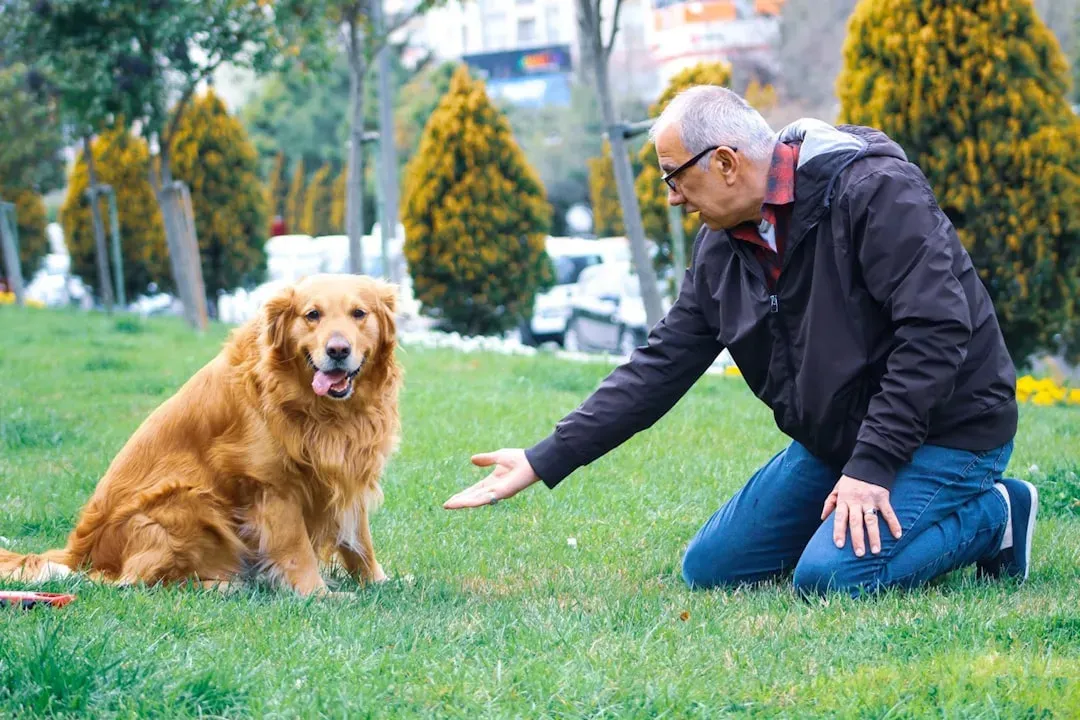
A large space isn’t necessarily a good thing if the dog still isn’t stimulated and exercised enough. A small space with a fully engaged owner who spends time playing with and exercising their dog is infinitely better. That’s perhaps the most honest truth in this entire conversation. Your commitment and attention matter more than your square footage.
Regardless of the breed, it is vital to note that all dogs need exercise, socialization, and affection. Just because a dog is suitable for apartment living doesn’t mean they only need to go out for potty breaks. With attention and care, any dog can thrive in an apartment and be a loyal companion for years to come. Choose a breed that genuinely fits your lifestyle, your energy level, and your daily routine – not just your living space. The dog you bring home will shape years of your life, and you’ll shape all of theirs. That kind of responsibility, taken seriously, is where the most beautiful human-dog bonds are born.


