
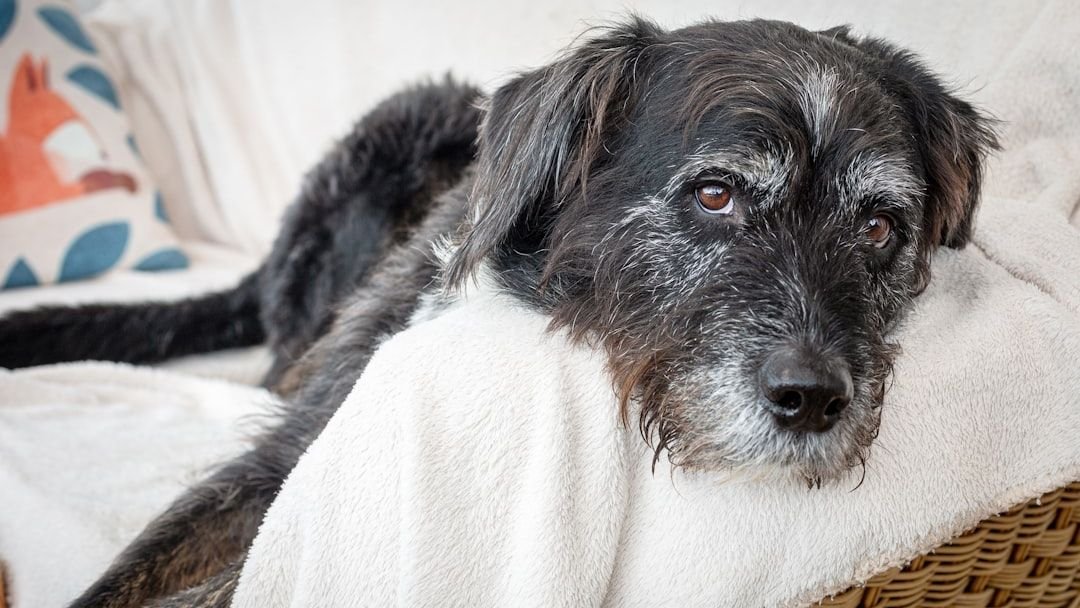
There’s a moment most dog owners know well. You’re sitting quietly, maybe reading or just thinking, and you look up to find your dog already watching you. Not wanting a walk, not angling for a treat. Just looking. It’s one of those small, easy-to-miss exchanges that turns out to carry far more weight than it appears.
Science has been catching up to what dog lovers have sensed for a long time. Your dog’s gaze isn’t casual. It isn’t random. It’s a form of communication that has been shaped by thousands of years of shared history between our two species, and understanding it can genuinely transform how you relate to your dog.
The Chemistry Behind the Stare: Oxytocin and the Bond Loop
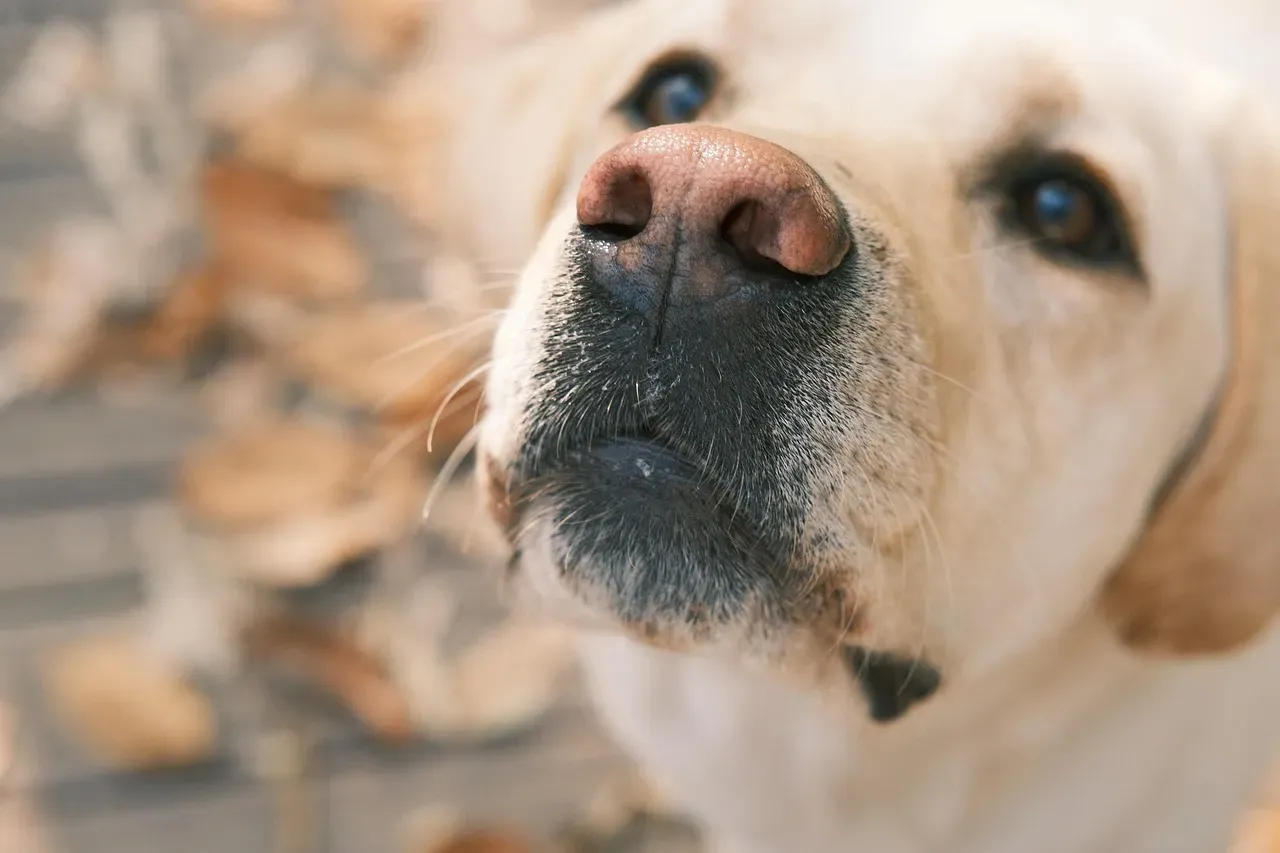
When your dog locks eyes with you, something measurable happens inside both of you. Gazing behavior from dogs increased oxytocin concentrations in owners, which consequently facilitated owners’ affiliation and increased oxytocin concentration in the dogs themselves. It’s a two-way chemical conversation carried on without a single word.
Oxytocin is a hormone associated with trust and maternal bonding. It increases when you’re close to someone you love and gives you that warm, fuzzy feeling. The fact that it surges in both you and your dog during a shared gaze is remarkable. Of the pairs that spent the greatest amount of time looking into each other’s eyes, both male and female dogs experienced a notable rise in oxytocin levels, and owners saw an even more pronounced increase.
These findings support the existence of an interspecies oxytocin-mediated positive loop facilitated and modulated by gazing, which may have supported the coevolution of human-dog bonding by engaging common modes of communicating social attachment. In plain terms, your dog’s gaze and your gaze together form a feedback loop that deepens the bond every single time it happens. It’s genuinely one of the more extraordinary things biology has given us.
How Domestication Turned the Gaze Into a Gift
Wolves, the ancestors of domestic dogs, don’t do this. The duration of wolf-to-owner gaze did not correlate with the oxytocin change in either owners or wolves. These results suggest that wolves do not use mutual gaze as a form of social communication with humans, which might be expected because wolves tend to use eye contact as a threat among conspecifics. What dogs do is fundamentally different, and it didn’t happen by accident.
Scientists found that dogs have a specific muscle around their eyes, not present in wolves, that allows them to make expressive “puppy eyes.” This adaptation may have been a crucial element in their successful symbiotic relationship with humans, as it enhances their ability to secure resources and protection from their human companions. Think of it as evolution quietly selecting for connection.
Dogs may have come to recognize the importance of the gaze between parents and their children and then saw how that helped them build a similar relationship. Over generations, the dogs that could make and hold eye contact with humans were the ones that thrived. Human-like modes of communication, including mutual gaze, in dogs may have been acquired during domestication with humans. What you see in your dog’s eyes today is the result of an ancient, ongoing collaboration.
What Your Dog Is Actually Communicating Through Its Eyes
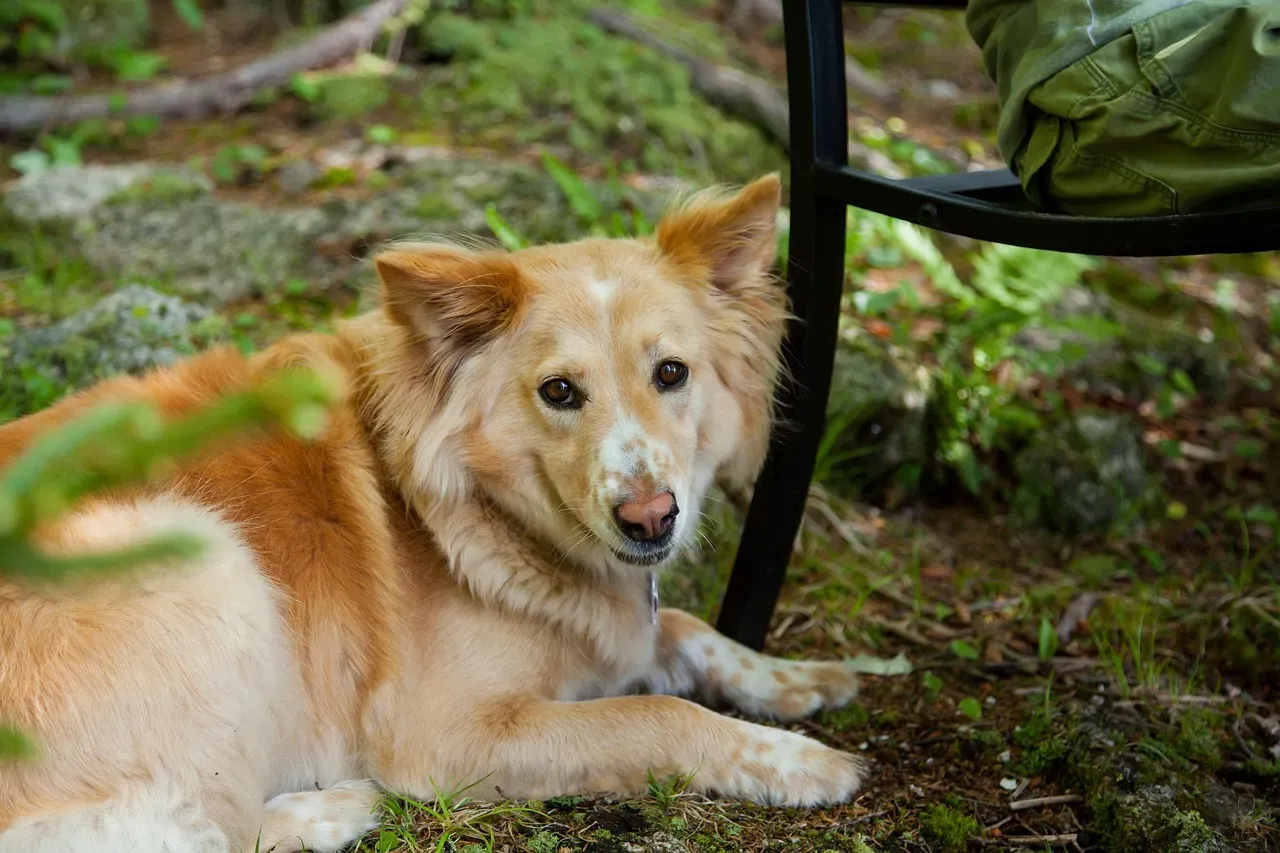
Dogs don’t just use eye contact to communicate their own needs – they’re remarkably adept at interpreting human intentions through our eyes. Research conducted at the University of Portsmouth demonstrated that dogs can follow human gaze direction to locate hidden food or toys, understanding that eye direction conveys meaningful information. They’re not just looking at you; they’re reading you.
In one study of dogs and human facial expressions, a team of scientists demonstrated that dogs differentiate between happy and angry human faces, and that dogs find angry faces to be aversive. Dogs engaged in mouth-licking in response to angry expressions. They mouth-licked when they saw images of angry human faces, but not when they heard angry voices, emphasizing the importance of visual cues.
Dogs look at their owners’ eyes more than any other part of the face, including the nose or mouth. This suggests that dogs are especially interested in reading our facial expressions, including emotions such as happiness or anger, through eye contact. When your dog stares at your face during a tense moment at home, it’s not confusion. It’s attentiveness of a very high order. Dogs excel at picking up on what you’re projecting and respond accordingly. They may not be able to read your mind, but by reading your behavior and feelings, they meet you emotionally in a way few other animals can.
When Your Dog Looks Away: What Gaze Avoidance Really Means
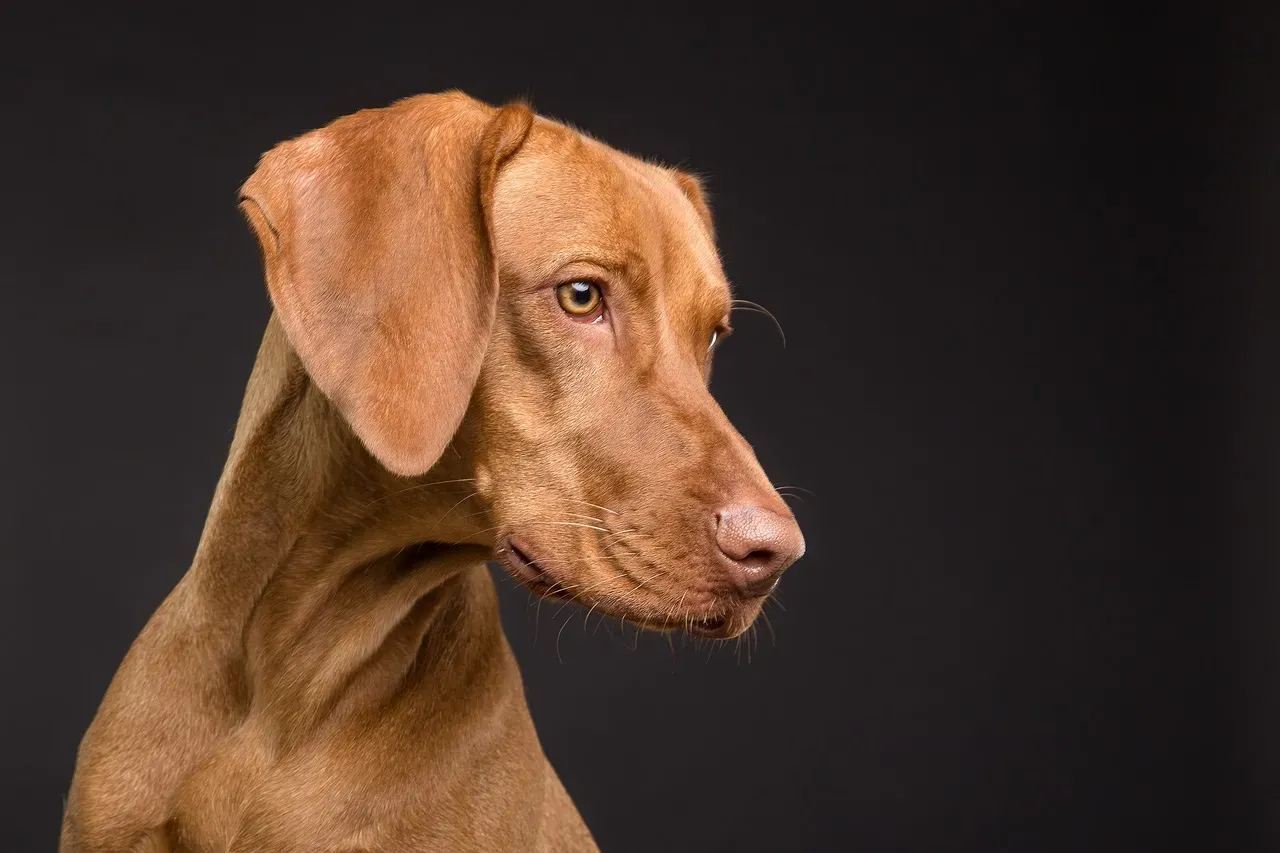
Not every averted gaze is a snub or a sign that something’s wrong. When your dog looks away from your gaze, it’s often a sign of respect or acknowledgment that you’re the leader. This behavior helps avoid conflict by signaling that the dog accepts your authority without challenge. Context is everything here, and misreading it can create unnecessary anxiety for both of you.
There are, however, times when gaze avoidance does carry a message worth heeding. When a dog is feeling tense, its eyes may appear rounder than normal, or may show a lot of white around the outside, sometimes known as “whale eye.” Dilated pupils can also be a sign of fear or arousal, making the eyes look “glassy,” indicating that a dog is feeling threatened, stressed, or frightened. These are signals your dog is offering you, not hiding from you.
Calming signals are subtle behaviors dogs use to communicate peaceful intentions during potentially stressful encounters. These include yawning, lip licking, turning the head aside, sniffing the ground, and looking away when being stared at. These signals are essential for maintaining social balance among dogs but also apply in human-dog interactions. Learning to spot them early is one of the most practical skills a dog owner can develop. A relaxed dog will often squint, so that its eyes become almond-shaped with no white showing at all. That soft, half-closed look is one of the nicest things a dog can offer you.
How to Nurture the Gaze and Strengthen Your Bond
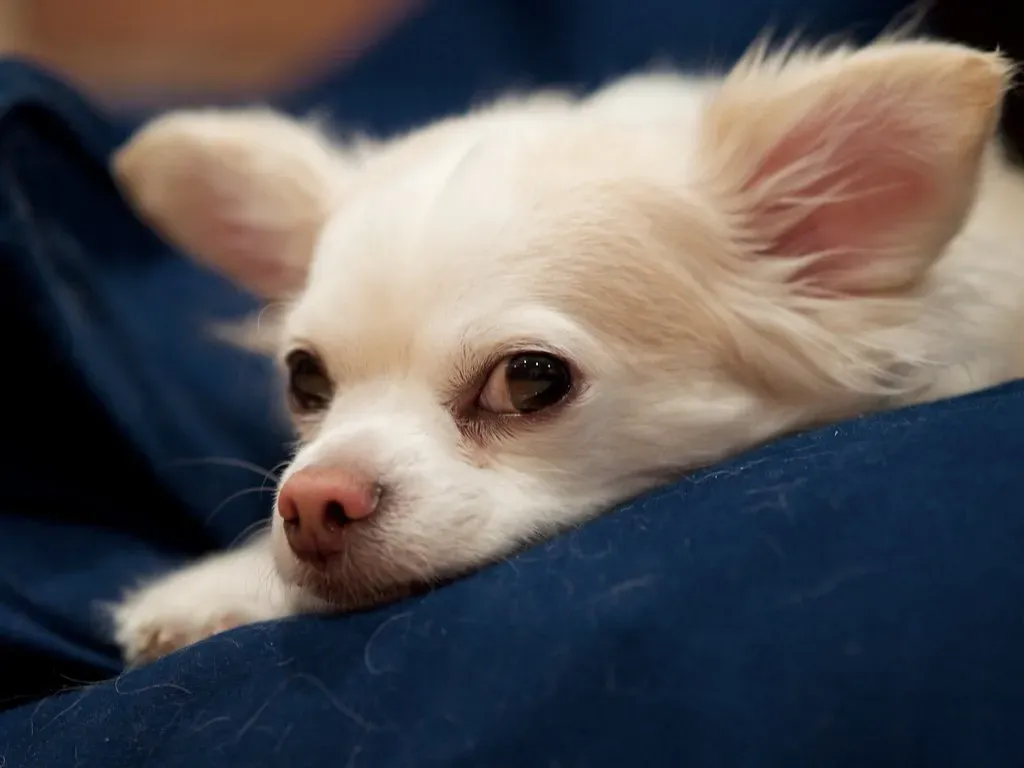
Oxytocin release is stimulated by eye contact or social touch such as petting, and it works both ways – from dog to human and from human to dog. It’s like a feedback loop. This means every calm, gentle moment of shared attention you offer your dog is doing real biological work. You’re not just being sweet. You’re actively building trust at a neurochemical level.
The key is to let the gaze develop naturally rather than forcing it. Keep interactions brief and rewarding, avoiding any pressure for extended eye contact. Short, positive sessions where your dog meets your eyes and gets praised or gently rewarded are far more effective than long, pressured stares that can feel threatening. Sit on the floor at your dog’s level, hold a treat, and let them approach you. When they look your way, even briefly, offer the treat with a soft word of praise. This rewards natural glances and ties back to what eye contact means: comfort, not challenge.
Just as human toddlers look to their parents for cues about how to react to the people and world around them, dogs often look to humans for similar signs. When their people project feelings of calm and confidence, dogs tend to view their surroundings as safe and secure. Your emotional state quite literally shapes how your dog experiences the world. Scientists found that dogs produced far more facial expressions when a human was watching than when a human was not. The expression most commonly used by dogs was one in which they raise their inner brow, making the eyes appear wider and sadder – a look all dog owners will immediately recognize as “puppy dog eyes.” They know when you’re paying attention. They respond to it.
Conclusion: A Look Worth Returning
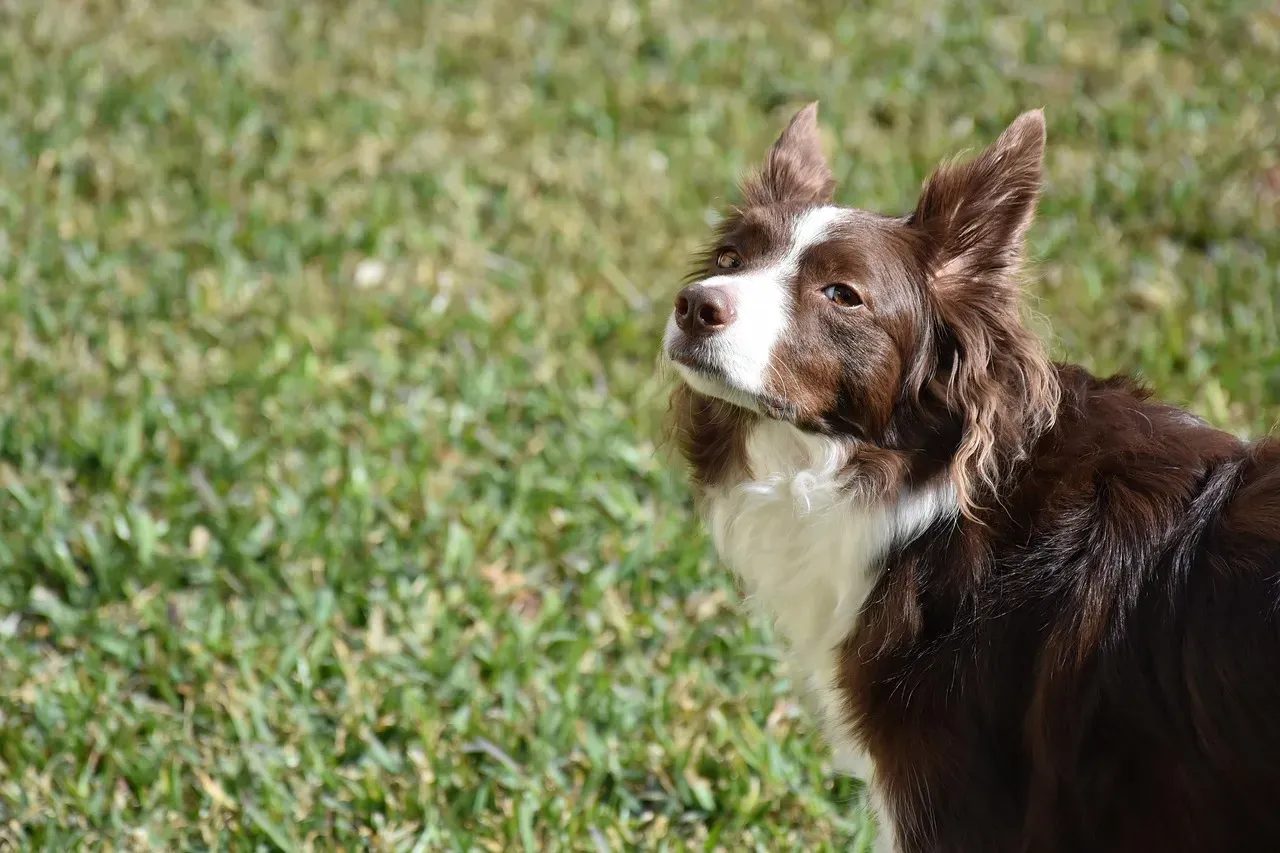
There’s something quietly profound about the fact that an exchange as simple as eye contact can trigger the same bonding chemistry in a dog and its owner as it does between a mother and her child. Scientists have found that the connections between humans and their dogs have the same biochemical basis as the mother-child bond, and it’s strengthened by the same thing: a loving gaze. That’s not sentiment. That’s science.
Understanding what your dog’s eyes are actually saying gives you something practical: a clearer picture of their emotional state, their needs, and their trust in you. Whether they’re requesting help, expressing affection, or simply checking in, dogs’ eyes truly are windows into their intentions and emotions. Pay attention to what those eyes look like when your dog is relaxed, alert, or uneasy, and you’ll start reading your dog in a way that genuinely changes the relationship.
The next time your dog looks up at you for no obvious reason, look back. Hold it gently, briefly, warmly. You’re not just sharing a moment. You’re participating in something that has been evolving for thousands of years, a cross-species conversation built on trust, and your dog has been fluent in it far longer than any of us realized.


