
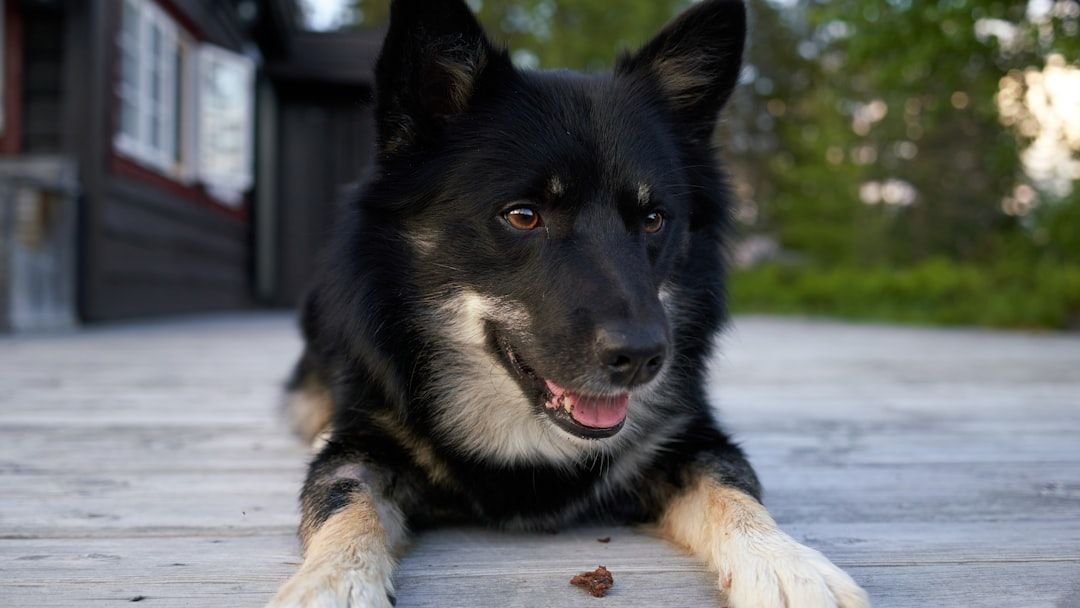
The Norwegian Lundehund has claimed the title of the rarest dog breed in the United States, according to the American Kennel Club’s latest registration statistics for 2025.[1][2] This small, agile spitz breed from Norway’s remote cliffs outranked all others among 202 recognized breeds. Its unique traits, honed for puffin hunting, set it apart in a nation dominated by far more common companions like the French Bulldog.
Puffin Hunters with Extraordinary Flexibility
The Norwegian Lundehund stands out for its remarkable physical adaptations. Breeders developed it centuries ago to navigate steep, rocky terrain in pursuit of puffins on Norway’s Lofoten archipelago.[3] Each paw features six fully functional toes, providing superior grip, while an elastic neck bends backward to touch the spine and flexible shoulders allow forelegs to extend sideways.
These features enabled the dog to squeeze through narrow crevices and tunnels after prey. The breed nearly vanished in the 1960s, with only six purebreds remaining in Norway after nets replaced dogs for puffin capture. Today, descendants trace back to just four individuals, underscoring its precarious history.[3] The AKC recognized it in 2011, and it jumped from third-rarest in 2024 to the top spot this year.[2]
The Full Roster of Rarities
The AKC compiled its rankings from 2025 registrations across 202 breeds, highlighting those with the fewest new owners. Even small shifts in numbers can alter positions dramatically, especially as new breeds gain recognition.[1] Here are the top 20 rarest:
- Norwegian Lundehund
- Sloughi
- Grand Basset Griffon Vendéen
- Harrier
- Chinook
- Cesky Terrier
- Belgian Laekenois
- Azawakh
- Finnish Spitz
- Canaan Dog
- Polish Lowland Sheepdog
- Pyrenean Shepherd
- Lancashire Heeler
- Otterhound
- American Foxhound
- English Foxhound
- Dandie Dinmont Terrier
- Komondor
- Cirneco dell’Etna
- Bergamasco Sheepdog
Several held steady from prior years, like the Sloughi in second place and the Grand Basset Griffon Vendéen in third.[2] The English Foxhound, last year’s rarest, dropped to 16th.[3]
Ancient Origins and Specialized Roles
Many on the list hail from distant lands with jobs tied to rugged environments. The Sloughi, an ancient North African sighthound also called the Arabian Greyhound, chased gazelles and jackals across deserts for Berber tribes and Bedouins.[3] The Grand Basset Griffon Vendéen, a French scent hound whose name means “large, low, shaggy dog of the Vendée,” still hunts hare, roe deer, and boar today.
Others include the Azawakh, a slender West African hunter of Sahara gazelles, and the Otterhound from England, built with webbed feet and a powerful nose for pursuing otters.[4] The Chinook, America’s rare sled dog, and the Harrier, a pack hunter of hares, round out early positions with histories rooted in work ethic over popularity.
The Belgian Laekenois, the least common of Belgium’s shepherd breeds, serves as a vigilant herder, while the Finnish Spitz alerts on birds and small game with its bold bark.
Why Rarity Persists and Matters
New breeds entering the AKC fold, such as the Basset Fauve de Bretagne, Russian Tsvetnaya Bolonka, and Teddy Roosevelt Terrier in 2026, continually reshape the rankings.[2] Low registration figures often reflect niche needs – high energy, specialized grooming, or guardian instincts – that suit fewer lifestyles.
“Rare breeds are living treasures,” said Gina M. DiNardo, AKC President and CEO. “By shining a spotlight on these extraordinary breeds, we hope to educate the public and inspire responsible ownership. Choosing a rare breed is more than gaining a unique companion, it’s helping preserve a living piece of history.”[1]
Owners of these dogs often embrace the challenge, fostering breed clubs and ethical breeding to sustain genetic diversity. As the French Bulldog holds its fourth year as America’s favorite, these underdogs remind enthusiasts of the vast spectrum within purebred ranks.[3]
In a landscape of fleeting trends, the rarest breeds endure as testaments to human-canine partnerships forged across continents and centuries. Spotting one remains a true rarity, but awareness could spark the preservation they deserve.


