
It’s a stormy Thursday evening. You’re settled in with a cup of tea when you notice your dog trembling in the corner, ears flattened, panting hard even though the room is cool. You haven’t done anything wrong. The storm has. And your dog, with senses far sharper than yours, felt it coming long before the first crack of thunder rattled the windows.
This is the reality for millions of dog owners. Research suggests that between fifteen and thirty percent of dogs suffer from some level of noise-related anxiety, with thunderstorm phobia being one of the most common specific triggers. That’s not a small number. If you’ve ever watched helplessly as your pup spiraled into panic during a storm or fireworks display, you already know how distressing it is for both of you. The good news is that there’s a lot you can actually do about it, starting with building a proper safe haven right inside your home.
Understanding Why Storms Terrify Dogs More Than You Think
Your dog’s fear isn’t drama or bad behavior. It’s rooted in biology. Dogs diagnosed with storm phobia can react with anxiety or fear to wind, rain, thunder, lightning, and other associated stimuli, including barometric pressure changes, the smell of rain, static electricity, and even time of day. In other words, a storm is an entire sensory assault, not just a loud noise.
Dogs with thunderstorm phobia exhibit a profound, extreme reaction that manifests as intense avoidance and escape behaviors, driven by activation of the sympathetic branch of the autonomic nervous system, which initiates a cascade of physiological events associated with epinephrine release – classically known as the fight-or-flight response. That surge of adrenaline is the same one that makes a dog bolt, dig through walls, or shatter a window trying to flee.
Possibly because their superior hearing allows them to detect thunder rumbling from further away, or because they detect changes in barometric pressure or scent, dogs may begin to react to a storm long before it arrives. Because these changes are undetectable to humans, it may seem as though our dogs are simply acting strangely. Knowing this changes everything – it means your dog isn’t overreacting. It means they’re overwhelmed.
Reading the Signs: What Storm Anxiety Actually Looks Like
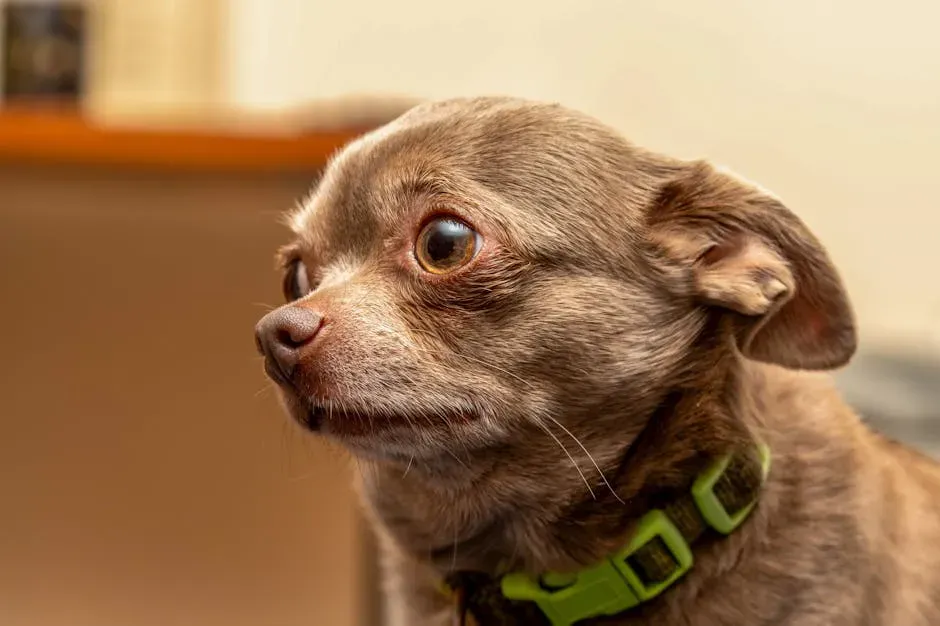
Mild fear responses may include panting, pacing, and attempts to hide, whereas phobic responses may include panic, extreme agitation, attempts to escape, and destructive behavior. The spectrum is wide, and no two dogs land in exactly the same place on it.
Recognizing the subtle and overt signs is the first step toward effective intervention. Physical indicators include excessive panting, drooling even when not hot, trembling, or shaking. Some dogs try to retreat to a small dark room or cling closely to their owner, while others vocalize with persistent whining, howling, or distressed barking. If your dog refuses food during a storm, that’s a particularly telling signal. Fear shuts down appetite, so if your dog doesn’t take food, it’s a sign they’re too afraid.
Pets may display mild signs of storm anxiety like pacing, trembling, hiding, or panting. It may progress to more severe signs like vocalizing, drooling, loss of bladder or bowel control, or destructive behavior. Some dogs are so afraid that they will bolt or even jump out of windows to find a safe place to hide. If your dog is reaching that level, please don’t wait. Talk to your vet.
Choosing and Designing the Right Safe Space
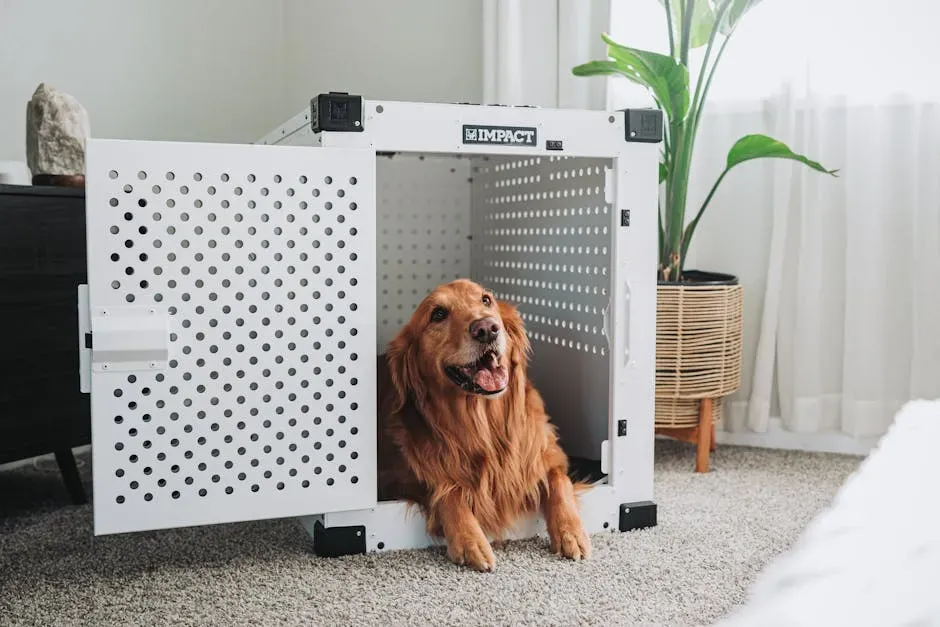
Safe havens are essentially quiet and secure places, often chosen by the dog itself, where they can feel protected from anxiety-inducing stimuli like wind, rain, or thunder. These spaces can really be anywhere, from bathrooms to closets and even under the bed or in an open crate, as long as it’s somewhere your dog can feel safe and secure. Pay attention to where your dog already goes during a storm. That instinct is worth following.
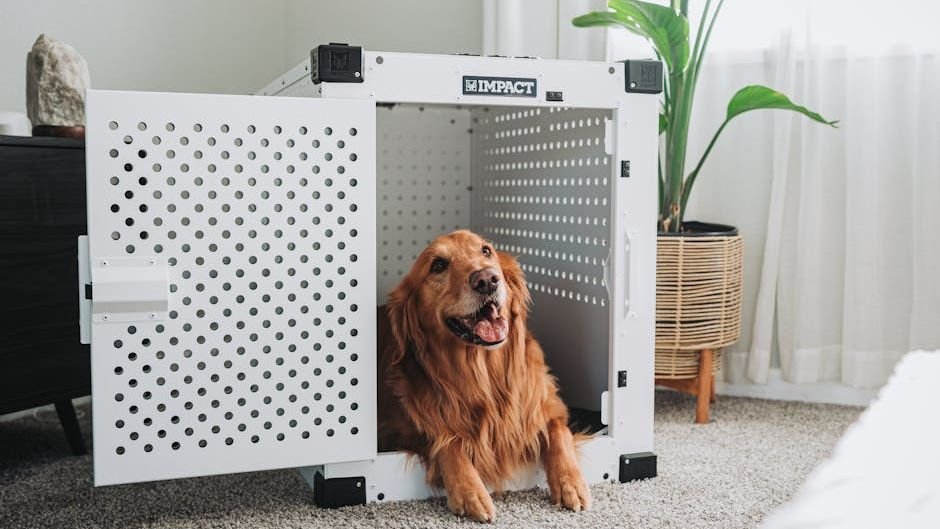
Your dog must have a predetermined safe space, essentially a den. This should be a low-traffic, small, dark area, like an open crate covered with a heavy blanket, or a walk-in closet. The enclosed, cave-like quality matters. It mimics the kind of shelter dogs would seek in the wild, and it reduces the amount of sensory input reaching them all at once.
You can close blinds or curtains to block visual triggers like lightning or rain and provide extra sound-dampening. Adding noise-dampening features like white noise machines, exhaust fans, or calming classical music helps. Once you have selected a site and created a comfortable space, make sure your pet has easy access to this location any time of the day or night. Accessibility is non-negotiable. If your dog can’t reach their haven during a storm while you’re at work, the whole system fails.
Filling the Safe Space With the Right Tools and Comforts
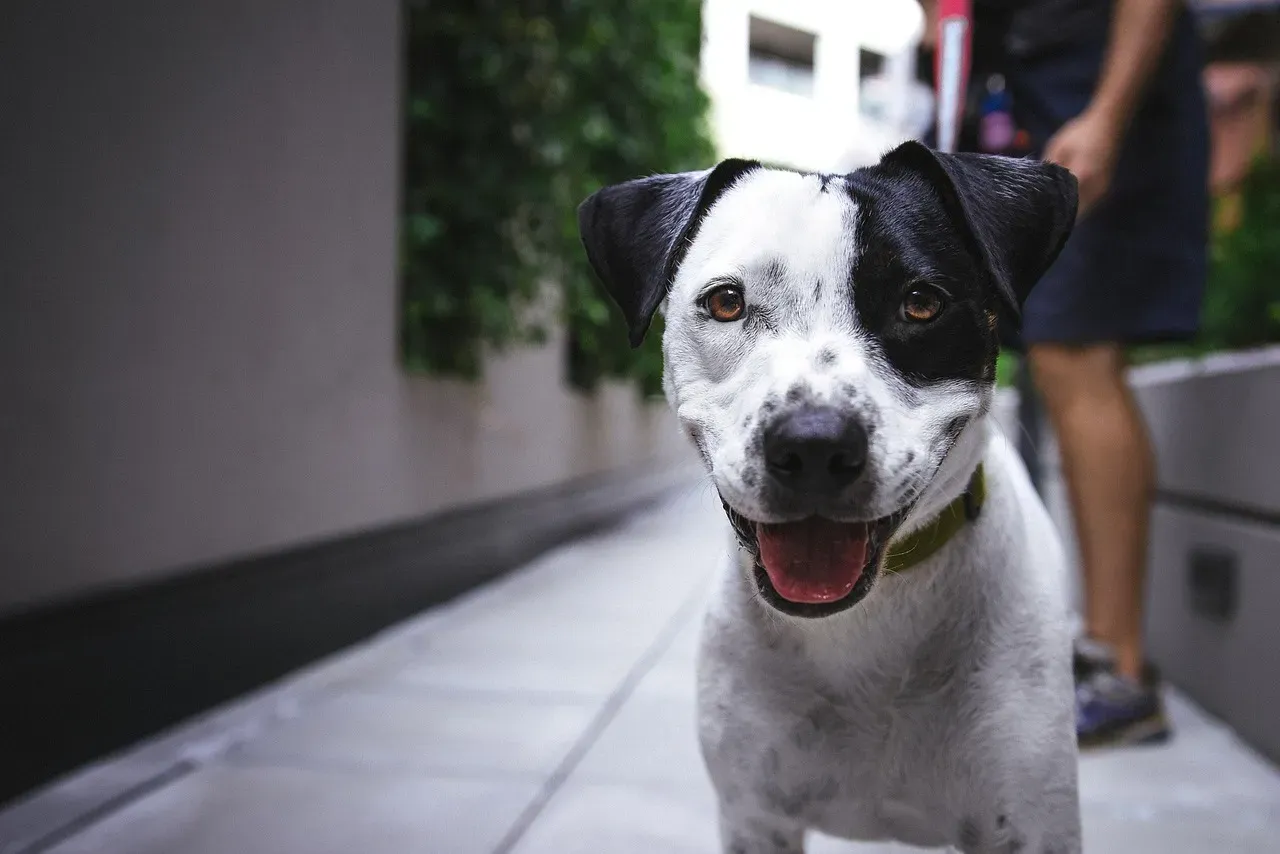
Keep favorite chew toys and high-value treats, like a long-lasting frozen lick mat or a stuffed KONG, exclusively in this area, reinforcing that the den is a good place to be. Over time, your dog starts building a positive emotional association with the space, not just a retreat in crisis, but a place that genuinely feels good to be in.
Chew and puzzle toys can also help your dog during a thunderstorm. Chewing and licking are self-soothing behaviors. Giving them positive outlets for that can be really helpful. You can smear a lick mat with peanut butter, cream cheese, or another spreadable snack, then your dog can work to get the treat off it. Think of it like giving an anxious person something to do with their hands. It redirects focus and lowers the emotional temperature.
Wraps like the ThunderShirt or Anxiety Wrap have no known side effects and are often promoted as helpful. These garments apply gentle, consistent pressure across the body, which may help muscles relax. In a study using the Anxiety Wrap, about nine in ten owners reported it was at least partially effective in treating their dogs’ thunderstorm phobias. Results vary, but many owners find these wraps genuinely useful as one part of a broader approach.
Your Behavior in the Storm Matters More Than You Realize
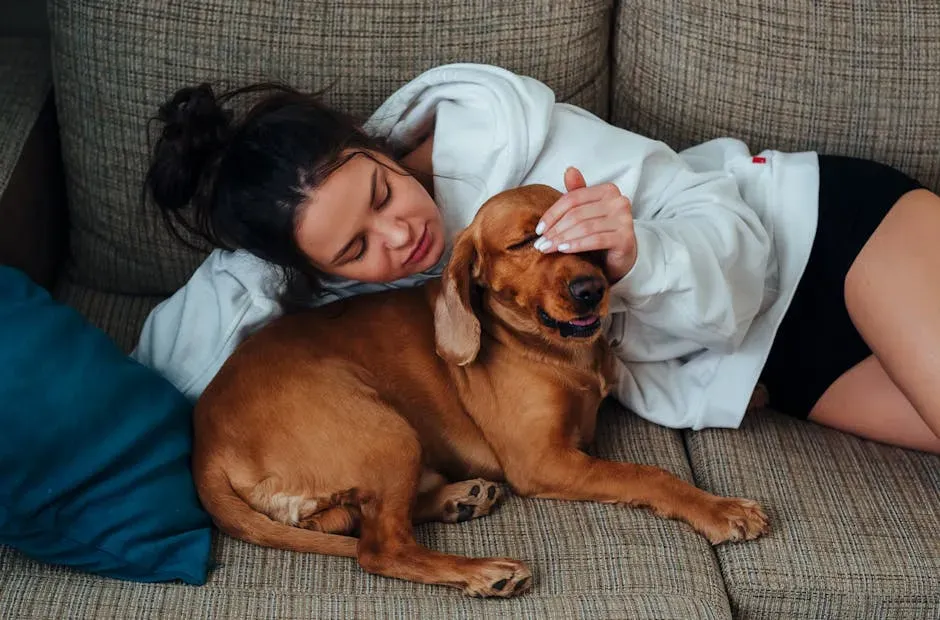
Pets often pick up on their owner’s emotional state. If you remain calm and composed, your pet is more likely to feel secure. Offer gentle reassurance with petting, praise, and treats, taking care to avoid high-pitched baby talk and fast-paced pats that can trigger anxiety. The energy you bring into the room is essentially contagious. Dogs are reading you constantly.
There’s also a common myth worth clearing up: comforting a scared dog doesn’t make the fear worse. When it comes to the benefits of comforting your dog, the jury is still out. Many dogs enjoy the comfort of closeness and reassurance, whereas others become more anxious. Monitor your dog. If they become more fearful, stop trying to comfort them. If attention and touch calm your dog, there is no reason to stop. Follow your individual dog’s lead.
It can take a scared dog several hours or more to recover from the experience of hearing a loud noise. So regardless of how your dog displays fear and anxiety, make sure you give them time to decompress afterward. The storm ending doesn’t instantly flip a switch. Be patient with the recovery, not just the event itself.
Long-Term Strategies: Desensitization, Vets, and Proactive Planning
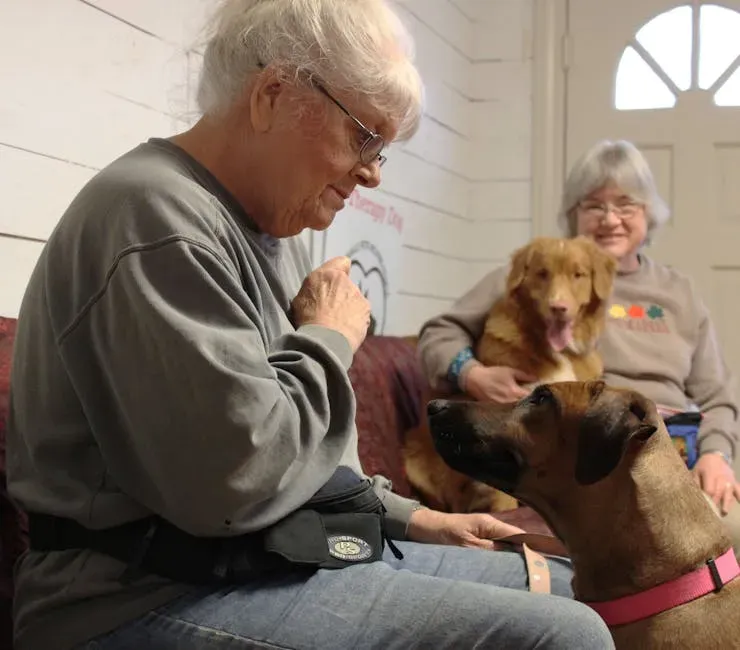
Desensitization is the process of exposing your pet to a stimulus that would normally cause a negative reaction, like fear. Play a recording of storm noises on low volume and simultaneously shower your dog with treats, chews, and interactive toys. After some time, increase the volume of the recording while maintaining the positive reinforcement. This should be a gradual process. Done properly, this method can reduce anxiety significantly over weeks or months. Done too fast, it can backfire, so take your time.
Because noise-related anxiety can worsen over time, discussing behavior changes during routine veterinary visits is important for early intervention. For moderate to severe cases of dog thunderstorm phobia, your vet may recommend anti-anxiety medications or situational medications to reduce your dog’s stress and fear response during storms. These medications can significantly improve a dog’s comfort and responsiveness to behavioral treatment, but it’s important to only use medications approved and prescribed by your veterinarian.
Preparation is key to managing your pet’s noise aversion. Start implementing these strategies well in advance of anticipated noise events. Familiarizing your pet with their safe space and practicing calming techniques can make a significant positive difference when the next storm hits. A safe haven built in calm weather is far more effective than one assembled in a panic while thunder rolls overhead.
Conclusion
Creating a safe haven for your dog during storms isn’t just about finding a corner and throwing in a blanket. It’s about truly understanding your dog’s experience, reading their specific signals, building a space that speaks to their instincts, and showing up for them in the right way when things get loud and scary. It takes some thought, some preparation, and a willingness to learn what works for your particular dog.
The relationship between you and your dog deepens every time you respond to their fear with calm, informed compassion rather than frustration or helplessness. The prognosis for thunderstorm anxiety in dogs is generally positive, particularly when treatment begins early and is applied consistently, with many dogs showing measurable reductions in fear behaviors over time.
Your dog can’t tell you they’re scared in words. They show you instead. The fact that you’re reading this means you’re already paying attention. That, honestly, is where the healing starts.


