
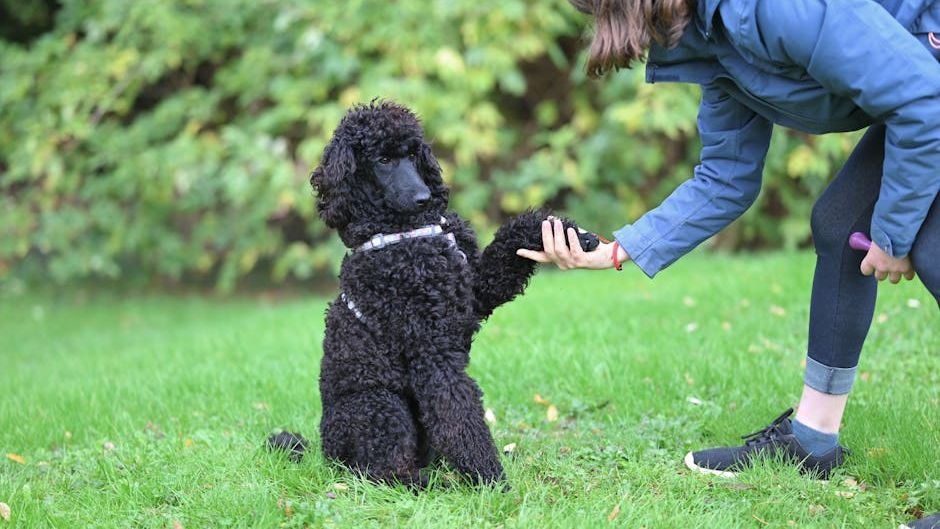
Picture this: you open the front door and your dog rockets past you, nearly knocking over a neighbor. Or you sit down to eat and those big brown eyes appear right at the table edge, followed by one perfectly placed paw. Sound familiar? Most dog owners have been there, and the frustration is real. The good news is that basic manners are not some mysterious gift that only professionally trained dogs possess.
Teaching your dog to behave well is genuinely achievable at home, with the right approach and a little patience. The key is keeping it calm, clear, and consistent. No yelling, no punishment, no drama. Just you and your dog learning to communicate better, one small win at a time.
Step 1: Build a Foundation With Positive Reinforcement
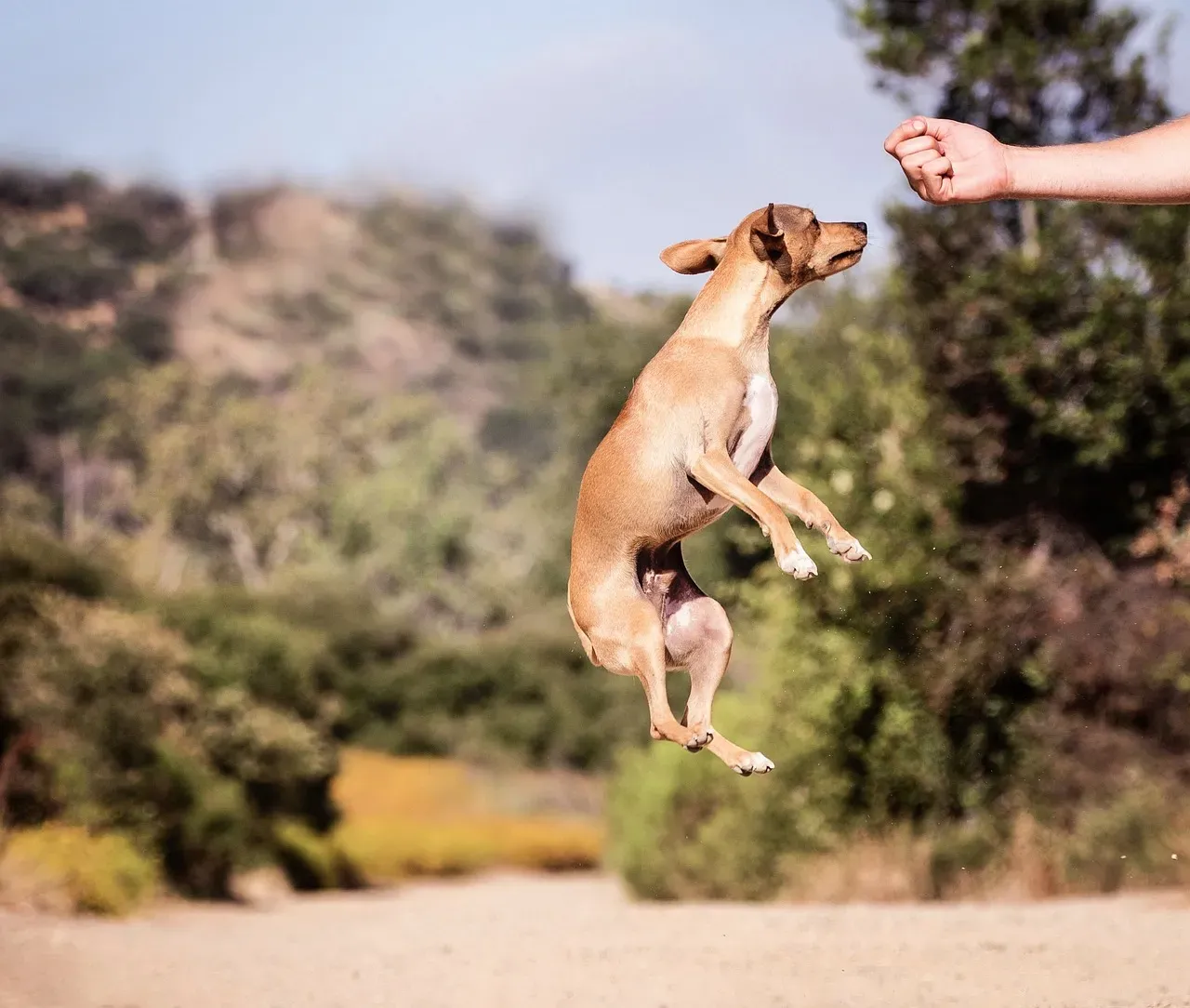
Before anything else, you need to understand how your dog actually learns. Dogs learn the same way people do. They assess whether their interactions in the environment have positive or negative consequences, then adjust their behavior to get more of the good and less of the bad. That single insight changes everything about how you approach training.
Positive reinforcement training uses a reward for desired behaviors. Because the reward makes dogs more likely to repeat the behavior, it is one of your most powerful tools for shaping or changing your dog’s behavior. Think of a reward as your dog’s paycheck, except they prefer chicken over cash.
Positive reinforcement can include food treats, praise, petting, or a favorite toy or game. Since most dogs are highly food-motivated, food treats work especially well for training. The treat size matters too. It should be a very small, pea-sized or even smaller piece of food for little dogs, so that they eat it quickly and look to you for more.
Verbal punishment only creates a negative experience where your dog develops fear or aggression. No matter what, you should never physically punish your pet, as it leads to a negative relationship and induces anxiety. Start with warmth and structure, not control and dominance, and you will already be ahead of most first-time trainers.
Step 2: Teach the “Sit” Cue First, Then Build From There
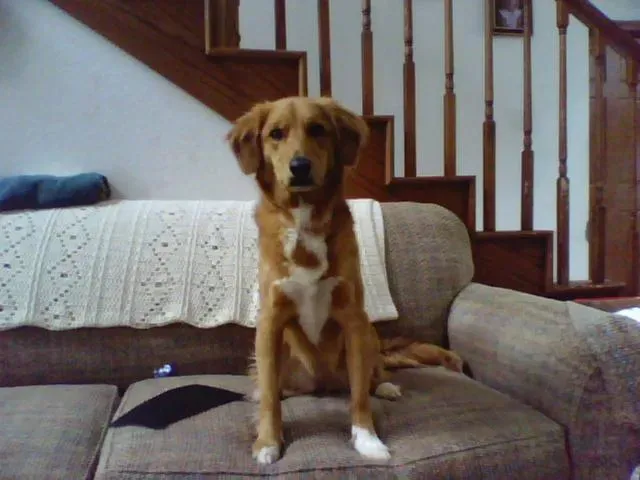
“Sit” is the cornerstone of almost every good manners routine, and it’s usually the easiest command for dogs to pick up. You can have your dog sit before letting them outside, which helps prevent door-darting; before petting them, which helps prevent jumping on people; and before feeding them, which helps teach good mealtime manners. One little word does a lot of heavy lifting.
Correct timing is essential when using positive reinforcement training. The reward must occur immediately, within seconds of the desired behavior, or your pet may not associate it with the proper action. If you reward your dog three seconds after they sit, they might think they’re being rewarded for sniffing your shoe.
When your pet is learning a new behavior, reward them every time they demonstrate it. This is called continuous reinforcement. Once your pet has reliably learned the behavior, you want to switch to intermittent reinforcement. Over time, continue to praise every time, although once your dog has learned the behavior, your praise can become less excited. Vary how often you provide the reward so that your dog doesn’t figure out they only have to respond every other time.
Step 3: Introduce “Stay” the Stress-Free Way
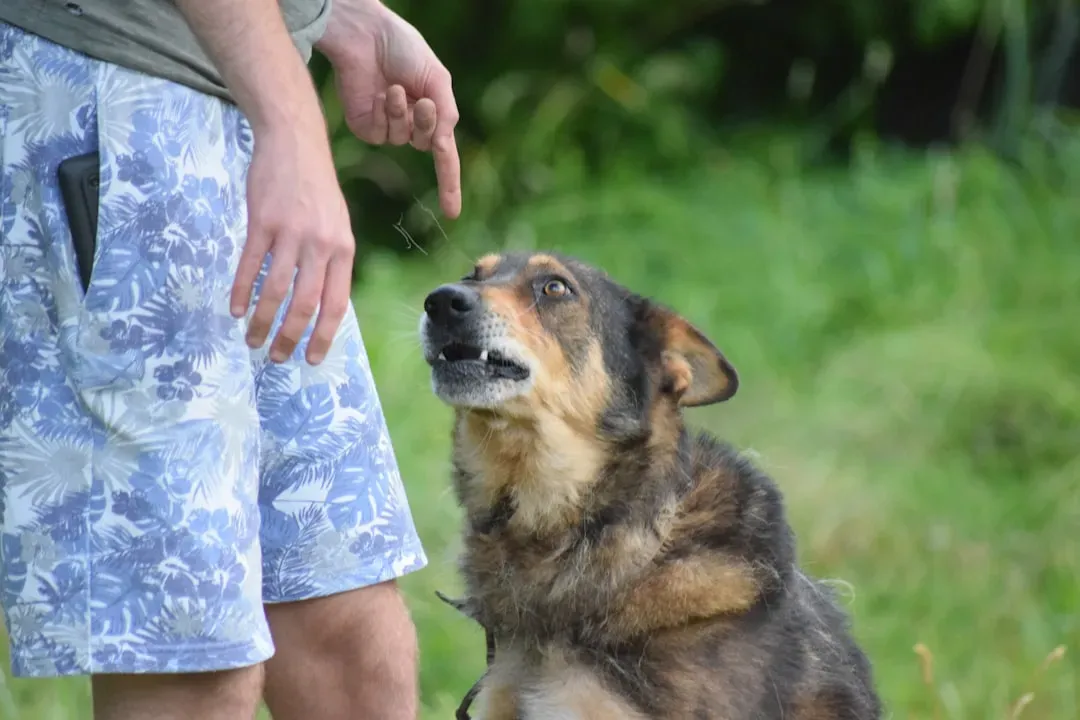
“Stay” might sound simple, but it asks something genuinely challenging of dogs: self-control. The stay command is one of the most valuable tools in your training toolkit. It’s not just about asking your dog to sit or lie down. It’s about teaching your dog to remain in that position, no matter what’s happening around them, until you give a clear release word. This level of self-control is essential for safety, good manners, and peace of mind in a variety of circumstances.
The stay cue can be paired with a hand signal, such as a flat palm held out in a “stop” gesture, and a verbal cue like “stay,” which helps your dog understand exactly what you expect. Start with just a few seconds, standing right next to your dog, then reward generously. There is no rush.
If your dog does not understand the lessons or you’re getting frustrated, pause the training for a bit and come back to it later, starting at shorter distances, durations, and/or distractions. Shorter, more frequent sessions are far more effective than one long frustrated struggle. Keeping training sessions around 10 minutes maximum, especially for puppies, helps hold their attention span and makes sure you both have fun.
Step 4: Work on Leash Manners for Calm, Enjoyable Walks
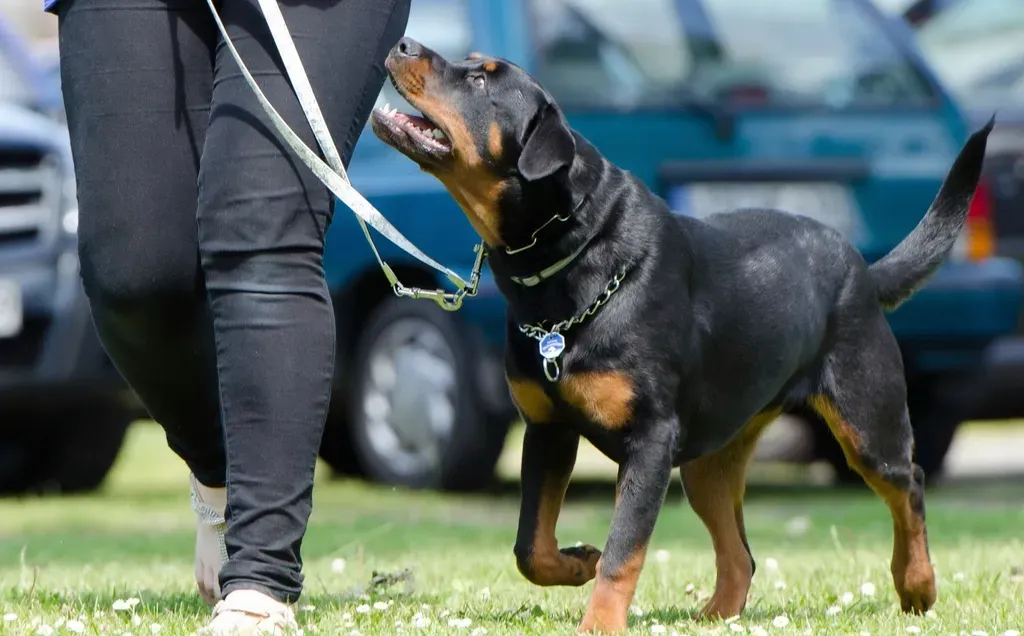
Leash pulling is one of the most common complaints among dog owners, and it can turn a pleasant evening stroll into a full-body workout you didn’t sign up for. Loose leash walking reduces pulling or lunging so you and your pet can calmly walk together. The good news is that most dogs can learn this fairly quickly when it’s taught consistently and with patience.
Dog owners don’t always realize it, but when they’re tense and pull back on the leash, they’re inadvertently putting their dog on alert. Your energy travels right down that leash. A relaxed grip and a calm posture give your dog a very different signal than a white-knuckled handle.
For leash manners, practice the heel command during everyday walks and use positive reinforcement to reward eye contact and calm focus. When your dog glances up at you while walking, that eye contact is golden. Reward it every time in the early stages. Reliable leash manners prevent accidents and keep dogs out of harm’s way, and trained dogs can enjoy more activities, like off-leash walks, trips to public spaces, and time with family and friends.
Step 5: Stay Consistent and Keep Every Session Enjoyable
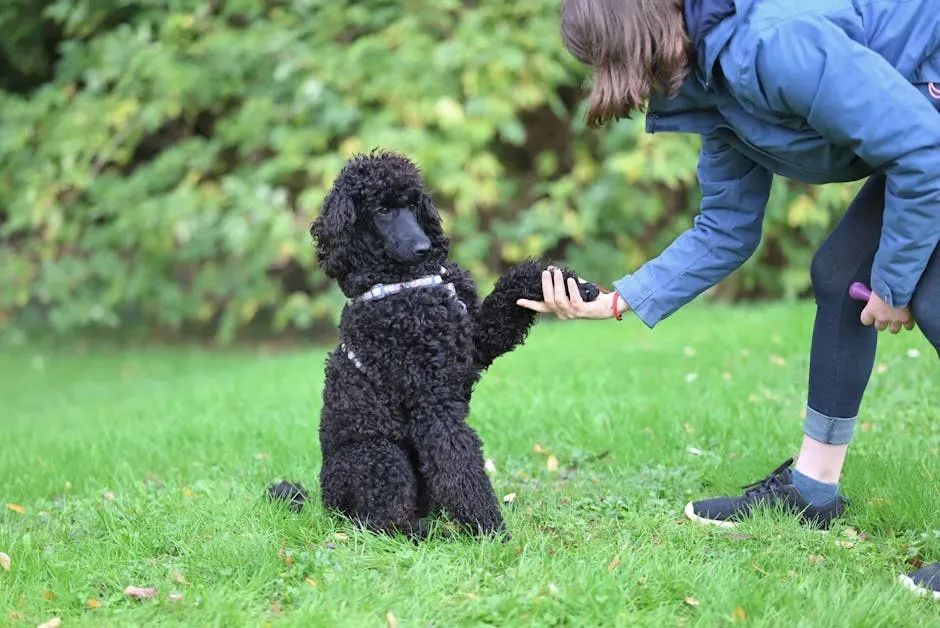
Consistency is genuinely the make-or-break factor in dog training, and it’s something that’s surprisingly easy to overlook. Clear commands and consistent routines enhance behavior progress. If “off” means off the sofa today but is ignored tomorrow, your dog is not being stubborn. They’re just confused by the rules changing.
Everyone, including strangers, needs to follow the same rules; otherwise, your dog may get confused. If you’re working on “sit before getting a treat” but a family member just hands treats over freely, you’re essentially starting from scratch each time. Getting everyone in the household on the same page is as important as the training itself.
All dogs learn at a different pace, so be patient, consistent, and persistent. Some days your dog will nail every cue. Other days they’ll look at you like you’re speaking a foreign language. Both are normal. Dogs learn best when training remains calm, clear, and consistent. Avoid comparing your dog to others. Every canine progresses at their own pace.
Beyond structured training, spending quality time and building trust with your dog is crucial. A strong relationship enhances effective dog training and increases responsiveness to commands. Engaging in daily activities outside of training sessions deepens trust. In the end, a dog who trusts you is far more motivated to cooperate with you.
Conclusion: Good Manners Are a Gift to You Both
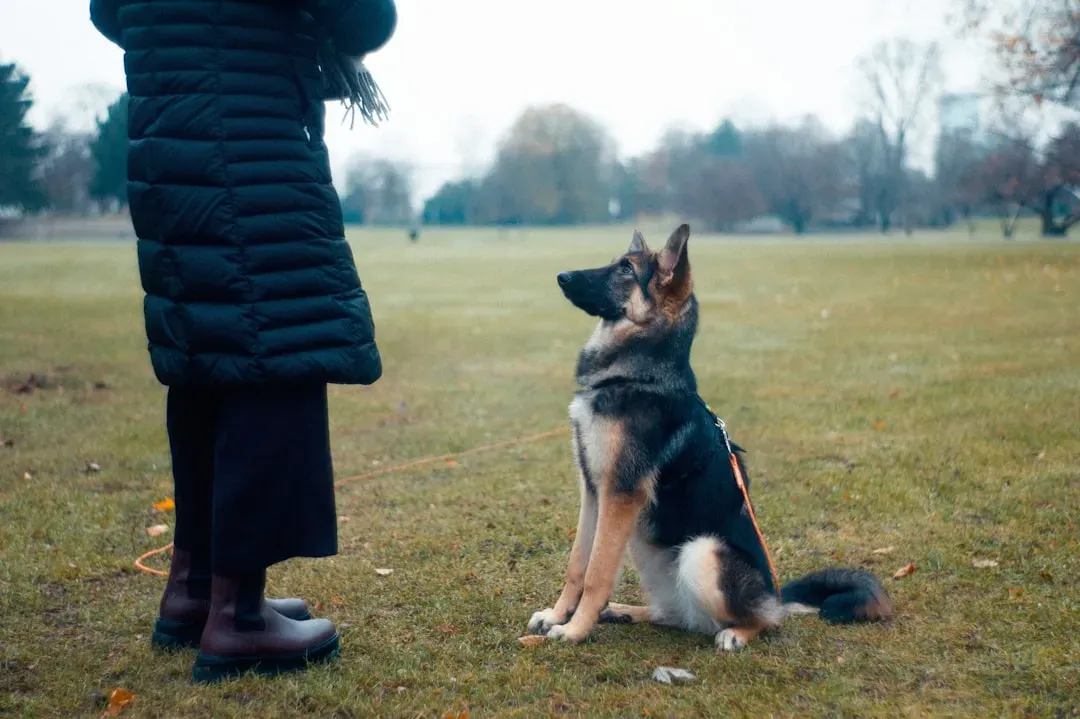
Teaching your dog basic manners is not about control or dominance. It’s about building a shared language, one where your dog feels secure because they understand what’s expected, and you feel confident because you know how to guide them. That clarity alone reduces stress for everyone in the household, including your dog.
Training builds trust and strengthens the relationship between dogs and people. Clear communication reduces stress and helps dogs feel secure in new situations. The five steps here, starting with positive reinforcement, building the sit, introducing the stay, working on leash manners, and staying consistent, are not a quick fix. They’re a practice.
The most well-mannered dogs in the world didn’t get there through perfection. They got there through a patient owner who kept showing up, kept the sessions fun, and celebrated the small wins. Your dog is ready to learn. The only question is when you want to start.


