
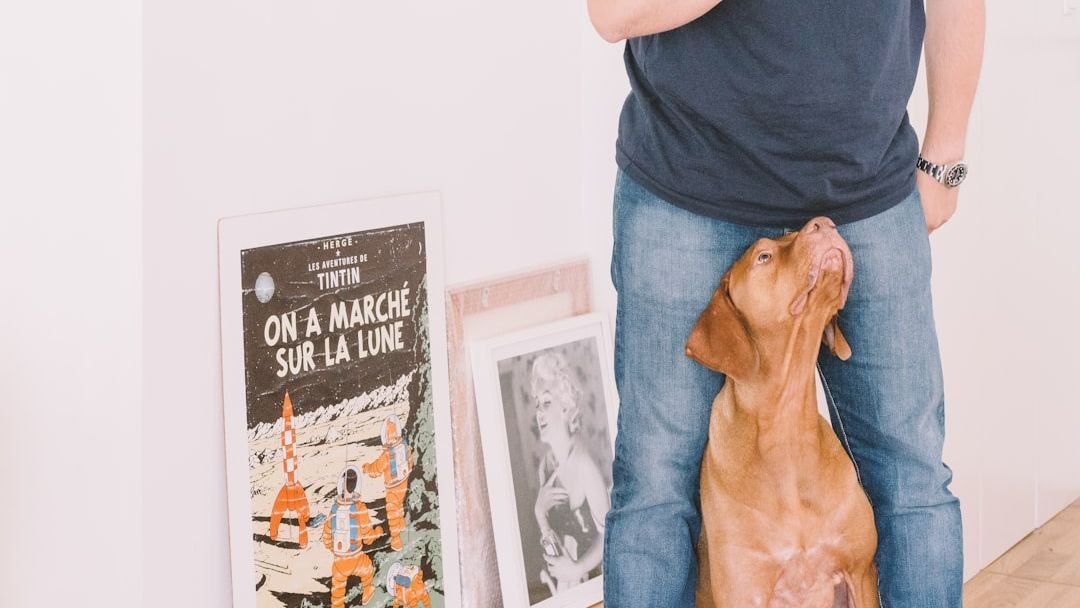
Most of us know our dogs love us. They greet us at the door, follow us to the kitchen, and somehow always sense when we’re having a rough day. But love and trust aren’t exactly the same thing in the canine world. Trust goes deeper. It’s the quiet confidence your dog has that you’ll keep them safe, meet their needs, and never let them down.
Unlike humans, dogs do not verbalize trust. Instead, they reveal it through their gentle and adorable behaviors deep-rooted in instinct, emotional security, and body language. Some of these signals are easy to spot. Others are so subtle you may have been missing them for years. Once you learn to read them, your relationship with your dog will never look quite the same again.
1. They Hold Soft, Lingering Eye Contact With You
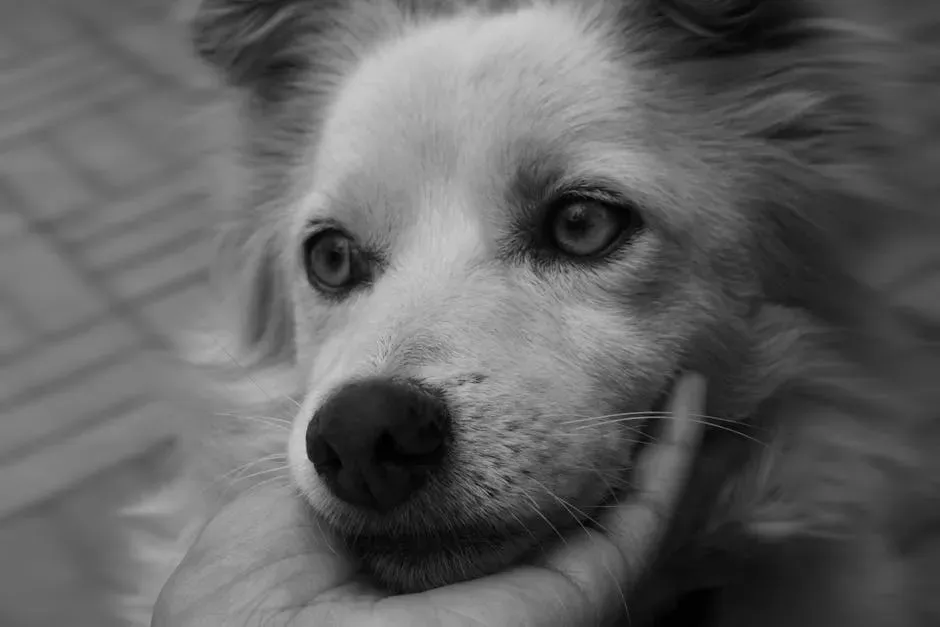
There’s a reason a gentle gaze from your dog feels so profound. While direct eye contact between dogs can be a sign of dominance or aggression, a soft, prolonged gaze with a relaxed expression is a sign of love and trust. It’s one of the most meaningful distinctions in canine body language, and it’s one that’s easy to get wrong if you don’t know what to look for.
Studies from universities such as the University of Tokyo and Duke University show that when dogs and humans look into each other’s eyes, oxytocin levels spike in both, creating a positive feedback loop that cements their bond. This is the same hormone responsible for the bond between parents and newborns. So the next time your dog gazes at you quietly from across the room, take a moment to gaze back. You’re both benefiting from it.
2. They Sleep Near You or Against You
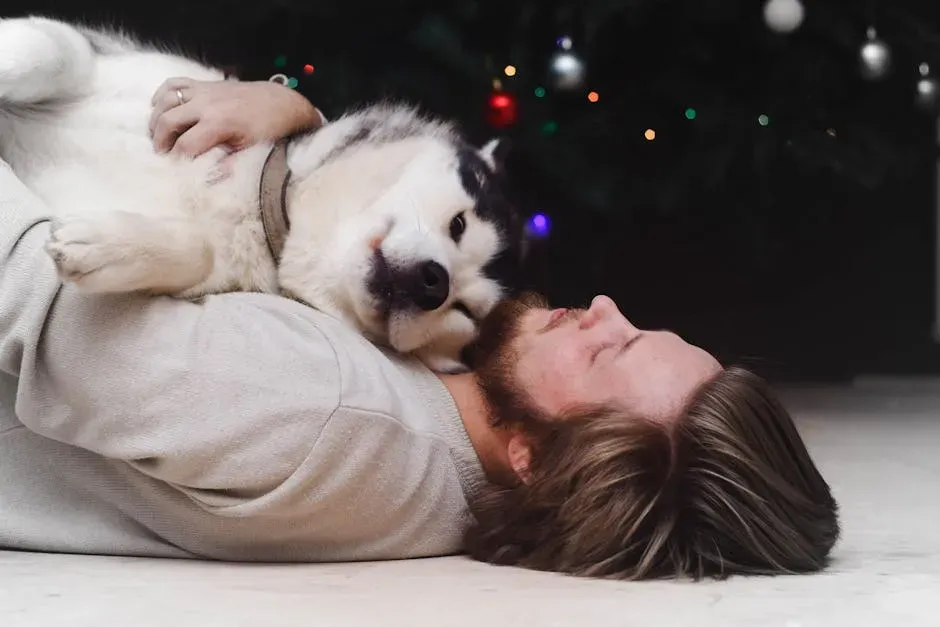
Dogs are at their most vulnerable when they sleep. If your dog chooses to sleep close to you, it’s a sign that they feel safe and protected in your presence. This behavior isn’t about body heat or convenience. It’s something far more instinctive than that.
Historically, wolves and dogs used to sleep close together with other pack members to ensure trust and protection. Dogs choose to sleep where they feel most comfortable and at ease, so if your dog enjoys sleeping in your bed, or likes to snuggle up to you for a nap, they feel trust in you that they will be safe to do so. If your dog falls asleep with their back to you, that’s even stronger trust because they’re confident you’ll watch out for threats. That turned back is your dog’s highest compliment.
3. They Expose Their Belly to You
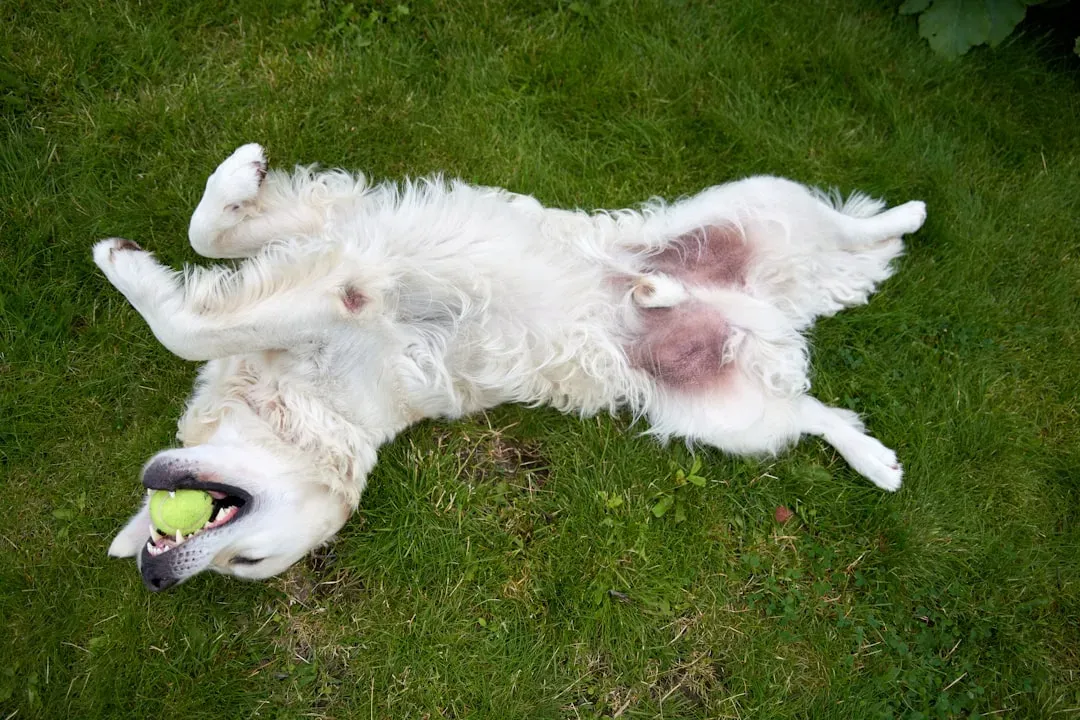
When a dog exposes its belly to you, it’s displaying vulnerability and trust. The belly is one of a dog’s most unprotected areas, so this behavior is a clear sign they feel safe in your presence. Dogs will not expose their undersides to just anyone; it’s a gesture reserved for those they trust deeply.
Worth noting: not every belly-up position is a belly rub request. This isn’t always a request for belly rubs (some dogs don’t enjoy them), but it’s always a sign of trust and submission. If your dog rolls over and simply stays calm without nudging you, they may just be saying they feel completely at ease. Respect that either way, and let them lead the interaction.
4. They Follow You From Room to Room
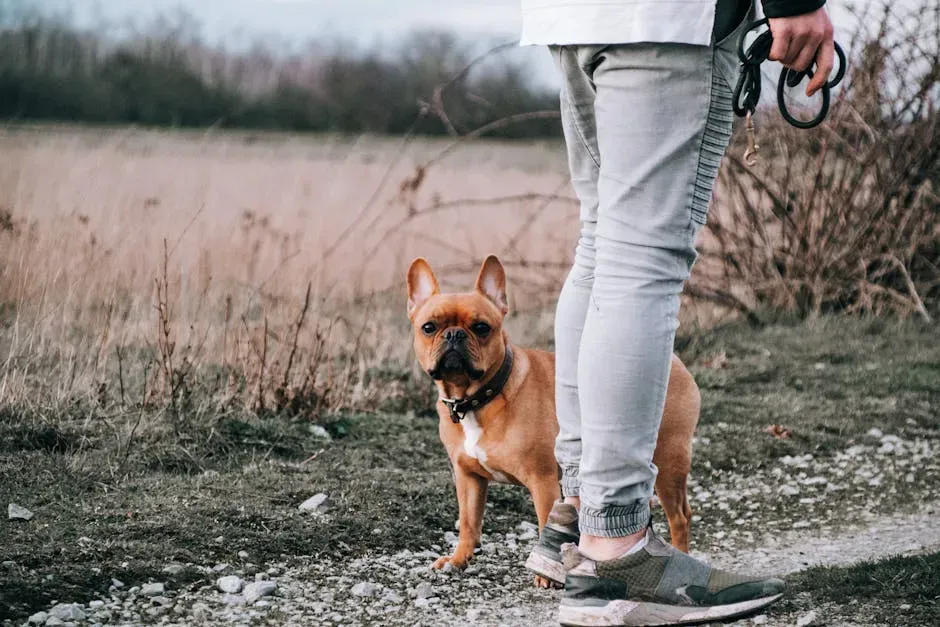
A dog that follows you from room to room does so not just out of curiosity but because they trust you implicitly and want to be by your side. This behavior demonstrates their reliance on you for security and companionship. These are sometimes called “Velcro dogs,” and while it can feel overwhelming, it’s worth pausing to appreciate what it actually means.
Dogs are naturally pack-oriented and feel safest when their trusted human is nearby. This behavior can also stem from curiosity, boredom, or a desire to engage, so increasing mental and physical activity can help balance this trait. If your dog’s shadowing becomes excessive or anxious in nature, it can also signal separation anxiety, so watch for signs of distress like panting or pacing when you prepare to leave.
5. They Look to You for Reassurance in New Situations
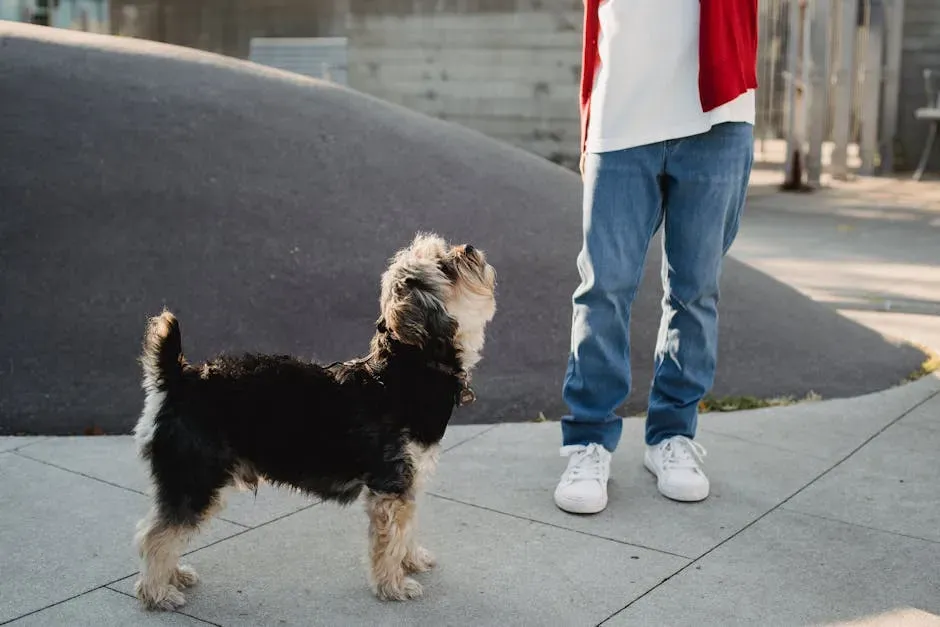
In new or potentially stressful situations, a trusting dog will look to their owner for cues about how to react. This “social referencing” behavior shows they value your judgment and rely on you for safety signals. You might notice it at the vet, on a busy street, or the first time they encounter something unfamiliar.
When a dog finds itself in an unfamiliar situation, it’s likely that it will look up at its owner for comfort and trust that they are there to provide moral support. This is particularly evident in new environments, as dogs look to humans to learn about their surroundings, so if a dog sticks near and looks to you for reassurance and follows your lead, you can rest assured they feel trust in your presence. Stay calm yourself when this happens. Your dog reads your emotional state and responds accordingly.
6. They Show a Relaxed, Loose Body Posture Around You
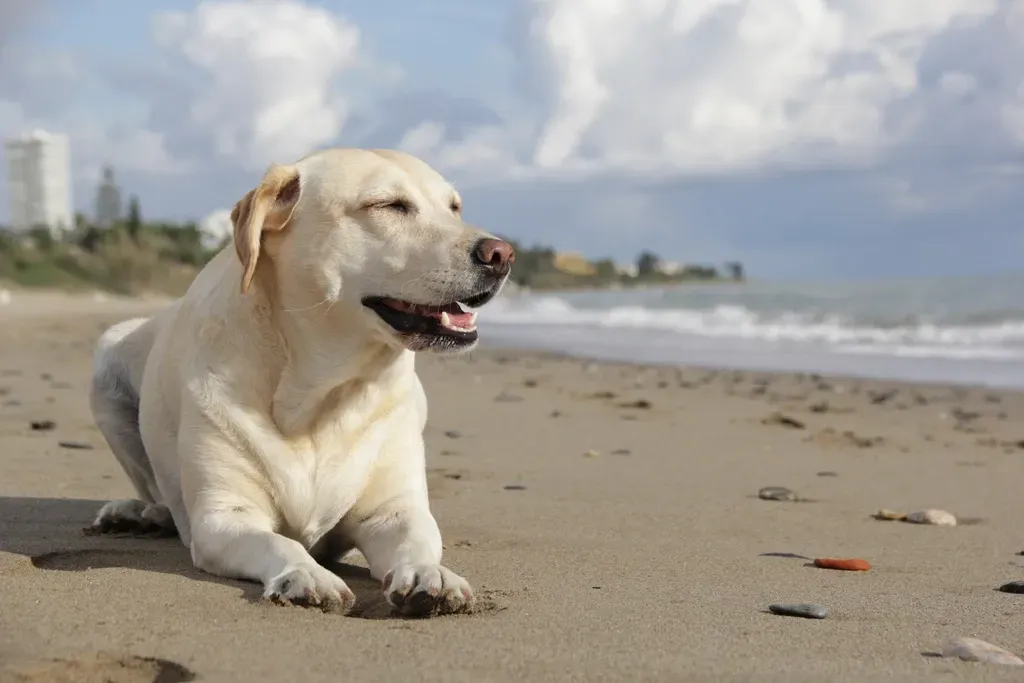
When a dog truly feels safe, they relax: ears droop, their body “flops,” breathing deepens, and eyes soften. Some will roll over and sprawl on their back. A tense, hunched dog communicating unease looks nothing like this. The contrast is stark once you know what to look for.
A relaxed body posture is one of the clearest signs your dog trusts you. When your dog stands or sits near you with loose muscles, a slightly open mouth, and soft eyes, they’re showing they feel safe and comfortable. Soft eyes have relaxed lids and can sometimes look like the dog is squinting. They indicate the dog is calm or happy. These small physical details are your dog’s honest report card on how the relationship is going.
7. They Bring You Their Favorite Toys
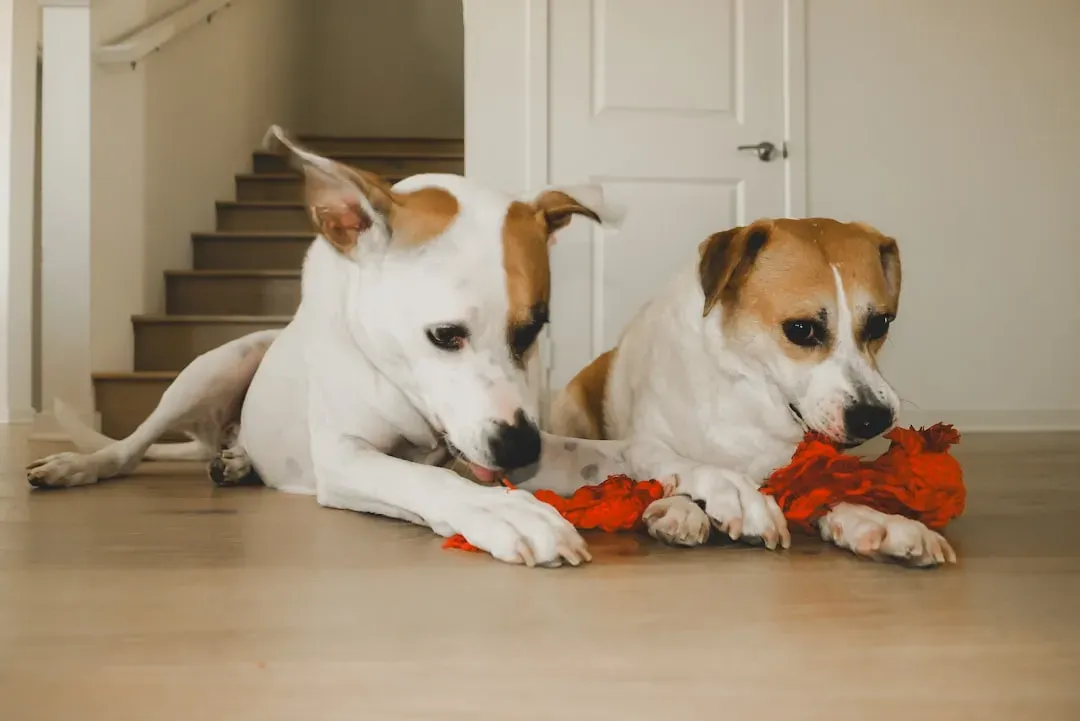
Dogs don’t share their prized possessions with just anyone. When your dog drops their favorite toy, blanket, or even a stick at your feet, they’re sharing something of value with you, behavior that stems from their innate pack animal instincts where sharing prized possessions is a sign of trust and a strong bond.
When your dog offers you a toy, they’re inviting you into their world of play and valuing shared experiences. It also signals possession – dogs trust you enough to share prized items, and may repeatedly bring toys during times of emotional excitement. Don’t brush this off as random behavior. When they drop that well-loved squeaky chicken at your feet, they’re giving you the best thing they have. That matters.
8. They Lean Their Body Against You
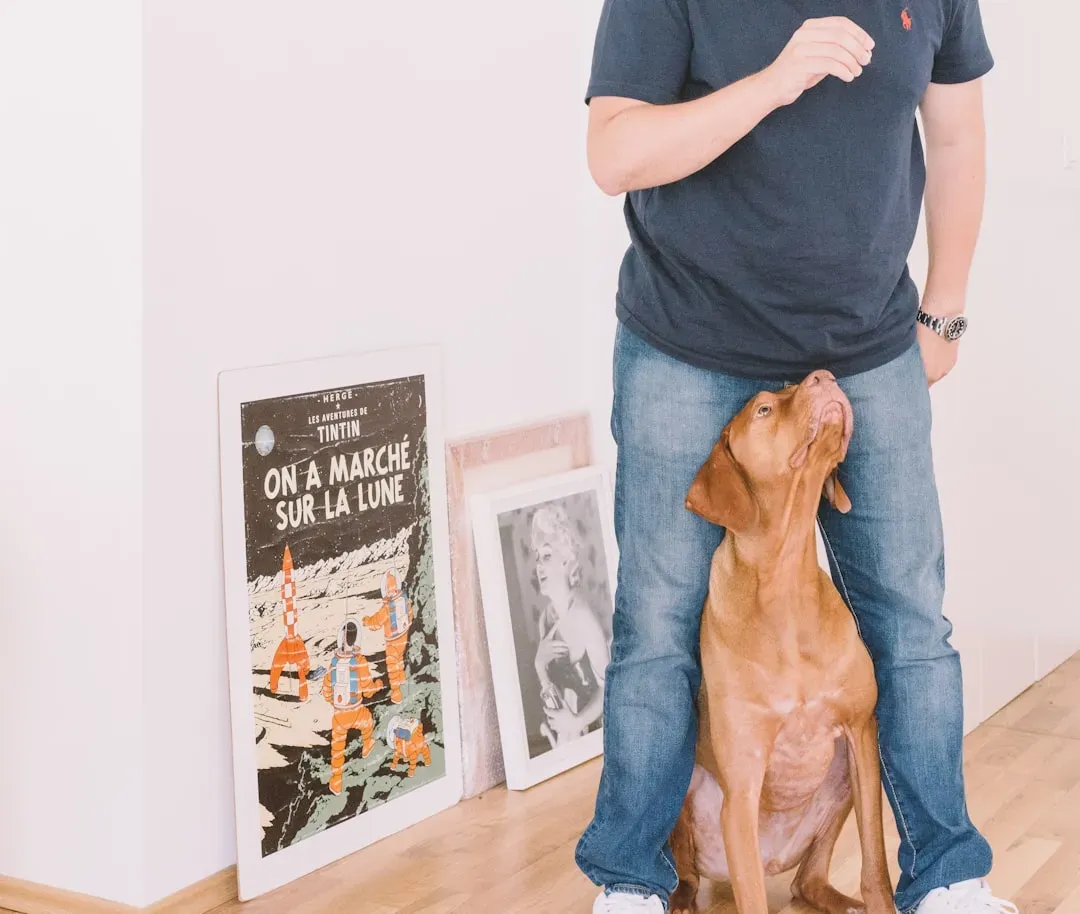
When your dog presses their body against yours, it’s a form of physical closeness that signifies love and comfort. Dogs lean on their owners when they feel safe, and they often seek this contact when they want reassurance or simply want to be near you. It’s a gesture of affection that shows your dog trusts you to provide comfort and security.
Leaning onto someone portrays comfort, reliance, and emotional trust. Dogs often lean towards reliable individuals for grounding and reassurance. Some owners mistake this for their dog just being a little pushy or demanding attention. In reality, it’s more like a quiet hug. Accept it gracefully. It’s one of the gentler gifts your dog gives you.
9. They Allow You to Handle Them Gently During Grooming or Care
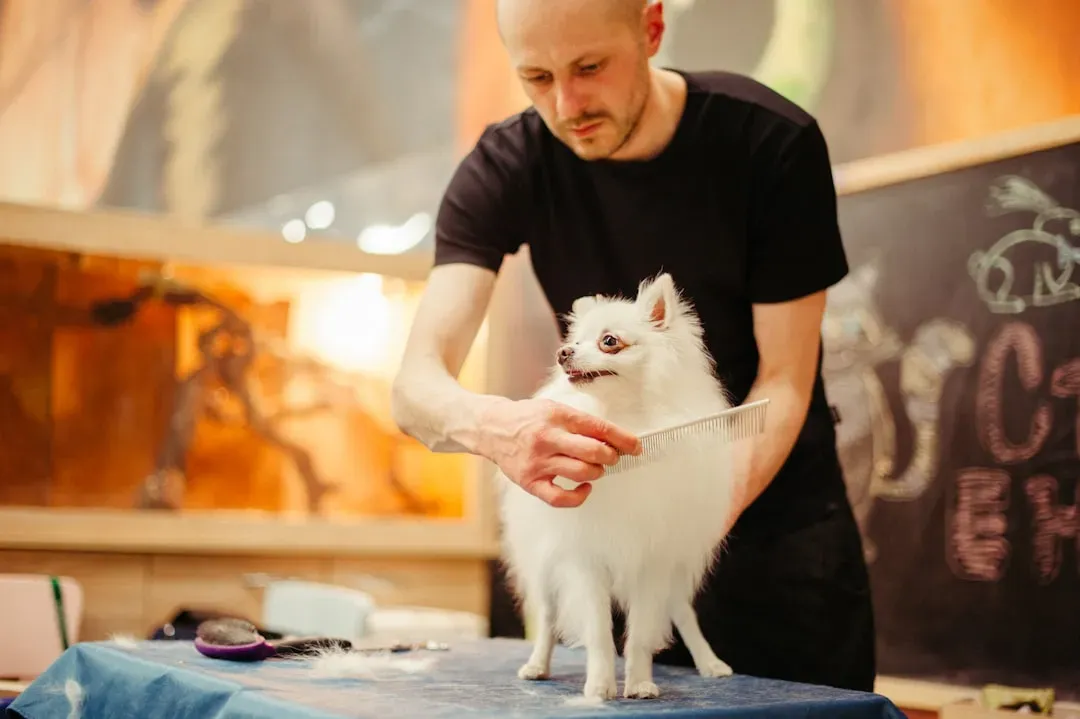
A trusting dog doesn’t pull away when you reach to pet them, remains calm during grooming or vet visits when you’re present, and may even seek out your touch for comfort during stress. This is a big deal, especially for dogs that don’t naturally enjoy being fussed over or touched in sensitive areas like paws and ears.
Not all dogs enjoy being picked up, but it’s a sign of complete trust when a dog allows you to lift them. Being picked up makes dogs feel vulnerable, limiting their control and mobility. When your dog remains calm and relaxed in your arms, it shows they trust you to handle them carefully and keep them safe. This trust is built over time through gentle handling, positive experiences, and consistent care. If your dog still tenses during nail trims or ear cleaning, that’s normal. Work slowly, use treats, and let trust grow at their pace.
10. They Allow You to Take Food or Toys Without Guarding
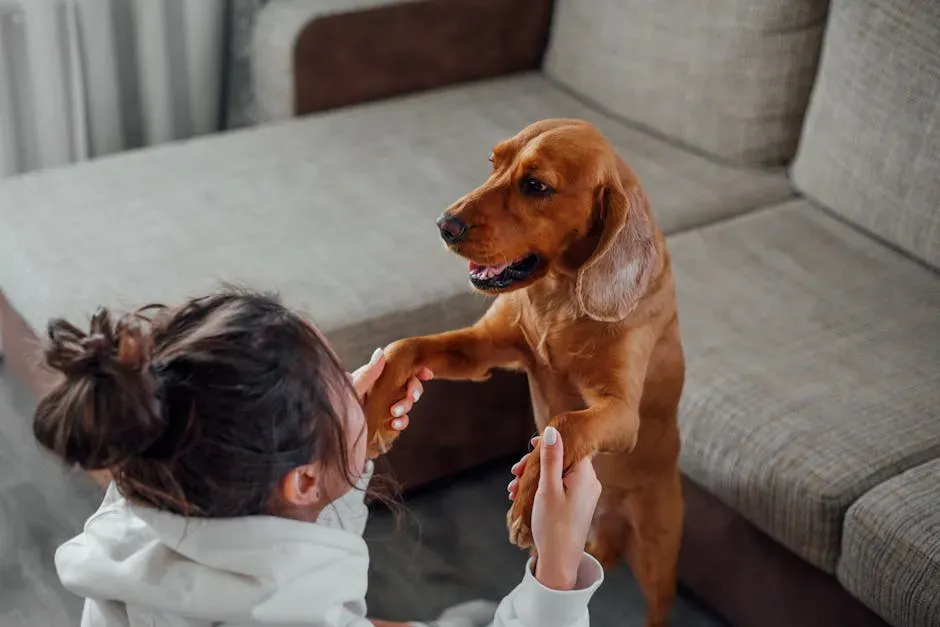
Dogs are naturally protective of their food and toys, which are valuable resources. However, when your dog allows you to take these items away without resistance, it’s a sign that they trust you completely. They know you won’t harm or take away their belongings permanently. This behavior reflects a deep bond and confidence in your actions.
If your dog is willing to eat from your hand, it’s a strong sign of trust. This behavior shows that they don’t feel threatened or anxious about their food source when they’re around. Resource guarding, on the other hand, whether over food, toys, or sleeping spots, can signal insecurity or anxiety. If you notice consistent guarding, a positive reinforcement trainer can help address the behavior before it escalates into something more serious.
11. They Wag Their Tail to the Right When They See You
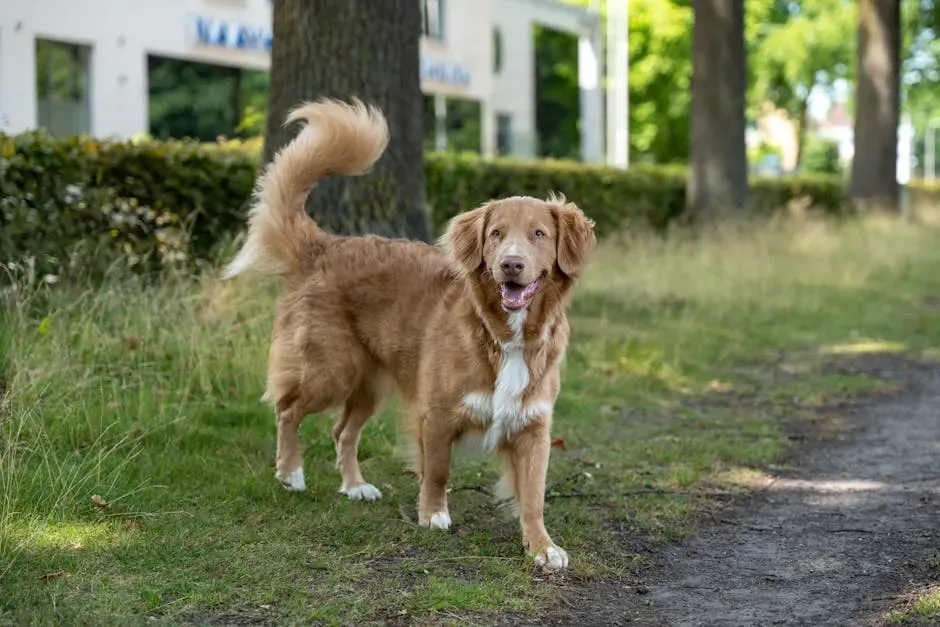
Not all tail wags are created equal, and this one often surprises people. In one study, Italian researchers concluded that the direction in which a dog wags her tail can reveal her emotions. Specifically, right-leaning wagging is a sign of positive emotions, and left-leaning wagging indicates negative ones. So if your dog wags her tail to the right when she sees you, you are officially on her list of favorite things in the world.
A dog’s tail wagging energetically, especially with a loose, side-to-side motion, and their whole body bouncing with excitement is a universal love signal. Dogs reserve such joyful movement for people they adore, especially when greeting you after separation. The tail’s position also matters: a relaxed low wag signals contentment, while a high fast wag indicates energetic happiness. Watch your dog’s whole body, not just the tail tip. The full picture tells the real story.
12. They Mirror Your Emotions and Yawn When You Yawn
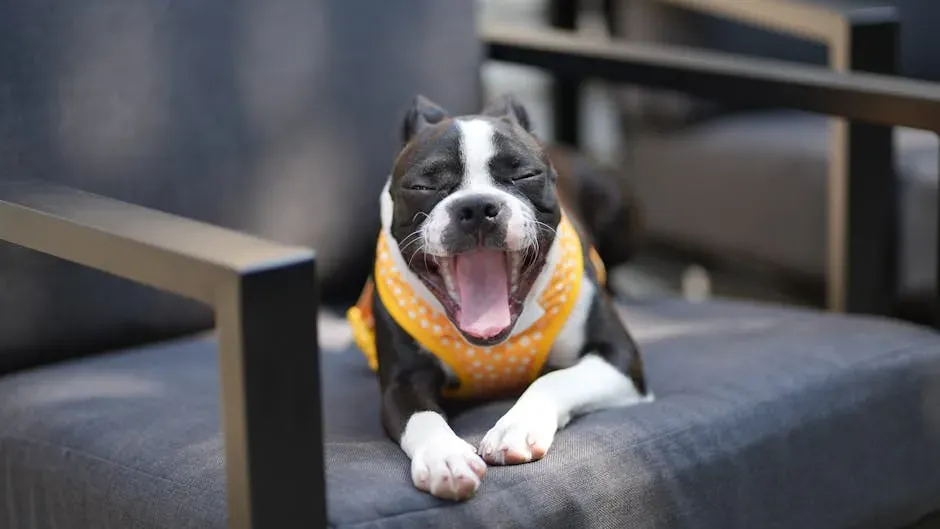
Yawning is contagious, and it’s not just between humans. Dogs often yawn in response to their owner’s yawning, a sign of trust and emotional connection. This is known as emotional contagion, where a dog mimics the behavior of someone they are closely bonded with. When your dog yawns after you, it shows they are attuned to your emotions and feel comfortable enough to mirror your actions.
The results of a 2013 study showed that dogs that have a strong bond with their owners behave similarly to the bond human children have with their parents. They even copy their owners’ emotions to a degree, showing anxiety when the owners are anxious or being calm when the owners are calm. This is worth sitting with for a moment. Your dog doesn’t just love you. They’re actually emotionally synchronized with you. The calm you project genuinely becomes the calm they feel.
Building and Protecting the Trust You’ve Earned
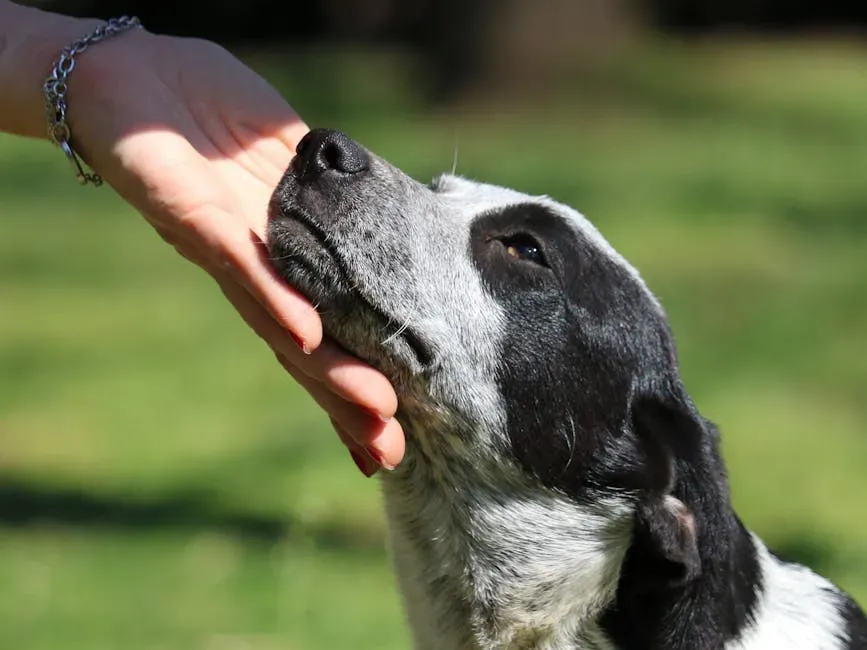
Trust between you and your dog doesn’t happen overnight. It develops through consistent interactions, clear communication, and reliable care that shows your dog they’re safe with you. Every walk kept on schedule, every gentle handling session, every time you stepped in to remove them from a situation that overwhelmed them: all of it adds up quietly over time.
Studies shared by the American Veterinary Society of Animal Behavior show that dogs who grow up with kind and predictable human interactions tend to have lower stress hormones and better emotional regulation. That’s not a small thing. A trusted dog is also a healthier dog, mentally and physically. Dogs who trust their owners show lower stress levels, adapt better to changes, and recover faster from scary experiences. They sleep more soundly, eat more consistently, and play more enthusiastically.
Trust can be damaged but also repaired. If your relationship with your dog has trust issues due to past mistakes or their history before you, patient, consistent positive interactions can rebuild that bond over time. Rescue dogs in particular may take longer to show these signals, and that’s completely okay. Every small moment of safety you offer is a deposit in an account that pays back in loyalty for life.
The signs are there. They always have been. Now that you know what to look for, the conversation you’ve been having with your dog all along becomes a little clearer, and a lot more worth paying attention to.


