
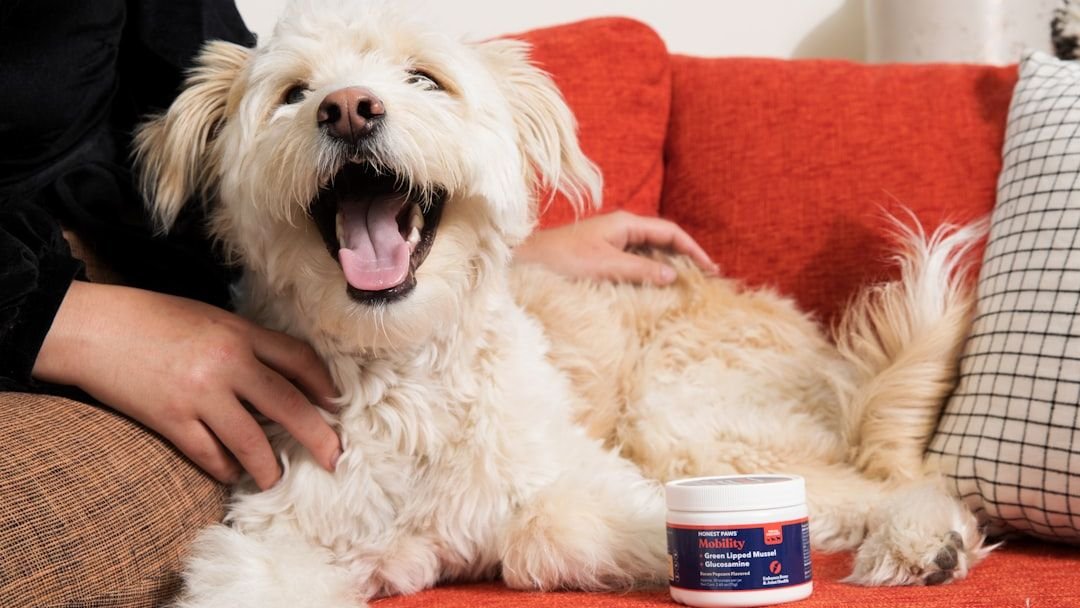
Most dog owners imagine that when their dog has something to say, they’ll hear it. A bark at the door. A whine for dinner. A growl at a stranger. Noise, in other words. But the reality of how dogs communicate is far richer, and far quieter, than that. The signals your dog sends you throughout the day exist mostly in spaces between sound, in the tilt of a head, the tension in a jaw, the precise way they place their weight when they stand up from a nap. The trouble is, most of us were never taught to look.
We’re brilliant at talking to our dogs, from commands to full conversations about our day. The part we often get wrong is listening to the constant stream of communication flowing right back to us. That gap is worth closing. Not because you’ve been a bad owner, but because your dog is already fluent in a language you can learn. Here’s how to start.
The Body Never Lies: Reading Your Dog’s Physical Signals

Dogs communicate their wants, needs, happiness, and fear primarily through body language. This is true whether your dog is a champion barker or barely makes a sound. Every physical position, from the angle of the ears to the tightness around the mouth, is part of a layered, constant conversation your dog is having with you and with the world around them.
A dog’s message or expression involves the actions of each body part, including its position, tightness, and speed of movement. A relaxed dog will have soft, partially closed eyes, loose muscle tone, and a gently closed or slightly open mouth. A dog feeling confrontational or on edge will position their eyes forward with an intense stare, their ears may stand up straight toward the source of concern, and the mouth shows tension with tighter lips and sometimes exposed teeth.
To understand and correctly read a dog’s body language, it is important to pay attention to all parts of the body and their posture during a given situation. No single signal tells the whole story. Context always matters. A wagging tail paired with a stiff body and forward-leaning stance reads very differently than a wagging tail on a loose, wiggly dog bounding toward you at the front door.
Some breeds’ natural characteristics may appear alarmed at first glance. German shepherds’ natural ear shape means they’re often upright, and husky and malamute breeds have curled-up tails, even when relaxed. So always learn your dog’s personal baseline. What looks like stress on a Husky might simply be Tuesday.
Calming Signals: The Polite Language Most Owners Miss
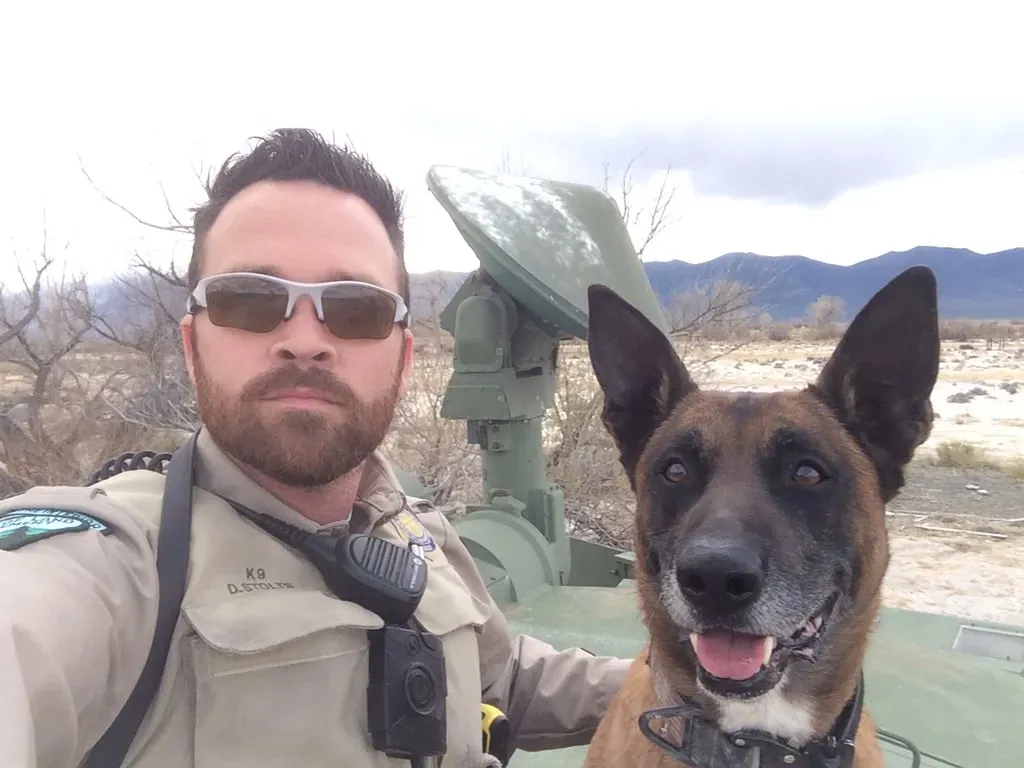
Dogs are constantly signaling their emotional states and intentions through body language, facial expressions, and vocalizations. A dog looking away, licking their lips, yawning, or moving further from you isn’t being stubborn; they’re politely communicating that they’re uncomfortable or would prefer space. These are called calming signals, and they’re one of the most overlooked forms of canine communication.
Calming signals or appeasement behaviors, recognized as indicators of stress, include turning the head away, blinking, lip or nose licking, freezing, play bowing, yawning, licking humans, ears back, panting, staring, lying down, growling, and barking. These are not random behaviors. They are your dog’s way of saying, “I’m feeling a bit overwhelmed here,” before things escalate.
When we miss these subtle cues, dogs may need to raise their volume through growling or even biting to get their message across. Think of calming signals as the first rung of a ladder. The “ladder of aggression” describes how least overt calming signals can escalate in intensity and threat if those initial signals are ignored. Catching your dog’s early signals is genuinely one of the most powerful safety tools you have as an owner.
If your dog yawns in the middle of a training session or repeatedly looks away when a child approaches, pause. Give them a moment, a little space, and acknowledge what they’re telling you. That response alone builds enormous trust over time.
When Silence Means Something Is Wrong: Pain and Illness Cues
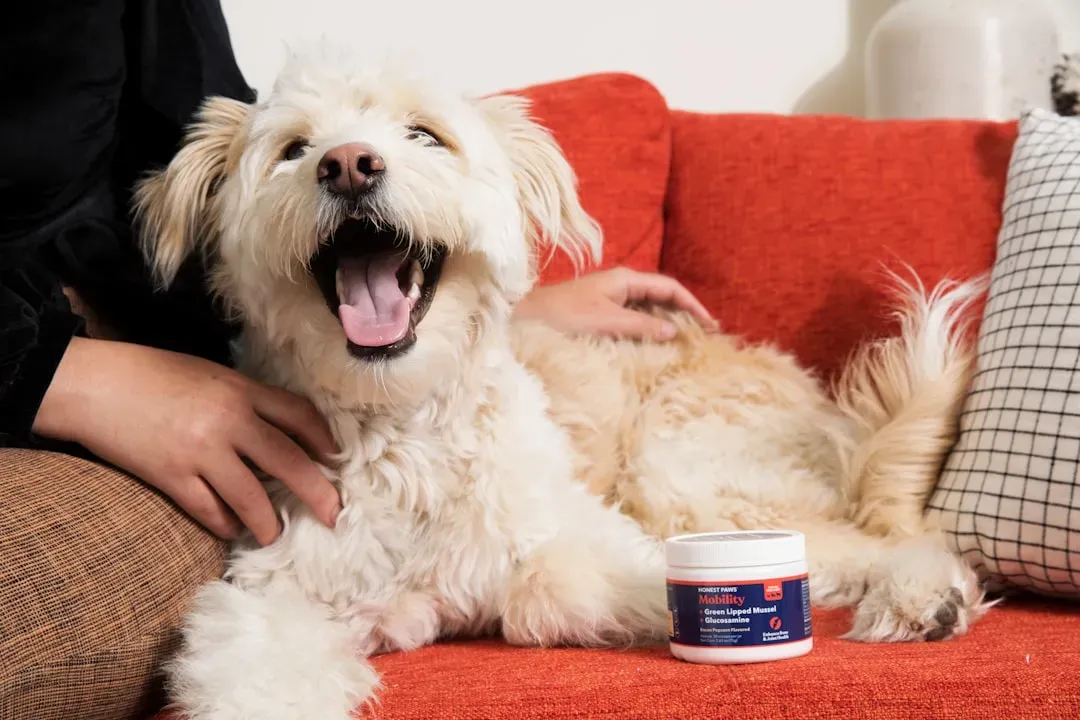
Dogs have spent thousands of years evolving alongside humans, but their instinct to hide weakness runs deeper than domestication. In the wild, showing pain meant vulnerability to predators or loss of pack status. Your couch-dwelling golden retriever still carries these survival instincts, masking discomfort until it becomes unbearable. This is why many health problems are caught later than they should be.
Veterinarians see the heartbreaking results of this evolutionary trait daily: dogs with advanced arthritis whose owners thought they were just slowing down with age, or pets with dental disease so severe their teeth are loose, yet they continued eating without obvious distress. The pain was always there. The signs were just quiet ones.
While limping and whimpering are clear pain indicators, dogs show many physical signs that are easy to miss. Dogs in chronic pain often pant when they shouldn’t be hot or tired. Before obvious limping appears, dogs often shift weight off painful limbs in subtle ways, standing with one paw slightly lifted or barely touching the ground. Dogs with back pain might arch their backs slightly or seem curved upward.
It’s easy to assume that a quieter, slower dog is “just getting older.” Dogs don’t become withdrawn, grumpy, or disinterested simply because of age. As dogs get older, their risk for joint pain, dental disease, hormonal disorders, and organ disease increases. If your senior dog is sleeping more, engaging less, or hesitating before jumping up on the couch, a vet visit is a reasonable first step, not an overreaction.
Emotional Tells: How Dogs Signal Stress, Joy, and Attachment

Stressed dogs often avoid eye contact or look at a trigger, then quickly look away. A distressed dog might perform exaggerated yawns, sneeze, or lick their lips frequently. They might also shake their bodies as if their coat is wet, focus on self-grooming, or scratch themselves excessively. Many owners interpret these as quirky habits. They are, in fact, little flags.
Research on tail-wagging showed that dogs tend to wag their tails more to the right when feeling positive, such as when interacting with their owner. Tails wagged more to the left when dogs faced something negative. It’s a small detail, but it’s a real one. A wide, fast wag often signals positive emotions like excitement or happiness. In contrast, a slow, stiff wag with minimal movement may indicate uncertainty or discomfort.
Dogs also express attachment in ways that are easy to overlook. Some dogs will claim your favorite chair or pillow when you’re absent. While this behavior may be interpreted as simple comfort-seeking, more likely there is more to it. These dogs may be making a quiet statement, something along the lines of: if they can’t be with you, at least they can be where you were.
From a behavioral standpoint, dogs that stop eating when separated aren’t being stubborn or difficult; they are feeling anxious, and as cortisol levels rise, this can temporarily suppress appetite. Recognizing the emotional weight behind these quiet behaviors changes the entire way you respond to them.
Building a Two-Way Conversation: How to Respond and Connect Better
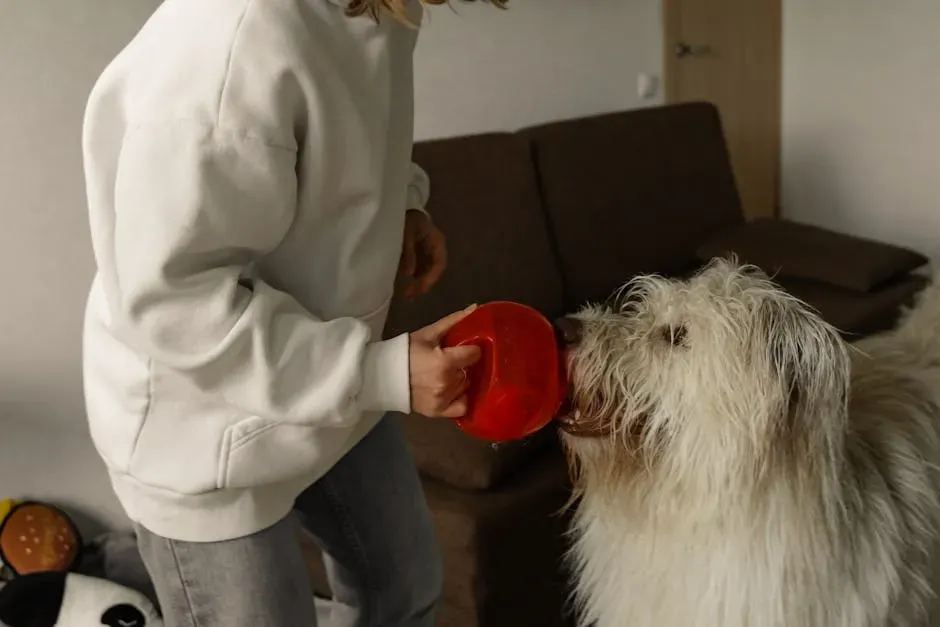
Dogs are social animals and thrive on connection with their owners. When you understand your dog’s communication, you are better able to meet their needs, build trust, and foster a deeper bond. That shift starts with slowing down a little and watching more closely.
Reading, understanding, and responding to your dog’s body language is a key part of the companion-to-owner relationship. By understanding their cues and appropriately advocating for your dog, owners can ensure their dogs remain happy, comfortable, and safe, while also guaranteeing the safety and well-being of those around them.
Non-verbal cues matter more than words. Subtle signs of stress are often missed and misinterpreted. Modern life is hard for dogs. Overstimulation, lack of rest, and excessive demands can cause behavior and health issues. Simple adjustments, like giving your dog a quiet corner to decompress, honoring their hesitation in social situations, and pausing activities when they signal discomfort, go a long way.
New insights and research are revealing how dogs read our subtle cues, emotions, and intentions, suggesting that our canine best friends really understand us far better than we understand them. The least we can do is try to close that gap. Every time you notice a signal and respond to it with care, you’re not just being a better owner. You’re speaking your dog’s language back to them.
Conclusion
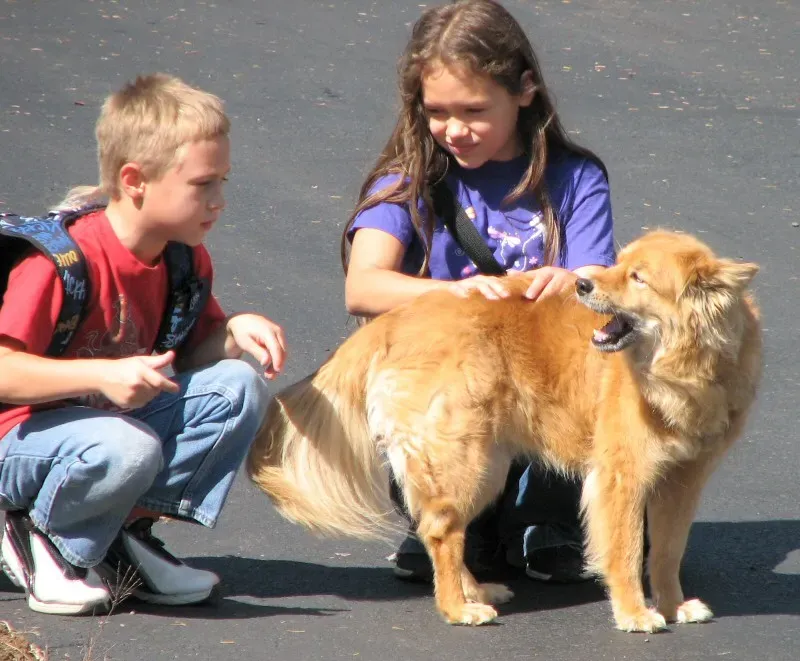
Your dog has been talking to you from the very first day they joined your life. Through a tucked tail, a soft sideways glance, a yawn during a crowded gathering, a slow rise from their bed in the morning. These aren’t random. They’re fluent, purposeful, and deeply personal.
The good news is that this language is learnable. You don’t need formal training or a certification to start. You need attention, patience, and the willingness to replace assumptions with observation. Watch the whole dog, not just the tail. Consider context. Trust what you see over what you expect.
Dogs ask so little of us in the way of communication. They’ve already adapted to our world, our routines, our moods, and our unpredictability. Learning to read even a fraction of what they’re quietly saying to us every day is one of the most meaningful things we can do in return.


