

Picture this: your dog has been a little off lately. Not dramatically sick, just quieter than usual, a bit gassy, scratching more than normal, and their coat has lost some of its shine. You’ve chalked it up to the weather, or maybe a new bag of food. But what if the real answer was sitting much deeper, in trillions of microscopic organisms living right inside their digestive tract?
Most dog owners think about gut health only when something goes visibly wrong, like diarrhea or vomiting. The truth is, the gut is working quietly behind the scenes every single day, influencing everything from your dog’s immune strength to their mood and behavior. Once you understand just how central this system is, caring for it stops feeling like one more thing on the list. It starts feeling like the whole foundation.
The Gut Microbiome: A Tiny World with a Huge Job
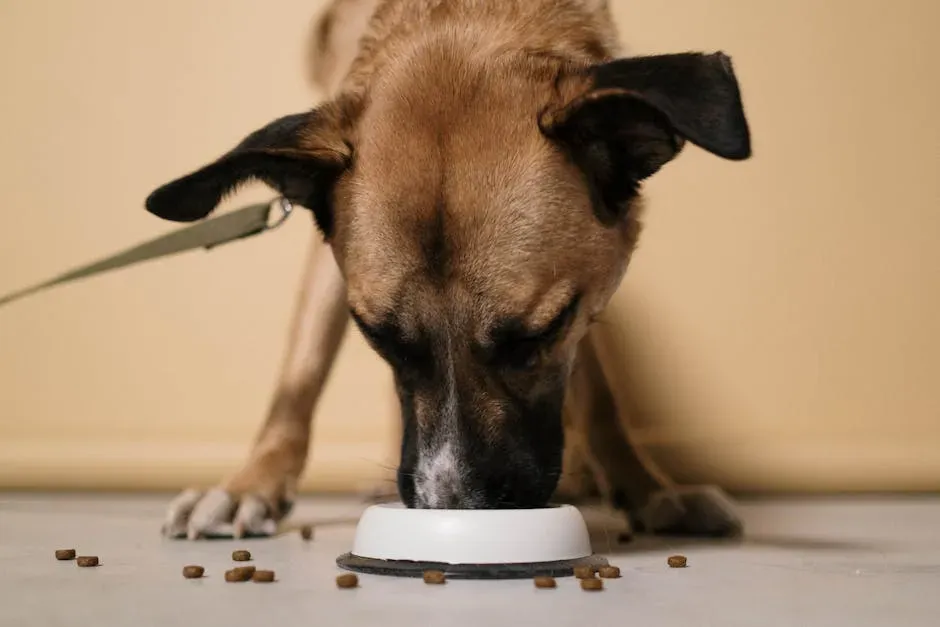
The canine gut microbiome plays a vital role in overall health and well-being by regulating various physiological functions, including digestion, immune responses, energy metabolism, and even behavior and temperament. That’s a staggering range of influence from what is essentially a community of bacteria, fungi, and other microorganisms living in your dog’s intestines.
In healthy dogs, the gut microbiome typically consists of a diverse array of bacterial phyla, including Firmicutes, Bacteroidetes, Actinobacteria, Fusobacteria, and Proteobacteria. These microbial communities form a complex ecosystem that interacts with the host to support canine health and homeostasis. Think of it like a thriving neighborhood where each resident has a specific role. When everyone is present and doing their job, the whole system runs smoothly.
A well-balanced microbiome, known as eubiosis, represents an optimized microbial composition that enhances host health and metabolic functions, and it is shaped by interactions between host physiology and environmental factors. In other words, your dog’s daily life, what they eat, where they walk, how stressed they feel, all of it feeds back into this microscopic ecosystem in real and measurable ways.
Warning Signs Your Dog’s Gut Is Out of Balance

The digestive system plays a major role in the overall health and wellbeing of dogs due to the fundamental role it plays in breaking down food into nutrients, which the body can then use for energy, growth, detoxification, cellular repair, hormone and neurotransmitter production, and healthy immune function. When this system falters, the ripple effects show up in places you might not immediately connect to the gut.
Signs of poor gut health in dogs include changes in appetite, loose stools or constipation, excessive gas, vomiting, and drastic changes in weight. Some of these symptoms are easy to notice. Others, like a dull coat, persistent itching, or unusual fatigue, are subtler. A study in the journal Animals found that dogs with atopic dermatitis (skin allergies) have a less diverse gut microbiome than dogs without skin allergies, as well as different strains of bacteria living in their digestive tract.
Unhealthy gut conditions are often linked to a condition called dysbiosis, which occurs when there is a reduction in beneficial bacterial diversity along with an increase in bacteria that cause inflammation. As a result, issues like leaky gut, weakened immunity, and nutrient deficiencies may arise due to an imbalance in the gut’s microbial ecosystem. If your dog seems “off” in a way you can’t quite put your finger on, the gut is often worth a closer look.
The Gut-Brain Connection: How Digestion Shapes Behavior

Here’s something that surprises many dog owners: behavior problems don’t always start in the head. Gut inflammation releases cytokines, chemical messengers that travel to the brain and trigger “sickness behaviors,” such as lethargy, withdrawal, loss of appetite, depression-like symptoms, aggression, and repetitive behaviors. So that snapping, hiding, or sudden restlessness might actually trace back to an inflamed gut, not a personality change.
Gut bacteria regulate neurotransmitters such as serotonin, dopamine, and GABA, which are important to mood and impulse control. Poor gut health can lower levels of these neurotransmitters, resulting in behavior changes consistent with anxiety, irritability, and other abnormal behaviors. It’s a lot to take in, but it reframes something important: when your dog is acting out, ask about what’s going on inside before assuming it’s a training issue.
Emerging evidence suggests a link between gut microbiome composition and behavioral and cognitive outcomes, including anxiety, stress responses, and learning abilities. The research is still developing, and specific conclusions should be treated with appropriate caution, but the directional signal is consistent. Short-chain fatty acids produced by gut microbes also support brain function, and low levels of these compounds are linked to stress and memory disturbances. The gut and brain are in constant conversation, and your dog’s gut is always talking first.
What You Feed Your Dog Matters More Than You Think
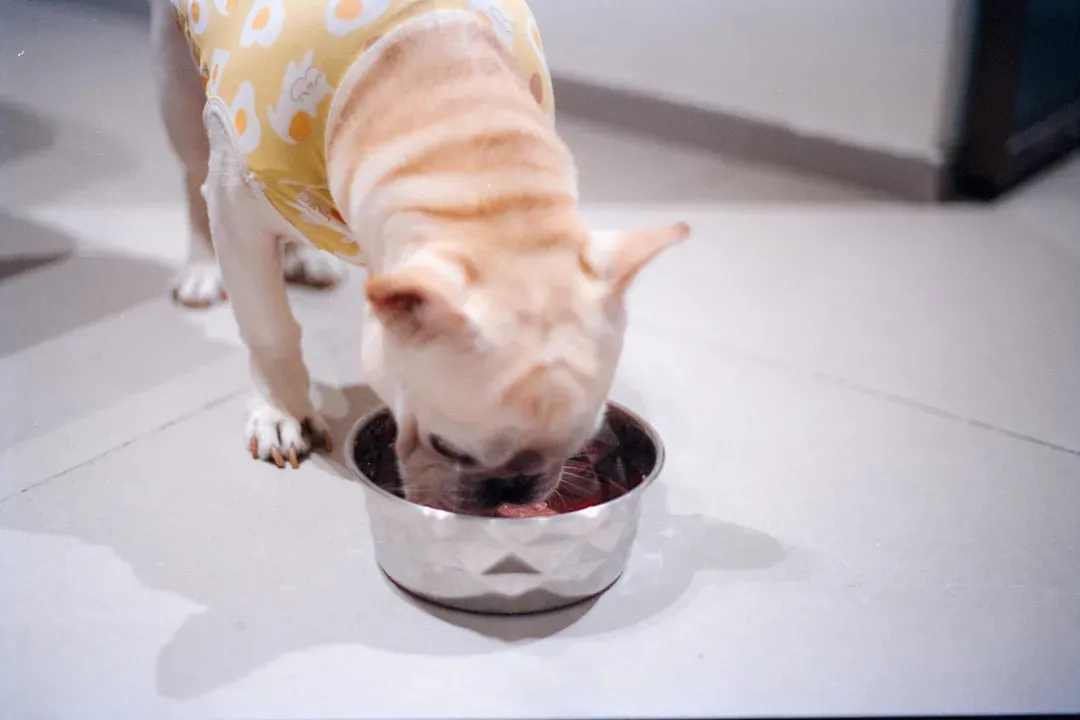
Consumption of specific dietary ingredients and supplements, especially fiber, elicits microbial production of health-promoting bioactive molecules. This is why two dogs eating very different diets can have dramatically different health outcomes, even if they’re the same breed and age. Food is not just fuel. It’s literally information for the gut microbiome.
Fresh, plant-based ingredients are great for a dog’s gut health. Non-starchy, fibrous vegetables like broccoli, green beans, carrots, cauliflower, asparagus, and leafy greens contain the kinds of prebiotic fiber that beneficial gut bacteria like to eat. These foods are also rich in antioxidants and are an important part of an anti-inflammatory diet. Small additions to your dog’s regular meals can make a real difference over time.
Studies show that introducing more fiber into a dog’s diet can cause metabolic changes within two days and a full bacterial community transformation by day six. That’s a remarkably fast turnaround. Veterinarians still recommend gradual food transitions to avoid stomach upset, but it’s encouraging to know that the gut responds quickly when you give it the right tools. Diets that are over-processed with lots of unnecessary filler ingredients and preservatives can aggravate a dog’s stomach, especially if they suffer from food allergies.
Probiotics, Prebiotics, and Practical Steps You Can Take Today
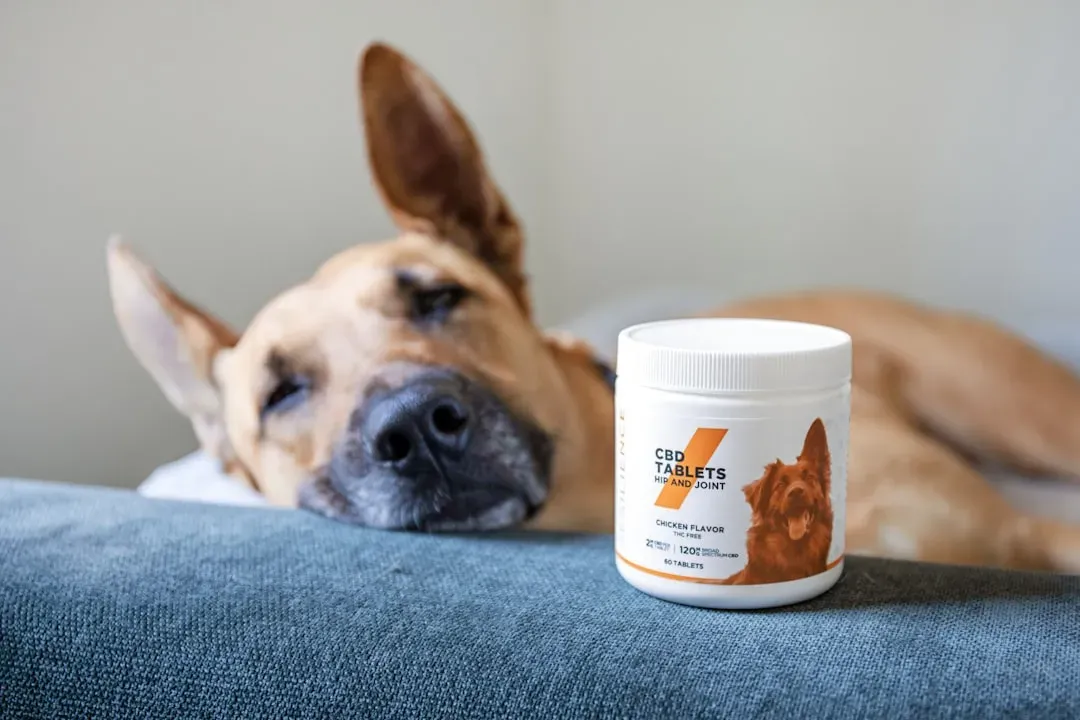
Probiotics are beneficial microorganisms that support a dog’s digestion, immune health, and overall well-being. Dogs may benefit from probiotics during times of stress, illness, dietary changes, or after antibiotic use. If your dog has recently gone through a stressful event, a move, boarding, illness, or a course of antibiotics, their gut microbiome may need some rebuilding. A vet-recommended probiotic is often a reasonable starting point.
Probiotics are live microbes that regulate immune response, produce short-chain fatty acids that have anti-inflammatory properties, prevent the overgrowth of harmful microbes, and help prevent leaky gut syndrome by strengthening the gut barrier. Prebiotics work differently but are equally important. Prebiotics are types of fiber that nourish and promote the growth of good bacteria already living in the colon. In other words, prebiotics feed probiotics. Together, they’re a complementary team.
Prebiotics have been shown to improve stool quality, reduce inflammation, enhance immune response, improve mineral absorption, and help manage chronic kidney disease, insulin sensitivity, anxiety and large bowel diarrhea. Beyond supplements, evidence demonstrates that stress has the ability to alter the composition, function and metabolic activity of the gut microbiota in ways that may be detrimental to health, including lowered microbial diversity, an increase in pathogenic bacteria, and compromised gut barrier integrity. Managing your dog’s stress levels, through exercise, routine, and enrichment, is gut care too. Always consult your veterinarian before introducing any new supplements, especially if your dog has an existing condition.
Conclusion: Small Shifts, Big Impact

The gut isn’t one organ doing one job. It’s a living, dynamic system that touches nearly every aspect of your dog’s health, from how their coat looks to how they handle a stressful afternoon at the vet. Physiological interactions with microbial metabolites extend across the entire body to impact virtually every aspect of animal health. That’s not an overstatement. It’s simply how deeply the gut is woven into everything else.
You don’t need a complete lifestyle overhaul to make a difference. Adding a little fiber-rich food, watching for behavioral shifts that might signal digestive distress, keeping stress manageable, and having honest conversations with your vet about microbiome support are all meaningful steps. Dogs with good gut health are less likely to fall ill, have better appetites, and may live longer, more active lives. That’s the kind of outcome worth paying attention to.
The microbiome can’t advocate for itself, but you can. Paying attention to what goes into your dog’s bowl and noticing what’s happening in their body is one of the most practical forms of love a dog owner can offer. A thriving gut is a quieter system, one that doesn’t announce itself because it simply works. That quiet is exactly what you’re aiming for.


