
You walk through your front door after a long day and your dog is already at the threshold, tail whipping, eyes bright, possibly spinning in a small circle of pure excitement. It feels good. It feels like love. Most of us smile and move on without a second thought.
But that moment at the door? It’s actually a window. For your dog, that greeting is much more than a quick hello. It is their way of saying how safe they feel with you, how excited they are to reconnect, and what kind of relationship you share. If you know what to look for, a dog’s greeting behavior can tell you a remarkable amount about their emotional state, their bond with you, and even their overall wellbeing.
Every wag, lean, or toy-toting trot to the door carries real meaning. Here’s what the science and the body language actually reveal.
The Biology Behind the Big Welcome
That rush of joy your dog shows when you walk in isn’t random enthusiasm. There’s real chemistry happening. Oxytocin, sometimes called the “love hormone,” releases excitement in dogs when they meet their owners, and the socializing traits in dogs are similar to humans, which makes them happy to be in the company of their owners.
A landmark 2015 study collected urine samples from pet owners and their dogs before and after they interacted freely with each other. Researchers found that oxytocin levels peaked when the pet parent and dog made eye contact. The longer they looked at each other, the higher their oxytocin levels became, triggering what researchers called the “oxytocin-gaze loop” of positive reinforcement. In other words, just locking eyes with your dog during a reunion is an act of mutual bonding.
Research has even demonstrated that dogs secrete tears when reuniting with their owner, and this tear secretion appears to be mediated by oxytocin. It’s the first report of positive emotion stimulating tear secretion in a non-human animal. The science is quietly extraordinary. Your dog isn’t just happy to see you. Their body is physically responding to your presence in ways that deepen your shared bond every single time.
According to Alison Gerken, a board-certified veterinary behaviorist at the SPCA in San Francisco, there are numerous factors that cause a dog to get so excited, involving everything from relationship development and neurobiology to emotions and learning. It isn’t just one thing. It’s the whole relationship, compressed into a single moment at the door.
Reading the Room: What Different Greeting Styles Actually Mean
Not every dog greets the same way, and those differences carry weight. Some dogs greet their people like a furry slinky that cannot stop moving. Their tail whips back and forth so hard that their hips, shoulders, and even their face join in. This full-body wiggle, especially when the dog’s posture is loose and soft, is generally a positive sign.
Behavior experts note that a loose, sweeping wag, especially when the dog’s body is relaxed and wiggly, often signals high excitement and positive emotion. Many dogs with this greeting style feel deeply attached and use big movements to release the energy that builds up while you are gone. As long as there’s no stiffness or tension in the body, this kind of over-the-top welcome is healthy and joyful.
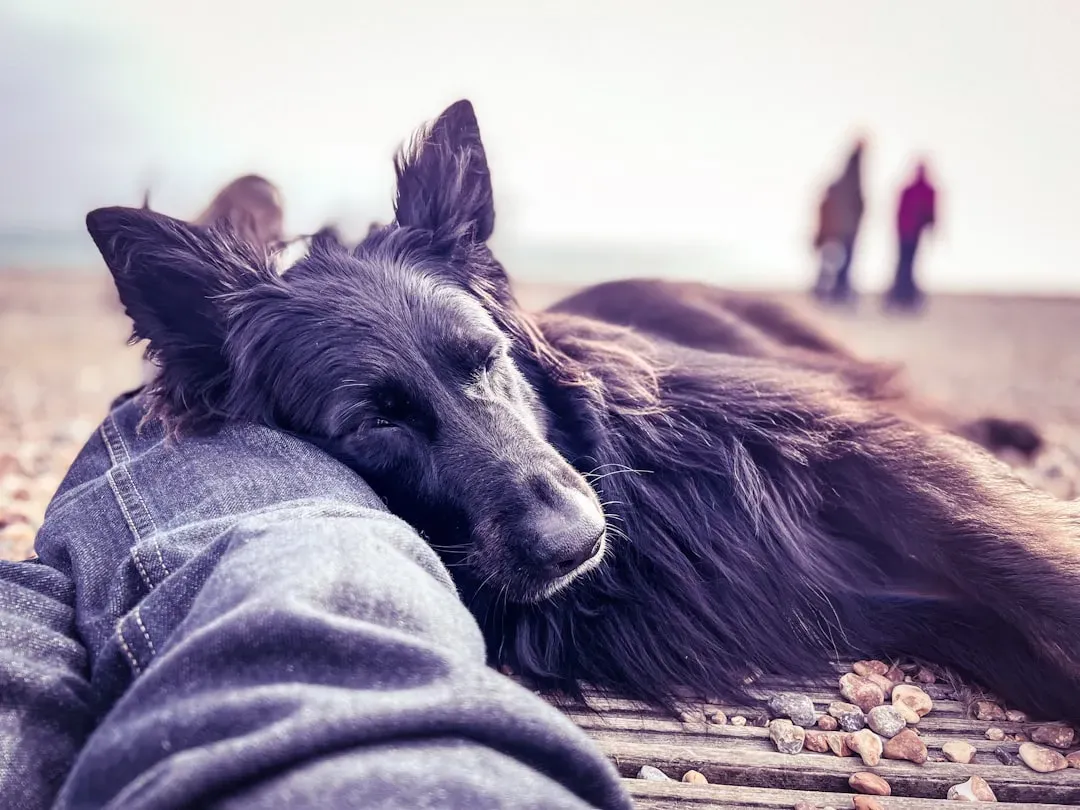
On the quieter end of the spectrum, some dogs simply walk over, press themselves against your legs, and stay there. This leaning behavior is widely described by trainers and veterinarians as a sign of comfort, security, and affection, especially when the rest of the dog’s body is relaxed. Dogs that lean often treat their person like a living weighted blanket. A quiet lean can reflect an even deeper trust than a dramatic leap.
In attachment research, dogs with secure bonds tend to seek gentle proximity and are easily comforted when their person returns. A dog that silently leans, sighs, and perhaps offers a small tail wag may not look as excited as a jumper, but their greeting can reflect deep trust. They believe that being pressed against you is the best and safest place in the room. So if your dog is the calm and cuddly type at the door, don’t read that as indifference. Read it as certainty.
When the Greeting Is More Than Just Happiness
Here’s where things get important for your dog’s health. Excitement at reunion is normal. But frantic, inconsolable, over-the-top excitement that doesn’t settle down for an extended period can signal something more serious. Researchers studying dog-human attachment note that some dogs show “ambivalent” or “clingy” patterns. These dogs cling tightly to their person and have trouble calming down after separation. A dog that constantly jumps or whines at reunion may feel very attached but also a bit insecure, worrying when you leave and exploding with relief when you come back.
While most dogs are emotionally attached to their owners, anxious dogs exhibit more attachment behaviors than dogs that are less anxious. Dogs with separation-related problems will often show signs of excessive attachment to their owners and tend to engage in excessive excitement when the owner returns. The greeting at the door is one of the clearest behavioral windows into what your dog actually experiences while you’re away.
Signs of stress to watch for include dilated pupils, panting, yawning, salivating, trembling, pacing, and exuberant greeting. If the greeting itself seems almost panicked rather than joyful, it’s worth paying attention. Canine separation anxiety is one of the more common forms of canine behavior problems, with studies showing prevalence rates around 13 to 17 percent. Many cases go unrecognized because owners interpret the frantic welcome as affection rather than distress.
Perhaps the best way to determine if the behaviors are due to the anxiety associated with the owner’s departure is to make an audiotape or movie clip of the behavior when the dog is alone. Setting up a camera while you’re out for even an hour can reveal a great deal about your dog’s emotional baseline.
The Dog Who Brings You a Gift and What Their Body Language Is Saying
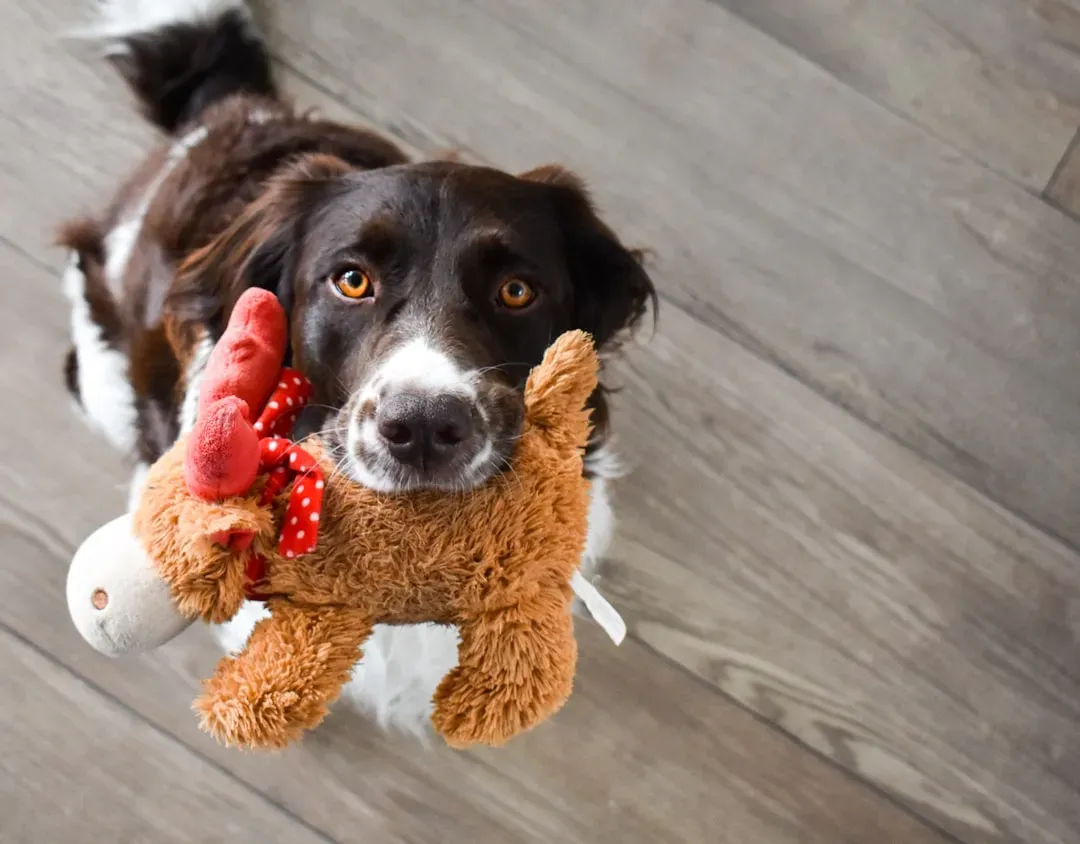
Some dogs have a very specific greeting ritual: they greet you at the door with a toy, a sock, or sometimes whatever they grabbed in the excitement of the moment. Some dogs greet you by trotting up proudly with a favorite toy or random object in their mouths. They might wiggle in place, whine softly, or parade around while glancing back to be sure you are watching. It looks charming, and it genuinely is.
This behavior is partly learned and partly instinctive. A dog will perform a voluntary behavior such as running in circles or bringing their pet parent a toy and receive encouraging reactions. When that happens, the dog learns that those operant behaviors they’re displaying are rewarding. So if you’ve ever clapped and laughed when your dog greeted you with a shoe, you probably reinforced it. No judgment. It’s a sweet habit.
There’s also an emotional regulation side to the toy greeting. Your dog knows when you’re sad, and when you have a bad day and your dog greets you with a toy, they may be trying to lift your spirits. Dogs read human emotional states with remarkable sensitivity, so that stuffed duck delivered at the door isn’t always just excitement. Sometimes it’s attunement.
Beyond the toy, pay attention to the broader body picture. No dog body language signals act alone. They’re all part of a package. When reading a dog’s communication, look at every signal the dog is using, from tail height to eye shape. A relaxed, wiggly dog with a low wagging tail and soft eyes is in a very different emotional state from one with a high, stiff tail and a tense face, even if both are technically “wagging.”
How to Respond to Your Dog’s Greeting in a Way That Actually Helps Them
The way you respond when you walk in the door matters more than most people realize. How owners react to their dogs upon returning home can reinforce certain behaviors. If a dog’s enthusiastic greeting is met with equal excitement from the owner, it reinforces the behavior. Training methods can be implemented to encourage calmer greetings, and consistency from the owner is crucial. It helps set expectations for the dog and shape their behavior over time.
For dogs already prone to anxiety, keeping arrivals calm is genuinely helpful. It’s important to play it cool when you leave or return to your home. You can greet your dog with love, but don’t get over-the-top emotional. Keep things calm and without fanfare. If you get worked up, your dog will see your comings and goings as a major event to worry over. Calm doesn’t mean cold. A quiet, warm hello and a gentle stroke is still an affectionate reunion.
For dogs who jump excessively, there’s a straightforward path forward. With training, you can help them greet you with four paws on the floor by rewarding sitting, holding toys, or calm eye contact, while still honoring the big feelings behind the behavior. The goal isn’t to suppress your dog’s joy. It’s to give that joy a form that’s safe and manageable for both of you.
While dogs can’t read clocks like we can, they do have a sense of time. They also have their own circadian rhythms, internal biological clocks, so they’re pretty in tune with knowing what to expect in their daily routine. Studies have shown that the longer a caretaker is away, the more exuberant a dog’s response at reuniting tends to be. Consistent schedules, regular exercise, and enrichment while you’re gone all contribute to a more settled greeting when you return.
Conclusion: The Door Is a Mirror
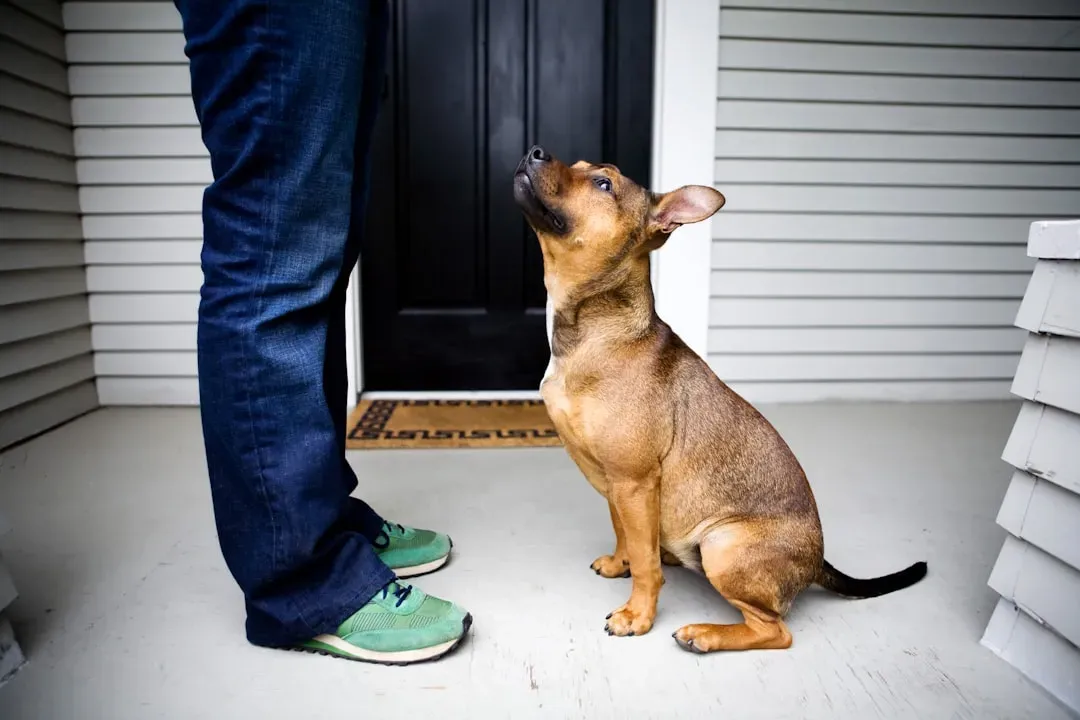
Every time you step through your front door, your dog gives you a tiny emotional report. A full-body wiggle with soft eyes says “I’m secure and I love you.” A quiet lean says “you’re my safe place.” A frantic, inconsolable spiral might be quietly asking for help. None of these greetings are random. When we learn how to read and respond to our dog’s body language appropriately, we can better meet their needs, strengthen our relationships, and live in greater harmony together.
The greeting at the door is easy to take for granted, but it’s one of the most honest things your dog ever does. They’re not performing for you. They’re just telling you the truth about how they feel. Your dog is “talking” to you all the time. If you learn what your dog is saying, you will develop a deeper bond of trust and respect, and your understanding of your dog’s emotional state can help you predict their behavior and prevent problems before they arise.
The next time you come home, slow down for just a moment before you check your phone or kick off your shoes. Watch your dog. Really watch them. What you’ll see is a living, feeling creature who has been waiting, in whatever way dogs wait, to be back together with you. That’s worth a second look.


