
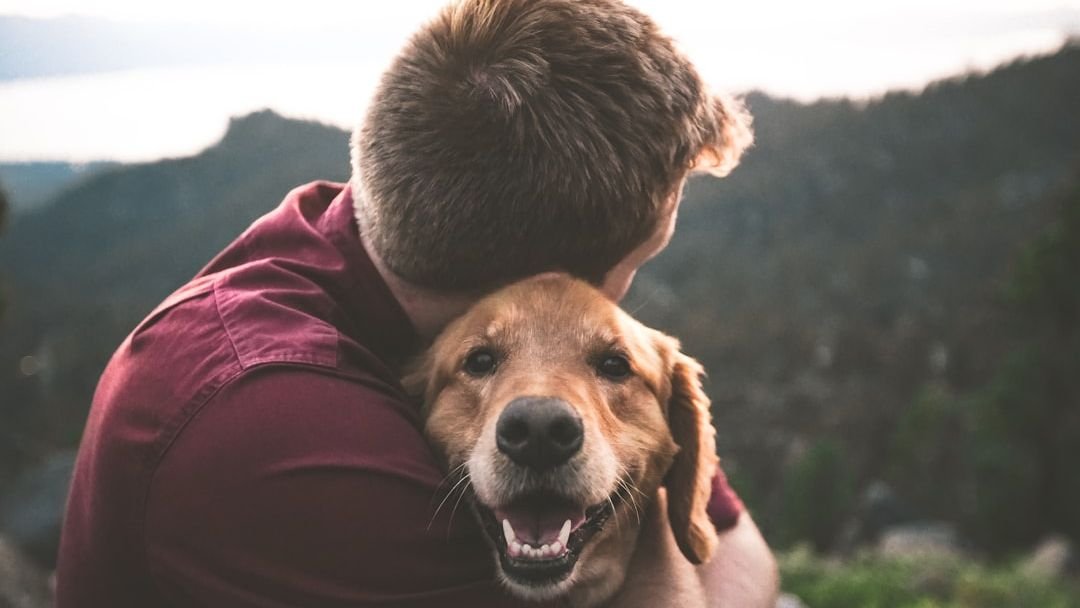
You sit down, and within seconds, there’s a warm, furry body pressed against your leg. You stand up to grab a glass of water, and four paws click across the floor right behind you. You close the bathroom door, and a little nose appears at the gap underneath. If you’ve ever lived with a dog, this scene probably sounds very familiar.
It’s one of the most endearing, occasionally maddening, and genuinely fascinating parts of sharing your home with a dog. That impulse to follow you everywhere isn’t random or purely theatrical. There’s real science, real emotion, and in some cases, real concern behind it. Here’s what’s actually going on.
It Goes All the Way Back to Their Roots
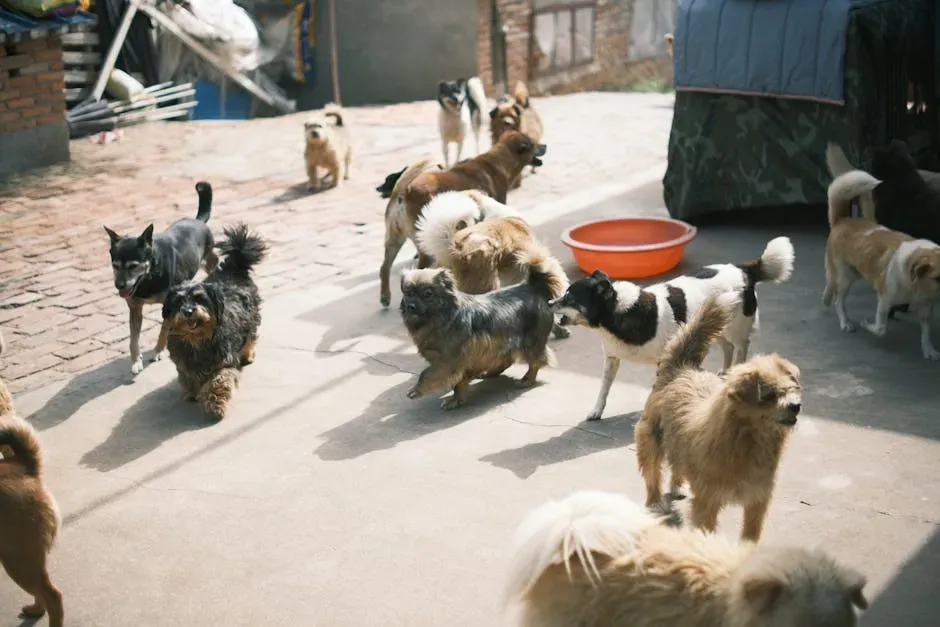
Dogs are descendants of wolves, animals that thrive in structured, social groups. That pack mentality is still very much alive in modern dogs. At home, your family becomes your dog’s pack. This isn’t just a metaphor. It’s a deeply wired behavioral drive that shapes how your dog moves through the world every single day.
Thanks to roughly 15,000 years of domestication, dogs’ attachment has shifted from other dogs to humans. That need for social contact drives a dog’s desire to follow their owner wherever they go. In practical terms, this means that when you move, your dog’s instinct is to move with you. It’s not clingy so much as it is ancestral.
The more likely explanation for this behavior is centuries of dog breeding. When you consider seven major dog groups including working, hunting, sporting, non-sporting, hound, terrier, and toy, they all had jobs that served human needs, whether it was retrieving game, guarding a barn, or pure companionship. That human-facing orientation was literally bred into them. Your dog following you is, in many ways, exactly what dogs were designed to do.
It’s Also About Love, and Science Backs That Up
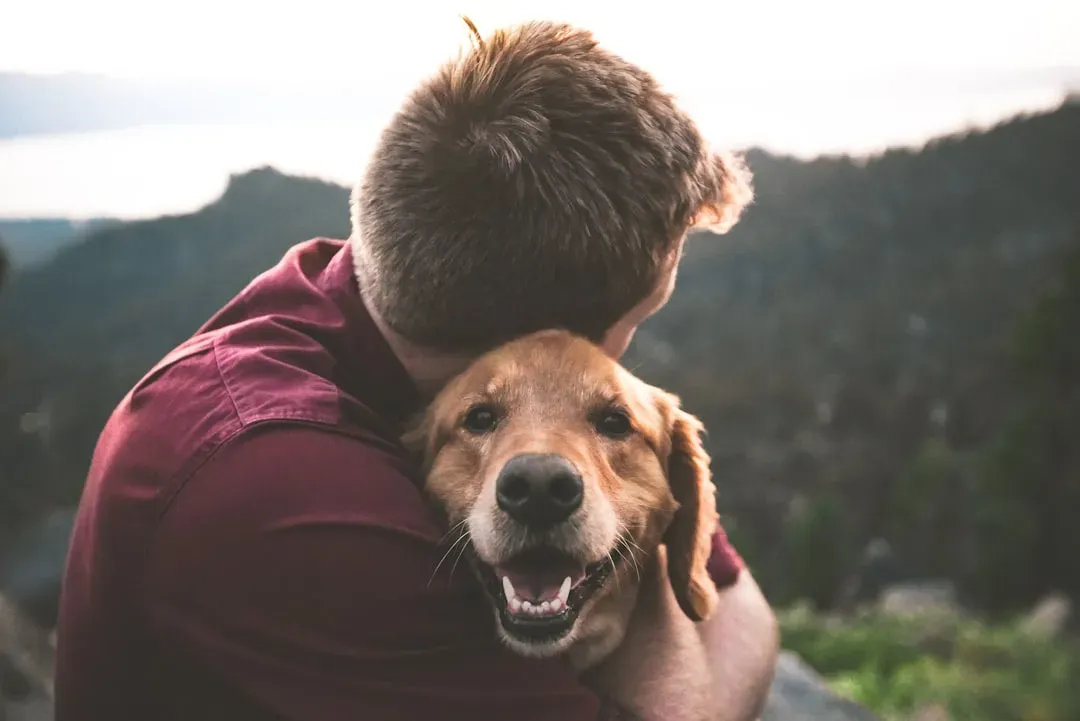
When dogs interact with someone they like, the hormone oxytocin is released. Oxytocin is often referred to as the ‘love hormone’ and makes you feel that warm glow when you’re around someone you like. Your dog feels this too. Every time they trot after you into the kitchen or curl up beside you on the couch, there’s a real biochemical reward happening for both of you.
A study in the journal Scientific Reports found that when dogs were shown photos of their caregivers, it activated parts of their brains that are the same as those associated with emotion and attachment in humans. So when people say their dog loves them like family, the neuroscience actually supports it.
Dogs are incredibly social animals and love to spend time with their owners. You are your dog’s whole world and being with you is a big part of their life. You make them feel happy, secure, and safe and they enjoy spending time with their best friend. Knowing that can shift the feeling from “why won’t this dog leave me alone” to something that feels a little more like a privilege.
Sometimes, They’ve Simply Learned That Following You Pays Off
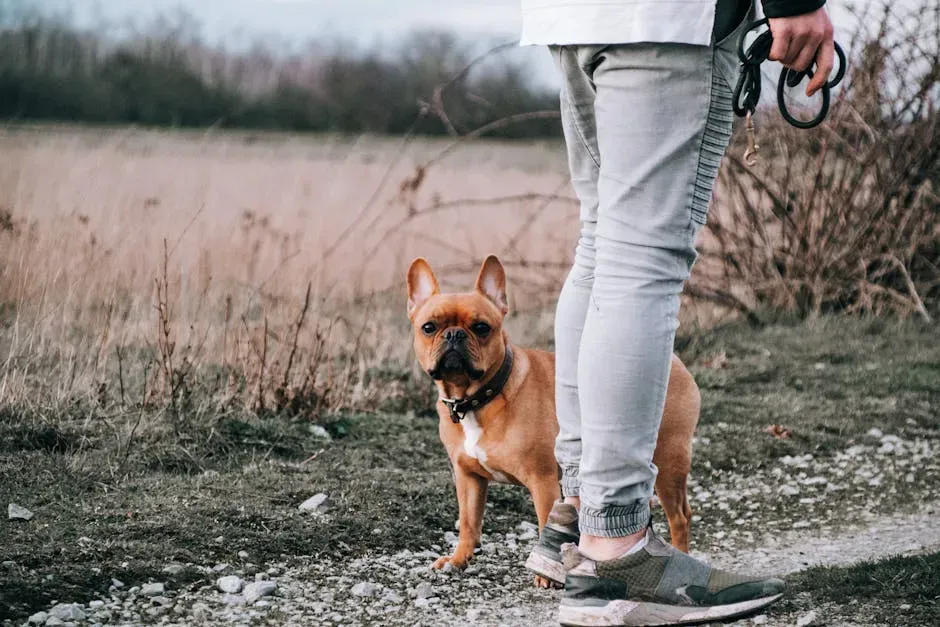
Dogs are quick learners when it comes to cause and effect. Many pups discover that following their owners leads to something enjoyable, whether that’s attention, treats, a walk, or even just a smile. These little “rewards” reinforce the behavior. Over time, your dog may follow you out of habit, anticipating something good will happen just by being close.
Another reason your dog might stay close to your side is positive reinforcement. If every time you are with your dog, they get affection or treats, they’re likely to follow you around more often. If you’re flattered by this affection and reward your dog for being clingy, you’re sending them a message that the behavior is welcome. This doesn’t mean you’ve done anything wrong. It just means your dog is paying close attention, which is actually a sign of a healthy bond.
Because dogs respond to their owners’ behavior, it’s important to examine your relationship. For example, if your dog sleeps in your bed, you might be creating a dependency and reinforcing their need to be close to you at all times. None of this is a verdict, just something worth noticing if the following behavior starts to feel like too much.
When the Following Crosses Into Worry Territory
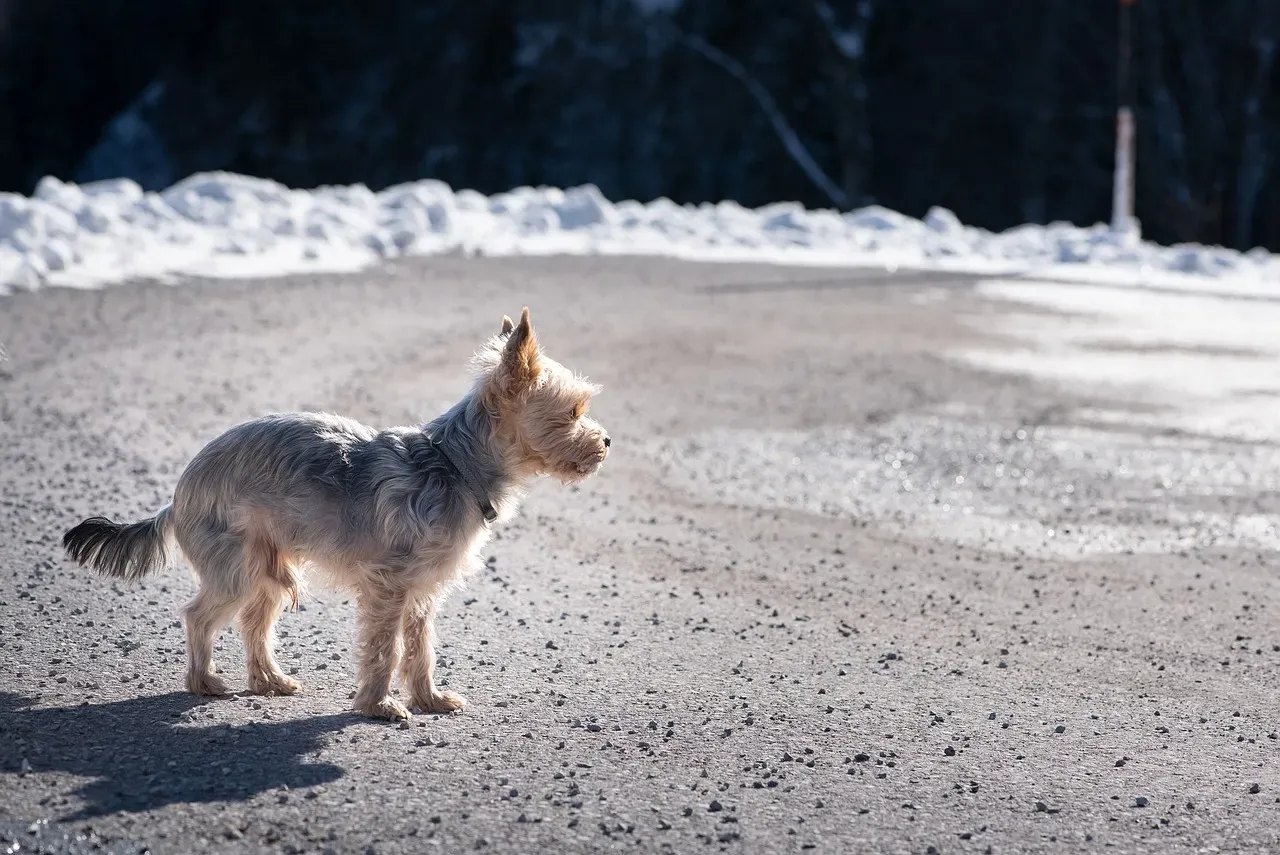
There’s a meaningful difference between a dog who loves your company and a dog who genuinely cannot cope without it. The big difference between separation anxiety and being a Velcro dog is anxiety itself. While Velcro dogs prefer to be glued to their owners, dogs with true separation anxiety actually panic when they’re away from their owners. That distinction matters a lot when you’re deciding whether to be charmed or concerned.
Dogs with separation anxiety experience intense distress when left alone or separated from their primary caregiver, leading to behaviors that go beyond typical loyalty and affection. These dogs might not only follow you from room to room but also display signs of anxiety such as whining, barking, pacing, or destructive behavior when you’re not in sight. This level of attachment can affect your dog’s well-being, as they may struggle to cope when you’re not around.
Damage from separation anxiety is usually located around entry and exit points, like doorways and windows, and dogs in a state of heightened anxiety are also at risk of harming themselves. Attempts to break out of dog crates, windows, and even doors can result in painful injuries and expensive veterinary treatments. If any of these signs sound familiar, it’s worth a conversation with your vet sooner rather than later.
Health Changes Can Make Dogs Clingier Too
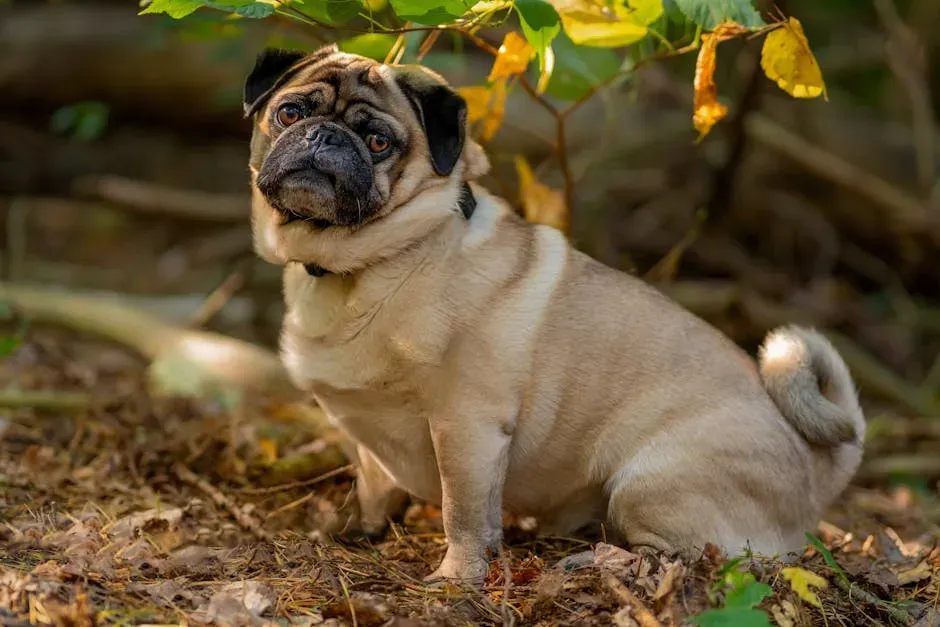
If your dog has suddenly started following you around the house, it might be a sign that something is wrong. It’s possible that they are not feeling well, or may have a problem with their senses, such as issues with their vision or hearing. Your dog could also be feeling anxious, may have become scared of their environment, or may have been recently traumatized by an upsetting experience.
An older dog may be losing their sight or hearing. As a result, they may become more fearful of the environment and dependent on having you near. A dog that suddenly becomes very clingy may be suffering from a physical ailment and keeping you in reach for comfort. A checkup by the veterinarian is a good idea if this happens.
Older dogs may follow their owners more due to Canine Cognitive Dysfunction, similar to dementia in humans. They may feel confused and look to you for direction or comfort. Sudden behavioral changes such as developing clingy behavior can be a sign of an illness. If your dog has suddenly started following you around everywhere and there aren’t any obvious triggers, making an appointment with your vet to rule out any medical issues is a smart move.
How to Help Your Dog Feel More Secure on Their Own
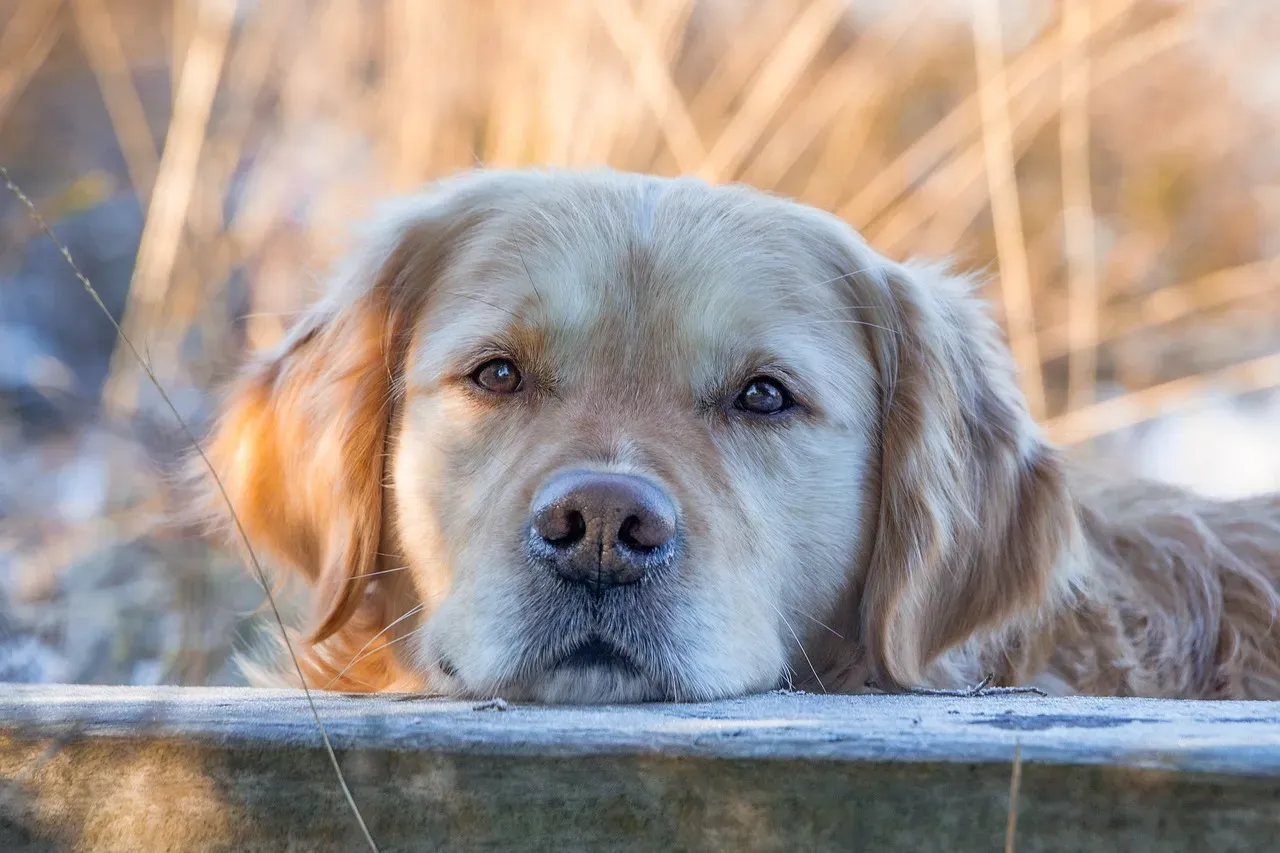
The goal isn’t to stop your dog from loving you. It’s to help them feel confident and settled even when you’re not directly beside them. If your dog panics the moment you leave the room, gradual desensitization can help. Start by stepping away for just a few seconds and slowly build up to longer absences, rewarding calm behavior. The goal is to show your dog that your departures and returns aren’t a big deal. Over time, this practice helps them feel less anxious when you’re not in sight.
Establishing boundaries, like teaching your dog to stay in a specific spot while you cook or relax, helps both of you enjoy some separation without stress. You can use positive reinforcement with plenty of toys or treats to encourage your dog to settle in a designated area, like a comfy bed or crate. Small, consistent steps work far better than dramatic changes.
Common recommendations include getting dogs more physical exercise and mental stimulation and helping them learn to be content on their own. Providing mental stimulation through a treat licking mat or interactive toys are good ways to occupy your pup and help them self-soothe at the same time. A tired, mentally engaged dog is usually a calmer, more independent one.
Conclusion: That Shadow at Your Heels Means Something
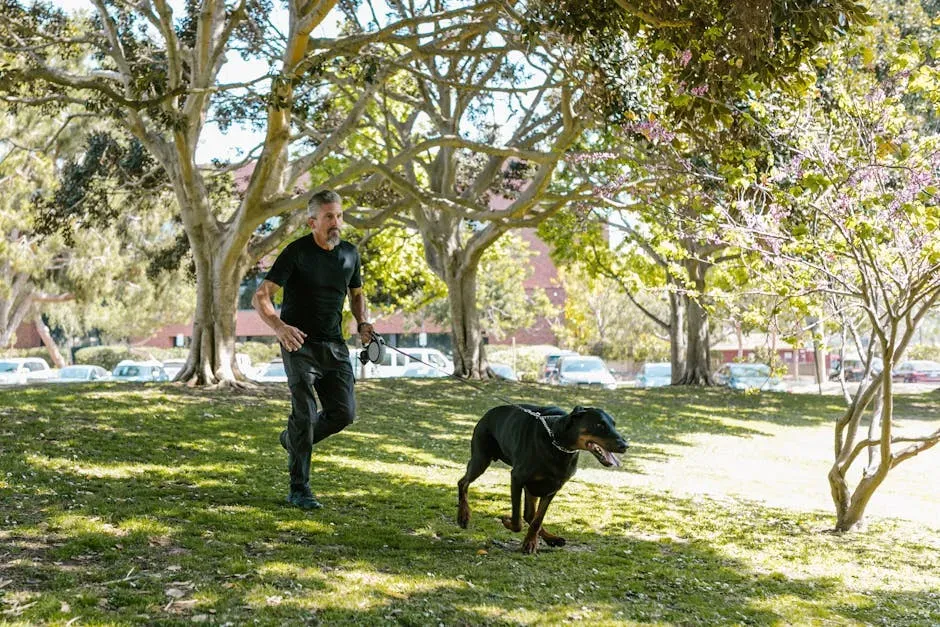
Most of the time, your dog following you from room to room is one of the simplest expressions of trust and connection there is. If your dog follows you everywhere, it’s a sign that they trust and love you and that you make them feel safe. That’s not nothing. That’s actually a lot.
Still, it’s worth knowing the difference between devotion and distress. Pay attention to your dog’s body language. A relaxed dog trailing behind you is very different from a dog that pants, paces, or falls apart the moment you disappear from view. Health problems, including separation anxiety, can be associated with clinginess. Getting your dog in for a veterinary evaluation can help rule out health and behavior problems.
The dogs who follow us most closely are often the ones asking us to meet them halfway. Understand the why, respond with patience, and you’ll strengthen a bond that, if you think about it, is pretty extraordinary. A creature who chooses to be near you simply because you’re you. There are worse things in life than that.


