
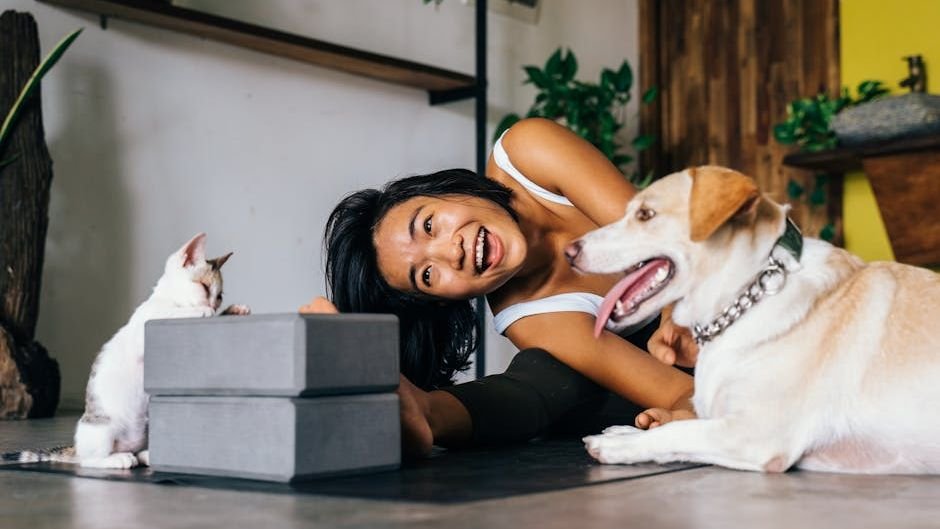
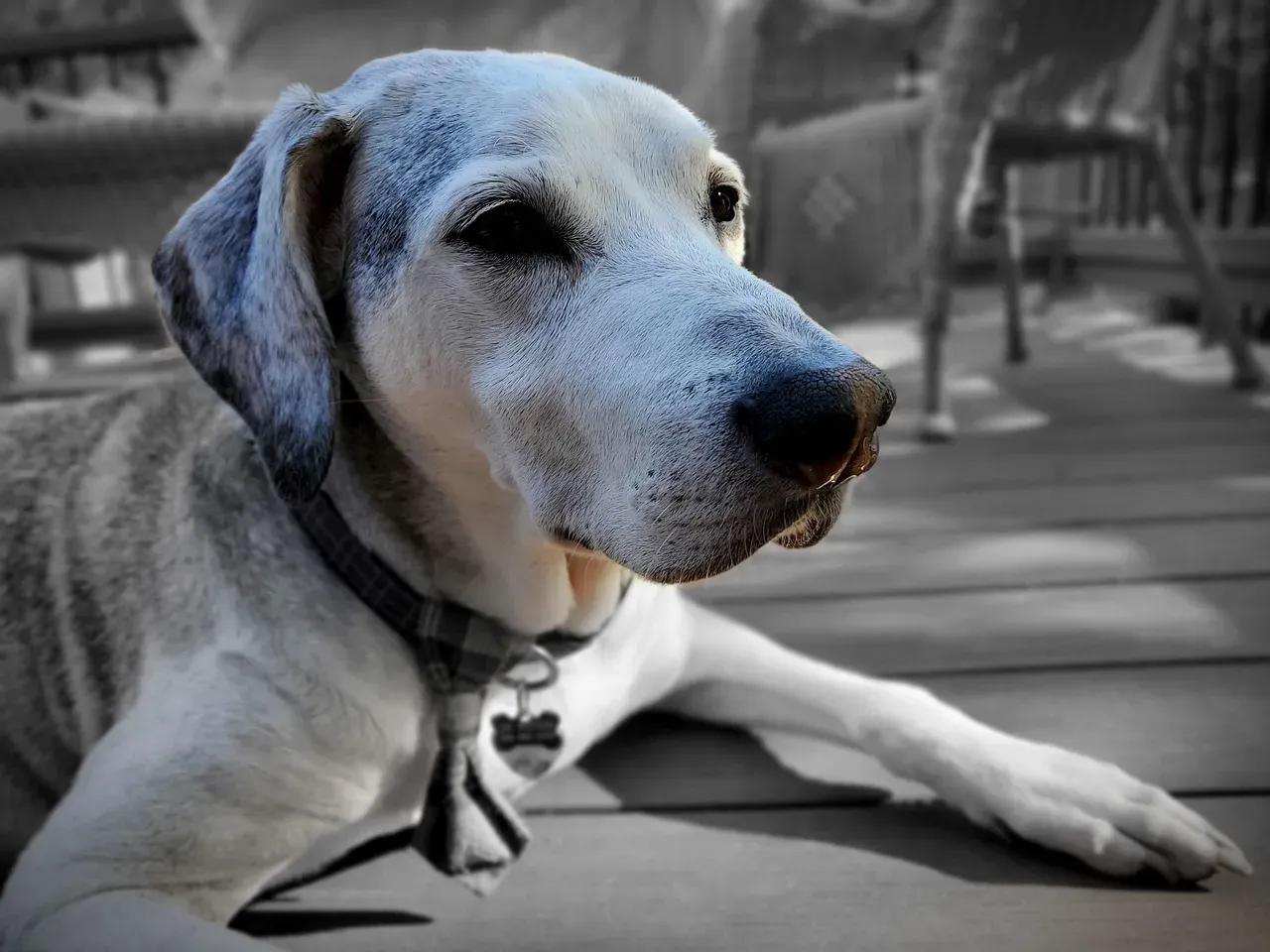
There’s a particular kind of joy that comes with a grey-muzzled dog who still wags his tail the moment you walk through the door. Older dogs carry a quiet dignity with them, a whole life of loyalty packed into a slower pace and a few more naps. They haven’t changed their love for you one bit. What’s changed is what they need from you.
As dogs grow older, their physical and emotional needs change. Just like humans, they may experience reduced mobility, cognitive decline, or health concerns that affect their daily routines. The good news is that most of the adjustments you can make don’t require a renovation or a big budget. They require attention, a little know-how, and the willingness to see your dog’s world from where they’re standing. These ten clever, practical hacks can make a real difference in the quality of your senior dog’s daily life.
1. Upgrade Their Sleeping Setup Before They Ask You To
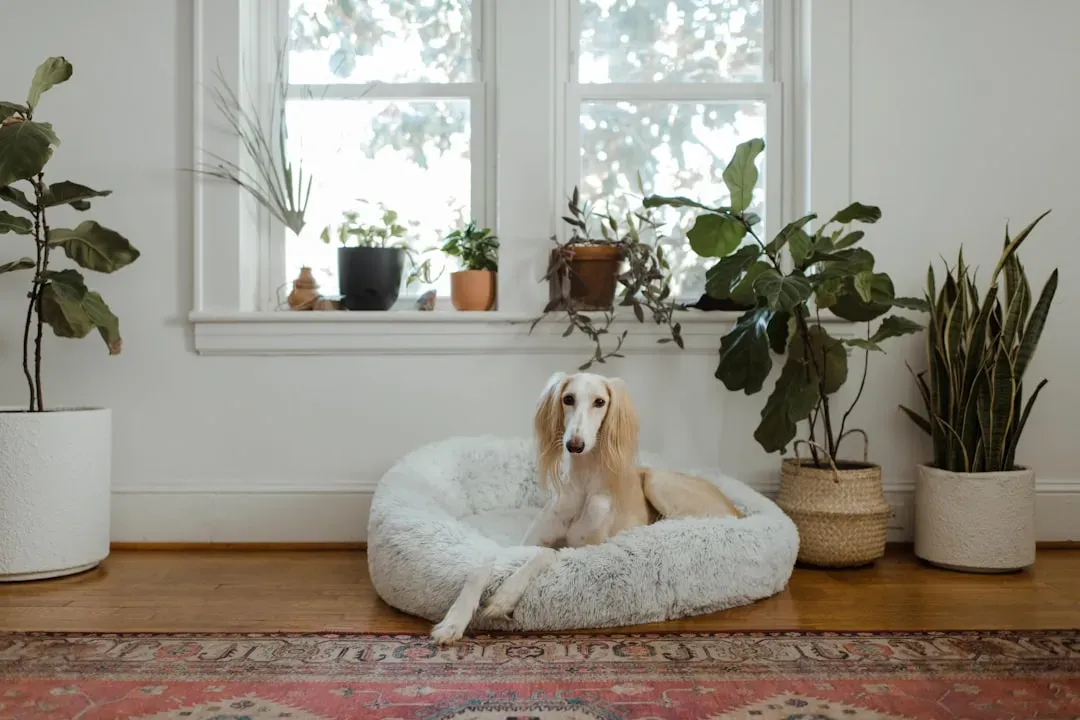
Unlike in their younger days, older dogs can’t always get comfortable curled up on the floor. Hard surfaces are unforgiving, and the couch might be too far of a jump. Many dog owners wait until their dog is visibly struggling before making changes, but by then your pup has likely been quietly uncomfortable for quite a while.
Providing thick, high-quality dog beds around the house means they can snooze in comfort and get restorative sleep while staying nearby. If your dog has joint issues like arthritis, consider an orthopedic bed or one made of memory foam for joint support. Place their bed in a quiet, draft-free corner of your home so they’re not disturbed by foot traffic or cold air from vents. One bed near you and one closer to their food and water area can make a big difference on harder days.
2. Make Your Floors Senior-Dog Friendly
As their mobility deteriorates, older dogs may struggle with their balance and can find hard, slippery floors stressful to walk on. Covering them up with carpet, rugs, or mats helps provide more grip so your dog can walk more easily. Think about the areas where your dog spends the most time, the path from the bedroom to the back door, the stretch near their food bowl, the spot in front of the couch.
Providing traction with a yoga mat or anti-slip rug pad on slippery floors or in front of food and water dishes works well. Pet stairs will help your dog get on and off furniture safely, and a ramp is wonderful for getting in and out of the car. Many owners are surprised to hear that jumping down is more concerning than jumping up, because adding gravity to the dog’s body weight places a lot of stress on aging joints. A simple foam ramp can save your dog real pain every single day.
3. Raise the Food and Water Bowls
Senior dogs may not be able to bend down as easily to reach their food and water bowls, particularly taller dogs. You can place their feeding bowls on a platform, or there are height-adjustable bowls you can buy. This one small change takes pressure off the neck, shoulders, and joints with every meal, and the relief can be immediate.
Raising your pet’s water and food bowls to make it easier for them to eat and drink without bending over as far is a particularly useful hack for large and giant breeds prone to spinal stiffness. Watch how your dog stands while eating. If they appear to shift their weight or avoid a full lean-down position, an elevated setup is probably overdue. It’s one of the simplest swaps you can make, and it costs very little.
4. Switch to a Senior-Appropriate Diet
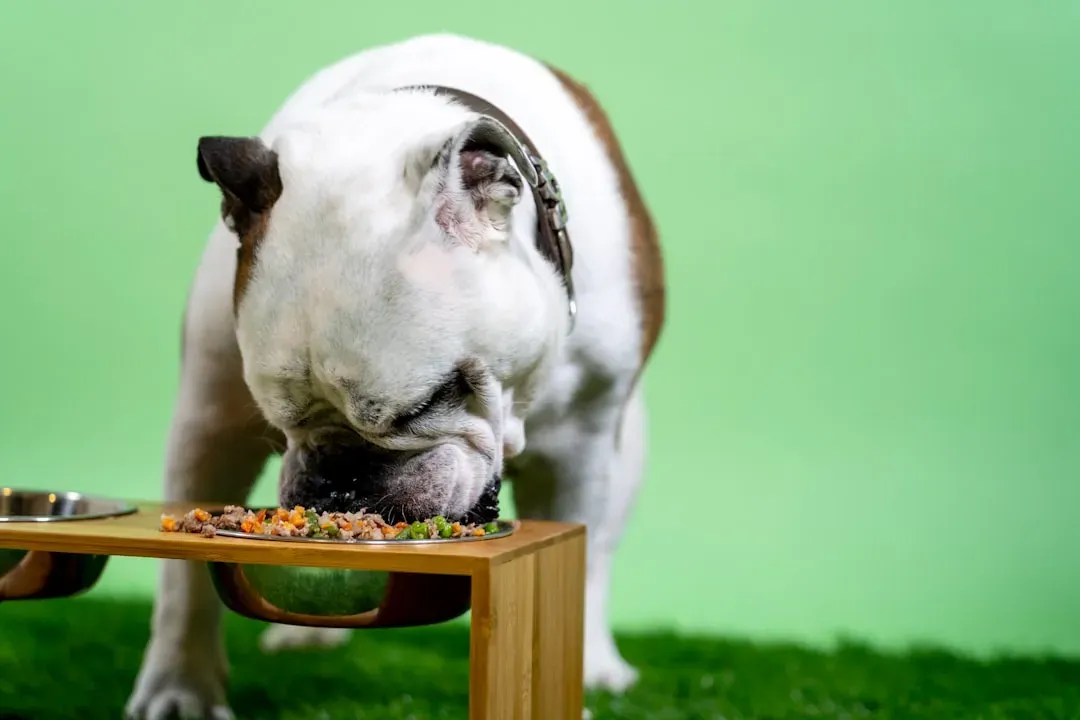
Senior dogs have different nutritional requirements than other life stages. Older dogs are less active, so they need fewer calories. Overfeeding leads to obesity which burdens aging joints and can lead to other health concerns. Though they may act just as hungry and treat-crazed as ever, their body isn’t burning the calories the same way. It may be time to shift to dog foods designed for senior dogs, which have fewer calories, more fiber, less fat, and extra nutritional supplements.
Senior dogs often need food that is lower in calories but richer in nutrients like fiber, omega-3 fatty acids, and antioxidants. Always consult your vet before making a diet change, especially if your dog has underlying health issues. Also worth knowing: one of the most common conditions in senior patients, in addition to arthritis, is dental disease. Even with routine care, some senior dogs can develop painful periodontal disease that may affect their ability to eat hard food. Softening or moistening kibble is a simple, inexpensive fix worth trying.
5. Keep Stimulating That Brilliant Senior Brain
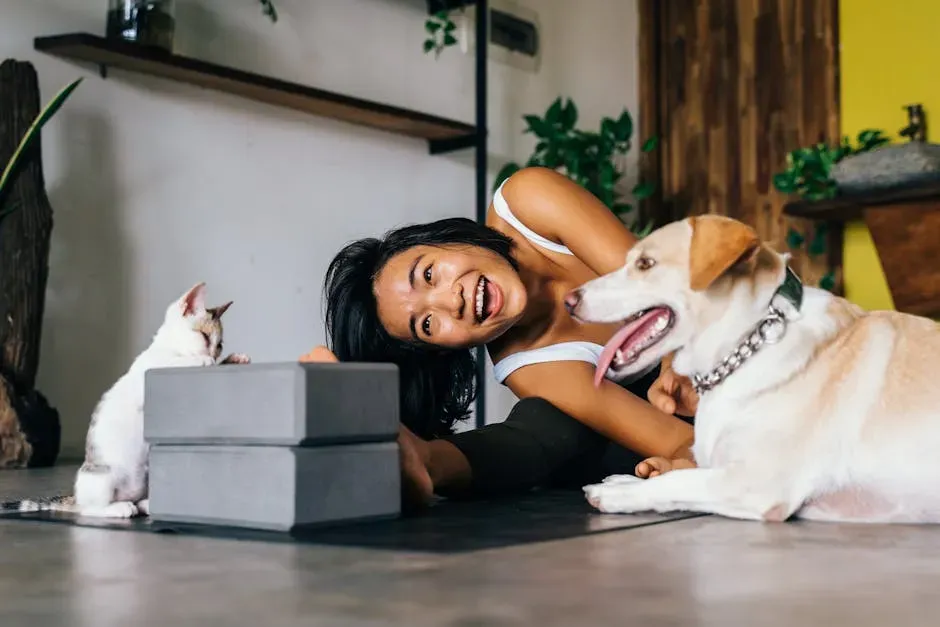
Keeping your dog’s brain active is just as important as physical exercise. Puzzle toys, scent games, and new tricks keep cognitive functions sharp and prevent boredom. Interactive play strengthens your bond and encourages curiosity. A dog who’s mentally engaged is generally a calmer, happier dog, regardless of age.
Sensory games like hiding treats around the home let your dog sniff them out to work their sense of smell. You can also play hide and seek, which is a great one if you have children. Hide and call your dog to come and find you. Taking different routes on walks and letting your dog enjoy leisurely sniffing is one way they communicate with their environment and it counts as genuine mental enrichment. Small doses of novelty go a long way.
6. Stick to a Consistent Daily Routine
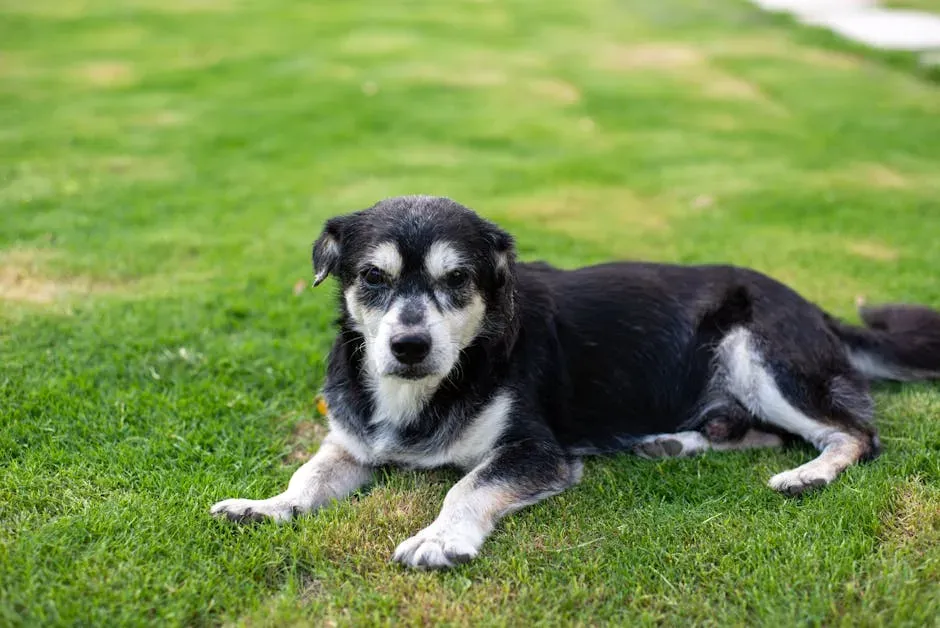
It’s very comforting for senior dogs to get up, be fed, go for walks, and enjoy playtime at similar times each day. Whatever your routine, try to stick to it as best you can, and make changes slowly if needed to minimize stress for your golden oldie. Predictability isn’t dull for older dogs. It’s actually deeply reassuring.
If you need to change routines, such as a new walking time or household addition, introduce the change slowly. Predictability is comforting and reduces anxiety in older dogs. Senior dogs often have a harder time handling stress. Things that weren’t issues before may become so, such as separation anxiety, visitors entering the home, interacting with new dogs, or new noise phobias. A steady rhythm to the day helps your dog feel safe and in control of their world.
7. Watch for Behavior Changes That Signal Something More
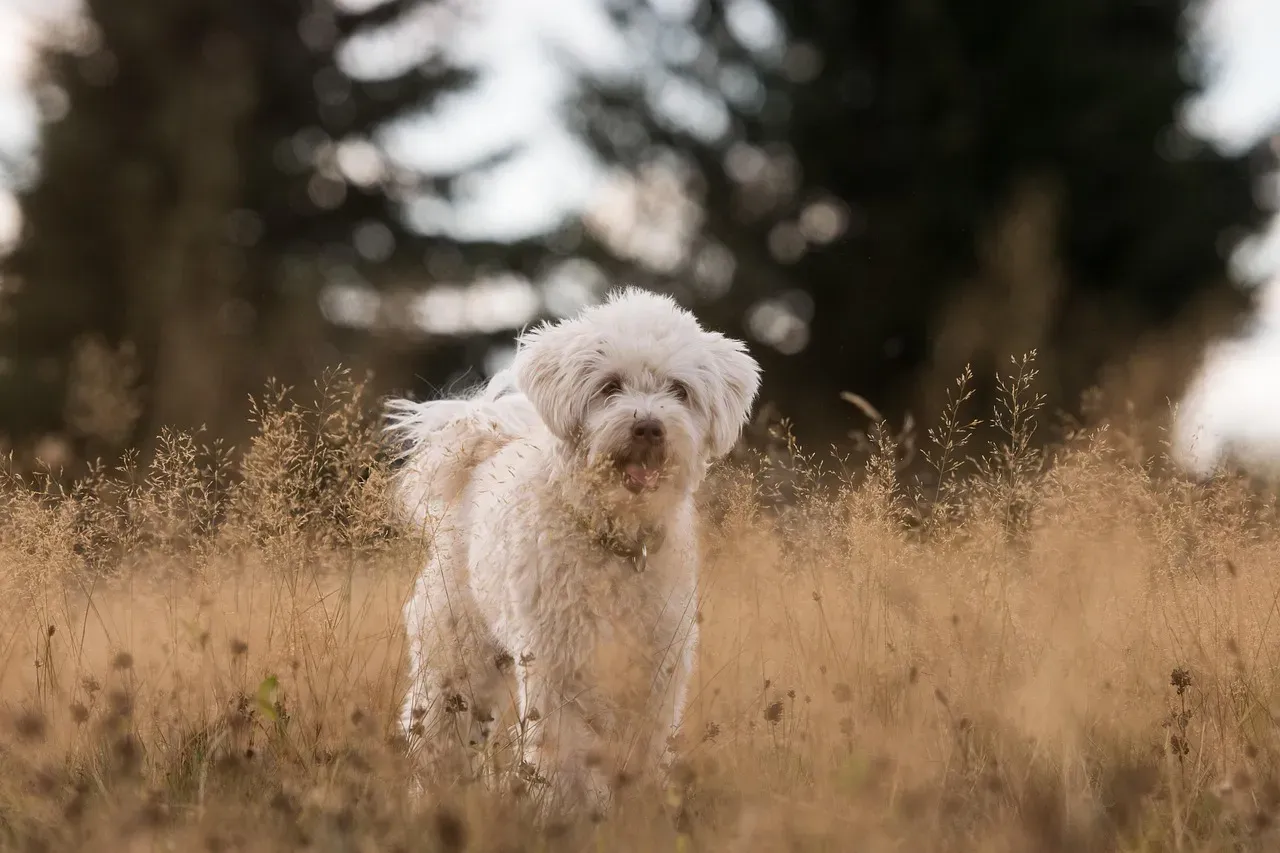
Senior dog behavior changes are often caused by aging-related physical, metabolic, cognitive, or sensory decline, not “just old age.” Many owners mistake these shifts for a normal slowdown, when in fact they’re worth investigating. Anxiety or restlessness, pacing, whining, changes in sleep patterns, house soiling, or withdrawal from interactions with family members are all behavioral cues worth bringing to your vet’s attention.
Many changes in behavior can be signs of treatable medical disorders, and there are a variety of therapies that can comfort your dog and manage symptoms, including any pain they might be experiencing. Senior dogs can suffer from cognitive decline or canine cognitive dysfunction (CCD), similar to Alzheimer’s. Often symptoms are first noticed as confusion, agitation, restlessness, and vocalization during the evening hours, known as Sundowners Syndrome. Catching these signs early gives your dog a real chance at better management and comfort.
8. Protect Joints With Gentle, Consistent Exercise
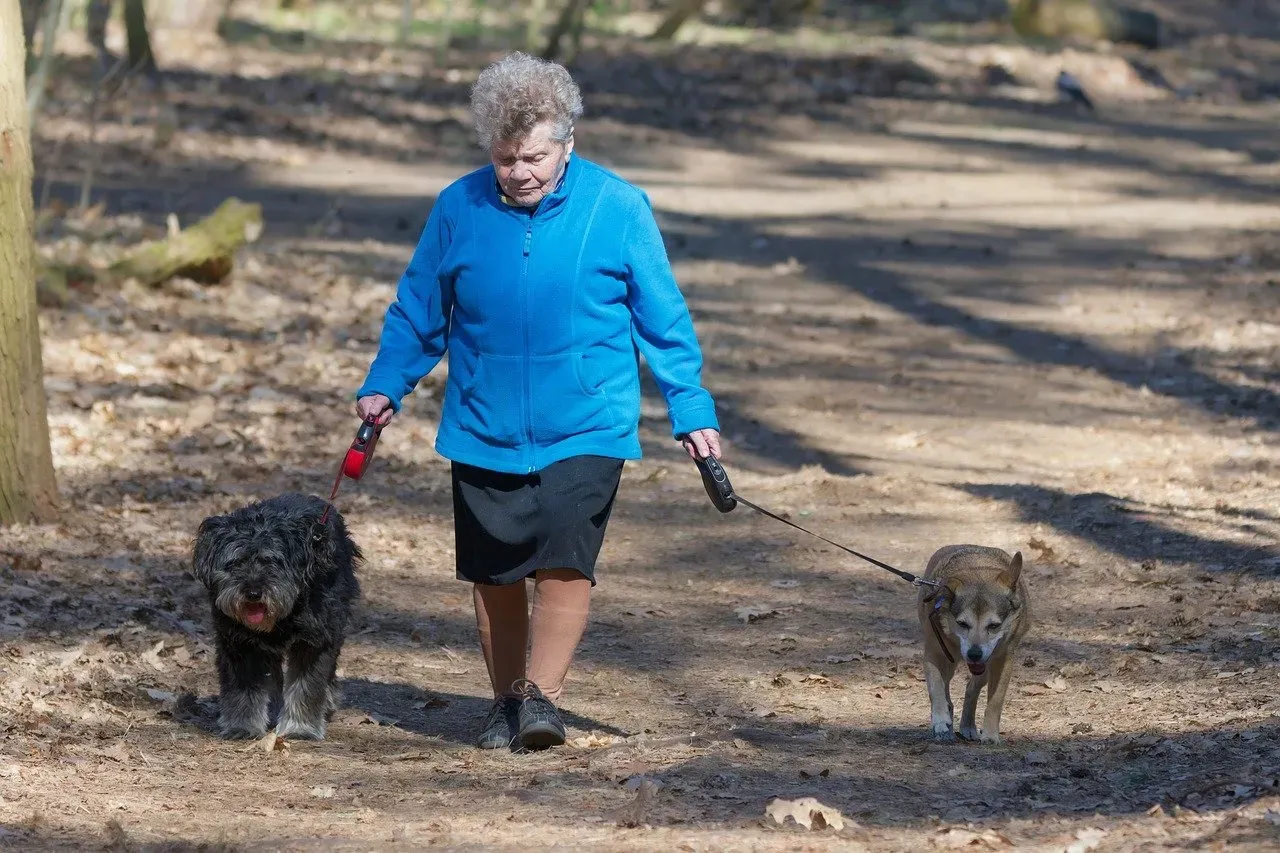
Although your senior dog may not have the same energy level as before, regular physical activity is still essential. Exercise helps maintain muscle tone, supports joint health, and prevents obesity, which is a common issue among aging pets. The key word is “gentle.” Think short walks, easy sniff sessions around the yard, or even a calm swim if your dog enjoys water.
Gentle activities such as short walks, low-impact play, and stretching help maintain flexibility. Avoid overexertion, and adjust your pace to match your dog’s comfort level. Joint care not only reduces pain but also improves mood and independence. You may notice hesitation to jump on the couch or take stairs, slower walks, stiffness after rest, limping, or reluctance to be touched as signs your dog needs an adjusted activity plan. A conversation with your vet can help you find the right balance.
9. Step Up the Grooming Routine
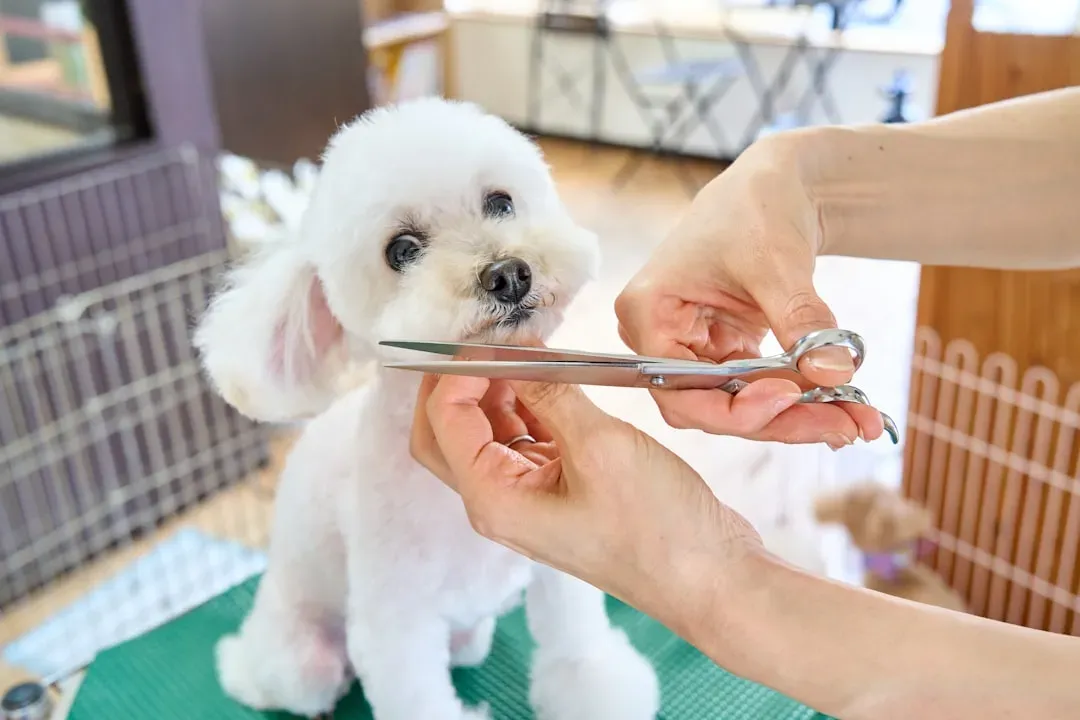
Regular grooming is extremely important for senior pets’ overall health. Frequent brushing of their fur can help prevent their hair from getting matted. Mats can contribute to skin infections and may hide skin tumors. Grooming sessions also double as a valuable opportunity to scan your dog’s body for new lumps, tender spots, or skin changes you might otherwise miss.
Properly clipped toenails are also essential. Long toenails may cause your dog to stand or walk abnormally, resulting in pain or accelerating arthritis. As pets age, it is important to recognize that their grooming needs may change as well. They may have trouble keeping themselves clean or reaching areas to groom, so more frequent bathing or trimmings may be necessary. Keeping grooming sessions calm, short, and positive makes the whole experience easier on both of you.
10. Schedule Twice-Yearly Vet Visits, Without Exception
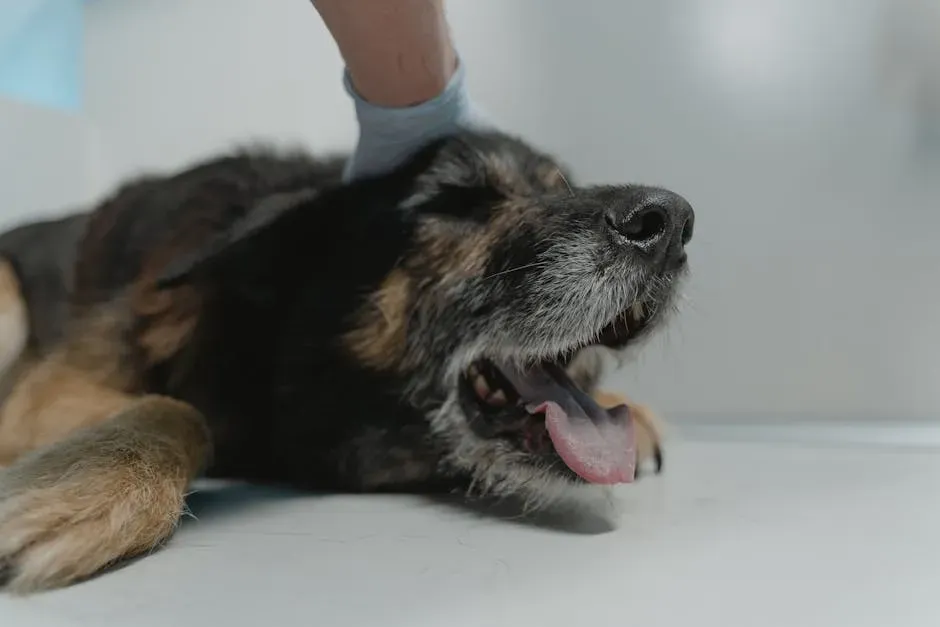
One of the most important things to do for senior dogs is to schedule regular veterinary visits. Generally, senior pets should have a checkup every six months. Dogs age much more rapidly than humans. A 12-year-old dog who gets a vet visit annually is comparable to a 75-year-old person who only sees their physician about every three years. That perspective alone makes the case for more frequent visits.
Senior dogs are more prone to age-related conditions such as arthritis, diabetes, heart disease, and dental problems. Frequent wellness exams allow your veterinarian to detect changes early, update vaccinations, and recommend lifestyle adjustments. Preventive care leads to longer, more comfortable lives. An important consideration is noticing changes as early as possible. When you see your dog every day, subtle changes in their overall pain, gait, demeanor, and energy level may go unnoticed until they are dramatic. Your vet is your most important partner in keeping your older dog thriving.
Your Older Dog Is Still Very Much Your Dog
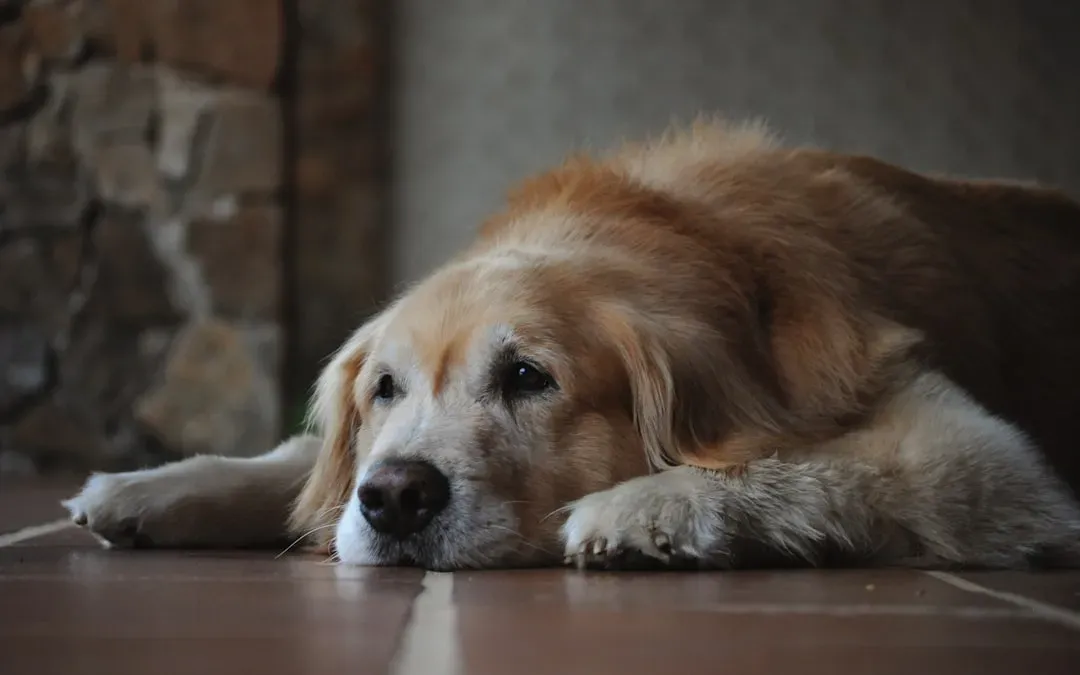
Caring for a senior dog asks more of you in some ways. The walks are shorter. The adjustments are more frequent. The vet bills sometimes feel a lot less avoidable. Yet what you get back from a well-cared-for older dog is something genuinely irreplaceable.
Regular checkups and preventive care help catch problems early, ease pain, and improve quality of life. With the right support, senior dogs can stay active and enjoy their favorite things, whether that’s a daily walk, a cozy nap, or simply time with you. None of these ten hacks require perfection. They just require paying attention and showing up, which is exactly what your dog has done for you all along.
The grey muzzle isn’t a sign that the good years are over. It’s a sign that the deepest ones may still be ahead.


