
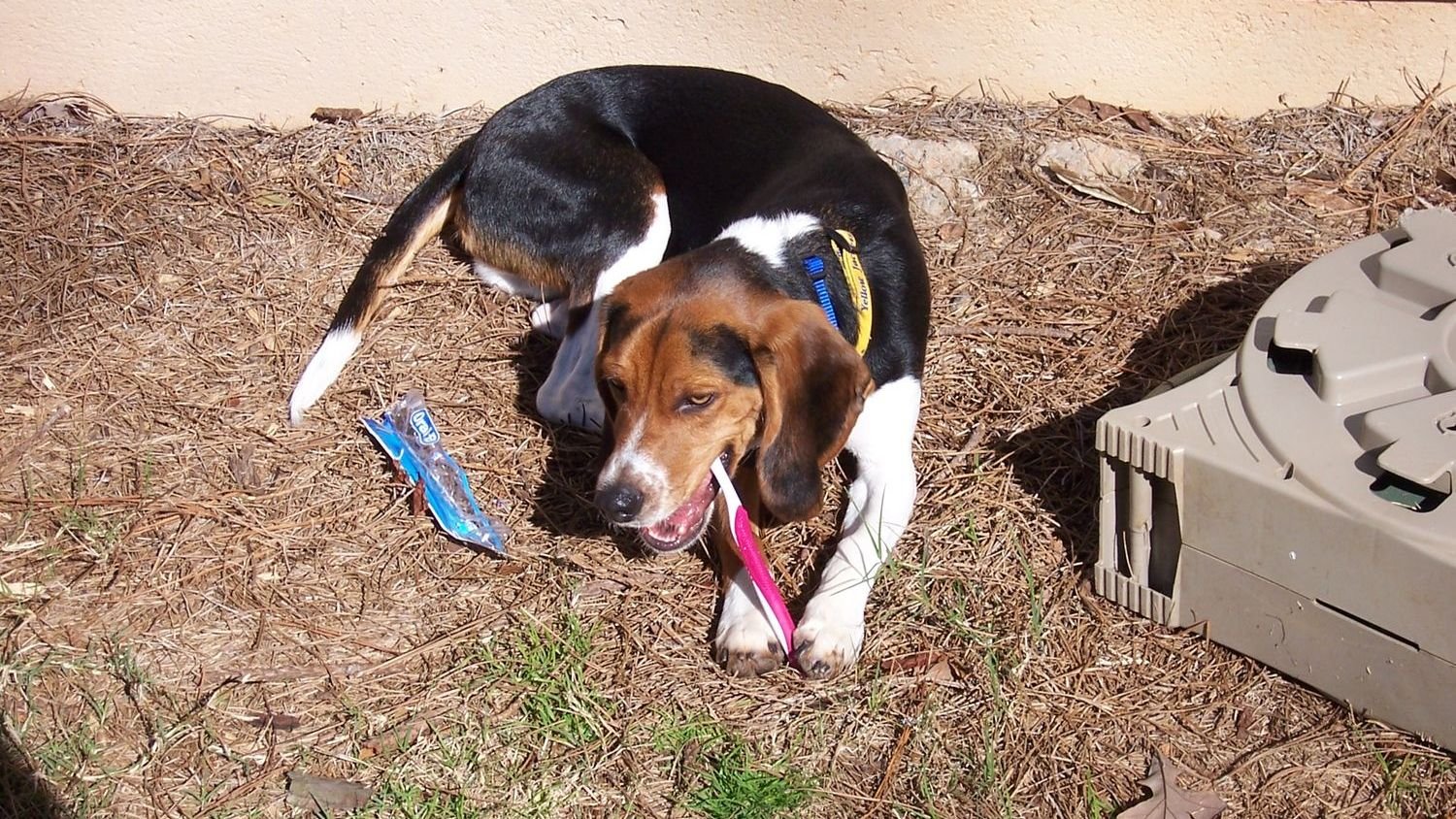
You probably kiss that furry face more times a day than you’d care to admit. So here’s a thought worth sitting with: even if your dog’s teeth look pearly white and clean, studies show that 80 to 90 percent of dogs over the age of three have some component of periodontal disease. That number isn’t there to scare you. It’s there to wake you up a little.
Poor dental hygiene in dogs can lead to serious health complications that extend far beyond bad breath. Bacteria from dental infections can enter the bloodstream and potentially damage vital organs like the heart, liver, and kidneys. The encouraging part? Most of what protects your dog’s mouth can happen right at home, with tools you probably already have or can easily find. Here are seven expert-backed ways to make that happen.
1. Brush Your Dog’s Teeth – Yes, Really
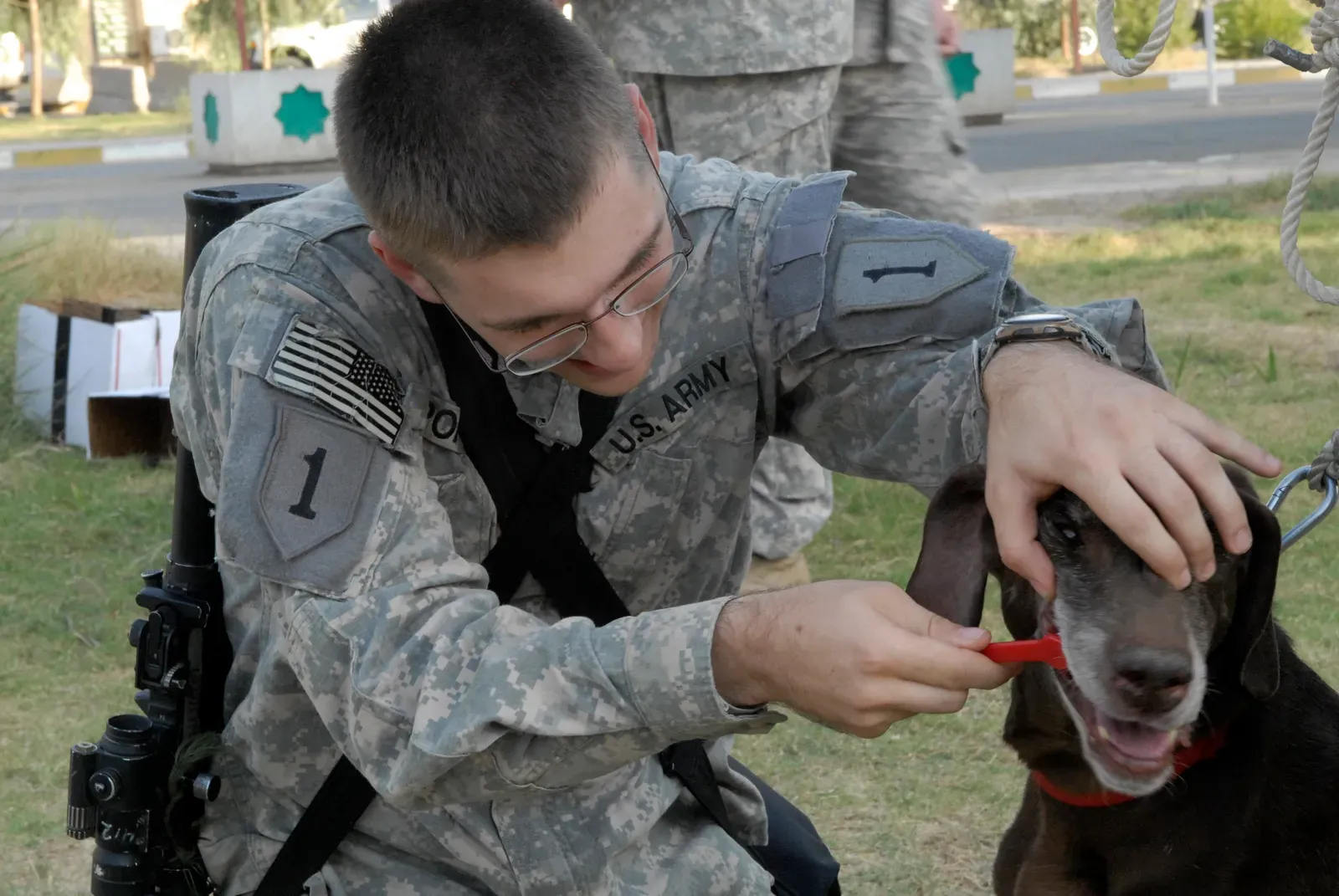
It sounds obvious, but regular brushing is the cornerstone of good canine dental health. Just like humans, dogs need consistent plaque removal to prevent tartar buildup and gum disease. The reason consistency matters so much comes down to biology: even after teeth are completely cleaned, plaque forms on tooth surfaces within 24 hours, and a lack of homecare for just one week can result in gingivitis in some patients.
If your dog currently runs from the toothbrush like it’s some kind of monster, don’t give up. Start slowly by gently lifting your dog’s lip and letting them lick a little toothpaste, to get them used to the flavor. Some dogs truly enjoy having their teeth brushed because canine toothpaste is usually flavored to suit a dog’s taste buds, with chicken, beef, and peanut butter being the most popular flavors. Pair every session with calm praise, and what starts as a battle can become a routine both of you tolerate – maybe even enjoy.
2. Always Use the Right Toothpaste and Toothbrush
This isn’t just a preference – it’s a safety issue. Use a pet toothbrush and toothpaste, and never use human toothpaste, as it contains ingredients toxic to dogs. Human toothpastes commonly contain xylitol or fluoride, both of which can cause serious harm when swallowed, and dogs can’t rinse and spit the way we can.
When it comes to choosing the right brush, size matters. For large dogs, you can use a regular human toothbrush, while for small dogs, it’s best to either use a baby toothbrush or a fingertip brush. Many pet owners find finger brushes particularly helpful during the early stages of training, since they let you feel what you’re doing and feel less threatening to your pup. Using an enzymatic toothpaste is also a smart move, as it helps chemically break down plaque even when physical brushing coverage is imperfect.
3. Understand What Enzymatic Toothpaste Actually Does
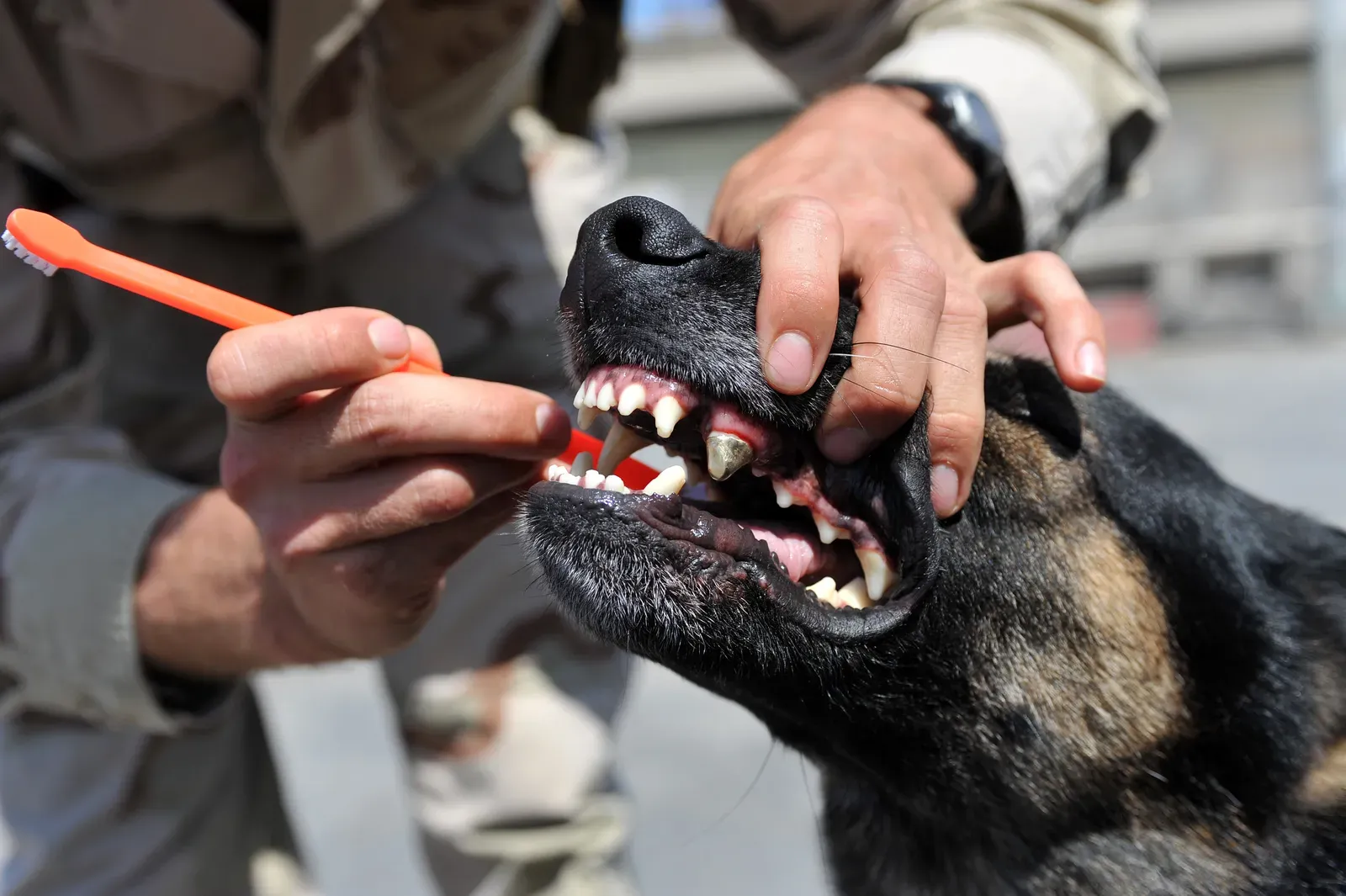
Enzymatic dog toothpaste contains active enzymes designed to disrupt the bacterial biofilm on the surface of teeth. Plaque is a living layer of bacteria, and if not removed regularly, it hardens into tartar. The enzymes work at a biological level rather than just scrubbing the surface: enzymes in dog toothpaste reduce harmful bacteria in the mouth without impacting healthy bacteria, and by targeting bad bacteria, they help keep plaque from forming and sticking to the pet’s teeth.
Something worth knowing is that dogs can’t rinse and spit as humans do after brushing. Enzymatic toothpastes are designed to be swallowed safely by dogs, which means they go through the digestive process. That’s a feature, not a bug. Still, enzymatic toothpaste works best as a partner to brushing, not a replacement for it. Veterinary guidance emphasizes that brushing is essential; enzymes can boost results, but manual scrubbing is what disrupts the biofilm.
4. Add Dental Chews to Your Dog’s Daily Routine
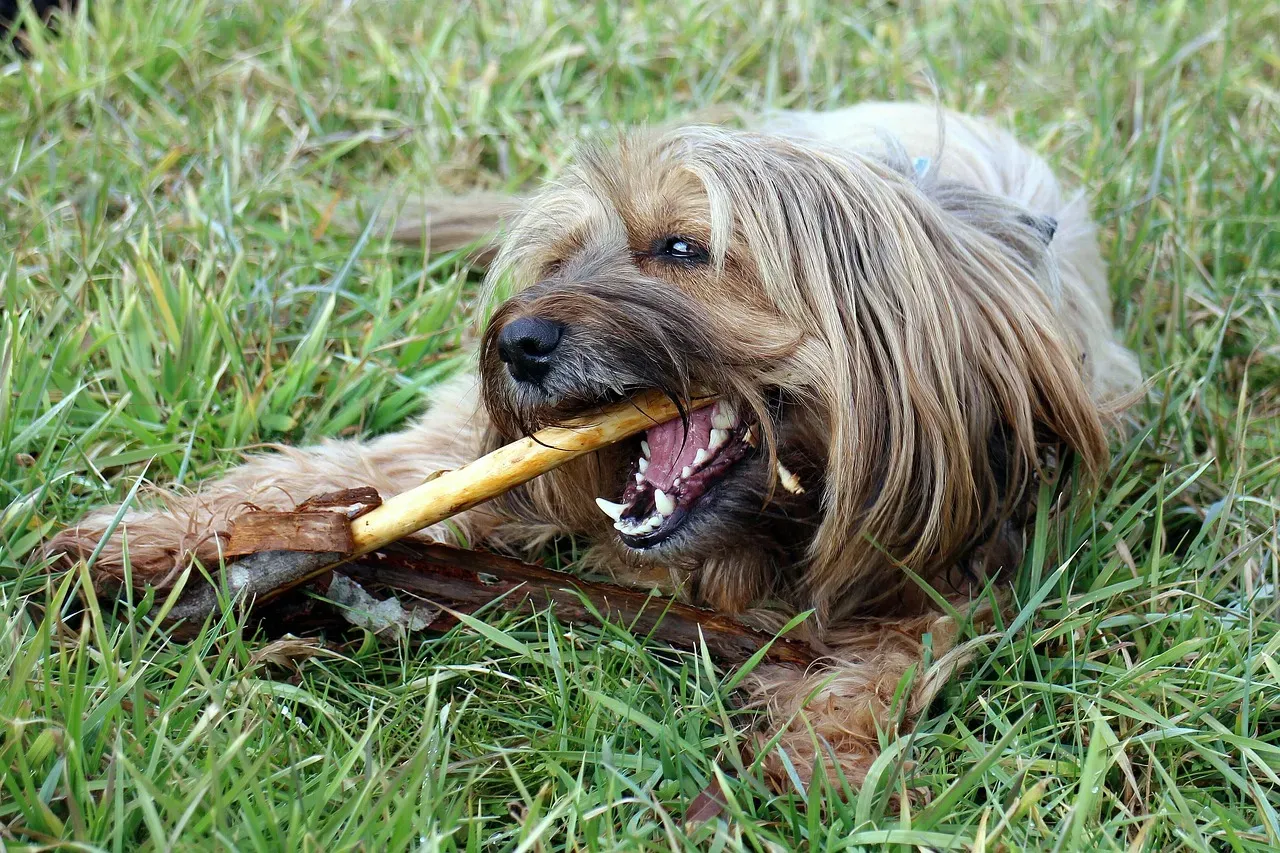
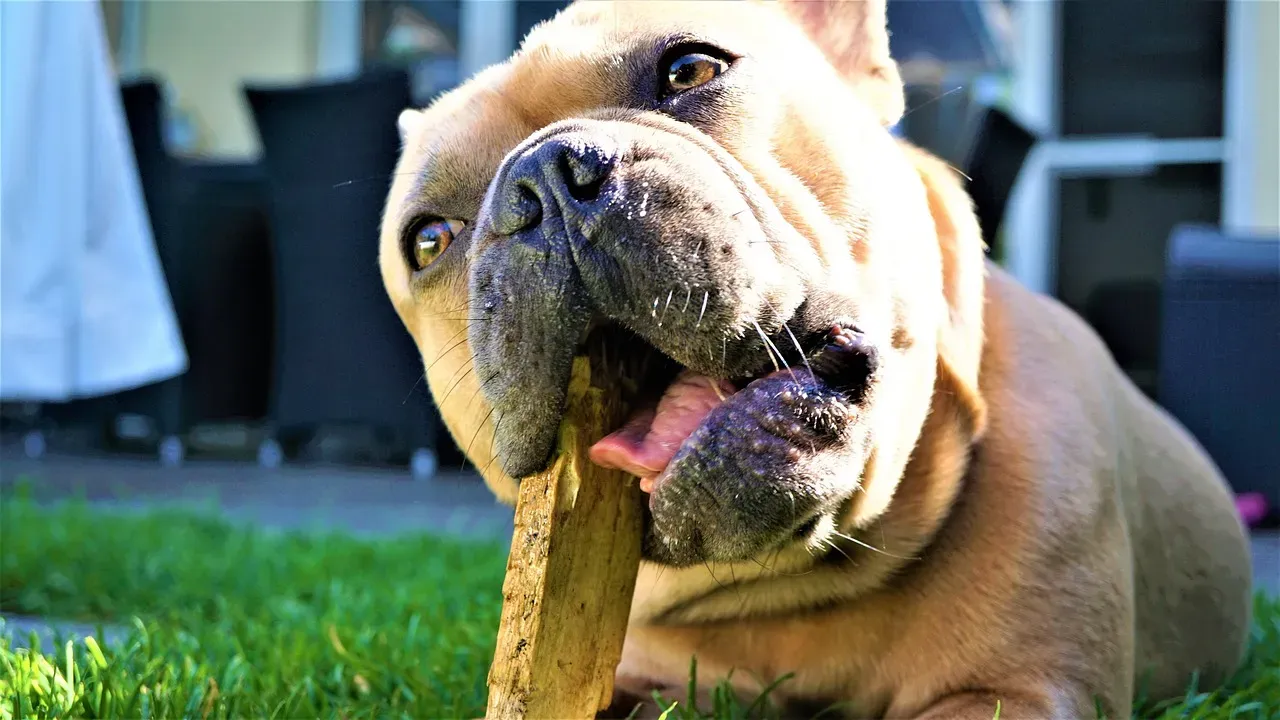
Providing your dog with dental chews may contribute to a healthy mouth. As your dog chews on the tasty treat, abrasive grooves or indentations can help target tartar buildup on teeth and at the gumline. For dogs who genuinely resist any form of mouth handling, this approach is a practical middle ground. Chewing also taps into something dogs are already wired to love, making it one of the easiest habits to build.
Not all dental chews are created equal, though. When you pick out dental treats or chews for your dog, make sure they have the Veterinary Oral Health Council’s Seal of Acceptance on the packaging, as this seal indicates that these products help control tartar buildup. The VOHC is an independent group that reviews products and will give their seal of approval if a product will reduce plaque and buildup by at least 20 percent. Also pay attention to size. Large dogs may swallow dental bones that are too small, and small dogs may not be able to properly chew a treat that’s too big. Getting the sizing right makes a real difference in how effective they actually are.
5. Try Dental Water Additives as an Extra Layer of Defense
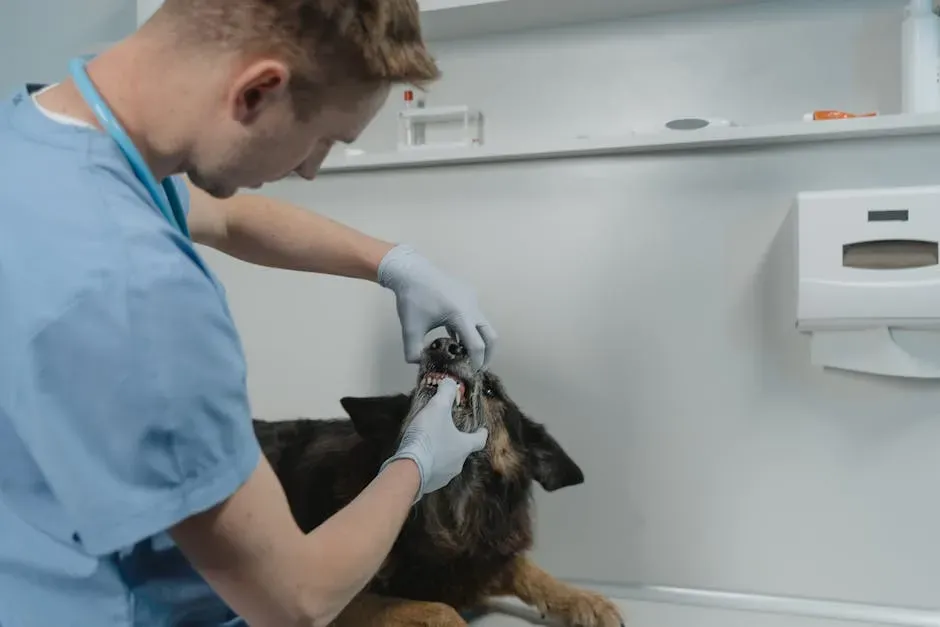
Many dental experts say that adding a water additive, or dental rinse, to your dog’s drinking bowl each day can help improve their oral health. The appeal is obvious: your dog drinks water every day anyway, so this is one of the lowest-effort additions you can make. Dog mouthwashes and dental water additives claim to work by using enzymatic ingredients to break down tartar and eliminate bad breath.
Research backs up some of these claims. One studied water additive was shown to maintain oral health in dogs after a professional dental cleaning, decreasing the accumulation of plaque and calculus on teeth and improving gingival health. That said, safety checks matter here. Pet parents need to look over the ingredients of every brand to ensure xylitol is not used in the product. Xylitol is a sugar substitute often associated with sugar-free gum and mints, and this ingredient is highly toxic to dogs. Stick to VOHC-approved products whenever possible, and introduce them gradually, especially if your dog has a sensitive stomach.
6. Incorporate Dental Toys That Work While Your Dog Plays
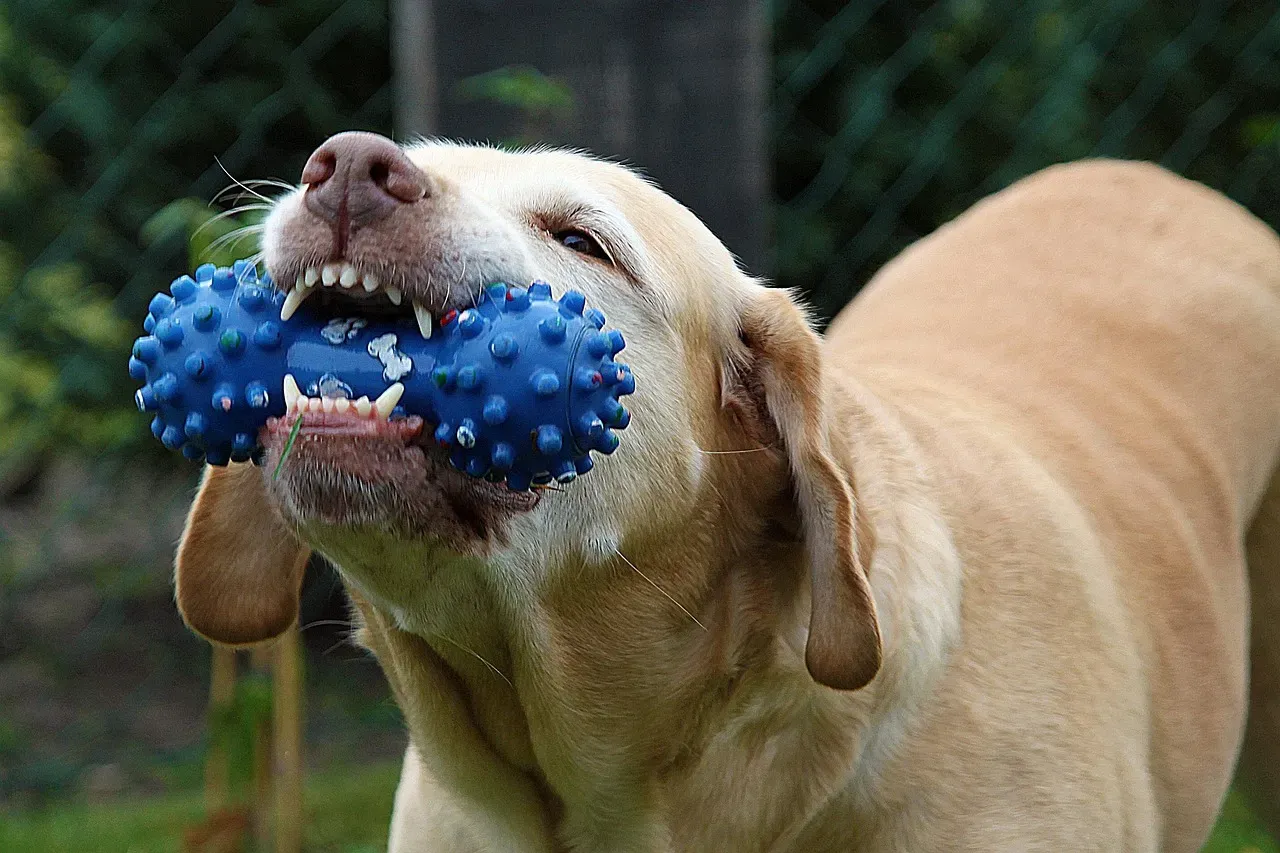
Chew toys designed for dental health provide entertainment and help scrape teeth naturally. Durable, vet-approved toys can keep teeth cleaner while satisfying your dog’s chewing instincts. Think of them as a passive cleaning tool – your dog is just having fun, while plaque is quietly being worked off their teeth. For high-energy chewers, this can be a significant daily contribution to oral hygiene.
Introducing chew toys that help massage gums and scrape away plaque is especially helpful for dogs who won’t tolerate a toothbrush at all. One thing to watch: not every chew toy is safe. Extremely hard toys, like real bones or dense nylon products, can fracture teeth. One concern with any chew item is the risk of tooth fracture, which should be a factor in dental health management decisions. If a toy is too hard to indent with your thumbnail, it’s generally considered too hard for your dog’s teeth. When in doubt, ask your vet.
7. Know When Home Care Isn’t Enough and See Your Vet
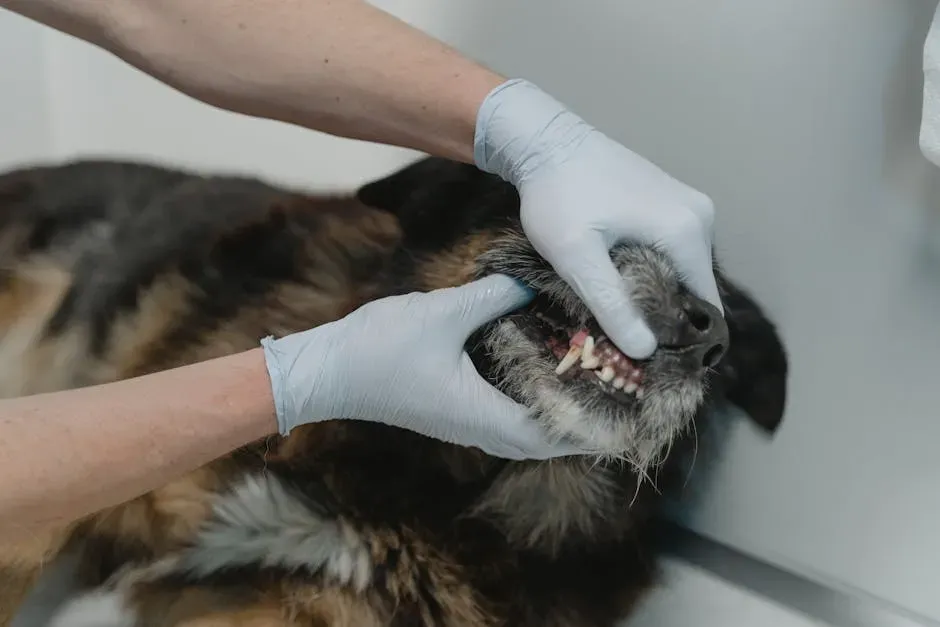
All the brushing, chewing, and rinsing in the world has its limits. Professional cleanings are essential, as at-home care can’t fully remove tartar, especially below the gumline. Veterinary professionals have the tools and expertise to clean below the gum line, where plaque and tartar are hardest to reach, and depending on your dog’s age, breed, and oral health, your vet may recommend professional cleanings every six to twelve months.
There are certain warning signs that shouldn’t wait for the next routine appointment. Visible yellow or brown tartar buildup that can’t be removed by brushing alone requires professional cleaning, while bleeding or receding gums may indicate advanced periodontal disease. Changes in eating habits, difficulty chewing, or avoiding hard foods can signal dental pain, and excessive pawing at the mouth may indicate oral discomfort. Dogs often endure pain so bravely and quietly that many owners are unaware of their suffering from periodontal disease. If something looks or smells off, trust that instinct and get it checked.
Putting It All Together: A Routine That Sticks
You don’t have to do everything perfectly from day one. Starting with one or two of these habits and building from there is far more sustainable than overhauling your dog’s entire dental care routine overnight. Beginning dental care routines when your dog is young is ideal, as puppies are typically more adaptable to new experiences and will more readily accept tooth brushing. If you’ve got an older dog who’s never had their teeth brushed, that’s okay too – a combination of several dental homecare protocols, such as brushing combined with daily dental chews and a water additive, may help further reduce dental deposits and improve periodontal health.
The goal isn’t perfection. It’s progress. Regular brushing and home dental care reduce the need for costly professional cleanings and help your pet stay healthy and happy longer. Every small action adds up – the chew you gave today, the brushing session this weekend, the water additive you started using this month. Your dog can’t tell you when their mouth hurts, so you get to be the one who makes sure it doesn’t have to.
A healthy mouth is one of the quietest, most overlooked gifts you can give your dog. It doesn’t make headlines, it doesn’t earn social media likes – it just means your dog feels good, eats comfortably, and stays by your side longer. That’s worth every slightly chaotic toothbrushing session.


