
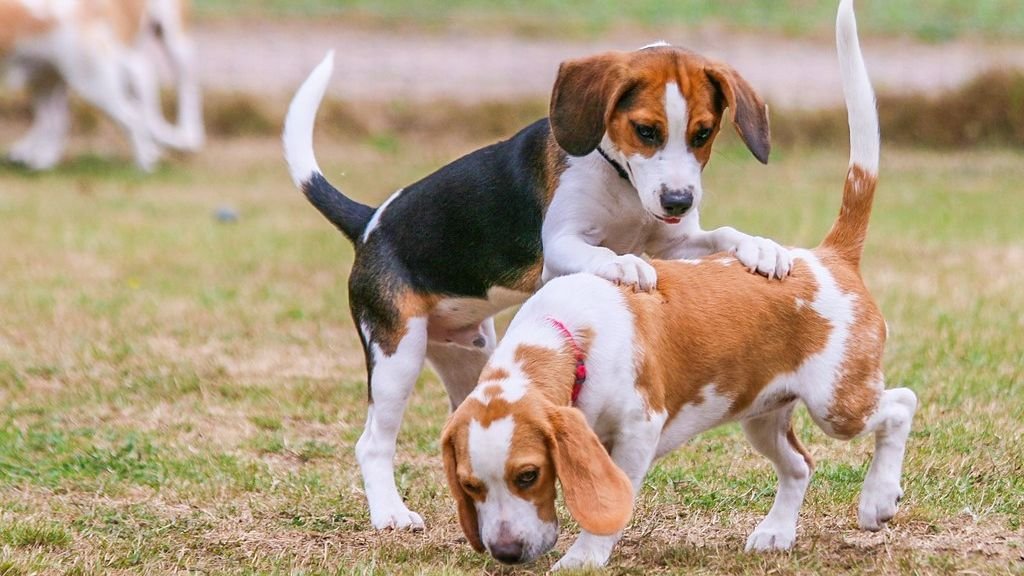
You know that look your dog gives you when the rain starts hammering the windows and the leash stays firmly on the hook? That mix of confusion, restlessness, and barely concealed disappointment. It’s a look most dog owners know all too well. The daily walk is cancelled, the yard is a muddy mess, and now you’ve got a dog full of energy and nowhere to put it.
Here’s the thing many people don’t realize: a missed walk doesn’t have to mean a wasted day. Mental enrichment is just as important as physical exercise, and it can make a massive difference to your dog’s behavior, confidence, and overall wellbeing. In fact, a good indoor session can leave your dog just as tired and satisfied as a long walk through the park. Rain or shine, your dog deserves to feel stimulated, loved, and engaged. These eight games will make sure they do.
1. The Snuffle Mat: Tap Into Your Dog’s Most Powerful Sense
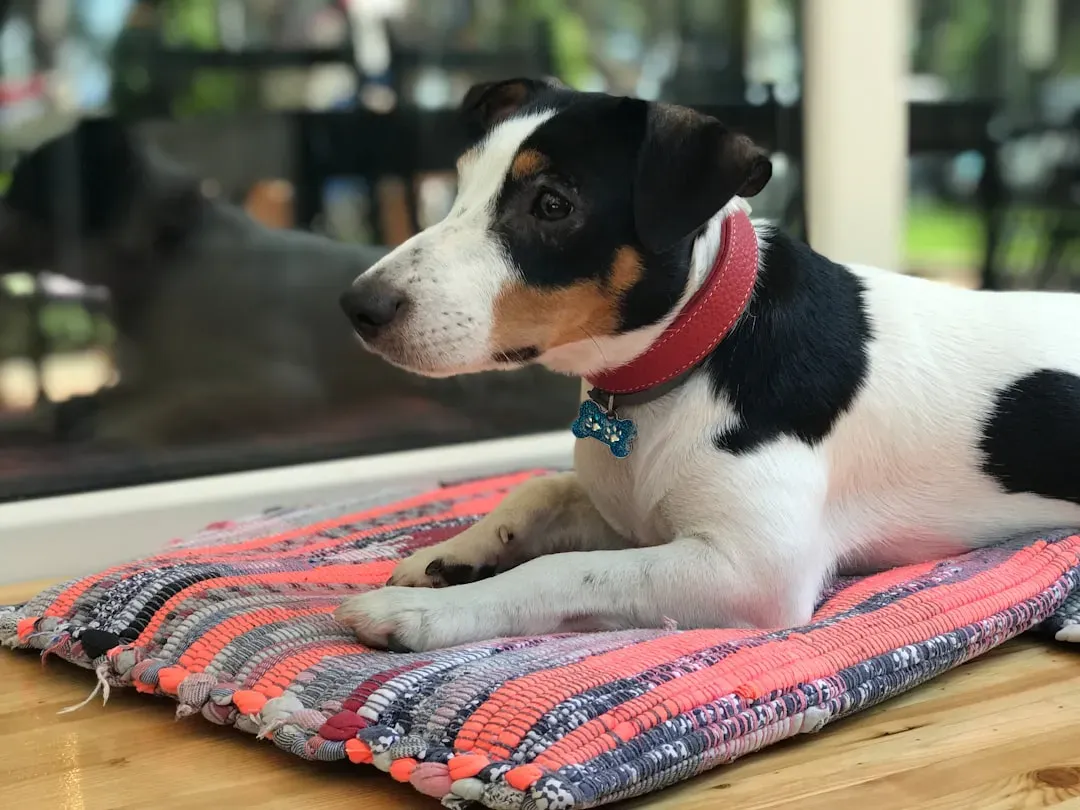
A dog’s nose isn’t just a cute feature. Dogs have an excellent sense of smell, and depending on the breed, their sense of smell can be anywhere from 10,000 to 100,000 times better than ours. That means giving your dog a sniffing task isn’t just fun for them, it’s deeply natural and genuinely satisfying in a way that simple physical games sometimes can’t replicate.
A snuffle mat mimics foraging and is one of the easiest ways to turn a short session into a full mental workout. These mats are made from strips of fleece where treats or kibble are hidden, encouraging your dog to dig and snuffle to find them. You can buy one or easily make your own with a rubber sink mat and strips of old fleece.
Snuffle mats are excellent for calming dogs down, especially in the evening or after a more stimulating activity. If your dog tends to rush meals, using a snuffle mat for feeding can also help slow them down, which carries real health benefits. Fast eaters are more at risk for gastrointestinal issues like bloat and vomiting, so a slow-feeder approach should be considered to prevent these health issues from occurring outside of playtime.
2. Hide and Seek: The Classic That Never Gets Old
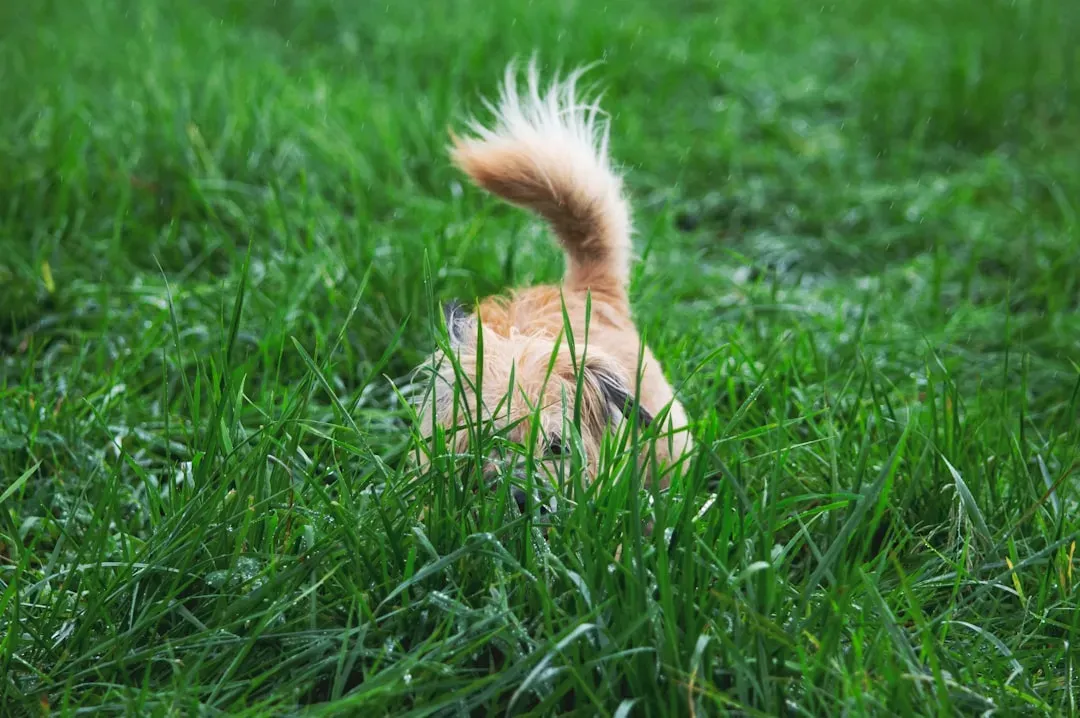
This one’s beautifully simple and genuinely exciting for dogs of all ages and breeds. Playing hide and seek with your pup is a great way to encourage their natural hunting instincts, because they will find you using their nose, ears, and problem-solving skills. It’s essentially a full sensory workout disguised as a game.
Instead of counting, ask your dog to sit and stay while you go hide. When you are hidden, call out your release word and your recall cue. When they find you, it’s playtime. Make it super rewarding. The bigger the celebration when they find you, the more enthusiastically they’ll play next time.
If your dog doesn’t yet have a strong “stay” cue, that’s okay: one member of the family can hold them or have them behind a barrier, and when you’re hidden, they can release the hound. Start easy, with spots just around a corner or behind a door, then gradually increase the challenge. It’s important to keep your dog’s confidence high by giving them hide and seek challenges that they can actually accomplish.
3. Indoor Fetch: Yes, It Really Works Inside
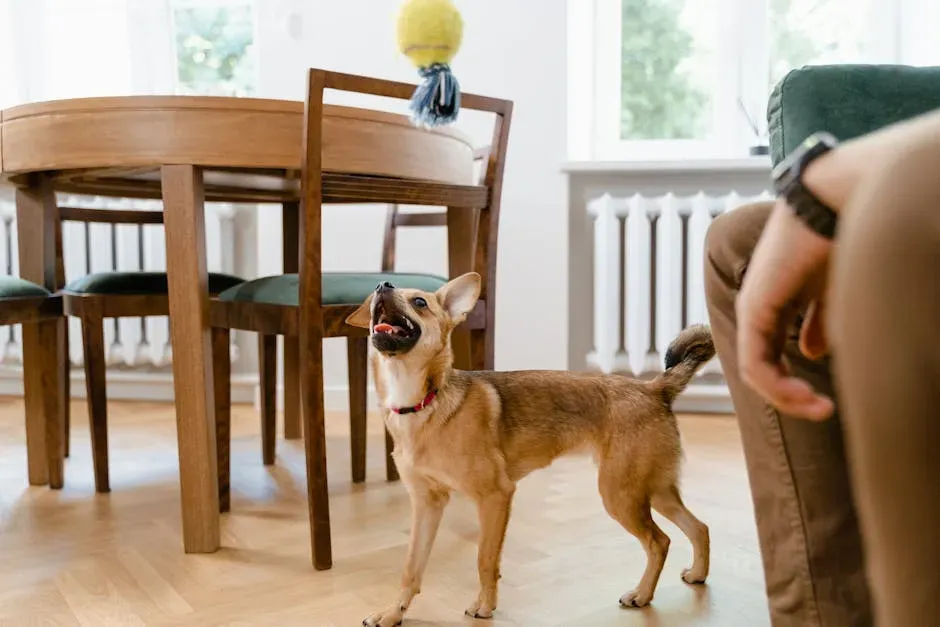
The living room can absolutely double as a fetch arena if you choose the right tools. Indoor fetch using soft toys is one of the simplest indoor dog activities that burns energy without damaging your furniture. Look for plush, lightweight toys designed for safe indoor play, and roll the toy down a hallway or toss it into an open space like the living room.
To avoid damage to both your house and your dog, choosing the right location and toys for indoor fetch is important. Soft, low-bounce toys are great options, and tennis balls are often soft enough for indoor use. Keep the space clear of fragile items before you start, and consider a hallway where the trajectory is more controlled.
Indoor fetch with soft toys provides your dog with physical exercise and allows them to release pent-up energy. It’s an enjoyable activity that can be played in smaller spaces, making it suitable for indoor play. The game’s repetitive nature also provides a sense of routine and predictability that many dogs find comforting. For puppies or senior dogs, keep sessions short and watch for any signs of overexertion like excessive panting or reluctance to continue.
4. Puzzle Toys and the Shell Game: Brain Training in a Bowl
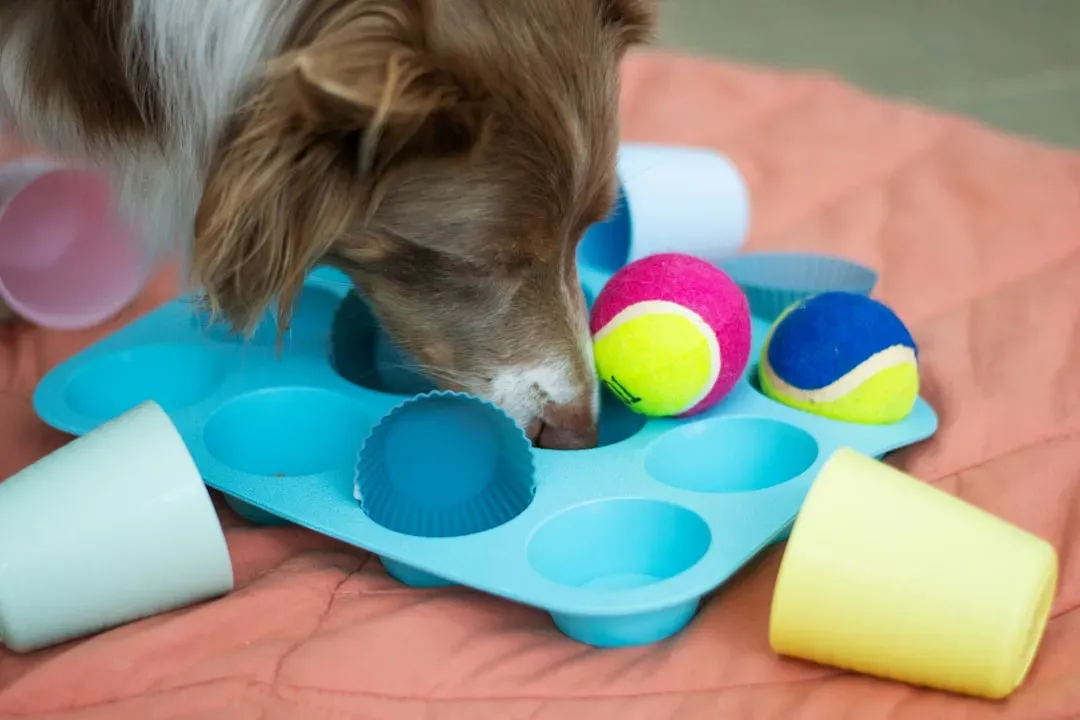
Puzzle toys offer great mental exercise and keep your dog entertained indoors. They require your dog to figure out how to get the treat out, and they come in various difficulty levels to match your dog’s skills. Starting too hard can frustrate your dog, so always begin at the easiest level and work up gradually.
You don’t even need to buy anything fancy. The Shell Game is a great option: grab three cups, put a treat under one, and ask your dog “which one?” When they sniff the right one, praise them and lift the cup for their reward. When they’re confidently finding it, start moving the cups around before asking. It’s a surprisingly absorbing activity for both dog and human.
Another classic is the Muffin Tin game: place treats in several cups of a muffin tin and cover all the cups using tennis balls, soft toys, or crumpled paper. Let your dog sniff out and uncover the treat and be rewarded for their efforts. The process of following a scent trail activates multiple areas of the brain, providing comprehensive mental stimulation that can help reduce anxiety, prevent destructive behaviors, and improve overall cognitive function.
5. Tug of War: Let Them Win (Sometimes)
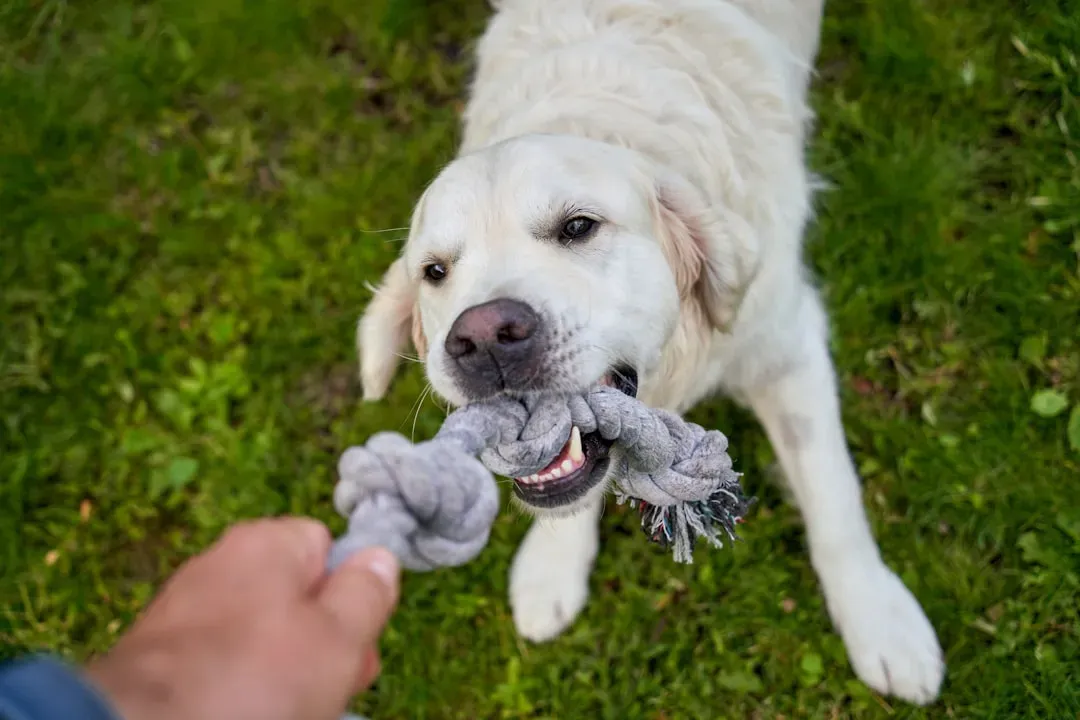
Tug of war sometimes gets a bad reputation from outdated training advice, but it’s actually one of the most natural and enjoyable games you can offer a dog. A good game of tug-of-war can help your dog burn off some excess energy indoors while also getting their chewing fix. All you need is some kind of sturdy rope, frisbee, or a chew toy long enough to hold on both sides.
Keep tug sessions short, just two to three minutes is enough. Remember to offer lots of praise and mix up the toys you use to keep them motivated and interested. When the game is over, put your toys away. This keeps them safe from chewing and retains their prized status as a high-value reward.
Tug also provides a natural outlet for a dog’s prey drive without any real harm. Tug of war and fetch help your dog shake off and let loose from the mental focus they had to use to complete other games, while being enjoyable and highly rewarding at the same time. Incorporating a “drop it” command mid-game turns play into productive training without breaking the fun.
6. Indoor Obstacle Course: Turn Your Living Room Into an Adventure
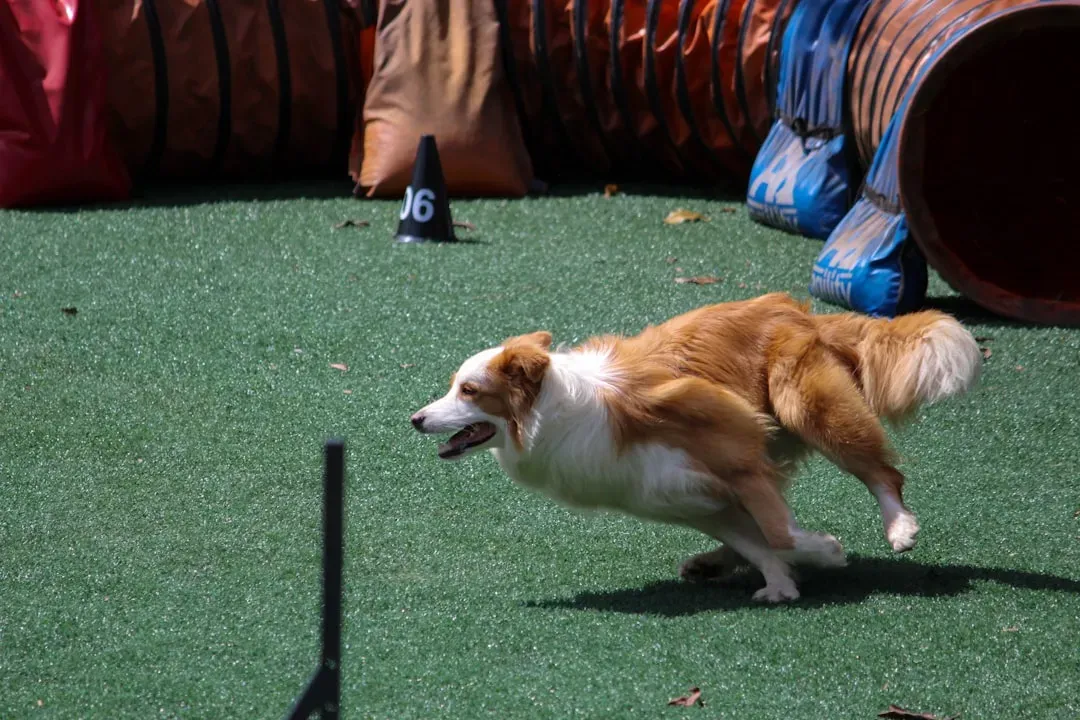
You don’t need expensive equipment to build a perfectly good agility course inside your home. When your dog is confident with the basics, you can add a broom propped up on chairs and teach them to go over or under it. Make a tunnel with pillows, chairs, and sheets. Make weave poles out of household objects or create an easy ramp from an ironing board.
Indoor obstacle courses provide physical stimulation and enhance your dog’s agility. Set up a course using household items and guide your dog through it, rewarding them for their efforts. The first few attempts will likely be slow and wobbly, and that’s completely fine. The learning process is the point.
It takes confidence for a dog to walk through or jump over things. Take your dog over or through each object a few more times to strengthen the learning and build their confidence. After your dog has learned how to use each obstacle individually, you can start stringing together two, three, four, or more objects to thoroughly tire out your pup. Watch your dog’s body language throughout. A tail held high and an eager trot means they’re having a great time. Flat ears or stiff posture may signal they need a break.
7. Trick Training: Teach Something New on a Slow Day
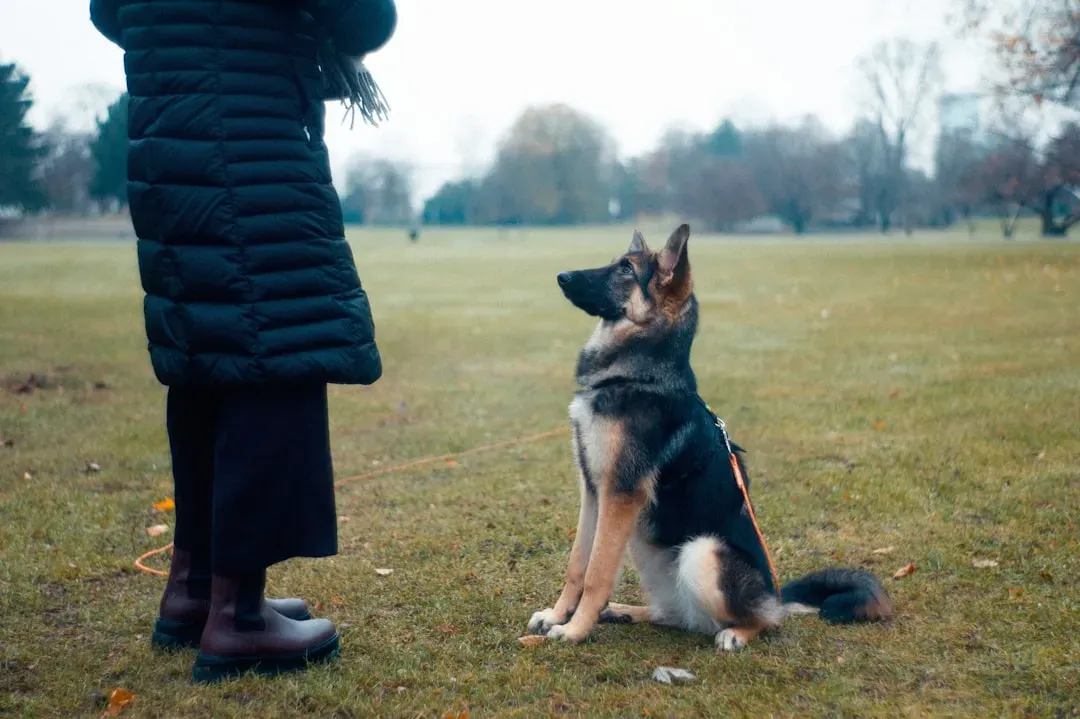
Rainy days are genuinely ideal for training new behaviors, and your dog will likely surprise you with how quickly they pick things up when there are no outdoor distractions. A well-trained dog is a happy one, and regular training helps refresh the connections they’ve built in their brains and keeps them mentally active.
Give your dog’s brain a fun workout by teaching them a new trick. This will also strengthen the bond between you and your dog. Whether a classic move such as “shake my hand,” or something more complicated such as “play dead,” your pup will enjoy the challenge and the chance to make you proud.
Keep sessions short, no longer than 5 to 10 minutes, to avoid frustration, and provide lots of treats, chin scratches, and belly rubs to reward your dog for their efforts. A great approach is to take an existing known behavior and build on it. For example, if your dog is really good at laying down on cue, add laying on their side, or resting their chin. Give lots of breaks and celebrate small wins. Keeping sessions positive and pressure-free is the foundation of everything.
8. The “Find It” Scent Game: A Simple Activity With Big Payoffs
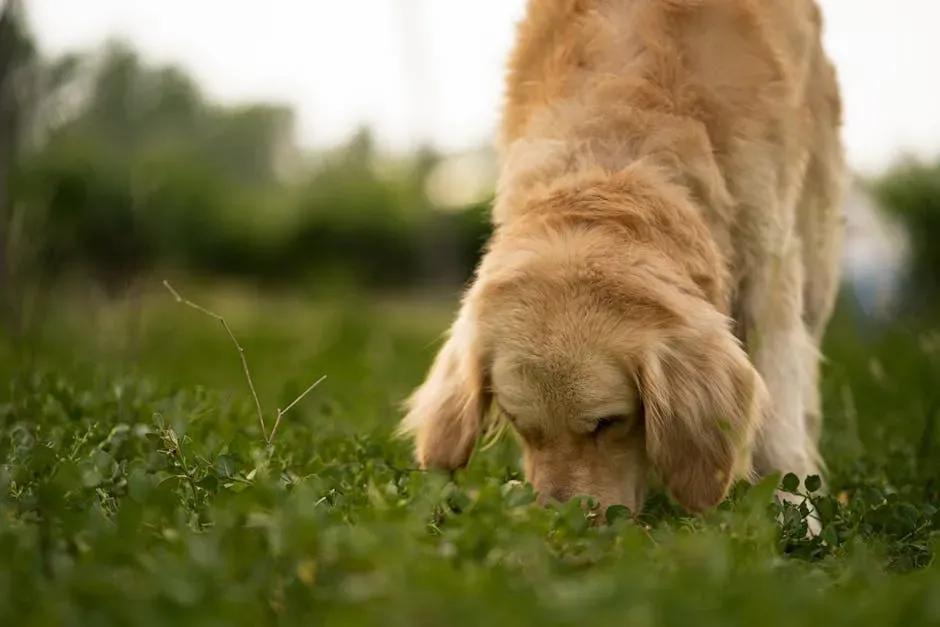
“Find It” is a great game to get your dog using their nose and brain to search for something, which provides mental and physical stimulation and strengthens their independence. For beginners, simply toss a treat on the ground just a few feet away and say “find it,” then repeat. It sounds almost too simple, but dogs genuinely love it.
Indoor scent games contribute significantly to your dog’s mental health by providing natural stress relief and mental stimulation that can prevent the development of problematic behaviors. Dogs that don’t receive adequate mental enrichment often develop destructive habits like excessive chewing, barking, or digging. By engaging their minds through scent work, you’re addressing these issues at their source.
Regular participation in scent-tracking activities can also improve your dog’s confidence and problem-solving abilities. The success they experience in finding hidden rewards builds their self-assurance and teaches them to persist when faced with challenges. This mental resilience often translates to better behavior in other areas of their life, including improved focus during training sessions and reduced anxiety in new situations. As your dog improves, hide treats in different rooms, under cups, or inside rolled-up towels to keep things fresh.
A Few Things Worth Knowing Before You Play
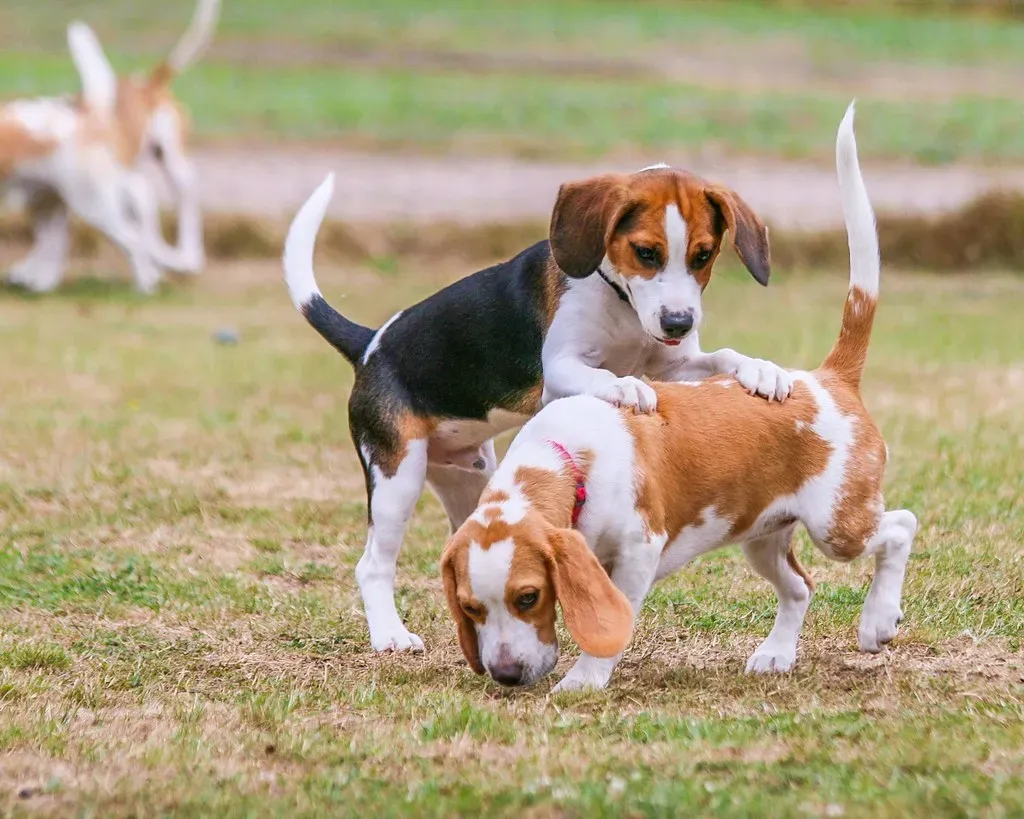
Be mindful of your dog’s limits. Pay attention to their body language and energy levels. It’s important to recognize when they are tired or overwhelmed and need a break. Overstimulation can be just as problematic for their behavior as boredom. Finding a balance is key.
Keeping your dog physically active is crucial for their physical health, mental well-being, and overall happiness. Regular exercise helps prevent obesity, reduces behavioral problems, and provides an outlet for your dog’s natural instincts. Active dogs are typically healthier, happier, and better behaved. These indoor games aren’t a poor substitute for outdoor time. In many ways, they’re a direct investment in your dog’s long-term wellbeing.
Always use treats appropriate for your dog’s size, dietary needs, and any health conditions. Always use appropriate sizes and hardness for chew items specific to your own dog, and check with your vet if you are unsure what is safe or appropriate. A quick consultation with your vet is especially worthwhile if your dog is a senior, a growing puppy, or recovering from an injury.
Conclusion: The Rainy Day Mindset Shift
A rainy day used to feel like something to get through. With these eight games in your toolkit, it can start to feel like something to lean into. Your dog doesn’t know it’s a bad weather day. They just know whether they felt seen, engaged, and connected to you.
Mental stimulation is every bit as tiring and arguably more rewarding than physical exercise. Mixing up enrichment and keeping things fresh will help your dog feel calmer, more settled, and less likely to develop habits like barking or chewing from boredom. The games above cover everything from nose work to trick training, so there’s genuinely something here for every dog personality.
The next time the rain rolls in and your dog gives you that look, you’ll have eight good answers ready. Pick one, get off the couch, and make the most of it. Your dog is already waiting.


