

Picture this: you’ve just arranged a fresh batch of trailing pothos in that terracotta pot by the window, and your curious pup is already sidling over to investigate. It’s one of those everyday moments that most dog owners never think twice about. The thing is, many of the most popular houseplants lining the shelves of garden centers and home decor stores are quietly dangerous to dogs, some mildly so, others seriously.
Toxic plants contain natural compounds that can irritate a dog’s mouth and digestive tract, or worse, impact the nervous system, kidneys, or liver. Even a single bite can result in symptoms like vomiting, drooling, swelling, or diarrhea. The good news is that you don’t have to choose between a beautiful home and a safe one. For each plant on this list, there’s a pet-friendly alternative that’s just as lovely. Here’s what every dog owner needs to know.
1. Pothos (Epipremnum aureum): The Trailing Charmer With a Hidden Bite
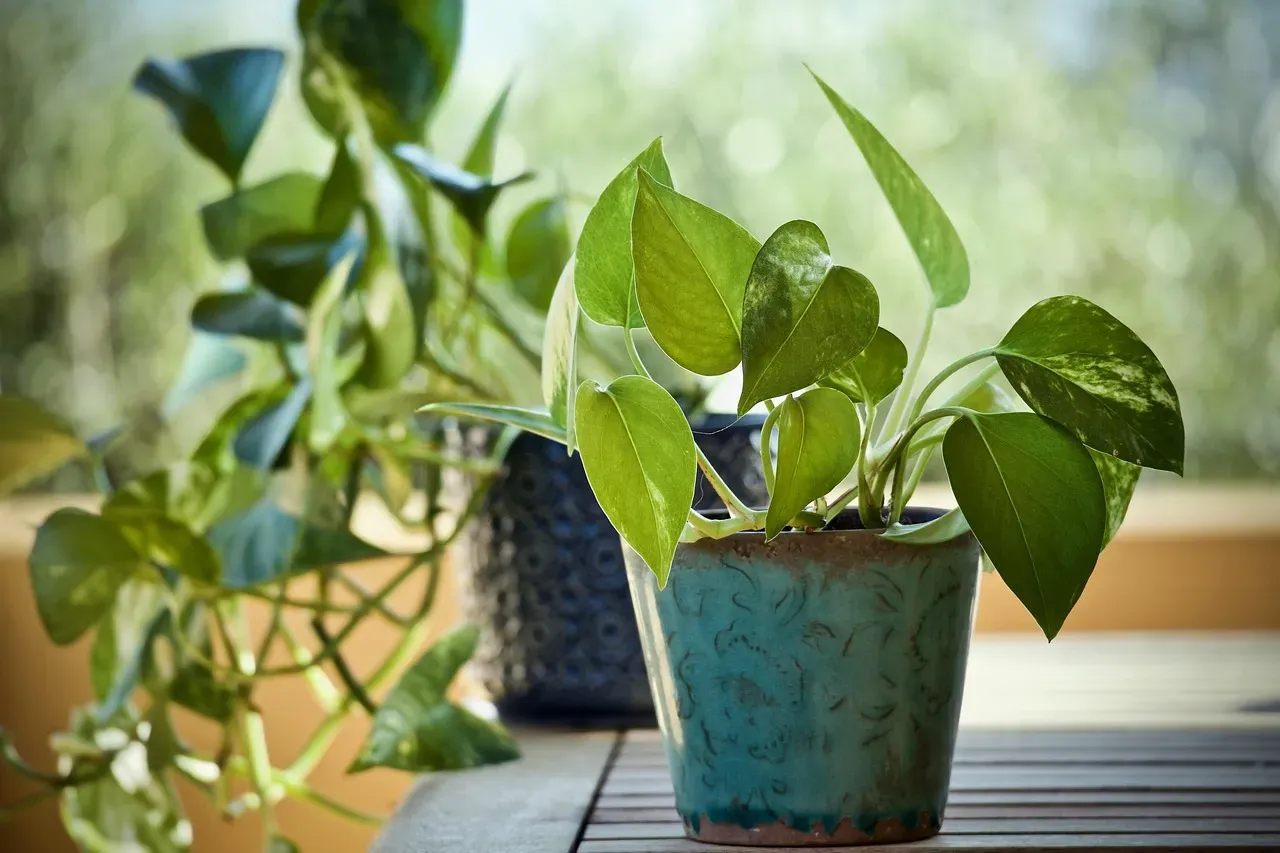
Pothos is practically everywhere. It’s low-maintenance, thrives in low light, and looks great cascading from a bookshelf. Unfortunately, pothos, or devil’s ivy, contains calcium oxalates that irritate the mouth and digestive system. Those same needle-like crystals that protect the plant in the wild cause real discomfort when a dog chews on a leaf.
If chewed on, intense irritation to the mouth may result in swelling of the tongue, lips, and face. Symptoms may include excessive drooling, pawing at the face and mouth, whimpering or crying in discomfort, and occasional vomiting. Watch for your dog rubbing their face along furniture or carpet right after being near a plant. That’s a classic behavioral sign of oral irritation, and it warrants a closer look.
Safe alternative: The spider plant is resilient and beautiful, with lush foliage bearing distinct white streaks. This popular indoor plant is also safe and non-toxic for pups, ensuring peace of mind for plant-loving dog parents. It trails similarly to pothos and is nearly as forgiving to grow.
2. Aloe Vera: Healing for Humans, Harmful for Dogs
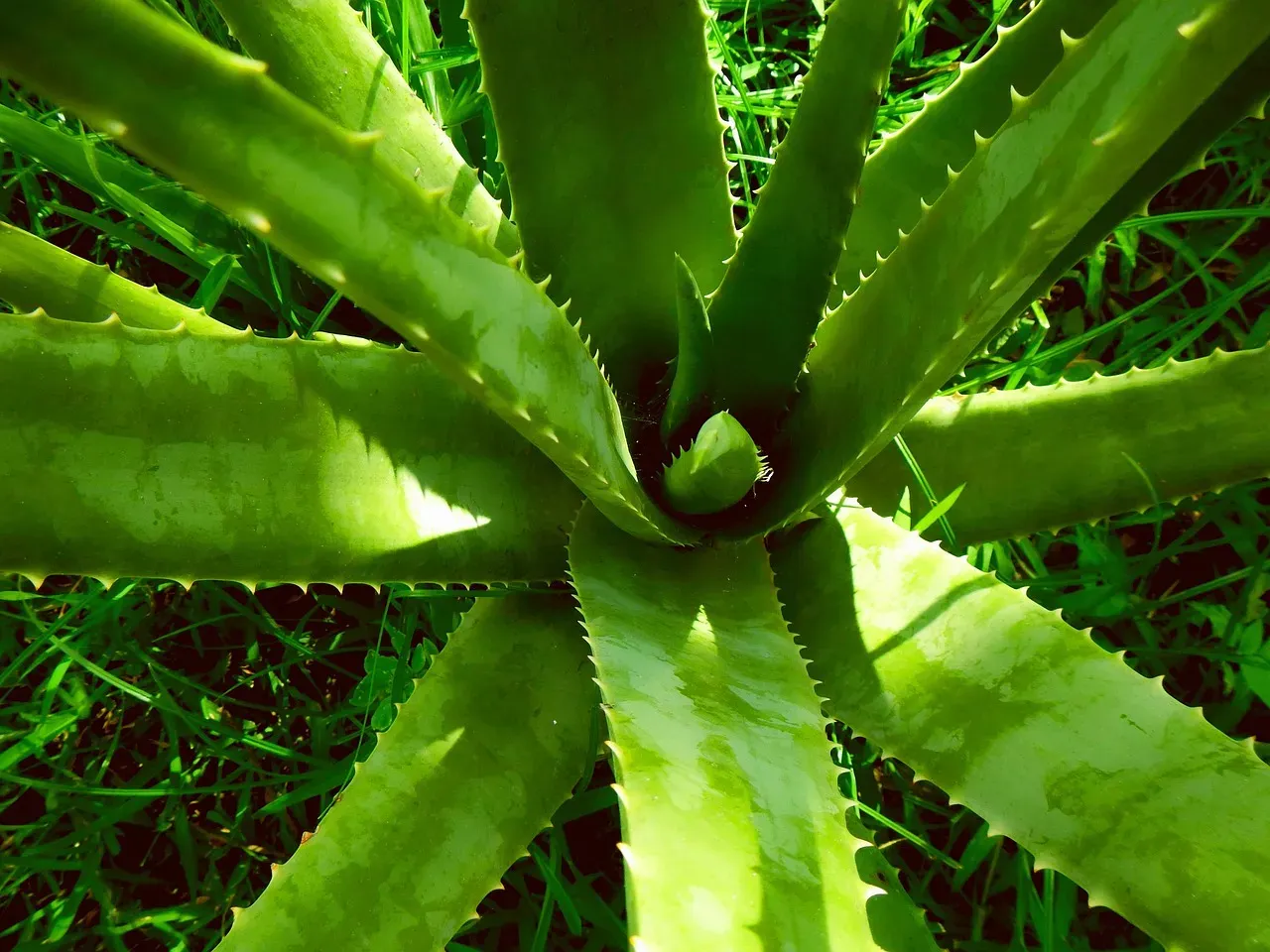
Most people keep aloe on the windowsill for sunburn relief, which makes it one of the trickier plants to part with. Although aloe vera is known for its health benefits for us, it contains saponins (specifically anthraquinone glycosides), and this specific compound when ingested can be mild to moderately toxic to dogs. Anthraquinone glycosides act in a similar manner to laxatives in people. When eaten, particularly in large amounts, it may result in diarrhea as well as vomiting and abdominal discomfort.
Symptoms of aloe vera poisoning in dogs may include vomiting, diarrhea, lethargy, tremors, and changes in urine color. Urine that turns reddish or brown is a particularly alarming sign that something has been absorbed systemically. Signs usually occur within a few hours of ingestion after the gastrointestinal system has had time to metabolize the toxin.
Safe alternative: Haworthia is a striking succulent that looks remarkably similar to aloe, with its spiky, architectural leaves. Unlike aloe, it poses no known risk to dogs and thrives in similar bright, indirect light conditions indoors.
3. Sago Palm (Cycas revoluta): The Most Dangerous Plant in Your Home
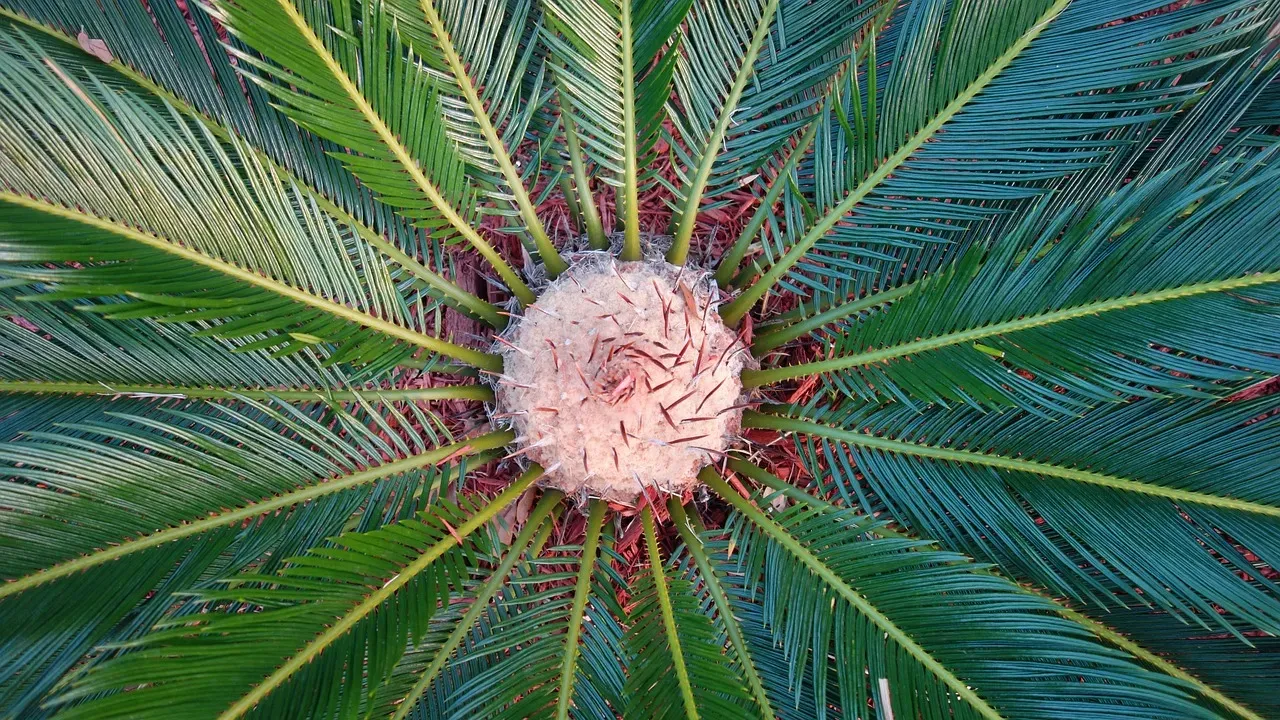
If there is one plant that every dog owner needs to know about by name, this is it. Sago palm contains cycasin, which is the primary active toxic agent resulting in severe liver failure in dogs. It looks elegant and tropical, which makes it a popular choice for both indoor pots and outdoor landscaping, and that’s exactly what makes it so dangerous.
All parts of the sago palm are toxic, but the seeds (nut) are the most toxic. Ingesting as little as one seed can result in poisoning and even death in dogs. The survival statistics are sobering. Even with aggressive treatment, the survival rate is about 50%. Time is everything here. Any dog that has ingested sago palm must be taken to a veterinarian immediately for emergency treatment.
Safe alternative: The Areca Palm features arching fronds that purify the air and create a serene ambiance. As a bonus, this palm variety is safe and non-toxic to dogs, making it an ideal choice for pet-friendly households. It delivers all of the tropical drama of the sago palm with none of the risk.
4. Dieffenbachia (Dumb Cane): A Painful Mouthful
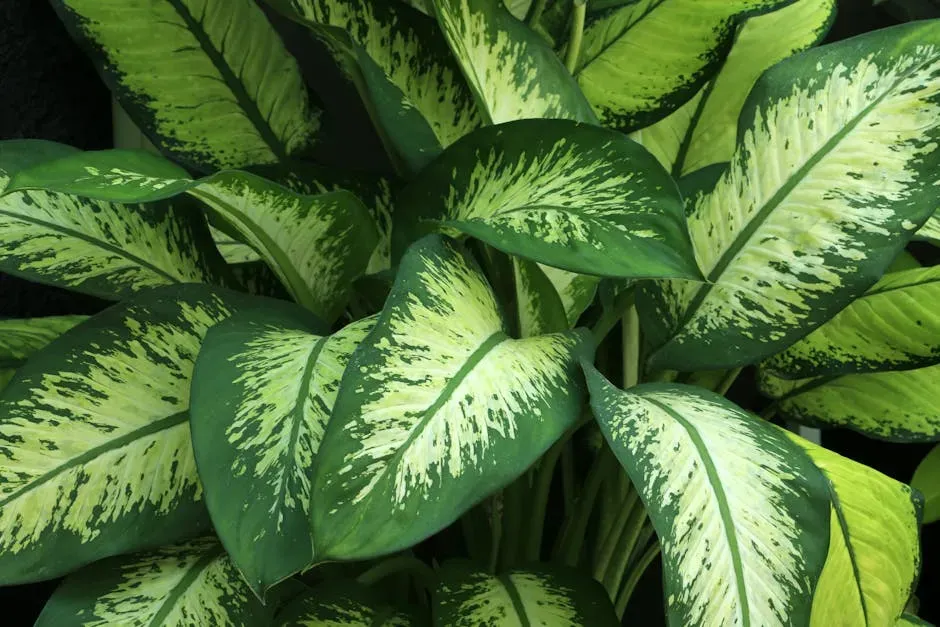
Dieffenbachia earns its common name honestly. Known as “Dumb Cane” due to its numbing effect on the tongue when chewed, it is a popular ornamental plant. Its attractive foliage contains calcium oxalate crystals, which, when in contact with a dog’s mouth, can lead to severe oral irritation. In some cases, this can manifest as difficulty in speaking and swallowing.
Dogs who’ve chewed on this plant often show dramatic, immediate reactions. Intense irritation to the mouth may result in swelling of the tongue, lips, and face. Symptoms may include excessive drooling, pawing at the face and mouth, whimpering or crying in discomfort, and occasional vomiting. Additionally, difficulty swallowing may be seen on occasion as a result of swelling of the throat, as well as irritation to the skin if it comes in contact with any sap. Keep this one well out of reach, or better yet, find a replacement.
Safe alternative: The Calathea plant is a visually stunning option with bold, patterned leaves in deep greens, purples, and creams. The calathea is a primo choice for houseplant newbies. It thrives in low light, doesn’t need a lot of water, and requires no pruning. Their leaf patterns are pure art.
5. Philodendron: The Tropical Staple That Hides Its Dangers
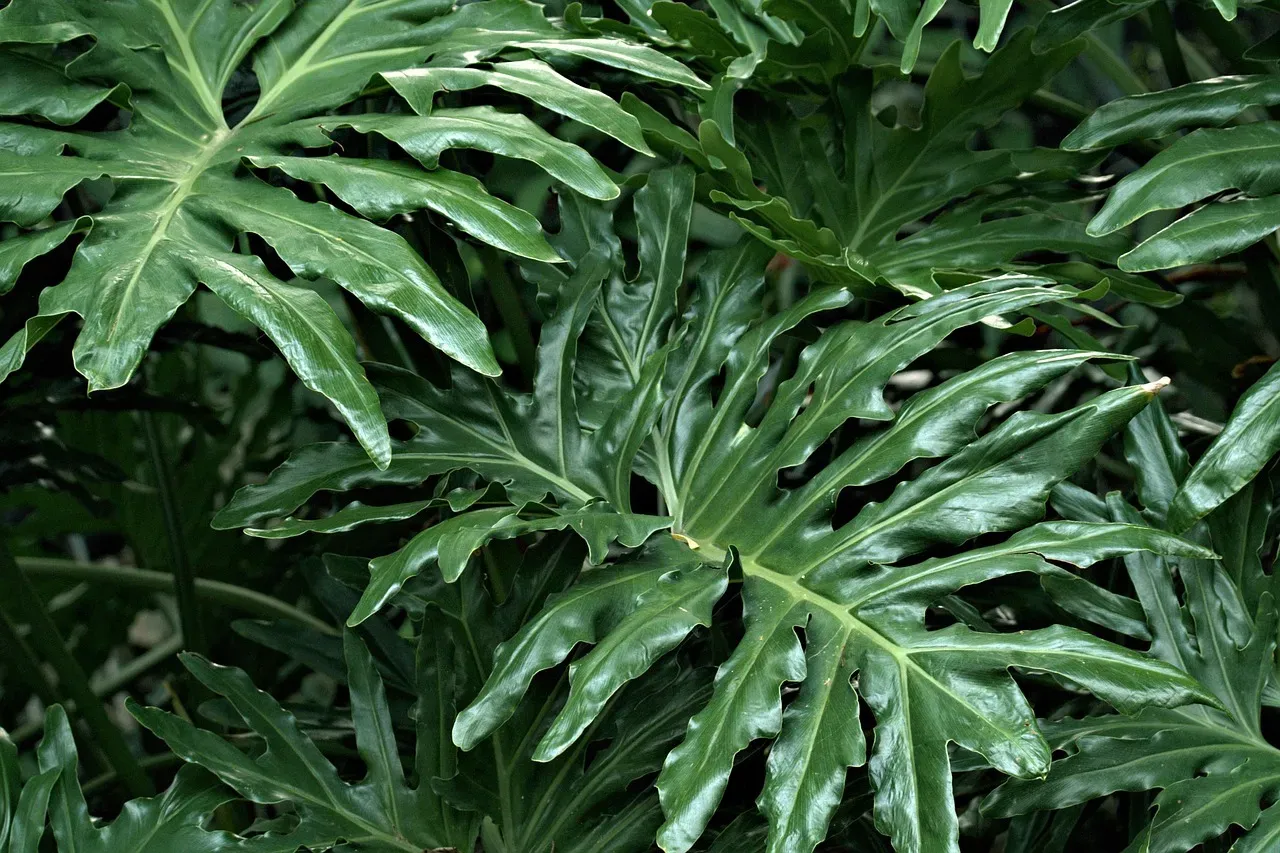
Philodendrons are one of the most widely kept houseplants in the world, which is precisely why they deserve a spot on this list. Philodendron causes severe oral irritation, mouth swelling, and difficulty swallowing. Like pothos, the culprit is insoluble calcium oxalate crystals embedded in the plant’s tissue.
The behavioral cues to watch for include sudden frantic pawing at the face, drooling that soaks a dog’s chest fur, and an unwillingness to eat or drink. The effects vary depending on the plant, how much was eaten, and the size of your dog. Some reactions are immediate, while others take time to appear. A smaller dog chewing aggressively on a stem could face a much harder reaction than a large breed nibbling once out of curiosity.
Safe alternative: The Money Tree (Pachira aquatica) is a graceful, leafy plant that offers a similar tropical aesthetic. The ASPCA classifies the Money Tree as a non-toxic, pet-friendly plant for both dogs and cats. It’s also said to bring good fortune, which honestly feels appropriate when you’re keeping a dog safe.
6. Snake Plant (Mother-in-Law’s Tongue): The Air Purifier With a Catch
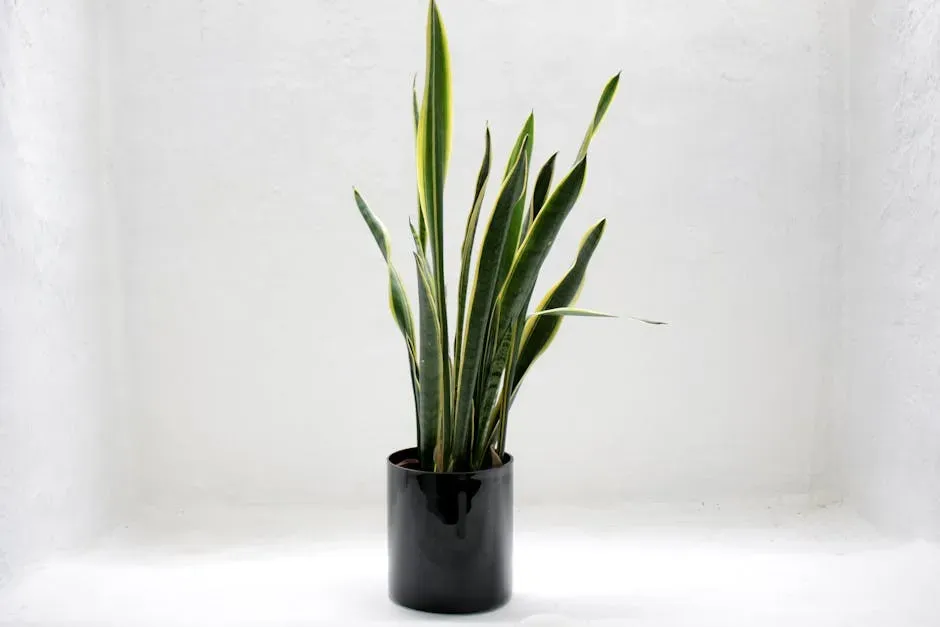
Snake plants, also known as mother-in-law’s tongue, are popular indoor plants valued for their air-purifying properties. However, these plants contain saponins that can cause gastrointestinal upset and oral irritation in dogs. They’re practically indestructible as a houseplant, which is part of why so many people have them, but their resilience doesn’t make them any safer for your dog.
Symptoms of snake plant poisoning may include vomiting, diarrhea, drooling, and oral irritation. The toxicity is generally considered mild to moderate rather than life-threatening, but even a miserable night of vomiting and diarrhea is something no dog owner wants to deal with. Use hanging baskets, tall plant stands, or closed rooms to limit access if you’re not ready to part with yours entirely.
Safe alternative: The Boston Fern is one of the best straight swaps you can make here. With graceful fronds, air-purifying qualities, and resilience, the Boston Fern is a popular indoor plant. It is also a great addition for homes that have dogs because it is considered a safe, non-toxic plant for dogs.
7. Jade Plant (Crassula ovata): The Money Plant That Costs Your Dog’s Health
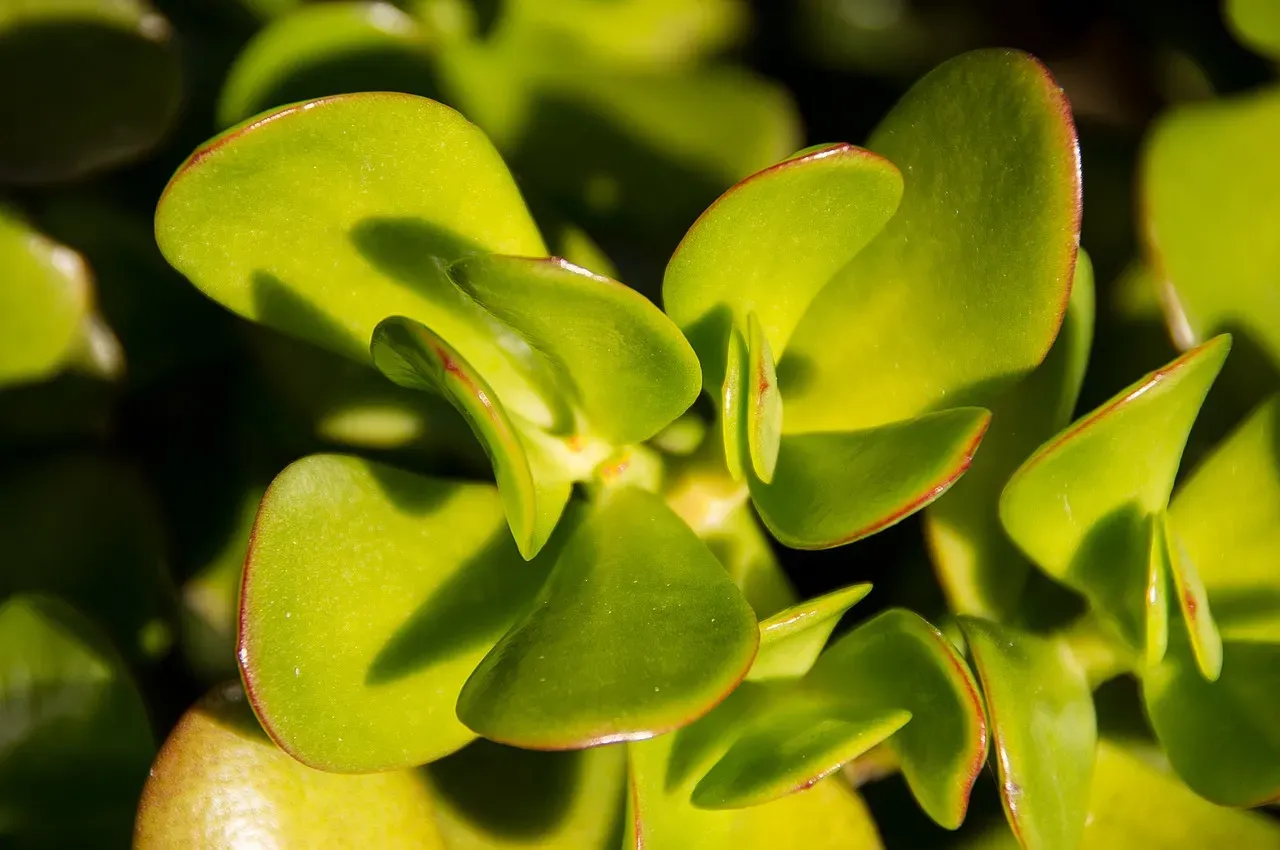
The jade plant, also known as Crassula ovata or money plant, is a popular succulent commonly found in homes and offices. While jade plants are easy to care for, they can be toxic to dogs if ingested. Their thick, glossy leaves and compact form make them attractive to many decorators, and their longevity means they often grow large and prominent in a room.
Symptoms of jade plant poisoning in dogs may include vomiting, diarrhea, depression, and loss of coordination. The loss of coordination piece is particularly notable. A dog stumbling or appearing disoriented after being left alone near a jade plant is an urgent situation that warrants an immediate call to your veterinarian or the ASPCA Animal Poison Control Center at (888) 426-4435.
Safe alternative: Echeveria succulents are beautiful rosette-shaped plants available in a stunning range of colors, from dusty blue-green to deep burgundy. The ASPCA classifies blue echeveria as non-toxic to dogs, making it a genuinely lovely desk or windowsill companion.
8. Cyclamen: The Festive Winter Plant With a Serious Warning
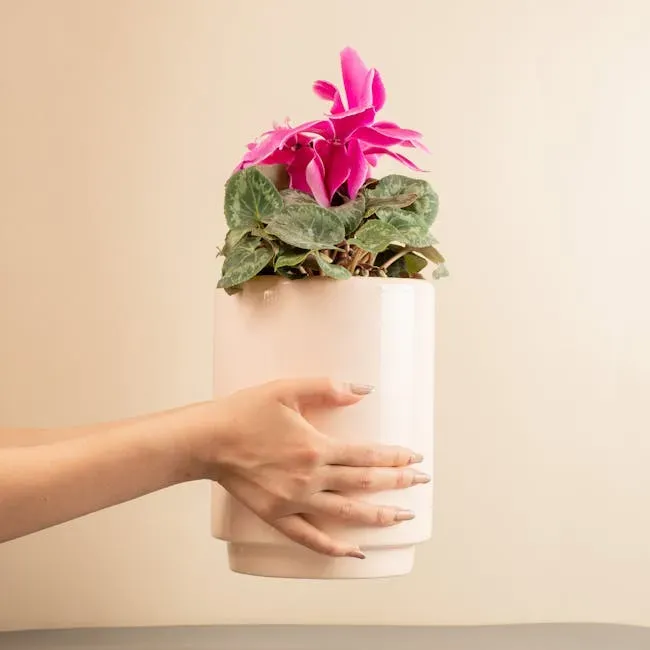
Cyclamen is a common gift plant, particularly around the winter holiday season. Its cheerful blooms in pink, red, and white make it a natural choice for home decorating. The cyclamen plant is a popular flowering plant, especially during the winter months. However, all parts of these plants contain triterpene glycoside saponins, which is what causes these popular plants to be toxic to dogs, with the highest concentration in the tuber (also known as the roots).
This is one of those cases where the part most dogs can’t easily reach, the buried root, is ironically the most dangerous portion. A dog that digs around the pot or knocks the plant over and accesses the root system is at greater risk. Symptoms of plant toxicity in dogs can include vomiting, diarrhea, drooling, and lethargy, and more severe signs like difficulty breathing or swallowing and abnormal heart rate. If you receive cyclamen as a gift, keep it in a room your dog simply can’t access.
Safe alternative: African Violets (Saintpaulia) offer beautiful blooms in purples, pinks, and whites and are confirmed non-toxic to dogs by the ASPCA. They’re a wonderful windowsill plant and widely available in nurseries throughout the year.
9. Lily of the Valley: Small Flowers, Major Consequences
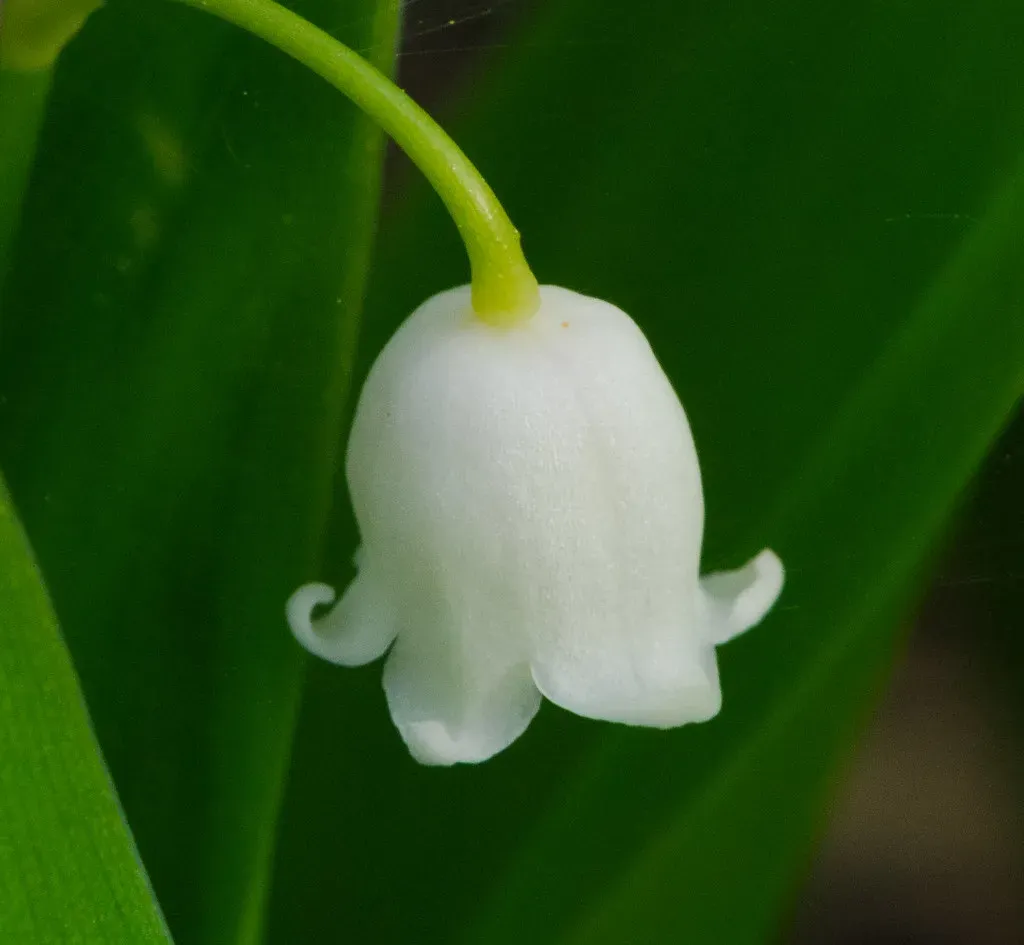
There’s something undeniably pretty about Lily of the Valley. Its delicate white bell-shaped flowers and sweet fragrance make it a beloved spring plant. The risk, though, is significant. Lily of the Valley is a fragrant flowering plant that contains cardiac glycosides, compounds that can affect the heart’s rhythm and function. Ingestion of lily of the valley leaves or flowers can result in symptoms such as vomiting, diarrhea, drooling, weakness, and potentially life-threatening cardiac arrhythmias.
Cardiac arrhythmias in dogs can escalate rapidly. A dog that is suddenly weak, breathing oddly, or collapsing near this plant needs emergency veterinary care right away. Call your veterinarian, Pet Poison Helpline (855-764-7661), or ASPCA Animal Poison Control (888-426-4435) without delay. This is not a wait-and-watch situation.
Safe alternative: Sunflowers bring a cheerful, sunny disposition to any garden, and they are safe for dogs to enjoy. These annuals can grow quite tall, providing structure and visual interest in your garden. Indoors, a bright vase of sunflowers adds warmth with zero toxicity risk to your pup.
10. Oleander (Nerium oleander): Beautiful, Beloved, and Deeply Toxic
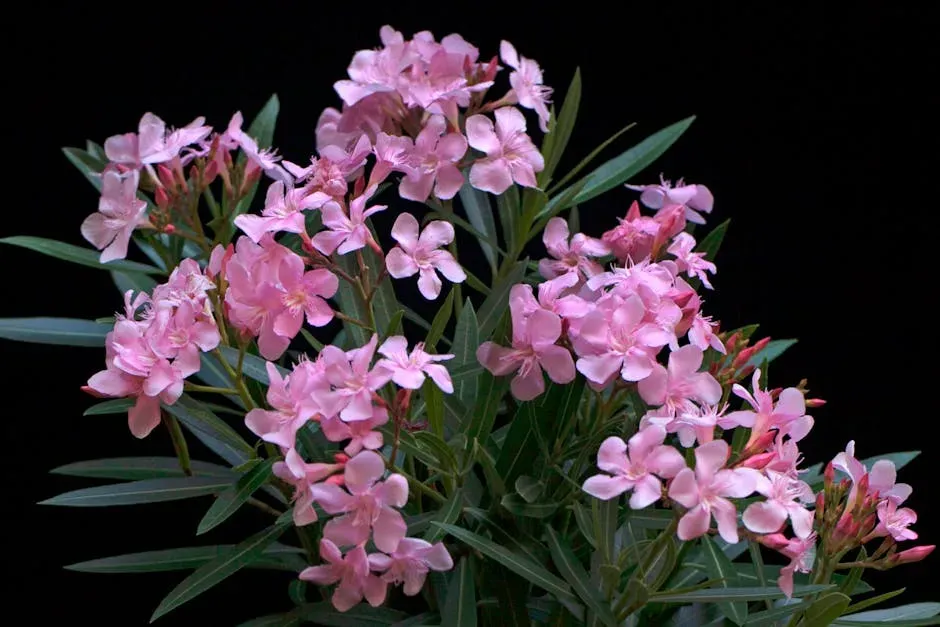
Oleander is a beautiful but highly toxic plant that contains cardiac glycosides similar to those found in lily of the valley. It’s frequently planted in gardens in warmer climates and occasionally kept indoors as a potted specimen. Oleander, though typically an outdoor plant, can sometimes find its way indoors. It poses a significant threat to dogs, with all parts of the plant being highly toxic. Oleander ingestion can result in heart problems and severe health issues.
Ingestion of oleander leaves or flowers can cause severe poisoning in dogs, with symptoms including vomiting, diarrhea, excessive drooling, tremors, seizures, and cardiac abnormalities. There is no safe amount here. Even a small number of leaves poses a life-threatening risk. If you garden in a warm climate and your dog has outdoor access, oleander in the yard should be treated as seriously as it would be indoors.
Safe alternative: Snapdragons are a charming and dog-friendly choice for any garden, offering a burst of color without posing a threat to your furry companion. These whimsical, tubular flowers are considered non-toxic to dogs, so there’s no need to worry if your pup decides to sniff or even lightly nibble on them.
11. Amaryllis: The Bold Bulb That Deserves Caution
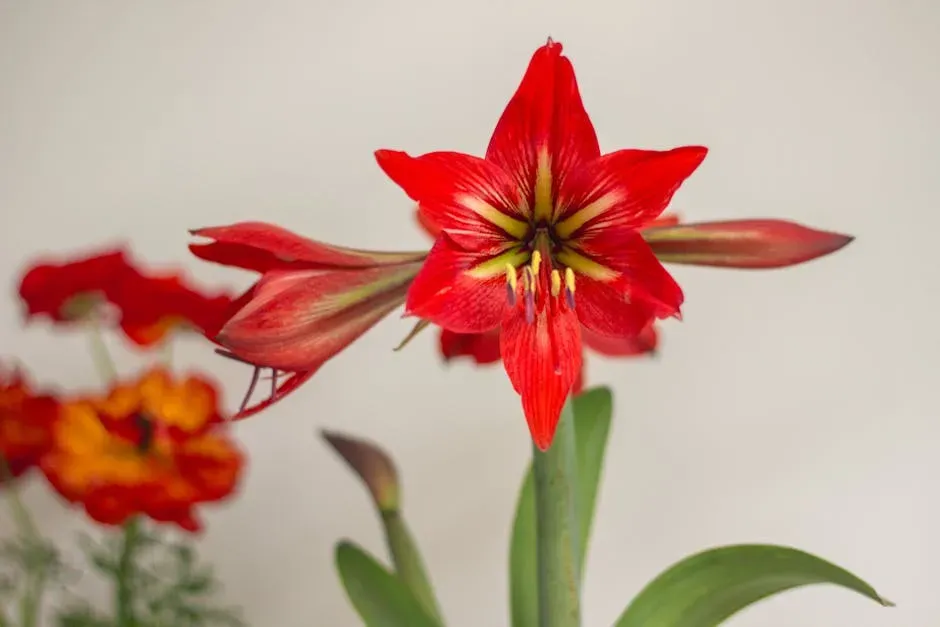
Amaryllis is another seasonal favorite, beloved for its towering, dramatically colored blooms during winter and early spring. The bulb is the most toxic part of the amaryllis plant, and although all parts of the plant are toxic, the bulb, which is often exposed in these plants, is the most dangerous part for dogs, as they contain needle-shaped raphide oxalate crystals, which are designed to specifically repel animals.
If ingested, vomiting, decreased blood pressure, and shallow or difficulty breathing may occur. If the bulb is eaten, its crystals will cause oral pain, irritation, and discomfort, resulting in excessive drooling, pawing at the mouth and face, occasional vomiting, and even occasional difficulty breathing. Signs typically develop immediately if a dog bites or chews on the bulb causing oral irritation, the remaining symptoms may take up to 2 to 4 hours after ingestion.
Safe alternative: Garden Jewels Gerbera Daisies are vibrant and cheerful, making excellent pet-friendly flowers. They’re widely available, easy to grow indoors on a sunny windowsill, and add a splash of warm color without any of the risk.
12. Asparagus Fern: The Decorative Fern That Isn’t Quite a Fern
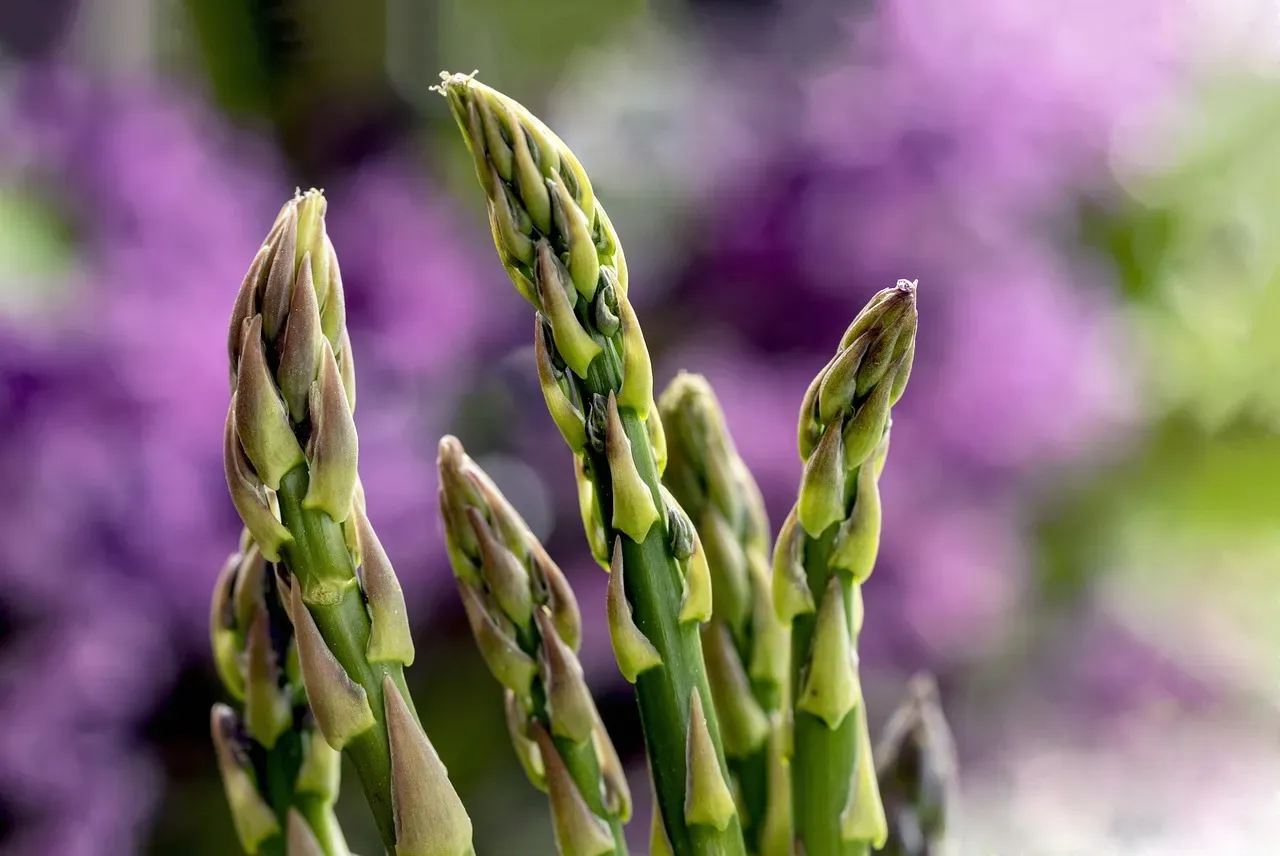
Despite its name and feathery, fern-like appearance, the asparagus fern (Asparagus setaceus) is actually a member of the lily family and not a true fern at all. That distinction matters because the asparagus fern is especially harmful if berries are eaten, leading to vomiting and diarrhea. The small red or white berries the plant produces can be particularly attractive to curious dogs sniffing around the base of the pot.
Due to its fine foliage, asparagus fern is commonly found in floral arrangements and often as a houseplant. All parts of the plant are considered toxic, and symptoms can be seen within hours of ingestion. Repeated skin exposure to the plant’s sap can also cause contact dermatitis, so even dogs who don’t eat it may experience irritation from brushing against it repeatedly.
Safe alternative: The Boston Fern is one of the most popular fern varieties and a fantastic addition to shaded, damp areas. This non-toxic plant is ideal for dog owners with shaded gardens or indoor spaces, as it can grow both indoors and outdoors in the right conditions. It delivers that lush, feathery look without any of the risk.
What to Do If Your Dog Eats a Toxic Plant

Speed matters enormously in plant poisoning cases. You may be instructed to bring your dog to the vet immediately. If so, bring a sample of the plant, if possible, to help with diagnosis and treatment. Do not induce vomiting unless instructed by a professional, as it can sometimes cause more harm. That last point is critical. Well-meaning owners who attempt home remedies can accidentally worsen the situation.
Call your veterinarian, Pet Poison Helpline (855-764-7661), or ASPCA Animal Poison Control (888-426-4435) as your immediate first step. Have the plant name ready, or take a clear photo of it. The effects vary depending on the plant, how much was eaten, and the size of your dog, so the more information you can give your vet, the better they can triage the situation.
Adding a layer of pinecones or large decorative pebbles to the top of the soil in large pots can discourage your dog from digging. Providing your dog with a designated chew toy or dog-safe grass kit can also successfully redirect their urge to chew on your houseplants. Proactive measures like these are often what stand between a close call and a genuine emergency.
Conclusion: A Greener Home That’s Safer for Everyone

Loving plants and loving your dog are not in conflict. The list of genuinely beautiful, pet-safe alternatives is long, and most are just as easy to care for as the toxic varieties they replace. Choosing non-toxic plants for your home can prevent your dog from getting sick and needing a vet visit. That’s not a small thing when you consider the stress, the heartbreak, and the cost involved in a poisoning emergency.
Dogs don’t instinctively know which plants are dangerous. Because every dog reacts differently, even small exposures can have big consequences. The most powerful thing you can do as a dog owner is simply know your plants by name. A quick check against the ASPCA’s Toxic and Non-Toxic Plant database before you bring anything new into your home takes less than two minutes.
Your dog trusts you to make the space safe. That trust is worth more than any plant.


