
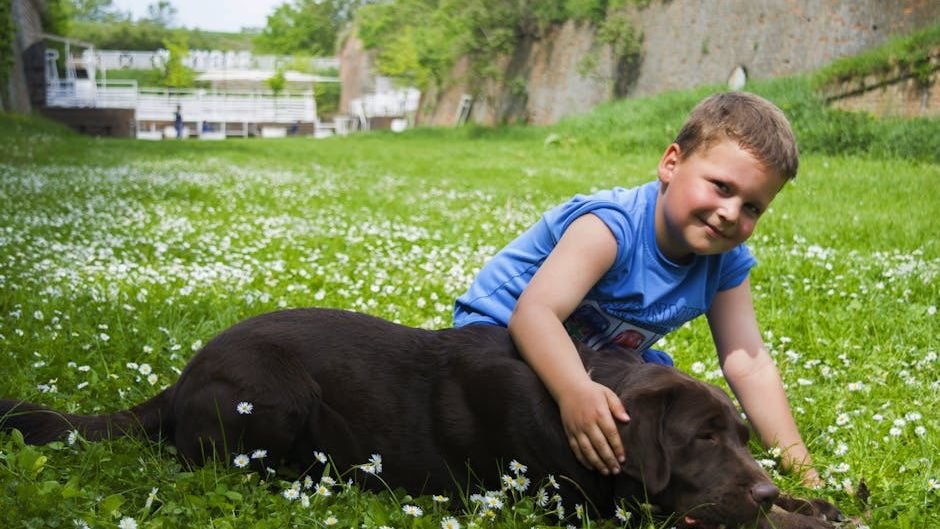
There’s something genuinely moving about watching a dog settle calmly next to a toddler who’s just clumsily plopped down beside them, totally unbothered. That kind of patience isn’t just sweet. It’s a temperament trait that can make a dog one of the most cherished members of a multigenerational family.
Grandparents often face a unique challenge. They want a dog that fits their lifestyle, one that can curl up for a quiet evening, but also hold its own when the grandkids arrive with their noise, energy, and unpredictable enthusiasm. That’s a tall order. Thankfully, some breeds genuinely rise to it.
1. Golden Retriever: The Gold Standard of Gentle
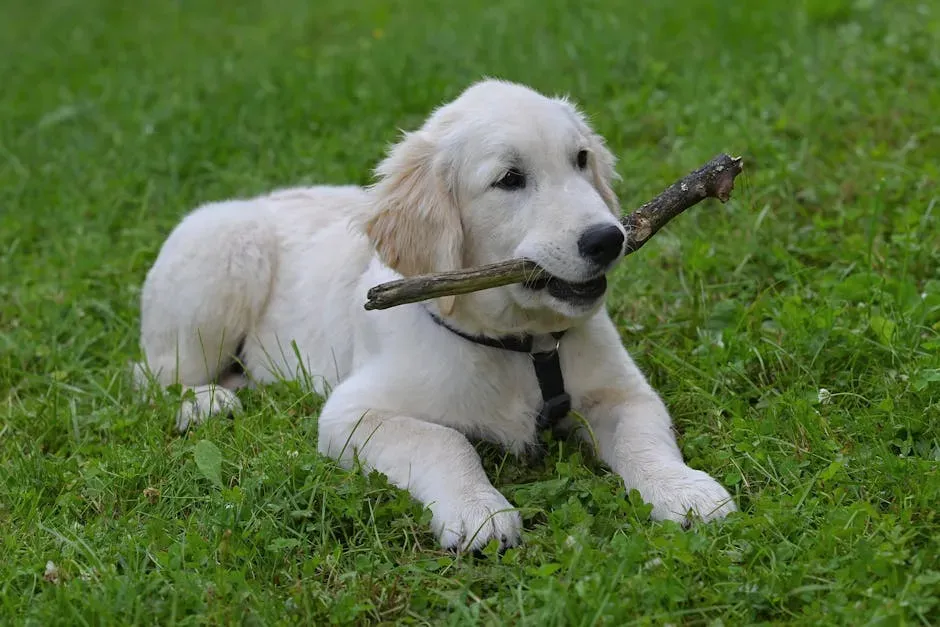
Few breeds have earned their reputation as thoroughly as the Golden Retriever. Known for their gentle, friendly, and courteous temperaments, Golden Retrievers are eager to please and latch onto people, making them great companions for children. That warmth extends naturally to grandchildren of all ages, from giggly toddlers to tweens who just want a running partner.
They’re tolerant of rough play and won’t bite or snap if your child is still learning to interact with dogs respectfully. That forgiveness is rare in any breed, and it makes a Golden enormously reassuring to have around during those unpredictable grandchild visits. They’re also highly emotionally intelligent and offer companionship when they sense someone is upset, which is why Golden Retrievers are often trained as therapy dogs.
One practical note: their size and enthusiasm require training to prevent accidental knocking over of small children. Basic obedience training when they’re young goes a long way. Always supervise children and vulnerable adults with your Golden Retriever and make sure you can recognise the signs of unhappiness or anxiety in your dog to help avoid any conflicts.
2. Labrador Retriever: Boundless Heart, Easy Temperament
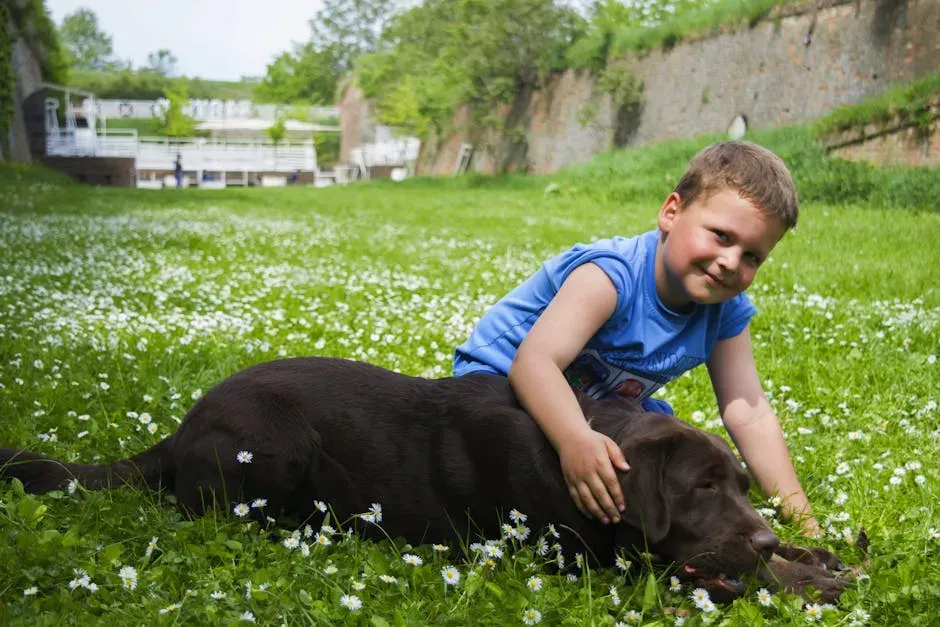
Labrador Retrievers top the list of patient breeds due to their renowned patience and gentle nature, making them one of the most popular family dogs worldwide. Labs are particularly good with children, displaying a tolerant attitude that helps them cope with unpredictable behavior. That tolerant quality is exactly what you need when grandchildren are involved.
Some children may overwhelm their dogs with love, such as hugging, kissing, and laying on them, and the Labrador Retriever is often tolerant of this. That said, it’s important that parents ensure their children are respecting the dog’s boundaries. Teaching grandkids how to interact kindly with dogs is a wonderful lesson in itself, and a Lab’s patience makes it a very forgiving teacher.
The Labrador Retriever temperament is part of what makes them such a popular pet. They are typically affectionate toward children, other pets, and even strangers. Though Labradors get along with nearly anyone, their high energy and strong tails can be dangerous for toddlers and other young children who can get accidentally knocked over. Supervised play is always a smart habit, no matter how gentle the breed.
3. Cavalier King Charles Spaniel: Calm, Cuddly, and Completely Devoted
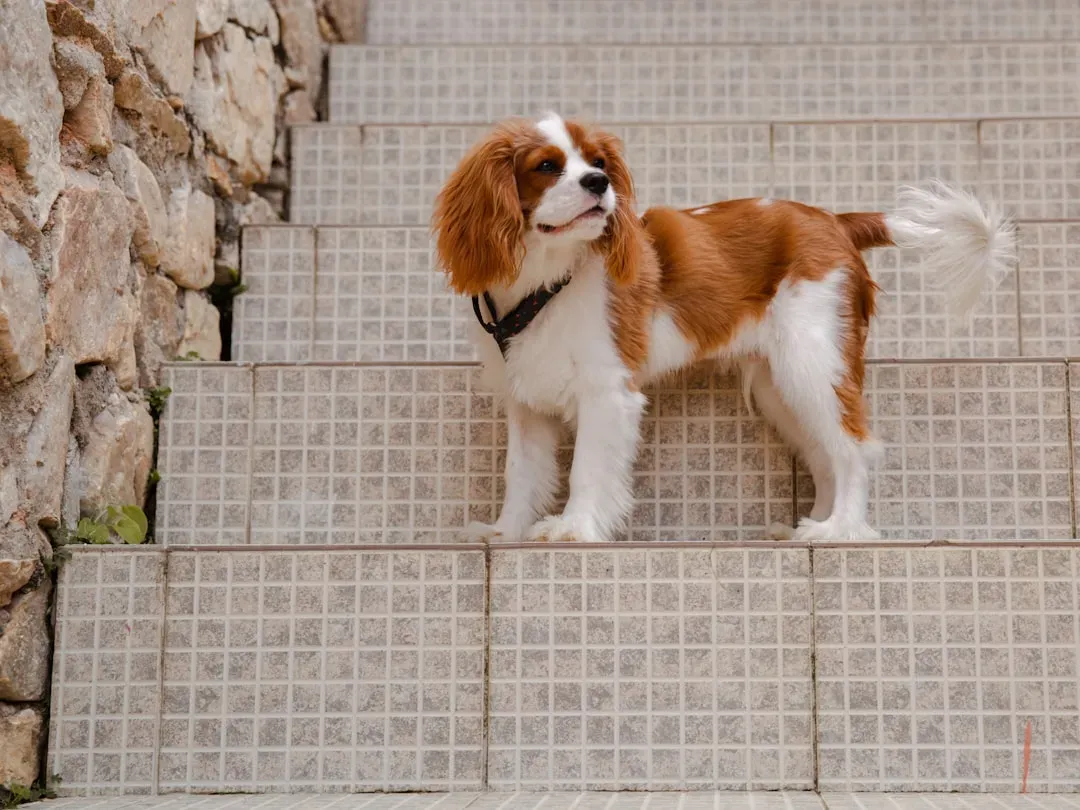
The Cavalier King Charles Spaniel was bred to be a comforting, non-aggressive, and gentle pet. Many of these happy dogs consider everyone to be a friend. That instinct runs deep in the breed. Whether a grandchild shows up brimming with energy or just wants a lap to lean on, a Cavalier adjusts without complaint.
The Cavalier King Charles Spaniel is a breed that exudes patience, often described as the perfect lap dog. Their small size and affectionate nature make them ideal for families and elderly individuals alike. Cavaliers are patient with grooming and handling, and their calm demeanor makes them excellent companions for relaxed home environments. They bond deeply with their owners and show remarkable patience for sitting quietly by their side.
Cavaliers are known for their friendly, easygoing nature, which allows them to get along well with people of all ages, making them a perfect fit for elderly individuals who enjoy visits from family members, including grandchildren. Their silky coats do need regular brushing, and their ears should be cleaned often to prevent buildup and infection. Keep that in mind as part of their routine care.
4. Bichon Frise: Small in Size, Enormous in Patience
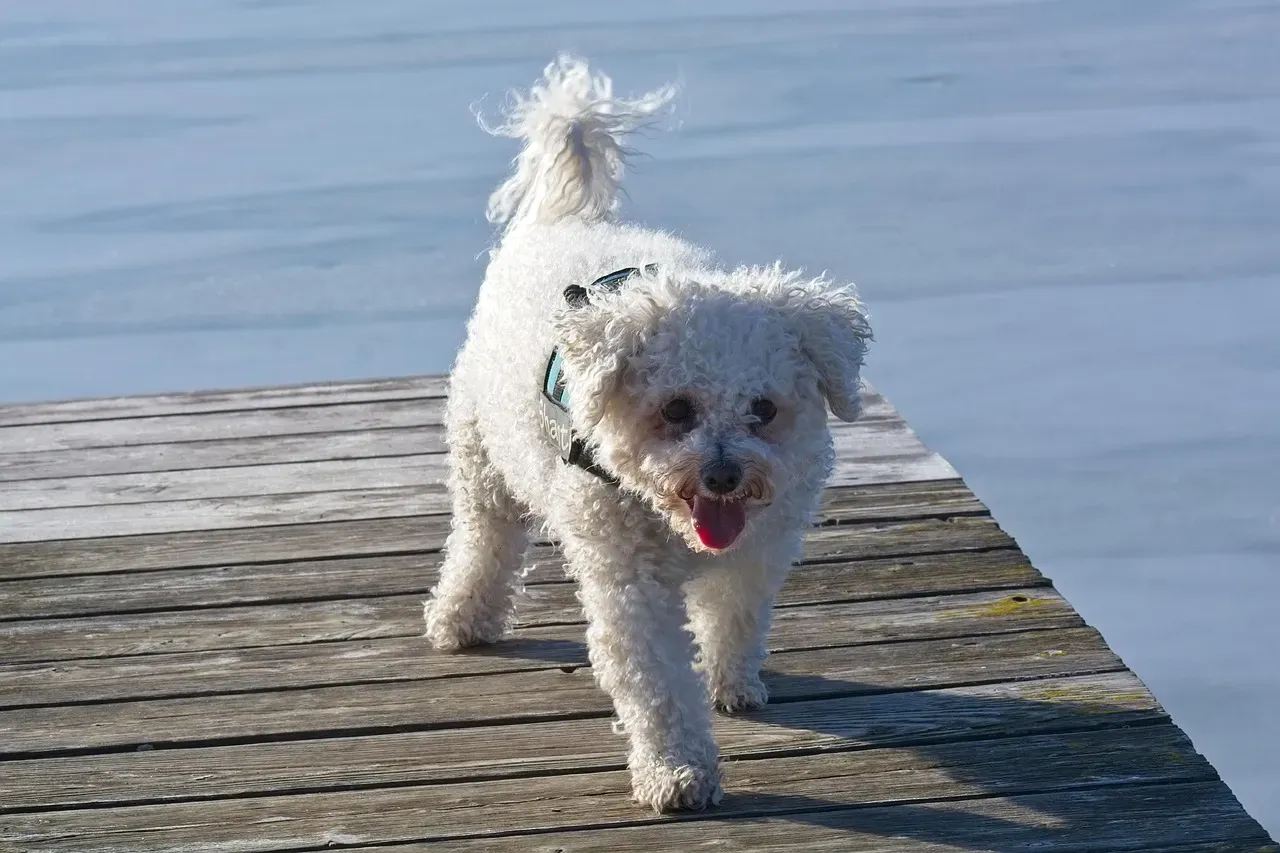
The Bichon Frise’s gentle nature and adaptability make them an excellent choice for seniors seeking a loving companion. These affectionate dogs bond deeply with their owners, providing comfort and companionship. Bichon Frises are known for their friendly, easygoing nature, which allows them to get along well with people of all ages, making them a perfect fit for elderly individuals who enjoy visits from family members, including grandchildren.
Bichons are gentle and playful, and they get along well with other pets and children, so you don’t need to put them in another room if the grandkids stop by. That says a lot. Some dogs need to be managed around visiting children. A Bichon just rolls with it. Shih Tzus and Bichons alike are particularly good with families and the elderly because they prefer a relaxed lifestyle and are patient with handling and grooming. Their friendly disposition makes them ideal for households looking for a calm, affectionate pet.
One genuine benefit for grandparents is that these low-maintenance pups aren’t difficult to potty train and don’t shed much. That’s a meaningful practical advantage for anyone who doesn’t want to spend every Sunday vacuuming. Regular grooming appointments will keep their fluffy coat mat-free and healthy.
5. Basset Hound: Unhurried, Unbothered, Unfailingly Sweet
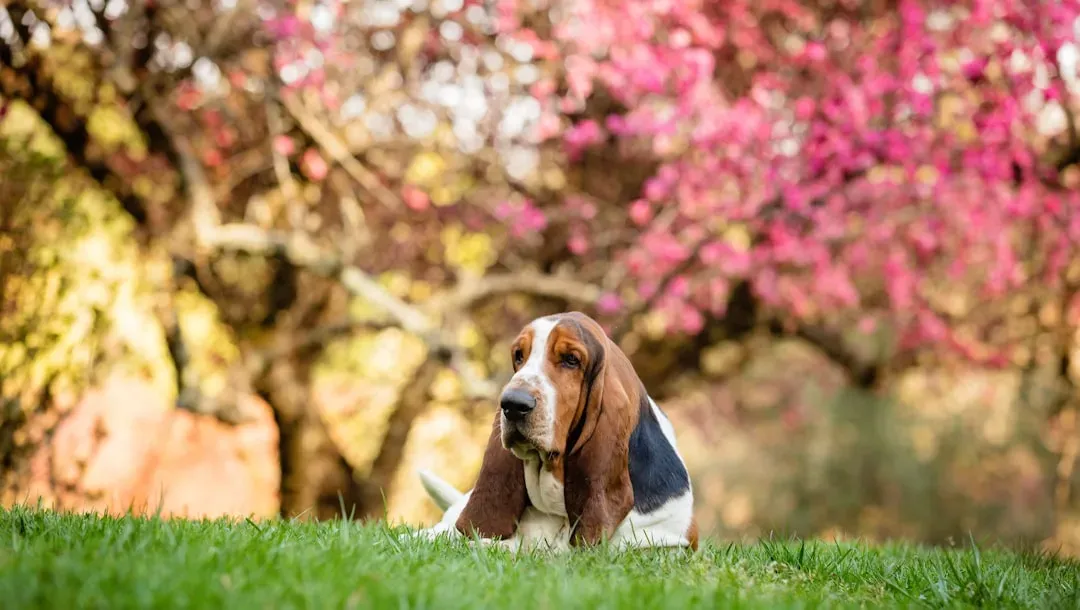
The Basset Hound has a face that looks perpetually burdened by life’s great sorrows. The reality could not be more different. The Basset Hound has very recognizable long, droopy ears and soulful eyes that will pierce your heart. Thankfully, they are not as sorrowful as they look and have very gentle personalities, making them a wonderful dog breed for seniors.
Basset Hounds are low to the ground and low on drama, making them the ideal lounging buddy for toddlers who move at half speed. These mellow hounds are famously patient and not easily rattled, even when a child decides to share their blanket, their snack, or their toy truck. Bassets are affectionate without being clingy, and their droopy expressions hide a heart full of quiet devotion. If you’re looking for a dog who won’t bolt at the sound of a shriek or a crash, the Basset has you covered.
They are patient with grandchildren and tend to get along well with other animals, including cats and other dogs. Their exercise needs are moderate, making them well-suited to a quieter home. One thing to watch: Bassets are scent-driven and can be stubborn on walks, so a secure yard and a leash are non-negotiable safety basics.
6. Collie: Gentle Guardian of the Whole Family
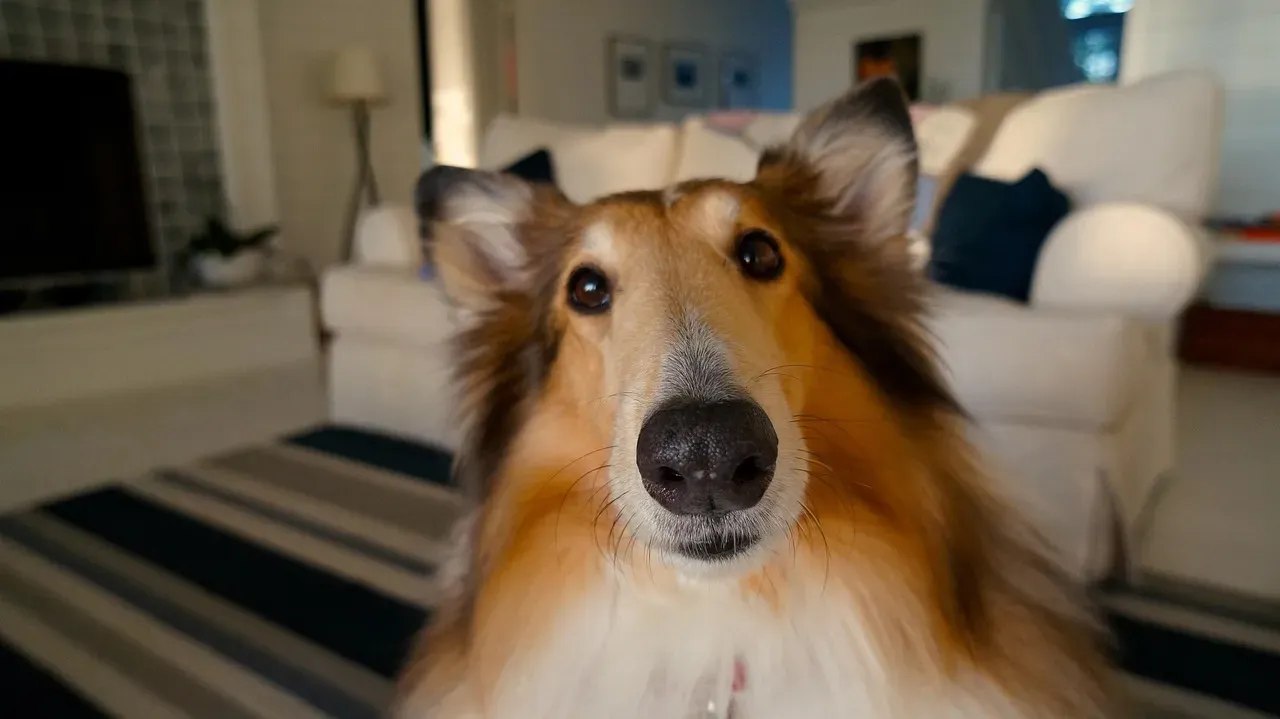
Lassie wasn’t just a character. She was a window into the genuine heart of the Collie breed. Collies are gentle, intelligent, and famously loyal to children. These dogs are sensitive to their surroundings and naturally protective of their pack, often placing themselves between kids and potential trouble. Collies are calm and responsive, and their patience makes them wonderful companions for growing families.
Collies naturally love children and are highly sociable, especially with people. Play and walks are their favorite, but they don’t need constant activity to be happy. That balance is genuinely useful. They can match a grandchild’s energy for a backyard game of fetch, then settle quietly beside a grandparent for the rest of the evening. Collies are highly intelligent, eager-to-please, and trainable, which means basic manners come relatively easily with positive, consistent guidance.
Grooming does require attention, particularly for rough-coated Collies whose thicker coats benefit from regular brushing. As herding dogs, Collies are very vocal, so some mild barking is part of the package. Early training helps keep this manageable. Overall, few breeds combine protectiveness, warmth, and patience as naturally as a well-raised Collie.
7. Beagle: Cheerful, Hardy, and Hard to Rattle
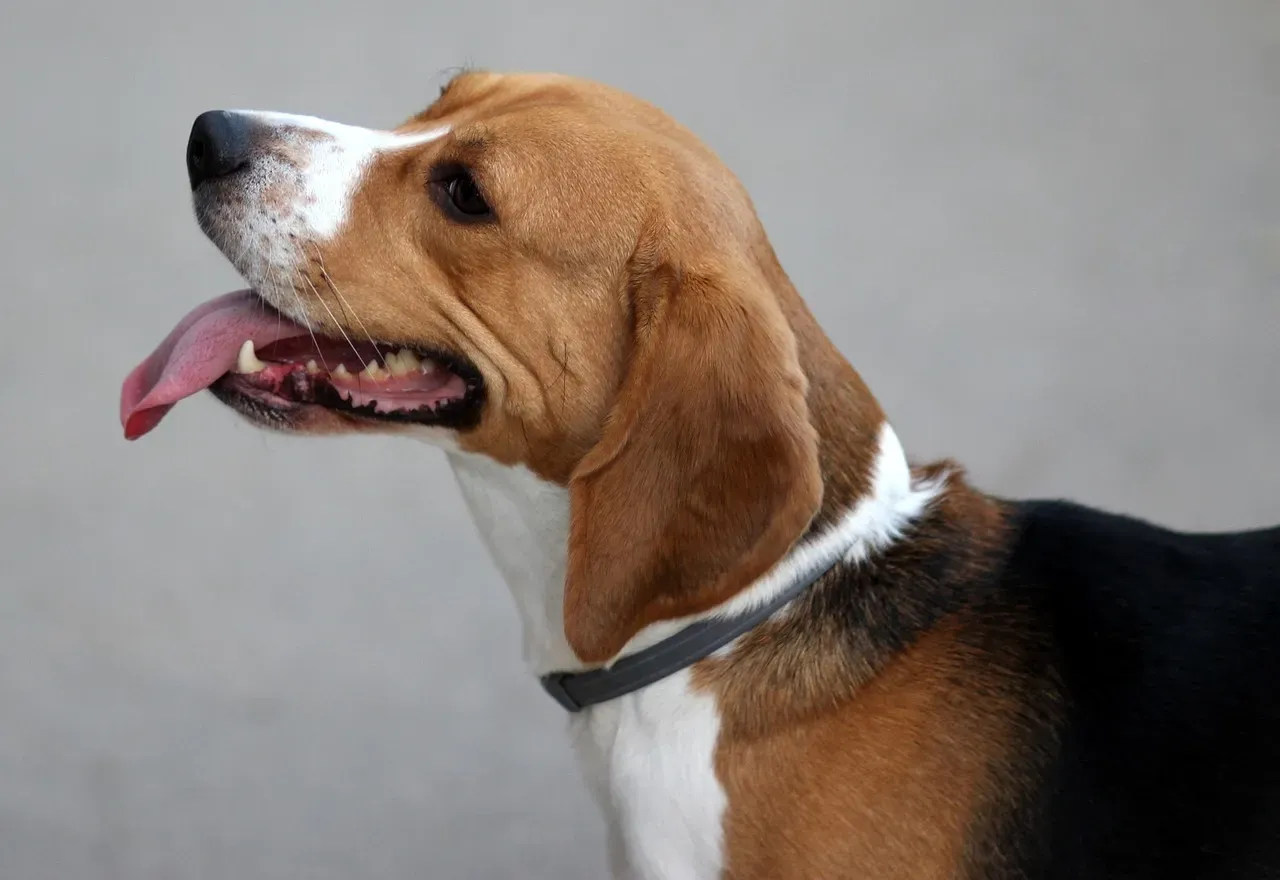
Beagles are one of those breeds that seem to be permanently in a good mood. Beagles are small, sturdy, and full of cheer. These merry little hounds are friendly, curious, and always ready for adventure, making them excellent companions for energetic kids. Beagles are naturally tolerant, and their playful nature aligns well with a child’s boundless enthusiasm. They also tend to be patient and forgiving.
They have fantastic temperaments and would be very accepting of visiting grandchildren and young relatives. They don’t take much maintenance, and they’re endlessly cheerful and loyal. For a grandparent looking for a dog that doesn’t ask for much but gives back enormously in affection and fun, a Beagle genuinely fits that description. Their compact size also makes them easier to manage physically.
A few honest caveats: Beagles are scent hounds with a nose that can override their better judgment. A securely fenced yard is important, and recall training should start early. It is also important to note that Beagles can be boisterous and a little bit mouthy, so they’ll need supervision and lots of training when around young children. With consistent positive reinforcement and a little patience on the owner’s part, a Beagle becomes one of the most reliably warm-hearted family companions you’ll ever meet.
Choosing the Right Patient Breed for Your Home
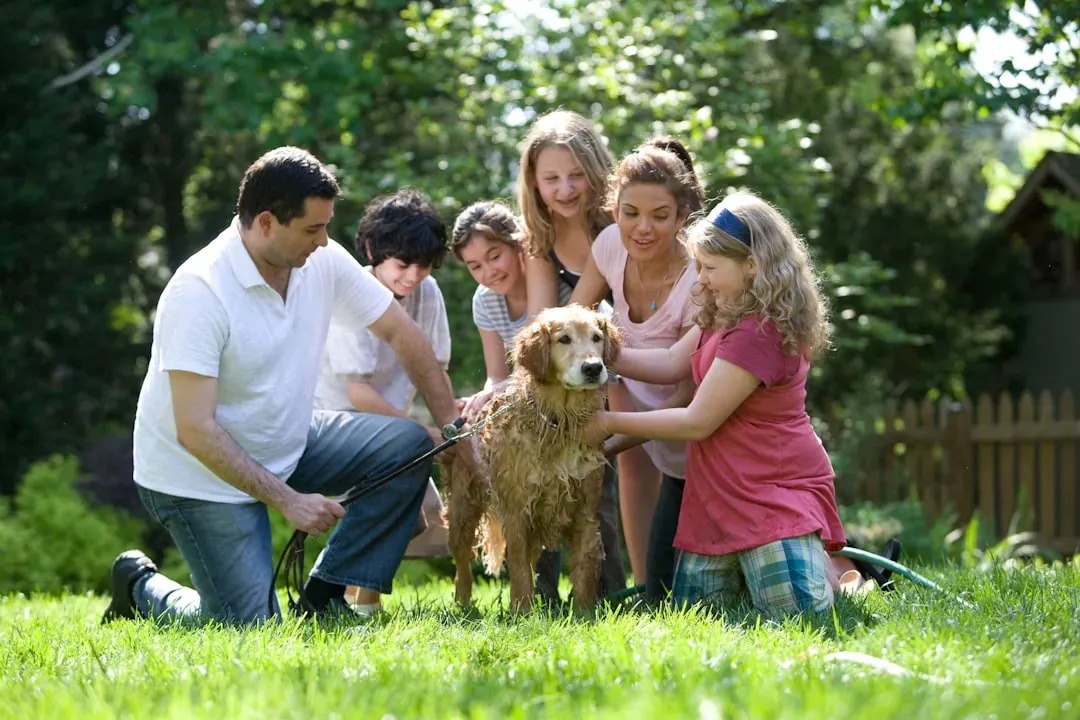
Patience is a virtue, especially when it comes to selecting the right dog breed for your family or lifestyle. Patient dogs are particularly suited to households with children, elderly owners, or first-time pet parents, offering a forgiving and steady temperament that can handle unexpected situations and stressful moments gracefully. No breed list, however well researched, replaces a thoughtful conversation with a veterinarian or reputable breeder who knows your individual circumstances.
It’s worth remembering that even the most patient breeds have their limits. As long as they are socialised well as a puppy, many breeds can happily fit into family life. They are gentle but need to be treated with respect by all members of the family, including young children, as like any dog their patience will eventually run out. Teaching grandchildren to read a dog’s body language, to give the dog space when needed, and to be gentle in play is every bit as important as choosing the right breed.
Dogs can provide deep and enduring companionship in later life, but the best dog breeds for seniors may differ from suitable breeds earlier in life. When picking a senior-friendly dog breed, you need to account for changes like reduced mobility or the arrival of grandchildren. Getting that match right turns a good decision into a wonderful one.
Conclusion
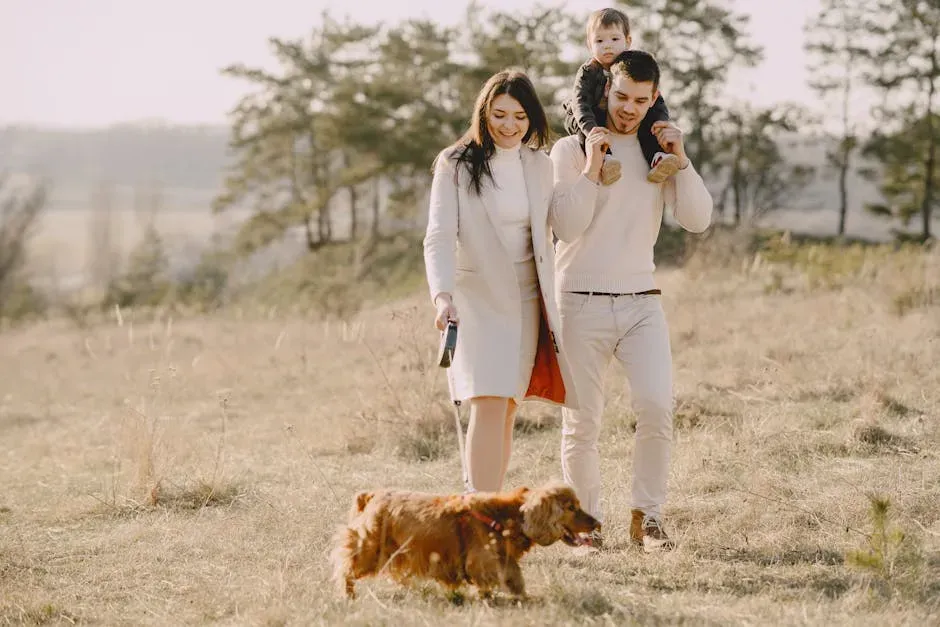
The right dog doesn’t just tolerate the chaos that grandchildren bring. It leans into it, wags through it, and then curls up beside you when the house finally goes quiet. Each of the seven breeds listed here offers something genuine: a temperament shaped by generations of living closely alongside people of all ages and moods.
Whether you’re drawn to the Golden Retriever’s radiant friendliness, the Basset Hound’s unshakeable calm, or the Collie’s quiet protectiveness, the common thread is trust. These dogs earn it steadily, one patient moment at a time. And honestly, that’s the best thing a dog can offer anyone, grandparent and grandchild alike.


