
15 Everyday Items in Your Home That Could Be Dangerous for Your Dog
Your home feels like the safest place in the world for your dog. It’s where they nap in sunbeams, steal socks off the laundry pile, and greet you at the door like you’ve been gone for a year. But hidden among the ordinary things you reach for every day, some surprising hazards are quietly waiting.
The tricky part isn’t identifying things that obviously look dangerous. Most pet owners already keep bleach under lock and key. The real challenge is recognizing the items that seem completely harmless, even wholesome, but can send a dog to the emergency vet in a matter of hours. This guide walks through 15 of those everyday items, what makes each one dangerous, how to spot warning signs in your dog, and what you can do right now to protect them.
1. Chocolate

Chocolate is one of the most well-known but still frequently encountered dangers for dogs. It contains a stimulant called theobromine, which is toxic to dogs and can cause kidney failure. The amount of theobromine varies significantly by type. Dark chocolate, cooking chocolate, and cocoa powder usually contain more theobromine than milk chocolate, making them more dangerous for dogs.
Chocolate, coffee, and caffeine share a similar toxicity concern stemming from their methylxanthine concentrations. When ingested by dogs, methylxanthines can cause vomiting and diarrhea, panting, excessive thirst and urination, hyperactivity, abnormal heart rhythm, tremors, seizures, and even death. Watch for these signs within a few hours of suspected ingestion. Even the amount of sugar and fat in chocolate can make your dog ill, so it’s best to be cautious and prevent them from finding it in your home. Take extra care at Christmas and Halloween when dogs may be tempted to chew through wrapping. Keep all chocolate stored in closed cabinets, well out of your dog’s reach.
2. Xylitol (Sugar-Free Products)

Xylitol is a sugar substitute found in many sugar-free products like gum, candy, peanut butter, and baked goods, and it is extremely dangerous for dogs. It triggers a massive insulin release, leading to a life-threatening drop in blood sugar and potential liver failure. What makes this ingredient particularly tricky is how widely it appears in everyday products many dog owners would never suspect.
Signs of xylitol poisoning can show within an hour, but worsen over a few days. Initial signs of toxicosis include vomiting, lethargy, and loss of coordination, which can progress to seizures. Before using peanut butter as a training treat, always check the label carefully. Xylitol is a sweetener found in products such as some sugar-free chewing gum, sugar-free candy, cough syrup, mouthwash, and toothpaste, so it shows up in far more places than just the snack aisle. If your dog gets into any of these products, contact your vet immediately without waiting for symptoms to appear.
3. Grapes and Raisins

Grapes and raisins can cause sudden, acute kidney failure in dogs. The exact toxic element is unknown, so it is best to avoid them completely. The unpredictability of this toxicity is what makes it so alarming. Some dogs seem minimally affected while others develop life-threatening kidney failure after eating just a small amount.
Grapes and raisins can put dogs at risk of kidney failure, and even a small amount can make a dog seriously ill. The exact cause of toxicity is unknown, but it appears that some dogs are much more sensitive to grape toxicity than others. Raisins appear in many foods we love to eat, such as cakes, biscuits, and cereals, so it’s not just the fruit form we need to be concerned with. Always scan ingredients before sharing any baked good with your dog, and treat all grape and raisin exposure as a medical emergency. Early vet intervention dramatically improves outcomes.
4. Onions, Garlic, and Alliums

All members of the allium family, including onions, garlic, and chives, can cause oxidative damage to red blood cells in dogs, which can lead to anemia. This isn’t just about raw forms, either. Garlic has been found to be more toxic to dogs than onions. Even dehydrated forms of garlic and onion are a threat to your dog’s health.
The onion family, whether dry, raw, or cooked, is particularly toxic to dogs and can cause gastrointestinal irritation and red blood cell damage. Signs of illness are not always immediate and can occur up to a few days later. Affected dogs may exhibit symptoms up to five days later and can include weakness, reluctance to move, and orange-tinted to dark red urine. Dogs that have ingested garlic or onion should be examined by a veterinarian immediately. Be especially cautious with soups, stocks, pasta sauces, and any cooked meals seasoned with these ingredients.
5. Household Cleaning Products
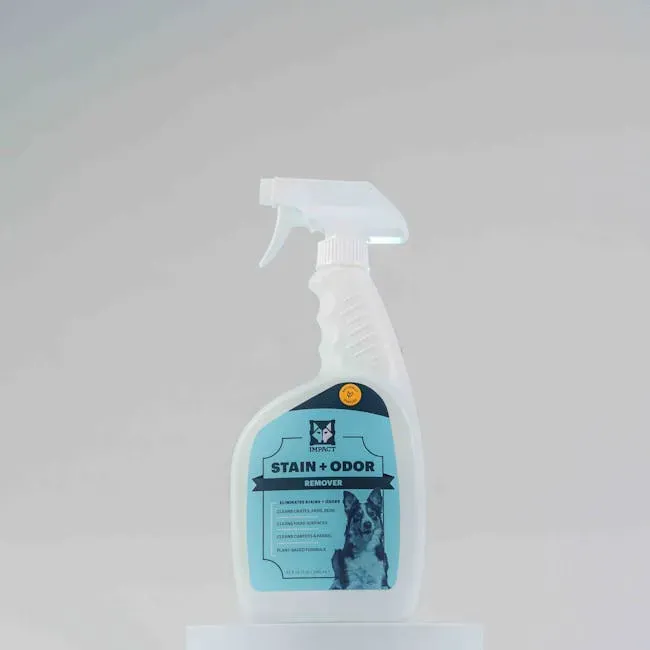
Household cleaners represent a major category of toxins for dogs. Many products contain harsh ingredients that can irritate a dog’s skin, eyes, or digestive tract. Bleach, ammonia, and disinfectants can burn mucous membranes and cause respiratory issues. The danger doesn’t stop at direct contact with the bottle. Dogs and cats who walk close to surfaces, lick paws, or explore cleaning containers are especially vulnerable.
Laundry pods and detergents may lead to vomiting, drooling, and breathing difficulty. The strong scents of dryer sheets may attract pets. If chewed or swallowed, the detergents can cause ulcers in the mouth, stomach irritation, or intestinal blockage. Laundry pods are especially dangerous if bitten or punctured. After mopping or scrubbing floors, rinse floors and surfaces thoroughly before allowing your dog to walk on them. Keeping your dog in another room while you clean is a simple but genuinely protective habit.
6. Human Medications
One of the most frequent causes of pet poisoning is the accidental ingestion of human medicine. A pet’s metabolism is vastly different from ours, and a standard human dose can have devastating effects on an animal. NSAIDs like ibuprofen and naproxen can lead to stomach ulcers and kidney failure in dogs. Even a single tablet fallen on the floor can be enough to cause serious harm to a small dog.
Human antidepressants are another common medication that leads to poisoning in dogs. Never leave medications uncapped or unsealed, especially when they’re in your purse or on a table. Dogs have an impressive ability to nose open bags and chew through pill bottles. The behavior cue to watch for: a dog sniffing around your bag or pill organizer with unusual persistence. Store all medications in secured, elevated cabinets and always pick up any dropped pills immediately.
7. Essential Oils and Diffusers
Dogs process compounds differently than humans, making many essential oils potentially dangerous to them. Their bodies cannot break down certain chemicals found in essential oils. These compounds can be absorbed through the skin, inhaled from diffusers, or ingested when dogs lick their fur after contact. Tea tree, wintergreen, pine, cinnamon, citrus, eucalyptus, peppermint, and ylang ylang oils are toxic to dogs.
Early signs of essential oil exposure may include mild drooling, licking at the lips, or slight discomfort. Your dog might show decreased appetite or seem mildly agitated. Some dogs may paw at their face or mouth if they’ve had direct contact with the oil. According to the ASPCA, as few as 7 to 8 drops of concentrated tea tree oil can cause serious toxicity in dogs. If you use a diffuser at home, using it for a short time period in a secured area that your dog cannot access is not likely to be an issue, but always err on the side of caution and keep your dog’s access to those spaces restricted.
8. Batteries

Batteries are found almost everywhere in homes today, in toys, remotes, keys, hearing aids, watches, and even some greeting cards. Dogs are natural chewers, and a remote control or toy left on a low table can quickly become a dangerous snack. When chewed or punctured, alkaline batteries leak a caustic substance that can burn your pet’s mouth, esophagus, or stomach. If your pet swallows a portion of a battery, or a whole battery, it can cause an obstruction or blockage in their intestines.
Lithium button-type batteries are the most dangerous, as one 3-volt battery can result in severe necrosis to the esophagus or gastrointestinal tract within 15 to 30 minutes of contact. Signs to watch for include drooling, pawing at the mouth, vomiting, and visible distress. Do not induce vomiting if you suspect your dog has eaten a battery. This can result in the corrosive contents causing further damage. Get to a vet immediately. Keep battery packages, remote controls, household appliances, and toys that contain batteries out of reach in secured cupboards or drawers.
9. Snack Food Bags
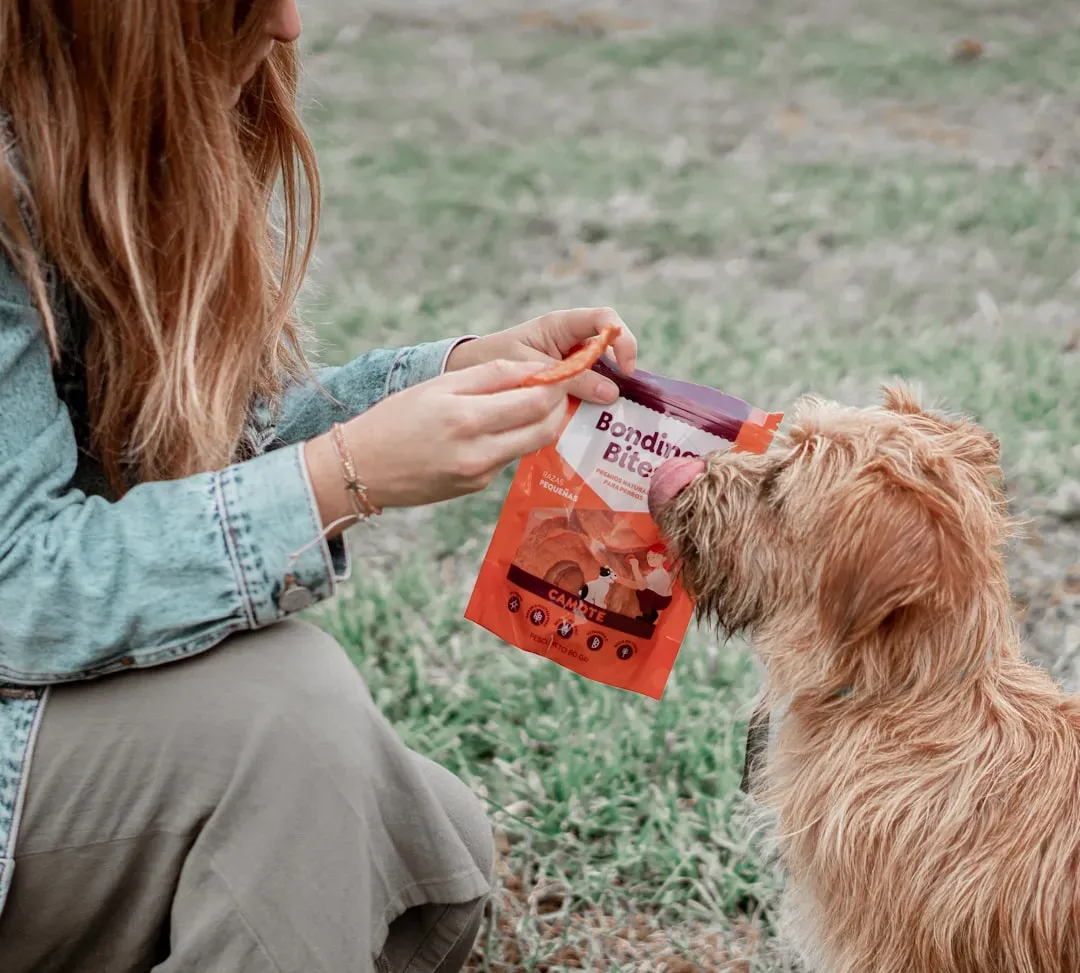
This one catches many dog owners completely off guard. Food bags, especially the mylar-type potato chip bags, cereal bags, and snack bags, can be a danger for pets. Dogs are typically more likely than cats to sniff out food bags. These bags are thin enough that if your dog puts his head far enough into one and breathes in, the bag can wrap around his nose and mouth, suffocating him.
This risk is terrifyingly real and can happen in seconds, including when a dog is home alone. The behavior cue is straightforward: any dog rummaging through trash or licking the inside of a snack bag is at risk. Prevention is simple but requires consistency. Secure trash cans inside and outside to keep them out of your pet’s reach. Cut open or flatten all snack bags before throwing them away, and never leave an unfinished bag of chips on the couch within your dog’s reach.
10. Raw Bread Dough

Yeast dough can rise and cause gas to accumulate in your pet’s digestive system. This can be painful and cause the stomach to bloat, and potentially twist, becoming a life-threatening emergency. The yeast also produces alcohol as a by-product in the stomach environment once ingested, so raw bread dough exposures can develop complications of alcohol toxicity as well.
Home baking has surged in popularity in recent years, which makes this hazard more relevant than ever. A dog that sneaks a lump of proofing dough off the counter may initially seem fine before signs escalate rapidly. Raw bread dough would do the same thing in your dog’s stomach that it does in a bowl. As it swells inside, the dough can stretch your dog’s abdomen and cause a lot of pain. Keep dough covered and stored on high counters or inside the oven during proofing, and watch for signs of bloating, restlessness, or a visibly distended abdomen.
11. Macadamia Nuts

Macadamia nuts can cause weakness, incoordination, depression, vomiting, tremors, and hyperthermia in dogs. Symptoms usually appear within 12 hours of ingestion, with recovery expected within 24 to 72 hours. What makes this nut particularly deceptive is that it often appears in trail mixes, cookies, and baked goods that might otherwise seem like an innocent shared snack.
Just six raw or roasted macadamia nuts can make a dog sick. Symptoms to look for include muscle shakes, vomiting, high temperature, and weakness in the back legs. Eating chocolate alongside the nuts can make symptoms significantly worse, potentially leading to death. If you enjoy macadamia-based products at home, store them securely and inform guests not to share any snacks with your dog. When in doubt about any nut product, keep it away entirely.
12. Cooked Bones

There’s a long-standing image of a dog happily gnawing on a bone, and while it feels natural, cooked bones tell a very different story. Raw uncooked bones can be appropriate for dogs to chew on, but cooked bones should be avoided at all cost. These can easily splinter and in large quantities cause constipation or, at worst, a perforation of the gut which can be fatal.
Turkey and chicken bones should also be avoided. If the bones splinter, they can obstruct the bowels or damage the stomach or intestines. Sometimes this can puncture the stomach or intestines, which may lead to a fatal abdominal infection. Signs of a bone splinter injury include gagging, drooling, difficulty swallowing, constipation, or blood in the stool. After any roast or holiday dinner, dispose of all bones in a secured, lidded bin your dog cannot access. Providing appropriate chew toys is a safe and satisfying alternative.
13. Houseplants

The same plants that breathe life into your space could put your dog’s health and safety at risk. Some are downright deadly, and others cause oral irritation and digestive upset when consumed. Sago palm, a common decorative plant, is highly toxic to both dogs and cats. The seeds are especially potent and can lead to severe vomiting, liver failure, and seizures.
Tulips and hyacinths, especially their bulbs, cause mouth and intestinal irritation if dogs dig or chew them. Blooming beauties like autumn crocus, tulips, daffodils, and lilies of the valley are toxic to dogs. Even more toxic are shrubs like oleander, azalea, and rhododendron. Before bringing a new plant home, take a moment to check the ASPCA’s comprehensive toxic plant list. If you’re not sure if a houseplant is safe, keep it out of reach, since dogs can be tempted to nibble on leaves or stems.
14. Caffeine

Your dog’s heart may race if he accidentally ingests coffee grounds or consumes any drink that is high in caffeine. This can lead to seizures, tremors, arrhythmia, difficulty breathing, and other symptoms. Coffee grounds left in a reachable bin, a travel mug on a low table, or even tea bags discarded in an open trash can all present real risks to curious dogs.
Caffeine in large enough quantities can be fatal for a dog and there is no antidote. Symptoms of caffeine poisoning include restlessness, rapid breathing, heart palpitations, muscle tremors, and bleeding. Keep your pup away from soda as well, since it can contain caffeine. Some sodas, especially sugar-free varieties, also contain xylitol. Both caffeine and xylitol are toxic to dogs. A dog that gets into your morning coffee is not just having an amusing moment. It can escalate quickly, so contact your vet right away if this happens.
15. Rodent Poison and Pesticides
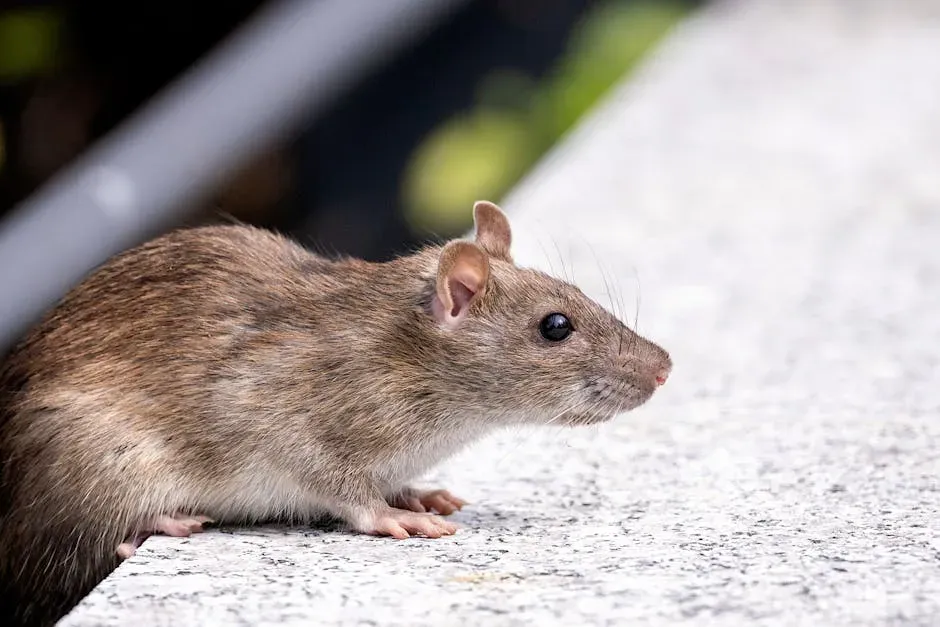
Anything designed to kill pests, such as rodenticides, insecticides, and snail bait, is extremely dangerous for pets. These poisons are often made with tasty ingredients to attract pests, which also makes them appealing to dogs and cats. Rodenticides are particularly deadly, causing internal bleeding or neurological damage. The irony is brutal: the same flavoring that lures a mouse also draws in a dog.
As temperatures cool, rodenticides are frequently used to control pests seeking warmth indoors. Unfortunately, these products are highly toxic to pets. Keeping them out of reach and opting for pet-safe alternatives whenever possible is strongly recommended. Signs of rodenticide poisoning include lethargy, pale gums, coughing, bruising, and unsteady movement. If you suspect any exposure, time is critical for successfully treating poisoning. Pick up the phone and call your veterinarian, or the ASPCA Animal Poison Control Center at 1-888-426-4435 or Pet Poison Helpline at 1-855-764-7661.
What to Do If Your Dog Ingests Something Dangerous
Staying calm is genuinely the most useful thing you can do in those first moments. If your dog ingests something toxic or that you think might be toxic, take action immediately. Do not administer anything at home, including food, water, hydrogen peroxide to induce vomiting, or human medications, unless directed by a veterinarian.
Treatments are typically more successful and hospitalization is shorter if a dog gets help fast. Be ready with all the important information, such as the type of food or substance eaten, the amount consumed, and the time of ingestion. Keep a photograph or the packaging of whatever your dog got into, as this information genuinely helps your vet move faster. If you suspect your pet has ingested a toxic substance, contact your veterinarian immediately or call the ASPCA’s emergency poison hotline. The hotline is available 24 hours a day, seven days a week.
A Safer Home Starts with Small Changes

The goal here isn’t to make you anxious every time you cook dinner or light a diffuser. Most of these hazards are entirely preventable with small adjustments: latched cabinets, secured trash cans, mindful storage. Put dangerous items out of your dog’s reach, and pup-proof your home to avoid a potential medical emergency. To be doubly safe, you can block your dog from anything dangerous by using a dog gate, or by keeping them in a dog crate when they’re unsupervised.
Dogs navigate the world through their noses and mouths. That curiosity is part of what makes them so endearing, but it also means the responsibility falls on us to know what’s lurking at nose height in our homes. Dogs are naturally curious, and that curiosity sometimes leads them into danger. By being aware of common household toxins and taking steps to reduce risks, you help your pet enjoy a safer, healthier life.
The most devoted dog owners aren’t the ones who never make mistakes. They’re the ones who keep learning, keep adjusting, and keep paying attention. That’s all any dog really asks of us.