
Picture this: you arrive at the dog park on a sunny afternoon, your pup straining at the leash with pure joy. You step through the gate, unhook the collar, and watch your dog bolt toward a group of playing dogs. Within seconds, tensions flare. Someone’s ignoring their dog. Another owner brought snacks. A third just dropped their phone and tuned out completely. Sound familiar?
Dog parks are incredible spaces for off-leash freedom, socialization, and that special kind of tired that only a good run produces. They’re not just fenced areas where dogs run around. They’re complex social environments where canine and human behavior intersect. The written rules are often posted on the gate. The unspoken ones? Those take experience, awareness, and a genuine respect for every dog and owner sharing that space. Here’s what the regulars already know.
Put the Phone Away and Stay Present
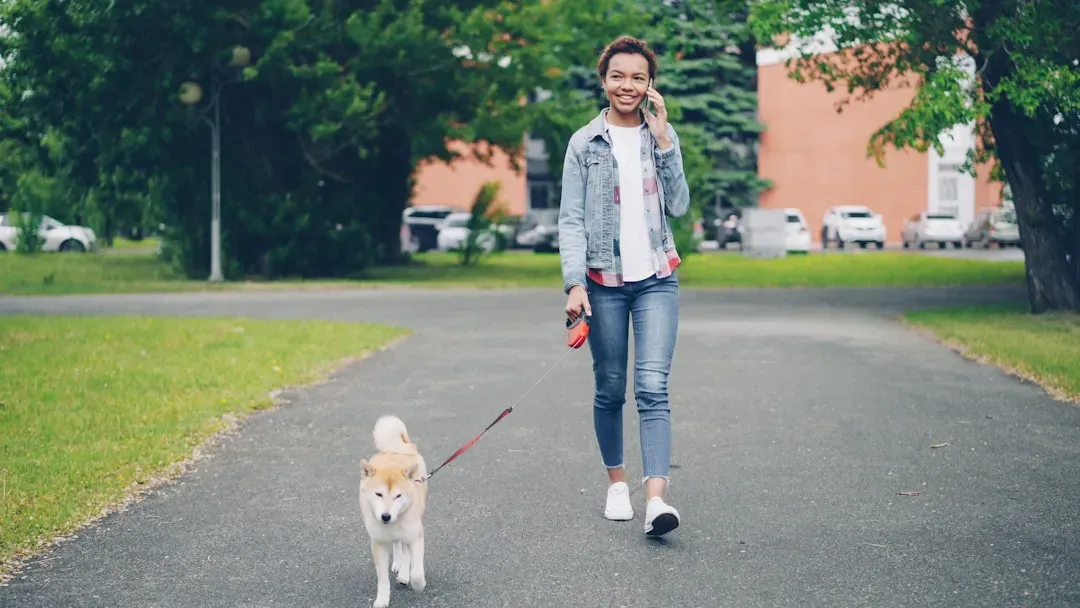
This one sounds simple. It isn’t. One of the most important pieces of etiquette at a dog park is being present. You need to watch what your dog is communicating, and watch how other dogs are communicating, too. The moment your eyes drop to a screen, you lose your ability to catch problems before they escalate.
Making friends with other dog owners is a big perk of the dog park, but keep a sharp eye on your pooch at the same time. If you see a lot of people standing around talking or looking at their phones, proceed with caution. They could be missing warning signs that play is getting too rambunctious or that specific dogs might not be getting along.
Stay engaged and present. Your dog needs your attention, and other owners need to see you’re actively supervising. You should be able to call your dog back to you at any time. If you can’t, your dog isn’t ready for off-leash play. It’s that straightforward, and it’s a standard every responsible owner should hold themselves to.
Read Your Dog’s Body Language Like a Pro
Understanding canine communication prevents problems before they escalate. Dogs communicate primarily through body language, and dog parks are master classes in reading these signals. Knowing what healthy play actually looks like is one of the most underrated skills any dog owner can develop.
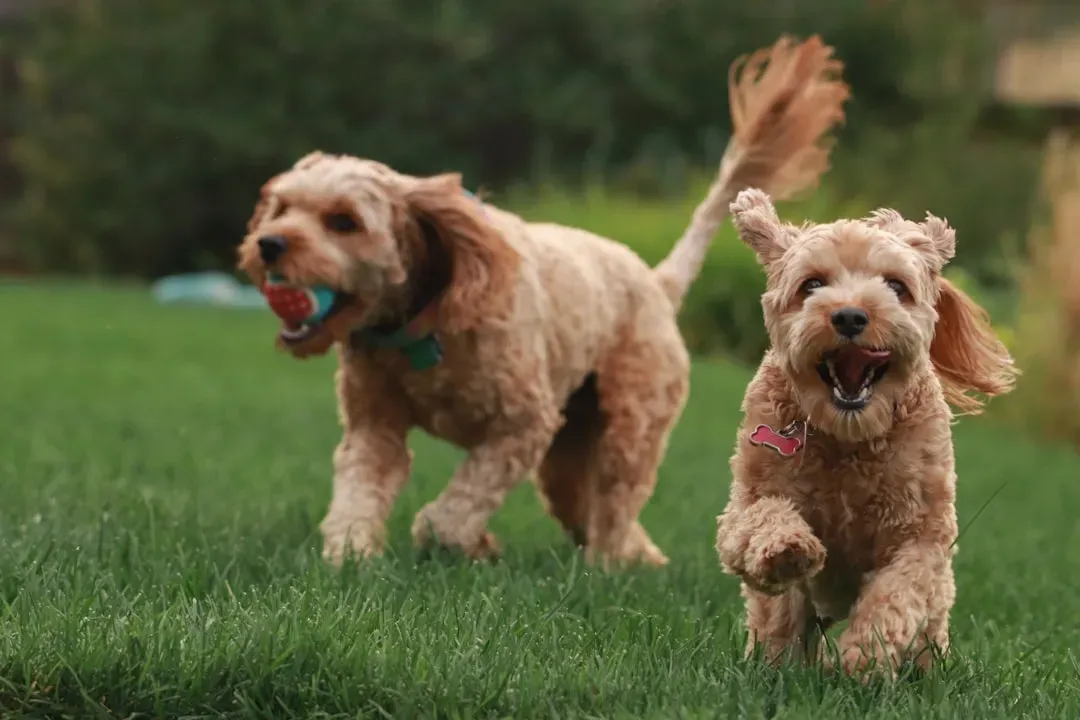
Healthy play looks like this: dogs take turns chasing and being chased. They exhibit play bows, which means front end down and rear end up. Their movements are bouncy and exaggerated. They self-handicap, meaning larger dogs adjust their play style for smaller ones. Both dogs look relaxed and happy. When you see this, you can breathe easy.
Warning signs to watch for include stiff body posture, which indicates tension. A dog standing tall over another dog shows dominance. Hard stares, raised hackles, or curled lips signal potential aggression. If dogs are silent during play, pay attention, because vocalizations during play are usually good signs. When you spot these cues early, a calm, quiet intervention can prevent a very bad afternoon.
Know When Your Dog Shouldn’t Be There at All
Not every dog is a dog park dog, and knowing that takes real self-awareness as an owner. Don’t take your dog to the park if your dog is in heat, as this can cause fights and even unwanted pregnancy. If you know your dog is aggressive, especially if they have bitten in the past, don’t risk taking them off the leash. No amount of hoping for the best changes a dog’s temperament in a high-stimulation environment.
Your dog should also be vaccinated before visiting. Transmittable illnesses travel easily in places with lots of dogs. If your dog isn’t in top health, not only are you putting other dogs at risk, but your dog’s compromised immune system also makes them more susceptible to diseases lurking at the park. This is one of those non-negotiable baseline responsibilities.
Some days your dog might not be in the mood for social interaction, and that’s okay. Don’t force it. Bad days happen, and knowing when to skip the park prevents negative experiences that can create lasting issues. Tuning into your dog’s signals at home, before you even reach the gate, is half the job done.
Leave Toys, Treats, and Tension at the Gate
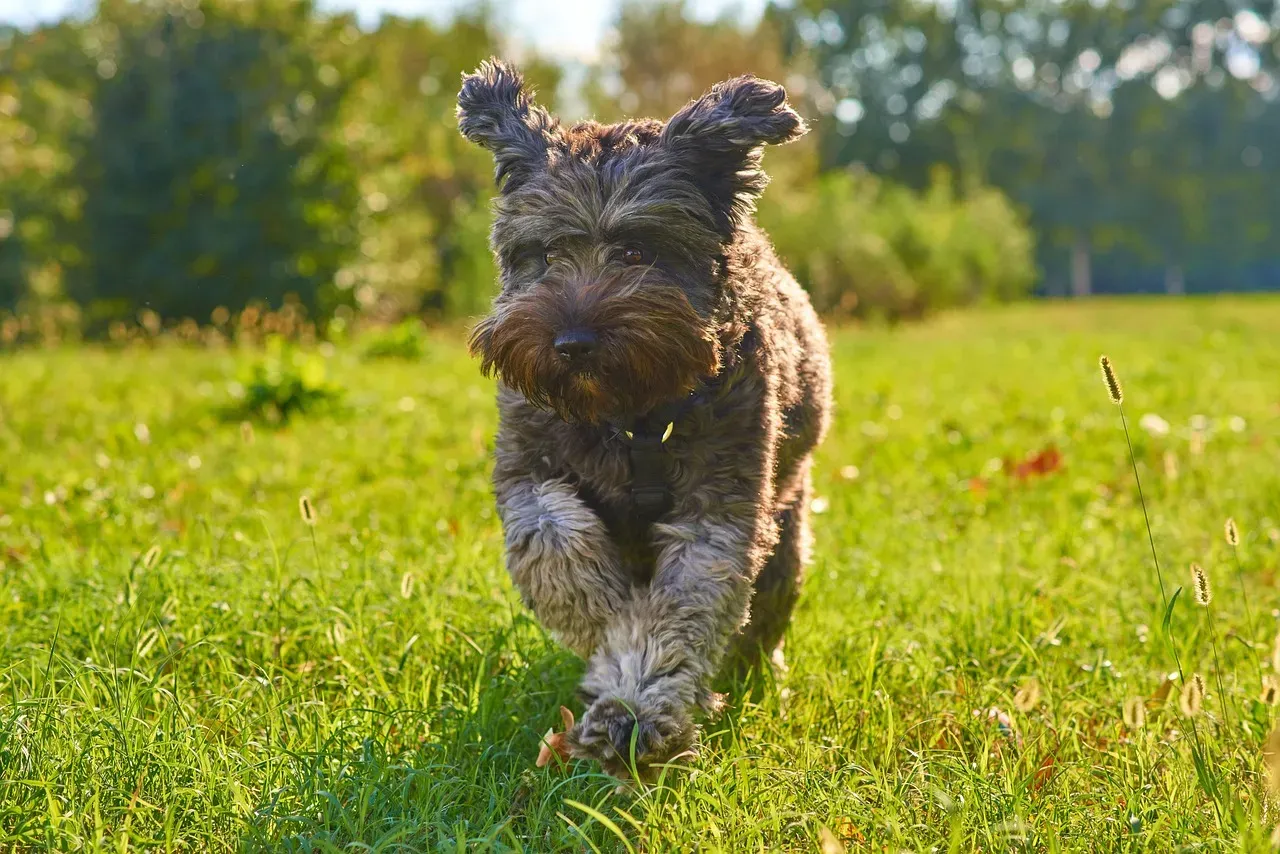
This is one of those rules nobody tells first-timers but every regular knows well. The dog park is not the place for toys, not even tennis balls. Playing fetch is something dogs do with their people, and other dogs may horn in on the game. If it’s a quiet time and you have the park to yourself, it’s fine to play with toys, but when other dogs show up, the safest thing is to put them away.
Most dog parks also have rules prohibiting food, treats, and bones. These are all things that dogs might get into a fight over. It’s not about being rigid. It’s about understanding that resource guarding is a real behavioral pattern that can ignite conflict in seconds, even among dogs that normally get along perfectly well.
Watch for dogs hovering over items, blocking access to water, or getting possessive when other dogs approach their people. If your dog shows these behaviors, work with a trainer before returning to the park. If another dog is resource guarding, give them space and alert their owner. A calm, direct word to a fellow owner is always better than waiting for something to go wrong.
Manage Entrances, Exits, and the Crowd Around the Gate
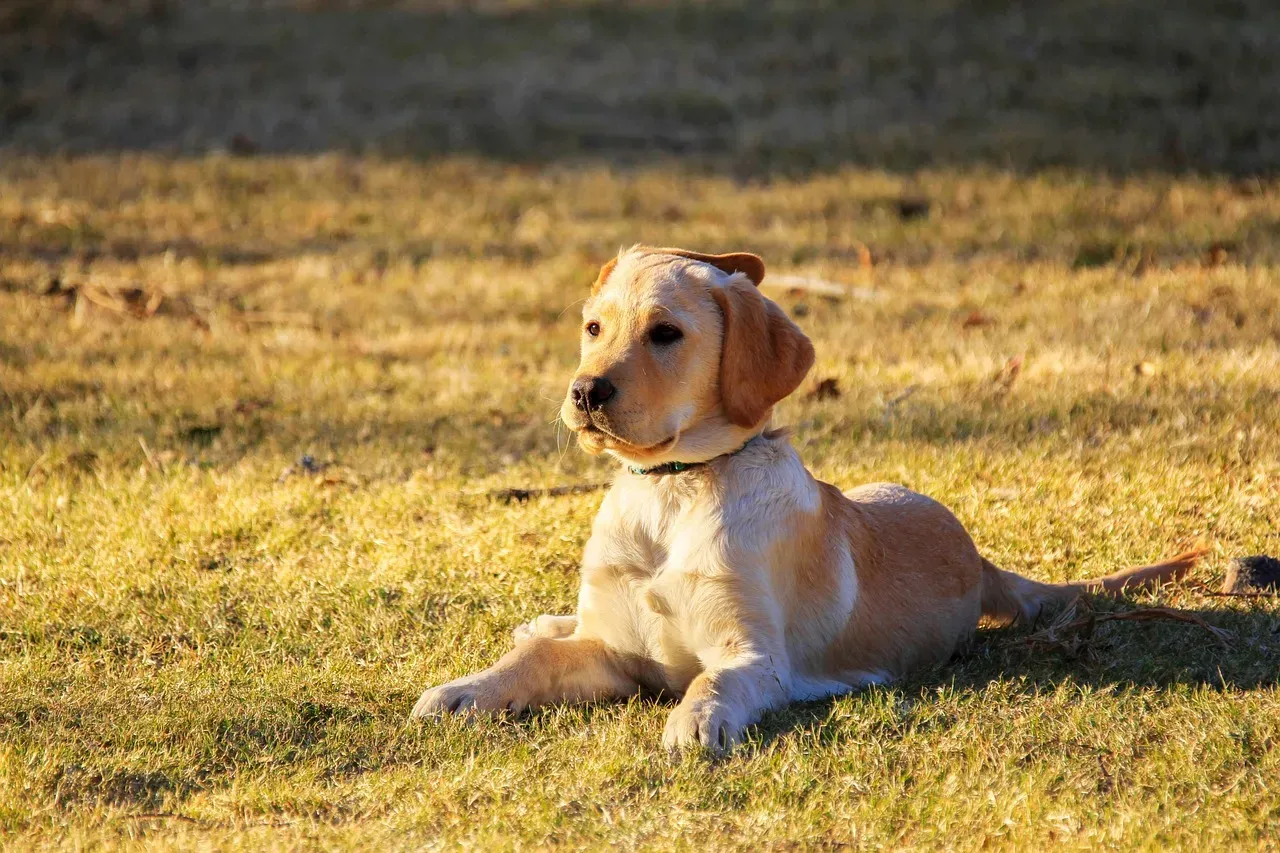
The gate area is one of the most overlooked stress points in any dog park. If a bunch of dogs rush the entrance every time a new dog joins the group, wait calmly for them to disperse before bringing your dog inside. Pay attention to unclipping your dog’s leash before allowing them inside so they don’t feel trapped or vulnerable surrounded by off-leash dogs.
A dog on leash often feels vulnerable when other dogs around it are off leash. The leashed dog knows it cannot maneuver freely and cannot get away if it wants to. This sense of vulnerability may actually lead to aggression. Something as small as the order in which you remove a leash can completely change how your dog experiences those first critical moments.
As a new park visitor, your dog may be more at ease when the park isn’t crowded. Let your dog become acquainted with the surroundings during a less busy time. It will be easier for both of you to focus without the distraction of lots of dogs and owners. Most parks are busiest evenings and weekends, which can overwhelm first-timers. Starting with off-peak hours when there are fewer dogs and more space gives your dog a much better foundation.
Conclusion: You’re Your Dog’s Best Advocate
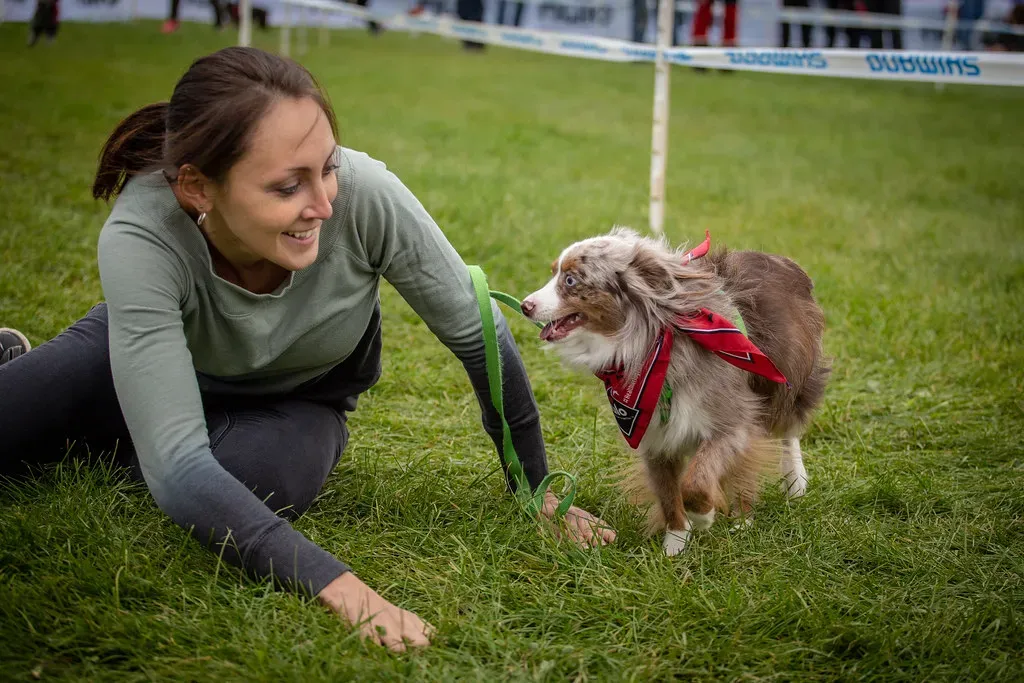
Dog parks work best when owners show up as active participants, not passive bystanders. Inattentive owners can turn a dog park into a recipe for disaster. Dogs need clear boundaries and consistent guidance to navigate social situations successfully. No one is expecting perfection. Every dog has an off day, and every owner learns something new the longer they show up.
Dog parks are a wonderful resource as long as owners realize that dogs will be dogs. Most are social animals and love a chance to play with canine friends. Remember that you are your dog’s best friend, and it’s your job to keep them safe and secure so you both can have the best time possible.
The unspoken rules aren’t complicated. They just require you to care enough to pay attention. When every owner in that park is genuinely tuned in, the whole space transforms into exactly what it’s meant to be: a joyful, safe place where dogs get to be dogs and owners get to be proud of them.


