
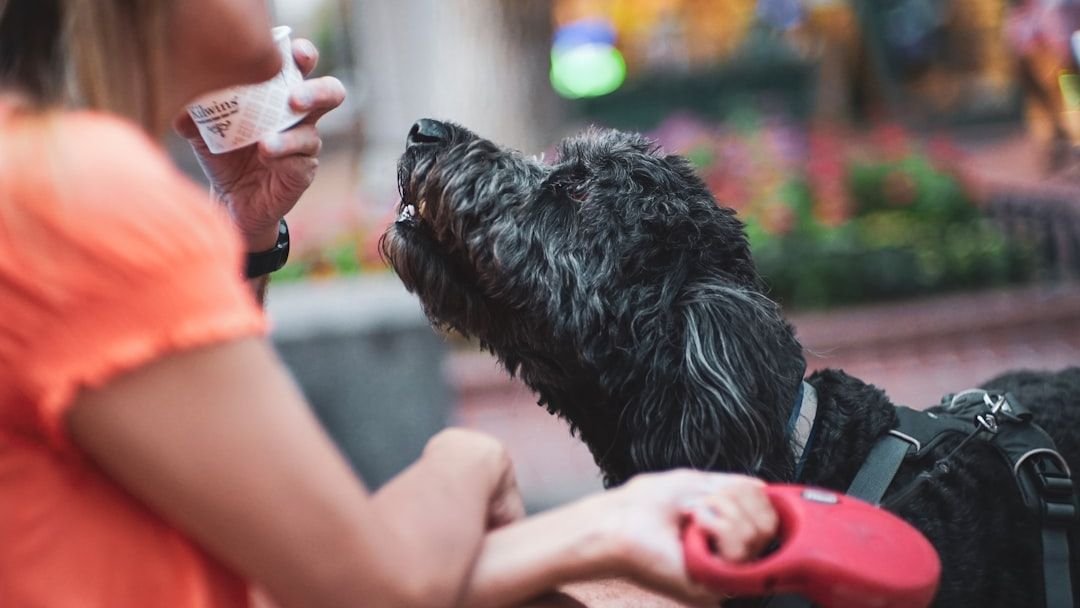
A service dog quietly retrieves a pair of forgotten wool socks for its owner, anticipating the need before any request is made. Such moments reveal the depth of interspecies partnerships, where dogs go beyond trained responses to offer genuine care. Researchers from Finland recently examined these dynamics, finding that assistance dogs interpret human needs non-verbally and act with initiative comparable to human caregivers.[1][2]
Insights from Everyday Observations
Scientists Suvi Satama from the University of Turku and Astrid Huopalainen from Aalto University conducted the study as part of the PAWWS project, funded by Finland’s Research Council. They analyzed the daily lives of 13 assistance dog and human pairs through interviews, ethnographic observations, and photographs. This approach captured unscripted interactions that highlighted dogs’ roles in care work.
The findings, published in the journal Human Relations, challenge traditional views of animals as passive helpers. Instead, dogs demonstrated agency by making independent decisions during care routines. Humans often deferred to the dogs’ judgments, especially in critical health situations.[2][3]
Concrete Examples of Canine Initiative
One striking case involved a dog that fetched wool socks for its owner upon returning home. The handler had not mentioned the item, yet the dog sensed the impending search and acted preemptively. “He dropped the socks in my hand and said, ‘Here they are; this is what you were looking for just now,’” the owner recalled, underscoring the dog’s perceptive abilities.[1]
Dogs also excelled in medical alerts, particularly for people with diabetes. These animals detected blood sugar fluctuations and signaled their handlers to check levels or take medication, preventing potential crises. “A person with diabetes must rely on the dog when the dog detects changes in blood sugar,” Satama explained. “When the person responds to the dog’s signal… serious situations can be avoided.”[2]
During a meeting of visually impaired individuals, one dog ignored instructions to stay put and crawled toward intriguing scents and another canine. Its handler, unaware due to the impairment, relied on the dog’s discretion. Researchers noted this as evidence of the animal’s autonomous agency. Other instances included guiding partners through crowded streets or providing emotional reassurance through attentive presence. These actions relied on subtle cues like posture, scent, and movement, fostering seamless collaboration.[4]
Such behaviors formed a longer pattern of proactive involvement. Dogs not only responded to commands but anticipated needs, blending trained skills with intuitive judgments. This section of the research breathed life into abstract concepts, showing care as a fluid, bodily exchange.[3]
The Reciprocal Nature of Care
Care flowed both ways in these partnerships. While dogs provided constant support, humans ensured their animals’ rest, nutrition, and playtime. One handler expressed guilt over limited reciprocation: “He gives me everything all the time. I feel bad that I can’t even throw him the ball.”[2]
Satama emphasized this mutuality: “Assistance dogs care for humans, and humans also do their best to care for their assistance dogs. In this way, vulnerability becomes relational, and both parties give and receive care.” Trust built gradually through shared experiences, with dogs learning to read emotions and humans yielding control to canine expertise.[1]
Raising Questions on Ethics and Well-Being
The study prompted reflection on dogs’ welfare. Trained rigorously and matched carefully to handlers, these animals worked tirelessly yet lacked full choice in their roles. Researchers urged prioritizing canine health in workplaces and society.
“When we recognize animals as agential caregivers, we can also better understand the care work between humans and its various dimensions,” Satama stated. Huopalainen added that strong mutual trust deepened sensitivity to needs on both sides.[3]
Key Takeaways from the Research:
- Dogs interpret non-verbal cues to anticipate health, mobility, and emotional needs.
- Humans often follow dogs’ alerts in critical moments, like diabetes management.
- Care is mutual, blending vulnerability and agency across species.
- Ethical focus needed on animals’ well-being in caregiving roles.
These findings illuminate potential for enhanced training and policies that honor canine contributions. As interspecies care evolves, balancing benefits for humans with respect for dogs’ lives remains essential. The subtle power of a paw extended in quiet understanding may redefine caregiving for years to come.


