
Where you live shapes your life in more ways than you might expect. It turns out that’s true for your pets too. The quality of veterinary care, the strength of legal protections, the climate, the cost of treatment, and even how much open space is available all play a real role in determining whether your dog or cat thrives or simply gets by.
A 2025 study examining all 50 U.S. states analyzed everything from rental access and vet availability to open space and dog ownership rates, revealing where pets and their owners are genuinely thriving and where they face the toughest conditions. Some of what the data shows is expected. Some of it is genuinely surprising. Here is a grounded look at the states that come out on top, and the ones that fall significantly short.
Oregon: The Gold Standard for Animal Protection

When it comes to legal protections for animals, Oregon sits firmly at the top. Oregon has claimed the top rank in animal protection laws for the third year in a row, according to the Animal Legal Defense Fund’s 2025 rankings. That consistency reflects real legislative intent, not just one good year.
Oregon earned its top spot because state lawmakers have led the way in passing important animal protection measures, including being the only state to explicitly declare in statute that all vertebrate animals are sentient beings, capable of experiencing pain, stress, and fear. Oregon is also one of just a handful of states with a dedicated statewide prosecutor who specializes in animal cruelty cases. For pet owners, that kind of institutional commitment matters in very practical ways.
Colorado: Outdoor Lifestyle Meets Strong Legal Protections
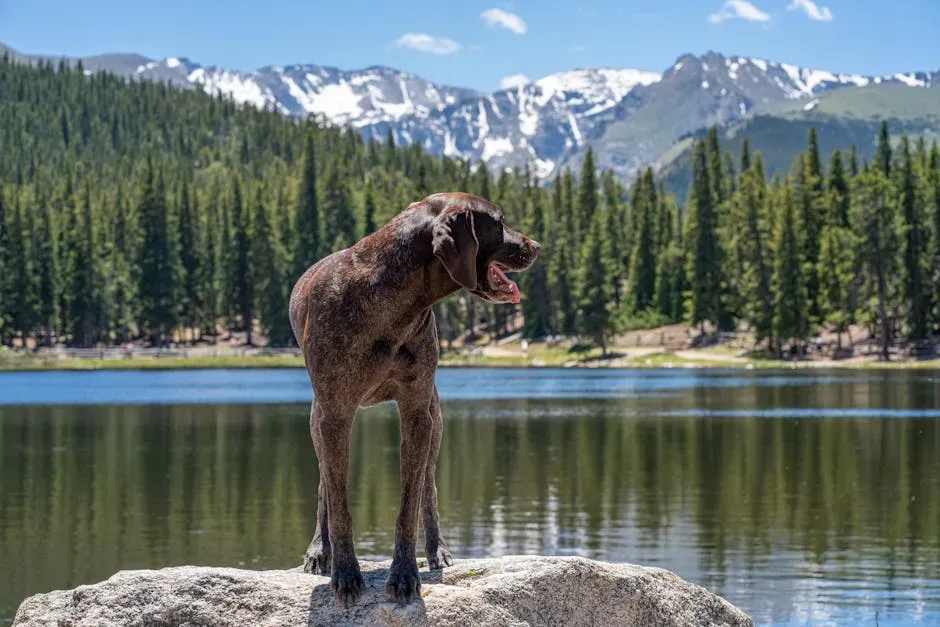
Colorado emerges as the top-ranking state for overall animal welfare in some composite analyses, with strong performance across metrics including pet ownership rates and animal protection laws. It’s a state where the culture and the legislation seem to be pulling in the same direction.
Colorado earned high marks because veterinarians must report suspected animal cruelty and have immunity for doing so. The state also requires mandatory mental health evaluations and treatment for convicted animal cruelty offenders, and convicted offenders are prohibited from owning or possessing animals for a set period of time. Montana aside, states with lots of outdoor activity and more open spaces generally mean a pet is more active and in better health overall, and Colorado fits that description well.
Maine: Defined Standards and Genuine Accountability

In the 16 years the Animal Legal Defense Fund has published its rankings report, Maine has always ranked in the top tier, achieving this in part due to its extremely comprehensive animal neglect laws. Maine’s law has the most detailed definitions in the country for what constitutes adequate food, water, shelter, and care of animals. That matters enormously when cruelty cases go to court.
Maine ranks third nationally for animal protection laws, behind only Oregon and Massachusetts. It also stands out in terms of pet owner engagement. Maine ranks seventh nationally for veterinary service searches per capita, and notably had the highest searches in the top ten for the term “emergency vet near me,” which suggests owners there are actively and urgently seeking care when their animals need it.
Massachusetts: Strong Laws, Committed Owners

Massachusetts ranks second nationally for animal protection laws, sitting right behind Oregon in the Animal Legal Defense Fund’s most recent annual rankings. It’s a state where both legislators and veterinary professionals take animal welfare seriously as a matter of policy.
Massachusetts has also updated its laws to acknowledge that abusers often use threats of harm against pets to control and manipulate victims in domestic violence situations, which reflects a sophisticated understanding of the connection between animal welfare and human safety. One practical caveat worth noting: pet insurance premiums are among the highest in the nation in Massachusetts, and the state ranks among the two worst for pet healthcare when factoring in how veterinarians are compensated relative to state median wages.
South Carolina: Vet Availability and Pet Culture Combined

South Carolinians’ love for their pets is reflected in the rate of pet ownership, with roughly three in five households having a pet. Veterinarians are also plentiful in the Palmetto State, with a strong ratio of vets per one thousand pet-owning households. That combination of owner engagement and professional availability is genuinely meaningful.
South Carolina veterinarians are also well compensated, making significantly more than the median state wage, which supports a stable, motivated veterinary workforce. The love for animals has deep historical roots in South Carolina, with Charleston being home to one of the first animal protection organizations in the United States, founded in 1874.
Illinois: Consistently High Standards

Illinois ranks fourth nationally for animal protection laws in the Animal Legal Defense Fund’s most current report, and it has held a top-five position for many years running. Consistency at that level is not accidental. It reflects a legislative culture that treats animal welfare as a genuine priority.
Illinois also benefits from strong urban veterinary infrastructure, particularly in and around Chicago. Rankings that weigh pet ownership, animal protection, and animal wellness as equal dimensions consistently place Illinois among the national leaders across all three categories. For most pet owners, having legal protections, accessible care, and a community that takes animal welfare seriously all at once is a meaningful combination.
North Dakota: The Hardest State to Be a Pet
In 2025, North Dakota holds the bottom spot in the animal protection law rankings for the third year in a row, with Alabama, Idaho, Kentucky, and Mississippi rounding out the states with the weakest animal protection laws. Sitting at the very bottom for three consecutive years signals a pattern, not an oversight.
Weak cruelty statutes, limited enforcement mechanisms, and minimal legal accountability for offenders create real vulnerabilities for animals in these states. The Animal Legal Defense Fund notes that every state, regardless of rank, has room for improvement, but when a state has held the last position for multiple years, the gap between intention and action has become hard to ignore.
Kentucky: A Long History of Inadequate Protection
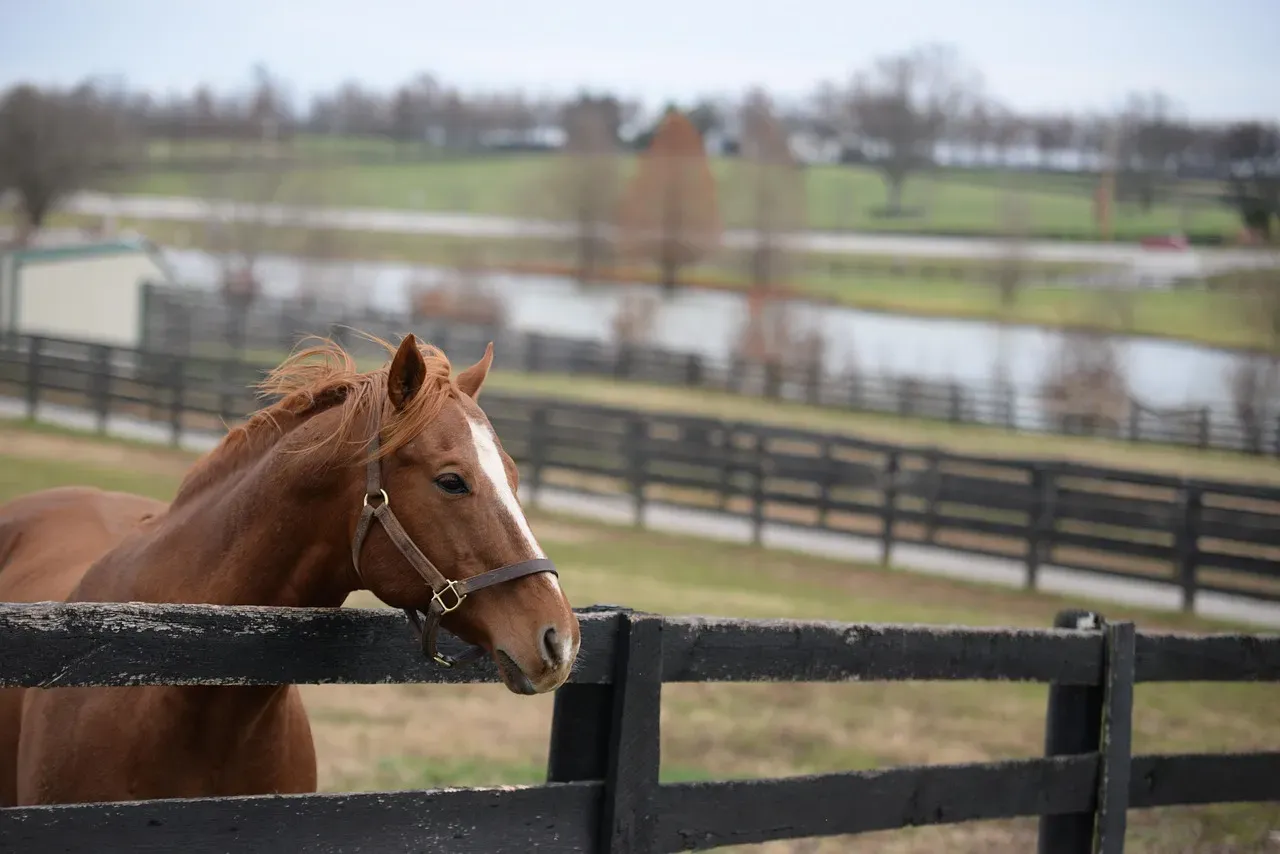
Kentucky earned its near-bottom ranking in national animal protection assessments because state lawmakers have yet to pass a number of important protections. Forfeiture laws for cruelly treated animals apply only to horses and animals who have been sexually assaulted. Kentucky’s definition of “animal” is also one of the most limited in the country, excluding all cold-blooded animals, meaning reptiles, amphibians, and fish receive no protection under the state’s cruelty laws.
Kentucky has a regrettable history of providing inadequate protection to the animals that live there. While the Commonwealth has made some improvements in recent years, it is essential the legislature continues to close the large gaps that remain. Kentucky still does not have any law requiring veterinarians or social services workers to report suspected animal cruelty, which remains a critical gap compared to most other states.
Mississippi: Fragmented Laws and Limited Accountability

Mississippi earned its position near the bottom of national animal protection rankings because lawmakers have yet to pass a number of key protections. The law permitting seizure of cruelly treated animals only applies to limited species, and important sentencing provisions, such as laws prohibiting convicted abusers from owning animals or requiring offenders to undergo psychological evaluations, are only available in cases involving cats and dogs.
Mississippi remains one of the weakest states for animal protection in the country. The state does not provide adequate felony penalties for first-time cruelty offenses, meaning even severe abuse may result in only minor consequences, which reduces accountability and weakens deterrence. The hot and humid climate in Southeastern U.S. states also tends to produce higher rates of parasitic disease, adding a health burden that compounds the legislative shortcomings.
Arkansas: Fewest Vets, Weakest Cruelty Statutes
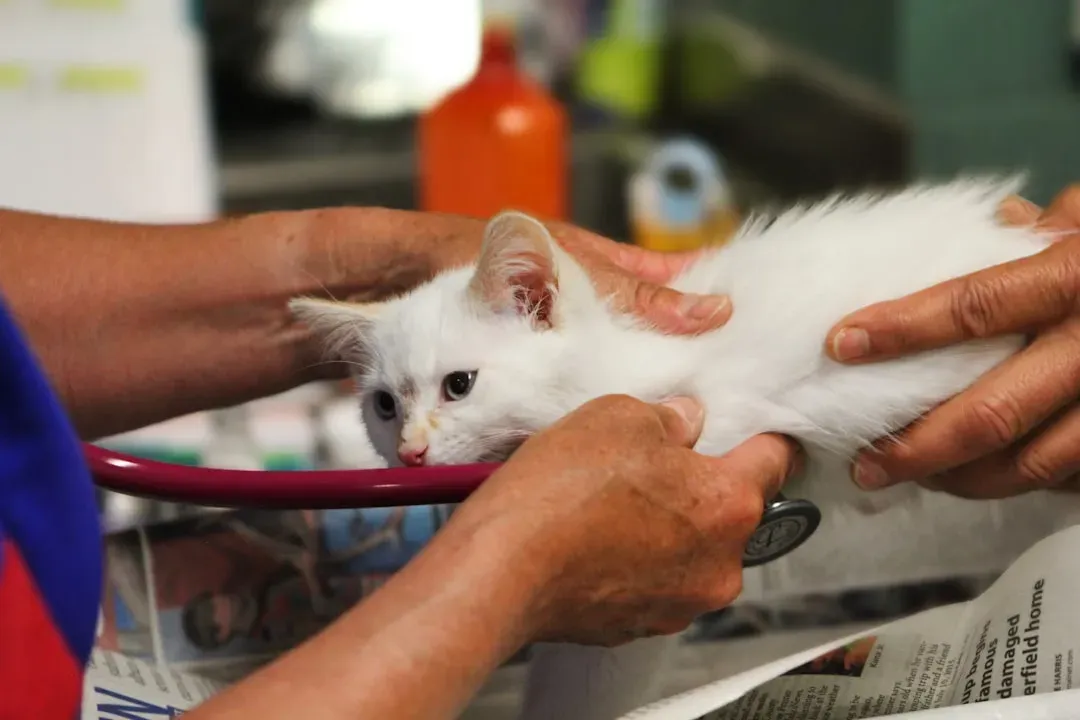
Arkansas is the state with the lowest number of employed veterinarians per capita, with only 14 veterinarians per 100,000 people. When access to professional care is this limited, routine preventive health, let alone emergency treatment, becomes genuinely difficult for many pet owners to access.
Among Southern states, Arkansas is often cited for having some of the weakest cruelty statutes in the country, with felony provisions for abuse so limited that even severe cases may result in only misdemeanor charges. In the state of Arkansas, where veterinarians are the hardest to come by, Google searches for “online vet” have been among the highest in the nation, suggesting that residents are trying to bridge the gap with digital resources where in-person care is simply out of reach.
What the Rankings Don’t Fully Capture
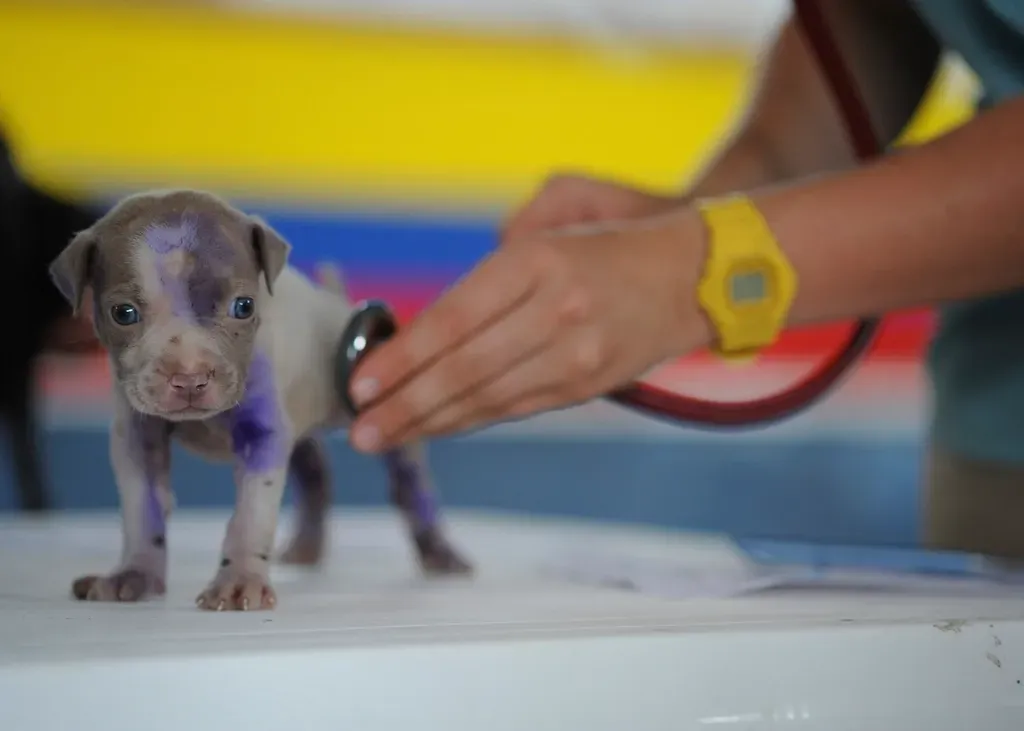
Comprehensive assessments of the best states for animals compare each of the 50 states on multiple key metrics, ranging from the number of animal charities per capita to the share of pet-owning households to the number of veterinarians per pet-owning household. No single number tells the whole story, and individual cities within lower-ranked states can still offer excellent care.
The best states for pet healthcare generally share a combination of plentiful and well-paid veterinarians, as well as affordable pet insurance premiums. Climate, available outdoor space, and local shelter culture add further nuance. With the veterinary occupation projected to grow significantly through the coming years, pet owners in states where veterinarians are currently in short supply may have more to look forward to, especially as bigger salaries in underrepresented states and proximity to top veterinary schools help draw professionals to those areas.
What This Means for Pet Owners in 2026

To many Americans, pets are family. Over 94 million U.S. households own pets, and they want to live in places where their companions can enjoy long, healthy lives without breaking the bank. The state you live in plays a more significant role in that than most people realize.
Telehealth options hold much promise for bridging geographic gaps, and online vets and telemedicine for animals may prove viable for millions of pet owners who currently don’t have reasonable access to in-person veterinary services. Still, access to quality physical care, robust legal protections, and an affordable cost of treatment remain the foundations of genuine pet wellbeing. Since comprehensive tracking of animal protection laws began over 20 years ago, there have been many advancements. Most notably, when the reports were first developed, no jurisdictions explicitly permitted animals to be included in domestic violence protection orders; now 42 states and two territories do so.
Conclusion: Geography Matters More Than You Think
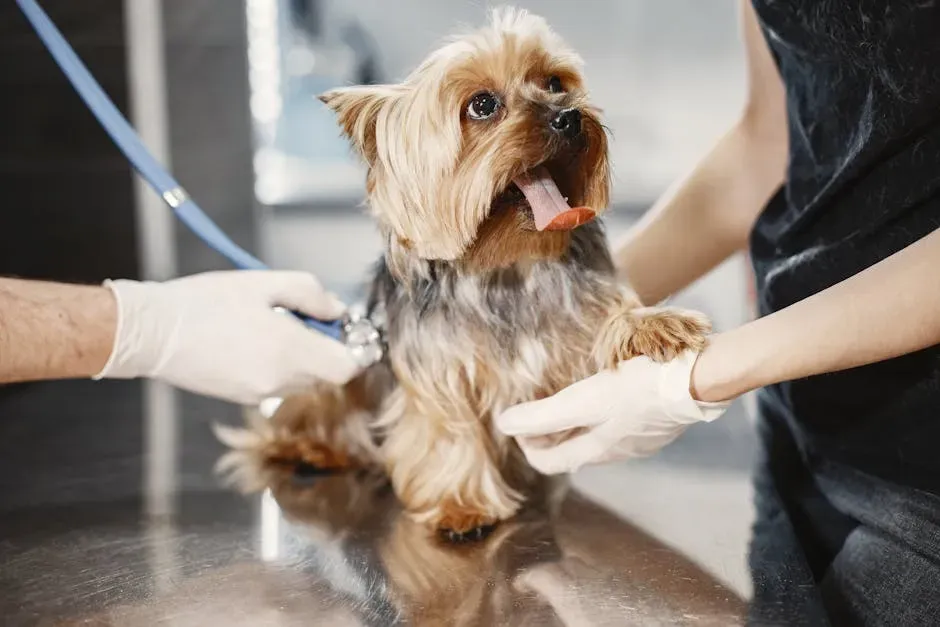
Your zip code affects your pet’s health in ways that go far beyond the weather. From the legal standing of animals in your state to how many vets are actually available within a reasonable drive, the conditions for pet wellbeing vary dramatically across the country.
The good news is that awareness is growing, rankings are being tracked, and laws are improving. The practical implication is simpler: if you’re choosing where to live, where to relocate, or simply advocating in your own community, knowing how your state performs is the first step toward demanding something better. Pets can’t speak up for themselves. The least we can do is pay attention to the places that do it for them.


