
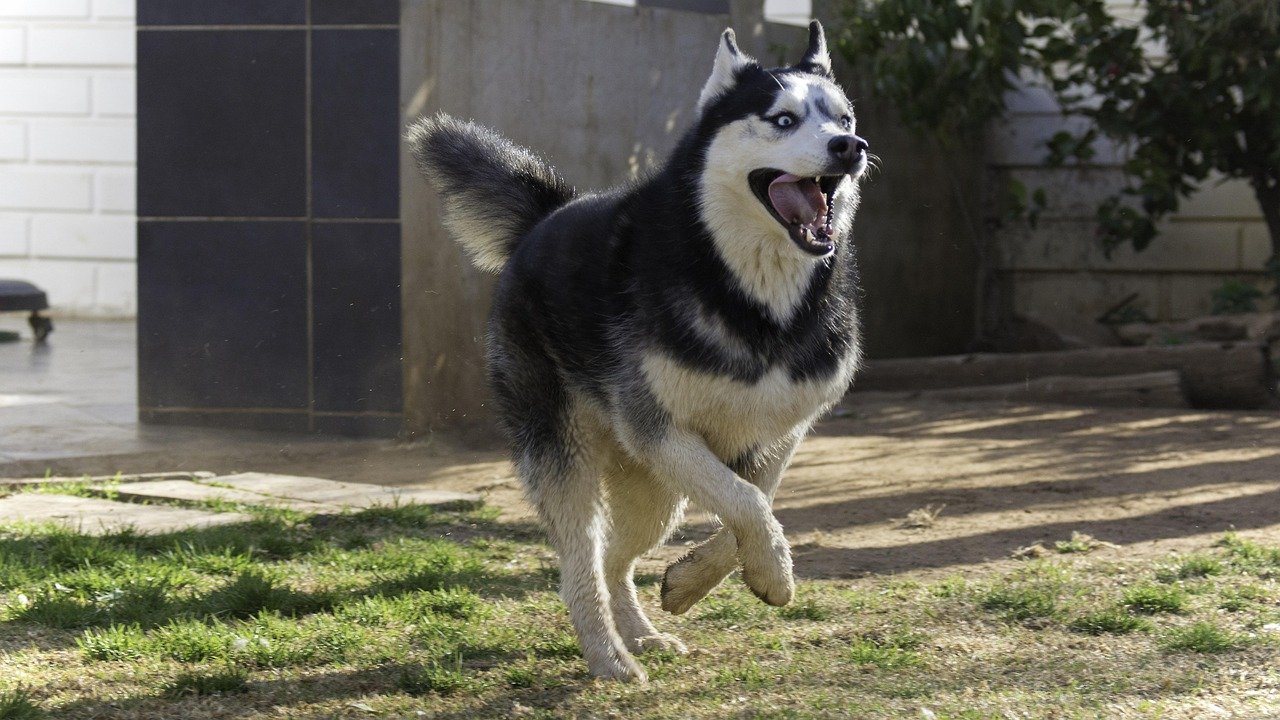
There’s something a little surprising about seeing a Siberian Husky trotting through a Dallas neighborhood in July. These are dogs built for Siberia, not San Antonio. They’re genetically wired for sub-zero temperatures, deep snow, and the kind of cold that would send most people indoors for weeks. Texas, by contrast, regularly bakes under triple-digit summer heat with humidity to match.
Yet thousands of Huskies live across the Lone Star State. So the real question isn’t whether it’s theoretically possible. It’s whether it can be done well, responsibly, and with the dog’s wellbeing at the center of every decision.
Understanding the Husky’s Natural Design
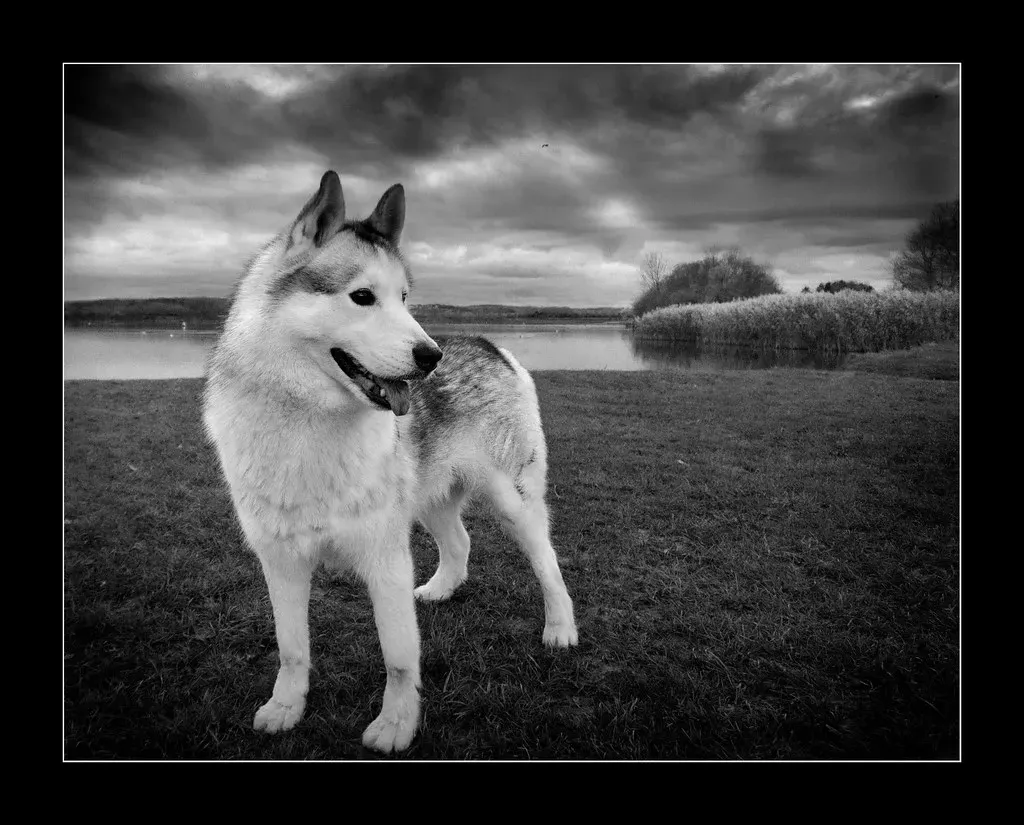
Siberian Huskies are known for their thick double coats, consisting of an undercoat and a protective topcoat, that kept their ancestors cozy on Siberian tundras. It’s an impressive piece of natural engineering, but one designed entirely for cold, not warmth.
While this fur provides insulation in cold weather, it also means they’re built to retain heat rather than shed it efficiently in warm weather, and their heavy coat can trap heat and make it harder for their bodies to cool down quickly when the mercury rises.
During harsh winter months in Alaska and Canada’s Yukon Territory, where temperatures can drop to minus 40 degrees, the Siberian Husky breed is frequently used as a sled dog, which puts their cold-climate origins into real perspective. Texas summers are about as far from that world as you can get.
What Texas Heat Actually Means for a Husky
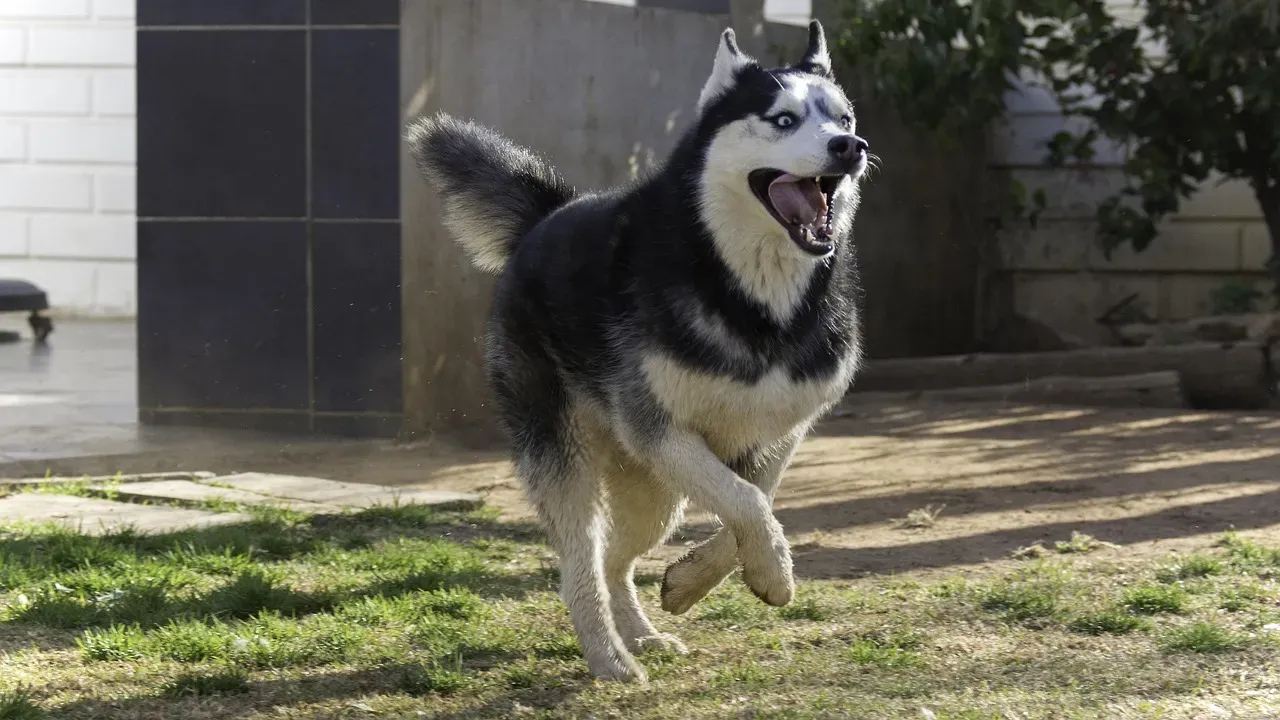
While every Husky is slightly different, most will feel uncomfortable at temperatures above 77°F. If the temperature rises above 90°F, dehydration and heatstroke can set in easily and quickly. Texas routinely exceeds that threshold from May through September.
Due to their hyperactive nature and a double coat that is thicker than most other dogs, heat affects Siberian Huskies worse than it affects humans. When it’s hot for you, it’s considerably hotter for them. That’s an important reality to sit with.
Humans can sweat to vent heat, but dogs have to expel heat from their mouth and tongue, and their longer hairs act as insulation rather than relief. The problem is that they often don’t notice they are too hot until it’s too late. Owners need to be the ones paying attention.
Can They Actually Adapt?
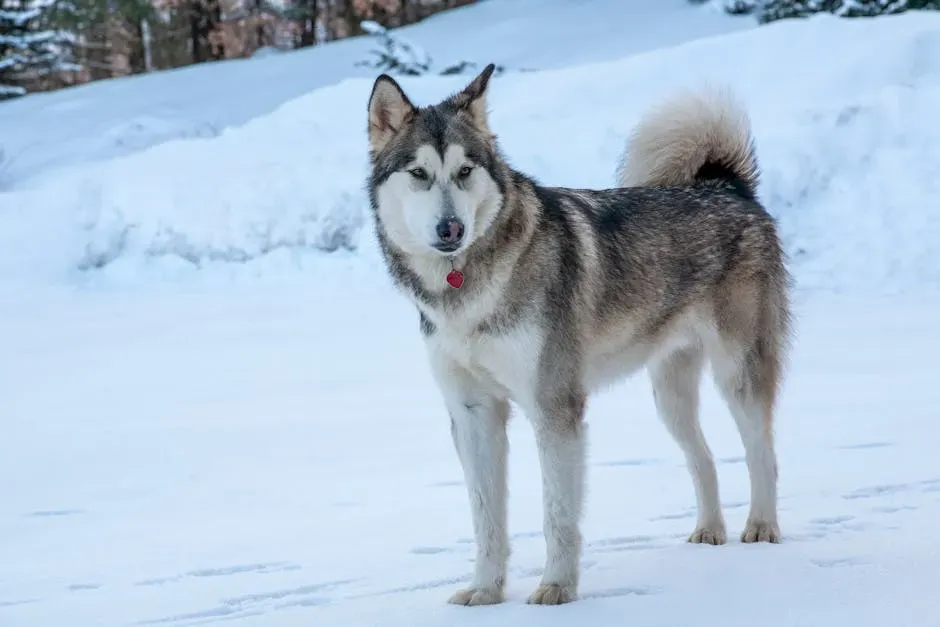
While Huskies have the genetic ability to thrive in extremely cold climates, they can also adapt to other climates where they were born or have relocated. A dog’s body is highly adaptable. It’s just a matter of following certain guidelines.
Of course, Huskies thrive in cold conditions, and there’s no denying how much they love playing in the snow, but rest assured, they can adapt to hotter conditions too. The key word there is “adapt,” not “prefer.”
Huskies are incredibly versatile. They can live in the northern reaches of Canada or Alaska where there is snow and ice for months at a time, or they can live in Texas, which has warm average temperatures year-round. Versatility, though, comes with conditions attached.
The Risks You Cannot Ignore
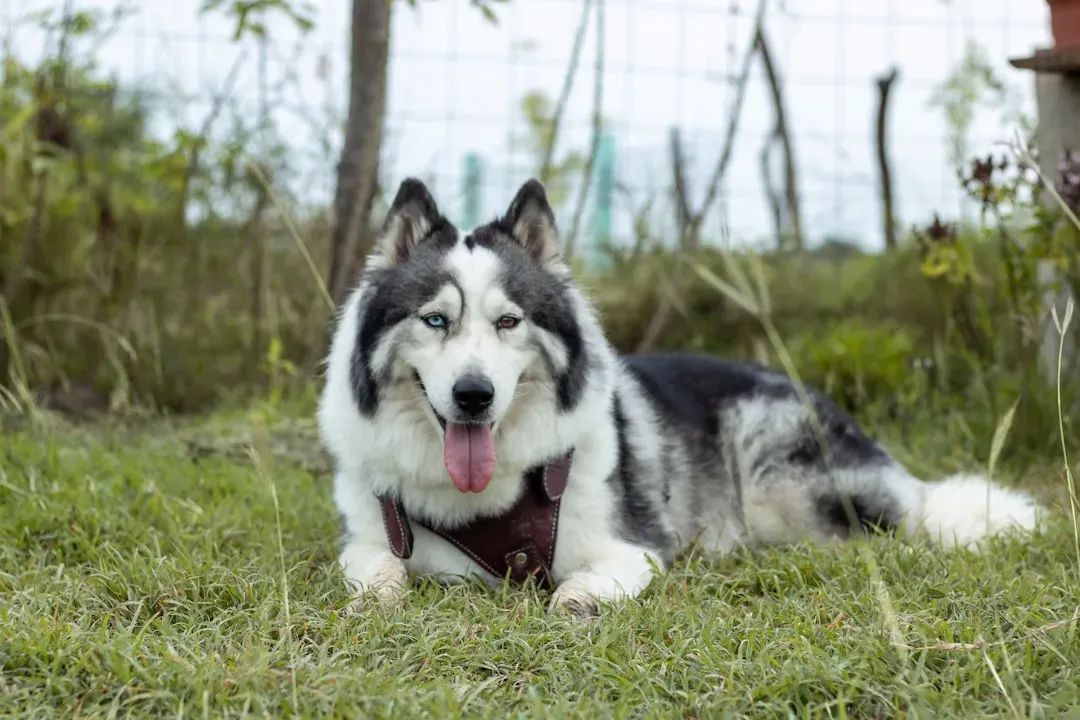
Temperatures above 86°F will eventually cause dehydration and heatstroke for most Huskies. In Texas, that ceiling gets crossed on a near-daily basis during summer months, sometimes before 10 in the morning.
Huskies may exhibit excessive panting, drooling, and lethargy when overheated. Their gums and tongue can become bright red or purple. Dehydration signs include dry nose, sunken eyes, and loss of skin elasticity. These are serious warning signs that demand an immediate response.
Due to the rapid advances of climate change, extreme weather events like heat waves are predicted to become more frequent and intense, and the susceptibility of dogs to face heatstroke is expected to increase. This prospect is particularly unfavorable for breeds naturally selected in cold climates but kept in hot regions.
What Responsible Ownership Looks Like in Texas
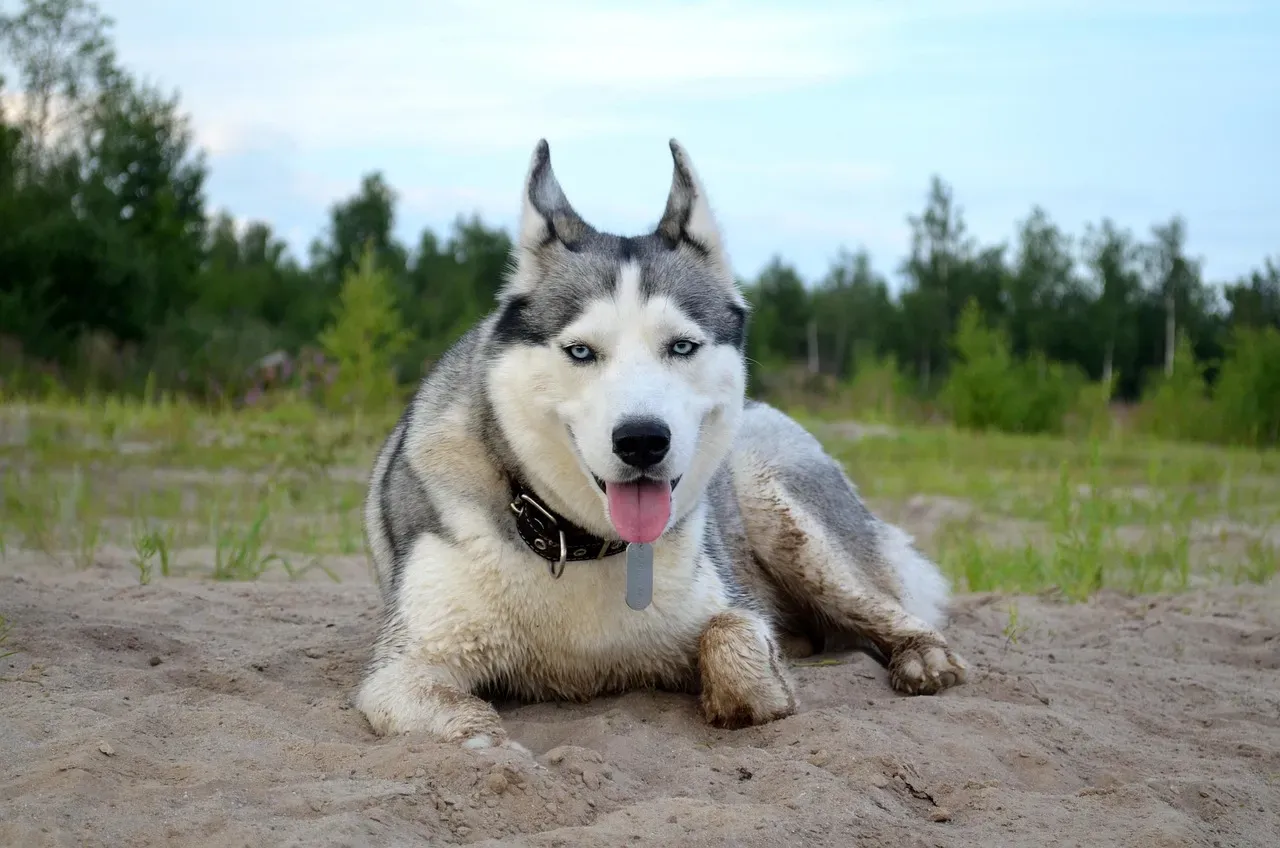
Having an air-conditioned room available for your Husky to retreat to is important. We don’t always know when our Husky is feeling too hot, but if they are aware of a cooler location, they will seek it out on their own. Keep a room at around 68°F or under and your Husky will be completely fine no matter how hot it gets outside.
Hot pavements can burn your Husky’s sensitive paw pads. To avoid this, walk them early in the morning or late in the evening when surfaces are cooler. You can also use protective booties designed for dogs to shield their paws from the heat.
Regular brushing helps remove loose undercoat fur that can trap heat and impede natural airflow within their coat. Husky owners should avoid shaving a Husky’s coat completely, as that thick double coat helps protect skin from sunburn and supports natural temperature regulation. Instead, focus on brushing during shedding seasons to keep their coat healthy and better suited for warmer months.
Smart Daily Habits to Keep Them Safe
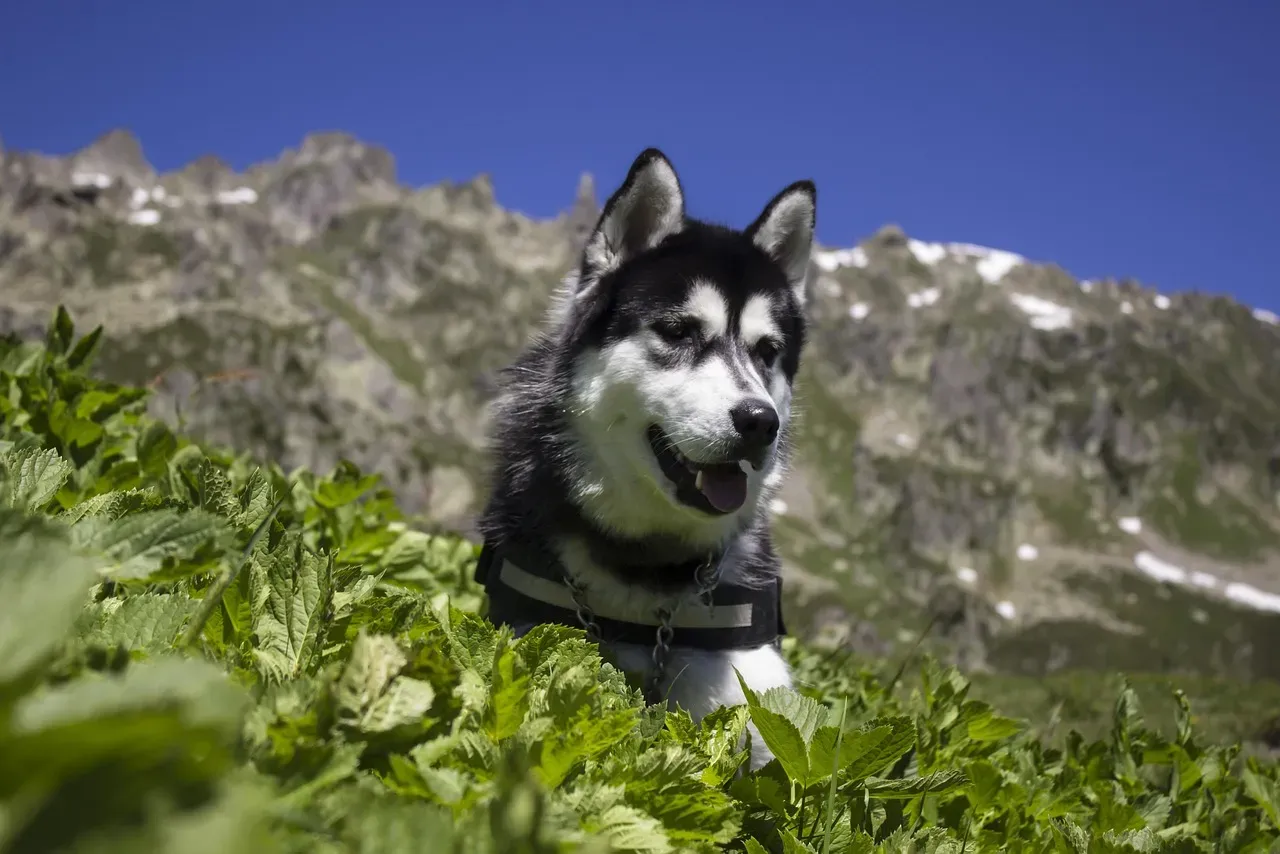
When temperatures climb, especially above around 80°F, it’s best to limit strenuous activity and walks to the early morning or late evening hours when it’s coolest. Avoid long play sessions under direct sun, and skip midday strolls. Providing shaded rest spots and cool surfaces, like tile floors or a shaded patio spot, helps them manage their body temperature more effectively.
Adding ice cubes to their water or offering dog-safe frozen treats can help lower their body temperature. Using cooling mats or damp towels in their resting areas can also provide relief. A kiddie pool filled with shallow water is a fun and practical way to help them cool off while they play.
Regular veterinary check-ups help monitor your Husky’s health and allow for adjustments to their care plan as needed. Connecting with local Husky owners or breed-specific groups can also provide practical support and advice specific to the Texas climate.
The Honest Bottom Line
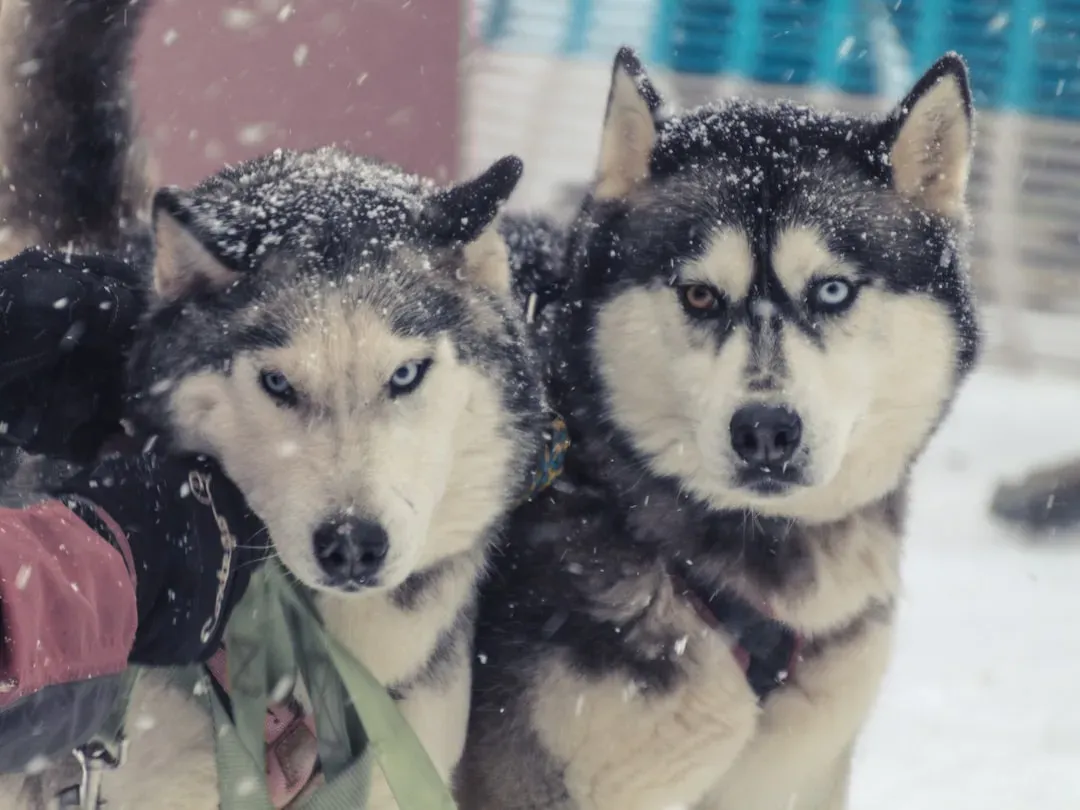
Huskies can live in warm climates like Texas, but they require special care to ensure they remain comfortable and safe from heat-related issues. That’s not a disclaimer. That’s the whole deal.
They may not love high heat the way they love crisp winter air, but many Huskies live happily in warmer areas when their owners respect their unique physiology and make thoughtful adjustments. By understanding their limits, watching for signs of discomfort, and offering consistent cooling support, you can help your Husky enjoy every season of the year.
Owning a Husky in Texas is entirely possible. It just asks more of you than owning one in Colorado or Minnesota. The dog’s comfort depends almost entirely on the owner’s commitment to staying proactive, reading the signs, and never treating a 95-degree afternoon as a casual walk opportunity. Get that part right, and your Husky can have a genuinely good life under the Texas sun.


