
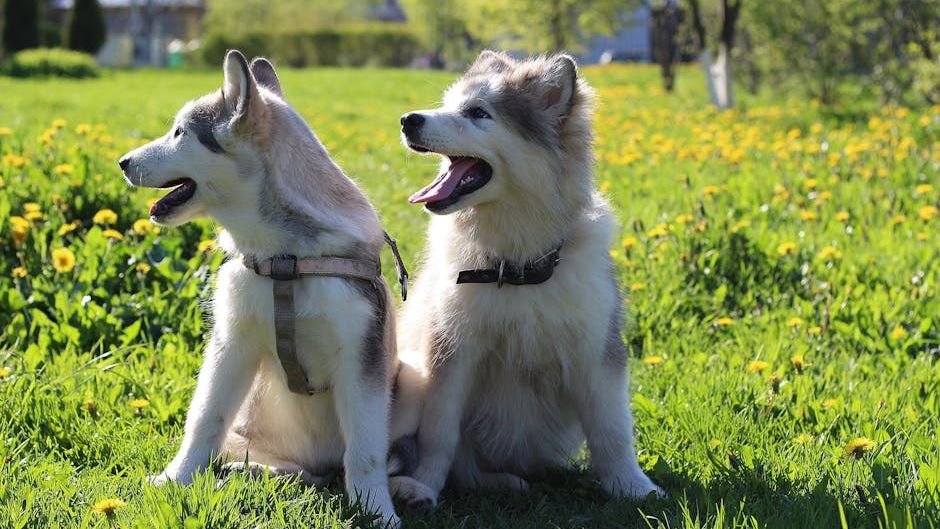
Picture this: you’ve just brought home your Alaskan Husky. The house fills with excited energy, bushy tails, and the kind of bright, alert eyes that make you feel genuinely studied. Within an hour, your new dog has assessed the furniture, tested a boundary or two, and clearly decided they’re running this household. Welcome to life with an Alaskan Husky.
These dogs aren’t just beautiful. They’re complex, deeply social, and purpose-built for performance. They’re well-known for their skills of pulling heavy sleds through the snow and running great distances through extreme winter conditions. That working heritage shapes everything about them, from their energy levels to how they respond to training. Understanding who they really are makes all the difference in how well you care for them.
Who Is the Alaskan Husky, Really?
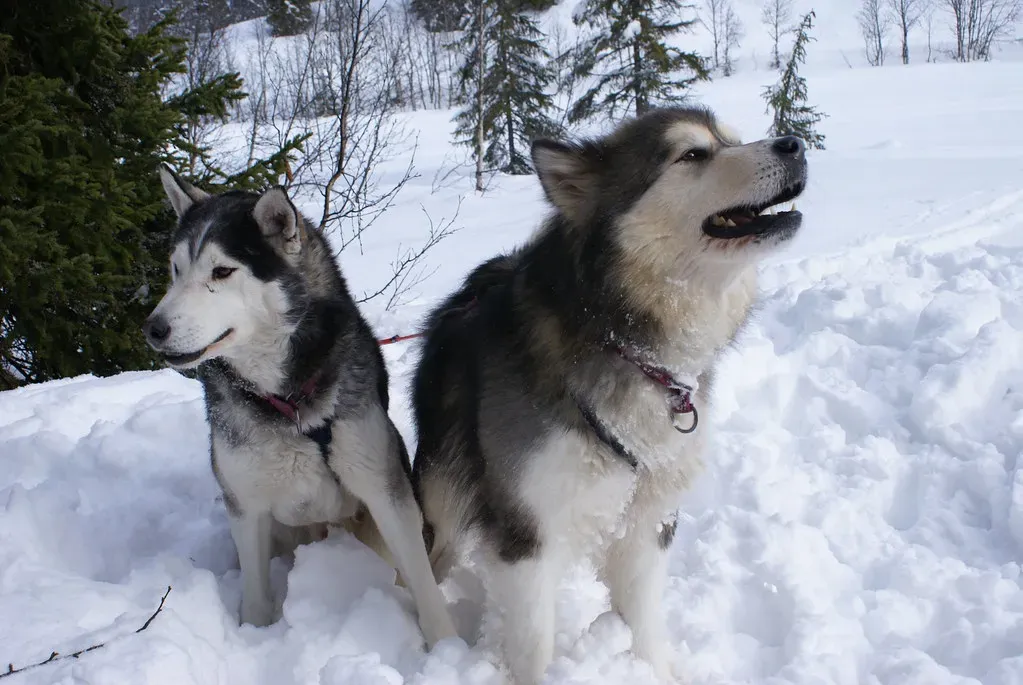
One of the first things to get straight about Alaskan Huskies is that they aren’t technically a breed in the traditional sense. The Alaskan Husky is not technically a dog breed but instead more of a dog type, and they have no breed standards since people often breed these dogs for specific purposes and jobs. That’s actually a fascinating distinction, because it means what you’re getting is a dog shaped entirely by function rather than form.
Most of these dogs have a mix of Siberian Husky, Greyhound, German Shorthair Pointer, and Eskimo dog in their genes, which is why some Alaskan Huskies appear to have the stereotypical “Husky” appearance of white and grey/black fur, with pointed ears and a bushy tail. Their coat colors, however, can vary widely. Coat colors include combinations of black, white, gray, red, and sable, often with striking markings like masks or facial patterns.
The typical Alaskan Husky weight can vary greatly since there are no breed standards, and the Husky bloodline can vary quite a bit from litter to litter. An expected weight range for these dogs can be anything from 35 to 60 pounds, and the average height is around 23 to 26 inches. Don’t let their medium build fool you. Inside that frame is a working athlete with serious stamina.
Training an Alaskan Husky: Smart, Stubborn, and Worth Every Minute
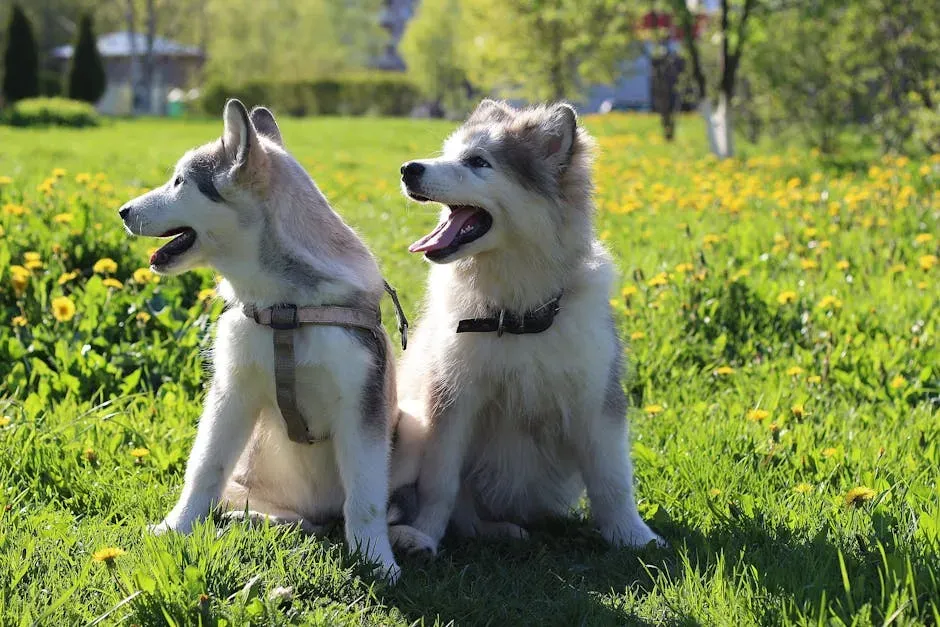
Training an Alaskan Husky is one of the most rewarding challenges a dog owner can take on. Alaskan Huskies are intelligent, trainable dogs. However, they can be a bit willful, meaning consistency, patience, and frequent rewards are key. Think of their intelligence as a double-edged quality. They catch on fast, but they also catch on to loopholes just as quickly.
Basic obedience training can and should be done from 8 to 12 weeks old. Pet parents of Alaskan Huskies can start training them the minute they bring them home, as this will help keep them mentally stimulated. Starting early matters more with this breed than most. Huskies were originally bred as sled dogs, and their genetic makeup equips them with endurance, intelligence, and a strong pack mentality. Recognizing these inherent traits will help you tailor the training approach to suit your Husky’s specific needs.
Training your dog is an ongoing process, so patience will be a valuable virtue. By remaining consistent and committed with your training, your Husky will soon enough catch on to all of their new commands and tricks. If you’ve never worked with a working-breed dog before, hiring a professional dog trainer is highly recommended. There’s no shame in getting expert support from the start.
Socialization: Building a Confident, Friendly Dog
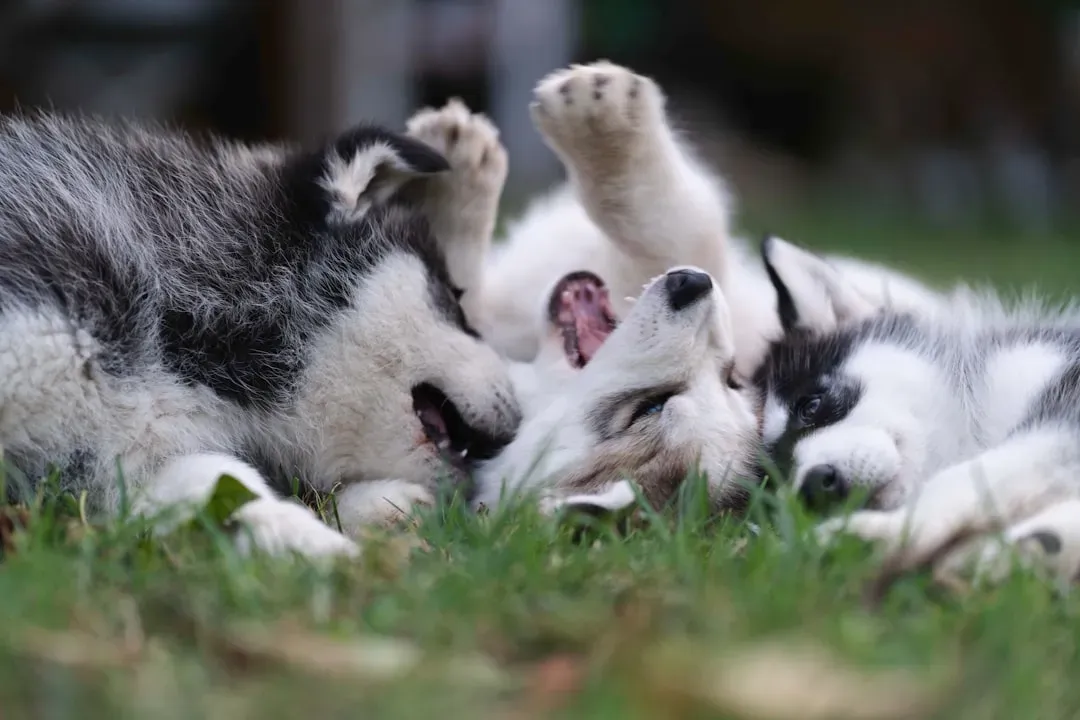
Socialization is where many Husky owners either set their dog up for long-term success or unintentionally hold them back. An important part of training your Alaskan Husky is working on their socialization, which can include taking your pal to new places like parks, restaurants, and dog-friendly stores, and introducing them to new people, dogs, sights, sounds, and smells. The wider the world your puppy experiences early on, the calmer and more confident they’ll be as an adult.
Early socialization is crucial for Alaskan Huskies to develop into well-behaved and confident companions. Exposing them to various environments, people, and other animals during their puppyhood helps prevent behavioral issues later in life. Think about the practical reality here. A Husky that hasn’t been properly socialized can become reactive, anxious, or overly dominant in situations that a well-socialized dog would handle calmly.
Just like training, socialization is an ongoing process that should ideally begin right after bringing your dog home. Fortunately, socialization opportunities exist all around us, and they can help your dog have a friendly temperament and well-rounded personality. The dog park, the coffee shop patio, even a quiet walk through a busy neighborhood all count. It doesn’t have to be complicated.
Understanding Alaskan Husky Shedding (And Surviving Coat Season)
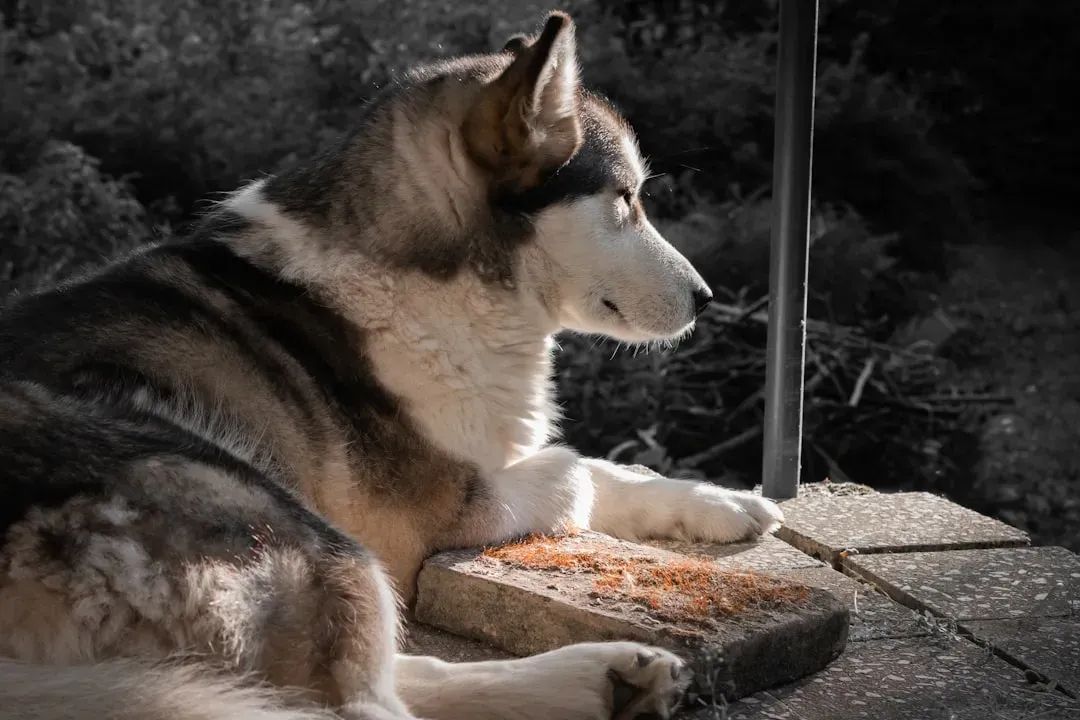
If you want an Alaskan Husky, you need to make peace with fur. Yes, Alaskan Huskies shed. With a Husky in the house, you can expect dog hair to appear practically everywhere, but brushing your dog a few times a week makes the hair quite manageable. The key word there is “manageable,” not “gone.” That’s the realistic deal.
Twice a year, the shedding intensifies dramatically. Huskies have a double coat which means twice a year, typically during the spring and fall, they will blow coat. Blowing coat is when a dog sheds their undercoat in preparation for the changing season. During this few-week period, you can expect to brush your dog daily and be running your vacuum just as often. Consider buying a quality vacuum cleaner a non-negotiable investment for Husky ownership.
One grooming rule you should never break: never shave your Husky, as it will not help reduce shedding. Shaving a dog with a double coat will cause irritation, expose them to infection, and damage the regrowth. Shaving also interferes with your Husky’s natural temperature regulation and exposes them to extreme heat and cold. The coat is doing a real job, even when it doesn’t look like it. Regular line brushing improves air circulation to your dog’s skin, reducing the risk of hot spots and skin infections, and distributes natural oils throughout the coat, enhancing its health and shine.
Exercise, Activity, and the Working Dog Mindset
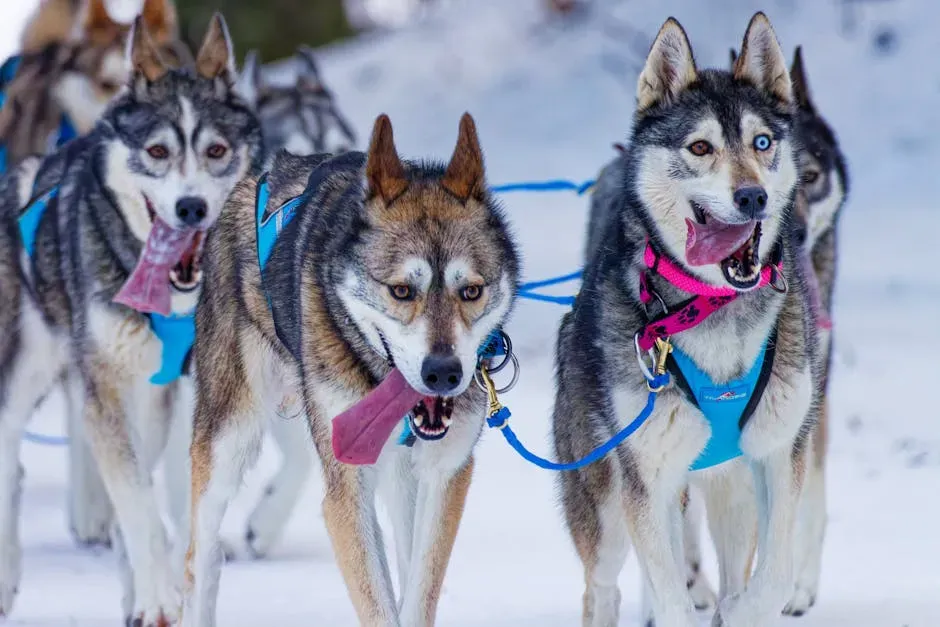
An under-exercised Alaskan Husky is a problem waiting to happen. Alaskan Huskies need something to do because they’re created to work and cannot be left alone for long hours, or they’ll destroy your house in boredom within hours. That might sound dramatic, but any Husky owner who’s come home to a dismantled couch will tell you it’s entirely accurate.
Huskies need at least one to two hours of physical activity per day, which can include running, hiking, or playing in a secure area. Exercise is a key factor in preventing behavioral issues, such as digging or howling, which can stem from boredom or pent-up energy. These aren’t suggestions for extraordinary effort. They’re just the baseline for a well-behaved, mentally healthy Husky.
Alaskan Huskies need a lot of physical exercise. They’re happiest when showing off their natural skills during winter sports such as sledding, skijoring, and carting. When that’s not an option, long walks and runs will do the trick. Mental stimulation matters just as much. In addition to physical exercise, Alaskan Huskies thrive on mental challenges. Engaging in interactive games, puzzle toys, and training sessions not only keeps them mentally sharp but also strengthens the bond between you and your dog.
Nutrition, Health, and Long-Term Wellness
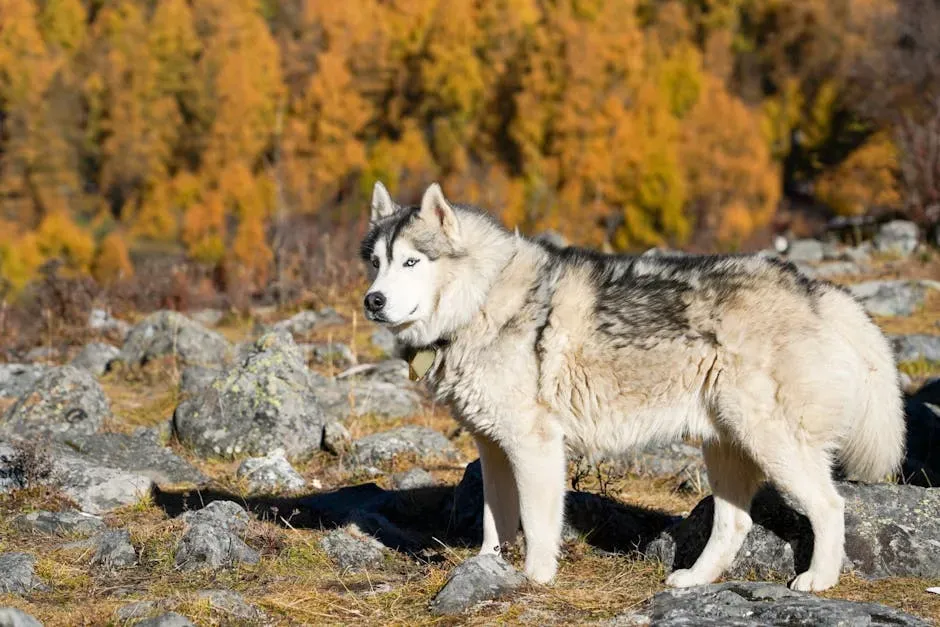
Feeding an Alaskan Husky isn’t complicated, but it does require some thought. Alaskan Huskies have a very high metabolism and do tend to need more calories than other dogs in their size range to maintain their condition. That said, more calories doesn’t mean bottomless bowls. It’s important to keep an eye on your dog’s food intake to ensure they maintain a healthy weight. Measure their portions to avoid overfeeding and limit treats to no more than about a tenth of their daily calories.
The quality of what goes in the bowl matters enormously. Adult Huskies require a balanced diet with high-quality protein and fats to maintain muscle mass and energy levels. Incorporating supplements rich in omega-3 fatty acids, such as fish oil, can help improve the quality of a Husky’s coat and reduce shedding. Watch for signs like a dull or flat coat, because that’s often one of the first signals that nutrition needs adjusting.
In terms of health, Alaskan Huskies are generally hardy dogs, but they do carry some known vulnerabilities worth monitoring. Hip dysplasia is a hereditary condition where the hip joint doesn’t develop properly, leading to painful arthritis and mobility issues. While it can be genetic, factors like excessive growth, improper nutrition, and excessive exercise at a young age can exacerbate the condition. Regular veterinary check-ups can aid in early detection and intervention. Alaskan Huskies are also susceptible to certain eye problems, such as cataracts, progressive retinal atrophy, and corneal dystrophy. Monitoring your dog’s eye health and seeking immediate veterinary attention at the first sign of trouble can prevent vision loss and other complications.
Conclusion: Life with an Alaskan Husky Is a Full Commitment
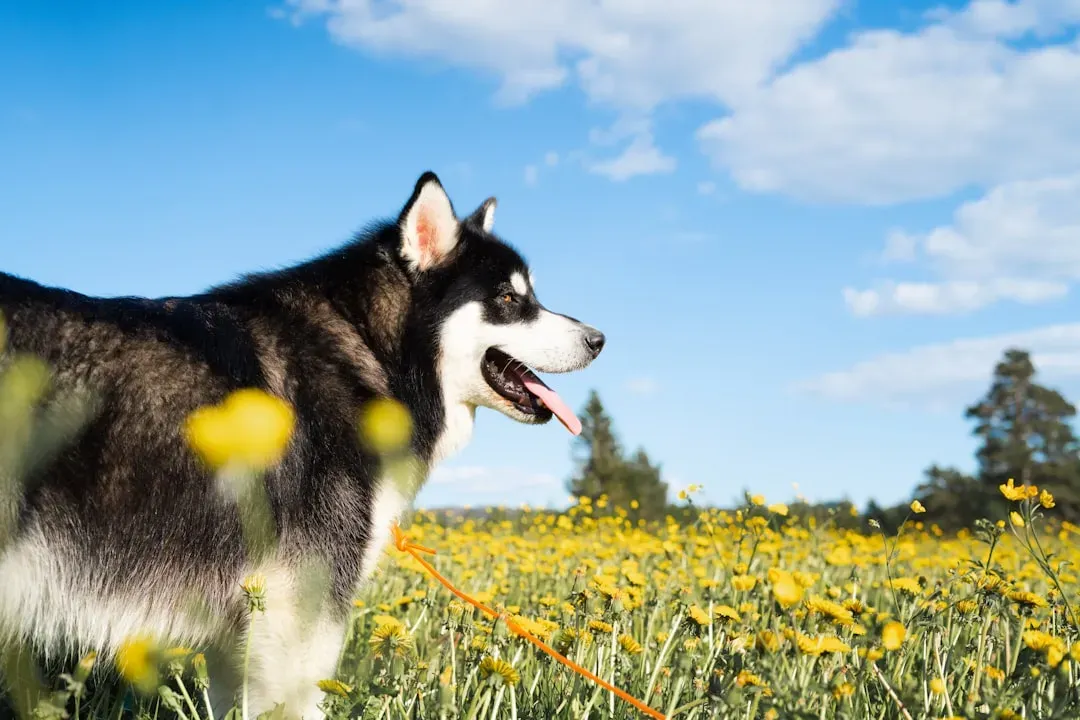
Owning an Alaskan Husky isn’t a passive experience. Perhaps one of the most important things to consider before getting a Husky is your lifestyle. Huskies are not meant to live their lives tied up outside or stuck in a kennel all alone every day. They thrive when they can spend time with other dogs and with their family, and having one means you need to be committed to an active lifestyle. This isn’t a breed that quietly adapts to whoever owns them. They need engagement, structure, and genuine connection.
The reward for meeting those needs is real, though. Typical Alaskan Huskies are active, focused dogs that can be playful, gentle around children, and affectionate with their handlers. They’re not an easy first-time dog because it takes experience to read their behavior. However, if you’re knowledgeable enough in working breeds and have a lot of time for exercising and training, Alaskan Huskies are very loving and affectionate due to their instinctive nature to attach to their sled leaders.
The fur on your clothes, the daily walks, the consistent training sessions – none of it feels like a burden once you’ve built a real bond with one of these dogs. An Alaskan Husky who is properly trained, well-exercised, and genuinely loved doesn’t just tolerate your company. They choose it, every single day.


