
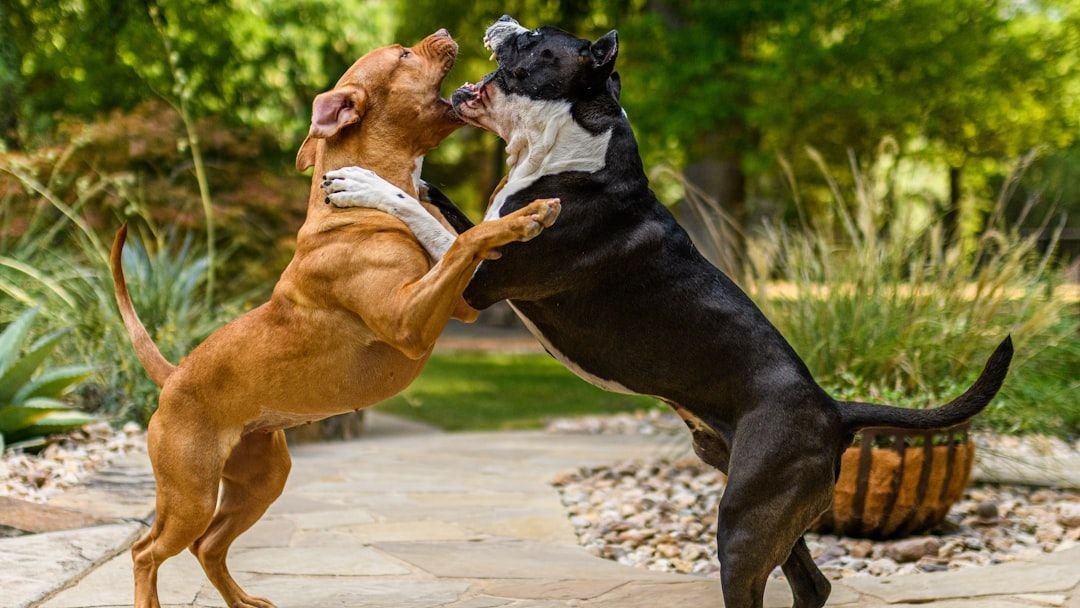
Picture this: you’re on your evening walk, headphones in, completely relaxed, when a dog you’ve never seen before rounds the corner. Its body is stiff, hackles raised, lips curled back. Your heart jumps. Your instincts fire in every direction at once. What do you do?
The truth is, most people react in exactly the wrong way when faced with an aggressive dog. Not because they’re careless, but because fear short-circuits our thinking. Aggression in dogs is not breed-specific and can stem from various factors, including fear, territoriality, possessiveness, and underlying medical conditions. That means any dog, in any neighborhood, on any kind of day, can become a threat under the right circumstances. Knowing what not to do in those moments could genuinely keep you safe.
1. Never Run Away From the Dog

It feels like the most natural thing in the world to bolt when something frightening charges at you. Every survival instinct screams “go.” The problem is, running does the exact opposite of what you need.
The last thing you want to do is run away, because it will only trigger the dog’s instinct to chase you. Dogs are built to pursue fleeing prey, and once that chase mode kicks in, things escalate very fast. You cannot outrun a dog, so keep calm and slowly back away from the aggressive dog, continuing to monitor where they are at all times.
Think of it like a standoff. The goal is to remove yourself from the situation without becoming the thing being hunted. Slow, deliberate movement is your best tool here. Keep your body angled slightly to the side and your eyes cast downward rather than fixed on the dog as you create distance.
2. Never Make Direct, Prolonged Eye Contact
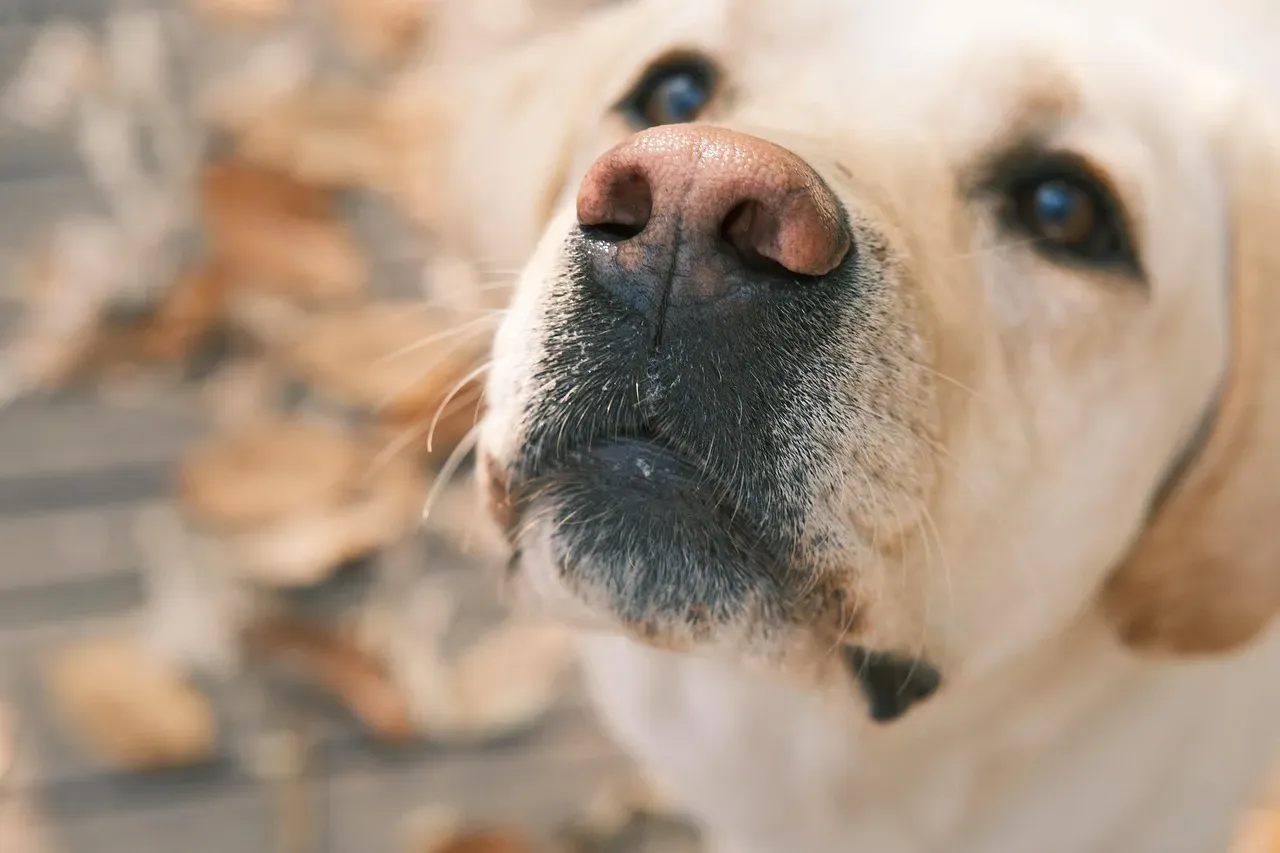
Humans use eye contact to signal confidence and connection. Dogs read it very differently. When you lock eyes with an unfamiliar or agitated dog, you’re not communicating calm. You’re issuing a challenge.
Never hold eye contact with an unfamiliar or aggressive dog, because dogs perceive prolonged eye contact as a challenge and may respond with aggression. This is one of those facts that feels counterintuitive but is deeply rooted in canine communication. Avoiding prolonged eye contact is critical, as dogs can interpret it as a challenge. Instead, look slightly away but keep the dog in your peripheral vision.
Keeping the dog visible without staring directly at it is a skill worth practicing mentally before you ever need it. You want awareness, not confrontation. Let your peripheral vision do the work while your face remains neutral and unthreatening.
3. Never Scream, Shout, or Make Loud Noises
When panic hits, many people instinctively yell. It feels like a warning, a deterrent, a cry for help all at once. For an already agitated dog, though, loud sounds often have the opposite effect.
Loud, angry-sounding words and screaming only spur on the dog. A sharp yell can spike adrenaline in an already stressed animal, pushing it further up the aggression ladder rather than pulling it back down. Use a calm, soothing tone to speak to the dog, and avoid shouting or raising your voice, which can increase the dog’s anxiety or aggression.
This also applies to sudden clapping, banging objects together, or shrieking to alert others nearby. If you need help, call for it in a firm, steady voice. Composure in your tone signals to the dog that there is no escalating threat, which is exactly the message you want to send. Dogs can pick up on your emotions, which is why it’s so important to remain calm and collected as you try to remove yourself from any negative encounter with an aggressive dog.
4. Never Try to Pet or “Befriend” an Aggressive Dog
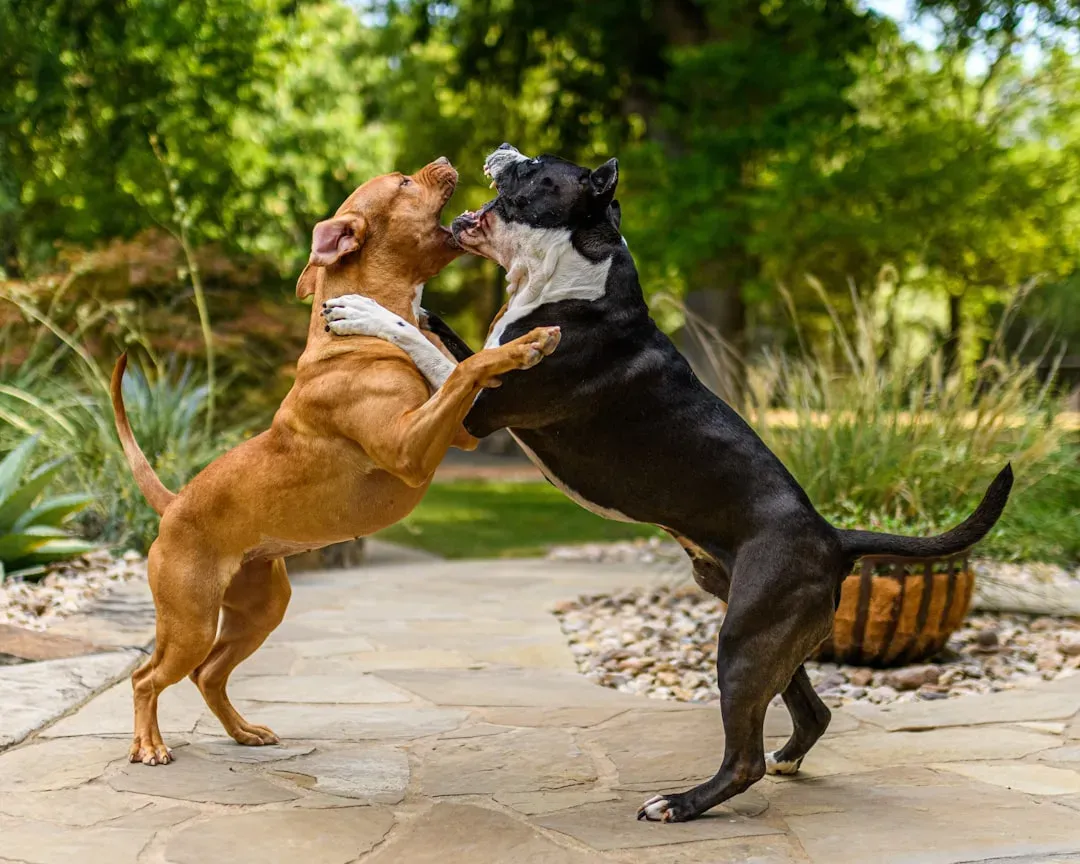
Some of us are natural dog lovers who assume a soft approach can win over any dog in any situation. That impulse, while beautifully intentioned, can get you seriously hurt when a dog is already in a defensive or aggressive state.
Don’t touch or pet the dog in an attempt to befriend it. When a dog is displaying aggression, it is communicating one clear message: give me space. Reaching toward it or attempting to stroke it overrides that message entirely and can feel like a direct threat. These behaviors are typically used by dogs to avoid an escalation of conflict, increase distance from a target, or cause damage to the target. In other words, the dog exhibiting aggressive behavior wants more space even if they have to attack the threat to get it.
Respecting that space isn’t weakness. It’s communication. It can be just milliseconds between a warning and a bite, but dogs rarely bite without giving some type of warning beforehand. Learn to read those warnings as a clear request for distance, and honor them without hesitation.
5. Never Turn Your Back on the Dog
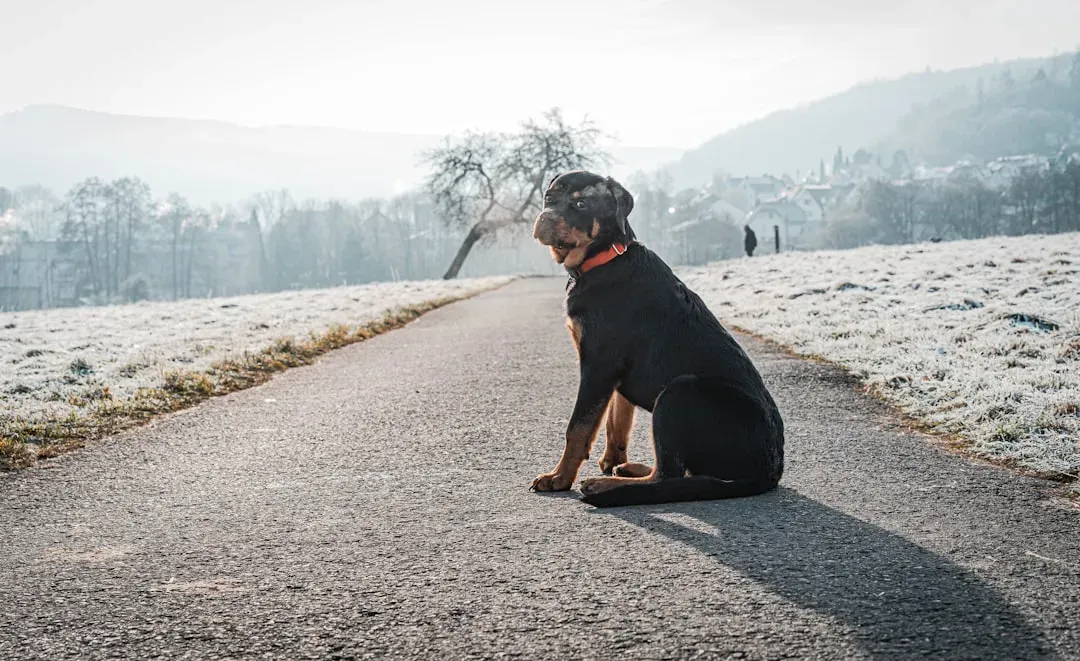
Turning away from an aggressive dog might seem like a sign of submission or retreat, something that could de-escalate the moment. In practice, it removes your ability to monitor the dog’s movements and invites a chase response.
Never turn your back on a dog. Always face the dog while slowly backing away. Staying oriented toward the dog lets you track any change in its behavior, posture, or direction. If possible, slowly and calmly increase the distance between you and the dog, but do not turn your back on the dog, as this can provoke a chase response.
Keep your movements small and predictable. Side-stepping or backing away in a straight line is far safer than pivoting and walking in the opposite direction. You want the dog to register that you are leaving, not fleeing, and there’s an important difference between the two from a canine perspective.
6. Never Make Sudden or Erratic Movements
Jerky, unpredictable movement is one of the fastest ways to send an already tense dog over the edge. It introduces chaos into a moment that desperately needs steadiness, and it can trigger an instinctive bite response.
Above all, avoid sudden movement. Think of slowing down and communicating through your body that you aren’t a threat. This includes flailing your arms, reaching into a bag quickly, or stumbling backward. When you suspect a dog attack is imminent, avoid sudden or jerky movements that might startle the dog. Every motion you make carries information, and smooth, deliberate movement communicates non-threat status far more effectively than words ever could.
If you feel yourself starting to shake or lose composure, pause. Take one breath. Ground your feet. If the dog approaches you but hasn’t attacked yet, try standing still with your hands by your side and feet close together, like a tree. Try not to move or make any sound until the dog has gone away. This simple “be a tree” concept is one of the most widely recommended strategies among dog safety professionals for good reason.
7. Never Pull Away if the Dog Makes Contact
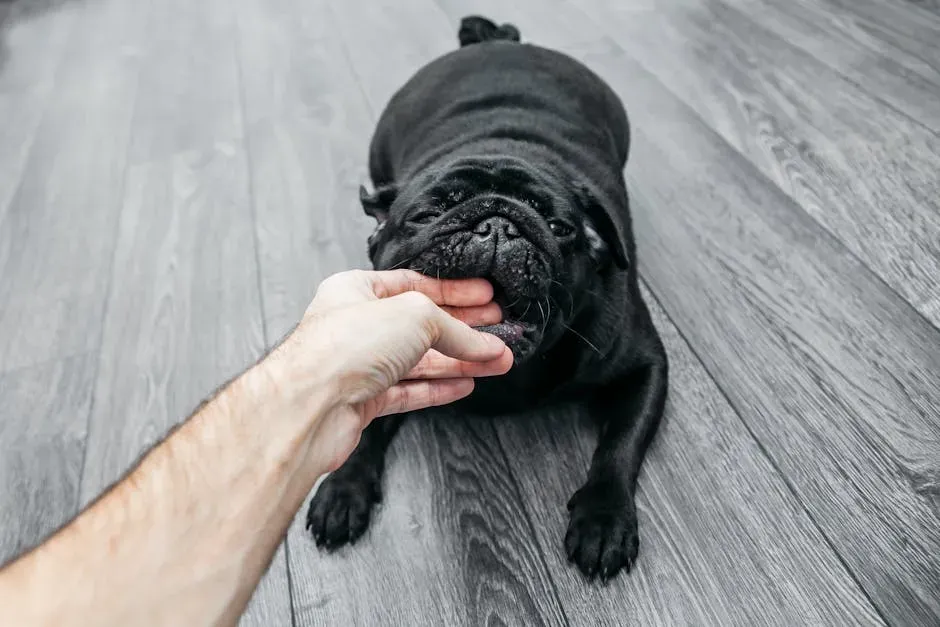
This one is genuinely hard to follow in the moment. Every instinct says pull back. Every nerve in your body screams retreat. This is perhaps the most critical instruction to override, because pulling away can make a bite far worse.
If the dog bites you, do not pull away. Pulling back against a bite causes tearing wounds and can further excite the dog into a hold-and-shake response. Pulling away or fighting back may escalate the dog’s aggression. If contact happens, the goal is to stay as still as possible, protect your face and throat with your arms, and wait for the dog to release. As awful as that sounds, it genuinely reduces injury severity.
If you are on the ground, curl into a fetal position, cover your head with your arms, and keep your fingers curled in a fist. Protecting your vital areas is the priority once a situation has gone past the point of prevention. In the unfortunate event you are bitten by an aggressive dog, seek medical attention right away and contact the police or animal control so the dangerous dog can be identified. Even a minor-looking wound should be seen by a healthcare professional promptly.
Understanding the Bigger Picture: Why Dogs Escalate
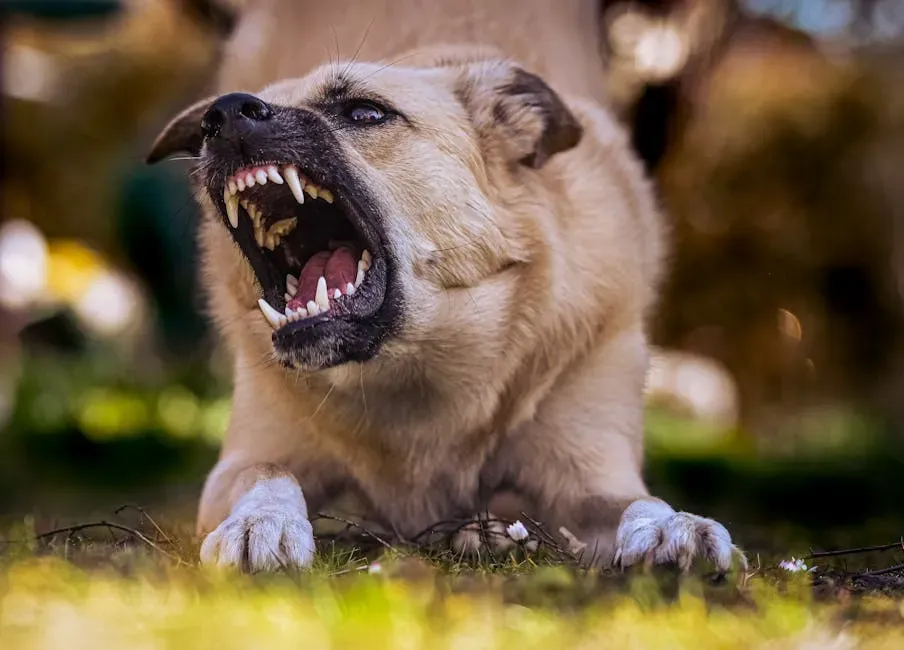
It helps to understand that most dogs don’t want to bite. Dogs have powerful jaws and teeth that can do considerable harm to others, but it’s not in their best interest to go around biting people or other dogs, as fighting uses up a lot of energy and they can be hurt or even killed as a result of engaging in it. Aggression is usually the final option, not the first.
When early warning signs are ignored, or the level of threat intensifies, dogs escalate their behavior. They are doing this to stop the situation, and if these early signs are ignored, they move to more obvious signals, ending with the ones we are more familiar with, such as growling, snapping, and biting. Recognizing early warning signs like stiffening or freezing of the body, eyes wide with a lot of white showing, tense mouth or curled lips, wrinkled nose, showing teeth, barking, growling, and air snapping can give you precious seconds to respond wisely.
There are several reasons a dog will bite, and many of them have nothing to do with being mean. More often than not, a dog will bite out of fear rather than aggression. Dogs that feel threatened, unsure, or challenged will respond by biting as a self-defense mechanism. Knowing this can actually make you more effective in these moments, because you’re responding to a frightened animal, not simply a dangerous one.
A Final Word: Prevention Is Always the Best Plan
No article can fully prepare you for the adrenaline surge of a real encounter, but knowledge is a genuine form of protection. More than 4.5 million people are bitten by dogs each year in the United States, and more than 800,000 require medical attention. Those numbers are a reminder that this isn’t a rare edge case. It’s something worth being ready for.
The seven mistakes above share a common thread: they all escalate the situation. Running, staring, shouting, reaching, turning away, moving erratically, and pulling back each signal threat or flight to a dog that is already on high alert. Every one of them can be avoided with a little preparation and a lot of calm. Addressing unwanted behaviors in young dogs is crucial to prevent them from developing into ingrained patterns of aggression later in life, and proper socialization and training during puppyhood can significantly reduce the likelihood of aggression occurring.
Whether you’re a dog owner, a runner, a parent, or just someone who loves being outdoors, understanding how dogs think and communicate is one of the most practical skills you can carry with you. Slow down, stay grounded, give space. Most of the time, that’s all it takes.


