
The Best Low-Maintenance Dog Breeds for Apartment Life in New York City

New York City is home to an estimated hundreds of thousands of dogs squeezed into studios, one-bedrooms, and the occasional converted loft. It’s a city that runs on noise, movement, and unpredictability, and not every dog can handle that well. Choosing the wrong breed isn’t just inconvenient for you. It can genuinely affect the quality of life of the animal.
There are a few things worth thinking through before you commit. Will the dog bark and disturb your neighbors? How energetic is the breed, and will it cope without a big yard? Is it sociable enough to handle crowded sidewalks, noisy subway cars, and loud dog parks? The good news is there are some genuinely wonderful breeds that fit city life like a glove.
What “Low-Maintenance” Actually Means in a City Context
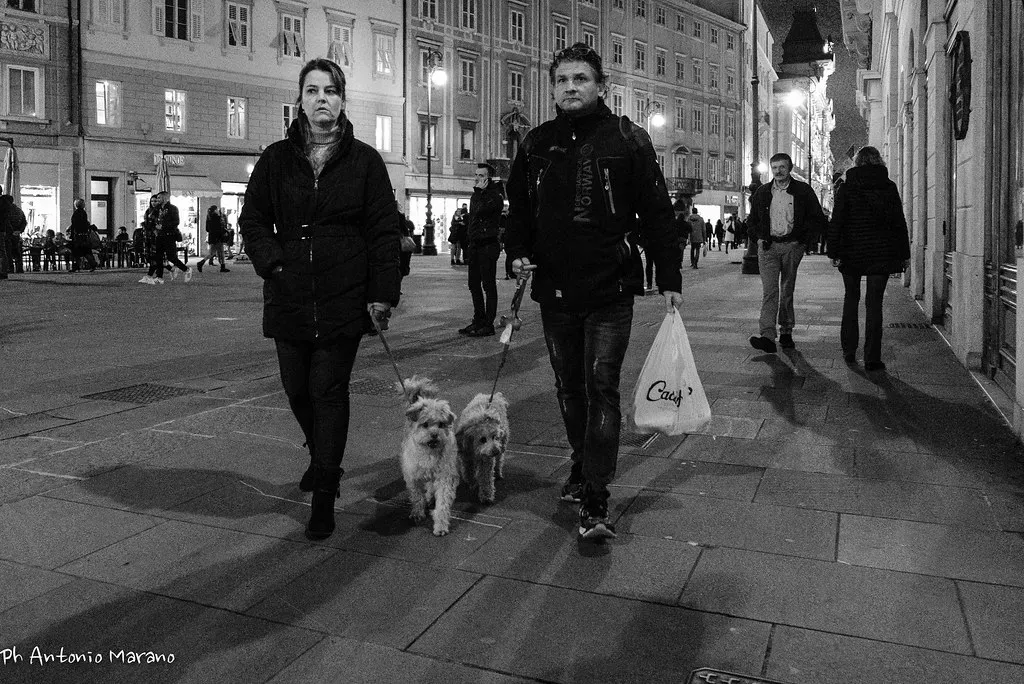
Low-maintenance doesn’t mean no maintenance. In an NYC apartment, it means a dog that doesn’t need a two-hour trail run to stay sane, doesn’t bark at every delivery truck, and can adapt to elevator rides, busy lobbies, and the steady hum of urban life.
Many city dwellers do best with a dog that has an easy-going temperament and a low-key activity level. A breed that barks and howls frequently is simply not a good trait for a city dog.
Small dogs tend to be a better choice for urban living because they can adapt to small spaces, enjoy playing and getting fulfillment without an expansive area to run, and get the exercise they need with less exhaustive walks than many medium and large dogs. Still, size isn’t everything.
French Bulldog: NYC’s Unofficial Mascot
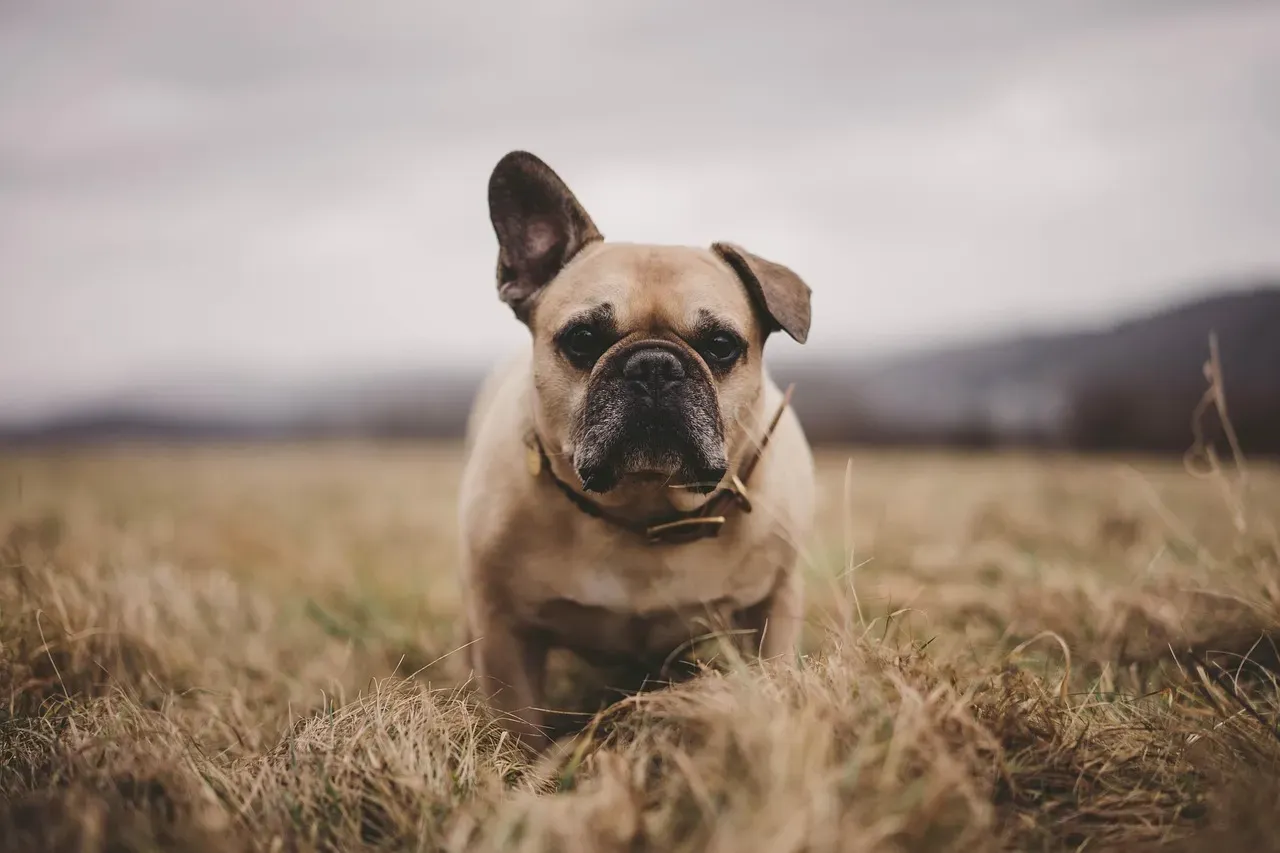
According to the American Kennel Club, the French Bulldog is the most popular dog in NYC. It’s not hard to see why. They’re compact, charming, and genuinely relaxed about apartment routines.
French Bulldogs are one of the most popular breeds for apartment living, especially in cities like NYC. They are compact, typically weighing between 16 to 28 pounds, and they don’t need much exercise. Frenchies are known for their relaxed, lazy demeanor, making them ideal for a more sedentary lifestyle.
French bulldogs love to play, relax with their humans, and are happy to meet new people. However, they do get bored and need some exercise and fun to stay happy and content. A short daily walk and some indoor play typically does the trick.
Cavalier King Charles Spaniel: The Sociable Sweetheart

Cavalier King Charles Spaniels are incredibly sociable and do well around lots of people and dogs, making them great city pups and family dogs. In a borough like Brooklyn or Manhattan, where you’re constantly surrounded by strangers on sidewalks and in hallways, that temperament matters enormously.
Their smaller size at 13 to 18 pounds and disinclination to bark a lot also make them low-maintenance apartment dwellers and easy travel companions. They tend to go with the flow, which is exactly what city life demands.
Shih Tzu: A Calm and Affectionate Companion
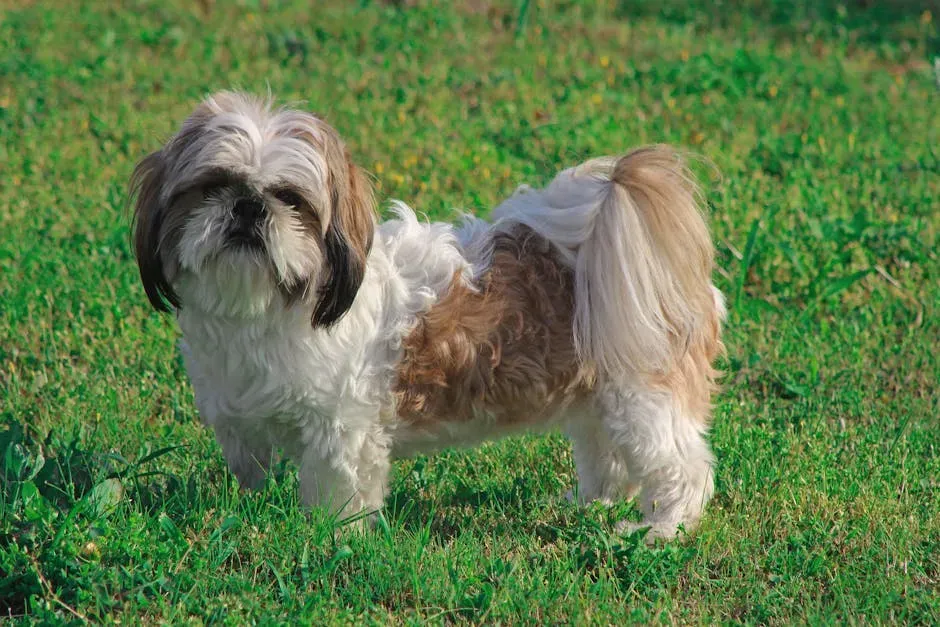
Shih Tzus are charming companions well-suited for apartment life. Their calm demeanor and small size make them adaptable to indoor environments. They don’t need much outdoor time to feel satisfied, which is a real practical advantage when you’re on the 14th floor.
Shih Tzus are excellent apartment dogs and are always up for cuddling and affection. They need some exercise but are otherwise relatively low-energy dogs. They’re outgoing and enjoy strangers, children, and time with their people. That social ease translates well to busy city environments.
Boston Terrier: The Compact Gentleman
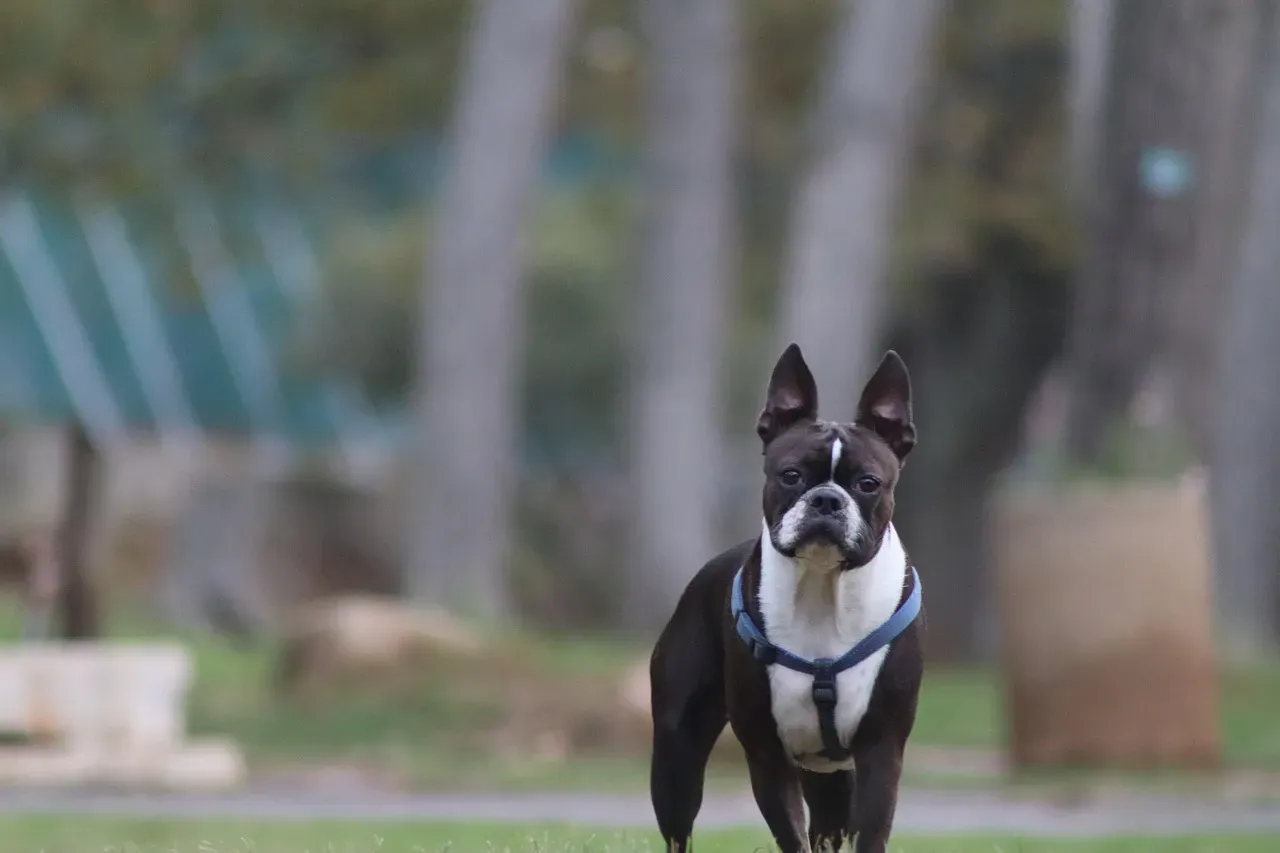
Boston Terriers are known as the “American Gentleman” due to their tuxedo-like markings. They are small, weighing between 12 to 25 pounds, compact, and well-behaved, making them excellent for apartments.
Boston Terriers are low-maintenance dogs that don’t require a lot of exercise, although they do enjoy playtime and short walks. They are also generally quiet, which is ideal for shared living spaces. Quiet neighbors are hard to find in this city. A quiet dog, though, is genuinely worth its weight.
Pug: The Easygoing Indoor Dog

Minimal grooming needs make Pugs low-maintenance for busy owners. They enjoy playtime but don’t require extensive exercise. Pugs bring joy with their endearing antics and affectionate companionship, perfect for apartment living.
Pugs are loving, affectionate, and fun and have low exercise requirements. This makes them a good low-maintenance dog breed for an apartment, and they also fit in a carry bag for running errands around the city. Worth noting: like all flat-faced breeds, they can struggle in extreme heat, so NYC summers require some extra care.
Bichon Frise: Hypoallergenic and Apartment-Ready

Bichon Frises are small, friendly dogs known for their hypoallergenic coats, making them a great option for apartment dwellers with allergies. They are playful and energetic but don’t need a lot of space to burn off energy, making them perfect for smaller living spaces.
Small, adaptable pups such as Cavalier King Charles Spaniels, Boston Terriers, and Pugs, and low- to moderate-energy breeds such as Bulldogs, Shih Tzus, and Bichon Frises, adapt well to the city’s pace. The Bichon is a particularly solid pick for renters who want a playful dog that won’t trigger neighbor complaints or allergic reactions.
Chihuahua: Tiny Footprint, Big Personality
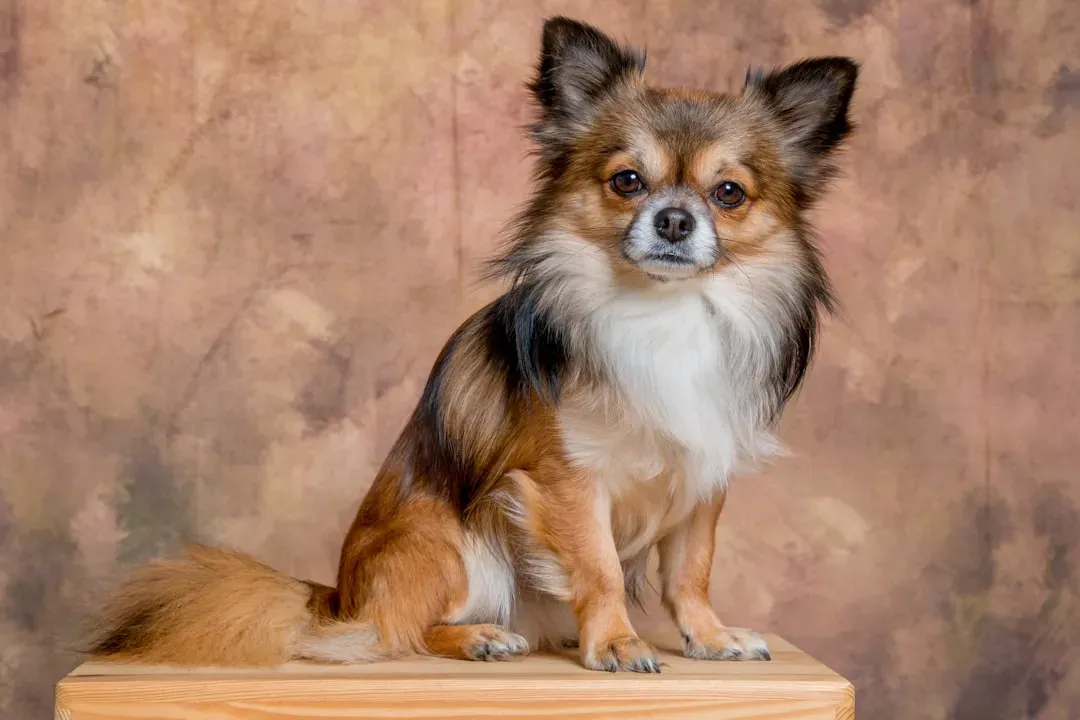
Chihuahuas are the smallest dog breed, weighing no more than 6 pounds and averaging 6 to 8 inches in height when full grown. Their small stature makes them wonderful apartment pets and travel-friendly pups.
The spunky little Chihuahua has become quite well known in New York for its ability to adapt to an apartment. They do have a feisty streak and can be vocal if not socialized early, so a bit of training investment up front pays off in a big way later.
Navigating NYC’s Pet Rules and Building Policies
Many apartments in NYC either ban dogs outright or impose strict size and weight limits. Even if your building allows pets, space is often limited. Before falling in love with any breed, read your lease and know your building’s rules front to back.
It’s common to have a pet policy that prohibits animals exceeding a certain size or weight or belonging to a specific breed considered unsafe. This often includes Pitbulls, German Shepherds, Boxers, and Rottweilers, among other dog breeds. NYC also has its own layer of considerations: the city requires dogs to be registered and licensed.
One notable regulation within New York State’s pet laws is the 90-day pet law, offering a unique provision for tenants seeking to introduce a furry companion into their homes. This law provides a temporary window, allowing tenants to keep a pet in their rental unit for 90 days without facing repercussions from their landlord, even if the lease agreement explicitly prohibits pets. It’s a nuanced rule, so consulting the specifics before acting on it is wise.
Setting Your Dog Up for Success in the City
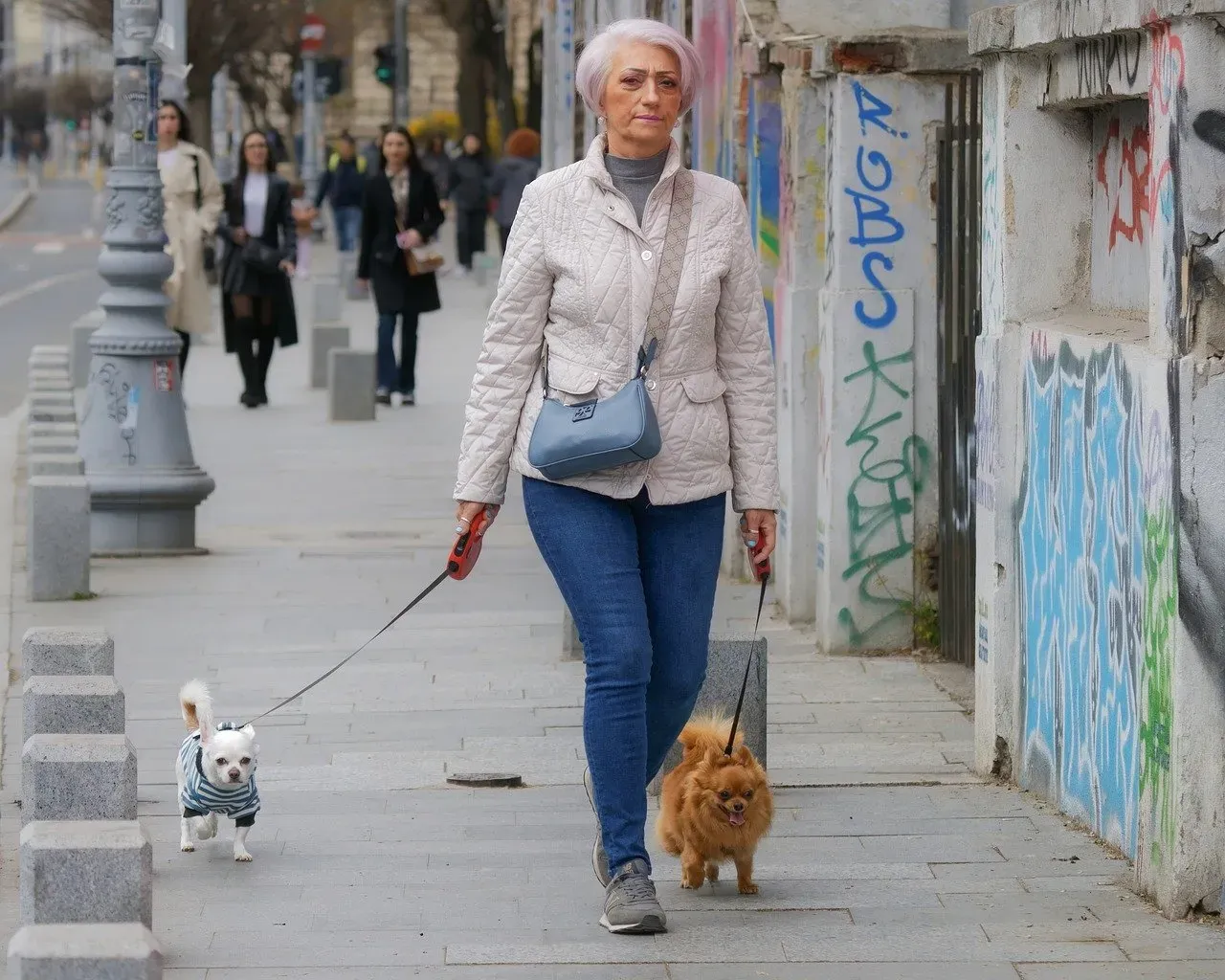
All dogs will do better and benefit greatly if they have been properly socialized and desensitized to city living when they are young pups. This isn’t to say that older dogs and rescues can’t adapt, but the prognosis for success relies on the individual’s temperament and having a good training plan in place.
City dogs do things a little differently than rural ones, which often includes learning to do their business on concrete rather than on grass. Add distractions such as pigeons, pedestrians, and nonstop traffic, and it’s easy to see why city pups often require more consistent training.
Creating a quiet, designated puppy area with a bed or crate that your dog can access anytime they need a breather helps them decompress from the sights, smells, and stresses of city life. Even the most adaptable city dog needs a corner they can call their own.
Conclusion: Finding the Right Match for Urban Life

Picking a dog for a New York City apartment is less about square footage and more about compatibility. A calm, sociable, and low-energy dog can thrive in a 600-square-foot studio just as easily as in a sprawling brownstone, provided it gets consistent walks, mental stimulation, and real human connection.
The breeds above aren’t just manageable, they’re genuinely well-suited to the specific rhythm of city life. Busy mornings, tight hallways, crowded parks, and the occasional jackhammer outside the window are all part of the deal. The right dog rolls with it.
At the end of the day, the best apartment dog is the one whose needs you can honestly meet, not just on a quiet Sunday, but on every ordinary Tuesday too. That’s the real measure of a good match.