
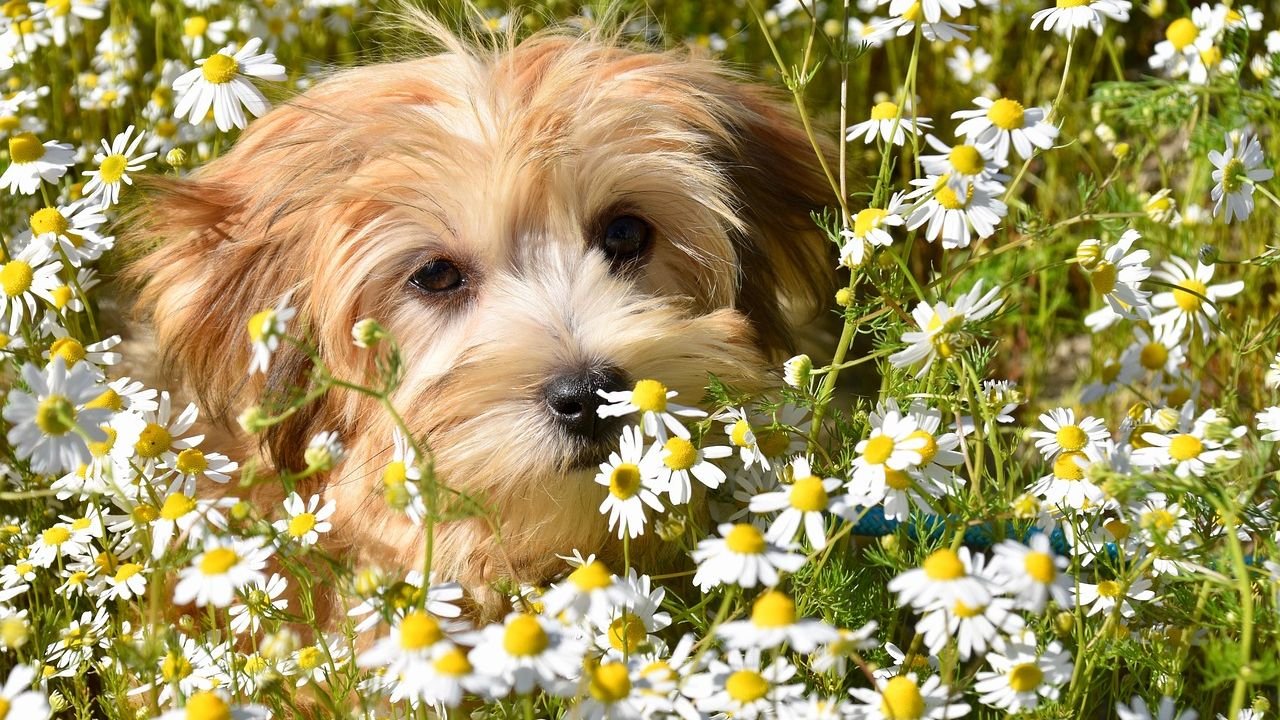
There’s a particular kind of quiet joy that comes with sharing your home with a dog in your later years. The morning walks that anchor your day. The warm weight of a sleeping dog on your lap. The simple fact that someone is always glad to see you. Our canine companions decrease feelings of loneliness, keeping us company at home and helping us meet other people when we take them out. In one study of adults 60 years or older, pet owners were notably less likely to consider themselves lonely than non-pet owners.
Still, not every dog is the right dog. Some breeds demand hours of exercise, intensive grooming, or a level of physical management that just isn’t realistic for everyone. The good news is that dozens of breeds are genuinely built for a slower, warmer, more companionable kind of life. The 15 on this list might surprise you.
1. Cavalier King Charles Spaniel
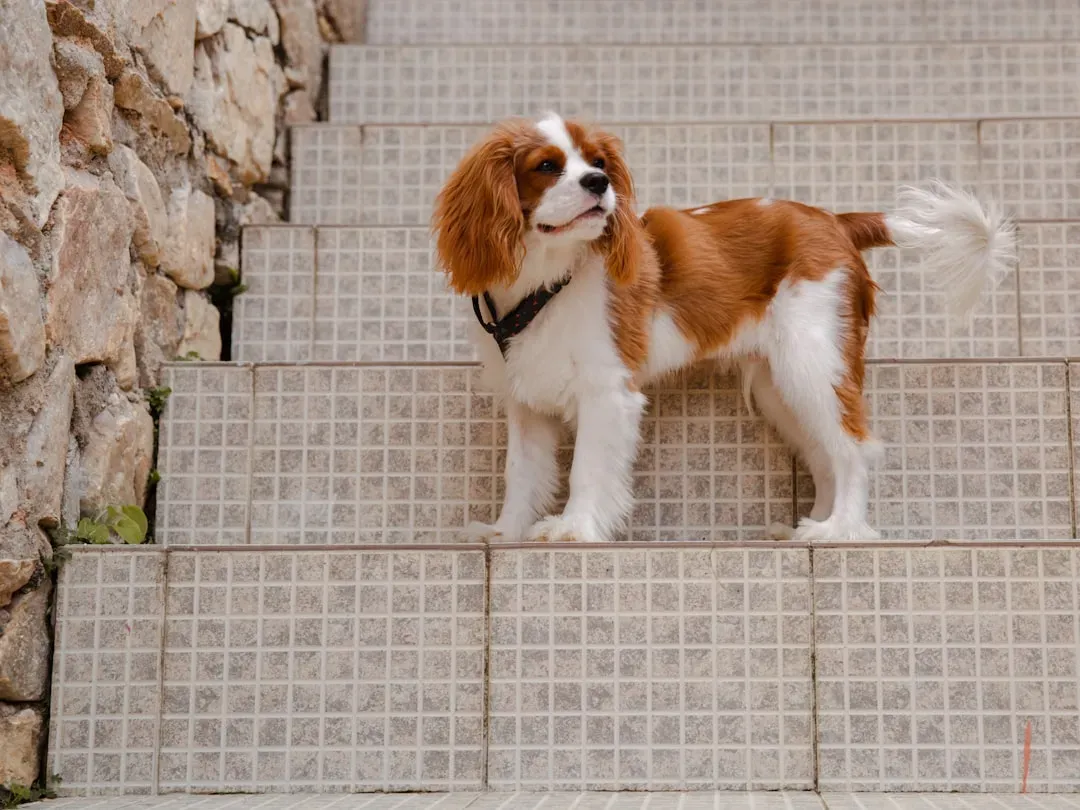
The Cavalier King Charles Spaniel was bred to be a comforting, non-aggressive, and gentle pet. Many of these happy dogs consider everyone a friend. Their even temper, loving expression, and feathery coat makes them very appealing, and they’re trainable and adapt well to their owner’s preferences, whether it’s an active lifestyle or a laid-back snuggle in a big leather chair.
Cavaliers can be a cuddle buddy one day and an adventurous companion the next; they simply follow their owner’s lead. This breed is laidback, intelligent, and quiet. Welcoming to people of all ages and other pets, cheerful Cavaliers have an easy time making friends. They are also highly trainable and more patient than most small breeds. One practical tip: their silky ears need regular cleaning to prevent infection, so make it part of your weekly routine rather than an afterthought.
2. French Bulldog
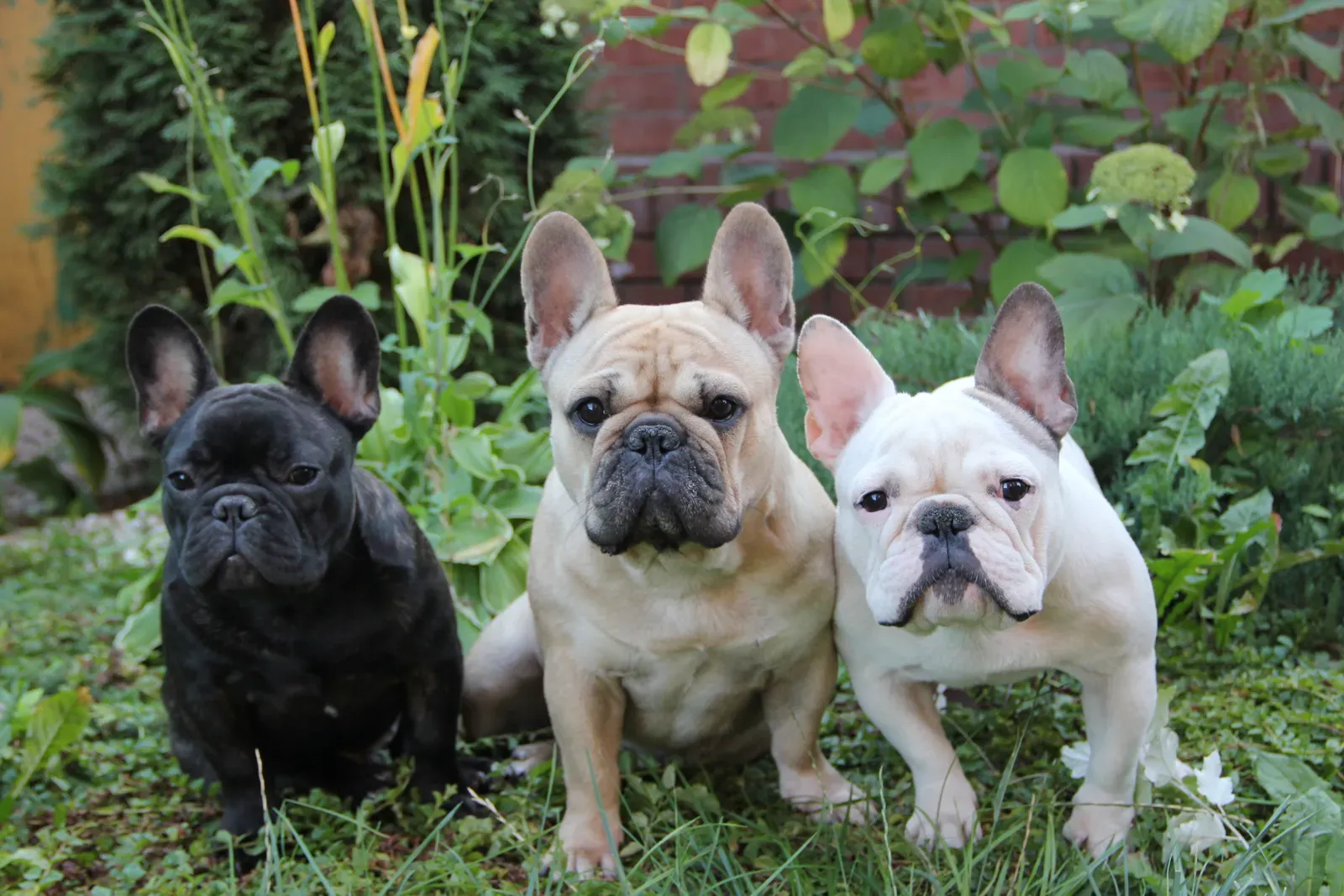
For older adults seeking a low-energy, low-maintenance dog, the French Bulldog is a perfect fit. These dogs are loyal and friendly, with a calm temperament that suits apartment living or smaller homes. French Bulldogs do not require extensive exercise and have minimal grooming needs, making them an easy breed to care for.
They require very little exercise, making them ideal for seniors with limited mobility. They are quiet, rarely barking excessively, well-suited to apartment living, and content to spend most of their time close to their person. Like other flat-faced breeds, French Bulldogs need monitoring in heat and may have breathing sensitivities, so regular veterinary care is important. A cool indoor space during warm months is all they really ask for.
3. Shih Tzu
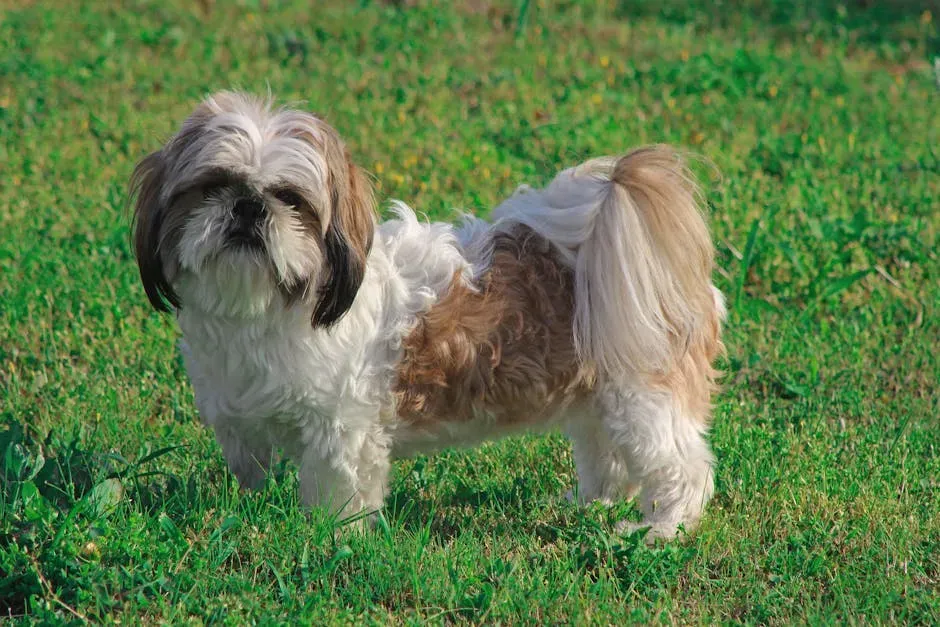
A solid little dog weighing up to 16 pounds, the Shih Tzu requires minimal exercise and is content living in apartments, so long as you’re there, too. Shih Tzu owners describe the breed as happy, even-tempered, and eager to please, and they get along well with other dogs and with children.
Shih Tzus are small, calm, and devoted companions. They were bred to be lap dogs, making them ideal for retirees looking for a loyal shadow. Their coat care requires some grooming but they are low-shedding. If the silky coat is kept long, it requires daily brushing. A groomer can also give the Shih Tzu a “puppy trim” that’s much easier to look after. That shorter cut is a game-changer for owners who prefer simplicity.
4. Pug
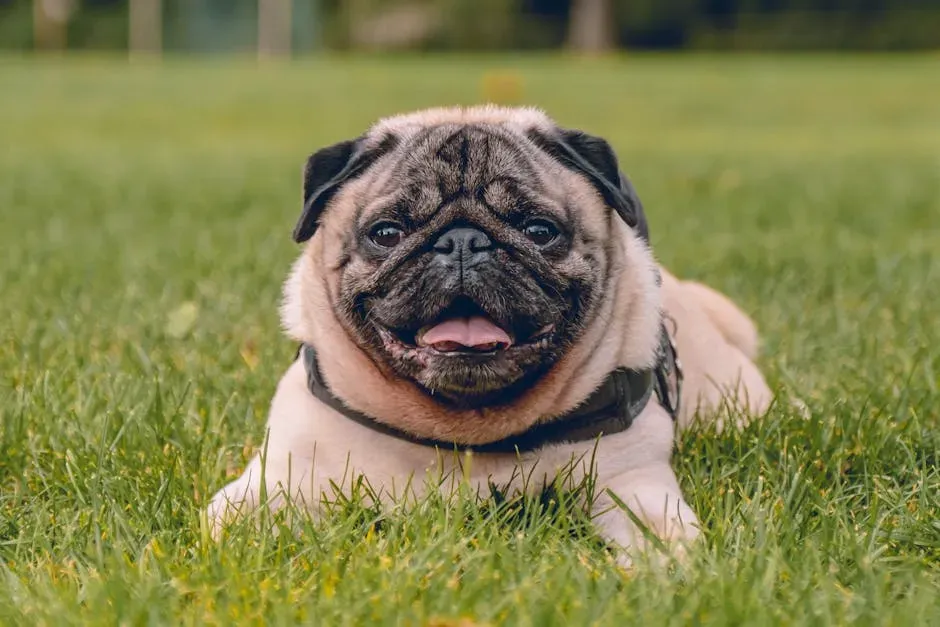
Centuries ago, the emperors of China loved their Pugs. These short-haired, muscular dogs, weighing between 14 and 18 pounds, were bred to be companions with even temperaments. Pugs tend to shed a lot, but they are easily trained, playful with children, loving with their owners, and charming with strangers.
Pugs may be the best small dogs for seniors who would rather cuddle with their pooch in an armchair than take it out hiking every day. These animals don’t need much exercise and can’t handle temperature extremes, so they spend much of their time indoors. Childlike, loyal, and affectionate, pugs are devoted to their owners and love to nap. They aren’t really barkers, although they tend to snore. Pugs require little grooming. A weekly face-fold wipe-down keeps skin infections at bay, and it takes all of two minutes.
5. Maltese
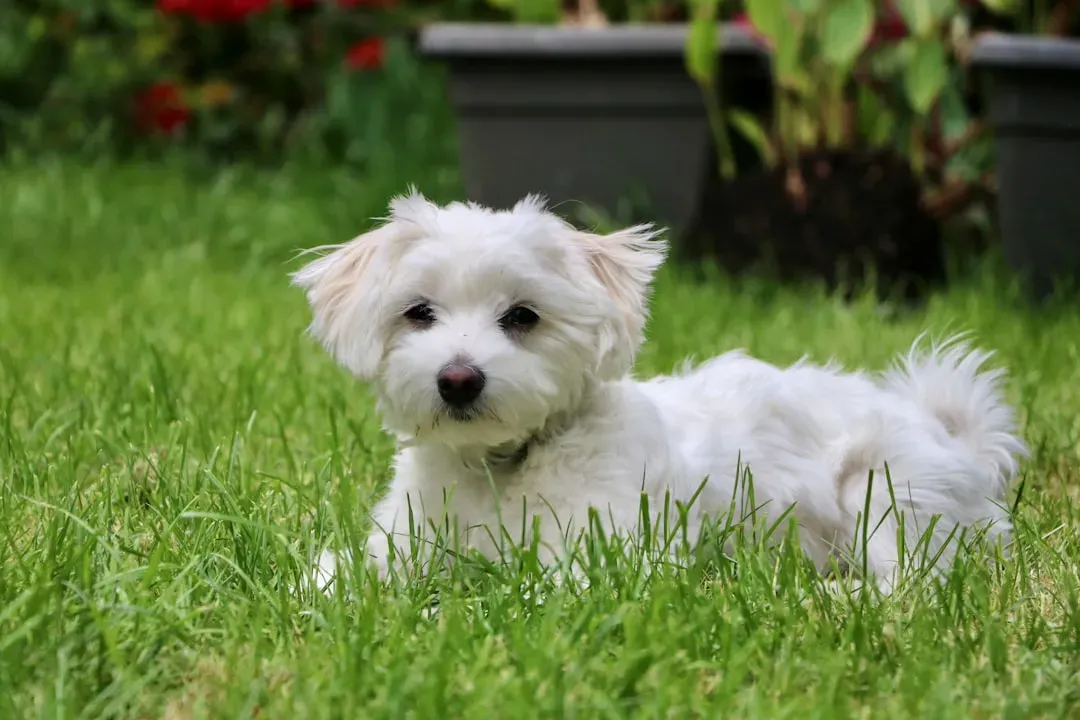
The Maltese is a small, affectionate dog that thrives on attention. Their compact size makes them easy to carry and manage. Despite their long, silky coats, they are relatively easy to groom with routine care. They weigh just a few pounds, which means they’re easy to lift, carry to the vet, and manage on a leash without any physical strain.
Their energy level is low, making them perfect for relaxed households. Their temperament is loving, gentle, and devoted. They do crave closeness, so these are not dogs that do well spending long hours alone. For a retired owner who is home most of the day, that kind of devotion feels less like a demand and more like a gift.
6. Bichon Frise
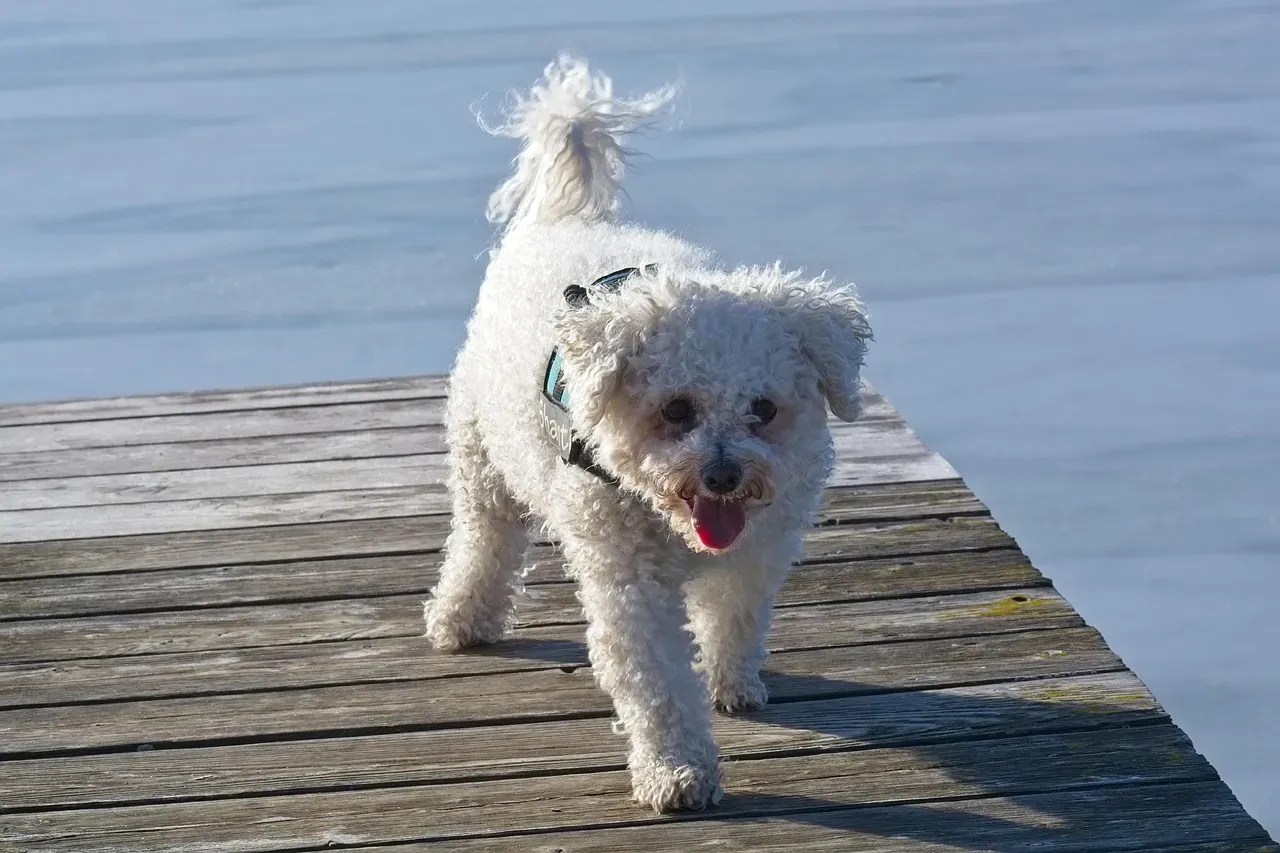
The Bichon Frise combines a friendly, playful personality with practical benefits for senior owners. These small, fluffy companions are known for being one of the most cheerful breeds. Bichon Frises shed minimally, which keeps homes cleaner and reduces allergen concerns. Their grooming needs are moderate, only needing occasional professional grooming to keep them looking their best.
While they enjoy playtime and light activity, they can adjust to the energy level of their owners. The Bichon Frise is also hypoallergenic, which makes them an excellent choice for seniors with allergies. They have a pleasant, cheerful nature and are perfectly content to spend much of the day indoors; a couple of short walks each day is enough to meet their exercise needs. Hard to beat that combination.
7. Greyhound
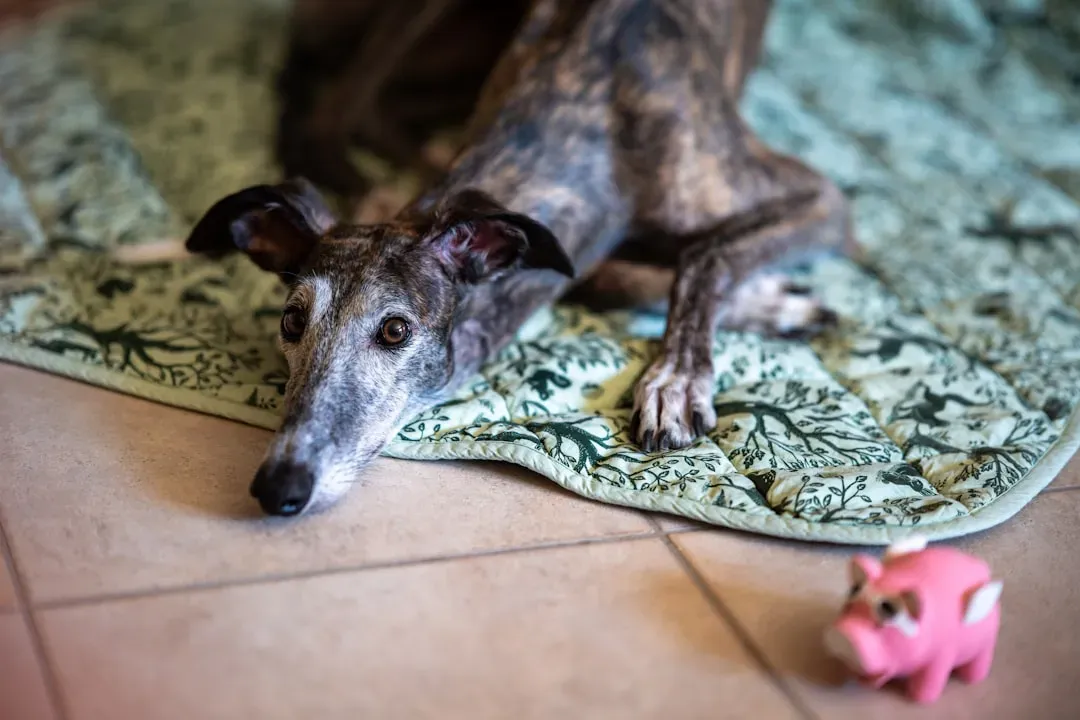
Surprisingly, Greyhounds are among the most low-maintenance large breeds. Known as “couch potatoes,” they enjoy lounging indoors but appreciate a daily walk. Their calm nature makes them wonderful for retirees seeking a peaceful companion. Most people assume the world’s fastest dog needs a marathon’s worth of exercise daily. In reality, they are perfectly satisfied with a short sprint and a long nap.
Greyhounds come with the added benefit of minimal grooming needs due to their short coat and little to no maintenance, which is an appreciated attribute that many seniors would prefer. The Greyhound is a gentle, quiet, and compassionate pet. This breed is independent and can be rather reserved around company, which is part of its appeal. If you want a dignified, low-fuss companion that turns heads on a walk, the Greyhound delivers.
8. Poodle (Toy or Miniature)
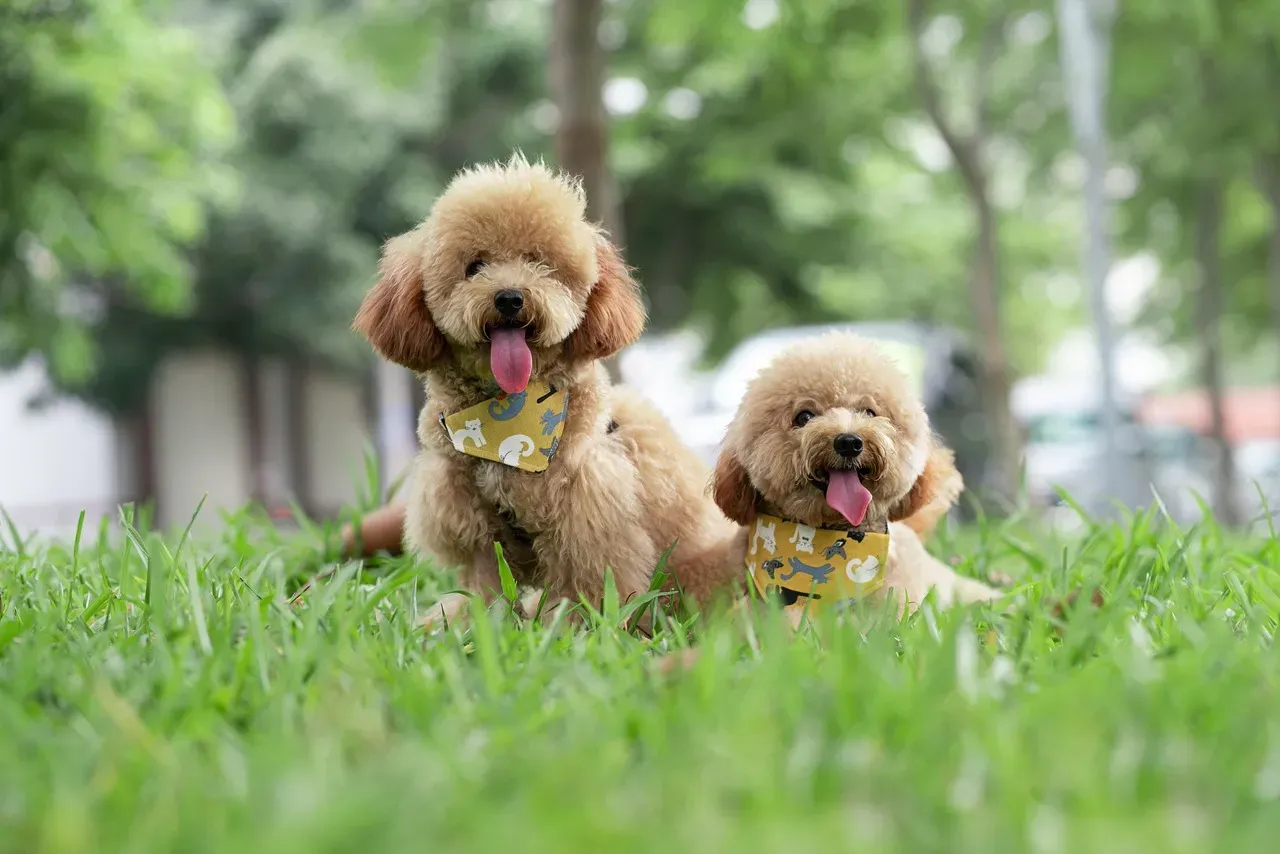
Poodles are an excellent option for older adults with allergies. Both the miniature and toy varieties of Poodles are hypoallergenic, meaning they are less likely to trigger allergic reactions. Poodles are also known for their intelligence and trainability. The small to medium size of miniature and toy poodles makes them easy to carry.
Poodles are not only elegant but also incredibly intelligent. Available in toy, miniature, and standard sizes, they adapt well to different living spaces. Their hypoallergenic coat makes them a great choice for allergy-prone seniors. Since their curly coats require regular trimming, it may be beneficial to look into professional grooming services if you have a poodle. Budget for a grooming appointment every six to eight weeks and you’re sorted.
9. Chihuahua
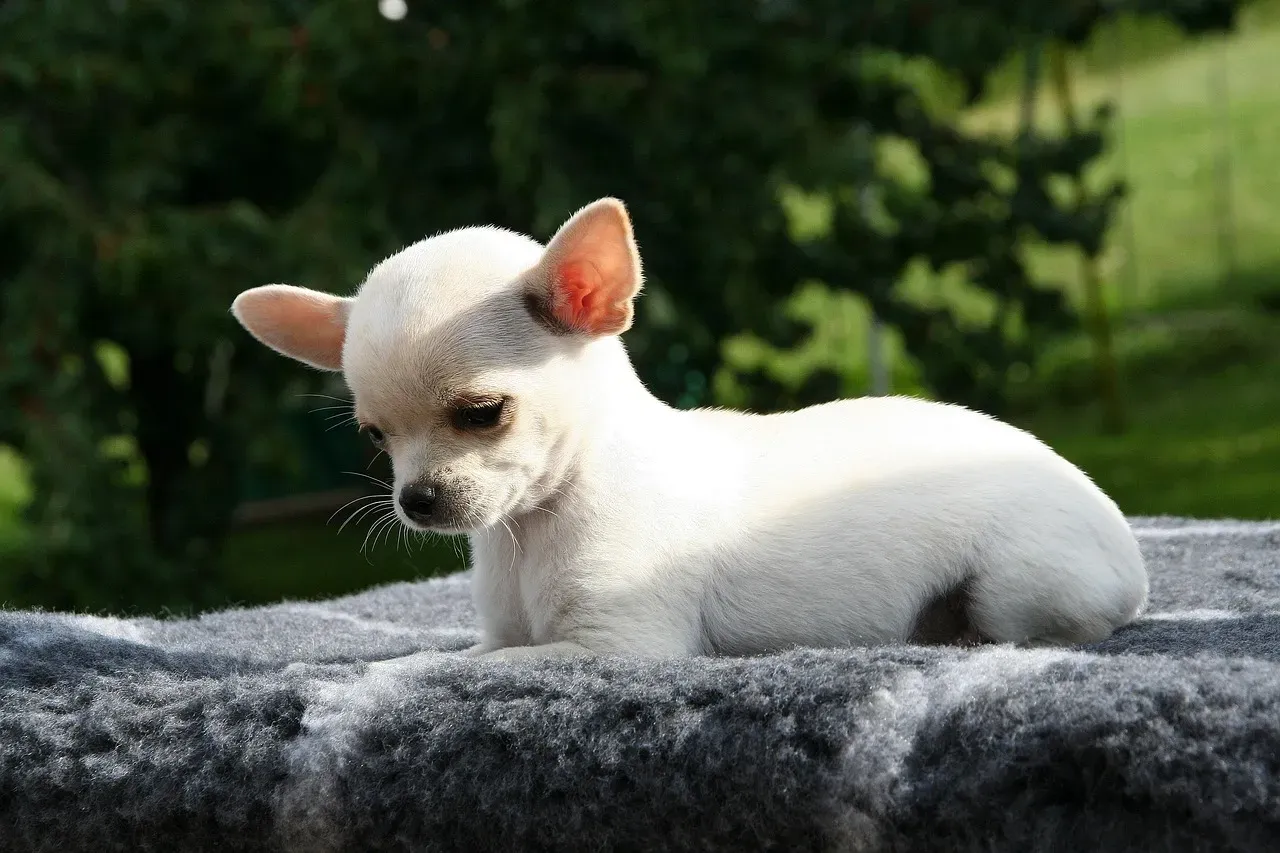
Chihuahuas are small and full of personality. These affectionate dogs form strong bonds with their owners and are fiercely loyal. They are ideal for individuals who prefer a lightweight dog. While Chihuahuas enjoy light exercise, they also love to relax with their owners, making them excellent companions for older adults seeking a lap dog.
Lively and spunky, Chihuahuas are loyal companions who love to sit on their owners’ laps and be petted. They are good apartment animals but must be trained to deal with strangers and children. Chihuahuas enjoy going for walks and basking in the sun but cannot handle cold weather. Fortunately, because they are so small, they can often fill their exercise needs indoors. A little sweater for winter outings and they’re perfectly comfortable year-round.
10. Havanese
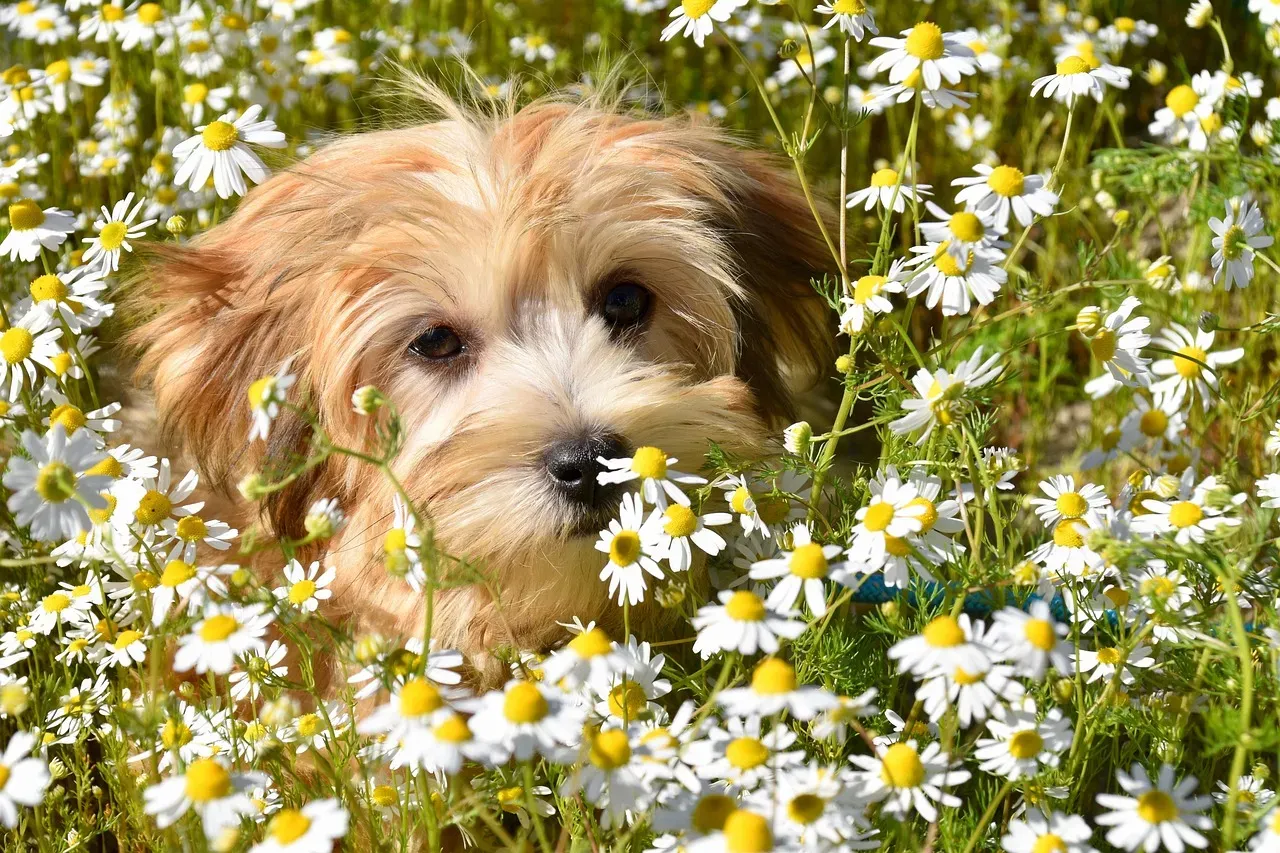
The only breed native to Cuba, the Havanese is a cheerful, quiet little dog described as happy, loving, intelligent, social, and accommodating. They’re content to stay inside and snuggle with their humans and will play patiently. Havanese don’t require much exercise but are happy to take occasional short walks.
Havanese are outgoing and intelligent dogs with low-to-medium energy, making them a great breed for seniors. They are social, trainable dogs that adapt well to most situations. Their one downside is that they can be prone to separation anxiety and don’t like to be left alone. However, this often works out well for seniors who spend most of their time at home. That mutual companionship is part of what makes this breed such a natural fit.
11. Dachshund
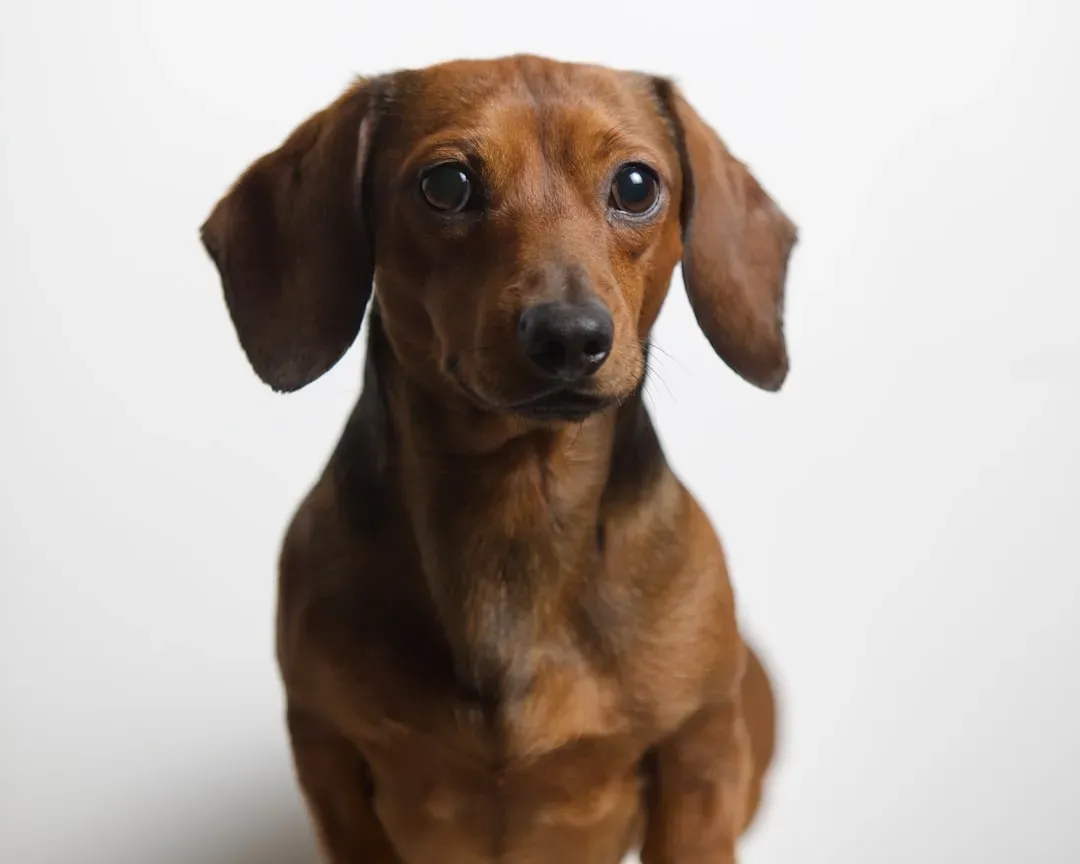
Dachshunds come in two sizes (standard and miniature), three coat types (smooth, longhaired, wirehaired), and various colors. When socialized early, they can be good with children and form strong bonds with their owner. Grooming is a cinch because they stay clean and don’t smell. Weight control is important with Dachshunds since they’re susceptible to back problems, so a couple of short walks a day is advisable.
The Dachshund is a loyal, curious, and playful small dog with a distinctive long body. They enjoy gentle daily walks and are affectionate with their families. One important note: because of their long spines, Dachshunds are prone to back injuries, and seniors should avoid letting them jump from heights or strain during walks. Keeping a ramp available for furniture access is a simple and effective precaution. With thoughtful handling, Dachshunds make warm and loyal companions.
12. Coton de Tulear
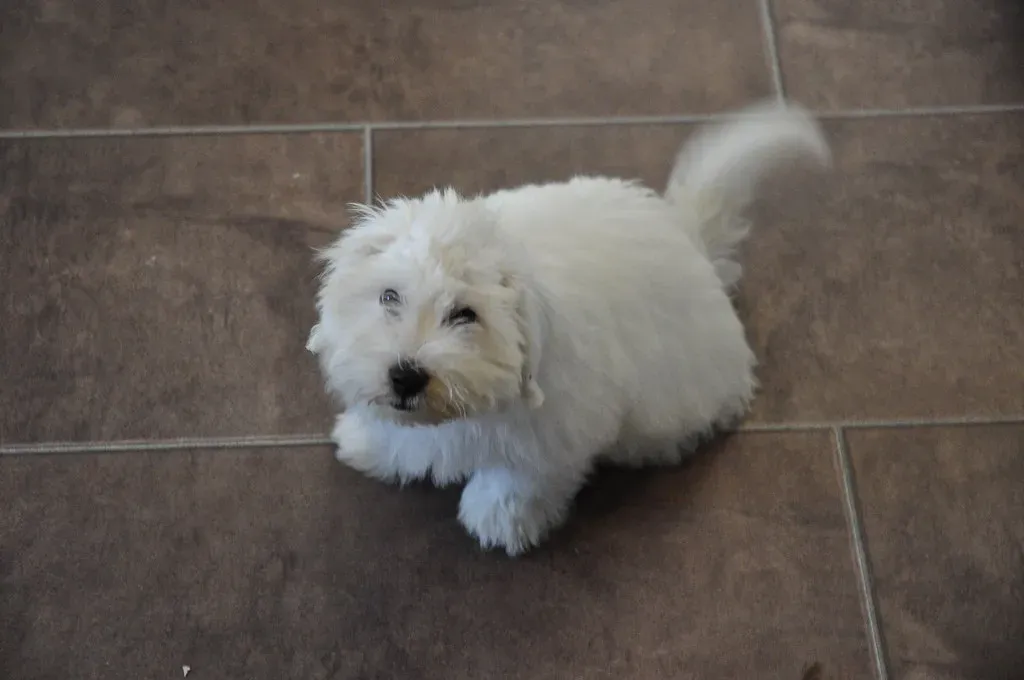
Named for the city of Tulear in Madagascar, the Coton de Tulear is a small, cotton-soft dog with a calm and affectionate nature. They are adaptable, gentle with older adults, and content with a relaxed daily routine. Cotons are low-shedding and have a playful but never overwhelming energy level. For seniors who want a particularly quiet, sweet-natured companion, the Coton de Tulear is an outstanding choice.
This hardy breed enjoys all types of weather but is an indoor dog that thrives on human companionship. Coton de Tulear can live 15 to 19 years, are easy to train, and get along with everyone including other dogs. They’re good travelers and require moderate exercise, enjoying daily walks with their owners. That long lifespan is worth noting. Adopting a Coton means many years of consistent, dependable companionship.
13. Miniature Schnauzer
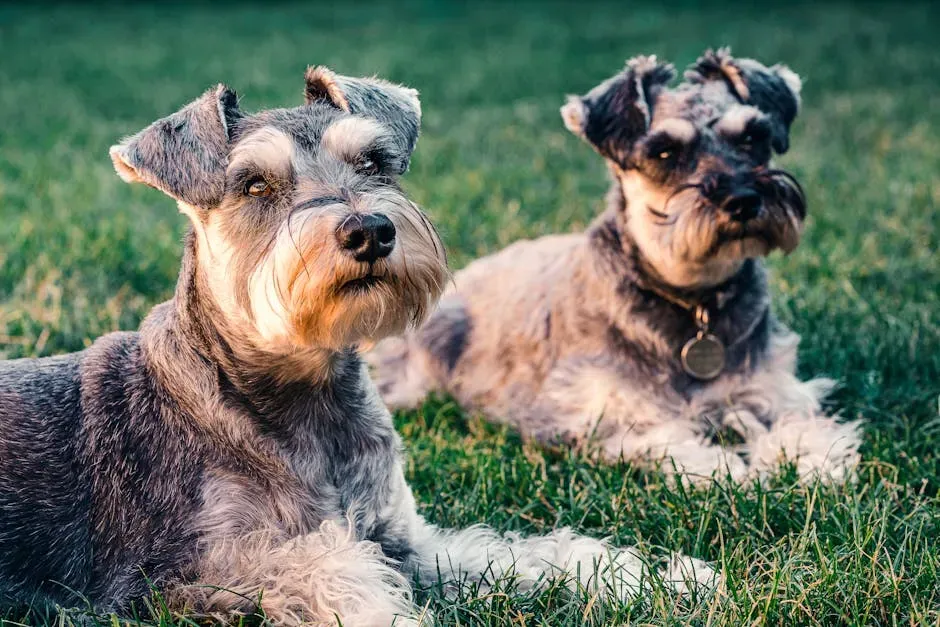
The Miniature Schnauzer is a wonderful breed for seniors. These dogs have a low shedding rate and do not require excessive grooming, making them easier to care for compared to higher-maintenance breeds. Their compact stature makes them easier to handle and transport, while also allowing them to thrive in apartments without taking up too much space.
Seniors with allergies should consider hypoallergenic dog breeds, and the Schnauzer fits that description well. Breeds like the Poodle, Maltese, and Schnauzer have hair that produces less dander, a common allergen, compared to other breeds. These dogs also tend to shed less, which helps keep the living environment cleaner and reduces exposure to allergens. They’re spirited enough to keep you engaged and calm enough to never overwhelm you. That balance is rarer than you’d think.
14. Pekingese
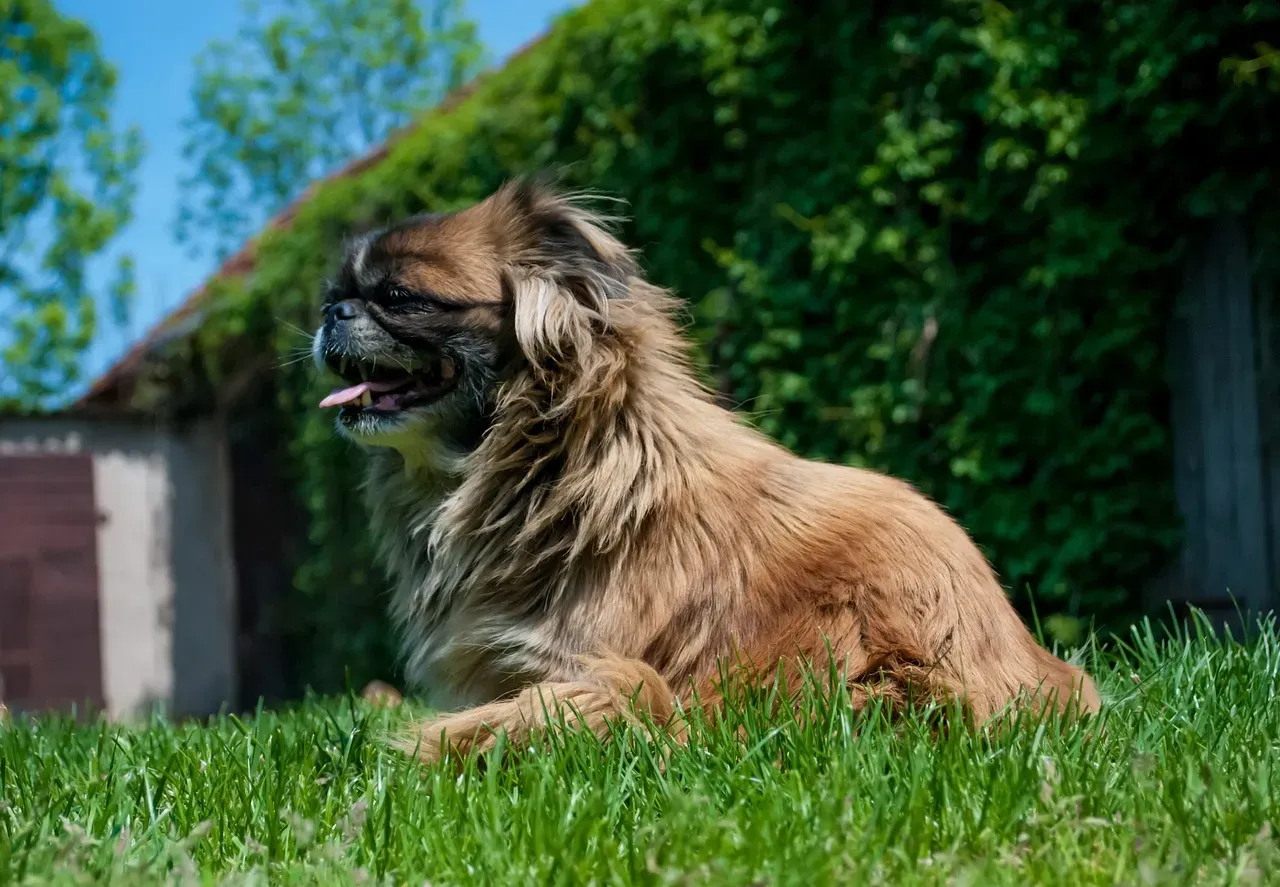
The ultimate lapdog, the regal Pekingese is a true charmer. Because this breed isn’t too fond of rough play, it seems to be the best dog for older people who are more likely to live in a calm atmosphere rather than a house full of energetic children. Extraordinarily loyal and affectionate, the Pekingese often forms an unparalleled bond with one human. However, this independent companion is far from clingy.
Pekingese dogs have outgoing, bold personalities and an overall dignified way of going about their daily lives. Shedding seasonally, they have a soft double coat that needs daily brushing to stay tangle and mat-free. With a shortened muzzle, the Pekingese shouldn’t engage in intense exercise. Daily brushing is their one real ask, and for many owners, that quiet ritual at the end of the day becomes something to look forward to.
15. Maltipoo
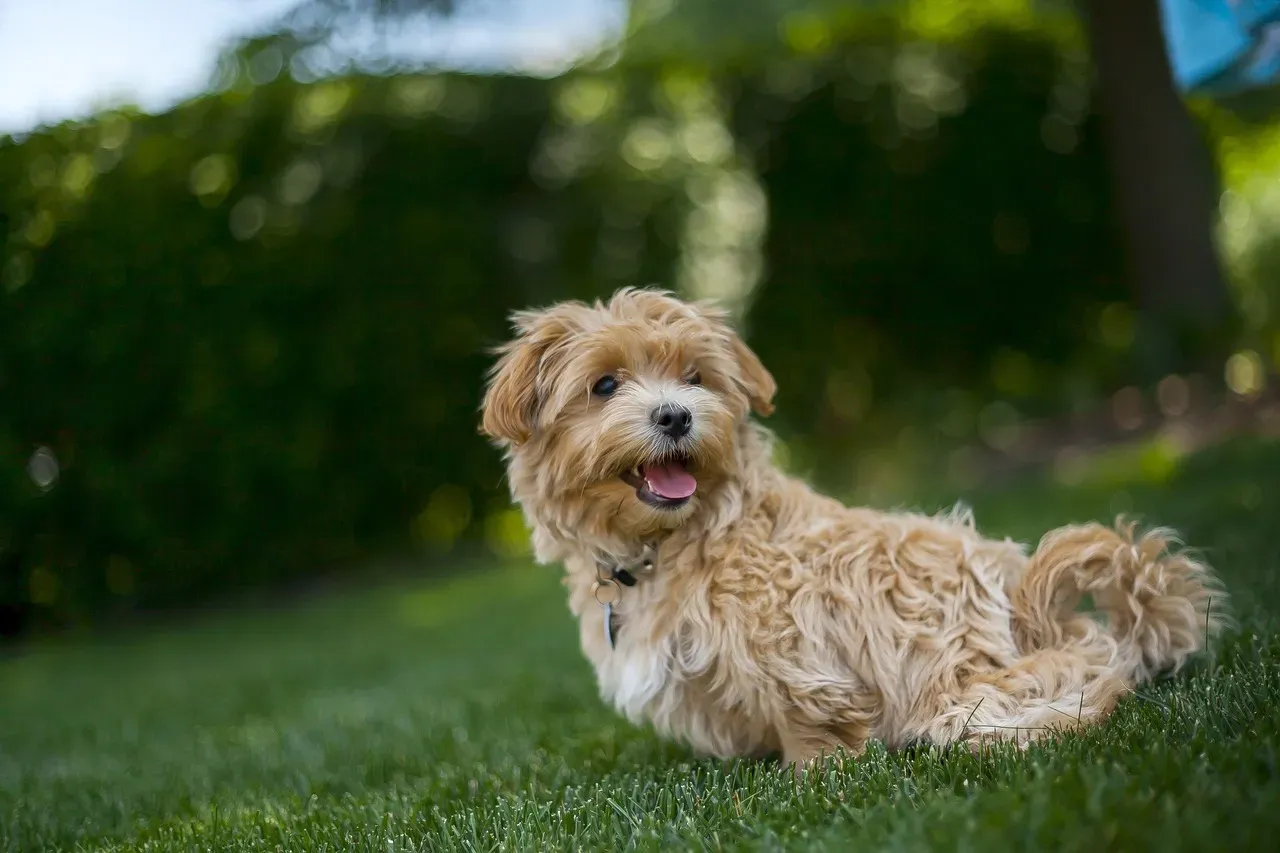
The Maltipoo is one of the best dog breeds for seniors. It is a small dog weighing 10 to 20 pounds and has moderate exercise needs. While these dogs do need to be brushed daily with a wire slicker brush, they can be given a “puppy cut” to reduce maintenance. Maltipoos are sensitive to their environments and thrive in homes where they are doted upon and rarely left alone for long periods, making them suitable for older people.
As a cross between a Maltese and a Poodle, the Maltipoo inherits the hypoallergenic qualities of both parent breeds, which makes them a practical choice for anyone with sensitivities. They are gentle, affectionate, and genuinely content with a calm, home-centered life. Studies have found that older adults with pets experience lower rates of loneliness and depression. Simply petting a dog lowers cortisol levels and increases oxytocin, the bonding hormone associated with comfort and calm. For seniors living alone, a dog can fundamentally change the emotional texture of a day.
A Few Things Worth Knowing Before You Choose
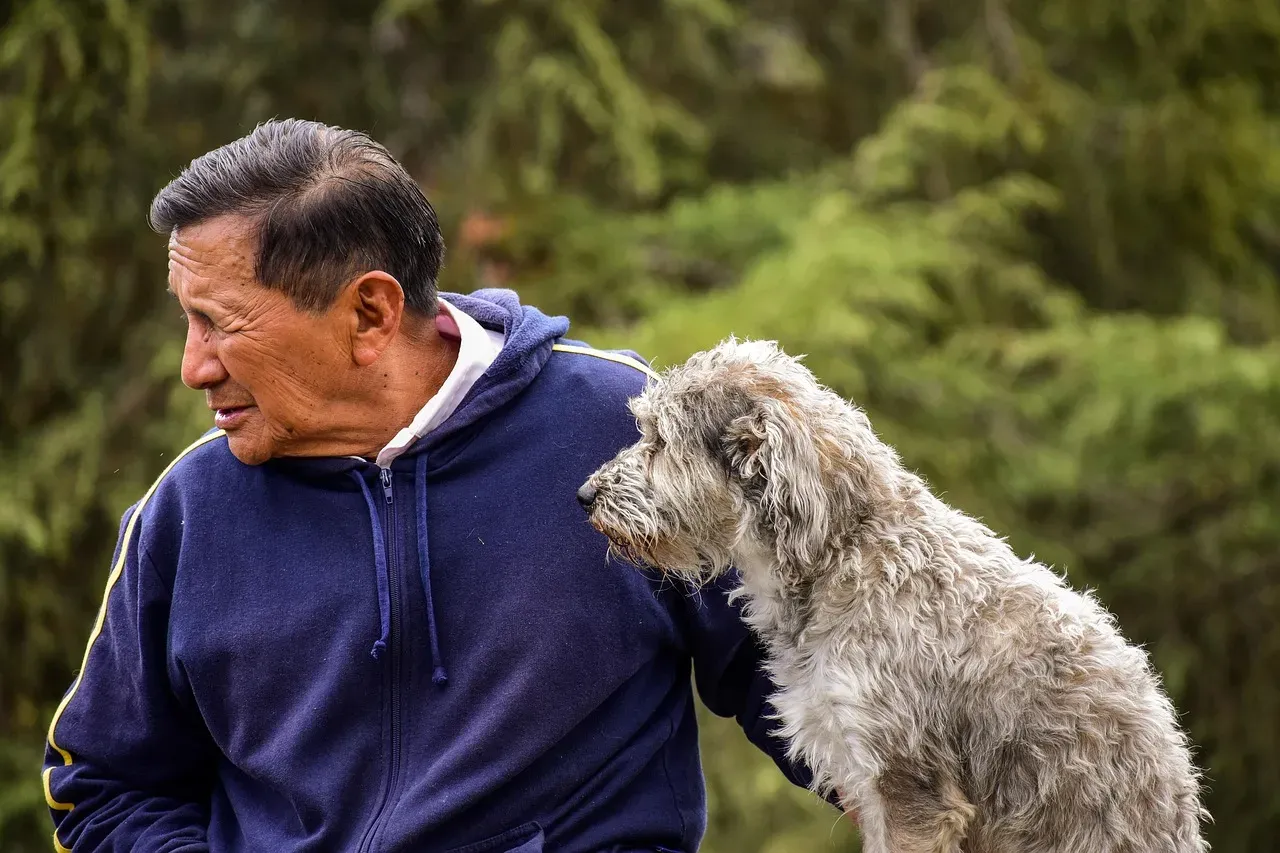
When considering dog ownership, older adults should look into adopting an adult dog rather than a puppy. Puppies require a lot of energy, training, and patience, which may not be ideal for older adults. Adult dogs are often calmer and already trained, making them easier to manage. A three-year-old rescue from a shelter can be every bit as bonded and loving as a puppy, without the chaos.
Chronic health issues occur in dogs as well, and for most seniors, the constant veterinary visits, caretaking, or medication-giving can be difficult. Selecting a healthy dog is optimal to keep healthcare maintenance low. Regular veterinary care is essential to ensure your pet stays happy and healthy. Routine check-ups, vaccinations, and preventive care not only extend your dog’s lifespan but also enhance their quality of life.
Family or caregiver support is another factor to consider. Some older adults may require assistance for tasks such as grooming, vet visits, or long walks. Before getting a dog, make sure you have the support needed for any tasks you can’t do alone. Planning ahead on that front makes the whole experience more relaxed and more sustainable.
Conclusion
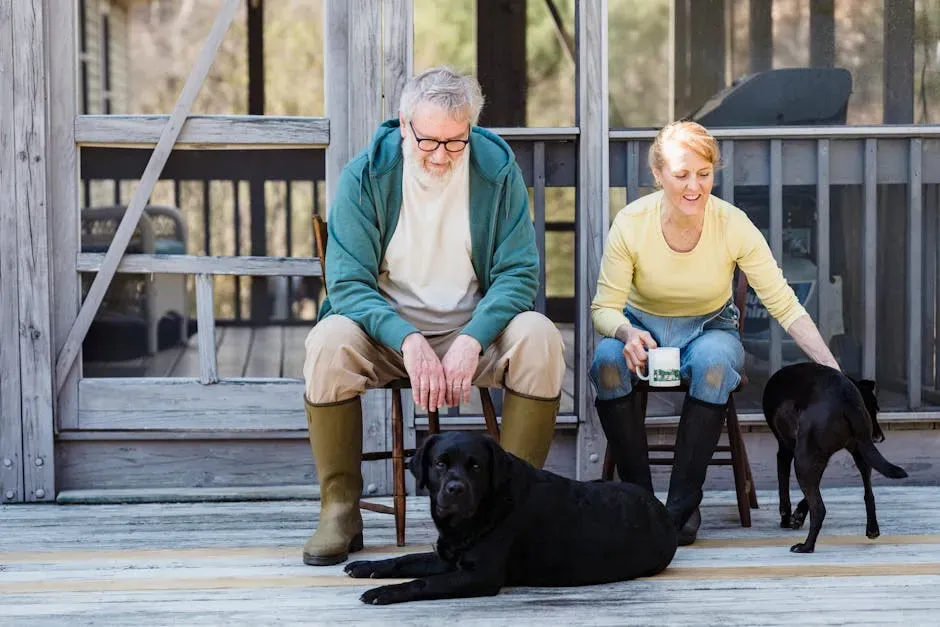
The right dog doesn’t demand perfection from you. It asks for consistency, presence, and care. Every breed on this list was chosen because it genuinely fits the pace of a quieter, more deliberate kind of life. Whether you live in a two-bedroom apartment or a house with a small yard, whether you love a daily walk or prefer mornings on the couch, there is a dog on this list that will meet you exactly where you are.
Senior dog owners walk an average of 22 more minutes per day compared to seniors who do not own dogs, and seniors who own pets are significantly less likely to report feeling lonely than their non-pet-owning peers. Those are not small numbers. They represent real days, real energy, and real connection.
The best match isn’t always the cutest breed or the most popular one. It’s the dog whose needs align with your life as it actually is today. Find that fit, and what you get in return is one of the most uncomplicated forms of loyalty there is.


