
Picture this: it’s a quiet Sunday afternoon. You’re stretched out on the sofa with a cup of coffee, the curtains are half drawn, and the only sound in the room is the soft, rhythmic breathing of a dog pressed warmly against your leg. No zoomies. No frantic barking at the ceiling fan. Just pure, unhurried companionship.
That’s the magic of a low-energy dog. For many pet parents, the ideal companion is one who is content to snooze on the couch, enjoys short walks, and thrives in a calm household – dogs that are often lovingly called “couch potatoes” because they prefer relaxing with their owners over nonstop activity. These breeds aren’t broken or dull. They’re simply wired for warmth, closeness, and the kind of steady love that doesn’t require a marathon to earn it.
That said, choosing a laid-back breed is not a free pass from responsibility. Even the most couch-potato pup still requires regular exercise and attention to prevent obesity and keep their mind sharp. Think of it less as finding a dog that fits your laziness, and more as finding a dog whose calm rhythm matches yours. Here are 15 breeds that do exactly that.
1. English Bulldog – The Ultimate Sofa King
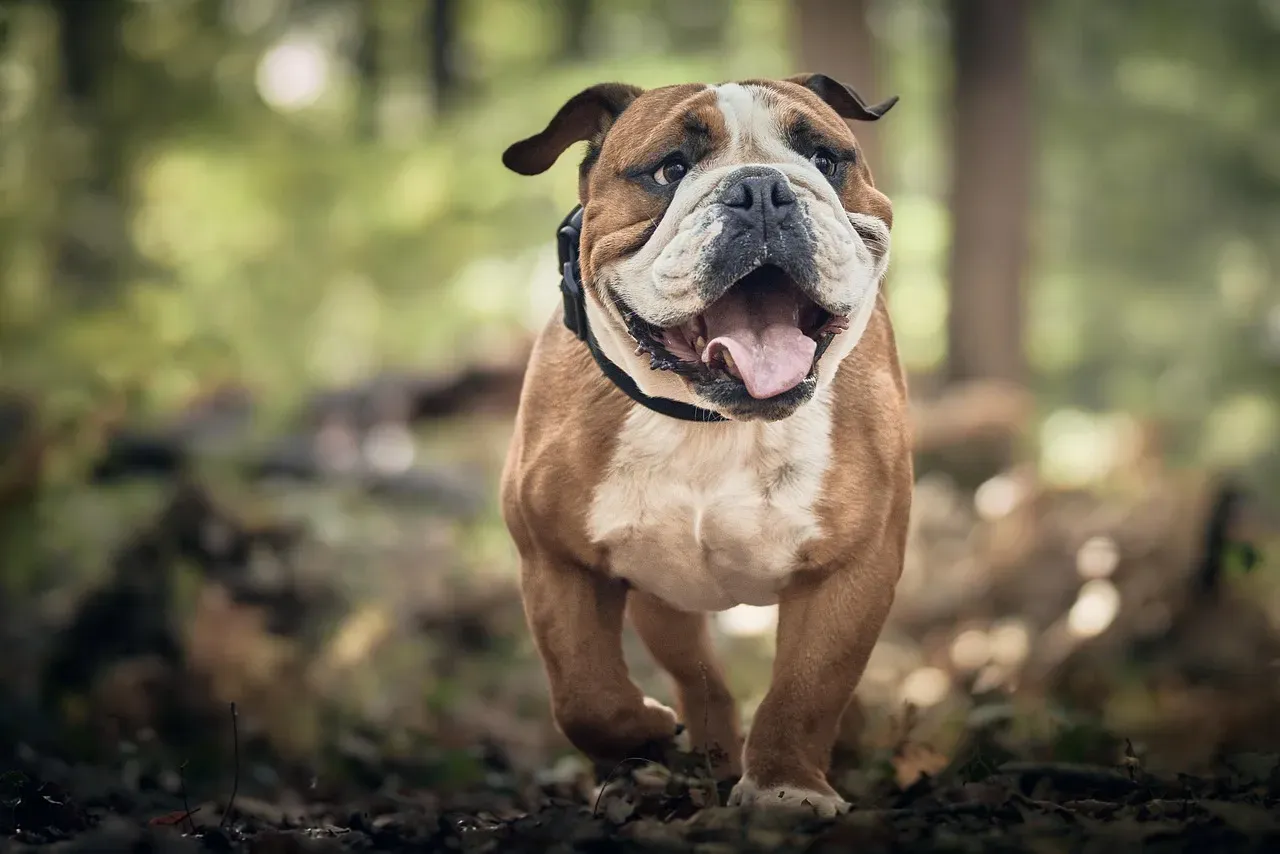
There’s a reason the English Bulldog has become the unofficial mascot of laid-back living. When you think of the English Bulldog, it’s almost impossible not to picture them lounging comfortably on the couch or curled up on a cozy bed – they are renowned for their love of sleeping and lounging, making them ideal pets for individuals who enjoy a slower pace of life.
Despite their laid-back temperament, Bulldogs require attentive care due to their physical structure. Their flat-faced features, known as brachycephalic traits, can lead to breathing difficulties and make them sensitive to heat, so exercise should remain moderate and ideally take place during cooler parts of the day. Watch for labored breathing on warm days – that’s a real health signal, not just drama.
Regular grooming is simple, but their facial wrinkles need daily cleaning to prevent skin infections. Bulldogs may also be prone to joint, eye, and skin conditions, so regular veterinary checkups are important. Keep their weight in check with measured meals, and you’ll have one of the most devoted, gentle companions imaginable.
2. French Bulldog – Small Dog, Giant Personality
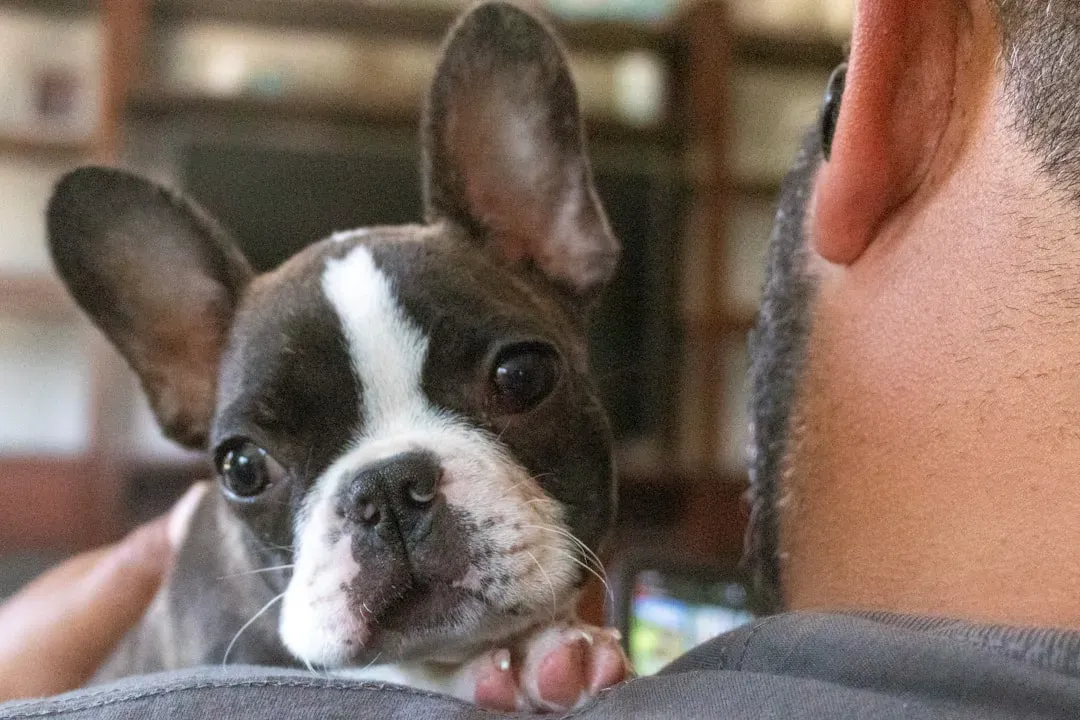
The charming French Bulldog tops many lists of low-energy companions, and for good reason. These bat-eared beauties were bred specifically for companionship, making them natural couch potatoes who thrive on human attention – perfectly content with short walks and indoor playtime, weighing around 20 to 28 pounds.
This breed can sleep up to 16 to 18 hours a day, making them one of the sleepiest breeds. Their compact, muscular, and short-legged body requires extra effort to cover the same distances as taller breeds. Two short daily walks and some gentle indoor play are genuinely enough to keep them satisfied and healthy.
As a brachycephalic breed, French Bulldogs shouldn’t be over-exercised, especially in hot weather. A 20 to 30 minute walk and some gentle indoor games typically satisfy their exercise needs, and their adaptable nature makes them excellent apartment dogs. If you live somewhere warm, morning and evening walks are a smart routine to protect their airways.
3. Cavalier King Charles Spaniel – Born to Be Loved
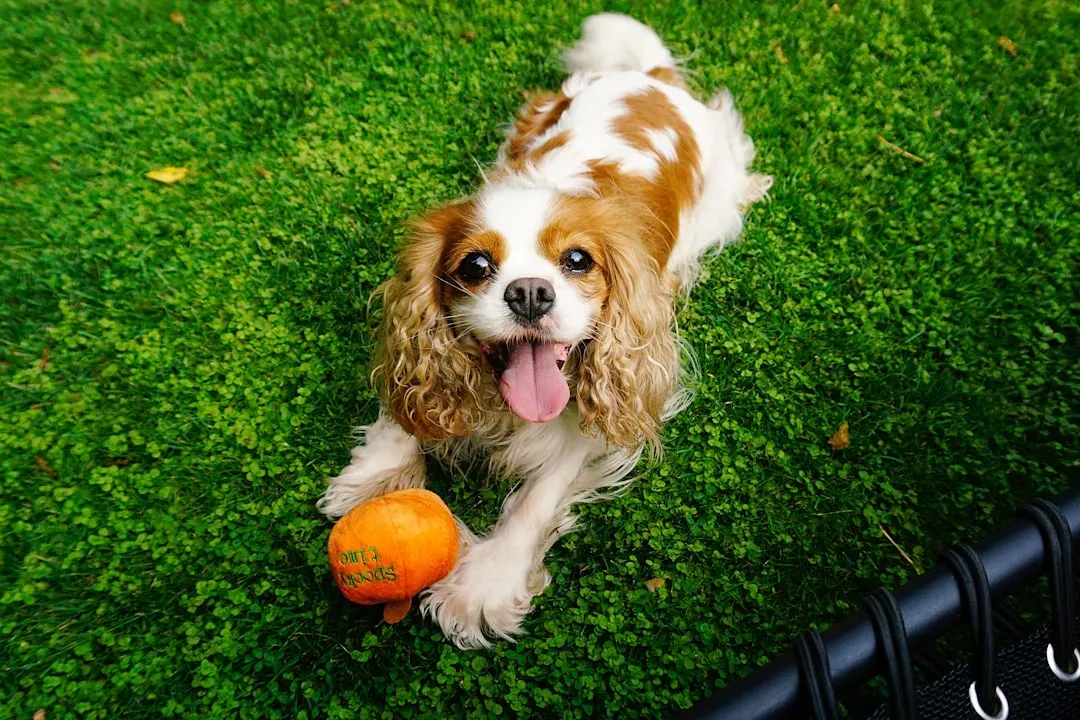
The Cavalier King Charles Spaniel is a gentle, affectionate companion that thrives on human closeness. Named after the British monarchs King Charles I and Charles II, this small breed was historically cherished for warming laps in chilly castles. That lap-warming instinct hasn’t gone anywhere in the centuries since.
While they enjoy short daily walks and light playtime, Cavaliers are equally happy relaxing beside their owners on the couch. Regular brushing helps maintain their long coat and minimize shedding, and because they form strong bonds with people, they prefer households where they receive plenty of attention and companionship.
Cavaliers are known for their sweet disposition and get along well with children and other pets. They are also highly adaptable and can be just as content in an apartment as in a larger house. One health note worth knowing: this breed has a predisposition to heart conditions, so annual cardiac screenings with a vet are genuinely important, not optional.
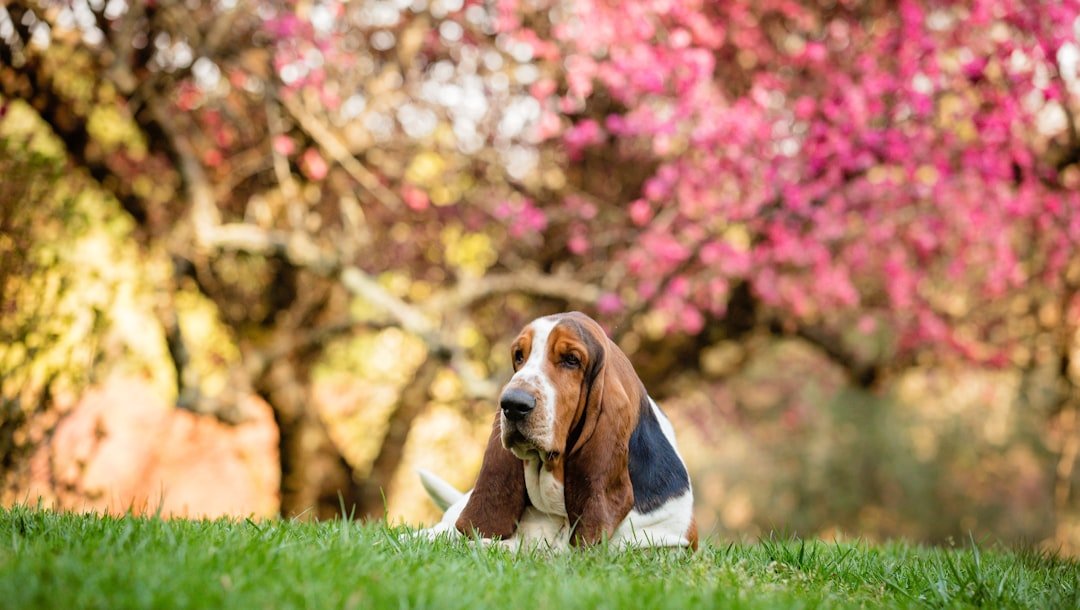
4. Basset Hound – The Philosopher in Floppy Ears
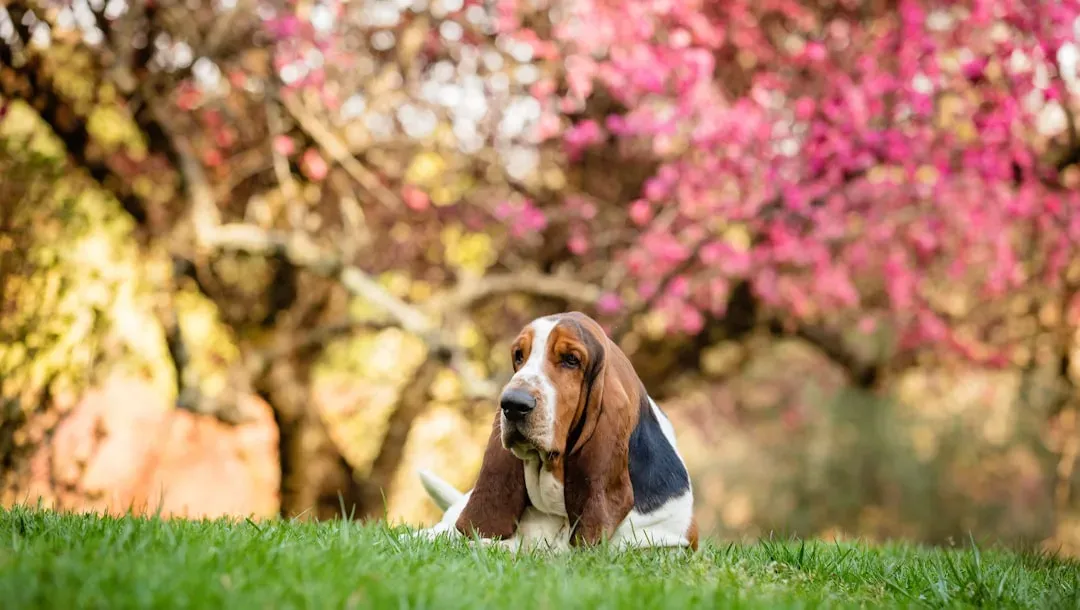
With an exceptional sense of smell second only to the Bloodhound, Basset Hounds were primarily bred to hunt rabbits and hares at a rather slow speed. Even the French word “basset” means “low,” referencing their low energy levels. They are, in the most literal sense, built for a slower pace.
The temperament is generally mild, easygoing, affectionate, and friendly with family. Basset Hounds are known to conserve their energy until they find an interesting activity or smell a good scent – they don’t sprint or jump but curl around on a rug or sit by your side on a sofa, requiring only short daily walks of about 20 minutes.
That legendary nose means mental enrichment matters as much as physical exercise for this breed. Hide-and-sniff games around the house, or scent trails in the backyard, keep their sharp minds engaged without overtaxing their short legs. Watch their weight carefully too – Bassets are natural-born overeaters.
5. Pug – Wrinkled, Warm, and Wonderfully Weird
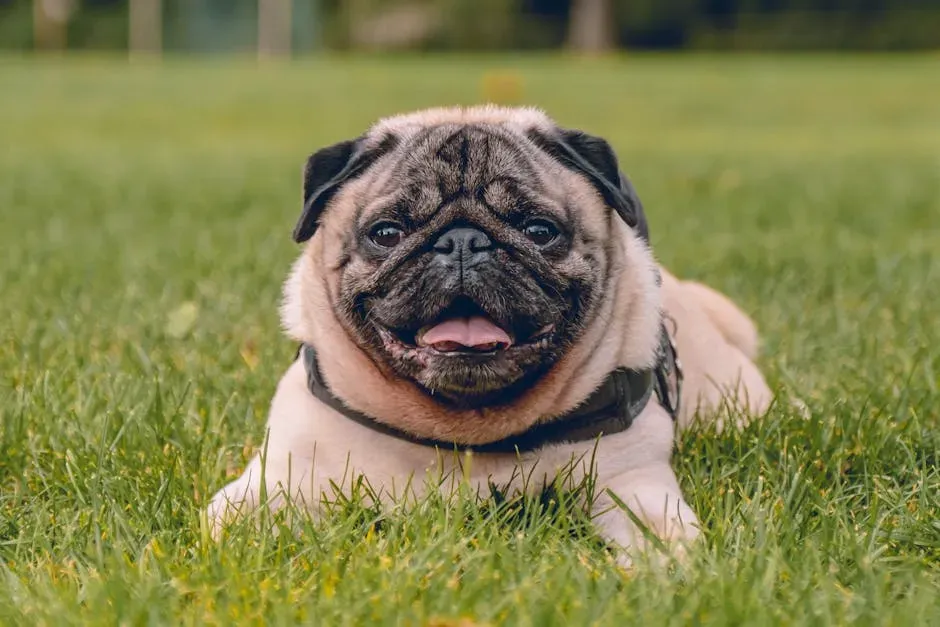
The Pug is among the oldest companion dog breeds, instantly recognizable for its wrinkled face, round eyes, and charming snorts. Despite their small size, Pugs carry a long history tracing back to ancient China during the Han Dynasty, where they were cherished by emperors and bred specifically to be loyal lapdogs.
Unlike other low-energy breeds, Pugs are extremely extroverted and make friends with children and other pets easily. Though they thrive indoors, they still need moderate exercise to prevent obesity. They struggle to maintain their body temperature, especially in warm weather, because of their brachycephalic features.
Pug puppies have notably higher energy levels and love to whirl around for the first two years of their life – they don’t typically settle into full couch-potato mode until around age three. Be patient with young Pugs, keep their diet measured, and clean those facial folds daily to prevent infections. The reward is a lifelong, hilarious, deeply affectionate companion.
6. Shih Tzu – Royalty in Miniature
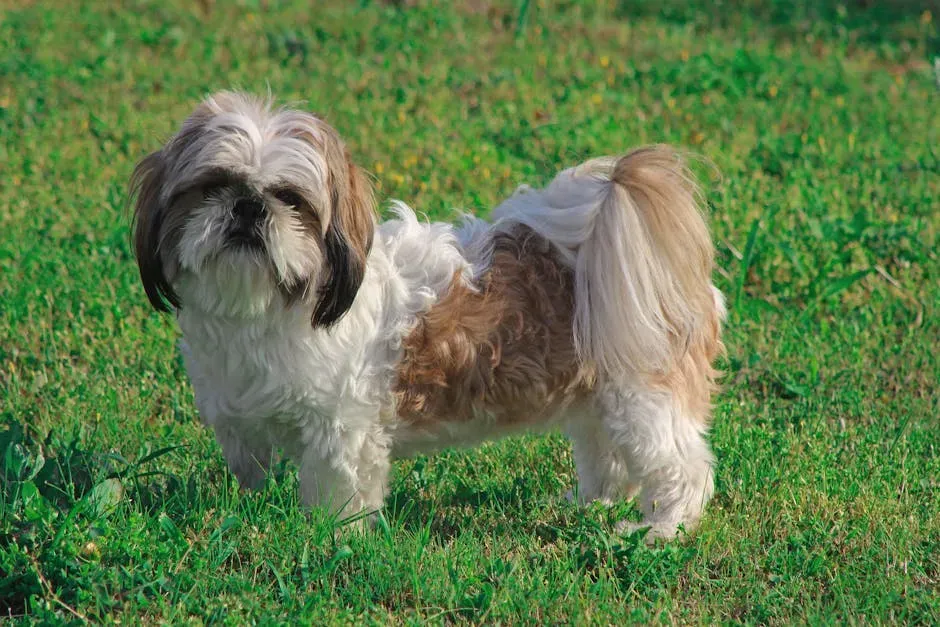
Built to be a lap dog for Chinese royalty, the Shih Tzu’s name literally translates to “lion dog” because of their lion-like appearance with a mane around the neck – an appearance purposely given to the breed since a lion holds aristocratic and religious significance in Chinese culture. They carry that regal energy effortlessly.
Shih Tzus enjoy light play, short walks, and long naps, thriving on routine and affection. Their long, flowing coat can be styled short for easy care, while regular brushing keeps it silky and beautiful. These calm pups are as charming as they are low-maintenance, affectionate, polite, and full of personality.
Leaving them alone for too long can develop separation anxiety since they thrive on human companionship. If you work long hours, consider a dog sitter or companion animal. A Shih Tzu left alone and bored is not a happy dog – and an unhappy Shih Tzu will absolutely let you know about it.
7. Greyhound – The Retired Sprinter Who Found the Couch
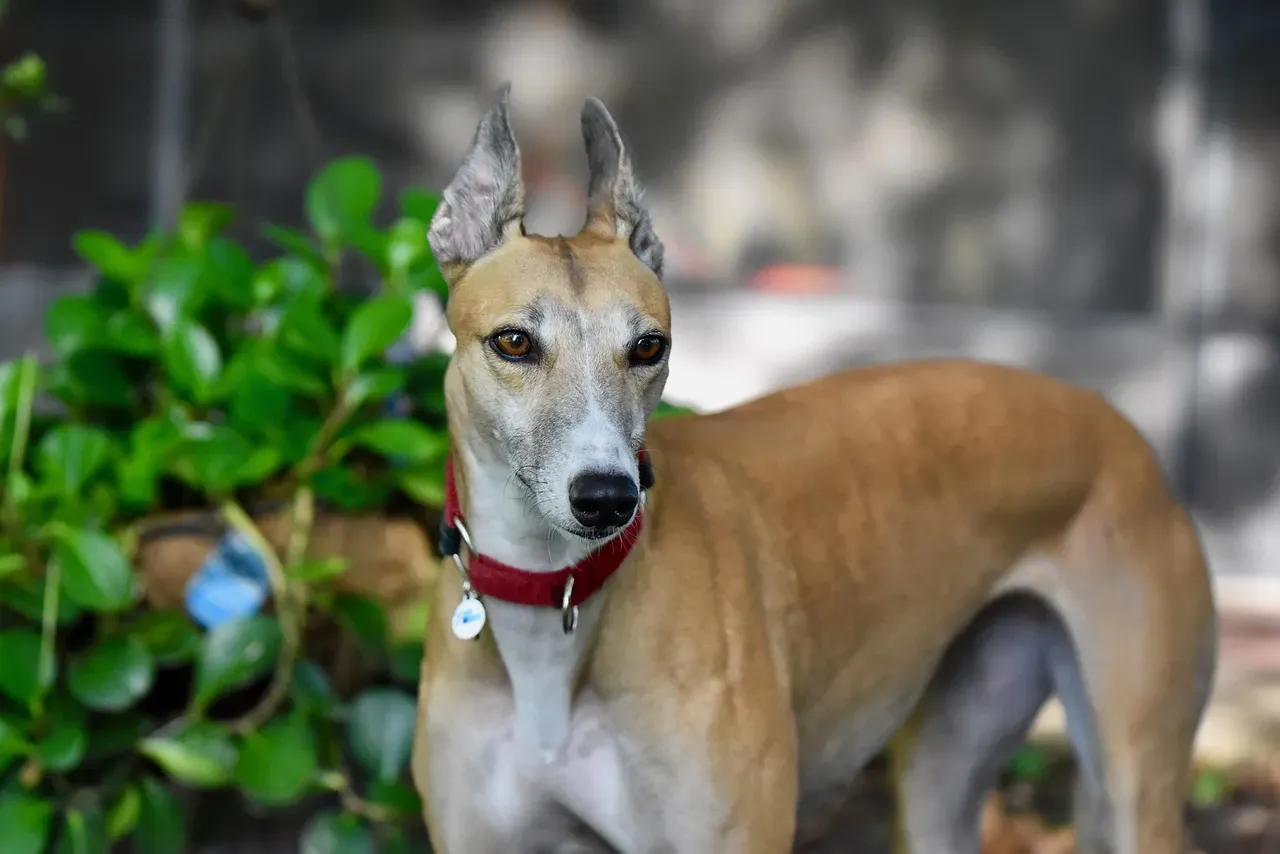
This might be the most surprising entry on any low-energy list. Despite being the fastest dog breed, capable of reaching 45 mph, Greyhounds are notorious couch potatoes – perfectly content with short bursts of activity followed by extensive relaxation. Speed and laziness, it turns out, are not mutually exclusive.
A Greyhound gets energy in bursts. A brief sprint in a fenced area and a daily walk typically satisfy their exercise needs, leaving plenty of time for their favorite activity: sleeping on the couch. Many owners of retired racing Greyhounds describe the adjustment as surprisingly smooth – these dogs seem almost relieved to have nowhere to be.
Their short coats are easy to maintain, making grooming a breeze. Greyhounds are known for their calm and gentle nature, get along well with children and other pets, and their independent nature means they’re also content to spend time alone if needed. If you’re considering adoption, retired racing Greyhounds make genuinely wonderful second-chance companions.
8. Great Dane – Big Dog, Bigger Heart, Surprising Calmness
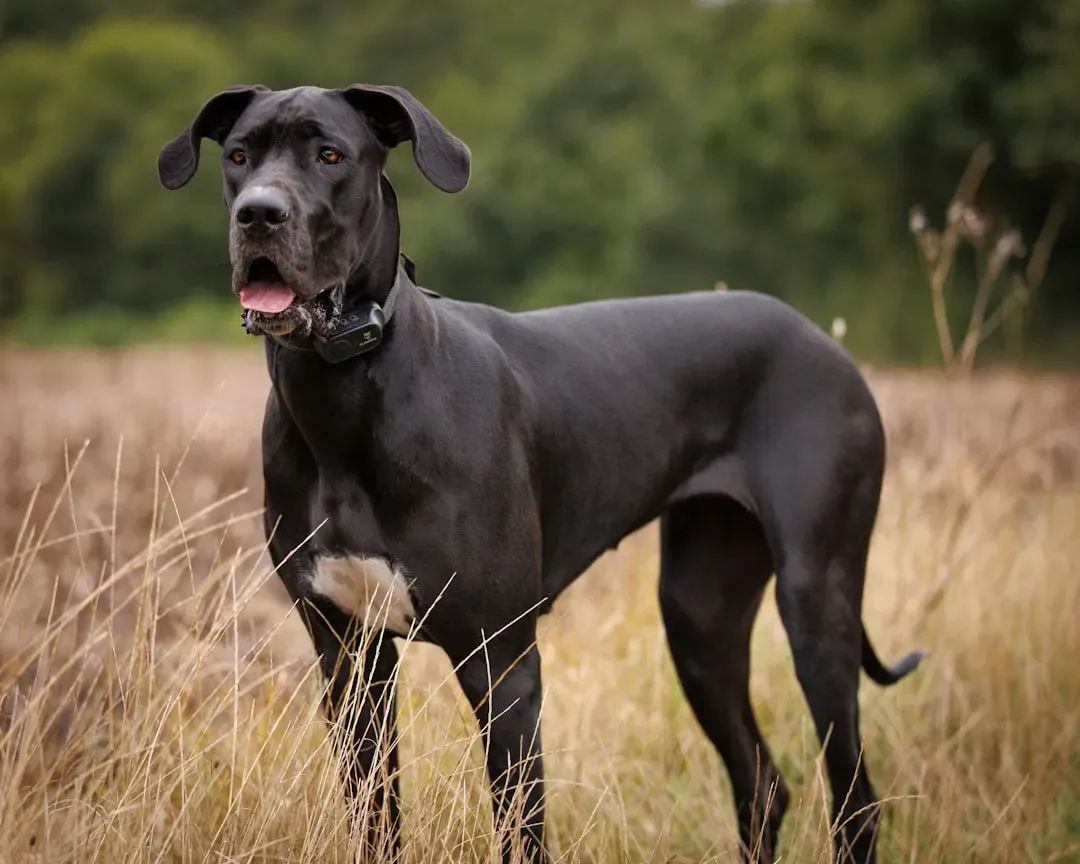
Despite their towering height, Great Danes are known as gentle giants. They’re calm, affectionate, and often more interested in leaning against their owner than running around. While their exercise needs include daily walks, they don’t require nearly as much activity as many other large dog breeds, and their laid-back nature makes them surprisingly good for apartment living, as long as space is manageable.
Despite their massive size, Great Danes are surprisingly low-energy, requiring just 30 to 60 minutes of daily exercise. They’re calm indoors and can adapt to apartment living if given adequate space for their large frames. Their temperament is friendly, patient, and affectionate, and they’re excellent with children, earning the nickname “gentle giants.”
The main health concern for Great Danes is bloat, a serious and potentially life-threatening condition where the stomach twists. Feed them smaller, more frequent meals, avoid vigorous exercise right after eating, and know the warning signs: a distended belly, restlessness, and unsuccessful attempts to vomit require immediate veterinary attention.
9. Bernese Mountain Dog – The Gentle Alpine Soul
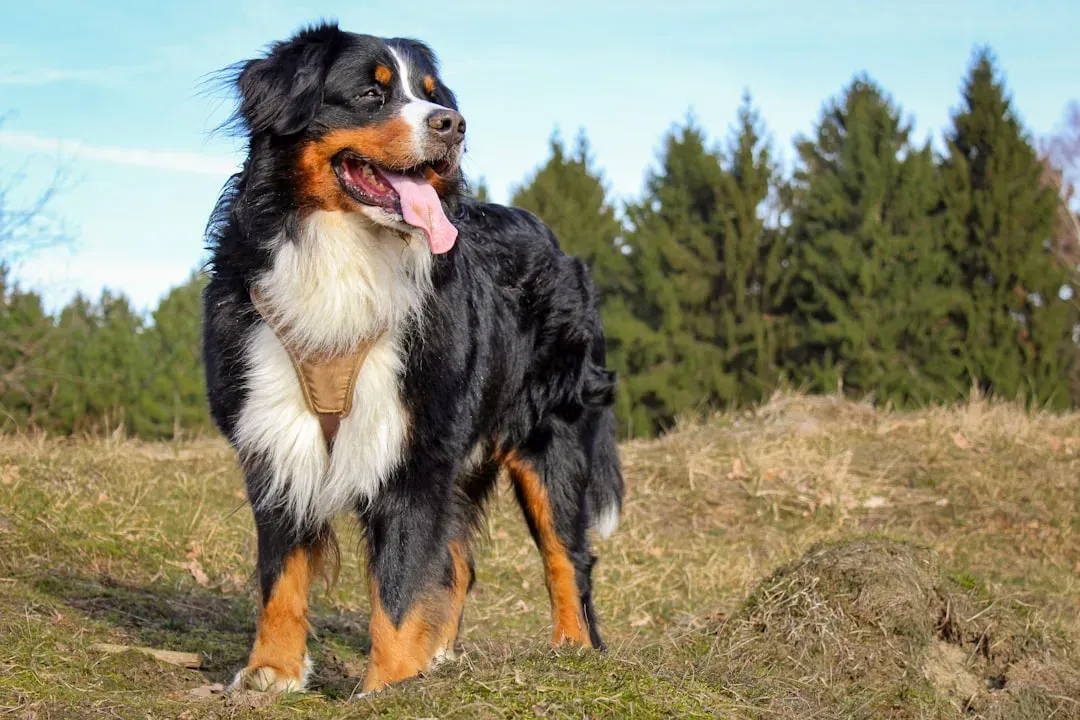
Despite their large size, Bernese Mountain Dogs are gentle giants. Originally bred to help with farm work in the Swiss Alps, these dogs are surprisingly low-energy and love lounging around the house. They do need regular walks to stay healthy, but don’t require as much exercise as other large breeds.
The breed is known for being good-natured and patient and will readily play with their human family. Keep in mind that the thick double coat of a Bernese Mountain Dog can cause overheating issues, so use caution when exercising these dogs outdoors in warm weather. Early morning walks in summer are far safer than midday outings.
These dogs are known for their calm and friendly nature, great with children and other pets, making them ideal for families. Their gentle disposition also makes them excellent therapy dogs. Their coats need consistent brushing, especially during seasonal shedding periods. Think of grooming time as bonding time – most Berners genuinely enjoy the attention.
10. Newfoundland – The Giant Teddy Bear of the Dog World
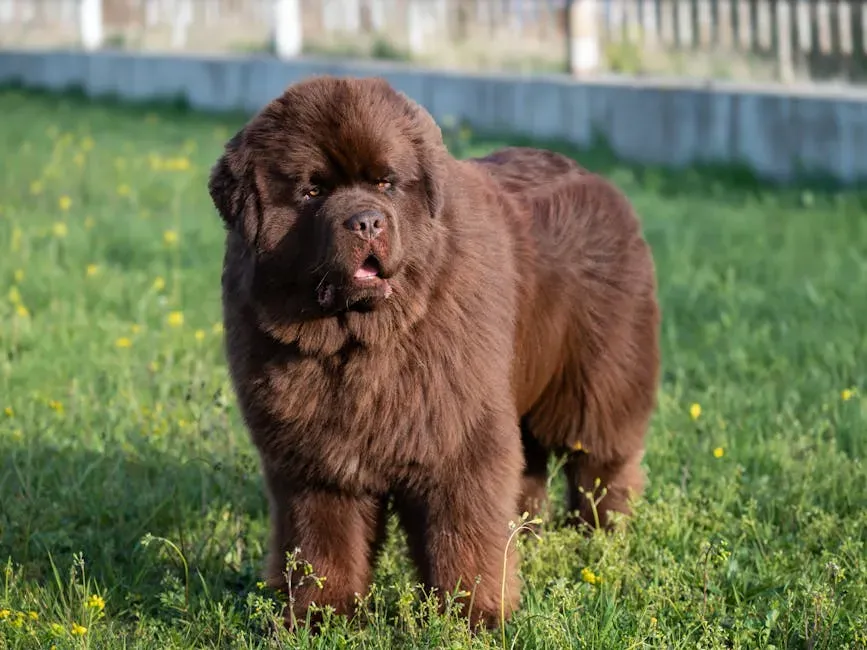
The Newfoundland, or Newfie, is famous for their sweet, laid-back temperament. Despite their size, they’re a low-energy dog compared to retrievers or other high-energy working breeds. These massive, gentle dogs seem to operate at a permanently relaxed frequency that’s hard not to find deeply endearing.
A Newfoundland is a lovable and large low-energy dog breed that was historically bred as a working water dog, used by Canadian fishermen to haul nets. Today, that strength and calm focus translates into quiet, devoted companionship at home. They’re also known to be exceptional with children, earning a reputation as natural “nanny dogs.”
One practical note for prospective Newfie owners: drool is part of the deal. So is significant shedding. A dedicated lint roller and a sense of humor about slobber go a long way. Their coats also need regular brushing to prevent matting, and in warmer climates, they need careful monitoring for overheating.
11. Saint Bernard – Calm Mountain Giant with a Warm Soul
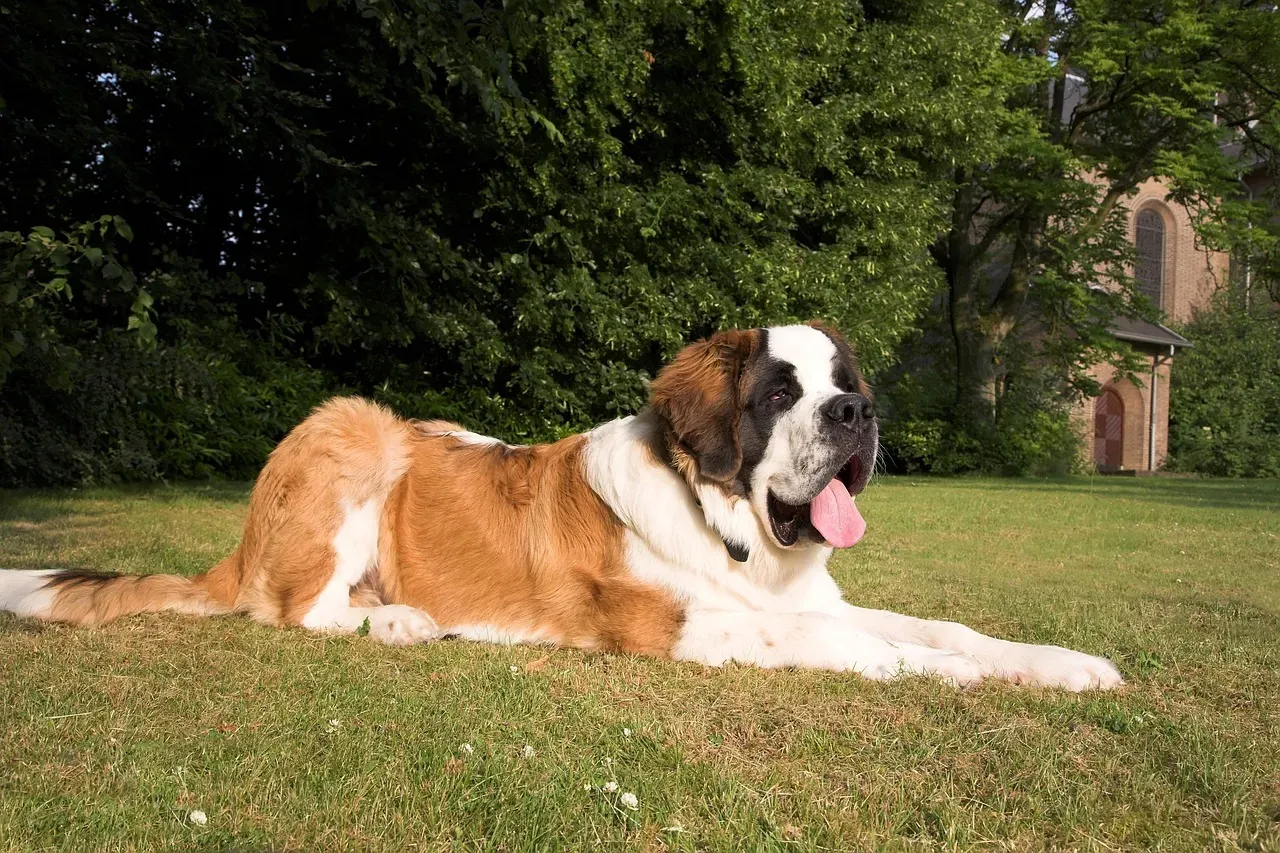
The Saint Bernard is a gentle giant known for its calm temperament and legendary history in the snowy Alps. Originally associated with rescue work in the mountains between Switzerland and Italy, these powerful dogs were once companions to monks who helped travelers crossing dangerous alpine passes. Their massive build, droopy ears, and kind eyes give them a wise, patient appearance that perfectly matches their easygoing personality.
Despite their impressive size, Saint Bernards are surprisingly relaxed dogs. They enjoy companionship and are happiest spending quiet time with their families, and a few steady walks and occasional play sessions are usually enough to keep them content.
Saint Bernards are generally quiet and sociable, often getting along well with other pets when properly introduced. Though they may occasionally show behaviors like digging, their overall demeanor remains easygoing, and with their loyal nature and love for companionship, they’re ideal for anyone seeking a calm, devoted dog that enjoys both light activity and plenty of downtime. Like Newfoundlands, they’re enthusiastic droolers – just consider it part of their charm.
12. Bullmastiff – The Gentle Guardian Who’d Rather Nap
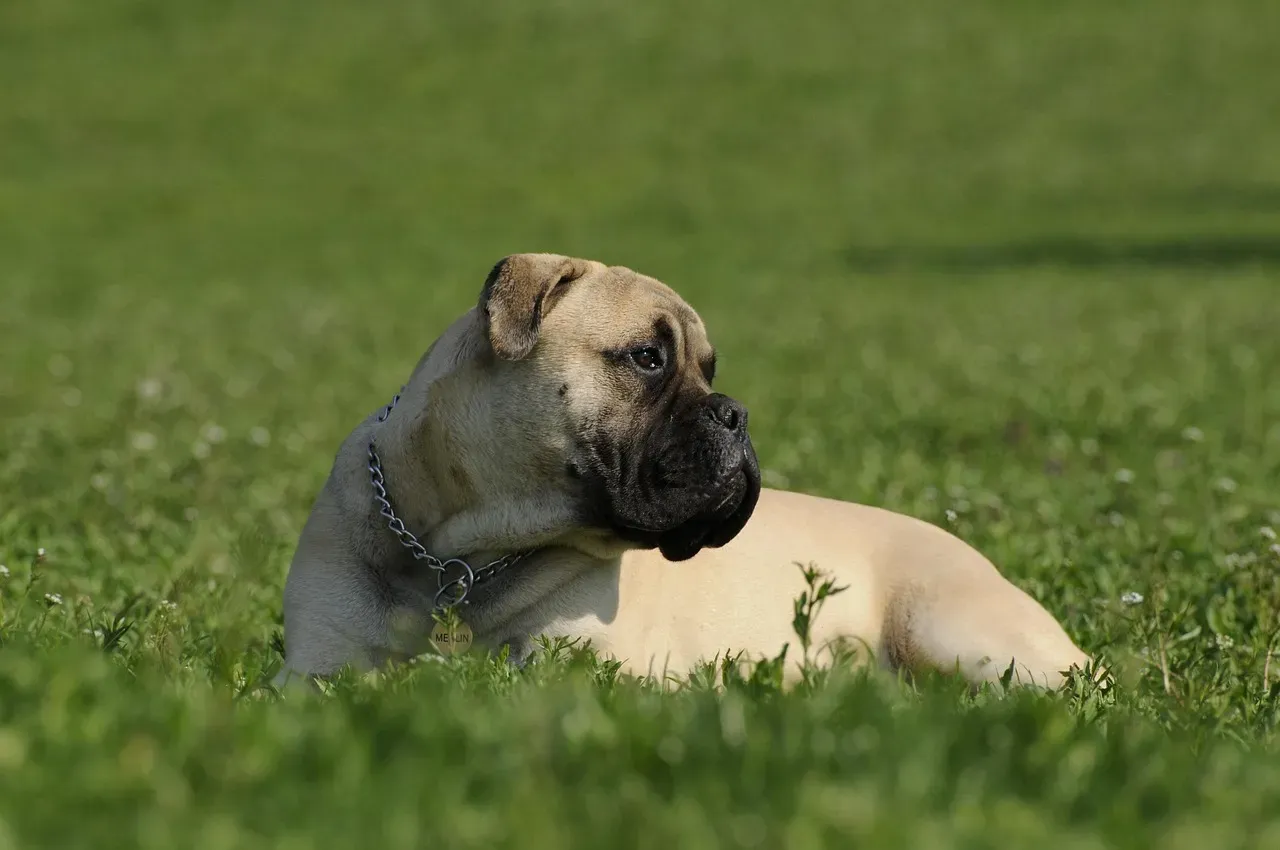
Originally bred as a guard dog, the Bullmastiff has an impressively calm and steady temperament. They are content with a daily walk and are known to be very affectionate with their families. This breed’s low-maintenance lifestyle appeals to many pet parents looking for a protective yet easygoing companion.
Don’t let the imposing frame fool you. A Bullmastiff at home is far more likely to be flopped across your feet than patrolling the perimeter. They’re quietly devoted, deeply loyal, and tend to bond closely with one family. Early socialization matters for this breed – introduce them to new people, places, and animals during puppyhood to build a confident, well-adjusted dog.
Health-wise, watch for hip and elbow dysplasia, which are common in large breeds. Keeping their weight in a healthy range significantly reduces joint stress. Regular vet checkups, a good diet, and those daily walks will give a Bullmastiff the long, comfortable life they deserve.
13. Pekingese – The Emperor’s Dog, Now Yours
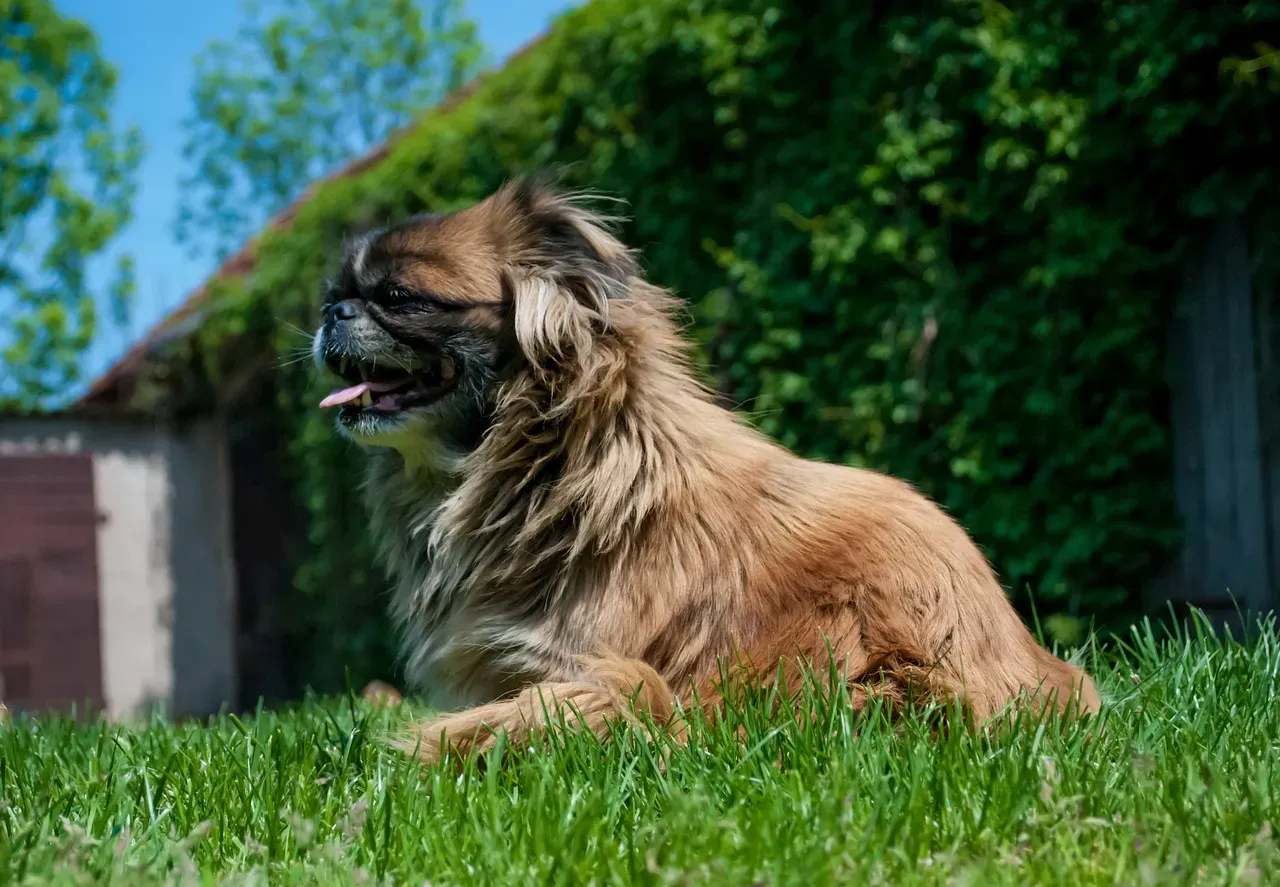
Once cherished by Chinese royalty, the Pekingese are small dogs known for their calm temperament and tendency to spend hours lounging near their owners. Their long, flowing coat adds to their majestic appearance, and while it needs regular brushing, the grooming routine becomes an enjoyable bonding experience. Despite their royal heritage, Pekingese are surprisingly low-maintenance when it comes to exercise, preferring quiet companionship over rough play and rarely barking unless truly necessary.
PetMD notes that Pekingese are affectionate but not clingy, content to relax near their humans without demanding constant attention. Their steady nature makes them reliable and easy to live with – they combine elegance, serenity, and loyalty in one adorable, fluffy package, perfect for anyone who values calm over chaos.
Like other flat-faced breeds, Pekingese are brachycephalic and need the same heat precautions as Bulldogs and Pugs. Keep walks short during warmer months, avoid overexertion, and always have fresh water accessible. Their eyes, prominent and expressive, also need regular gentle cleaning to prevent discharge buildup.
14. Clumber Spaniel – The Quiet Aristocrat of the Spaniel World
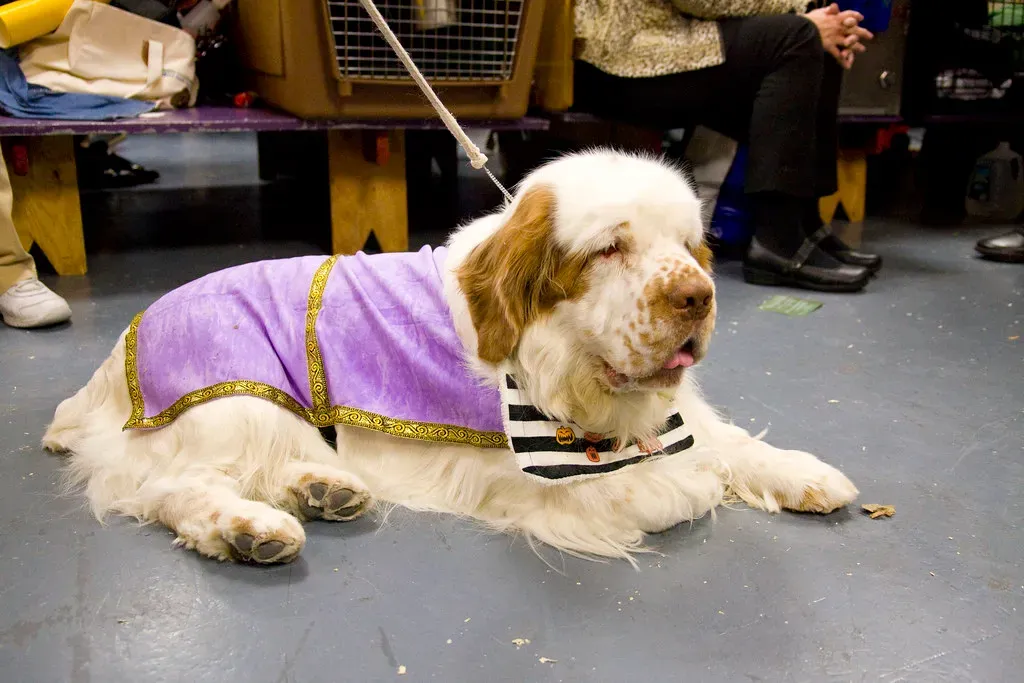
The Clumber Spaniel is one of the oldest spaniel breeds and was a favorite among British royalty, especially King George V, who adored their loyal, calm temperament. An uncommon breed with true couch potato instincts, the Clumber is a heavy-built spaniel who sleeps indoors but is perfectly willing to play some fetch or run about outside, and their calm nature makes them among the best large lazy dog breeds.
Although they love affection, Clumbers are independent enough to entertain themselves when needed. Their quiet patience makes them great for apartments or shared living spaces, and with their kind eyes and loving nature, Clumber Spaniels are true gentle souls that bring serenity wherever they go.
Clumber Spaniels do shed considerably, and their white coats make that shedding visible on dark furniture and clothing. They’re also prone to hip dysplasia and entropion, a condition where the eyelid turns inward. Regular vet screenings and keeping them at a healthy weight go a long way toward catching and managing these concerns early.
15. Irish Wolfhound – Towering in Size, Gentle in Spirit
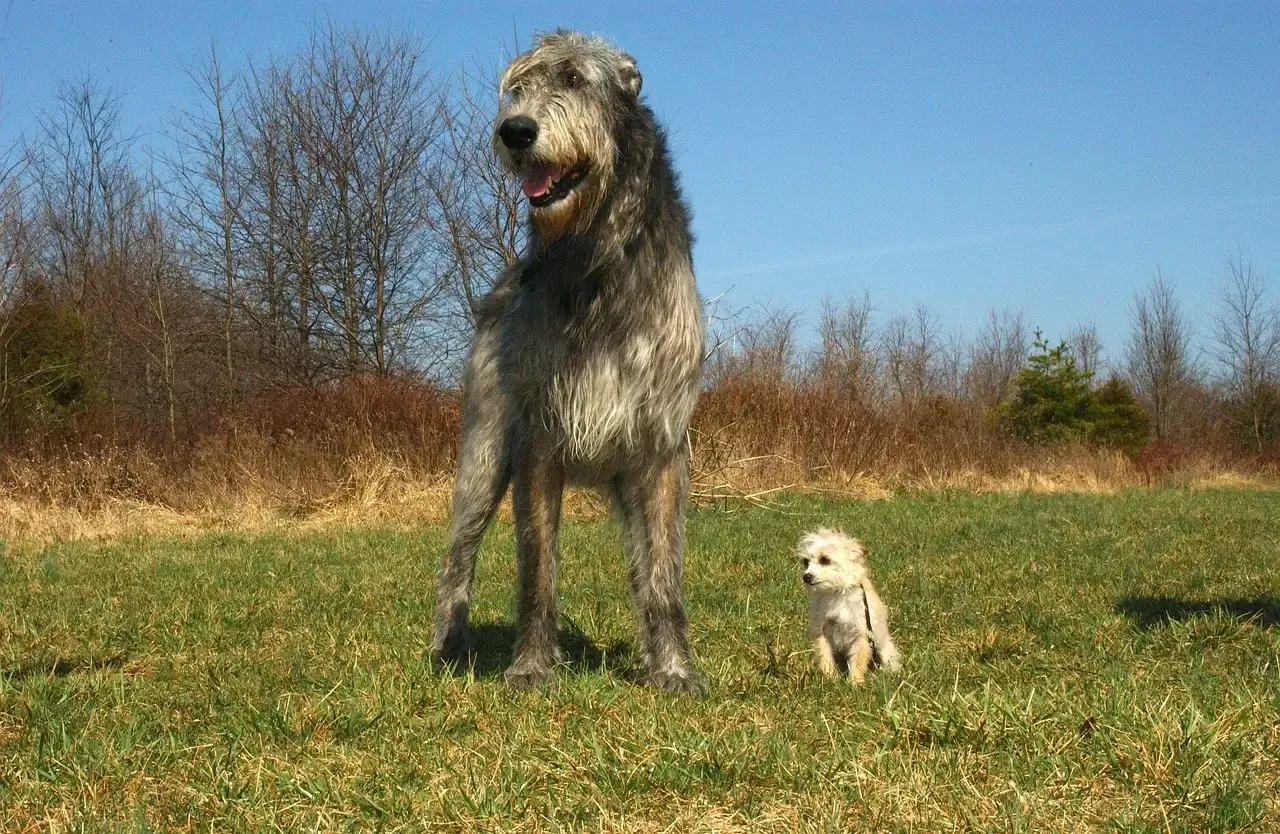
The Irish Wolfhound is often described as a “gentle giant,” and for good reason. Despite their powerful build, they are known for their calm, easygoing temperament and relaxed approach to daily life. These dogs form strong, loving bonds with their families and are typically friendly with children and other dogs, making them a great fit for peaceful households.
Indoors, Irish Wolfhounds are surprisingly low-energy and are more than happy to stretch out and sleep for long periods. While they do need regular exercise to stay healthy – such as steady walks or light play – they are far from hyperactive and tend to conserve their energy throughout the day. They enjoy being around people, though they are usually more quietly affectionate than overly clingy.
Irish Wolfhounds are the tallest dog breed, standing 30 to 35 inches at the shoulder and weighing between 105 and 180 pounds. Despite their imposing size and hunting heritage, they’re surprisingly calm and gentle, requiring 40 to 60 minutes of daily exercise. Their lifespan is unfortunately shorter than smaller breeds – typically 6 to 8 years – which makes every quiet, cozy evening with one feel that much more precious.
A Final Thought for Every Low-Energy Dog Owner
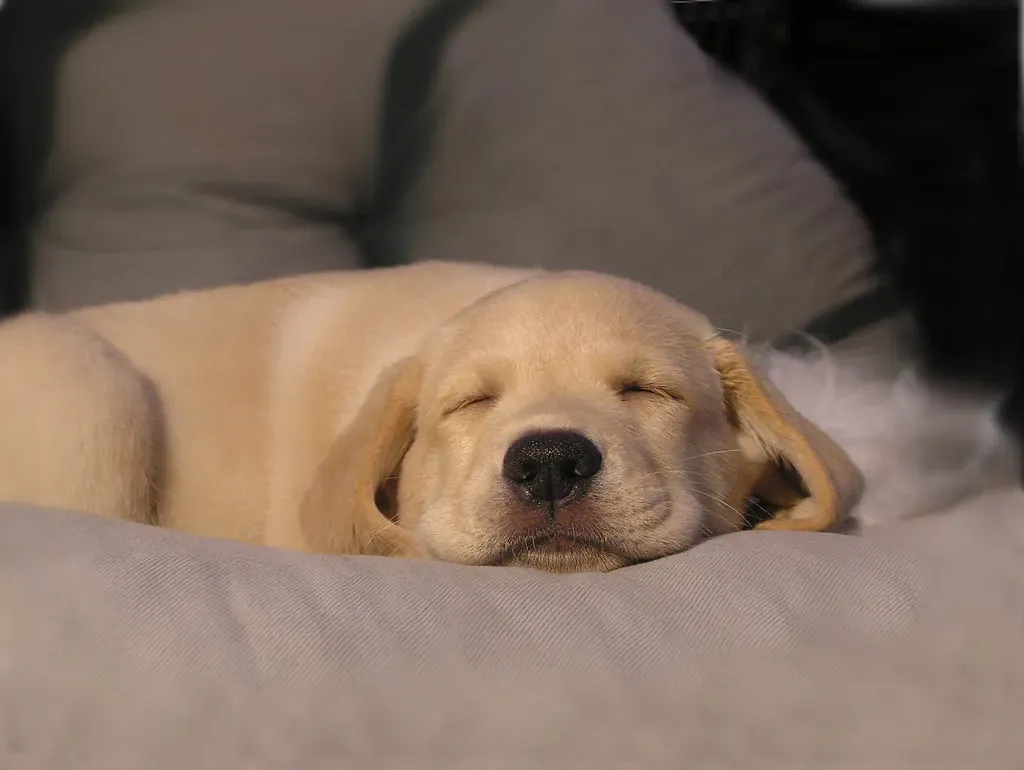
These low-energy dogs thrive on minimal exercise, short daily walks, and indoor play, yet remain affectionate, content, and eager to snuggle with their humans. While generally laid back, these gentle companions still benefit from early socialization, mental stimulation, and regular exercise to prevent destructive behaviors.
Even though breed and genetics can predict a dog’s behavior, dogs can also be a product of their environment. Studies show that enrichment can lower stress levels and alertness and enhance relaxation, leading to a more laid-back and low-maintenance dog. The environment you create matters just as much as the breed you choose.
Choosing a low-energy dog isn’t about finding the easiest route to companionship. It’s about recognizing that for some dogs – and some people – the best moments don’t require movement at all. They just require presence. A warm weight against your side, a slow exhale, the simple fact of being together. That’s not laziness. That’s love at its most comfortable.


