
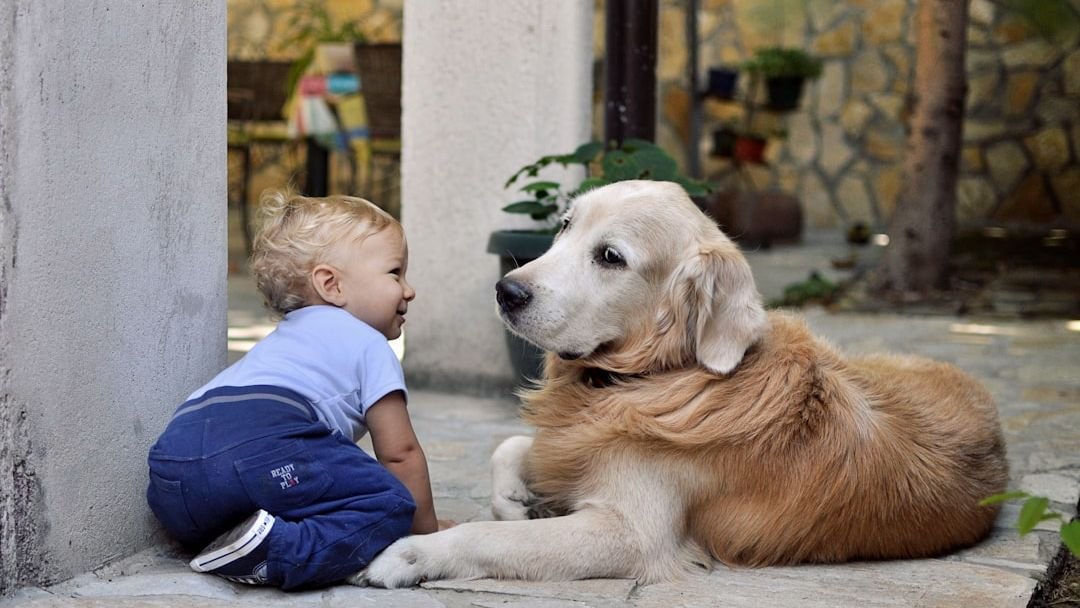
Picture this: a child running toward the family dog, arms open, full of joy. The dog had seemed fine all morning. Then, in a fraction of a second, everything changes. It’s a scenario no parent or dog owner ever imagines will happen to them, until it does.
Annually, more than two million children in America experience dog bites. Research has shown that children ages one to five are most at risk, with certain breeds far more likely to inflict severe injuries than others. These numbers aren’t meant to alarm you or paint every dog as a threat. They’re meant to give you the honest, grounded information you need to make smarter, safer decisions for your family.
Any kind of dog can be aggressive, and you can’t always tell a pup’s personality just by looking at them. Even dogs of the same breed can have wildly different temperaments. Still, certain breeds carry physical strength, protective instincts, or deeply wired behavioral traits that make unsupervised time with children a genuinely serious risk. This isn’t about bad dogs. It’s about knowing your dog, reading the signs, and never leaving things to chance.
1. Pit Bull Terrier
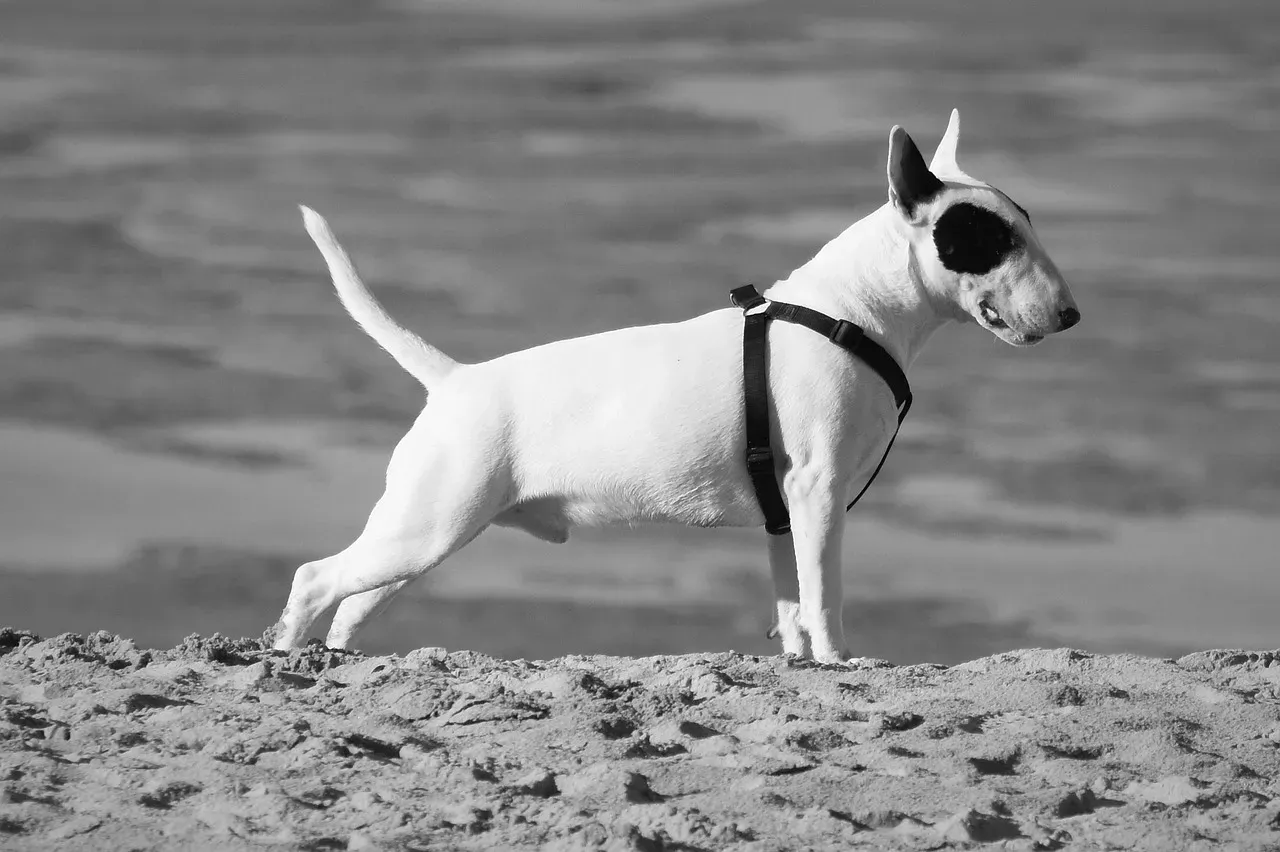
Pit Bulls typically weigh between 55 and 65 pounds. Improper training can sometimes make them aggressive and if not trained right, they may attack. They are perceived to be very aggressive and have a locking jaw that, when they bite on something, they refuse to release it easily. That combination of strength, jaw pressure, and tenacity is what makes incidents involving this breed particularly serious.
Among cases where the breed of dog responsible was known in a major pediatric study, the dog breed most associated with severe bites was the pit bull. Researchers found a significant association between breed and the requirement for surgical treatment by a specialist. The likelihood that the patient had been bitten by a pit bull increased as the level of surgical intervention increased. Pit bull bites were found to be significantly larger, deeper, and more complex than the average dog bites included in the study.
Prevention tip: Never leave a Pit Bull unsupervised with a child, even for a few minutes. Watch for warning signs like stiffening, hard staring, or low growling before escalation. Pit Bulls can be loving pets if raised correctly under responsible ownership with appropriate training and supervision. The key word there is always “supervision.”
2. Rottweiler
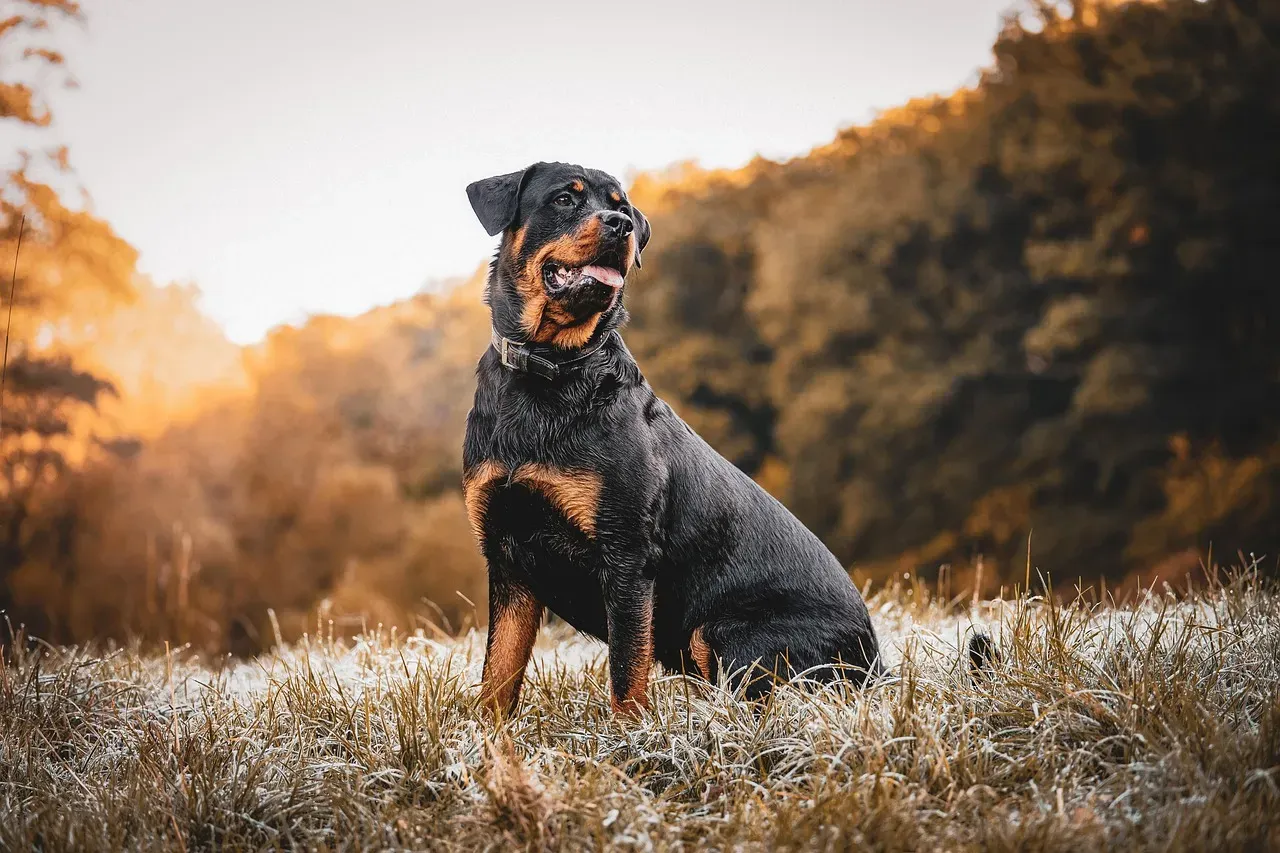
Rottweilers have a reputation as a dangerous dog breed frequently involved in serious attacks. As large and muscular guard dogs, they are known for their protective instincts, which can turn into aggression if they perceive a threat. Rottweilers account for roughly one in ten fatal dog attacks annually. That’s a sobering statistic for a breed that many families still bring into homes with small kids.
Though Rottweilers may love children they grow up with, they may revert back to their original temperament of attacking. They can misinterpret a kid’s play as an attack and drag or maul over the child. A child’s screaming, sudden movement, or rough play can look threatening to a Rottweiler whose guarding instincts are triggered. Proper training and socialization are crucial for this breed to avoid dangerous behaviors.
Behavioral cues to watch for include resource guarding around food bowls or toys, rigid body posture when strangers or visiting children approach, and low, persistent growling. These are not signs of a bad dog. They’re signals that the environment needs managing, immediately.
3. German Shepherd
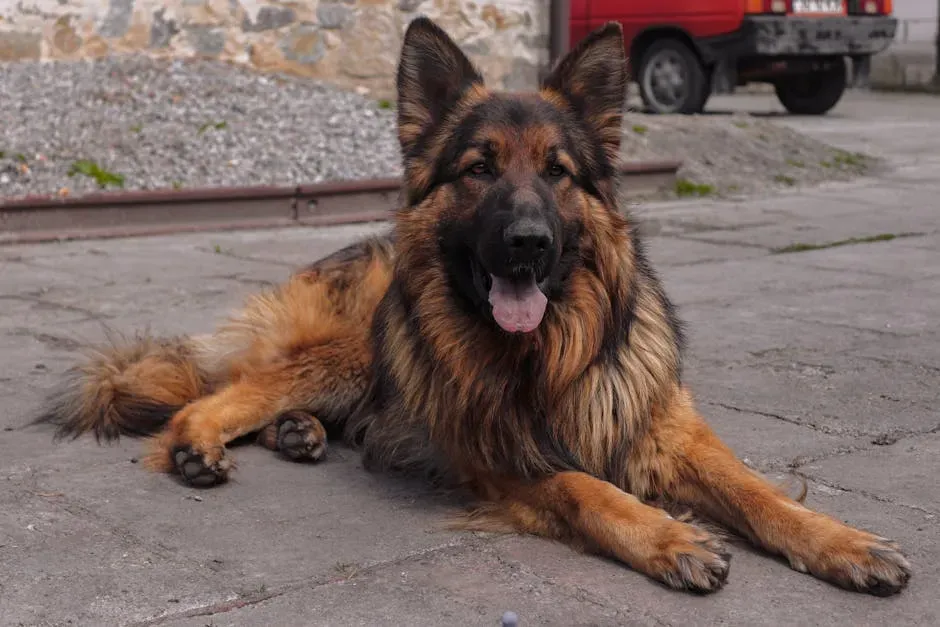
According to a comprehensive CHOC-led study, German Shepherds are responsible for the highest number of dog bite injuries in children. Many people find this surprising, given how commonly this breed appears in family homes, police forces, and search-and-rescue teams. German Shepherds are renowned for their strong territorial instincts and often exhibit a high level of protectiveness over their homes and families, which is deeply ingrained in their behavior.
A study on dog-specific risk factors found German Shepherds and Chow Chows were more likely to bite non-household members, particularly children under 12. Visiting kids, neighborhood children running through the yard, or even a child from school coming over for the first time can trigger a German Shepherd’s protective response. Their protective nature can sometimes make them aggressive if not properly trained or socialized. While not responsible for as many fatalities as some other breeds, German Shepherds are still considered a high-risk breed, with considerably more dog bite incidents than most other dogs each year.
The real-world scenario to avoid: a child running toward the front door when a German Shepherd is on the other side. That split second of perceived threat to the home is exactly when this breed acts first. Supervision and consistent training are non-negotiable.
4. Akita
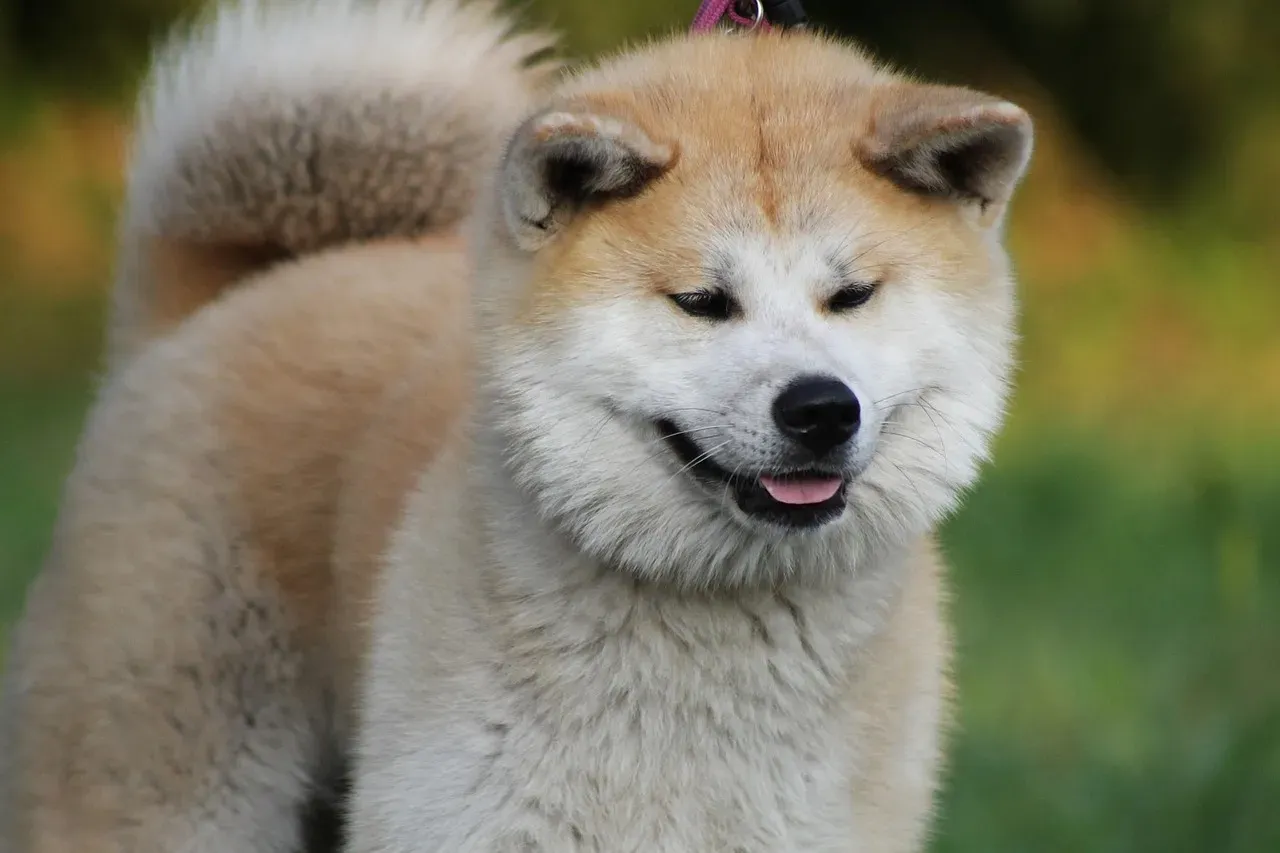
Studies found that between September 1982 and December 2021, Akitas were documented in 89 attacks, nine of which resulted in death. Of the 89 victims, 54 of them were children. Those numbers tell a clear story about who is most at risk when an Akita’s temperament goes unchecked. Akitas tend to have a strong-willed temperament and can be very territorial with the people they love.
Other pets and even small children can draw attention away from the Akita, which, when not properly trained, can make the Akita jealous and possibly lead to an attack. It can also make them overprotective of their food dish and their toys, even when it is a human interacting with them. Children naturally gravitate toward a dog’s food bowl or toys out of curiosity. With an Akita, that curiosity can carry very real consequences.
Another concern with Akitas is their high prey drive. This breed has a strong instinct to chase and catch smaller animals, which can make them unpredictable around other pets or even children. It is crucial to provide proper training and supervision to ensure that their natural instincts are managed effectively.
5. Siberian Husky
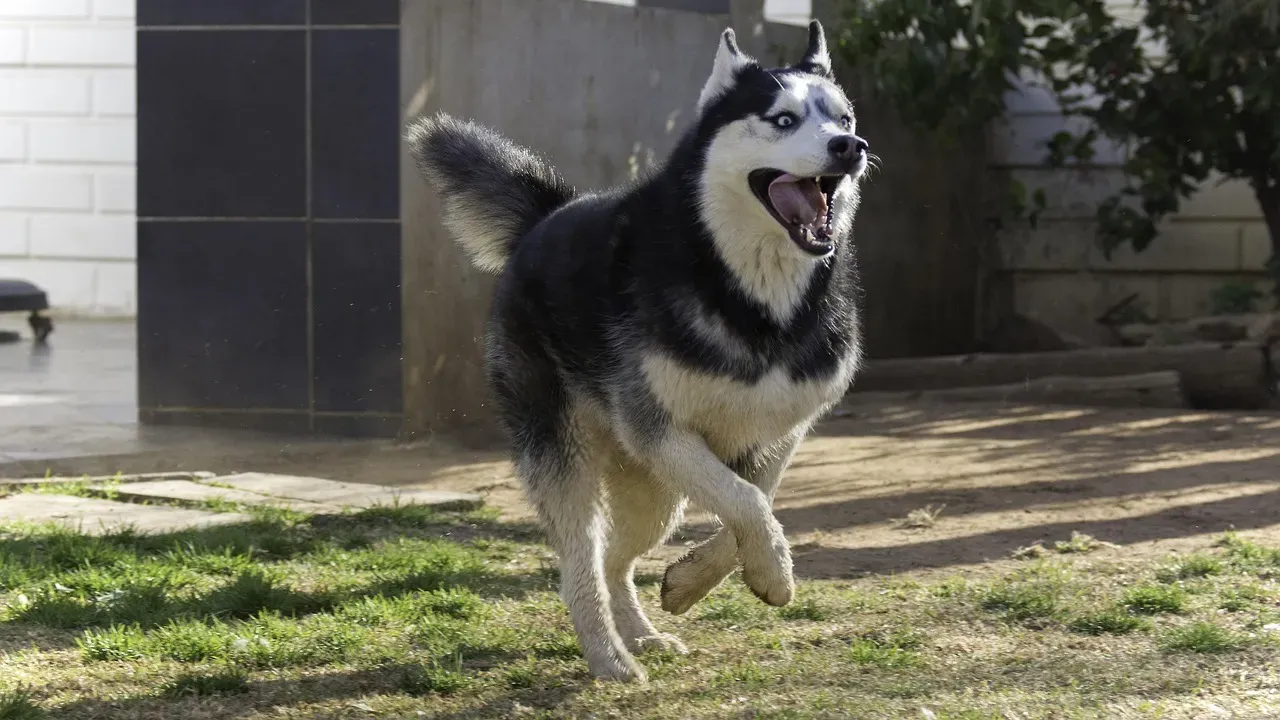
Siberian Huskies are occasionally involved in serious dog attacks, particularly on children. Huskies have strong predatory instincts, and while they are generally good family dogs, they require more exercise and mental stimulation than other dog breeds. A Husky that doesn’t get enough physical outlet is a Husky looking for one, and sometimes that outlet becomes destructive or aggressive behavior.
Huskies are energetic and very loyal to their owners. However, improper training, poor socialization, and bad social experiences can make a Husky aggressive and not suitable for children. Huskies possess strong prey drives, and this trait can sometimes manifest as aggressive behavior towards smaller animals or even children if not properly trained and socialized from an early age.
Watch for: excessive excitement during play that escalates without warning, “zoomies” around small children that knock them over, and intense fixation on fast-moving objects including running toddlers. Siberian Huskies can have unpredictable personalities, and children and strangers should be cautious when approaching them. Daily structured exercise and clear boundaries are essential with this breed.
6. Alaskan Malamute
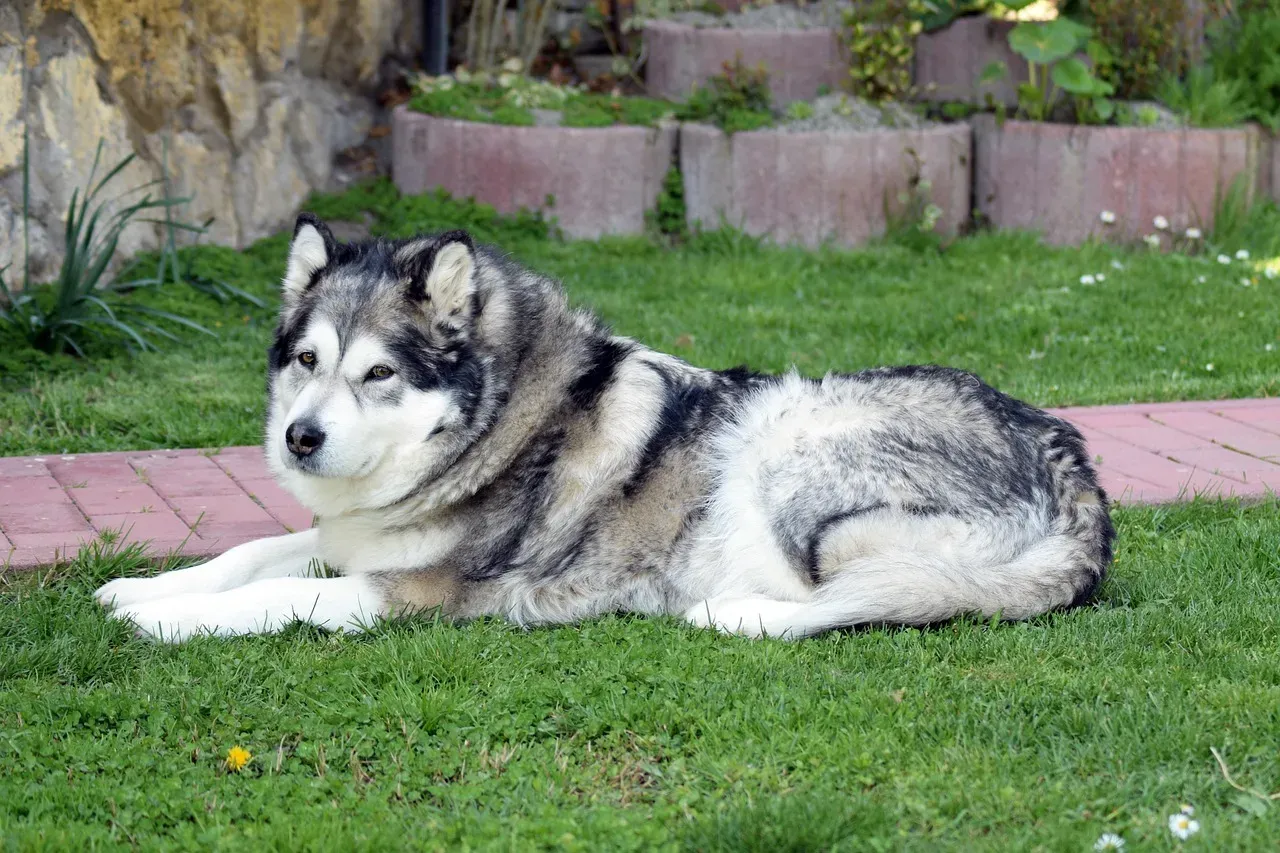
The Alaskan Malamute is a large breed originally bred for hunting and working in the Arctic. They are strong, aggressive, and powerful dogs that can be very dangerous if not properly trained and socialized. They are not recommended for first-time dog owners or families with small children. Many families underestimate just how strong these dogs are until it’s too late.
Give your Malamute space at mealtimes. They are very possessive of their food and will become aggressive if they fear it is going to be taken away. Kids and mealtimes are a notoriously risky combination with this breed. Signs of aggression or discomfort in an Alaskan Malamute include growling or snarling, which is a clear warning sign that they are feeling defensive or uncomfortable, and should be taken seriously. A stiff body posture, rigid stance, and raised hackles can also be signs of fear or aggression.
Prevention tip: establish a dedicated, child-free space for your Malamute during meals and rest. Training and socialization are crucial factors that determine the temperament of a dog. Alaskan Malamutes that are not properly trained and socialized can become aggressive towards people and other animals. Owners should start training and socialization at an early age and continue throughout the dog’s life.
7. Doberman Pinscher
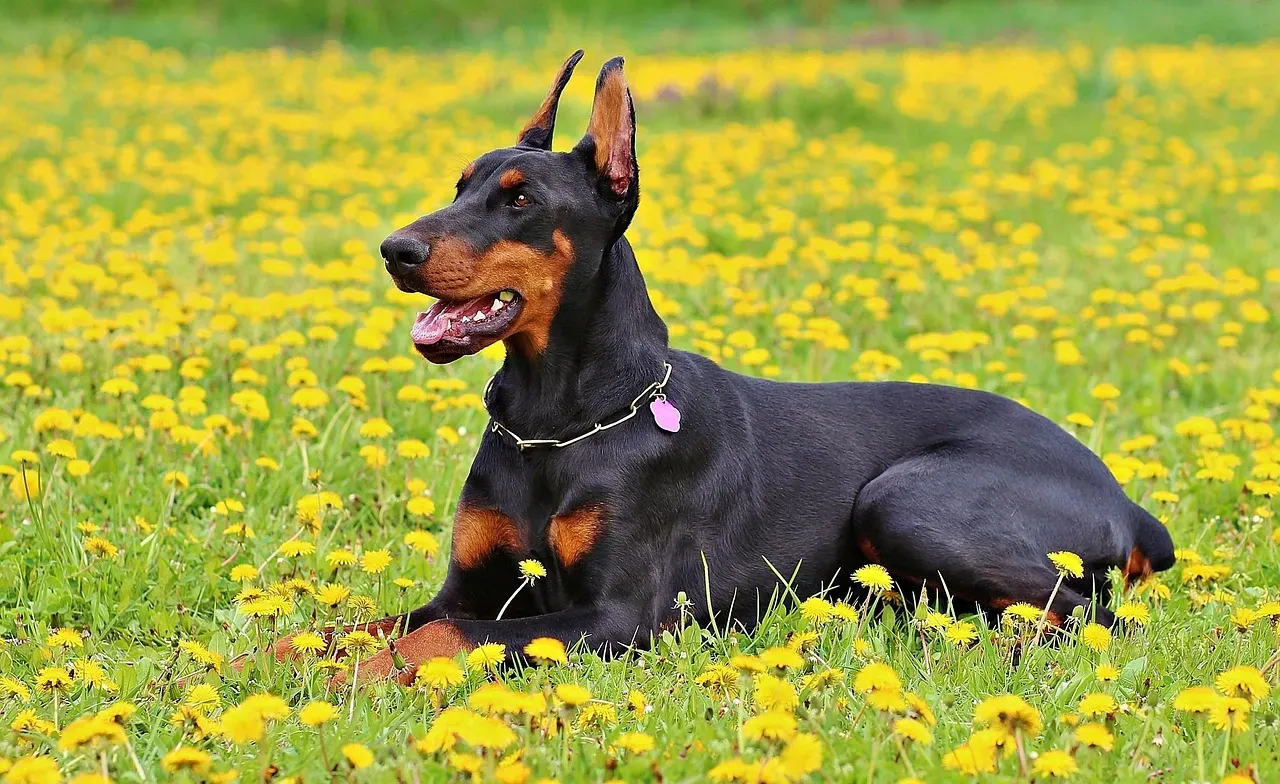
Doberman Pinschers are known for their very sleek, muscular bodies. They were originally bred as guard dogs, and their temperament can quickly turn aggressive if they aren’t raised properly. Socialization and training from a young age are important to prevent aggression once they reach adulthood. Without that early investment, the natural protectiveness of a Doberman can become a liability in a home with children.
Over half of Doberman-related attacks have involved children. This is due, in part, to a child’s smaller stature and tendency to approach dogs at eye level, which some animals perceive as threatening. Think about that for a moment. A toddler crawling toward a Doberman is, from the dog’s perspective, approaching in a way that mimics a direct challenge. Most of these attacks happen within the dog’s own home or yard, and children are often the victims. Dobermans have a strong bite force of about 230 pounds per square inch, which is powerful enough to cause severe injuries.
Behavioral cue to watch: Dobermans that become stiff, hyper-alert, or begin circling when children run or play loudly are showing early warning signals. Even if a dog has never expressed hostile behavior before, it does not mean it can’t show aggressive behavior in the future, suddenly and without warning. Don’t rely on past behavior alone when children are present.
8. Chow Chow
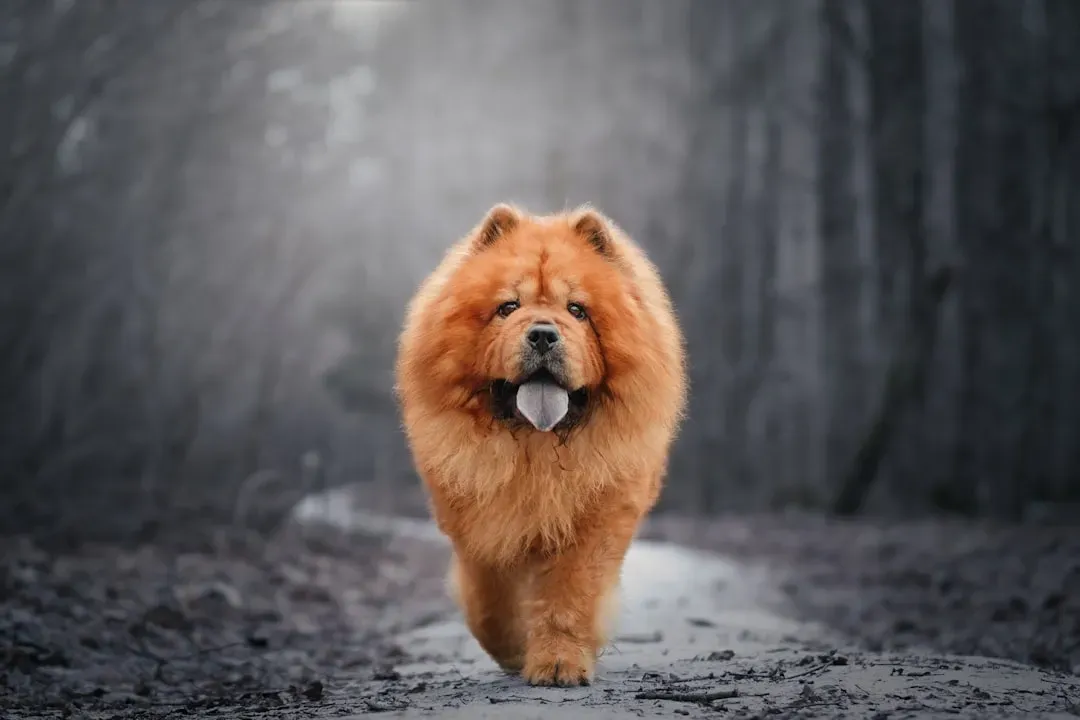
Most Chow Chows are highly territorial and will act aggressively in response to other dogs or strangers who venture onto their property. That territorial nature doesn’t conveniently switch off when the “stranger” turns out to be a child visiting a friend’s home. Chow Chows turn out to be aggressive towards strangers and this can be dangerous when other children are visitors. This is a breed that draws a hard line between “my family” and everyone else.
Even then, small children should avoid interaction with Chow Chows. These dogs are impatient, and being teased by small children will probably not end well. This breed is loyal, independent-minded, and quiet, yet their protective instincts tend to kick in and they will probably attack to defend. Their quiet nature is actually part of what makes them unpredictable. There’s often no barking, no obvious build-up, just a sudden reaction.
A study on dog-specific risk factors found Chow Chows were more likely to bite non-household members, particularly children under 12. If you own a Chow Chow, enforcing strict boundaries around visiting children isn’t optional. Separate rooms, baby gates, and a designated safe space for the dog during social gatherings are practical, important steps every owner should take.
What Every Dog Owner Needs to Know About Kids and Dogs
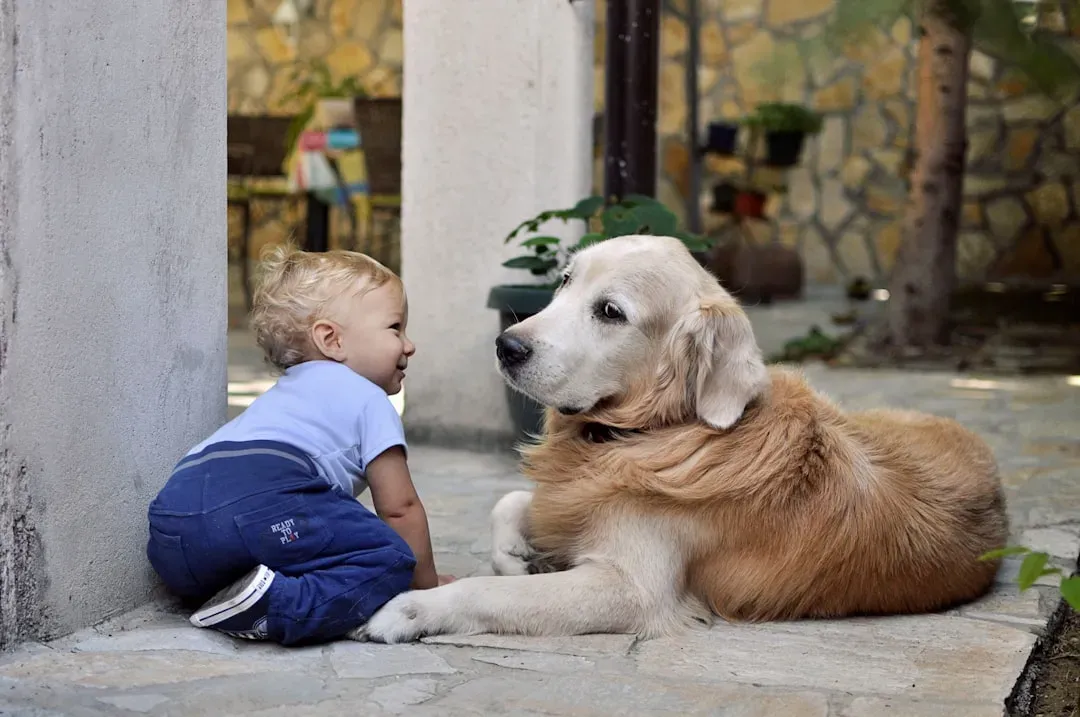
The majority of dog bites occur in children five years of age or younger. Almost all of the dogs involved were known to the children. When circumstances surrounding the bite were documented, over half of the cases were considered provoked. “Provoked” doesn’t mean the child was misbehaving. It often means a toddler simply moved too fast, grabbed too hard, or approached a resting dog. Supervision isn’t just helpful. It’s critical.
Most bites to children by a family dog occur when the dog is resting and the child approaches. Try to provide and encourage resting places away from where children run and play. Many bites to children occur even when an adult is in the room, so having a physical barrier between the child and dog, such as a baby gate or crate, is advisable. Being in the same room is not the same as actively supervising.
Socialization, training, and environment play significant roles in shaping a dog’s temperament. Dogs that are well-trained and exposed to various situations early in life are less likely to become aggressive. Regardless of breed, every dog owner benefits from working with a professional trainer, establishing clear household rules, and teaching children how to respectfully interact with dogs. Teach children to be cautious around dogs and avoid actions like pulling tails or ears. Remaining calm and avoiding sudden movements when near any dog is a skill worth building early.
Conclusion: Informed Love Is the Best Kind
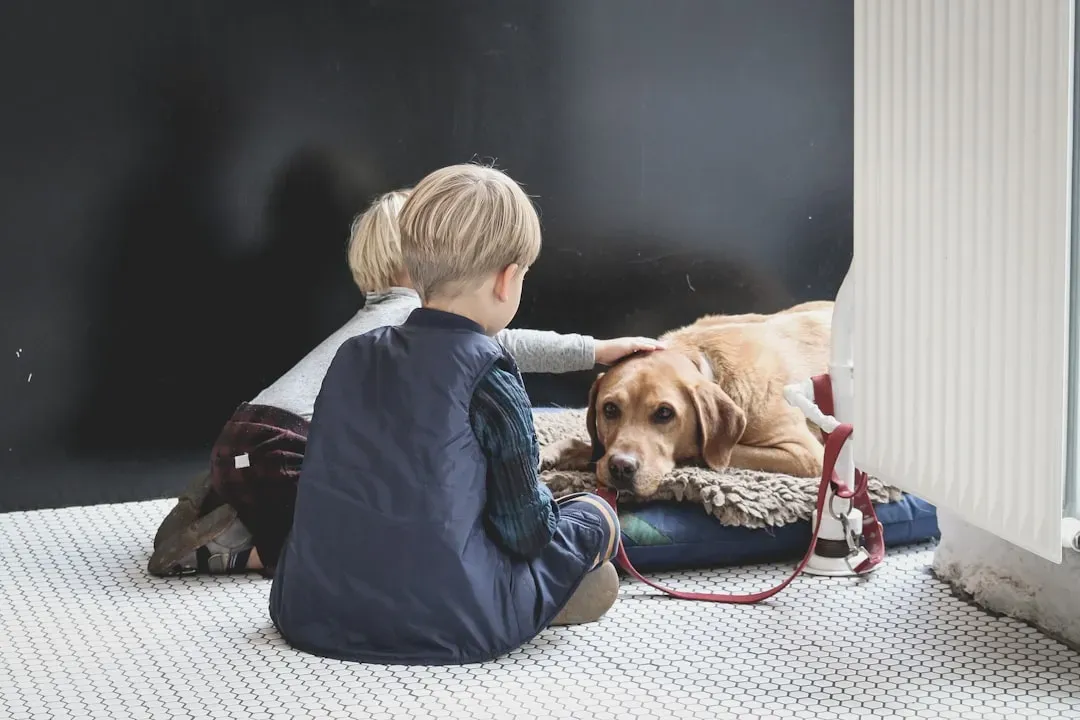
None of the dogs on this list are inherently evil, broken, or unlovable. Many have lived peacefully alongside children for years. The point isn’t to condemn breeds. It’s to be honest about where the real risks live and to give you the tools to manage them responsibly.
Children ages zero to four accounted for the largest share of fatal dog attack fatalities in recorded data. The elderly also face elevated risk. These patterns underscore a clear reality: children and seniors remain the most vulnerable populations in serious and fatal dog attacks. Knowing that should change how we set up our homes, how we introduce dogs to new people, and how much we rely on a dog’s past good behavior as proof that it will always be safe.
Loving a dog well means knowing them fully, including the parts that need careful handling. The families who understand their dog’s breed, read their behavioral signals, and never take supervision for granted are exactly the families where children and dogs thrive together. That’s not fear. That’s wisdom.


