

There’s something almost magnetic about a Rottweiler. They walk into a room and own it, not with aggression, but with an unmistakable quiet confidence. If you’ve ever been loved by one, you already know they’re not just dogs; they’re deeply loyal companions who take their bond with you with remarkable seriousness.
That said, keeping a Rottweiler isn’t something you casually drift into. They’re a breed that rewards informed, committed owners with unwavering devotion, but they can become genuinely challenging in households that underestimate their needs. Whether you’re a first-time Rottweiler parent or a seasoned owner looking to level up your care game, these ten things will make all the difference.
1. Early Socialization Is Non-Negotiable

While genetics provide the foundation for a Rottweiler’s temperament, socialization determines how those inherent traits manifest in daily life. The critical window for this happens between 3 and 14 weeks of age, which means the clock starts ticking almost the moment you bring your puppy home.
Exposing your Rottweiler to various people, environments, and situations from a young age helps them distinguish between genuine threats and non-threatening scenarios. Think neighborhood walks, café patios, children’s playgrounds, busy parking lots. The more varied and positive those early experiences, the more grounded and stable your adult dog will be.
Continuing socialization throughout your Rottweiler’s life is equally important. Regularly exposing them to new experiences, attending dog parks, participating in group training classes, and introducing them to new environments keeps their social skills sharp. A Rottweiler that stops being socialized after puppyhood can quietly regress, and that’s a risk no owner should take.
2. Consistent Training Must Start on Day One
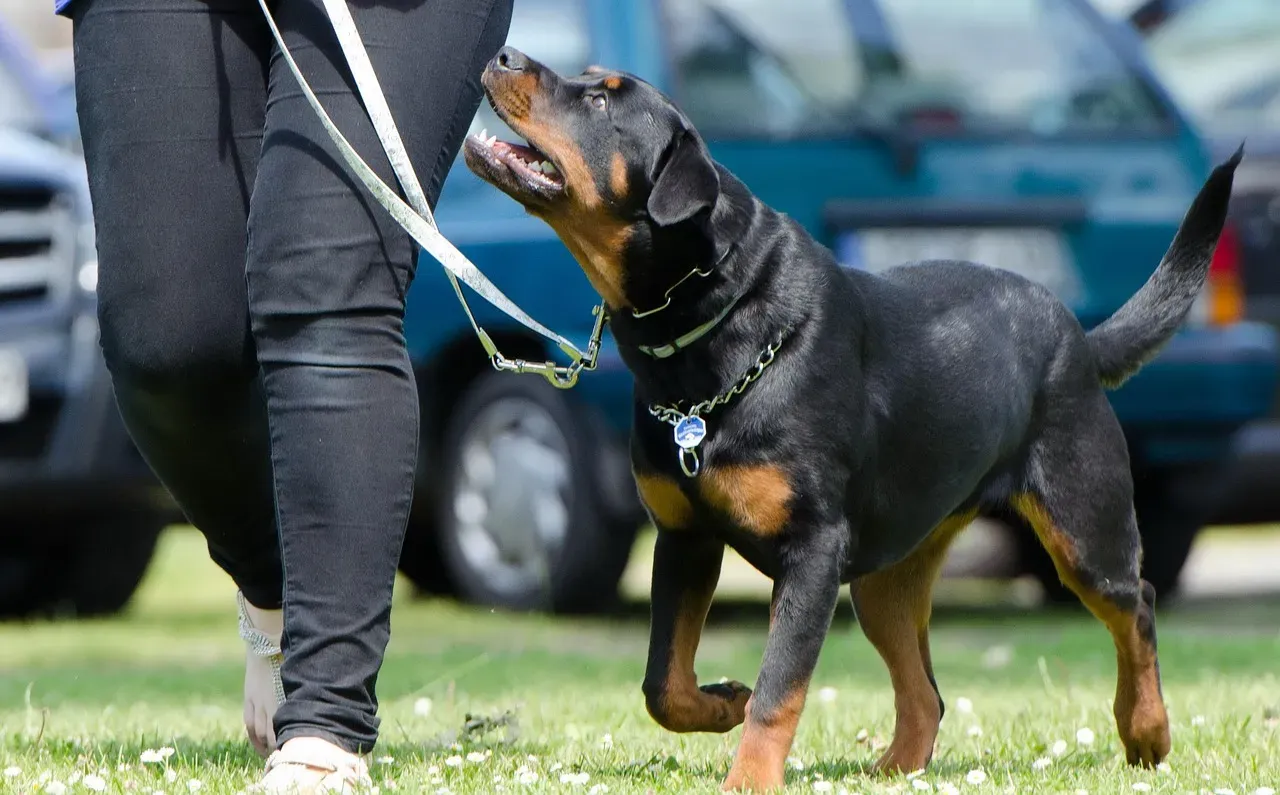
Rottweilers are intelligent and eager to please, making them highly trainable with consistent positive reinforcement. Starting early with commands like sit, stay, and come is essential, and positive reinforcement including treats and praise is highly effective with this breed. These dogs genuinely want to get things right; your job is to clearly show them what right looks like.
The Rottweiler mind craves structure. Starting basic commands immediately, using positive reinforcement where rewards work far better than punishment, and establishing clear rules all form the backbone of successful behavioral training for this breed. Harsh corrections don’t just fail with Rotties; they can actually backfire, creating anxiety or mistrust where there should be confidence.
3. They Need a Lot More Exercise Than You Think

Adult Rottweilers typically need one to two hours of exercise daily, split between physical activity and mental stimulation, and this should include a mix of activities to keep them engaged and healthy. A single short walk around the block simply won’t cut it for a breed built to herd cattle and pull carts across long distances.
Due to their heavy build, you should avoid overexertion especially in hot weather, as Rottweilers are prone to overheating. Schedule outdoor activities during cooler parts of the day to protect them from heat-related stress. For puppies specifically, never force exercise before their bodies are ready. Their growth plates don’t close until 18 to 24 months, and excessive exercise can cause permanent joint damage, so let puppies play naturally and rest when tired.
4. Mental Stimulation Is Just as Critical as Physical Exercise
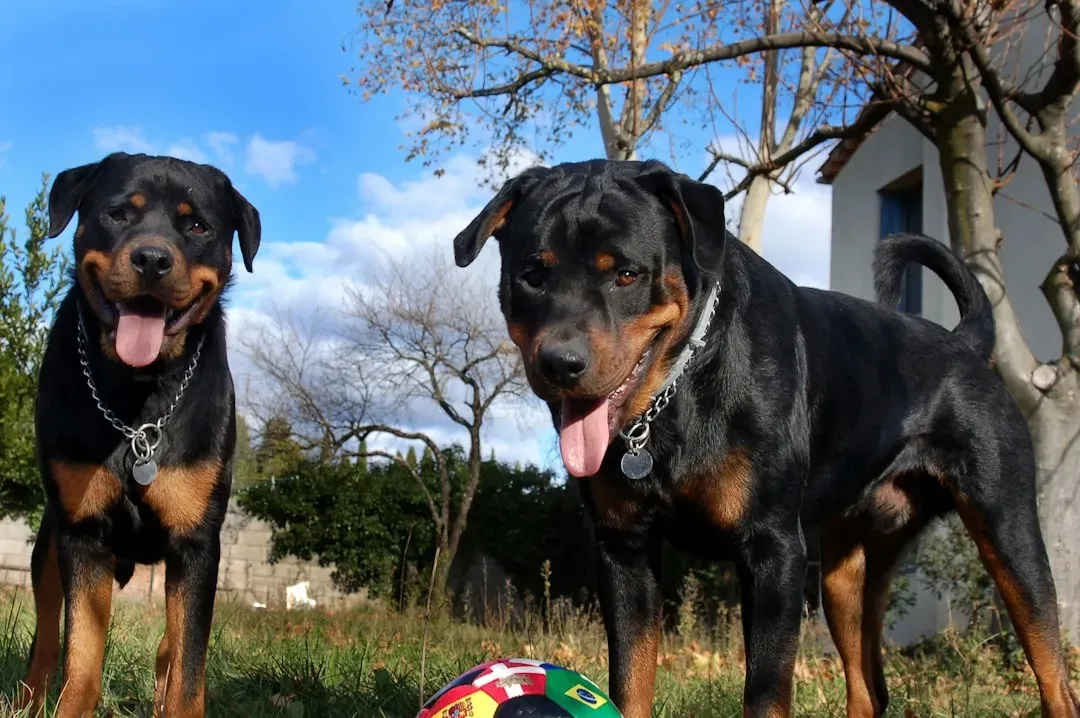
Physical exercise alone won’t satisfy a breed as intelligent as the Rottweiler. A tired body with a bored mind is a recipe for trouble, and mental exercise is just as crucial as physical activity for these active dogs. If your Rottie is chewing furniture, digging up the yard, or nudging you relentlessly, they’re telling you something important.
Mental stimulation is as important as physical exercise for Rottweilers. Providing interactive toys, training sessions, and problem-solving games keeps their minds engaged. Puzzle toys, treat-dispensing toys, and scent games are great ways to enrich their daily routine and prevent boredom, and rotating toys regularly keeps them interested. Even something as simple as hiding treats around the house gives their brain a meaningful workout.
5. Watch Their Weight Carefully

Rottweilers are prone to obesity, so pet parents need to be diligent about mealtimes and portion sizes. Asking your veterinarian about the best food for your Rottie and how much they should eat every day is the smartest starting point, and your vet can help you determine the best weight management plan. These dogs are enthusiastic eaters, which is endearing right up until the moment it becomes a health problem.
Obesity in dogs can lead to many other health problems or make existing problems worse, so it’s essential your Rottweiler stays at a healthy weight. To determine if your Rottweiler is overweight, assess their body condition score. A healthy Rottweiler should have a defined waist when viewed from above, and you should be able to feel their ribs without excess fat covering. Do this check monthly; it takes less than a minute and can genuinely extend your dog’s life.
6. Know the Health Conditions They’re Prone To
Rottweilers are known to experience elbow dysplasia and hip dysplasia. Elbow dysplasia affects the elbow joint with symptoms including swelling, lameness in the forelimbs, and abnormal gait, while hip dysplasia is when the hip joint becomes loose, causing lameness, limping, and a bunny-hopping gait. Catching these conditions early through regular vet checks can dramatically improve long-term outcomes.
Rottweilers may also be predisposed to heart conditions, including aortic stenosis and dilated cardiomyopathy. Aortic stenosis involves narrowing of the aorta which restricts blood flow, while dilated cardiomyopathy results in the heart’s reduced ability to pump blood effectively. Scheduling regular check-ups with your veterinarian is crucial, as early detection of heart issues can lead to more effective management. Combine those visits with honest conversations about your dog’s exercise tolerance and energy levels; you’re the one who sees them every day.
7. Bloat Is a Medical Emergency You Must Recognize

Rottweilers are predisposed to gastric dilatation-volvulus, a severe case of bloat, because of their deep chests and relatively narrow abdomens. GDV occurs when the stomach bloats with gas or food material, and the swelling allows it to rotate, blocking blood flow to major abdominal organs. GDV is fatal if not treated immediately. This is one of those scenarios where hesitation can cost your dog their life.
Signs of bloat in Rottweilers include a distended abdomen, excessive drooling, and retching without throwing up. To minimize the risk, feed your Rottweiler smaller, more frequent meals throughout the day rather than one large meal, and avoid vigorous exercise right after eating as it may increase the chances of bloating. Some veterinarians also recommend discussing a preventative gastropexy procedure when your dog is spayed or neutered.
8. Their Protective Instincts Need to Be Understood and Guided
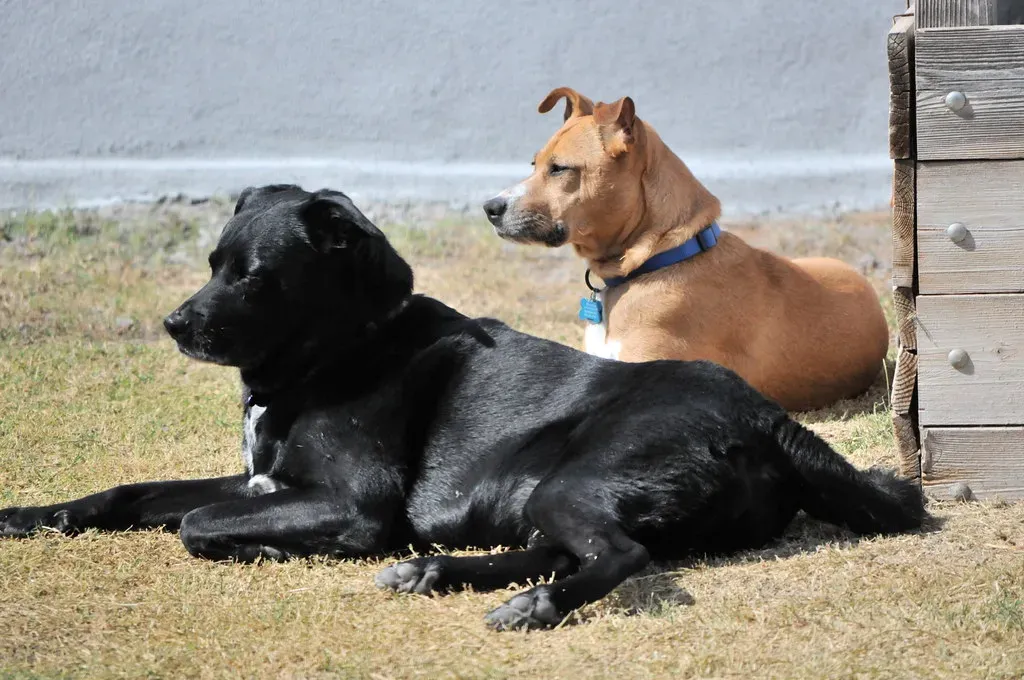
Rottweilers are known for their strong protective instincts. This trait is rooted in their history as guard dogs and working animals, and they are naturally vigilant, taking their role as protectors of their family and territory very seriously. This isn’t a flaw; it’s actually part of what makes them extraordinary companions. The key is channeling that protectiveness responsibly.
Rottweilers have an innate protective instinct, which makes them excellent guard dogs. They are naturally wary of strangers but should not be aggressive without reason. With proper socialization from a young age, they learn to differentiate between normal and threatening situations, and a well-trained Rottweiler will remain calm and observant rather than reacting aggressively. If your Rottweiler seems reactive or overly alert, it’s often a sign they need more exposure to everyday life situations, not harsher handling.
9. Grooming Is Low Maintenance but Still Matters

A Rottweiler’s short black and tan coat sheds heavily year-round, and you’ll need to groom your dog throughout the week to stay on top of the flying fur. The good news is that their coat is fairly forgiving; you won’t be scheduling salon appointments every month. Still, a consistent routine makes a genuine difference to their overall health and comfort.
Brush regularly using a firm bristle brush a couple of times weekly to remove loose hair and keep the coat healthy. Rottweilers have a short but dense coat that doesn’t require frequent baths, and gently wiping your pup’s ears weekly helps prevent wax build-up and infections. Trim nails every three to four weeks to avoid discomfort and mobility issues, and maintain good oral health by brushing your dog’s teeth every day or at least three times a week with dog-friendly toothpaste. These small habits stack up into a noticeably healthier dog over time.
10. They Thrive on Companionship and Don’t Do Well Alone
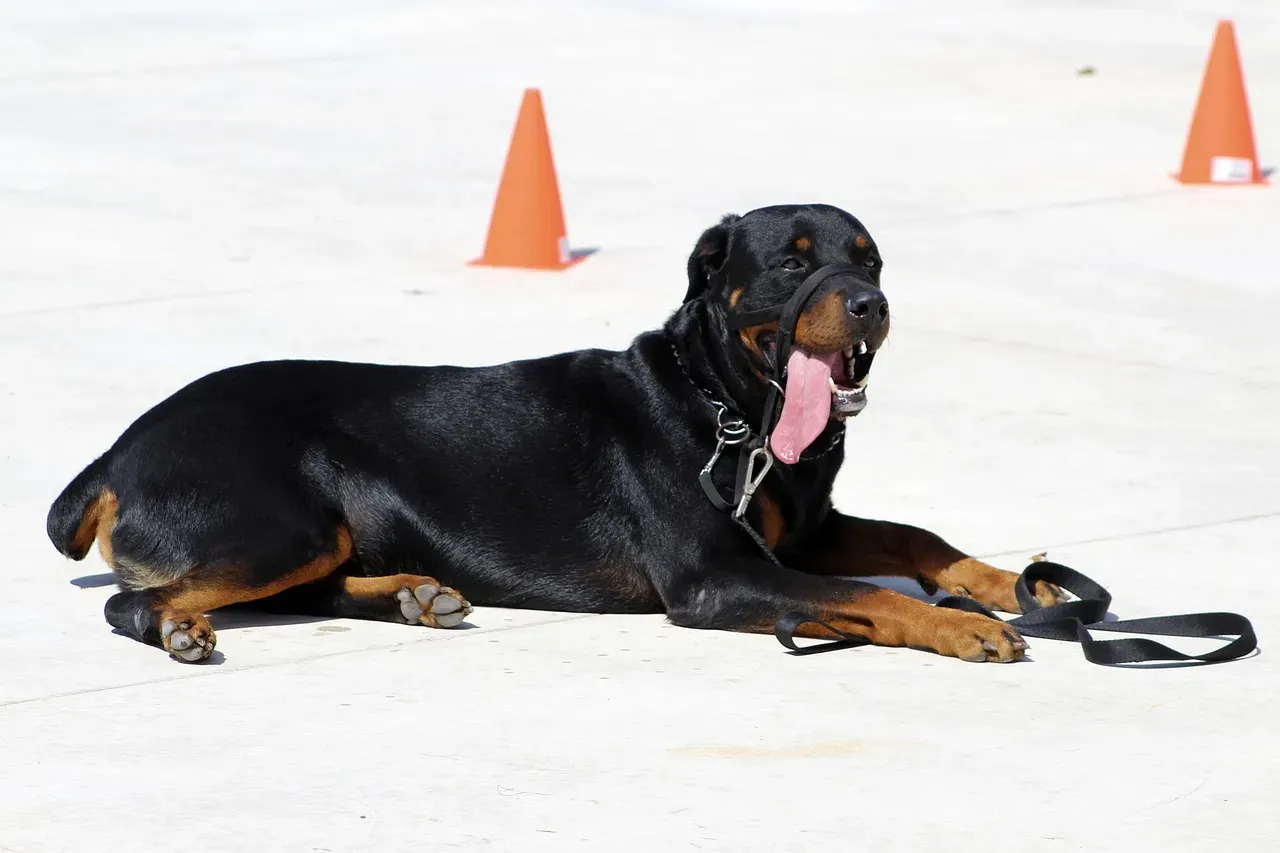
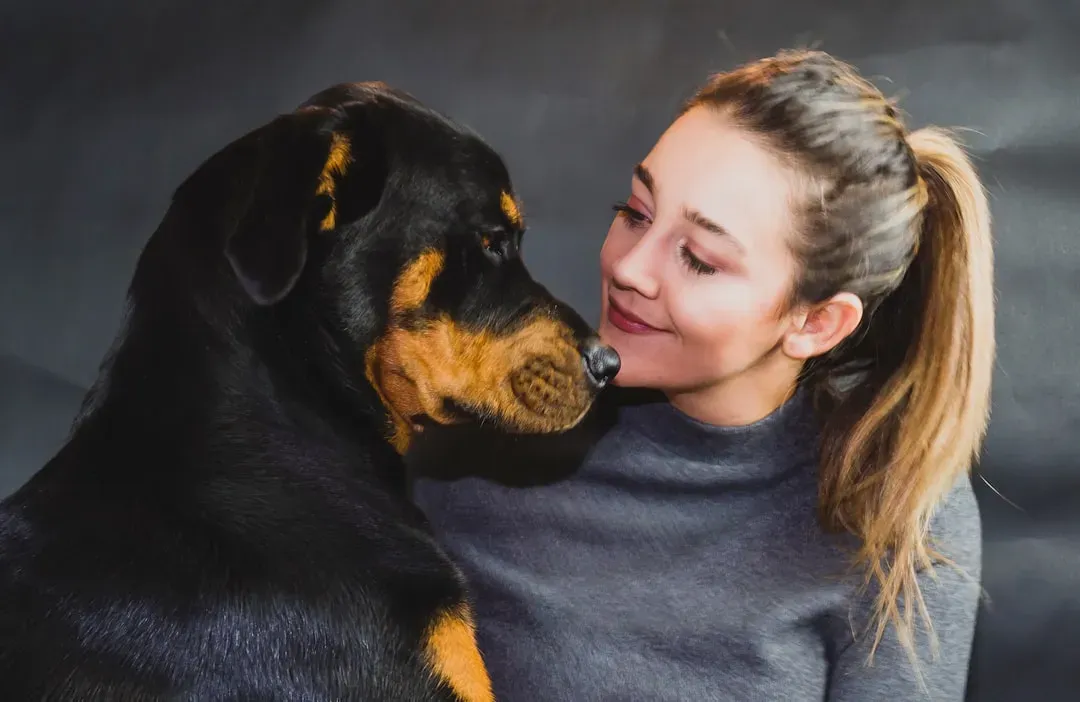
Rottweilers are famously loyal to their families. They form deep bonds with their owners and are incredibly devoted, which means this loyalty can also lead to separation anxiety when they are left alone for extended periods. A Rottweiler parked in a backyard with little human contact isn’t just unhappy; they’re a dog whose needs are quietly going unmet.
Rottweilers are naturally devoted to their families. They form strong bonds with their owners and thrive in environments where they are included in daily activities. Their loyalty makes them excellent guard dogs, but it also means they crave companionship. To help with separation anxiety, implement a gradual desensitization approach. Start by leaving your Rottweiler alone for short periods and gradually increase the duration as they become more comfortable, helping them learn that your departures are temporary and nothing to worry about. Think of it as building trust in both directions.
A Final Word for Every Rottweiler Owner
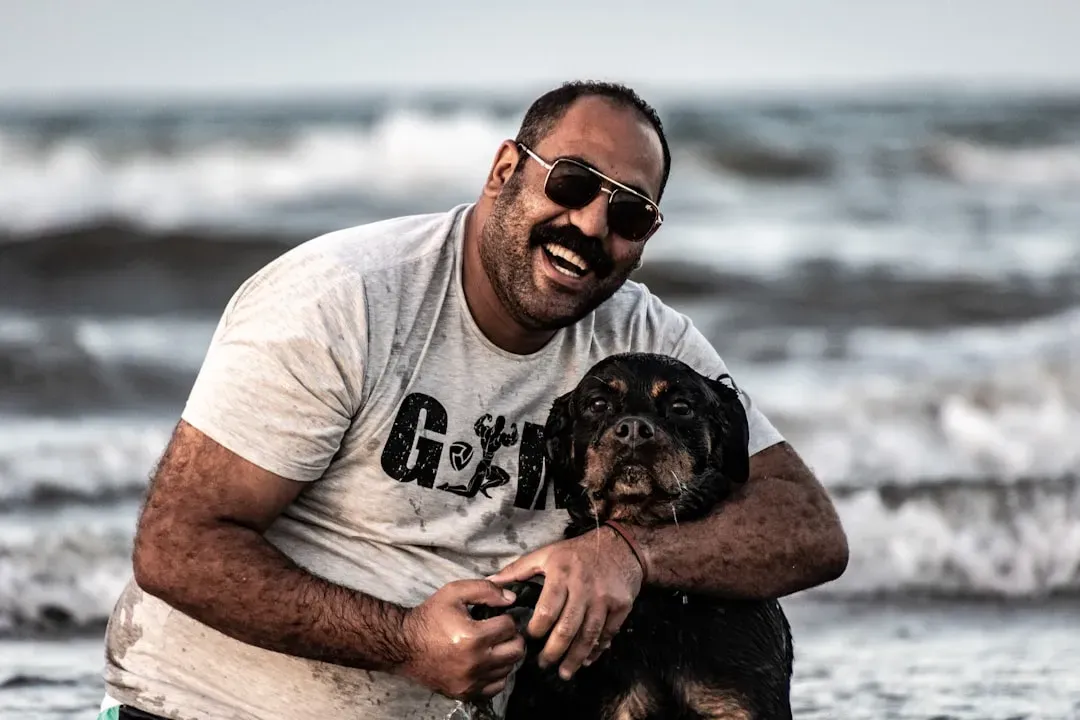
Rottweilers don’t ask for much. They ask for your consistency, your time, your leadership, and in return they give you something few breeds can match: a companion who genuinely has your back, day after day.
The owners who struggle with this breed are almost always those who underestimated it. The owners who thrive are the ones who leaned in, did the work early, and stayed curious about their dog’s needs as those needs evolved. The Rottweiler is a majestic, intelligent, and deeply loyal guardian; with structure, health screening, and training, they enrich homes and communities for years.
Take these ten points seriously and you won’t just keep a Rottweiler. You’ll raise one that you’re genuinely proud of, and who is proud of you right back.


