
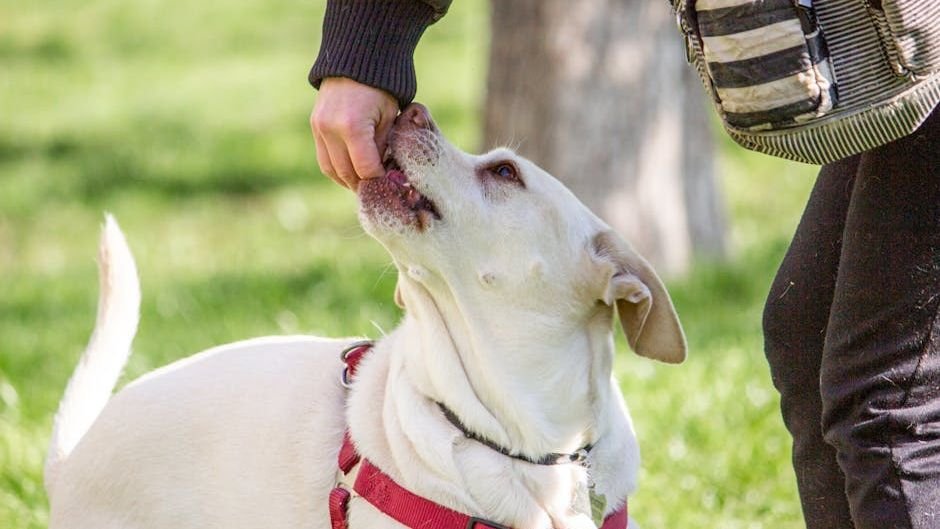
Every dog owner starts with the best of intentions. You want a dog who listens, feels safe, and fits naturally into your life. You watch a few videos, read some tips, and dive in. Then, somehow, your pup is still jumping on guests, ignoring “come” for the third time, or giving you that bewildered stare that makes you wonder who is actually training whom.
The frustrating truth is that many training struggles aren’t caused by a difficult dog. Many behavior problems are not caused by a “bad dog” at all. They are often the result of confusion, inconsistency, unclear expectations, or too much freedom given too soon. Your dog isn’t stubborn. Your dog is lost. The good news? Most of these mistakes are completely fixable once you recognize them. Here are the nine most common ones, and how to turn them around.
1. Being Inconsistent With Rules and Commands

This is the big one, and it trips up almost every household. When different household members use different commands for the same behavior or enforce rules differently, dogs become confused and may choose to ignore commands altogether. One person says “down,” another says “off,” and your dog genuinely has no idea what either of you wants.
Imagine telling your dog they cannot sit on the couch one day, then allowing it the next. This mixed messaging creates genuine confusion about acceptable behaviors. Dogs thrive on predictability and clear expectations. When rules change randomly, they struggle to understand what is truly expected of them. It’s not defiance. It’s disorientation.
Dogs learn through classical conditioning, associating one thing with another, and operant conditioning, learning through consequences. Both rely on repetition and reliability. When you’re consistent, learning clicks into place. When you’re not, the whole picture stays blurry. A simple household rule sheet that everyone agrees on can make a profound difference, faster than you’d expect.
2. Repeating Commands Over and Over
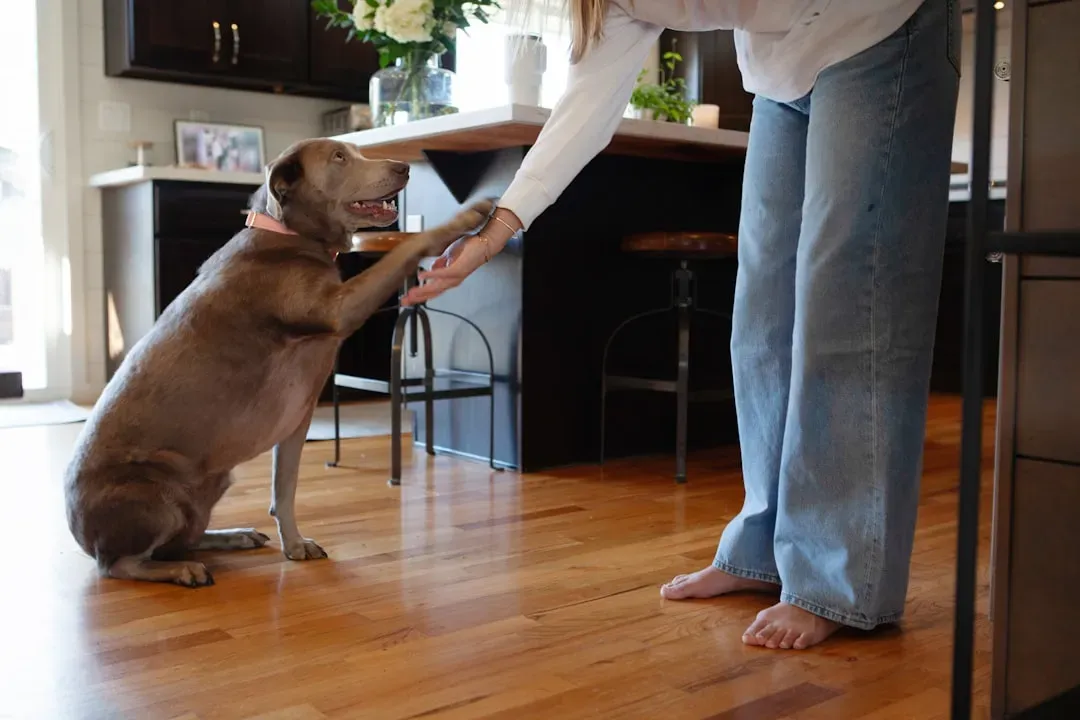
Picture this familiar moment: your dog is sniffing a bush, and you say “come.” No response. So you say “come” again. Then “come, come, come!” louder each time. Sound familiar? It’s tempting to repeat a cue if your dog doesn’t respond immediately. Pretty soon, “come” turns into “come, come, come.” This cue nagging only teaches your dog they don’t have to listen the first time. Even worse, they’ll think the cue is actually “come, come, come” and won’t do anything if they hear the word said only once.
This habit is sneaky because it feels like persistence. In reality, it’s teaching your dog to tune you out. There’s a fine line between effective guidance and “poisonous nagging.” This mistake occurs when dog owners excessively repeat commands without allowing the dog to respond. Repeating orders incessantly can confuse your dog, making them less likely to react promptly in the future.
The fix is simpler than you think. Say the cue once, wait a few seconds, and if your dog doesn’t respond, ask yourself whether the environment is too distracting or whether the behavior was fully learned in the first place. Rebuilding from a calmer, quieter setting often solves the problem quickly.
3. Rewarding at the Wrong Moment
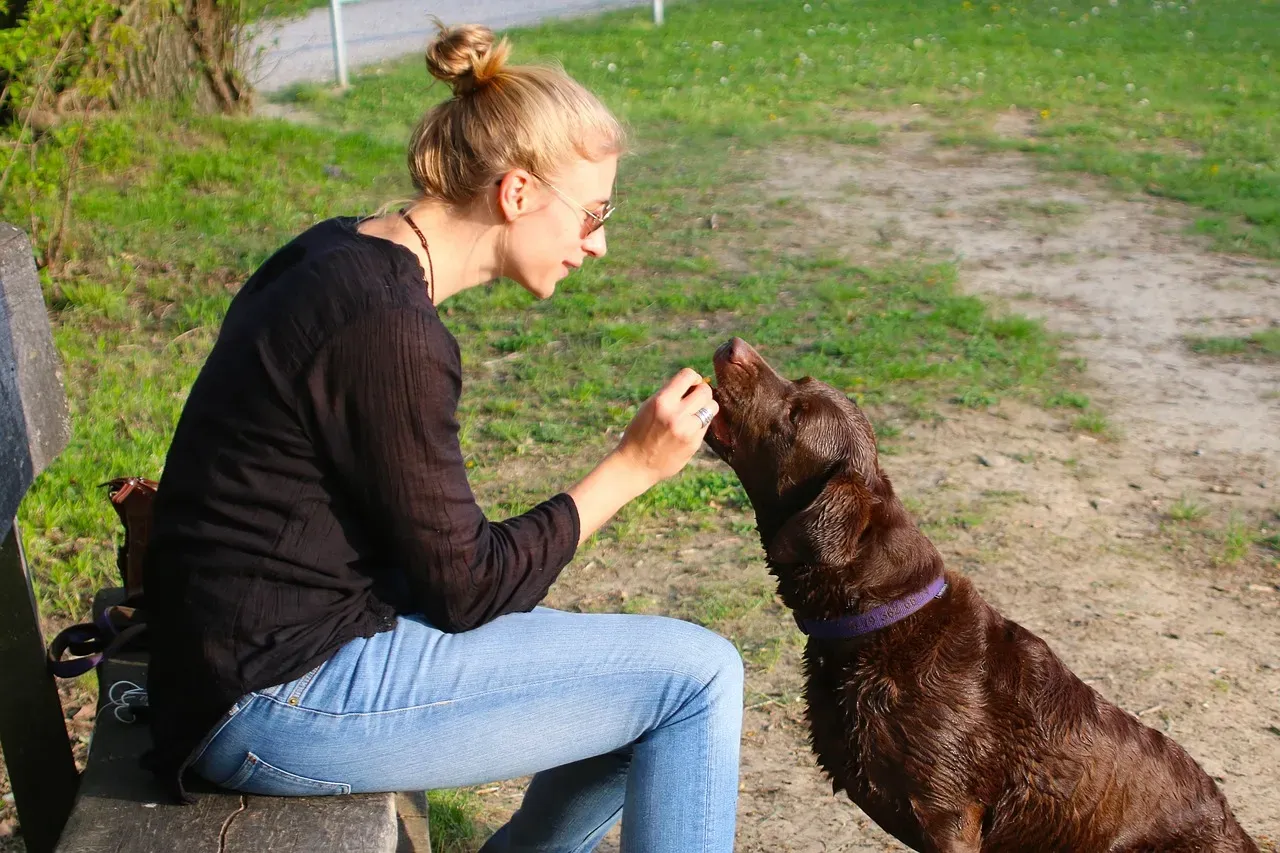
Timing in dog training isn’t just important. It’s everything. Reward timing and placement are critical in reinforcing behaviors because they help dogs associate specific actions with positive outcomes. Delivering a reward immediately after a desired behavior ensures the dog understands which action is being reinforced, while delayed rewards may confuse the dog.
A reward must be given immediately after the desired behavior to create a clear connection in the dog’s mind. Delayed rewards confuse dogs and can inadvertently reinforce the wrong behavior. For instance, praising a dog five minutes after they’ve followed a command fails to create the necessary behavioral link. You might actually be rewarding your dog for sitting down after getting up, or for looking away, not for the behavior you intended.
Using a marker like a clicker or a word like “yes” can help bridge the gap between the dog’s behavior and the reward. This tiny signal, delivered the instant your dog does the right thing, tells their brain exactly what earned the treat. Keep rewards close at hand during training sessions so you’re never fumbling in your pockets while the moment slips away.
4. Using Punishment Instead of Positive Reinforcement
Raising your voice, yanking the leash, or scolding your dog after the fact might feel like necessary discipline in the moment. The science, however, tells a very different story. The higher the proportion of aversive stimuli used in training, the greater the impact on the welfare of dogs, both within and outside the training context. A higher frequency of punishment was correlated with higher anxiety and fear scores.
Punishment-based trainers tend to wait for the dog to do the unwanted behavior, and then punish them. This sets the dog up to fail from the outset. Although it might teach the dog what not to do, it doesn’t tell the dog what the person or trainer wants instead. Your dog ends up anxious, confused, and no clearer on what correct behavior actually looks like.
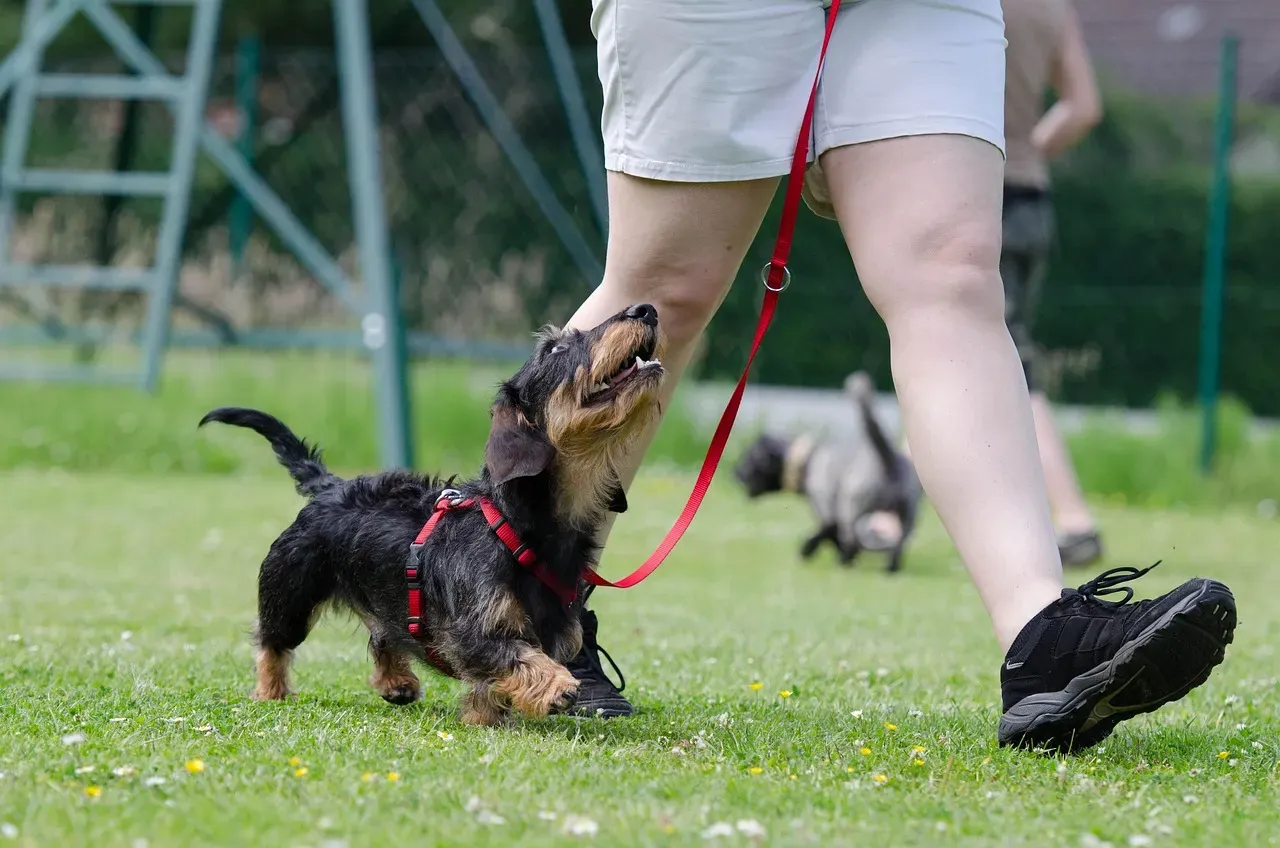
Because positive reinforcement doesn’t involve any negative consequences, your dog is less likely to develop fear or anxiety during training. Dogs trained with positive reinforcement are generally more well-behaved, as they learn that good behavior is rewarded. Focus on catching your dog doing something right, reward it generously, and you’ll build a training relationship your dog actually looks forward to.
5. Training Sessions That Go on Too Long
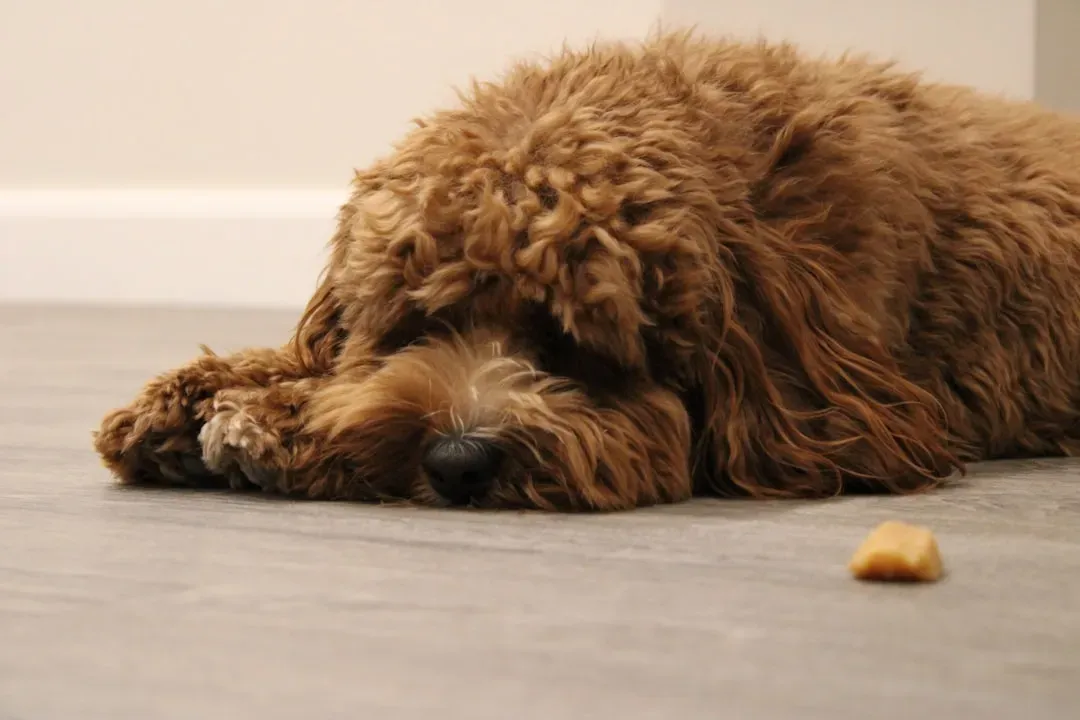
More training time doesn’t equal faster results. In fact, the opposite is often true. Training for too long at one time can cause your pup to burn out. This is called training fatigue. Once a dog hits that wall, they stop absorbing new information entirely, no matter how many repetitions you squeeze in.
Many dog owners become discouraged when long training sessions fail to deliver results. Spending an hour repeating one or two commands can leave dogs bored, distracted, stressed, and unmotivated. Research shows dogs learn best through fast, focused, fun sessions that match their natural attention span. For puppies especially, young puppies benefit most from three to five minute micro-sessions. Their developing brains tire quickly, so short lessons enable them to succeed without frustration.
Short, regular training sessions integrated into daily life are far more effective than infrequent long sessions. Aim for multiple five to fifteen minute training sessions throughout the day rather than one exhausting hour-long session. Dogs have limited attention spans, and shorter sessions prevent mental fatigue while maintaining engagement. End every session on a win, even if it means going back to something easy your dog already knows.
6. Skipping Generalization – Only Training at Home
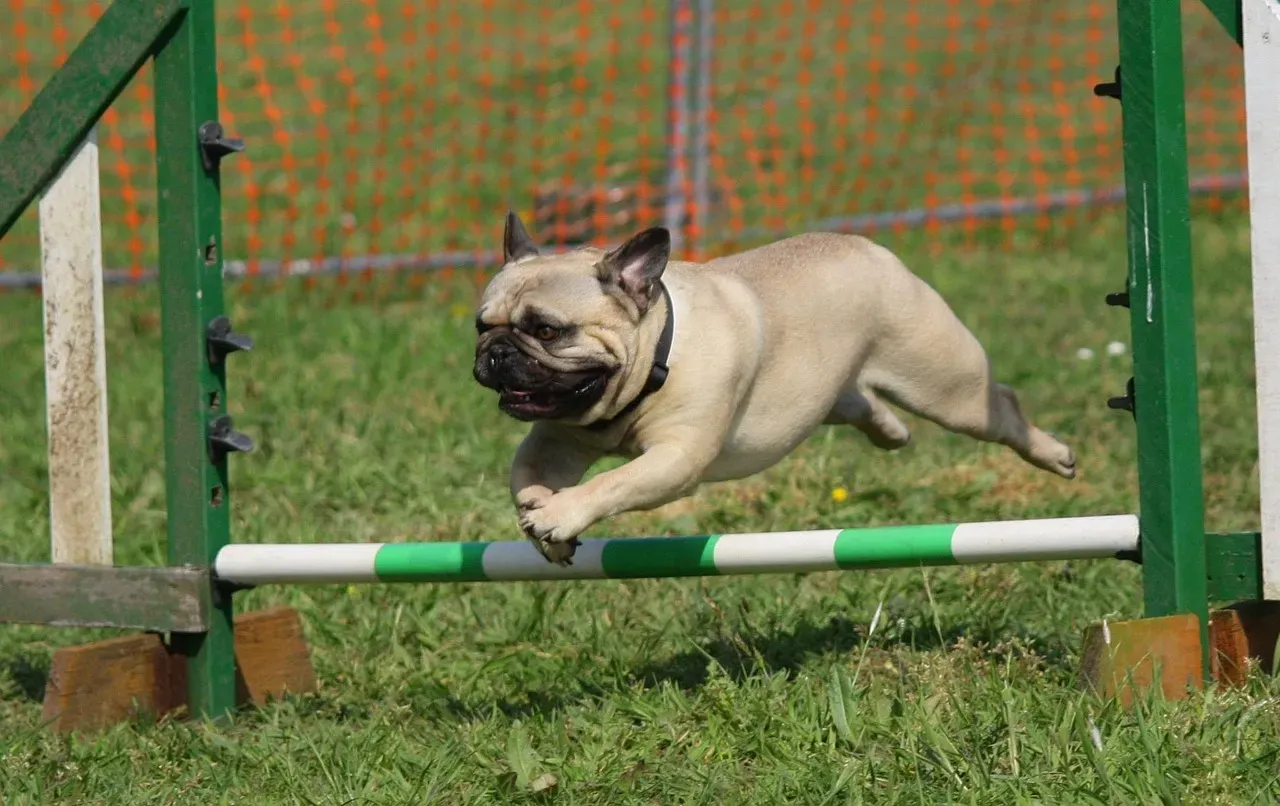
Your dog sits perfectly in the kitchen every single time. Then you ask for a sit at the park and get a blank stare. You haven’t failed. Your dog just hasn’t been taught that “sit” means sit everywhere. Dogs don’t generalize well. That means if you teach your dog to sit in the kitchen, they’ll think the cue for sit means “sit in the kitchen.” You need to train your dog in many different environments before they understand that their cues apply no matter where they are. Every time you move to a new location, go back to basics so your dog doesn’t become confused or frustrated.
Many dog owners make the mistake of thinking that basic obedience training at home is sufficient, but dogs often fail to generalize commands across different environments. A dog that sits perfectly in your living room might completely ignore the same command at the park or in the presence of other dogs. This isn’t defiance. It’s a lack of proper generalization training.
To address this, you need to practice commands in various locations and gradually add the challenges of distance, duration, and distraction. Start with familiar environments and slowly introduce new settings, always ensuring your dog is successful before increasing difficulty. Each challenge should be trained separately before combining them – this systematic approach is called “proofing” your commands. Think of it as helping your dog build a library of experiences, not just one well-rehearsed routine.
7. Waiting Too Long to Start Training
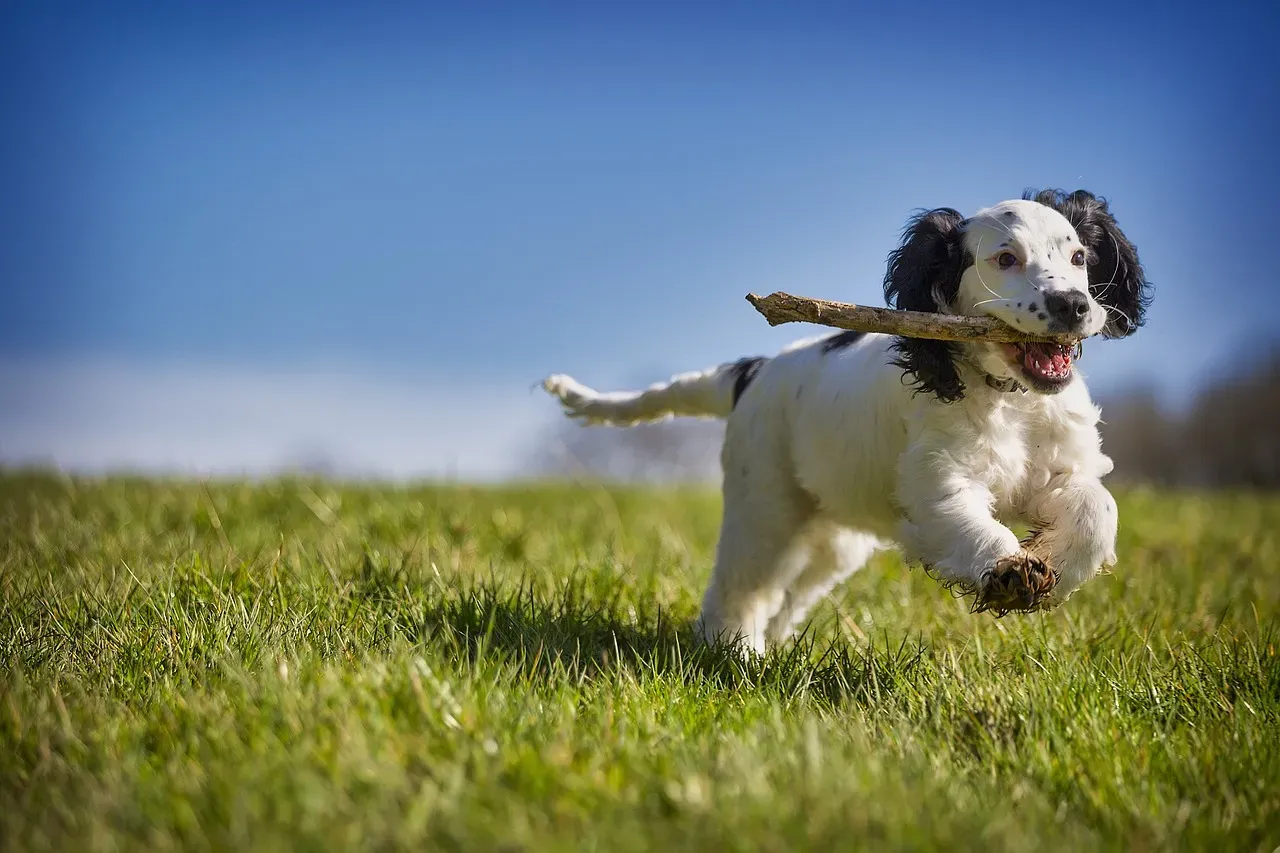
There’s a common belief that puppies should be left to just “be puppies” for the first few months before any real training begins. This is one of the most costly misconceptions in dog ownership. Waiting until unwanted behaviors appear before starting training is a major mistake, as puppies learn most about the world between 6 and 16 weeks during their critical socialization window.
Delaying training can allow bad habits, such as chewing on furniture or jumping on people, to develop. Older dogs can learn, but unlearning ingrained behaviors is more challenging. The longer a behavior is practiced, the stronger the neural pathway it carves. A small habit at eight weeks can become a serious challenge at eight months.
Start training as soon as your puppy comes home. Puppies as young as 8 weeks old are capable of learning foundational skills like “sit,” “stay,” and “come.” Focus on short, fun training sessions of five to ten minutes to keep their attention. For older dogs, it’s never too late – just approach training with patience and adjust your methods to their maturity and temperament. The window may narrow, but it never fully closes.
8. Sending Mixed Signals With Your Body Language
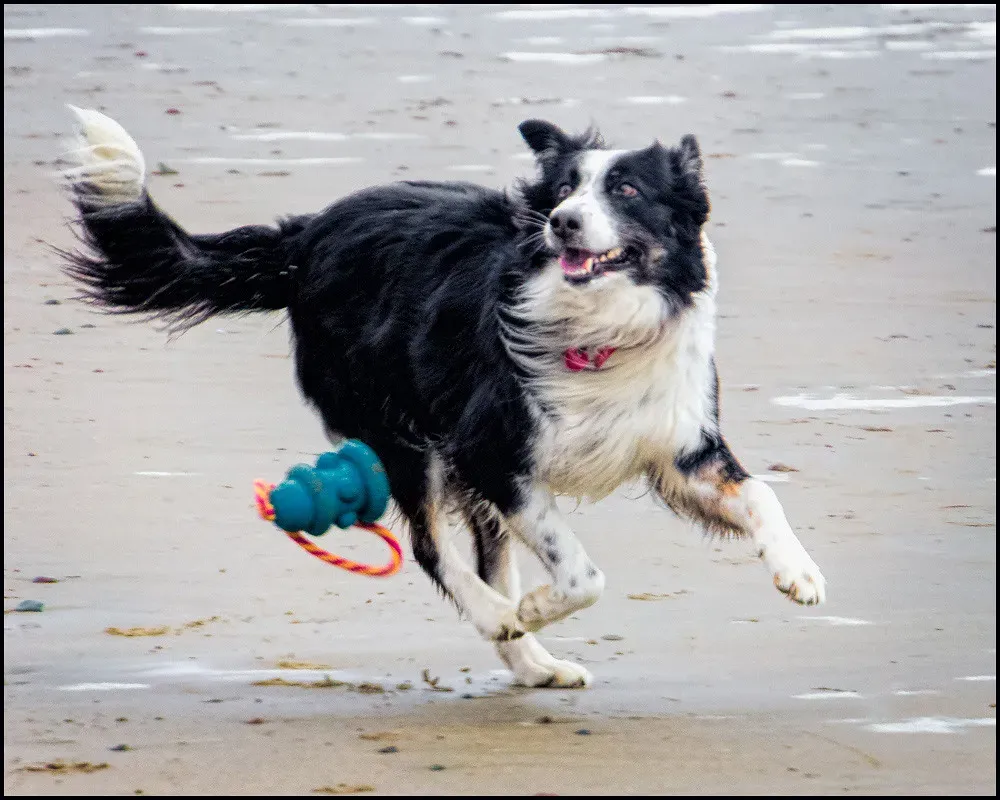
Your dog is an expert at reading you. Sometimes that works in your favor. Other times, your body accidentally contradicts your words, and your dog ends up confused by the conflict. Although dogs may understand many words, your dog will be attending to your body language, gestures, and the tone of your voice, along with what you say. Make sure every signal is in agreement to avoid confusing your dog. For example, if you ask your dog to stay but then you step back, don’t be surprised if your dog gets up to follow.
Dogs are masters at reading body language and interpreting human emotions, often more so than we realize. Conflicting signals between your verbal commands and body language can cause stress, confusion, or complete disengagement, especially in shy or anxious dogs. If you’re tense, your dog feels it. If your cues are sloppy, your dog mirrors that uncertainty.
Watch for stress signals in your dog during training, too. Signs like yawning, looking away, excessive sniffing, panting when not hot, or sudden disinterest in training often indicate stress or confusion. If you notice these signs, take a break, reassess your approach, and ensure your training sessions remain positive and engaging. These subtle cues are your dog’s honest feedback about how the session is going.
9. Using the Wrong Rewards or No Rewards at All
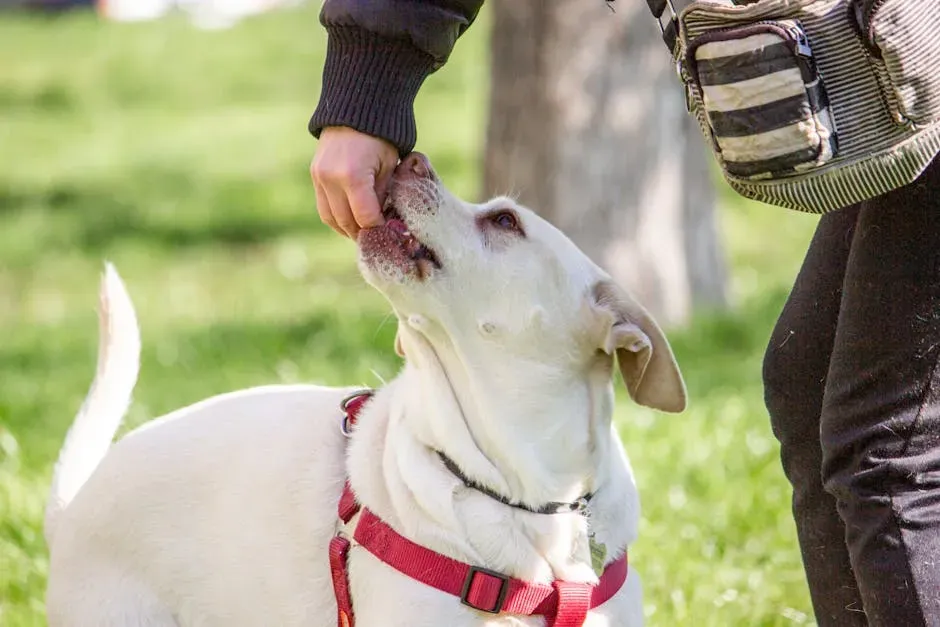
Not all rewards are created equal, and not all dogs are motivated by the same things. Assuming your dog will work for plain kibble when their real passion is cheese is a bit like offering someone a handshake when they were expecting a bonus. A reward is only reinforcing if it’s good from your dog’s point of view. Your dog might be crazy about cheese, but if you choose to reward with kibble, their performance will drop. Know what your dog loves most and build a reward hierarchy. Use the rewards at the top of the list for the most challenging tasks and save the items at the bottom for behaviors your dog has mastered.
The type of reward matters equally. Not all dogs are motivated by the same things. Some respond best to food treats, while others prefer verbal praise, physical affection, or play. Understanding your individual dog’s motivation is key to effective reward-based training. A working breed might lose their mind over a quick game of tug, while a food-driven Labrador couldn’t care less about a toy.
Not all training tasks are equal, and your rewards shouldn’t be either. Using the same low-value treat for both basic commands your dog has mastered and challenging new behaviors is a missed opportunity to maximize motivation. For harder tasks or new behaviors, use high-value rewards that your dog finds irresistible – these might be special treats, favorite toys, or enthusiastic play sessions. Matching the reward to the difficulty of the task keeps your dog engaged, eager, and willing to try again.
The Real Takeaway for Every Dog Parent
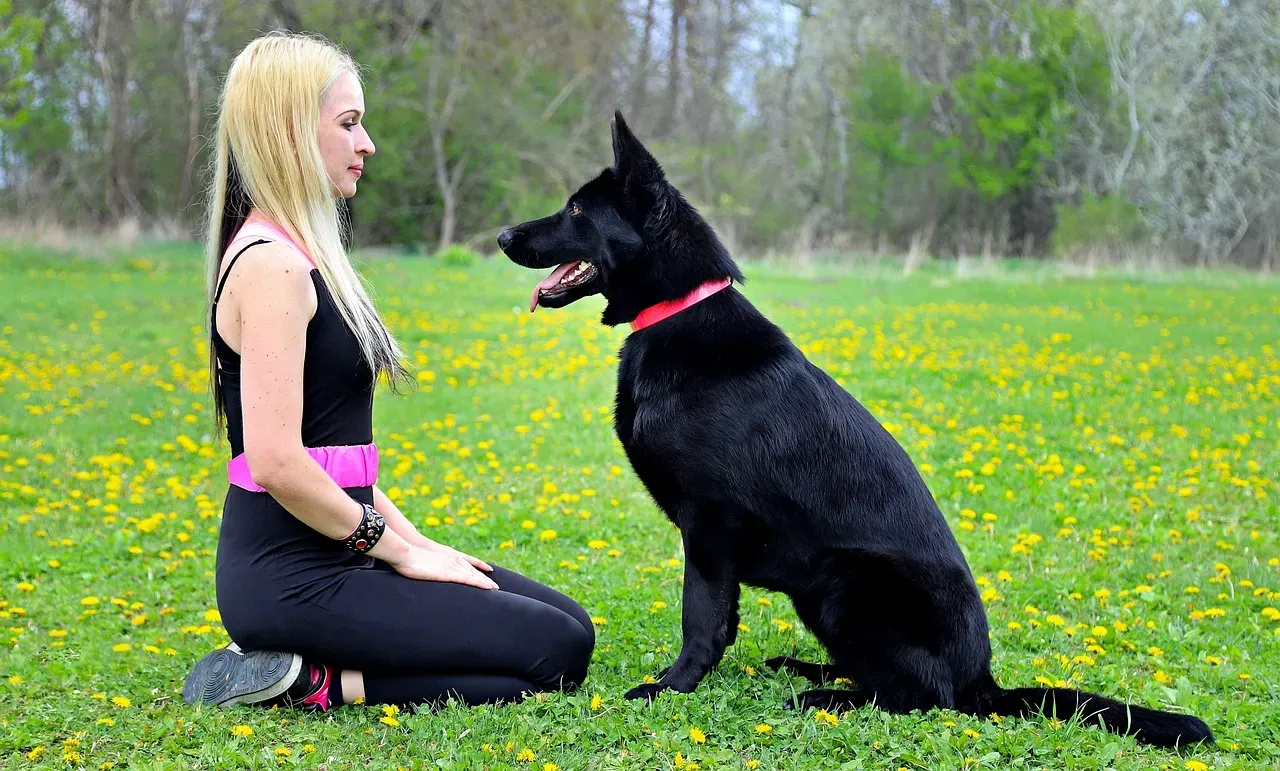
Training your dog well isn’t about being perfect. Every owner makes these mistakes at some point, and most dogs are more forgiving than we deserve. Your dog isn’t trying to be difficult or stubborn. Most of the time, they’re just confused by mixed signals or reacting to stress we’ve accidentally created.
Most common training mistakes can be fixed once you recognize them. A few small changes in structure, timing, and communication can make a huge difference in your dog’s behavior, confidence, and ability to relax. You don’t need to overhaul everything at once. Pick the one mistake on this list that resonates most and start there.
The bond you build through patient, consistent, reward-based training goes far beyond good manners. It becomes a shared language between you and your dog, one built on trust rather than fear, on clarity rather than confusion. That’s the kind of relationship that makes every long walk, muddy paw, and stolen sock worth every single moment.


